Health
PUPS – the AI tool that can predict where exactly proteins are in human cells
Dubbed, the Prediction of Unseen Proteins’ Subcellular Localization (or PUPS), the AI tool can account for the effects of protein mutations and cellular stress—key factors in disease progression.

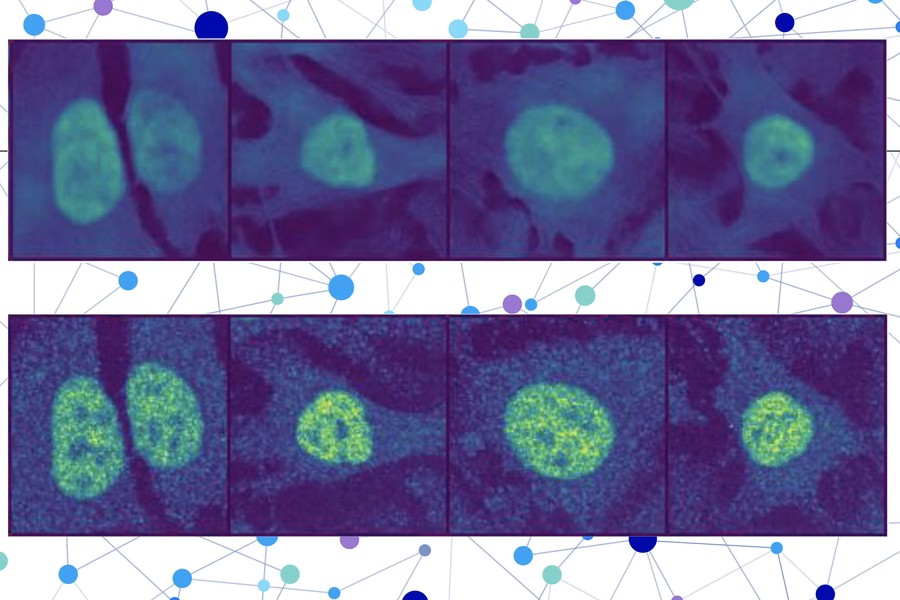
Researchers from MIT, Harvard University, and the Broad Institute have unveiled a groundbreaking artificial intelligence tool that can accurately predict where proteins are located within any human cell, even if both the protein and cell line have never been studied before. The method – Prediction of Unseen Proteins’ Subcellular Localization (or PUPS) – marks a major advancement in biological research and could significantly streamline disease diagnosis and drug discovery.
Protein localization—the precise location of a protein within a cell—is key to understanding its function. Misplaced proteins are known to contribute to diseases like Alzheimer’s, cystic fibrosis, and cancer. However, identifying protein locations manually is expensive and slow, particularly given the vast number of proteins in a single cell.
The new technique leverages a protein language model and a sophisticated computer vision system. It produces a detailed image that highlights where the protein is likely to be located at the single-cell level, offering far more precise insights than many existing models, which average results across all cells of a given type.
“You could do these protein-localization experiments on a computer without having to touch any lab bench, hopefully saving yourself months of effort. While you would still need to verify the prediction, this technique could act like an initial screening of what to test for experimentally,” said Yitong Tseo, a graduate student in MIT’s Computational and Systems Biology program and co-lead author of the study, in a media statement.
Tseo’s co-lead author, Xinyi Zhang, emphasized the model’s ability to generalize: “Most other methods usually require you to have a stain of the protein first, so you’ve already seen it in your training data. Our approach is unique in that it can generalize across proteins and cell lines at the same time,” she said in a media statement.
PUPS was validated through laboratory experiments and shown to outperform baseline AI methods in predicting protein locations with greater accuracy. The tool is also capable of accounting for the effects of protein mutations and cellular stress—key factors in disease progression.
Published in Nature Methods, the research was led by senior authors Fei Chen of Harvard and the Broad Institute, and Caroline Uhler, the Andrew and Erna Viterbi Professor at MIT. Future goals include enabling PUPS to analyze protein interactions and make predictions in live human tissue rather than cultured cells.













Health
India Beat Hunger. Now It Has to Make Healthy Food Affordable
India has significantly reduced hunger through its food security programmes, but more than 520 million people still cannot afford a healthy diet. As food prices rise and nutrition gaps persist, India’s next challenge is ensuring that every family can access balanced, affordable meals.
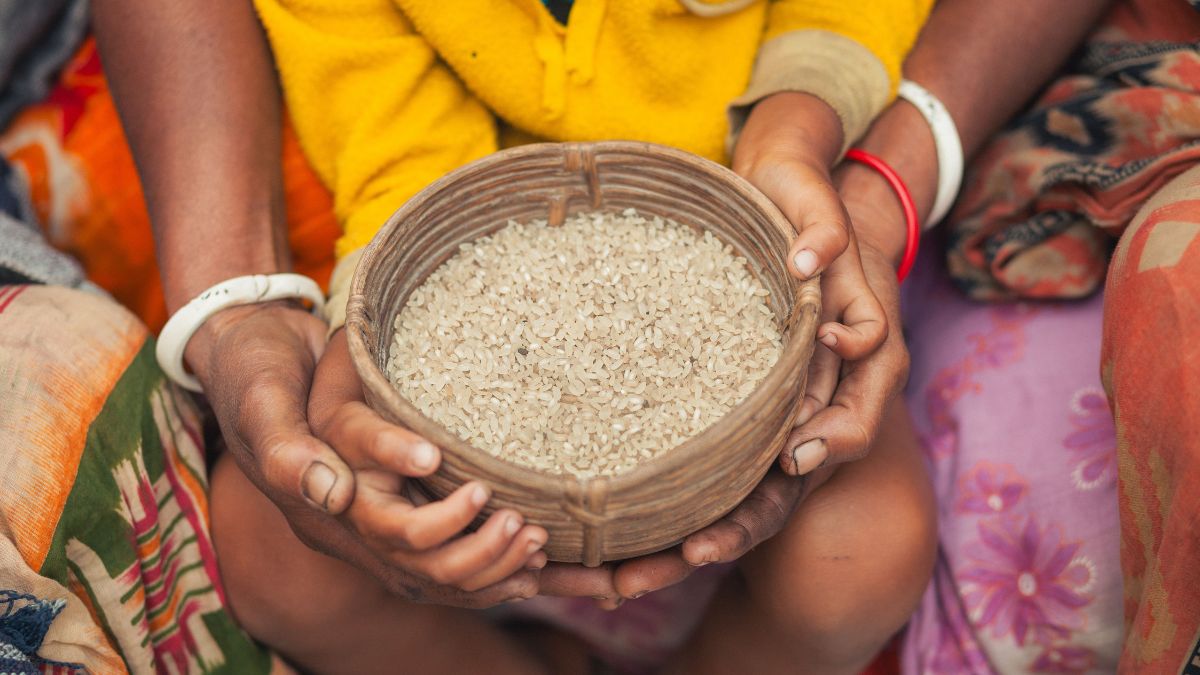
India has largely beaten hunger, but food security now faces a new test. A new UN report finds that while fewer people are undernourished, the high cost of healthy diets continues to keep nutritious food out of reach for millions.
Every month, nearly 800 million Indians collect subsidized rice and wheat from ration shops through the Public Distribution System (PDS). For millions of families, these grains ensure that no one sleeps hungry and ensure food security. It is one of the country’s biggest social protection programs and a key reason why hunger has steadily declined over the years. But as India wins one battle on food security, another is becoming harder to ignore.
The State of Food Security and Nutrition in the World (SOFI) 2026 report, released by the UN’s food and health agencies on 21 July, estimates that more than 520 million Indians cannot afford a healthy diet. More than one in every three people may have enough calories to get through the day but still struggle to regularly buy fruits, vegetables, pulses, milk, eggs and other nutrient-rich foods.
The contrast reveals a shift in India’s food security challenge. Hunger is no longer the country’s biggest concern. Nutrition is.
Food Security: India Solved the Problem of Empty Stomachs
India’s food security system was designed to tackle famine and chronic food shortages. The Green Revolution transformed cereal production, while government procurement and subsidised food distribution made rice and wheat accessible to poor households. During the Covid-19 pandemic, free food grain distribution further strengthened this safety net, protecting millions from falling into extreme hunger, ensured food security.
The strategy has worked. According to SOFI 2026, the prevalence of undernourishment in India has fallen from 21.1% in 2004-06 to 9.8% in 2023-25, a decline of roughly 101 million people, from 243.9 million to 142.5 million. Fewer Indians today are unable to consume the minimum calories required for a healthy life. For decades, this was the country’s biggest food security challenge.
Why Healthy Food Remains Out of Reach
Calories have become relatively affordable, while nutrition has become expensive. For many families, buying rice is rarely the problem. Buying milk every day, eggs for children or enough vegetables through the week often is. The imbalance is reflected not only in food prices but also in what Indians eat.
A study comparing Indian diets with the EAT-Lancet healthy diet found that among the poorest rural households, cereals provide around 70% of daily calories. By contrast, protein-rich foods contribute only 6-8% of total calories, far below the 29% recommended under the EAT-Lancet healthy diet. Even the richest Indian households consume fewer fruits, vegetables and non-cereal protein sources than recommended.
The affordability gap widens further when food prices rise. The share of Indians unable to afford a healthy diet has fallen sharply, from 59.8% in 2017 to 35.5% in 2025 — but SOFI 2026 puts the cost of that diet at US$4.11 per person per day (PPP) in 2025. Globally, the cost of a healthy diet has climbed from US$2.94 in 2017 to US$4.28 in 2025, an increase of roughly 45%.
Research published in the journal Food Policy paints a similar picture. It found that rural Indians typically spend only about US$1 per person per day on food, while a healthy diet costs between US$3 and US$5 per person per day. Much of that gap comes from the higher cost of fruits, dairy products and protein-rich foods.
Raj Patel, professor at the University of Texas at Austin and an expert with the International Panel of Experts on Sustainable Food Systems (IPES-Food), says this imbalance is rooted in the way food systems are organised.
“When 645 million people are hungry and one in three cannot afford a healthy diet, this is a failure of political choices. Healthy diets are becoming a luxury for billions, while farmers are paid less and consumers pay more. That isn’t an accident — it’s the result of a food system where a handful of powerful traders, processors and retailers set the prices and pocket the profits.”
His observation resonates in India, where cereals remain affordable through public support, while nutritious foods often become the first items families stop buying when household budgets tighten.
A Full Stomach Does Not Always Mean Good Nutrition
For decades, food security has largely been understood as having enough food on the plate.
According to neurologist Dr Arun Oommen, representative to the United Nations Economic and Social Council (ECOSOC), that understanding needs to evolve.
“The biggest misconception in India is that people think if their stomach is full, there is no malnutrition. People eat what is cheaply available, but those foods often lack the proteins, vitamins and minerals needed by the body.”, he told EdPublica
He says the pattern is especially common among low-income households, where meals are built around rice, with only small portions of vegetables or protein-rich foods.
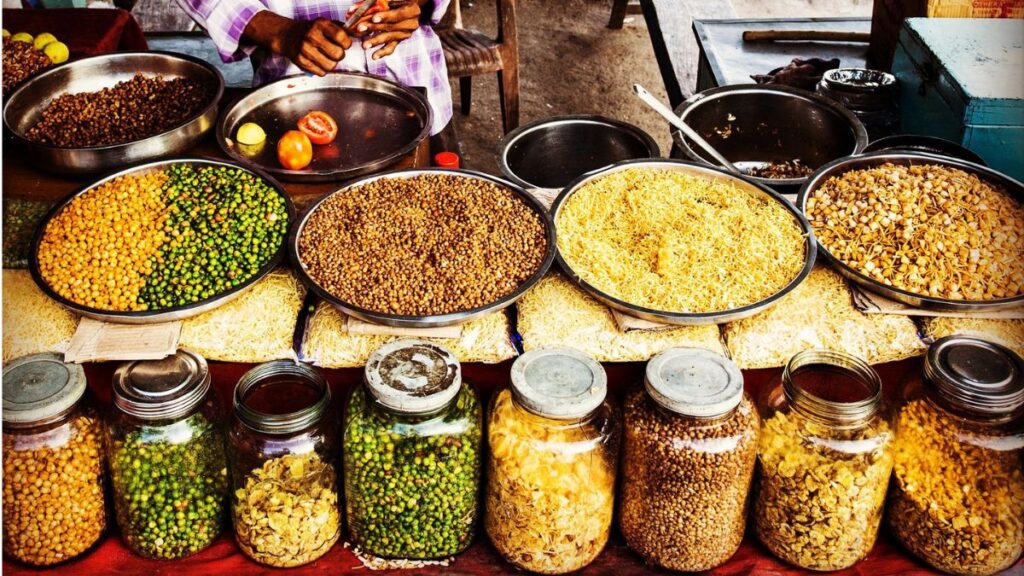
“Without adequate proteins, vitamins and minerals, the brain, muscles and other organs cannot develop properly. Many low-income families depend largely on carbohydrate-rich diets, with large portions of rice and very little protein or vegetables.”
The effects are often hidden. Children may get enough calories to avoid hunger but still miss out on the nutrients needed for healthy growth and brain development.
The Hidden Face of Malnutrition
The consequences are visible in India’s nutrition indicators. SOFI 2026 records that child stunting has fallen from 41.7% in 2012 to 32.9% in 2024 (from 53.3 million to 37.4 million children) — real progress, but still meaning more than one in three Indian children under five have low height for their age. Wasting stood at 18.7% (22.2 million children) in 2024, and anaemia among women aged 15-49 has risen from 50.1% in 2012 to 53.7% in 2023, now affecting 203.5 million women. These are signs not simply of inadequate food, but of diets that lack diversity.
This is where India’s food security story enters a new phase. Rice and wheat remain essential because they protect people from hunger. But they cannot, on their own, provide the balanced nutrition needed for healthy lives. As food inflation, climate change and disruptions to agricultural production continue to push up the prices of fruits, vegetables and pulses, nutritious diets become even harder to afford.
Jennifer Clapp, Canada Research Chair at the University of Waterloo and an IPES-Food expert, warns that global food systems face growing uncertainty.
“Global hunger remains stubbornly high. And the outlook for 2026 is deeply worrying. Geopolitics is increasingly shaping food security, with conflict, fertiliser disruptions, trade tensions, and El Niño-driven climate shocks threatening yet another surge in food prices.”
For India, another round of food price increases could widen the gap between escaping hunger and eating well.
The Next Step in India’s Food Security Journey
India has shown that large-scale public policy can reduce hunger. Few countries have built a food distribution system that reaches hundreds of millions of people every month. The next challenge is making healthy food just as accessible as cereals.
As Dr Oommen puts it: “Rice and wheat are important, but relying on them alone can create nutritional deficiencies. People need to include more vegetables, fruits and protein-rich foods in their diet.”
India’s food security story is no longer only about ensuring that people have enough to eat. It is about ensuring they can afford to eat well. The country’s next measure of success may not be how many empty stomachs it eliminates, but how many families can finally put a balanced, nutritious meal on the table.
Health
Ebola Outbreak Could Push Nearly One Million More People into Poverty, Cost Africa Billions: UNDP
While the immediate focus remains on containing the virus, the UNDP says the outbreak is also threatening livelihoods, jobs and public services, particularly in countries with fragile health systems
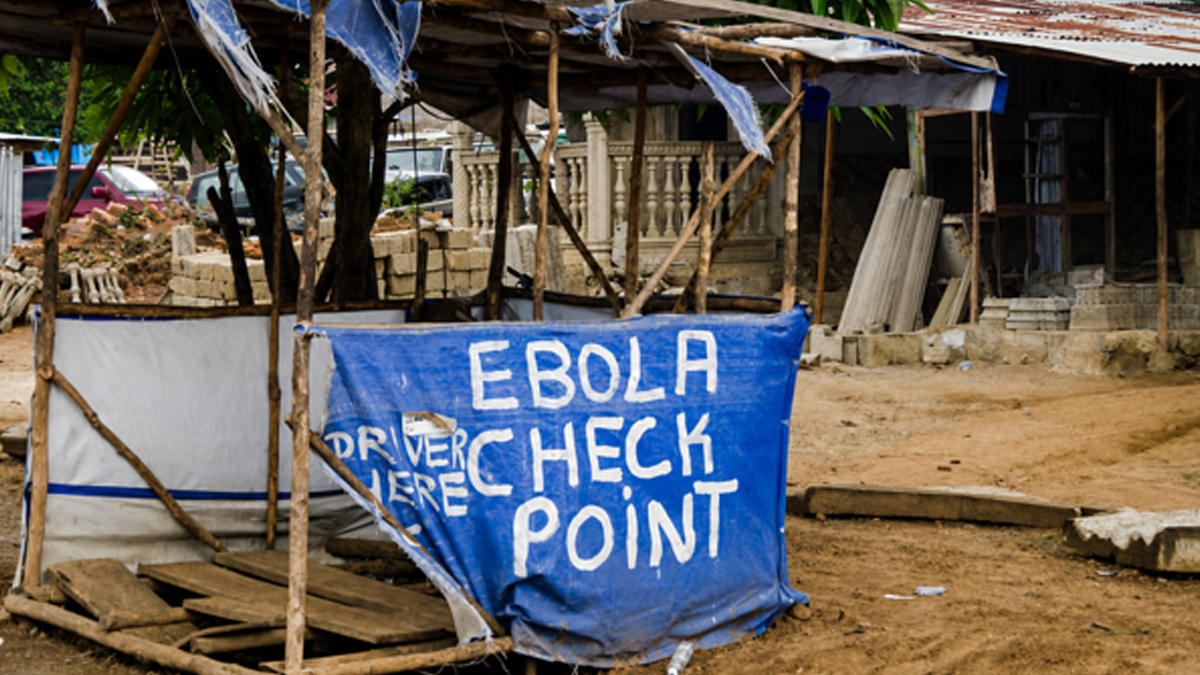
The ongoing Ebola outbreak in the Democratic Republic of the Congo (DRC) could push nearly one million more people into poverty and wipe billions of dollars from Africa’s economy if it is not contained quickly, according to a new analysis by the United Nations Development Program (UNDP).
While the immediate focus remains on containing the virus, the UNDP says the outbreak is also threatening livelihoods, jobs and public services, particularly in countries with fragile health systems. It warns that the economic effects are likely to outlast the health emergency, with women expected to face the greatest impact.
The analysis estimates that the outbreak could push an additional 985,000 people below the poverty line across Africa. In the worst-case scenario, the continent could lose up to US$3.6 billion as trade slows, businesses are disrupted and governments divert resources to emergency response.
“The cost of Ebola is measured not only in lives lost, but also in livelihoods lost,” the report notes, arguing that outbreaks of infectious diseases can undo years of development progress in a matter of months.
Women Likely to Bear the Brunt
According to the report, women are likely to be affected disproportionately because they make up much of the informal workforce and are often the primary caregivers at home. Restrictions on movement and market closures can cut off income for women working in informal trade, while increased caregiving responsibilities further reduce their economic opportunities.
The report also warns that pressure on healthcare systems could interrupt routine maternal and child health services, creating additional health risks beyond Ebola itself.
Economic Disruption Extends Beyond Affected Countries
Even if the outbreak remains concentrated in the DRC and neighbouring countries, its economic effects are expected to spread more widely through reduced trade, lower investor confidence and disruptions to regional supply chains.
The UNDP estimates that the DRC alone could lose more than US$1 billion in economic output and tens of thousands of jobs. Across the continent, the losses could reach US$2.37 billion under a moderate scenario and as much as US$3.6 billion if the outbreak spreads further.
Ebola Outbreak: A call for a Broader Response
The agency says responding to Ebola requires more than medical interventions. Along with strengthening surveillance and healthcare systems, governments should protect livelihoods through social safety nets, maintain essential public services and ensure that border measures do not unnecessarily disrupt trade.
According to the report, addressing these wider social and economic impacts will be crucial to preventing the current Ebola outbreak from becoming a long-term development setback for the region.
Health
Why Kerala’s Children Are Missing School as Monsoon Illnesses Return?
As monsoon illnesses surge across Kerala, children are increasingly missing schools. Experts warn that sanitation, surveillance and early intervention are critical to preventing outbreaks.

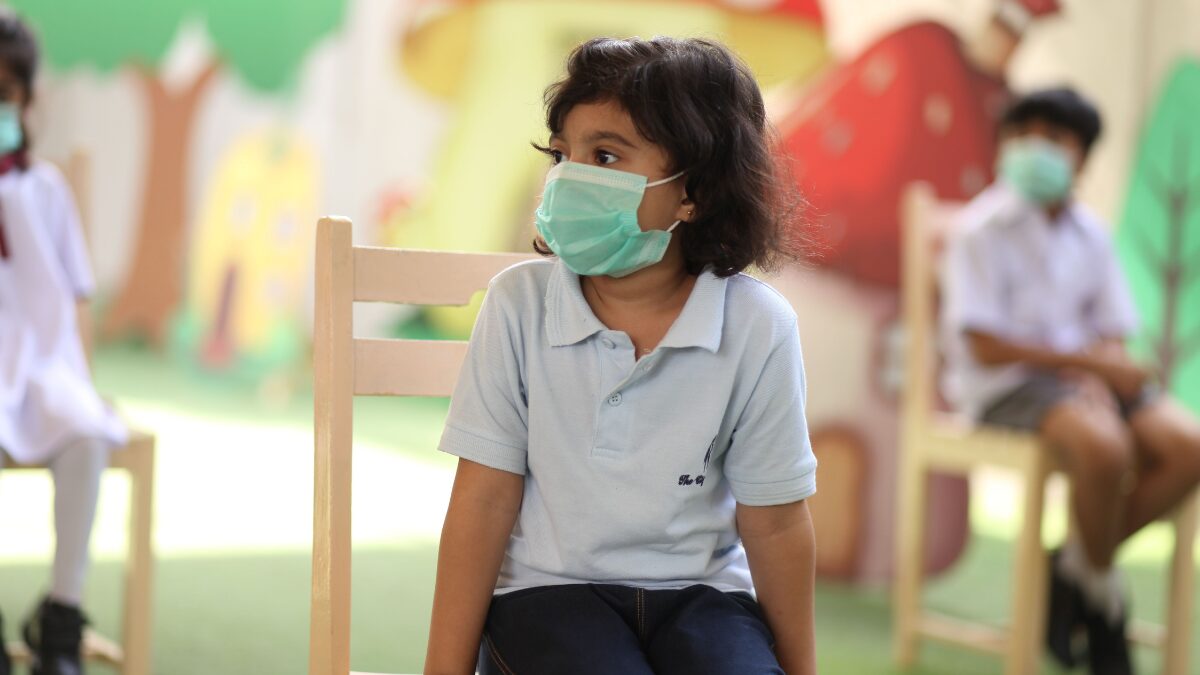
In the coastal district of Kozhikode, Kerala, a familiar pattern is beginning to reappear as the monsoon gathers strength. Classrooms that were full just weeks ago are now seeing a steady trickle of absences, with children staying home due to fever, diarrhea and other monsoon illnesses.
The situation is not unique to Kozhikode. Across Kerala, schools and health facilities are reporting a seasonal rise in illnesses that typically accompany the monsoon, including viral fevers, influenza-like infections, diarrhoeal diseases and, increasingly, Shigella infections.
“At least 5–6 students are absent daily due to some illness. Even though the school hasn’t reported cases of Shigella, there are cases of diarrhoea and viral fever,” said Jayasree, a school teacher from Kozhikode.
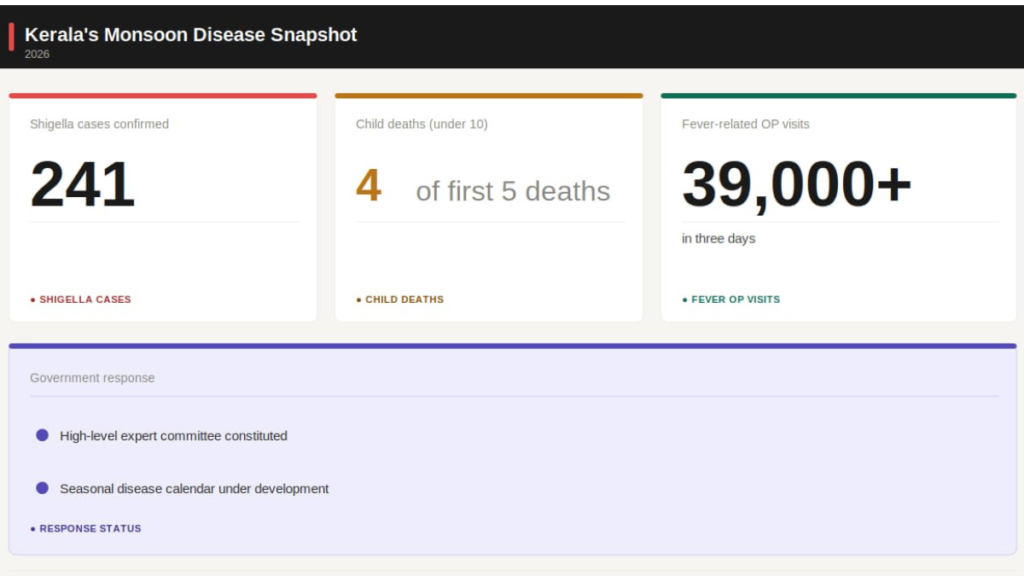
While such absenteeism is not unusual during the rainy season, doctors and public health officials say this year’s disease burden warrants closer attention. Kerala has reported 241 Shigella infections since the beginning of the year, and four of the first five deaths linked to the bacterial disease were children under the age of 10.
While Shigella has attracted particular attention, doctors say it is part of a broader seasonal pattern that includes viral fevers, influenza-like illnesses, diarrhoeal diseases and other infections that tend to surge during the rainy season. The wider disease burden is already visible across the state. In June, Kerala recorded more than 39,000 outpatient visits related to fever and seasonal illnesses over a three-day period, according to official figures, underscoring the pressure monsoon-related diseases continue to place on the healthcare system.
Why Children Face Greater Risks During Kerala’s Monsoon
Children are particularly vulnerable to infections during outbreaks because of both biological and behavioural factors.
“Young children are more likely to put their hands, toys, or other objects into their mouths, increasing exposure to germs. Maintaining good hand hygiene can also be challenging in this age group,” said Dr Sajana, paediatrician at Aster Medcity, Cochin.
She explained that Shigella spreads through the faeco-oral route. Even a very small number of bacteria can cause infection. Children also become dehydrated more quickly during diarrhoeal illnesses, making early detection and treatment critical.
The concern is not unique to Kerala. According to the Global Burden of Disease Study 1990–2016, published in The Lancet Infectious Diseases, Shigella was the second leading cause of diarrhoeal mortality globally in 2016 and was responsible for more than 63,000 deaths among children under five years of age. Public health experts note that young children are especially susceptible to complications because diarrhoeal illnesses can lead to rapid dehydration if not treated promptly.
Monsoon Illnesses Thrive When Water and Sanitation Systems Are Under Pressure
Public health researchers have repeatedly found that periods of intense rainfall can increase the risk of diarrhoeal disease outbreaks. Heavy rain can exposure to pathogens, particularly in densely populated communities and areas with inadequate sanitation.
Climate scientists and public health researchers have increasingly warned that changing rainfall patterns and more frequent extreme weather events can heighten the risk of waterborne diseases by contaminating drinking water sources and overwhelming sanitation infrastructure. For a state like Kerala, where the monsoon shapes both daily life and disease patterns, strengthening sanitation and surveillance has become as important as clinical care.
A recent incident in Malappuram district in northern Kerala, where a tender coconut stall was identified as the source of a Shigella outbreak, highlights how even commonly consumed foods can become transmission points when hygiene practices break down.
The concern has now prompted intervention at the highest levels of government. A high-level committee appointed by the Kerala government to review infectious disease control has warned that waterborne diseases such as Shigella are being reported more frequently this year. The committee recommended intensified sanitation campaigns, routine testing of drinking water sources, stronger food safety inspections and the deployment of field testing kits to health workers to identify contamination before outbreaks occur.
The committee also called for joint inspections of restaurants, street-food stalls and other food establishments, recommending that all food outlets be checked at least once every three months. Health officials believe such measures could help reduce the risk of food- and water-borne outbreaks that often emerge during the monsoon season.
The link between sanitation and disease is well established in Kerala itself. A study by researchers Chitra Grace A. and V. Mohanan Nair found that childhood diarrhoeal disease in rural Kerala remains closely associated with access to safe drinking water, sanitation facilities and household hygiene practices. The findings suggest that despite Kerala’s strong public health indicators, environmental and behavioural factors continue to shape disease risks among children.
These findings underline how even small lapses in sanitation, particularly during the monsoon when water sources become more vulnerable to contamination, can quickly translate into disease outbreaks.
Schools Become Kerala’s First Warning System
Schools often act as the first line of detection during seasonal outbreaks. Teachers are usually the first to notice patterns of illness among children, making early reporting critical.
“We are sending students back home even if they show mild symptoms such as a runny nose. Mask-wearing has also been made mandatory across the campus. Recently, a child was diagnosed with H1N1, but the situation has been well contained”, said Malini Arun Menon, Founder and Principal of Dolphinz Preschool, Kakkanad.
Health experts say that timely interventions such as sending symptomatic children home, temporary class suspensions and improved sanitation practices can significantly reduce transmission in school environments.
Regular cleaning of drinking water tanks, monitoring food preparation areas and ensuring that washrooms remain hygienic become especially important during the rainy season, when disease transmission risks tend to increase.
The First Line of Defence Begins at Home
Doctors say prevention often comes down to a handful of everyday practices. Ensuring children wash their hands regularly with soap, drink safe water and avoid unhygienic food can significantly reduce the risk of infection.
Families are also encouraged to keep children with symptoms at home and seek medical care promptly if warning signs such as persistent fever, bloody diarrhoea, repeated vomiting, dehydration or unusual drowsiness develop.
The state government’s expert committee has similarly emphasised the importance of community participation. It has recommended strengthening public awareness campaigns on sanitation, safe water practices and disease prevention while urging local bodies and health workers to intensify surveillance in identified disease hotspots.
The monsoon season can magnify risks, but experts say many infections remain preventable through simple hygiene measures and timely medical attention.
Can Kerala Predict Outbreaks Before They Happen?
Recognising the seasonal nature of disease outbreaks, Kerala is attempting to strengthen its predictive public health systems.
The state government recently highlighted plans for a seasonal disease calendar that would map when and where recurring outbreaks are most likely to occur. The initiative aims to help health authorities anticipate disease trends rather than merely respond to them after outbreaks have begun.
The high-level committee chaired by public health expert Dr S.S. Lal has reinforced that approach. In its preliminary report submitted this week, the committee recommended identifying disease hotspots using the Integrated Disease Surveillance Programme (IDSP), strengthening district-level surveillance and improving coordination between the health, education, local self-government, agriculture, forest and animal husbandry departments under a One Health framework.
The committee has also cautioned that mosquito-borne diseases such as dengue and chikungunya could become more widespread in the coming months due to the continuing effects of climate variability and changing weather patterns. Although dengue cases remain lower than during the same period last year, experts warn that sustained preventive measures will be necessary as the monsoon progresses.
The committee is expected to conduct further field visits and detailed studies, including investigations into recurring Nipah hotspots and the source of amoebic meningoencephalitis cases, before submitting its final report.
The idea reflects a broader shift in public health thinking, from reacting to outbreaks to predicting them. Kerala’s public health system has earned national recognition for responding quickly to health emergencies. The challenge now is whether it can stay ahead of them. As classrooms fill and the monsoon deepens across the state, health officials, schools and families face the same annual test: preventing familiar illnesses from becoming avoidable outbreaks.


Monsoon Intensifies Across 10 States as IMD Issues Heavy Rain Alert

Sonam Wangchuk and the Long Story of Starving for a Cause

The Trees That Stand Between Mumbai and the Sea

Can Integrated Clean Energy Reshape India’s Steel Industry?

The 2026 Fields Medals: Four Proofs, Four Decades-Old Problems Solved
The 2026 Fields Medals: Four Proofs, Four Decades-Old Problems Solved

West Asia Crisis: Can Kerala’s Returning Gulf Migrants Find a Future in the Green Economy?

What Is Civilisational Diplomacy? Understanding India’s Newest Foreign Policy Tool

Sharing Over Shopping: How Kerala’s Swap House Is Modelling a Different Way to Consume

Every Rumble Sounds Like the Mountain Falling Again: Inside Meppadi’s Second Landslide in Two Years

-

 Math3 days ago
The 2026 Fields Medals: Four Proofs, Four Decades-Old Problems Solved
-
Society3 weeks ago
West Asia Crisis: Can Kerala’s Returning Gulf Migrants Find a Future in the Green Economy?
-
Space & Physics2 months ago
India Semiconductor Mission: ‘It’s Not About Fabs. It’s About Building An Entire Ecosystem’
-
Climate2 months ago
The Climate World Cup? How Climate Change Could Affect Player Performance at the 2026 World Cup
-
Society2 weeks ago
What Is Civilisational Diplomacy? Understanding India’s Newest Foreign Policy Tool
-
Society1 month ago
From Bell Labs to the Classroom: A Second Career in Teaching
-
Space & Physics2 months ago
Engineers Develop Dual-Mode Propulsion System for Next-Generation Small Satellites
-
Sustainability3 weeks ago
Sharing Over Shopping: How Kerala’s Swap House Is Modelling a Different Way to Consume