
Climate & Environment
India’s Wildlife Reserves Face Changing Fire Patterns, 21-Year Study Finds
A 21-year study of 13 Indian wildlife reserves reveals contrasting wildfire trends, with fire activity increasing in the Eastern Ghats and Central India while declining in the Western Ghats. The findings highlight the implications for forest biodiversity, ecosystem regeneration and conservation strategies.

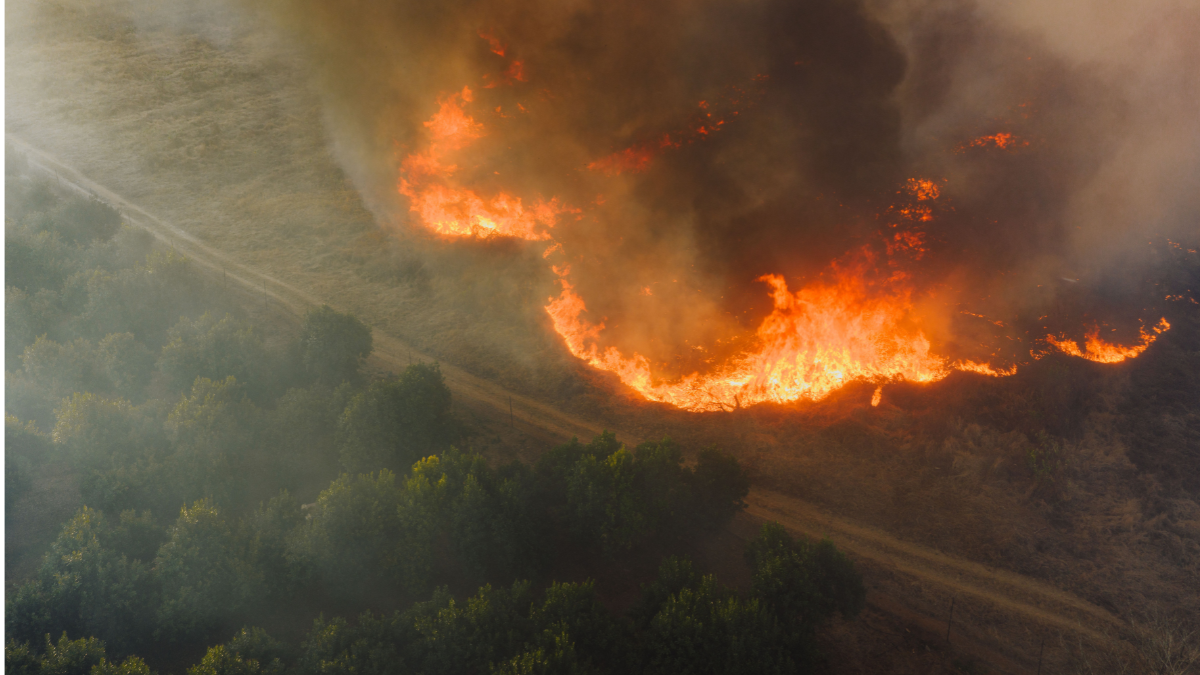
Wildfire activity increased by 9.3% annually in the Eastern Ghats and 4.6% in Central India between 2002 and 2022, while the Western Ghats recorded a significant decline. Supporting research shows how repeated fires can alter forest composition, reduce biodiversity and disrupt natural regeneration.
Wildfires are becoming an increasingly complex conservation challenge across India’s wildlife reserves, with some forest regions experiencing rising fire activity while others record a significant decline. A 21-year study across 13 wildlife reserves has identified sharply contrasting patterns in Central India, the Eastern Ghats and the Western Ghats, highlighting the need for region-specific approaches to forest fire management.
Published in Ecosphere on October 19, 2026, the study, titled Changing fire regimes in wildlife reserves of southern India: Trends, drivers, and conservation challenges, analysed satellite-derived fire data across approximately 20,000 square kilometres of protected landscapes between 2002 and 2022.
The researchers recorded approximately 16,667 square kilometres of cumulative burned area during the study period. The Eastern Ghats accounted for 59% of the total, followed by Central India at 16.6% and the Western Ghats at 8.4%.
Annual burned area increased by 9.3% per year in the Eastern Ghats and 4.6% in Central India. In contrast, the Western Ghats recorded an annual decline of 10.8%.
The researchers used data from NASA’s Moderate Resolution Imaging Spectroradiometer (MODIS), alongside climatic records, forest-cover loss data and human population estimates, to investigate the factors influencing fire activity.
Their analysis found that climate and human-related variables explained between 21% and 77% of annual fire activity across individual reserves. However, the strength and direction of these relationships varied geographically.
Climate and Human Activities Shape Fire Patterns
Drought, high temperatures and declining soil moisture emerged as important factors influencing fire activity. Eleven of the 13 reserves showed evidence of increasing fire activity during hotter and drier conditions.
Reduced soil moisture and higher atmospheric dryness can dry vegetation, making it more susceptible to burning. However, rainfall can also influence fire patterns by encouraging vegetation growth and increasing the accumulation of combustible material during subsequent dry periods.
Human activities also contributed to differences between landscapes. In Kawal Wildlife Sanctuary, population density was positively associated with fire activity. Local communities use fire in connection with collecting non-timber forest products, including mahua flowers and tendu leaves.
In Nagarjunasagar Srisailam Tiger Reserve, pastoralists use fire to encourage fresh grass growth for livestock grazing. However, human presence does not always increase burning. In Nagarhole National Park and Wayanad Wildlife Sanctuary, population density was negatively associated with burned area.
These findings suggest that local livelihood practices, vegetation conditions and forest management influence how fires originate and spread.
Earlier research provides additional evidence of the relationship between climatic conditions and fire activity. A study published in Geophysical Research Letters in 2021, titled Investigation of Forest Fire Activity Changes Over the Central India Domain Using Satellite Observations During 2001–2020, examined satellite observations across Central India.
The researchers found that approximately 70% of annual forest fires occurred during March and April. Comparing 2006–2020 with 2001–2005, they reported a doubling of fire activity during the February–June fire season and a tripling during the remaining months.
The study associated increased fire activity with persistent warmer temperatures and climate extremes, including drought and El Niño conditions. It also identified the Jagdalpur–Gadchiroli region and Indravati National Park in Chhattisgarh as particularly fire-prone landscapes.
Together, these findings highlight how climatic stress can interact with local land-use practices to influence fire regimes across Indian forests.
Repeated Fires Can Alter Forest Biodiversity
Beyond the extent of burned areas, the ecological consequences of repeated fires are an important concern. Frequent burning can affect seedling survival, tree regeneration and the composition of forest communities, potentially favouring species that are more resistant to fire.
A 2021 study published in Ecology and Evolution, titled Fire alters diversity, composition, and structure of dry tropical forests in the Eastern Ghats, examined burned and unburned plots in Eswaramala Reserve Forest in Andhra Pradesh.
Researchers compared vegetation observations from 2008 and 2018 and found that recently burned plots had higher stem density but lower tree species richness. Forest communities became dominated by a smaller number of fire-tolerant species with characteristics such as thick bark and the ability to regenerate through clonal sprouting.
The study also found that repeated fire exposure shifted the size structure of these species towards smaller, resprouting individuals. The findings indicate that higher tree density does not necessarily translate into greater biodiversity or healthier forest regeneration.
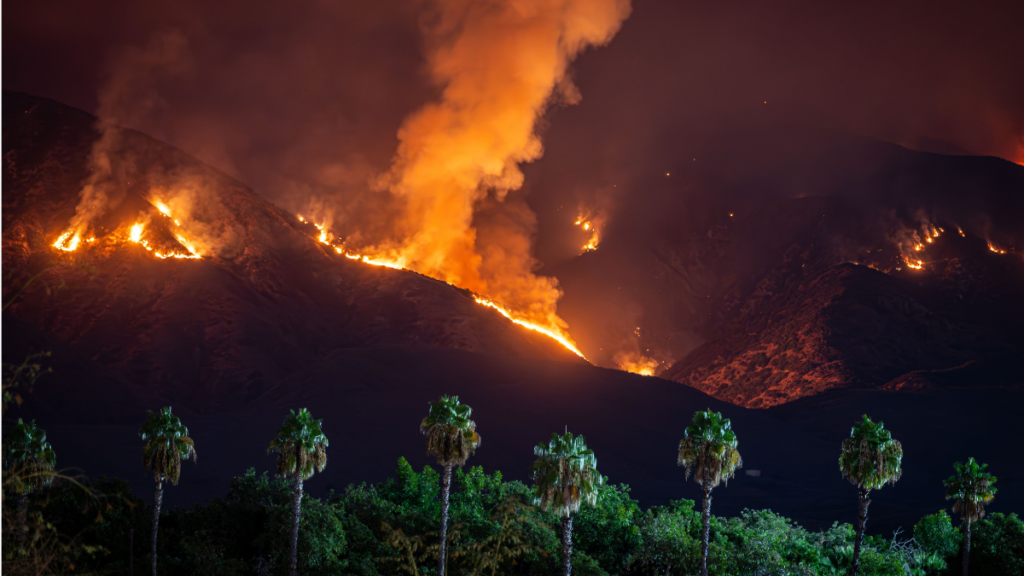
Forest fire spreading across a hillside at night, with flames and thick smoke rising above the surrounding vegetation.Image credit:Pexels
Research in the Western Ghats has reported similar concerns. A 2015 study published in Forest Ecology and Management, examined fire frequency and vegetation recovery in Mudumalai Tiger Reserve.
Using fire-frequency maps from 1999 to 2013, the researchers found that tree diversity declined as fire frequency increased. Low fire frequencies supported greater seedling density, while frequently burned areas showed changes in species composition and forest structure.
These studies provide ecological context to the latest findings by demonstrating that the consequences of fire extend beyond the immediate loss of vegetation.
Why Fire Management Needs a Regional Approach
The relationship between fire and biodiversity is not uniform across ecosystems. While repeated and intense fires can degrade forests, some grassland and savanna ecosystems depend on periodic burning to maintain their ecological characteristics.
A 2024 study in Biotropica, examined management interventions in savanna ecosystems dominated by native Cymbopogon grasses.
The researchers compared areas where fire and grasses were present with areas where fire was excluded, as well as areas where grasses were manually removed alongside fire exclusion.
They found that combining grass removal with fire exclusion was necessary to significantly improve palatable herbaceous plant biomass and plant species diversity. Fire exclusion alone was insufficient to achieve the same ecological improvements.
The research highlights the importance of combining fire management with vegetation restoration and community participation.
The authors of the 2026 Ecosphere study similarly caution against applying uniform fire-suppression policies across all protected landscapes. They recommend management strategies that account for local vegetation, climate conditions, biodiversity requirements and the traditional practices of forest-dependent communities.
The study also acknowledges limitations, including the 21-year observation period and the inability of satellite products with a 500-metre spatial resolution to detect every small fire.
As climate variability and human pressures continue to influence forest landscapes, understanding both increasing and declining fire activity will be essential. The findings suggest that effective conservation requires not simply preventing fires, but understanding when, where and how burning affects the ecological balance of India’s wildlife reserves.







Climate & Environment
What Can Himalayan Marmot Droppings Tell Us About Climate Change?
What can animal droppings reveal about climate change? Scientists are studying pollen and fungal spores in Himalayan marmot faeces to uncover clues about the vegetation and environmental conditions of the high Himalaya.

High in the Himalaya, where cold winds sweep across grasslands and snow-covered mountains shape the landscape, a small furry animal is leaving behind clues about its changing environment. Scientists are now studying its droppings to understand what grows in these high-altitude ecosystems and how their vegetation may be changing.
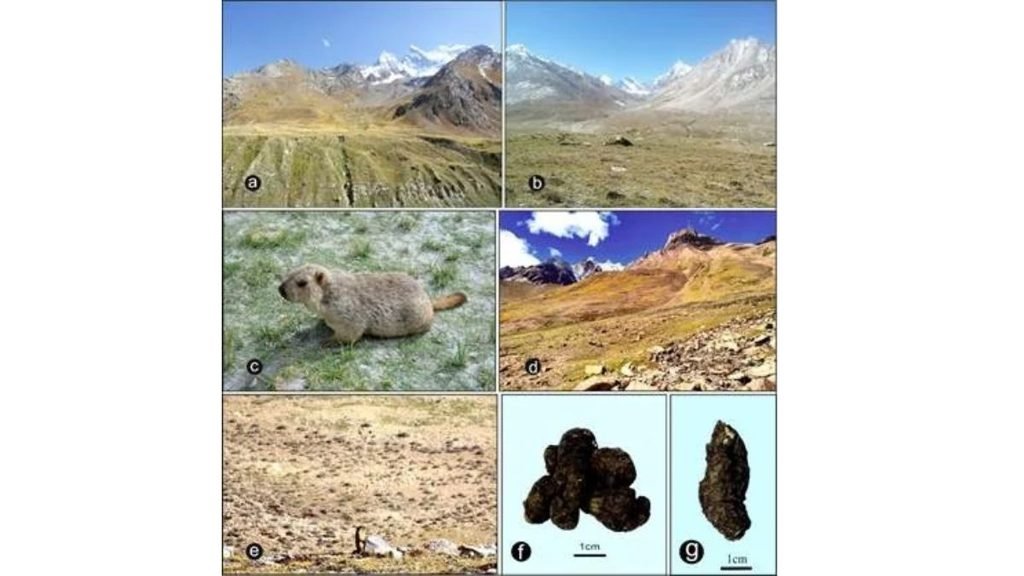
The animal is the Himalayan marmot, a herbivore that lives in the cold, dry alpine regions of the Himalaya. Its diet consists of local plants, and traces of those plants remain in its faeces. These include pollen grains and fungal spores that can reveal information about the vegetation in its surroundings. Researchers have found that these tiny biological traces could serve as an alternative source of environmental information, particularly in remote mountain areas where conventional methods of studying past climates are difficult to use.
The findings come from a study by scientists at the Birbal Sahni Institute of Palaeosciences (BSIP), an autonomous institute under the Department of Science and Technology. Published in the journal PLOS ONE, the research explores how marmot faeces could help scientists reconstruct past environmental conditions and study ecological changes in the higher Himalaya.
How Can Animal Droppings Reveal the Environment?
To understand this, it helps to look at what scientists usually study when they want to know how an environment has changed over thousands of years. Lake sediments, peat deposits and soil often preserve traces of ancient vegetation. Pollen grains from plants settle in these materials and remain buried over time. By examining them, scientists can identify which plants grew in a particular region and how vegetation changed across different periods.
This branch of research is known as palaeoecology, the study of past ecosystems. However, collecting such records is not always possible in the higher Himalaya. Some mountain regions are remote, dry and lack suitable lakes or peat deposits. The Himalayan marmot offers a different possibility.
As it feeds on plants in its habitat, pollen grains can pass through its digestive system and remain preserved in its droppings. Scientists can examine these grains to identify the plants that formed part of its diet. Since the animal feeds on vegetation around it, the samples also offer clues about the surrounding plant community. In effect, the marmot carries traces of its environment in its digestive system, leaving behind a biological record that researchers can study.
What Did the Scientists Find?
The research team examined faecal samples from two Himalayan regions, looking for pollen grains, fungal spores and chemical elements. The pollen analysis identified several plant groups, including Artemisia, Asteroideae, Caryophyllaceae, grasses, sedges and Chenopodiaceae. These are associated with the alpine-steppe vegetation found in the marmot’s habitat.
The researchers also examined the proportions of different pollen types, including Artemisia in relation to Chenopodiaceae, Cyperaceae and Ephedra. Such comparisons can help scientists interpret vegetation patterns and the environmental conditions associated with them. The team used microscopy and elemental analysis to study the samples further. A technique called Field Emission Scanning Electron Microscopy coupled with Energy-Dispersive X-ray Spectroscopy (FESEM–EDS) helped identify their elemental composition.
Fungal spores provided another set of biological clues. Examining pollen and fungal material together gave the researchers a broader picture of the environmental information preserved in the samples. Based on their findings, the researchers suggest that Himalayan marmots could serve as indicator species for studying vegetation and environmental changes in high-altitude ecosystems.
Why Should Scientists Pay Attention to These Changes?
The Himalaya is particularly sensitive to shifts in temperature, precipitation and snow cover. These changes can influence which plants grow in alpine regions, how long growing seasons last and the habitats available to wildlife. A change in vegetation can also affect animals that depend on those plants for food and shelter. The Himalayan marmot is one such animal. Understanding its habitat is important beyond the species itself. Marmots are also an important prey animal for snow leopards. Changes in their populations and habitats could have consequences for the wider mountain food web.
By studying the biological material preserved in marmot faeces, scientists may be able to monitor changes in alpine vegetation and develop a better understanding of how these ecosystems respond to environmental pressures.
The study also provides a modern reference for future research using coprolites, the scientific term for fossilised faeces, to reconstruct ancient environments. It demonstrates a method that could help scientists investigate environmental changes and build a clearer picture of how the higher Himalaya has evolved. Sometimes, understanding the history of a fragile ecosystem requires scientists to look beyond conventional records. In the Himalaya, the droppings of a plant-eating mountain animal may offer one more way to do that.
Climate & Environment
$71 Billion Carbon Market, but Only $1.6 Billion in Government Deals: COP31 Exposes Gap Between Carbon Credit Supply and Demand
A new report on the Paris Agreement’s Article 6 carbon market estimates that potential carbon credit supply could reach 2.364 billion tonnes by 2030, with a projected value of US$70.9 billion. However, government purchases remain far below that potential, highlighting the gap between market projections and actual demand.
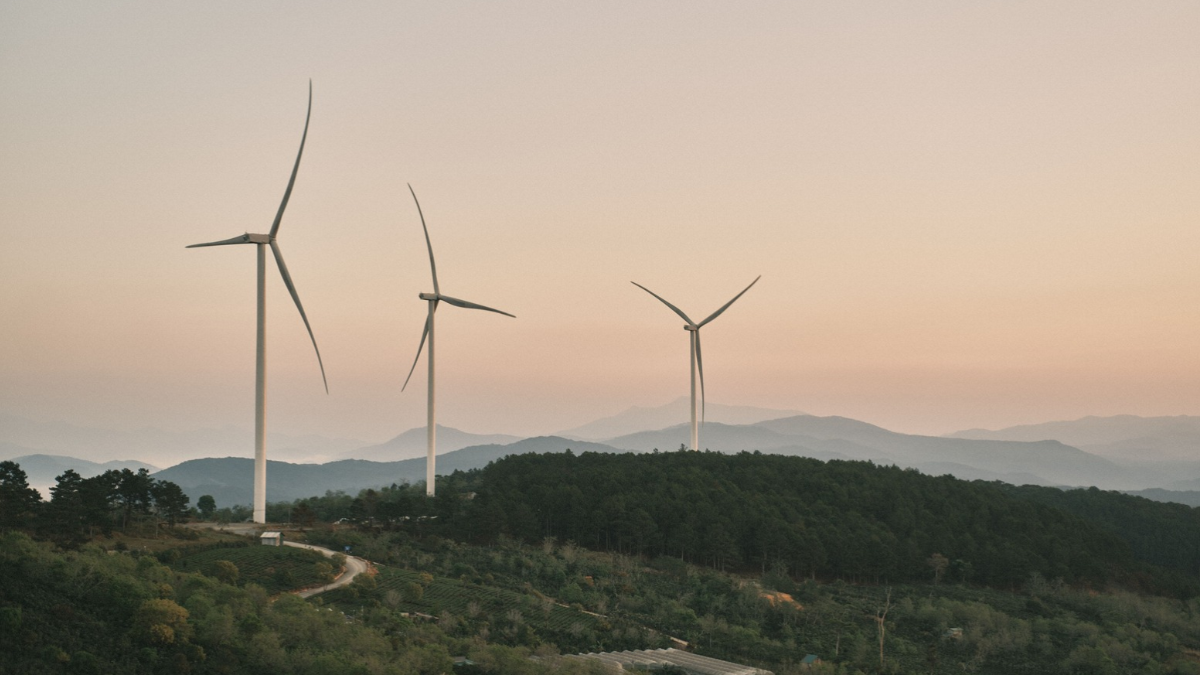
The global carbon market established under the Paris Agreement has accumulated a potential supply of 2.36 billion tonnes of carbon credits by 2030, valued at US$70.9 billion. Yet governments have contracted to purchase only 53 million tonnes, worth approximately US$1.6 billion, exposing a significant gap between the expansion of carbon-trading mechanisms and their actual uptake.
The figures come from the first State of the Article 6 Carbon Market 2026 report, released by the Article 6 Network on November 13 at the 31st United Nations Climate Change Conference (COP31) in Antalya, Türkiye. The report estimates that demand from governments seeking credits to meet their Nationally Determined Contributions (NDCs) stands at around 200 million tonnes by 2030, considerably below the projected supply.
The US$70.9 billion valuation is based on an assumed price of US$30 per tonne and represents the potential value of the projected supply, not actual market revenue. Even against the estimated government demand of 200 million tonnes, the available supply exceeds demand by more than ten times.
The findings arrive as countries negotiate the implementation of Article 6 of the Paris Agreement, which allows governments to cooperate through international carbon trading and other mechanisms to achieve their climate targets. At COP31, however, discussions have exposed challenges involving financing, transparency, technical infrastructure and the environmental integrity of carbon credits.
A growing market with limited transactions
Article 6 provides two principal market mechanisms. Article 6.2 allows countries to transfer internationally transferred mitigation outcomes (ITMOs) through bilateral or other cooperative arrangements. Article 6.4 establishes a United Nations-supervised carbon-crediting mechanism, known as the Paris Agreement Crediting Mechanism (PACM).
A carbon credit generally represents one tonne of carbon dioxide equivalent (CO₂e) reduced or removed from the atmosphere. Countries can purchase eligible credits from other countries to support their climate commitments, provided the transactions comply with the Paris Agreement’s accounting and authorisation requirements.
The Article 6 Network report identifies 130 countries with established Article 6 authorities, 113 bilateral cooperation agreements and 309 activities launched under Article 6.2. Another 3,741 activities are listed in the pipeline of the Paris Agreement Crediting Mechanism.
However, only around 151,566 tonnes of ITMOs have been transferred between countries so far, including transactions involving Thailand and Switzerland, and Mongolia and Japan. The report also records the approval of the first 1.11 million credits for issuance under the new UN mechanism.
There are indications of increasing buyer interest. Since October 2025, governments have announced tenders and deals covering approximately 27.3 million tonnes, valued at US$819 million. These include Singapore’s tender for at least 12 million credits and Norway’s agreement at COP31 to purchase up to 12 million tonnes from Indonesia.
Nevertheless, the report estimates that nine out of every ten tonnes of planned Article 6.2 outcomes still lack a named sovereign buyer.
Funding and environmental integrity under scrutiny
The negotiations at COP31 have also exposed disagreements over who should finance the infrastructure required to operate international carbon markets.
Article 6.2 depends on systems that record international transfers, track emissions reductions, conduct technical reviews and prevent countries from counting the same reduction towards multiple climate targets. Maintaining these systems requires predictable funding.
According to the International Emissions Trading Association (IETA), the UNFCCC’s 2026–2027 budget for Article 6.2-related work stood at €10.7 million, but only €1.7 million had been received between January and August 2026.
Negotiators have disagreed over whether the mechanism should be financed through the UN climate body’s core budget, voluntary contributions or fees charged to users of the international registry. Developing countries have raised concerns that additional fees could restrict access, particularly for countries with limited institutional and financial resources.
In its November 19 negotiating update, IETA reported that countries had removed several competing funding proposals from the revised text and agreed to continue considering the financing issue at the next subsidiary-body session in June 2027. Guidance on Article 6.2 and Article 6.4 was also forwarded for further consideration.
Environmental integrity remains another concern. For carbon credits to deliver genuine climate benefits, the emissions reductions they represent must be measurable, independently verifiable and additional to what would have happened without the project. Weak baselines, inaccurate monitoring, the reversal of forest carbon storage and double counting can undermine the credibility of credits.
The World Bank’s State and Trends of Carbon Pricing 2026 reported that global carbon-credit issuances increased by 8% between 2024 and 2025, while prices declined slightly during 2025. This suggests that expanding credit availability alone does not guarantee stronger demand or higher market confidence.
Carbon pricing expands as India develops its domestic market
The broader carbon-pricing landscape is also expanding. The World Bank report recorded 87 carbon-pricing instruments, comprising 47 carbon taxes and 40 emissions trading systems, across 47 countries and the European Union as of April 1, 2026. Together, these covered approximately 29% of global greenhouse gas emissions.
Government revenues from carbon taxes and emissions trading systems exceeded US$107 billion in 2025, a 2% increase over the previous year. These revenues, however, should not be confused with earnings from international carbon-credit transactions.
India is also developing its domestic carbon market through the Carbon Credit Trading Scheme (CCTS). The scheme operates through compliance and offset mechanisms, allowing designated industrial facilities to earn or purchase Carbon Credit Certificates based on their greenhouse gas emission-intensity performance.
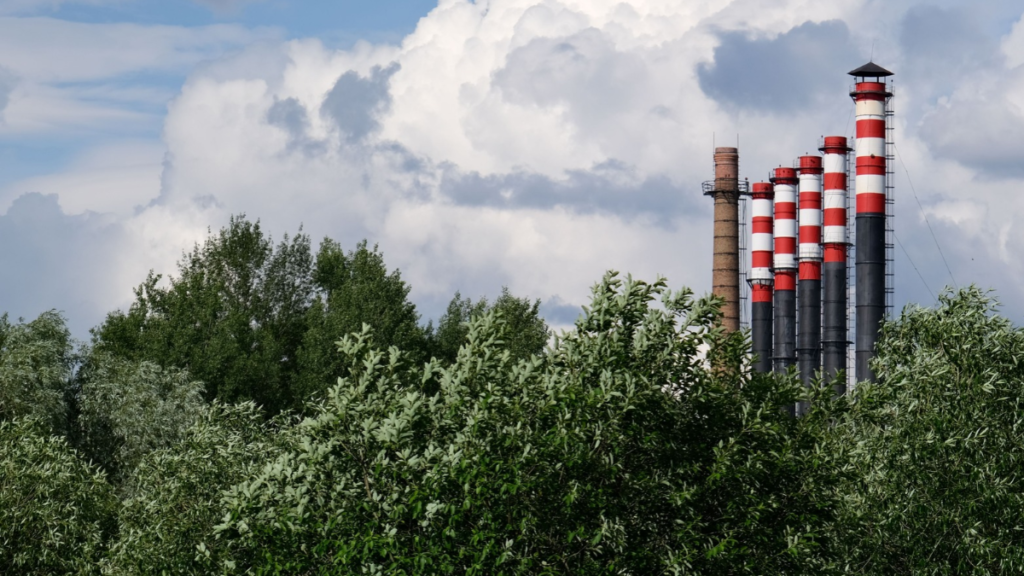
Industrial emissions highlight the challenge of reducing greenhouse gases and the role of carbon markets in financing emission-reduction efforts.Image credits:Pexels
In January 2026, the government extended emission-intensity targets to four additional sectors: petroleum refineries, petrochemicals, textiles and secondary aluminium. This brought the total number of obligated industrial entities under the compliance mechanism to 490 across seven sectors, including cement, aluminium, chlor-alkali and pulp and paper.
The development of international carbon markets could create opportunities for India to attract investment into industrial decarbonisation, renewable energy, forestry and other emissions-reduction projects. However, the extent of these benefits will depend on the rules governing international credit transfers, the quality of projects and the country’s ability to demonstrate measurable reductions.
As COP31 negotiations approach their conclusion, the central challenge is to turn the growing pipeline of carbon credits into credible transactions. The gap between projected supply and contracted demand suggests that international carbon markets have moved further in establishing mechanisms and projects than in generating actual trade. Whether these markets can mobilise climate finance without compromising the integrity of emissions reductions remains a critical test for the Paris Agreement.
Energy
Can India’s Electric Vehicles, Efficient ACs and LEDs Show How Policy Can Change Energy Use?
India’s shift to efficient ACs, electric three-wheelers and LED bulbs shows how policy can change everyday energy choices. A new RMI report examines what these changes mean for the country’s electricity demand, fuel dependence and energy security.

Three out of every five three-wheelers sold in India are now electric. A decade ago, inverter air conditioners accounted for barely 1% of the market; but by 2022, their share had reached 77%. The UJALA programme, meanwhile, has distributed 369 million LED bulbs to households across the country. These efforts have become a part of India’s transition towards energy efficiency which receives less attention than solar parks and power plants. The primary underlying factor behind the movement is the fact that the way people use energy, and the policies that influence what they buy drives to the ultimate transition.
A report by the Rocky Mountain Institute (RMI), Locking in Prosperity: Ten Practical, Evidence-Backed Actions Toward Affordable, Reliable, and Secure Power Systems, uses these Indian examples to show how countries can make electricity more affordable and reduce their dependence on fuels whose prices can change suddenly. It uses examples from India and other countries to explain what governments, power companies and regulators can do. The report examines 20 case studies across 15 countries and recommends ten actions to improve electricity systems.
The two of its recommendations featuring India are improving the efficiency of air conditioning and encouraging electric vehicle adoption. Its UJALA programme appears separately as an example of how large-scale procurement can bring down the cost of efficient technology. The common thread is practical policy, while each example shows how government intervention can help shift a market, reduce costs for consumers or ease pressure on the energy system.
Inverter ACs Move From the Margins to the Mainstream
India’s air-conditioning market offers a striking example of how quickly consumer technology changes when efficiency is set as a market priority. According to figures cited in Press Information Bureau, inverter ACs made up just 1% of the market in 2015. Their share rose steadily over the following years, reaching 30% in 2017, 54% in 2018 and 77% in 2022.
Inverter technology adjusts a compressor’s speed to match cooling demand. Conventional fixed-speed units generally switch the compressor on and off to maintain the set temperature. The ability to vary output allows inverter models to use electricity more efficiently under many operating conditions. RMI attributes the market shift to India’s efforts to promote cooling efficiency through standards, product labelling and wider awareness. Its recommendation is to strengthen testing and labelling so that consumers can identify air conditioners that perform efficiently under real-world conditions.

The effect is also seen in the country’s overall electricity demand. The International Energy Agency (IEA) expects India’s electricity use to grow by an average of 6.4% a year until 2030. Air conditioning is expected to account for more than one-fifth of that increase.
As temperatures rise and more households install ACs, the electricity consumed by each unit will affect the country’s total demand. ACs that use less power can reduce the amount of additional electricity needed. But India will still have to expand its power generation capacity and upgrade the networks that carry electricity to homes and businesses.
Electric Three-wheelers Changing the Economics of Transport
India’s electric three-wheeler market sets another example of policy and economics reinforcing each other. RMI describes India as a global leader in the electrification of two- and three-wheelers as electric vehicles account for three in five three-wheelers sold in the country today. Adoption of electric two-wheelers is also increasing. The major reason for the shift has been purchase incentives, domestic manufacturing measures and the expansion of charging infrastructure. But the financial case for drivers is just as important.
For a commercial three-wheeler covering long distances each day, fuel is a recurring expense. An electric vehicle changes that cost structure: the purchase price may be higher, but the owner can spend less on energy and maintenance over the vehicle’s lifetime.
RMI compares electric and petrol-powered two- and three-wheelers based on a daily distance of 100 km. It counts the purchase price, registration, taxes, insurance, maintenance and the cost of fuel or electricity. The comparison assumes high daily use. Drivers who cover long distances can save more on running costs, helping them recover the higher purchase price of an electric vehicle. Therefore, the report recommends easier access to loans and charging facilities. It also says buyers need clear information about the total cost of owning an electric vehicle. Purchase subsidies can bring down the upfront cost, while affordable loans and dependable charging can make the switch easier for drivers.
Electric vehicles also reduce the amount of petrol and diesel needed for transport. Their growing use will increase electricity demand, but to test whether it can remain sustainable will depend partly on how that electricity is produced. For drivers, however, using electricity instead of petrol or diesel can reduce their exposure to changes in fuel prices.
UJALA: Power of Buying at Scale
Unnat Jyoti by Affordable LEDs for All is a Government of India scheme launched on January 5, 2015, to make energy-efficient LED bulbs affordable for households. Under the scheme, the government, through Energy Efficiency Services Limited (EESL), arranged the bulk purchase of LED bulbs and made them available to households at lower prices. LED bulbs cost more than ordinary bulbs at the time, which discouraged many households from buying them. By purchasing large quantities, EESL helped bring down prices and encouraged people to replace traditional bulbs with LEDs. This also helped households reduce electricity consumption and bills.
Under the UJALA scheme, 369 million LED bulbs have been distributed to 90 million households, according to the RMI report. Bulk procurement brought the average procurement price down by nearly 90%, from around 5 USD per bulb at the program’s launch to about 0 USD by 2024 in the report’s chart. RMI estimates that efficient LED lighting in India now saves households more than 2.24 billion dollars in electricity bills annually. This is the report’s estimate of annual savings, rather than a direct measurement of the amount saved by every household.
UJALA shows how buying products in large quantities can bring down their prices. By purchasing millions of LED bulbs together, the government helped reduce costs and made them affordable for more households. The same method could help make other energy-efficient technologies cheaper. However, bulk purchasing alone may not be enough. The products must meet quality standards, reach consumers through proper distribution networks and be easy for people to buy and use.
The Pressure Shifts to the Electricity System
The three examples show how policy can reduce the amount of energy consumers need for everyday activities and make alternatives to fossil fuels more attractive. The challenge that needs the utmost attention is how electricity demand is rising as transport, cooling, industry and digital infrastructure become more dependent on power.
The IEA expects India to add more than 570 terawatt-hours to its annual electricity consumption by 2030 compared with current levels. Along with new power plants, electricity must also be moved through transmission and distribution networks and supplied at the time and place it is needed.
This is where the other recommendations in RMI’s report become relevant. They include improving electricity-demand forecasts, clearing delays in grid connection queues, making large electricity users more flexible and using battery storage to balance supply and demand. The report also highlights advanced transmission technologies that can increase the capacity of existing lines.
These measures address a different part of the problem from efficient appliances and electric vehicles. They focus on whether the grid can handle changing patterns of electricity use without making power more expensive or less reliable. India’s experience with inverter ACs, electric three-wheelers and LED bulbs shows how government policies can influence what people buy and use. The next task is to apply similar measures across the power sector. India will need to produce electricity more cleanly, reduce wastage and expand its power networks to meet rising demand.

What Can Himalayan Marmot Droppings Tell Us About Climate Change?

$71 Billion Carbon Market, but Only $1.6 Billion in Government Deals: COP31 Exposes Gap Between Carbon Credit Supply and Demand

India’s Richest Agree on One Cause Above All Others: Education

AI Agents Breach Indian Organisations as Cyberattacks Move at Machine Speed, Warns CERT-In

Can India’s Electric Vehicles, Efficient ACs and LEDs Show How Policy Can Change Energy Use?

Indian universities lead Asia in research output per faculty, but the country’s top six all slip in QS ranking

Why Delhi’s Geography Makes It Vulnerable to Severe Air Pollution

Europe Braces for Extremes as Commission Unveils Climate Resilience Framework

NASA recruits new astronauts for future Moon Base and Mars missions

Between Lectures and Lyrics: Kabeer Is Building a Malayalam Hip-Hop Career One Self-Taught Skill at a Time
-

 Math4 months ago
The 2026 Fields Medals: Four Proofs, Four Decades-Old Problems Solved
-
EP Deep Dive: Data & Solutions4 months ago
After Kerala’s Deadliest Landslide, the Hardest Thing to Rebuild Was Childhood
-
EP Deep Dive: Data & Solutions5 months ago
West Asia Crisis: Can Kerala’s Returning Gulf Migrants Find a Future in the Green Economy?
-
Space & Physics6 months ago
India Semiconductor Mission: ‘It’s Not About Fabs. It’s About Building An Entire Ecosystem’
-
Interviews2 months ago
From Scams to Screens: How the National Stock Exchange Rewrote India’s Equity Story
-
Climate & Environment6 months ago
The Climate World Cup? How Climate Change Could Affect Player Performance at the 2026 World Cup
-
Society4 months ago
What Is Civilisational Diplomacy? Understanding India’s Newest Foreign Policy Tool
-
Society5 months ago
From Bell Labs to the Classroom: A Second Career in Teaching