
Climate & Environment
Indigenous Peoples and Nature Conservation: What the Research Shows
Research shows that Indigenous Peoples and local communities play a significant role in protecting forests, biodiversity and carbon-rich ecosystems. Evidence suggests that secure land rights, traditional ecological knowledge and equitable participation in conservation governance can strengthen environmental outcomes.


Climate and biodiversity policies often focus on forests protected, carbon stored and species conserved. But an increasing body of research points to another factor that can influence these outcomes: who lives in, manages and makes decisions about ecologically important landscapes.
There are an estimated 476 million Indigenous Peoples across 90 countries, representing about 6.2% of the global population. Their territories overlap with many of the world’s remaining ecologically important landscapes, making their role increasingly relevant to climate and biodiversity policy.
The evidence does not support the blanket claim that Indigenous Peoples are inherently better conservationists. It does, however, show that land rights, ecological knowledge and meaningful participation in environmental governance can be important to conservation outcomes.
Indigenous Lands Overlap With Important Ecosystems
A 2018 study published in Nature Sustainability mapped Indigenous lands across 87 countries and politically distinct areas. It estimated that Indigenous Peoples manage or have tenure rights over at least 38 million sq km, more than one-quarter of the world’s terrestrial surface.
Their territories intersect approximately 40% of terrestrial protected areas and ecologically intact landscapes, including boreal and tropical primary forests, savannas and marshes.
The finding does not mean all Indigenous territories are pristine or formally protected. It demonstrates the substantial geographical overlap between Indigenous lands and landscapes that remain important for conservation.
That overlap matters for climate policy as well. Forests, wetlands and other intact ecosystems store carbon while supporting biodiversity and regulating water and other ecological processes.
One-third of Irrecoverable Carbon
The climate significance becomes clearer when carbon is considered.
A 2022 study in Nature Sustainability identified 139.1 gigatonnes of irrecoverable carbon remaining in Earth’s ecosystems, with considerable uncertainty around the estimate. The researchers found that 33.6% of this carbon—46.7 gigatonnes—is within lands managed by Indigenous Peoples and local communities, compared with 23% within protected areas.
“Irrecoverable” carbon refers to ecosystem carbon that, if released, could not be restored by mid-century—the timeframe considered critical for reaching net-zero emissions.
The figure does not mean Indigenous management itself creates these carbon stocks. It shows that a substantial share of carbon that climate policy has strong reason to protect is located within Indigenous and local-community lands.
Knowledge Accumulated Through Generations
Indigenous knowledge adds another dimension. Indigenous and local communities have developed detailed knowledge of species, habitats, seasonal cycles and natural resources through long-term relationships with particular landscapes. Such knowledge can complement scientific monitoring, particularly when environmental changes are observed over long periods.
The important question, however, is not simply whether conservation projects can use this knowledge. It is whether the people who hold it have a meaningful role in decisions affecting their territories.
A 2024 review in One Earth examined this question across conservation research. The researchers reviewed 648 empirical studies and analysed ecological outcomes in a subset of 170 studies. They found that more equitable governance arrangements—where Indigenous Peoples and local communities had equal partnership or primary control—were associated with significantly more positive ecological outcomes.
The study identifies an association, not proof that Indigenous governance automatically produces better results in every ecosystem. Conservation outcomes also depend on local institutions, ecological conditions, economic pressures and enforcement. But the finding challenges a model in which communities are merely consulted after conservation decisions have already been made.
The 30% Target Makes Governance Important
This issue is becoming more relevant as countries work towards the Kunming-Montreal Global Biodiversity Framework’s 30-by-30 target: conserving and effectively managing at least 30% of terrestrial, inland-water, coastal and marine areas by 2030.
The target itself calls for conservation areas to be equitably governed and recognises the rights of Indigenous Peoples and local communities where applicable. That means expanding protected areas cannot be measured only in hectares. How those areas are governed—and who has authority within them—also matters.
Climate Action Can Create New Pressures
The relationship between Indigenous territories and climate policy is not limited to forest conservation. The transition away from fossil fuels requires minerals used in batteries, electricity infrastructure and other technologies. Research published in Nature Sustainability found that more than half of the world’s energy-transition mineral resource base is located on or near the lands of Indigenous and peasant peoples.
This creates a potential contradiction: technologies intended to reduce emissions can generate new pressures on land and communities through mineral extraction.
A credible climate transition therefore has to consider not only the emissions avoided by new technologies, but also where their materials come from and whose territories are affected.
India: Where Forest Rights Meet Conservation
The global evidence has a clear relevance to India, although India’s legal framework generally uses the terms Scheduled Tribes and other traditional forest dwellers rather than the broader international category of Indigenous Peoples. India’s 2011 Census recorded about 104 million Scheduled Tribe people, representing 8.6% of the country’s population.
The Scheduled Tribes and Other Traditional Forest Dwellers (Recognition of Forest Rights) Act, 2006, commonly known as the Forest Rights Act, recognises rights of forest-dwelling Scheduled Tribes and other traditional forest dwellers over forest resources. It also provides for community forest-resource rights, including the right to protect, regenerate, conserve and manage community forest resources. Government data show the continuing scale of implementation.
As of December 31, 2025, the Ministry of Tribal Affairs reported 44,33,940 forest-rights claims had been settled, meaning a decision had been taken. These comprised 42,56,845 individual claims and 1,77,095 community claims. The data cover implementation in 20 states and one Union Territory.
The difference between individual and community claims is significant because community forest rights concern collective relationships with forests and their management. For India, therefore, the conservation question is not simply how much forest can be protected. It is also how communities with established relationships with forests participate in managing them and how their legally recognised rights are implemented.
What the Evidence Tells Us
The research does not justify portraying Indigenous Peoples as universally or inherently sustainable. Their communities, institutions and environmental practices differ widely. The evidence supports a more precise conclusion.
Indigenous Peoples manage or have tenure rights over at least 38 million sq km in the countries covered by the major global mapping study. Their territories intersect about 40% of terrestrial protected areas and ecologically intact landscapes. Indigenous Peoples and local communities manage lands containing 33.6% of the world’s mapped irrecoverable carbon. And a review of 648 conservation studies found that more equitable governance was associated with more positive ecological outcomes.
Together, these findings suggest that Indigenous Peoples should not be viewed simply as beneficiaries of conservation programmes or sources of traditional knowledge. They are already part of the governance of many ecologically important landscapes.
For climate and biodiversity policy, the implication is straightforward: protecting ecosystems can also require protecting the rights, knowledge and decision-making roles of the people who live with them. While that does not replace scientific research or environmental regulation. It expands the evidence and the institutions available to protect nature.










Earth
Greener Forests, Weaker Carbon Sinks? Study Finds Declining Productivity in Northeast India
A 24-year satellite-based study finds that Northeast India’s forests are experiencing declining carbon productivity despite relatively stable canopy cover, highlighting how rising atmospheric dryness could weaken their capacity to absorb and retain carbon.
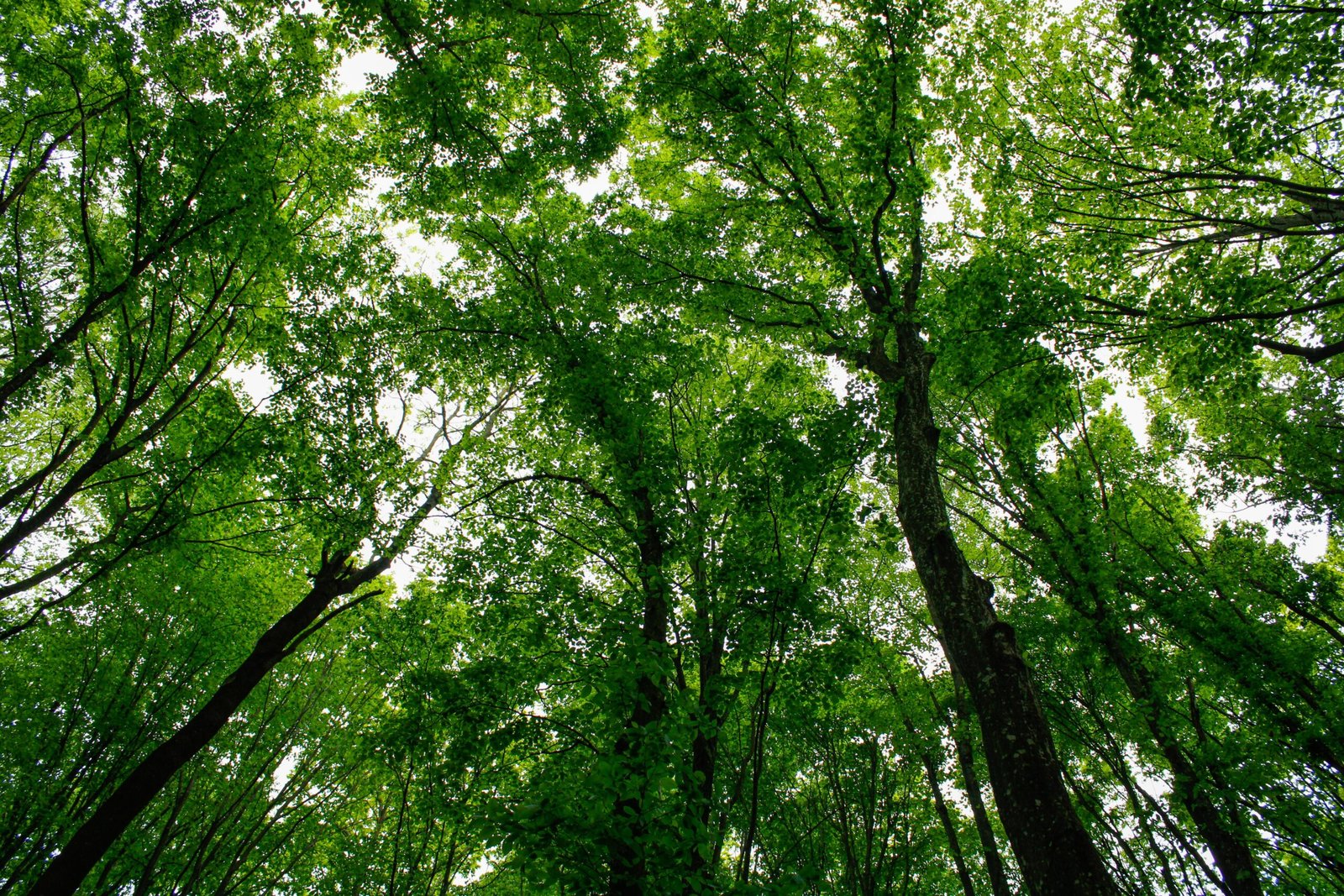
Forests in Northeast India are showing signs of a weakening capacity to accumulate carbon despite maintaining relatively stable canopy cover, according to a study published in Ecological Indicators in October 2026. The research suggests that increasing vegetation greenness does not necessarily indicate stronger carbon sinks, highlighting the need to assess forest health beyond satellite measurements of green cover.
Titled Are Greener Forests Stronger Carbon Sinks? Rising Vapour Pressure Deficit Instigates Greening-Productivity Decoupling in a Tropical Biodiversity Hotspot in India, the study examined forest carbon dynamics across Northeast India using 24 years of satellite-derived data from 2001 to 2024.
Researchers analysed three indicators: Leaf Area Index (LAI), Gross Primary Productivity (GPP) and Net Primary Productivity (NPP). These measurements helped assess changes in forest canopy structure, photosynthetic activity and the amount of carbon retained in plant biomass after accounting for plant respiration.
The analysis found that while canopy structure remained relatively stable and gross primary productivity increased modestly by 1.76 grams of carbon per square metre annually, net primary productivity declined by 0.83 grams of carbon per square metre annually across much of the region.
The researchers identified a divergence between canopy greenness and carbon productivity across approximately 40% of forested areas. A separate divergence between photosynthetic activity and net productivity was observed across around 30% of the region.
These findings indicate that forests can maintain their green appearance without achieving corresponding gains in carbon accumulation.
Atmospheric dryness emerges as a major factor
The study identified rising Vapour Pressure Deficit (VPD) as a primary driver of declining forest productivity. VPD measures the difference between the amount of moisture the atmosphere can hold and the moisture it actually contains. Higher VPD indicates greater atmospheric demand for water, increasing stress on vegetation.
Under such conditions, plants may close their stomata, the small pores on their leaves, to reduce water loss. This also restricts the intake of carbon dioxide required for photosynthesis, potentially reducing the amount of carbon absorbed by vegetation.
The researchers also identified a major shift in forest carbon functioning beginning around 2012. Their analysis suggests that the relationship between canopy structure, photosynthesis and net carbon accumulation has weakened over time.
The findings are particularly significant for Northeast India, which the study identifies as a climatically sensitive biodiversity hotspot containing approximately one-third of India’s forest carbon.
Earlier research points to similar concerns
The findings build on earlier research published in Scientific Reports in December 2023, which examined vegetation productivity across India between 2001 and 2019.
That study found that India’s Leaf Area Index increased by 6.75% in consistently forested areas, while Net Primary Productivity declined by 6.19%. Northeast India, the Western Ghats and parts of Peninsular India emerged as important regions experiencing declining productivity.
The 2023 research associated these changes with rising temperatures, which can reduce photosynthesis and increase plant respiration beyond certain temperature thresholds.
Another study examining a semi-deciduous forest in Kaziranga, published in Agricultural and Forest Meteorology in 2022, demonstrated how carbon exchange varies with seasonal and climatic conditions. It found that the forest functioned as a carbon sink during the pre-monsoon season but as a carbon source during winter in the observed study period.
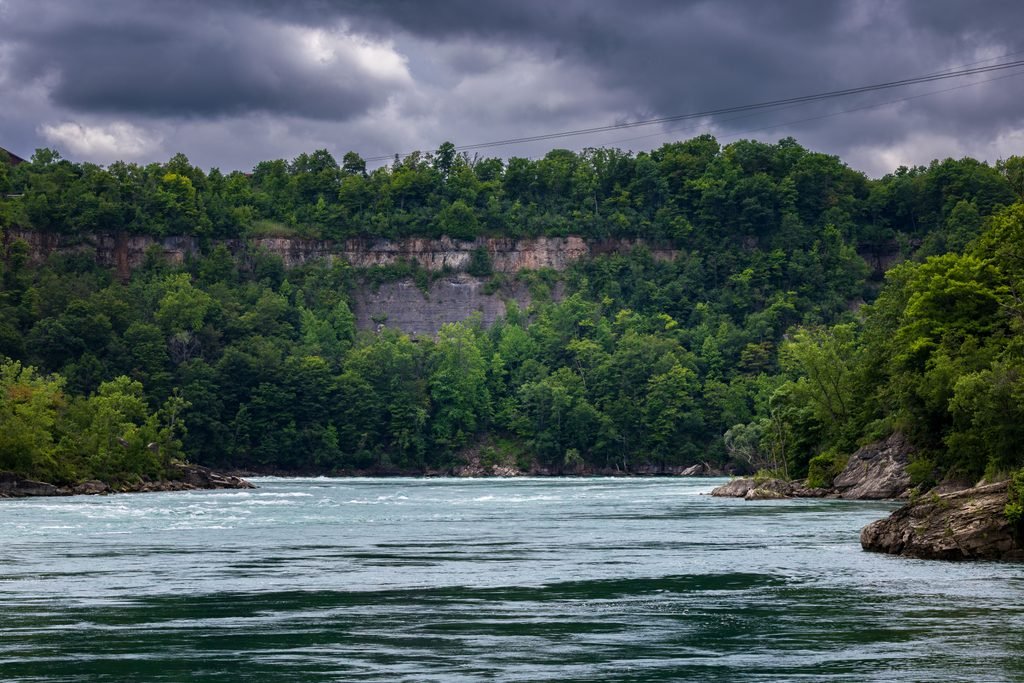
Image of a dense forest alongside a flowing river.Image credit:Pexels
Together, these studies highlight the importance of examining forest productivity, atmospheric conditions and seasonal carbon exchange rather than relying solely on changes in green cover.
The latest research does not suggest that Northeast India’s forests are structurally collapsing. Instead, it points to a less visible change in their ecological functioning, with implications for forest carbon accounting and climate-resilient forest management.
The findings underline the need for monitoring systems that combine satellite observations with measurements of atmospheric stress and carbon productivity to better understand how tropical forests respond to a warming climate.
Health
Climate Change Contributed to 10,600 Excess Preterm Births in Asia During April 2024 Heatwave
A Zero Carbon Analytics briefing estimates that climate change contributed to around 10,600 excess preterm births across three Asian countries during the April 2024 heat event. Its projections indicate a higher burden in India and Bangladesh by mid-century.

The extreme heat that swept across South and Southeast Asia in April 2024 may have contributed to more than 16,000 additional preterm births in India, Bangladesh and the Philippines, according to a new analysis by climate research organisation Zero Carbon Analytics. The report estimates that the heat event was associated with approximately 16,150 excess preterm births compared with the number expected during a typical April, based on temperatures recorded between 1991 and 2020. Of these, around 10,600 were attributed to the additional warming caused by human-induced climate change.
The estimates carry considerable uncertainty. The analysis places the range for heat-event-associated excess births between 10,100 and 22,400, while the estimate attributable to human-induced warming ranges from 5,100 to 17,700. The April 2024 event was made at least 45 times more likely by human-caused climate change. The heat persisted for about a month in India and Bangladesh and 15 days in the Philippines.
India: Highest Excess Preterm Births
India accounted for an estimated 10,050 excess preterm births, followed by Bangladesh with 5,515 and the Philippines with 585. The national increase, compared with a typical April, was estimated at 3.6% in India, 11.9% in Bangladesh and 10% in the Philippines.
Bangladesh recorded the highest rate of excess preterm births relative to the number of births, at approximately 19 per 1,000. The Philippines recorded around eight per 1,000. India’s figures varied considerably across states. Four states in the Indo-Gangetic region—Bihar, Uttar Pradesh, West Bengal and Jharkhand—accounted for 65% of India’s estimated excess preterm births. Their contribution reflects the combination of high population levels and substantial heat exposure during the event.
India’s average temperature in April 2024 was 0.94°C above normal. Several parts of the country experienced much higher anomalies, while nine states recorded temperatures below their respective averages. Tripura and Mizoram were approximately 2.7°C warmer than normal, with an estimated 11% increase in preterm birth risk.
West Bengal recorded a 10% increase in risk, Bihar 7% and Uttar Pradesh around 3%. Karnataka had the highest estimated excess rate, at 12 per 1,000 births. The state experienced a temperature anomaly of around 2°C and had a higher baseline preterm birth rate. The national estimate of 3.6% considers states that experienced warmer-than-normal conditions. Including the nine states that were cooler than average brings the estimated increase down to 3.2%.
Bangladesh had the Highest Excess Rate
Bangladesh recorded approximately 5,515 excess preterm births during the heat event, equivalent to around 19 per 1,000 births. Average temperatures were 2.88°C above normal. Dhaka and Chittagong together accounted for 47% of the country’s estimated excess births. The risk of preterm birth increased by approximately 10–15% across all divisions.
Mymensingh recorded the largest increase. Temperatures there were 3.59°C above normal, and the estimated number of excess preterm births was 24 per 1,000. Sylhet recorded the lowest rate, at 16 per 1,000. In the Philippines, the 15-day heat event was associated with an estimated 585 excess preterm births. Calabarzon accounted for around 100, while Metro Manila and Central Luzon recorded approximately 80 each. Metro Manila contributed 14% of the national estimate.
Average temperatures in the country were 2.44°C above normal. Cagayan Valley recorded a 15% increase in preterm birth risk, equivalent to around 12 excess births per 1,000. In Cagayan province, temperatures were 4.01°C above normal and the estimated risk increase reached 17%.
How Heat Affects Pregnancy
A preterm birth occurs when a baby is born alive before completing 37 weeks of pregnancy. Prematurity is a leading cause of neonatal mortality and can have lasting effects on a child’s physical development, neurological health and learning.
The study has found a relationship between high temperatures and an increased likelihood of premature delivery. A synthesis of studies cited in the Zero Carbon Analytics briefing found that a 1°C increase in heat exposure was associated with 4% higher odds of preterm birth. During heatwaves, the odds were 26% higher. Researchers are still investigating the biological processes behind this association. Heat exposure can cause dehydration and reduce blood flow to the placenta. It may also trigger inflammation and physiological responses that contribute to the onset of labour.
Pregnant women who undertake strenuous physical work or have limited access to drinking water face additional exposure. Poorly ventilated homes, metal and asbestos roofing, unreliable electricity and the cost of cooling can make it difficult to avoid excessive heat.
South Asia already has the world’s highest regional preterm birth rate. In 2020, the regional rate was 13.2%. India recorded 13%, Bangladesh 16.2% and the Philippines 7.7%. India accounted for approximately 20% of all preterm births worldwide that year. The briefing also cites research from Tamil Nadu that found pregnant women undertaking moderate to heavy physical work during heat stress had roughly twice the risk of miscarriage. This study examined miscarriage rather than preterm birth, but it provides further evidence of the reproductive health risks associated with occupational heat exposure.

How Climate Risks Affect Newborn Health and Survival
The briefing examines research linking high temperatures to other pregnancy complications. One global synthesis found that high heat exposure was associated with 28% higher odds of gestational diabetes and 48% higher odds of congenital anomalies. The evidence for these outcomes remains less extensive than that available on preterm birth. Floods, cyclones and other climate-related hazards also affect newborn health. In flood-prone areas of Bangladesh, infant death rates were estimated to be 8% higher. Research covering 1988–2017 attributed 152,753 excess infant deaths to flood exposure.
Exposure to cyclones during pregnancy or a child’s first year was associated with 10.4 additional infant deaths per 1,000 live births, a 27% increase. In India, studies have found higher rates of low birthweight in flood-affected regions. Poorer households exposed to floods also face a greater likelihood of low birthweight.
Air pollution adds to these health risks. In Bangladesh, exposure to fine particulate matter (PM2.5) was estimated to account for 4.4–4.9% of preterm births between 2015 and 2019. In India, maternal exposure to ambient PM2.5 during pregnancy was associated with 67% higher odds of preterm birth and 37% higher odds of low birthweight, after adjusting for temperature.
India Faces 15,300 More Preterm Births by Mid-Century
The report’s climate projections indicate that heat-related preterm births could increase by the middle of the century. Using climate model data for 2041–2060, it estimates around 15,300 excess preterm births during a typical April in India, compared with the historical baseline. The projected range is 6,800–28,100. For Bangladesh, the corresponding estimate is approximately 1,500, with a range of 630–2,900. The modelling uses two emissions pathways, SSP2-4.5 and SSP3-7.0.
India’s projected estimate is about 50% higher than the 10,050 excess births associated with the April 2024 event. Uttar Pradesh is expected to record the largest burden, followed by Bihar and Rajasthan. In Bangladesh, Dhaka is projected to have the highest number, followed by Chittagong and Rajshahi.
These projections depend on several assumptions. The model keeps the relationship between temperature and preterm birth unchanged and does not account for future physiological, behavioural or healthcare-system adaptation. It also incorporates projected declines in the number of births by mid-century—around 18% in India and 22% in Bangladesh. The figures represent a modelled estimate under specified climate and demographic conditions. They do not predict the exact number of preterm births that will occur.
Maternal Healthcare Plans and Heat Exposure
India has several programmes aimed at improving maternal and newborn health, including the India Newborn Action Plan and the Pradhan Mantri Surakshit Matritva Abhiyan. The programmes were not originally designed to address the specific health risks associated with extreme heat.
The Union Health Ministry has recently issued guidance on heat-related risks during pregnancy for healthcare professionals and community health workers. It covers the identification of high-risk pregnancies, warning signs, hydration, cooling, referrals and family preparedness. The National Programme on Climate Change and Human Health and state climate action plans could help incorporate these measures into maternal healthcare services. Existing state-level plans, however, have substantial gaps.
A review of 19 heat action plans and 16 state climate plans found that 12 of the 35 documents had no recommendations for pregnant or lactating women. The remaining 23 listed 214 strategies, of which only 40 specifically addressed pregnant or lactating women. Most recommendations focused on individual behaviour rather than structural measures such as improved housing, access to cooling and health-system support.
A September 2026 Wellcome Trust survey of 1,000 maternal healthcare professionals across five countries, including India, found that 73% had observed an increase in heat-related cases or complications among pregnant women over the previous five years. Around 92% said they needed more training and resources to manage these risks.
Bangladesh introduced national guidelines in 2024 through its Directorate General of Health Services and UNICEF to address heat-related risks among children and pregnant women. The Zero Carbon Analytics briefing did not identify a comparable heat-specific maternal health guideline or heat action plan in the Philippines.
Preparing for Heat-related Complications
Healthcare services can identify women at higher risk during antenatal visits and advise them on hydration, rest and reducing exposure during the hottest hours. Community health workers can monitor vulnerable pregnancies and help women access medical care when warning signs appear. Hospitals and primary health centres also need procedures to identify and manage heat-related complications.
Access to drinking water, affordable electricity, shaded workplaces and well-ventilated housing will influence how effectively women can protect themselves. Heat warnings need to reach pregnant women and their families in a form they can act on, particularly in communities where outdoor work and limited access to cooling make exposure difficult to avoid.
The April 2024 analysis estimates a substantial number of premature births associated with a single heat event across three countries. The projections for India and Bangladesh suggest that the pressure on maternal and newborn healthcare could increase as temperatures rise. Public health planning will need to account for heat exposure alongside existing risks such as undernutrition, air pollution and inadequate antenatal care.
Climate & Environment
Overshooting 1.5°C Could Trigger Irreversible Damage to Earth’s Ice Systems, Warns UN-Backed Report
A new ICCI–UNEP report warns that exceeding the 1.5°C warming threshold could trigger irreversible damage to glaciers, polar ice sheets, permafrost and oceans, with lasting consequences for sea levels, freshwater security and ecosystems.

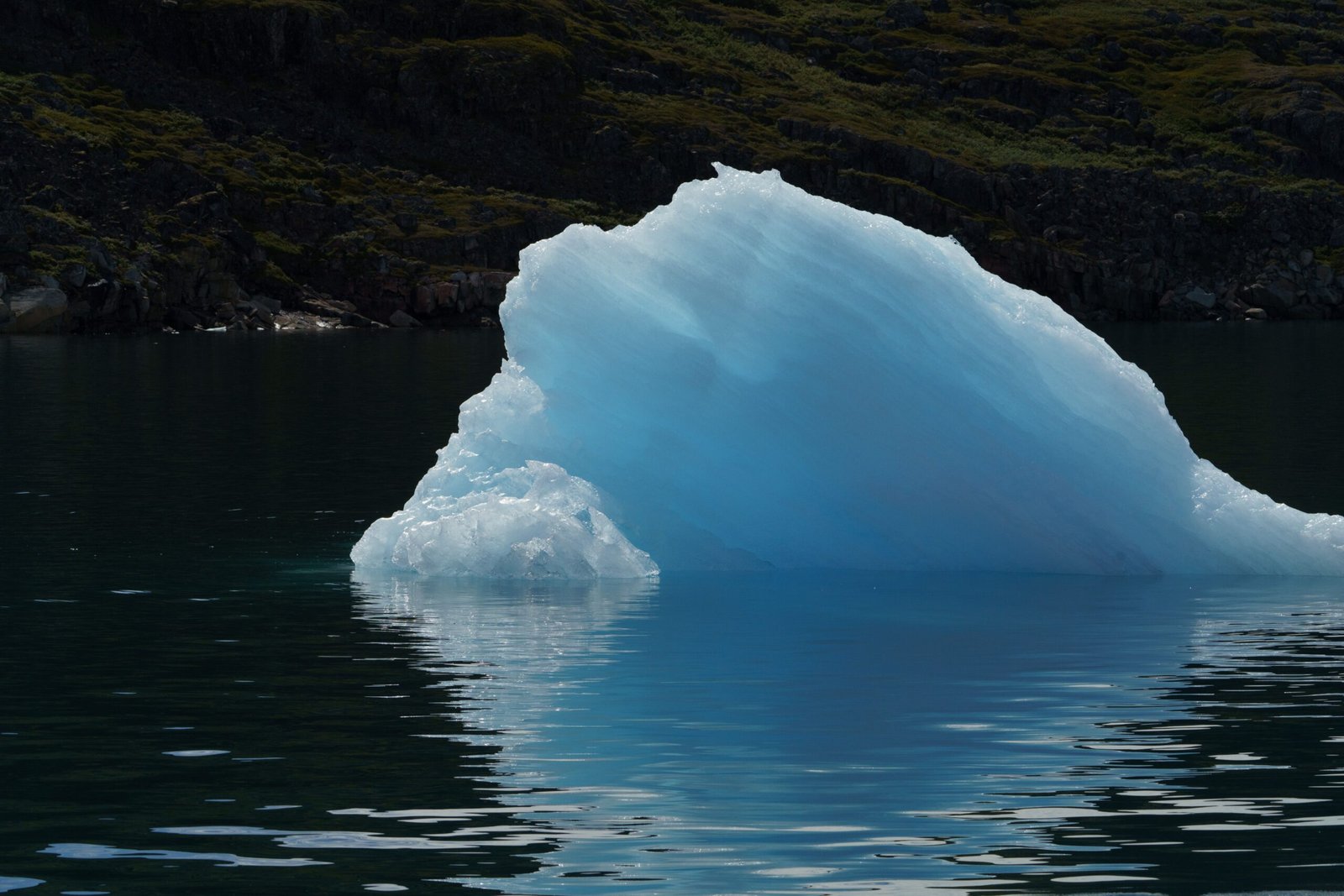
Exceeding the 1.5°C global warming threshold set by the Paris Agreement could trigger extensive and, in many cases, irreversible damage to Earth’s ice systems. Even if temperatures are subsequently brought down, several consequences of prolonged warming could persist for centuries or thousands of years, according to a new report released on November 2.
Titled Overshoot and the Cryosphere: Averting Global Meltdown, the report was produced by the International Cryosphere Climate Initiative (ICCI) in coordination with the United Nations Environment Programme (UNEP). It brings together research from more than 80 polar and mountain scientists to examine how exceeding the 1.5°C threshold would affect glaciers, polar ice sheets, permafrost, sea ice and polar oceans.
The assessment accompanies UNEP’s Limiting Overshoot Spotlight Report, examining which climate impacts are already unavoidable and how accelerated climate action could prevent further damage. Its findings come ahead of COP31 in Türkiye, highlighting the urgency of limiting the duration and extent of global temperature overshoot.
“There are no good outcomes in exceeding 1.5°C. To contain the global fallout and damage from ice loss in the world’s polar and mountain regions, overshoot needs to be kept to the absolute minimum. Temperatures must be returned to well below 1.5°C again as quickly as possible to reduce the risks,” said Dr James Kirkham, coordinating lead author of the report and Chief Scientist at ICCI.
Ice sheet instability could accelerate sea-level rise
The Greenland and Antarctic ice sheets are among the most critical components of the global climate system. Their continued retreat threatens to accelerate sea-level rise, exposing coastal communities, infrastructure and ecosystems to increasing risks of flooding and erosion.
According to the report, the two major ice sheets are losing ice at approximately six times the rate recorded during the 1990s. Further warming increases the likelihood of crossing critical tipping points, where self-reinforcing processes accelerate ice loss even if temperatures subsequently decline.
Even at 1.5°C of warming, the long-term retreat of polar ice sheets commits the world to substantial sea-level rise. The report estimates a rise of around 0.5–1 metre by 2100, potentially increasing to 2–3 metres over 2,000 years and 6–7 metres over 10,000 years.
The rate of sea-level rise is particularly important for coastal populations. Although some rise is already unavoidable, limiting additional warming could prevent the rate from exceeding the capacity of communities to adapt.
Glacier retreat threatens freshwater security
Mountain glaciers act as natural freshwater reservoirs, supplying water to nearly two billion people directly or indirectly through river systems. However, continued warming is reducing these reserves, threatening drinking water, agriculture and hydropower.
The State of the Cryosphere 2026 report highlights Switzerland’s loss of nearly 20% of its glacier ice over the past five years as evidence of the accelerating changes in mountain regions.
The global assessment also warns that glacier losses will be substantially greater under higher-warming scenarios. Under current policies, which point towards approximately 2.8°C of warming, only around 25% of global glacier ice mass may remain in the long term, compared with approximately 54% under a 1.5°C pathway.
Initially, accelerated melting can increase river flows, creating a temporary surge in water availability. However, as glaciers shrink, this additional supply declines, eventually creating prolonged water shortages.
Glacier retreat also increases the risk of glacial lake outburst floods (GLOFs), landslides and other mountain hazards. As glaciers disappear, meltwater can accumulate in lakes held back by unstable natural dams, which can suddenly fail and send destructive floods through downstream valleys.
Declining snowpack adds to the problem. Higher temperatures mean that more precipitation falls as rain rather than snow, while seasonal snow cover disappears earlier, affecting water availability in mountain regions.
Permafrost thaw adds to global warming
Beyond glaciers and ice sheets, rising temperatures are destabilising permafrost, permanently frozen ground found across Arctic and high-altitude regions. Permafrost contains approximately 1,700 billion tonnes of stored carbon.
As the ground thaws, frozen organic matter decomposes and releases carbon dioxide and methane into the atmosphere, further intensifying global warming. The report estimates that accounting for abrupt thaw and wildfire-related emissions could reduce the remaining carbon budget for limiting warming to 1.5°C by approximately 25%.
The process also creates physical hazards, including unstable infrastructure, coastal erosion, landslides and rockfalls. Wildfires can accelerate thawing by destroying the vegetation and organic soil layers that insulate frozen ground.
Unlike emissions from some other sources, carbon released through permafrost thaw cannot readily be recovered by lowering temperatures. This makes the process a particularly concerning climate feedback.
Sea ice loss threatens polar ecosystems and ocean circulation
The Arctic and Antarctic sea ice systems are also experiencing significant changes. Arctic late-summer sea ice extent has declined by more than 40% since 1979, reducing the amount of sunlight reflected into space and exposing darker ocean surfaces that absorb more heat.
The report warns that 1.5°C of warming could bring occasional ice-free Septembers in the Arctic. At 2°C, ice-free September conditions could become frequent, while warming of 3°C could result in several months of ice-free summer conditions annually.
Antarctic sea ice has also entered a period of steep decline. The Southern Ocean’s capacity to store heat means that ice loss could continue for centuries, even after atmospheric greenhouse gas concentrations stabilise.
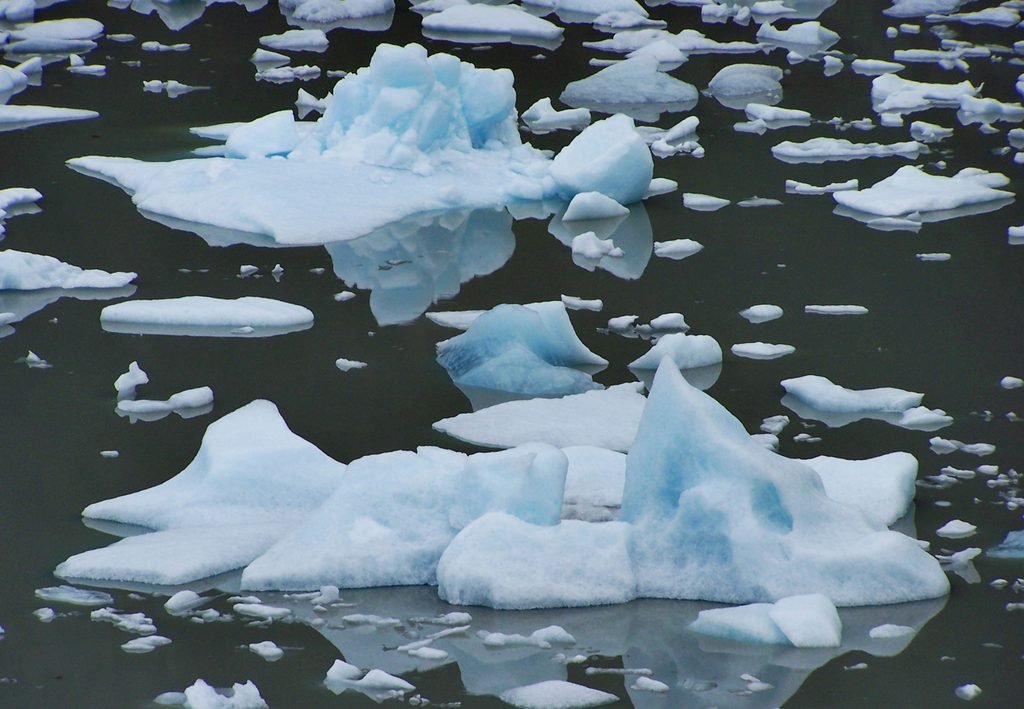
Fragments of ice float in polar waters as rising global temperatures threaten glaciers and sea ice.Image credit:Pexels
The consequences extend beyond the disappearance of ice cover. Sea ice protects coastlines from waves and storms and provides essential habitats for polar species. Its loss can accelerate coastal erosion and disrupt marine ecosystems.
Polar oceans face additional risks from warming and acidification. Cold waters absorb significant amounts of atmospheric carbon dioxide, making them particularly vulnerable to changes in ocean chemistry. Freshwater released by melting glaciers and ice sheets can further intensify acidification, threatening organisms such as pteropods that form important components of marine food webs.
Large quantities of freshwater entering the oceans can also alter ocean circulation. This raises concerns about the stability of major systems, including the Atlantic Meridional Overturning Circulation (AMOC) and Antarctic Bottom Water formation, which redistribute heat, nutrients and carbon across the global oceans.
Rapid emissions reductions remain essential
The report argues that the extent of future damage will depend on how quickly global temperatures peak and how long they remain above 1.5°C. While some losses are already unavoidable, limiting the magnitude and duration of overshoot could significantly reduce the risks.
It calls for global greenhouse gas emissions to decline by at least 5% annually, beginning immediately, with the goal of achieving net-zero emissions by mid-century. A rapid phase-out of fossil fuels and substantial reductions in methane emissions are identified as essential steps.
Methane reductions could deliver relatively rapid climate benefits, alongside improvements in air quality, public health and food security. The report also stresses the importance of carbon removal to bring temperatures back below the 1.5°C threshold after overshoot.
“Every extra fraction of a degree and every year spent in overshoot means more devastating impacts,” Kirkham added.
The assessment identifies several potential benefits of limiting overshoot, including slowing sea-level rise, potentially halting and partially reversing glacier and sea ice losses, and reducing permafrost destabilisation.
However, returning to 1.5°C should not be considered the ultimate safety threshold for Earth’s ice systems. The accompanying State of the Cryosphere 2026 assessment suggests that a genuinely safe long-term temperature target could be closer to 1°C or even below over the coming centuries.
“Decisions made in the next few years will lock in the scale of damage, both for youth today and future generations,” said Gunjan Silwal, a young Nepali glacier researcher who will attend COP31. “The tragedy in Nepal is only a foretaste.”
Alongside emissions reductions, the reports emphasise the need for climate finance to meet growing adaptation requirements and strengthen the resilience of vulnerable communities. Investments will be necessary to prepare mountain regions for changing water availability and increasing natural hazards, while coastal populations face the growing costs of adapting to sea-level rise.
The pathway back to 1.5°C will require faster fossil fuel phase-outs, deep methane reductions and expanded carbon removal. Although some damage to the cryosphere may be irreversible, the report stresses that the scale of future losses is not predetermined. Decisions taken now will determine how much of Earth’s remaining ice can be protected.

Nearly 72% of Migrant Workers in South India Report Improved Living Standards, but Labour Protection Remains Weak

Sikkim Records 79% Growth in Milk Production Over a Decade, Dairy Cooperatives Expand

India Unveils Three Homegrown AI Models, Covering 22 Indian Languages

Indian universities lead Asia in research output per faculty, but the country’s top six all slip in QS ranking

Greener Forests, Weaker Carbon Sinks? Study Finds Declining Productivity in Northeast India
Indian universities lead Asia in research output per faculty, but the country’s top six all slip in QS ranking

Knowing When to Think for Ourselves: AI, Intuition and the Education of Discernment

After a Scorching Summer, Delhi’s Children Are Slow to Return Outdoors

Two Chemists Win Nobel Prize for Solving a Century-Old Puzzle: Why Life Picks One Hand Over the Other

Climate Change, Overfishing and the Uncertain Future of Bangladesh’s Hilsa Fishermen
-

 Math3 months ago
The 2026 Fields Medals: Four Proofs, Four Decades-Old Problems Solved
-
EP Deep Dive: Data & Solutions3 months ago
After Kerala’s Deadliest Landslide, the Hardest Thing to Rebuild Was Childhood
-
EP Deep Dive: Data & Solutions4 months ago
West Asia Crisis: Can Kerala’s Returning Gulf Migrants Find a Future in the Green Economy?
-
Space & Physics5 months ago
India Semiconductor Mission: ‘It’s Not About Fabs. It’s About Building An Entire Ecosystem’
-
Interviews1 month ago
From Scams to Screens: How the National Stock Exchange Rewrote India’s Equity Story
-
Climate & Environment5 months ago
The Climate World Cup? How Climate Change Could Affect Player Performance at the 2026 World Cup
-
Society4 months ago
What Is Civilisational Diplomacy? Understanding India’s Newest Foreign Policy Tool
-
Society5 months ago
From Bell Labs to the Classroom: A Second Career in Teaching