
Health
Climate Change Contributed to 10,600 Excess Preterm Births in Asia During April 2024 Heatwave
A Zero Carbon Analytics briefing estimates that climate change contributed to around 10,600 excess preterm births across three Asian countries during the April 2024 heat event. Its projections indicate a higher burden in India and Bangladesh by mid-century.

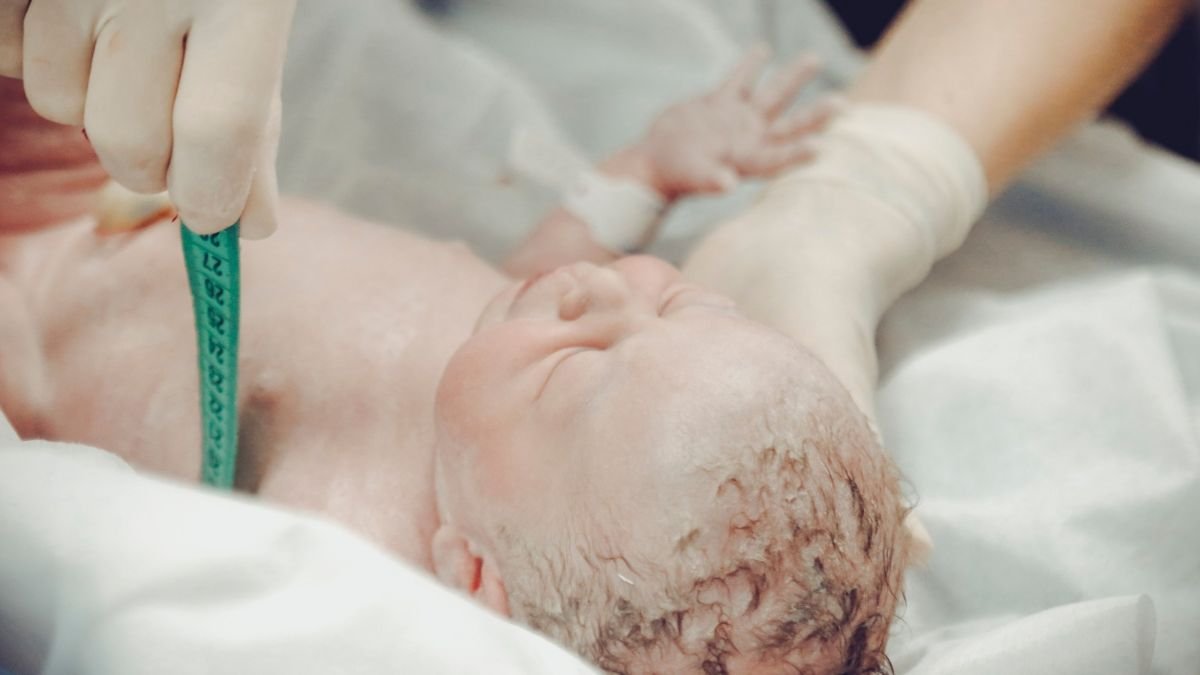
The extreme heat that swept across South and Southeast Asia in April 2024 may have contributed to more than 16,000 additional preterm births in India, Bangladesh and the Philippines, according to a new analysis by climate research organisation Zero Carbon Analytics. The report estimates that the heat event was associated with approximately 16,150 excess preterm births compared with the number expected during a typical April, based on temperatures recorded between 1991 and 2020. Of these, around 10,600 were attributed to the additional warming caused by human-induced climate change.
The estimates carry considerable uncertainty. The analysis places the range for heat-event-associated excess births between 10,100 and 22,400, while the estimate attributable to human-induced warming ranges from 5,100 to 17,700. The April 2024 event was made at least 45 times more likely by human-caused climate change. The heat persisted for about a month in India and Bangladesh and 15 days in the Philippines.
India: Highest Excess Preterm Births
India accounted for an estimated 10,050 excess preterm births, followed by Bangladesh with 5,515 and the Philippines with 585. The national increase, compared with a typical April, was estimated at 3.6% in India, 11.9% in Bangladesh and 10% in the Philippines.
Bangladesh recorded the highest rate of excess preterm births relative to the number of births, at approximately 19 per 1,000. The Philippines recorded around eight per 1,000. India’s figures varied considerably across states. Four states in the Indo-Gangetic region—Bihar, Uttar Pradesh, West Bengal and Jharkhand—accounted for 65% of India’s estimated excess preterm births. Their contribution reflects the combination of high population levels and substantial heat exposure during the event.
India’s average temperature in April 2024 was 0.94°C above normal. Several parts of the country experienced much higher anomalies, while nine states recorded temperatures below their respective averages. Tripura and Mizoram were approximately 2.7°C warmer than normal, with an estimated 11% increase in preterm birth risk.
West Bengal recorded a 10% increase in risk, Bihar 7% and Uttar Pradesh around 3%. Karnataka had the highest estimated excess rate, at 12 per 1,000 births. The state experienced a temperature anomaly of around 2°C and had a higher baseline preterm birth rate. The national estimate of 3.6% considers states that experienced warmer-than-normal conditions. Including the nine states that were cooler than average brings the estimated increase down to 3.2%.
Bangladesh had the Highest Excess Rate
Bangladesh recorded approximately 5,515 excess preterm births during the heat event, equivalent to around 19 per 1,000 births. Average temperatures were 2.88°C above normal. Dhaka and Chittagong together accounted for 47% of the country’s estimated excess births. The risk of preterm birth increased by approximately 10–15% across all divisions.
Mymensingh recorded the largest increase. Temperatures there were 3.59°C above normal, and the estimated number of excess preterm births was 24 per 1,000. Sylhet recorded the lowest rate, at 16 per 1,000. In the Philippines, the 15-day heat event was associated with an estimated 585 excess preterm births. Calabarzon accounted for around 100, while Metro Manila and Central Luzon recorded approximately 80 each. Metro Manila contributed 14% of the national estimate.
Average temperatures in the country were 2.44°C above normal. Cagayan Valley recorded a 15% increase in preterm birth risk, equivalent to around 12 excess births per 1,000. In Cagayan province, temperatures were 4.01°C above normal and the estimated risk increase reached 17%.
How Heat Affects Pregnancy
A preterm birth occurs when a baby is born alive before completing 37 weeks of pregnancy. Prematurity is a leading cause of neonatal mortality and can have lasting effects on a child’s physical development, neurological health and learning.
The study has found a relationship between high temperatures and an increased likelihood of premature delivery. A synthesis of studies cited in the Zero Carbon Analytics briefing found that a 1°C increase in heat exposure was associated with 4% higher odds of preterm birth. During heatwaves, the odds were 26% higher. Researchers are still investigating the biological processes behind this association. Heat exposure can cause dehydration and reduce blood flow to the placenta. It may also trigger inflammation and physiological responses that contribute to the onset of labour.
Pregnant women who undertake strenuous physical work or have limited access to drinking water face additional exposure. Poorly ventilated homes, metal and asbestos roofing, unreliable electricity and the cost of cooling can make it difficult to avoid excessive heat.
South Asia already has the world’s highest regional preterm birth rate. In 2020, the regional rate was 13.2%. India recorded 13%, Bangladesh 16.2% and the Philippines 7.7%. India accounted for approximately 20% of all preterm births worldwide that year. The briefing also cites research from Tamil Nadu that found pregnant women undertaking moderate to heavy physical work during heat stress had roughly twice the risk of miscarriage. This study examined miscarriage rather than preterm birth, but it provides further evidence of the reproductive health risks associated with occupational heat exposure.

How Climate Risks Affect Newborn Health and Survival
The briefing examines research linking high temperatures to other pregnancy complications. One global synthesis found that high heat exposure was associated with 28% higher odds of gestational diabetes and 48% higher odds of congenital anomalies. The evidence for these outcomes remains less extensive than that available on preterm birth. Floods, cyclones and other climate-related hazards also affect newborn health. In flood-prone areas of Bangladesh, infant death rates were estimated to be 8% higher. Research covering 1988–2017 attributed 152,753 excess infant deaths to flood exposure.
Exposure to cyclones during pregnancy or a child’s first year was associated with 10.4 additional infant deaths per 1,000 live births, a 27% increase. In India, studies have found higher rates of low birthweight in flood-affected regions. Poorer households exposed to floods also face a greater likelihood of low birthweight.
Air pollution adds to these health risks. In Bangladesh, exposure to fine particulate matter (PM2.5) was estimated to account for 4.4–4.9% of preterm births between 2015 and 2019. In India, maternal exposure to ambient PM2.5 during pregnancy was associated with 67% higher odds of preterm birth and 37% higher odds of low birthweight, after adjusting for temperature.
India Faces 15,300 More Preterm Births by Mid-Century
The report’s climate projections indicate that heat-related preterm births could increase by the middle of the century. Using climate model data for 2041–2060, it estimates around 15,300 excess preterm births during a typical April in India, compared with the historical baseline. The projected range is 6,800–28,100. For Bangladesh, the corresponding estimate is approximately 1,500, with a range of 630–2,900. The modelling uses two emissions pathways, SSP2-4.5 and SSP3-7.0.
India’s projected estimate is about 50% higher than the 10,050 excess births associated with the April 2024 event. Uttar Pradesh is expected to record the largest burden, followed by Bihar and Rajasthan. In Bangladesh, Dhaka is projected to have the highest number, followed by Chittagong and Rajshahi.
These projections depend on several assumptions. The model keeps the relationship between temperature and preterm birth unchanged and does not account for future physiological, behavioural or healthcare-system adaptation. It also incorporates projected declines in the number of births by mid-century—around 18% in India and 22% in Bangladesh. The figures represent a modelled estimate under specified climate and demographic conditions. They do not predict the exact number of preterm births that will occur.
Maternal Healthcare Plans and Heat Exposure
India has several programmes aimed at improving maternal and newborn health, including the India Newborn Action Plan and the Pradhan Mantri Surakshit Matritva Abhiyan. The programmes were not originally designed to address the specific health risks associated with extreme heat.
The Union Health Ministry has recently issued guidance on heat-related risks during pregnancy for healthcare professionals and community health workers. It covers the identification of high-risk pregnancies, warning signs, hydration, cooling, referrals and family preparedness. The National Programme on Climate Change and Human Health and state climate action plans could help incorporate these measures into maternal healthcare services. Existing state-level plans, however, have substantial gaps.
A review of 19 heat action plans and 16 state climate plans found that 12 of the 35 documents had no recommendations for pregnant or lactating women. The remaining 23 listed 214 strategies, of which only 40 specifically addressed pregnant or lactating women. Most recommendations focused on individual behaviour rather than structural measures such as improved housing, access to cooling and health-system support.
A September 2026 Wellcome Trust survey of 1,000 maternal healthcare professionals across five countries, including India, found that 73% had observed an increase in heat-related cases or complications among pregnant women over the previous five years. Around 92% said they needed more training and resources to manage these risks.
Bangladesh introduced national guidelines in 2024 through its Directorate General of Health Services and UNICEF to address heat-related risks among children and pregnant women. The Zero Carbon Analytics briefing did not identify a comparable heat-specific maternal health guideline or heat action plan in the Philippines.
Preparing for Heat-related Complications
Healthcare services can identify women at higher risk during antenatal visits and advise them on hydration, rest and reducing exposure during the hottest hours. Community health workers can monitor vulnerable pregnancies and help women access medical care when warning signs appear. Hospitals and primary health centres also need procedures to identify and manage heat-related complications.
Access to drinking water, affordable electricity, shaded workplaces and well-ventilated housing will influence how effectively women can protect themselves. Heat warnings need to reach pregnant women and their families in a form they can act on, particularly in communities where outdoor work and limited access to cooling make exposure difficult to avoid.
The April 2024 analysis estimates a substantial number of premature births associated with a single heat event across three countries. The projections for India and Bangladesh suggest that the pressure on maternal and newborn healthcare could increase as temperatures rise. Public health planning will need to account for heat exposure alongside existing risks such as undernutrition, air pollution and inadequate antenatal care.












Health
Over 1,000 Cancer Drug Formulations Become Cheaper Across India
India has reduced prices across 1,031 anti-cancer medicine formulations, with the government estimating annual consumer savings of 3,502 crore rupees.

Cancer treatment can involve months or even years of medication, repeated diagnostic tests, hospital visits and specialised procedures. For many Indian families, the financial strain continues long after the initial diagnosis. Against this backdrop, a government intervention to reduce the prices of more than 1,000 anti-cancer drug formulations has come into effect on November 9. The National Pharmaceutical Pricing Authority (NPPA), under the Department of Pharmaceuticals, has rationalised trade margins on 137 identified non-scheduled anti-cancer drugs. The government estimates that the revised prices will save consumers 3,502.31 crore rupees annually.
According to the Ministry of Chemicals and Fertilizers, 76 pharmaceutical companies have reported revised maximum retail prices (MRPs) for 1,225 formulations covering 121 drugs. Of these, 1,031 formulations have registered price reductions. Around 600 brands have reported reductions exceeding 50%, while the highest reduction stands at 96.45%.
The intervention is significant given the scale of cancer in India. The Indian Council of Medical Research’s National Cancer Registry Programme estimated 15.69 lakh new cancer cases in 2025. Breast, lung and mouth cancers featured among the leading cancer sites.
What has Changed in Medicine Pricing?
The latest intervention focuses on non-scheduled medicines, which are not subject to the same ceiling-price mechanism as drugs included in the National List of Essential Medicines.
The Drugs (Prices Control) Order, 2013, gives the government the power to control medicine prices when necessary to protect public interest. It fixes maximum prices for scheduled medicines, while prices of non-scheduled medicines are generally monitored. Using this order, the government has now stepped in to limit the trade margins on the selected anti-cancer medicines.
Trade margins represent the difference between the price at which medicines are supplied through the distribution chain and the price at which they are sold to consumers. Excessive mark-ups can make medicines significantly more expensive before they reach patients. Under the new arrangement, the trade margin on the identified medicines has been capped at 30% of the MRP. The measure follows a similar exercise in 2019, when trade margins on 42 non-scheduled anti-cancer medicines were rationalised.
The revised prices cover medicines used in treating different cancers. These include Bevacizumab, used for lung, colon, ovarian and cervical cancers; Denosumab, used in breast and prostate cancer patients to prevent bone loss; and Pegfilgrastim, prescribed to prevent neutropenia in cancer patients.
The price changes are substantial for several brands. Zydus Lifesciences’ Bevacizumab brand Bryxta, for instance, has seen its MRP fall from 25,995 rupees to 3,318 rupees. Reliance Life Sciences’ Abiraterone acetate brand Abirone has declined from 41,250 rupees to 3,218 rupees. Similarly, the price of Reliance Life Sciences’ Peg-ReliGrast has fallen from 5,331 rupees to 1,258 rupees.
Cancer Drugs: Financial Burden of Cancer Care
The importance of reducing medicine prices becomes clearer when viewed against the financial burden of cancer treatment. A study published in Frontiers in Public Health in 2023, involving 12,148 cancer patients across seven treatment centres in India, estimated the average annual direct out-of-pocket expenditure on cancer treatment at 3.31 lakh rupees per patient. Medicines accounted for 45% of expenditure during hospitalisation, while diagnostics contributed 36.4% of outpatient treatment expenditure.

The findings illustrate why medicine affordability matters, particularly for patients who require repeated treatment. Even when the cost of a particular drug declines, expenses related to diagnostics, surgery, hospitalisation and travel can continue to weigh heavily on households.
What Happens Next?
The revised prices will apply to the identified medicines, including 10–15 drugs that have not yet been launched in India. Their prices will also be subject to the margin restrictions when they enter the market. Manufacturers can undertake annual price increases in accordance with the Drugs (Prices Control) Order, 2013, subject to continued compliance with the maximum permissible trade margin.
The NPPA has also directed retailers, dealers, hospitals and medical institutions to prominently display the revised MRP lists. State Drug Controllers will monitor compliance. Consumers can verify medicine prices through the Pharma Sahi Daam mobile application and the NPPA website. The reduction addresses an important component of cancer treatment expenditure: the price patients pay for medicines. Its impact, however, will depend on whether the revised prices are implemented consistently across pharmacies and hospitals, and whether patients can access the medicines they need.
Lower medicine prices can ease a substantial part of the financial burden. Making cancer treatment affordable, however, will also require attention to diagnostic costs, hospital charges and access to quality treatment across the public healthcare system.
Health
How Rubella Virus Finds Its Way Into the Placenta: Scientists Identify a Human Cell Receptor
A new Nature study identifies Nectin-4 as a receptor that helps the rubella virus enter placental and respiratory cells, offering insight into congenital rubella syndrome.
An infection that causes little more than a rash and mild fever in many people can have devastating consequences when it occurs during pregnancy. Rubella, a contagious viral disease, can cross the maternal–foetal interface and interfere with the development of an unborn child, causing hearing loss, heart defects, cataracts and other complications collectively known as congenital rubella syndrome (CRS).
An estimated 26,859 children were born with congenital rubella syndrome worldwide in 2024, according to a modelling analysis published by the US Centers for Disease Control and Prevention (CDC) in July 2026. Although this represents a substantial decline from an estimated 101,381 cases in 2012, the disease continues to affect newborns in countries where vaccination coverage remains inadequate. But how does the rubella virus enter the cells lining the respiratory tract and the placenta?
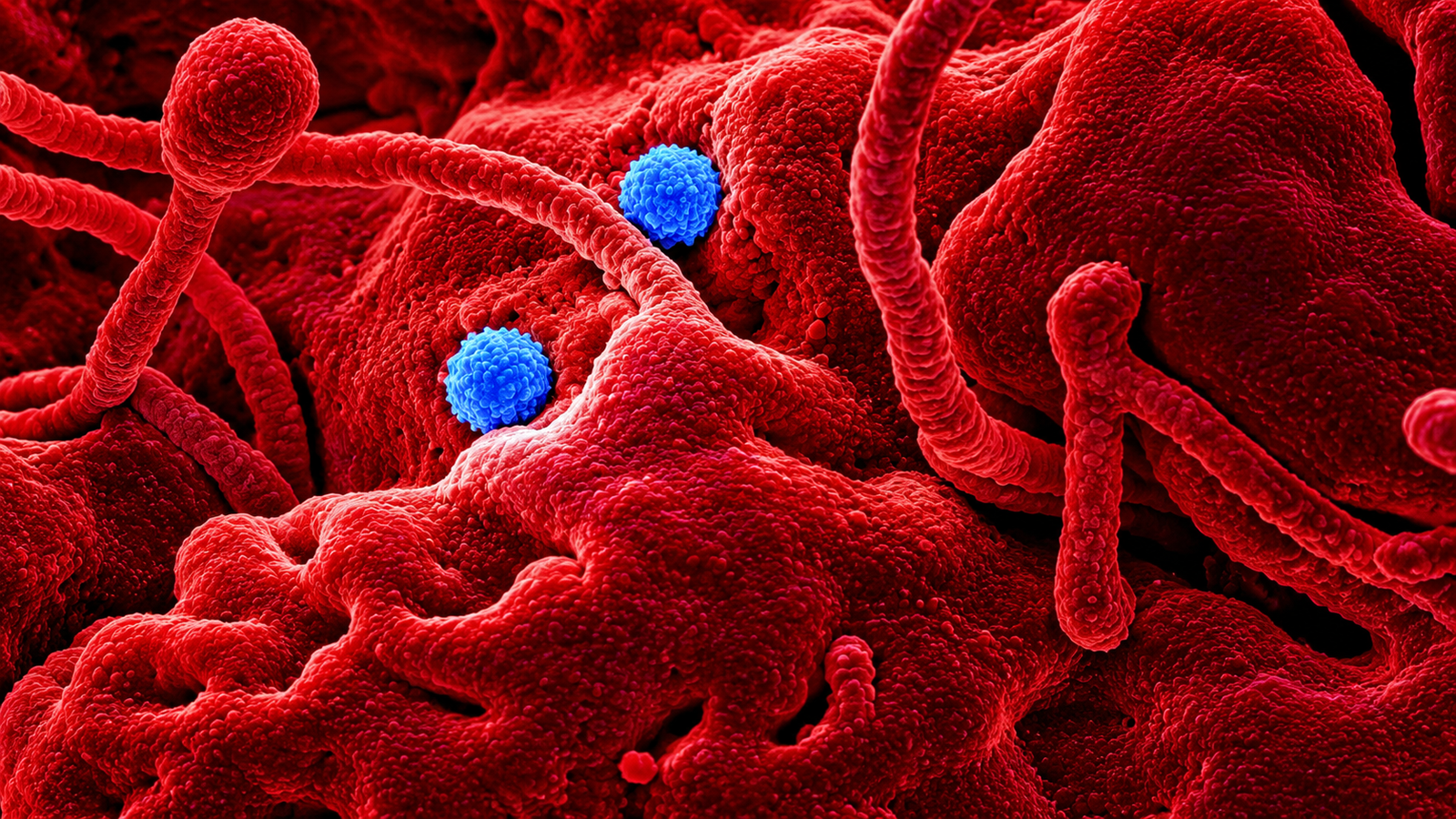
A study published in Nature identifies a protein called Nectin-4 as one of the cellular entry points used by the virus. The finding offers a closer look at how rubella establishes infection in two tissues central to its transmission and its effects during pregnancy.
Protein That Opens the Door
Like other viruses, rubella cannot reproduce on its own. It must enter a living cell and use its machinery to produce new viral particles. This often begins when proteins on the virus’s outer envelope bind to specific molecules on the surface of a human cell. These molecules, called receptors, determine which cells a virus can enter. Identifying them helps researchers understand why certain tissues are vulnerable to infection.
The research team found that rubella uses Nectin-4, a cell-adhesion protein, to gain entry into respiratory and placental cells. Nectin-4 normally helps neighbouring cells maintain contact with one another and is present in several human tissues. The virus carries two envelope proteins, E1 and E2, which participate in its interaction with host cells. The researchers found that this viral protein complex interacts directly with Nectin-4. Once the proteins bind, the cell draws the virus inside through a process called receptor-mediated endocytosis, in which a section of the cell membrane folds around an external particle.
To establish the receptor’s role, the team combined protein-interaction analysis with CRISPR-Cas9 screening. They found that cells that were initially resistant to rubella infection became susceptible after Nectin-4 was introduced. Removing or blocking the protein, meanwhile, reduced infection. This offered evidence that Nectin-4 is involved in the virus’s entry into human cells, rather than simply being present alongside the infection.
What Happens at the Maternal–foetal Interface?
The finding has particular relevance to the placenta, the organ through which oxygen and nutrients pass from the mother to the developing foetus. During pregnancy, rubella can infect placental tissue and subsequently reach the foetus. The risk of serious complications is highest during early pregnancy, when the organs are developing. An infection during this period can result in miscarriage, stillbirth or congenital abnormalities.
The researchers examined syncytiotrophoblasts, specialised cells that form the outermost layer of the placenta and come into direct contact with maternal blood. These cells constitute an important part of the barrier between maternal circulation and the developing foetus.
Their experiments showed that Nectin-4 is abundantly expressed in these cells and facilitates rubella infection. When the researchers blocked the receptor, infection in laboratory models of placental tissue declined. The result helps explain how the virus can establish an infection at the maternal–foetal interface. It also identifies a specific cellular interaction that researchers can investigate when studying the transmission of rubella during pregnancy.
There is, however, an important limitation. The team found that rubella could also infect other placental cell populations through pathways that do not depend on Nectin-4. Blocking this single receptor may therefore be insufficient to prevent the virus from infecting the entire placenta.
A Shared Entry Route With Measles
The research also sheds light on rubella infection in the respiratory tract, where the virus initially establishes itself after entering the body. Using laboratory models of human airway tissue, the researchers found that Nectin-4 facilitates viral entry through the basolateral surface of respiratory epithelial cells, which faces the underlying tissue. After entering and replicating within these cells, newly produced viral particles are released from the opposite, airway-facing surface.
This arrangement offers a possible explanation for how rubella infects respiratory tissue and releases viral particles into the airways. Nectin-4 is also recognised as a cellular receptor for the measles virus. The finding that both viruses use the same human protein is an interesting connection, although the two infections involve different molecular interactions and should not be assumed to follow identical pathways.
Could Blocking the Receptor Prevent Infection?
The discovery raises the possibility of developing antiviral treatments that interfere with the interaction between rubella and Nectin-4. A molecule capable of preventing the viral envelope proteins from binding to the receptor could potentially restrict the virus’s entry into susceptible cells. The researchers’ experiments, in which blocking Nectin-4 reduced infection, offer an initial basis for investigating this approach.
For congenital rubella syndrome, the potential application is particularly relevant. Preventing the virus from establishing an infection in placental tissue could eventually help researchers explore ways of reducing the risk of foetal infection.
Such an application remains a research possibility, however. The experiments were conducted using laboratory cell and tissue models; they do not establish that receptor-blocking treatments can prevent congenital rubella syndrome in pregnant women. The alternative routes of placental infection identified by the researchers also present a challenge for any treatment targeting Nectin-4 alone.
Vaccination Remains Central to Prevention
The findings come at a time when rubella vaccination has substantially reduced the global burden of infection, although elimination remains uneven across countries. The CDC recorded 31,593 reported rubella cases worldwide in 2024. This figure reflects infections detected and reported through national surveillance systems, rather than the full number of people infected. The WHO, meanwhile, estimates that around 100,000 infants are born with congenital rubella syndrome annually, using a broader global estimate. These figures come from different reporting and estimation approaches and should not be treated as directly comparable.
By 2024, 179 of 194 countries had introduced rubella-containing vaccines into their routine immunisation programmes, according to the CDC. Global coverage with the first dose rose from 39% in 2012 to 73% in 2024. India includes measles-rubella vaccination in its Universal Immunisation Programme, with two routine doses recommended during childhood. Sustaining coverage is important because rubella infection in an unvaccinated pregnant woman can have consequences that extend well beyond the period of the initial illness.
For now, the identification of Nectin-4 does not change how rubella is prevented or treated. Its importance lies in revealing a previously insufficiently understood interaction between the virus and human cells. Researchers now have a specific receptor to investigate as they work towards understanding how rubella reaches placental tissue and whether that process can eventually be interrupted.
Health
AI-assisted telemedicine improves healthcare access in rural Rajasthan, study finds
A study from rural Rajasthan highlights how AI-assisted telemedicine, portable diagnostic tools and remote consultations could help extend healthcare access in underserved communities. The findings point to the potential of technology-supported care while underscoring the need for clinical oversight and further evaluation.
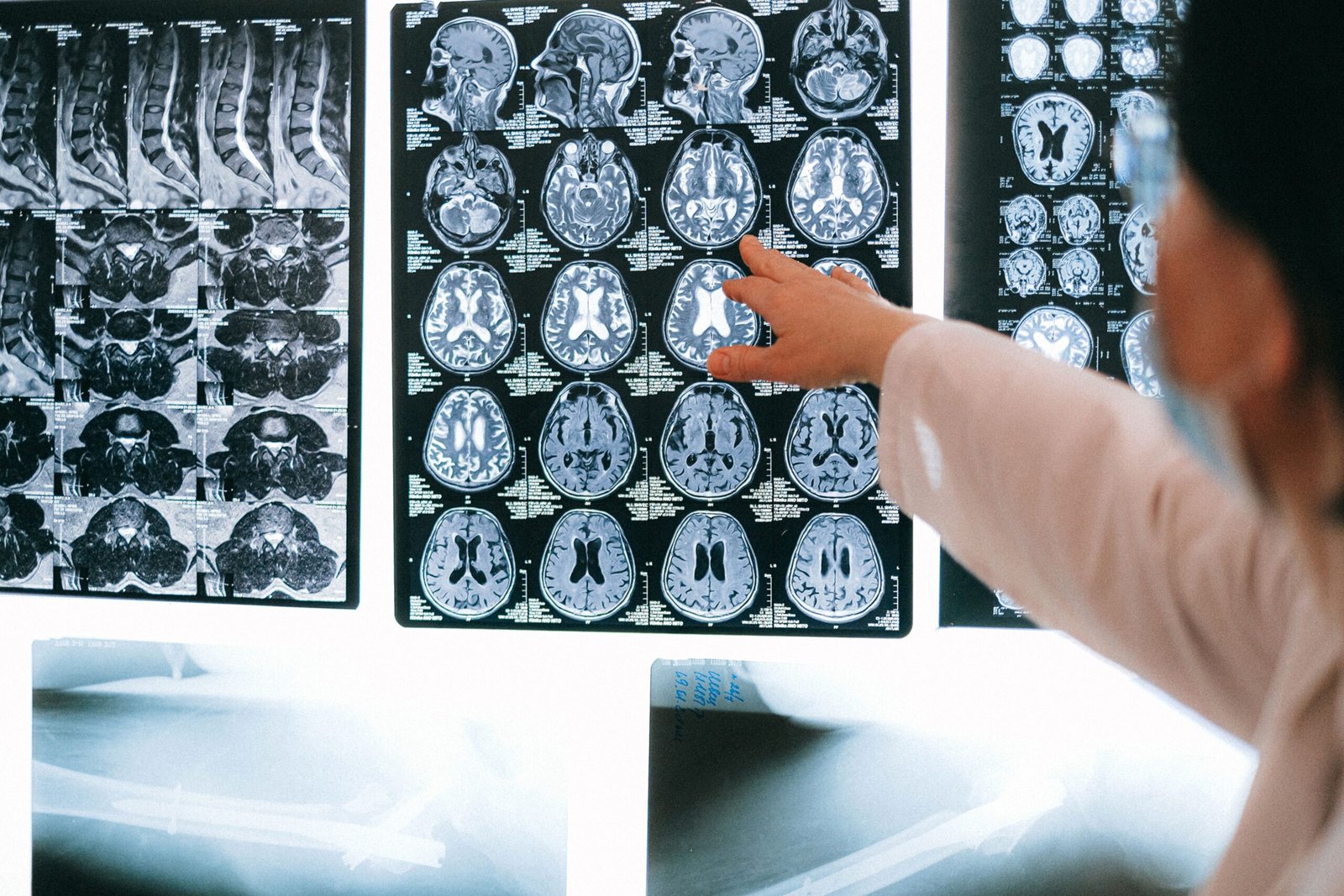
Study involving 10 villages highlights the potential of AI-supported consultations to address rural healthcare gaps, but connectivity and clinical validation remain challenges.
An artificial intelligence (AI)-assisted telemedicine model combining frontline health workers, portable diagnostic devices and remote medical consultations was associated with improved access to healthcare in hard-to-reach villages of Rajasthan, according to a study published in Preventive Medicine Reports in November 2026.
The community-based study, conducted across 10 villages in Balotra district between March 2024 and January 2026, evaluated whether technology-supported consultations could help overcome geographical and infrastructural barriers to healthcare. Researchers compared five intervention villages using assisted telemedicine with five comparison villages where residents followed conventional healthcare-seeking pathways.
During the 10-month intervention period, all 4,401 recorded symptomatic illness episodes in the intervention villages received teleconsultations. In comparison villages, only 1,528 of 3,973 recorded illness episodes (38.5%) resulted in visits to formal healthcare facilities.
The researchers attributed the difference to barriers including long travel distances, transportation difficulties, time constraints and reliance on self-medication or home remedies. However, the study was non-randomised, and the two groups used different methods of recording healthcare utilisation. The findings therefore demonstrate an association with improved access rather than definitive proof that the intervention caused the difference.
How AI supports remote consultations
Under the model, trained frontline health workers, including Accredited Social Health Activists (ASHAs) and Auxiliary Nurse Midwives (ANMs), visited households to identify people requiring medical attention. They recorded symptoms and collected vital signs using portable diagnostic equipment, including digital blood pressure monitors, pulse oximeters, thermometers and electrocardiographs (ECGs).
The information was transmitted through a telemedicine platform to remotely stationed doctors. An AI-supported clinical decision support system analysed the symptoms and diagnostic information to generate probable diagnoses, clinical advice and medication suggestions. Doctors reviewed the recommendations and retained responsibility for clinical decisions.
Of the 4,401 teleconsultation records, 98.6% were managed without referral to higher healthcare facilities. Respiratory conditions accounted for 24.2% of consultations. Portable ECG examinations also identified abnormalities in 21.6% of the 74 patients presenting with cardiovascular symptoms who underwent testing.
The researchers highlighted the role of frontline health workers in facilitating consultations and building trust among rural residents. However, technical disruptions and connectivity problems remained challenges during implementation.
Supporting evidence from recent research
The Rajasthan findings come alongside growing research into the use of AI in primary healthcare. A separate study published in the International Journal of Telemedicine and Applications on October 28, 2026, examined the technical performance of an AI-assisted clinical decision support system developed for rural telemedicine services.
Researchers from the ICMR-National Institute of Health Research, Jodhpur, and IIT Jodhpur evaluated the TeleMed Clinical Decision Support System (CDSS v2.5), which uses machine-learning models to interpret symptoms, identify probable diagnostic categories and support physicians during consultations.
Using five-fold cross-validation on 4,401 patient records, the system achieved an accuracy of 87.2% and a macro area under the receiver operating characteristic curve (AUROC) of 0.962. The system also incorporated a doctor-in-the-loop mechanism through which clinicians could review and modify AI-generated recommendations.
However, the researchers clarified that the results represent internal technical validation rather than independent evidence of clinical effectiveness. External validation and prospective studies are needed before wider deployment. The evaluation also used the same 4,401-record dataset associated with the Rajasthan telemedicine programme, rather than an independent patient population.
A 2026 systematic review and meta-analysis published in Frontiers in Digital Health provides broader evidence. It examined 13 randomised controlled trials involving more than 29,000 participants to assess the integration of AI and telemedicine into primary and family healthcare.
The review found that AI applications improved diagnostic accuracy and clinical decision-making across the included studies. Telemedicine interventions also showed favourable effects on healthcare access, chronic disease management and patient satisfaction, although the pooled clinical effect across 10 trials did not reach statistical significance.

Representative image.Image credit:Pexels
The researchers identified reliable digital infrastructure, healthcare-worker training and integration into existing clinical workflows as important conditions for successful adoption. Connectivity limitations, patient digital literacy, privacy concerns and interoperability between systems were among the barriers.
Scaling digital healthcare requires safeguards
India’s experience with telemedicine also offers a broader context for the findings. A study published in Oxford Open Digital Health in October 2025 examined the adoption of eSanjeevani, the country’s government-led telemedicine service. Analysing programme data from November 2019 to September 2023, researchers recorded more than 163 million consultations across 28 states and eight Union Territories. The provider-assisted model accounted for over 93% of usage, demonstrating the importance of frontline healthcare workers in delivering digital services.
While telemedicine can reduce travel and improve access to doctors, the integration of AI introduces additional concerns relating to diagnostic errors, data privacy and accountability. The World Health Organization has cautioned that AI systems can generate inaccurate or biased recommendations and that healthcare professionals should not rely on automated outputs without appropriate oversight.
The Rajasthan study also acknowledged limitations, including the absence of direct patient health outcomes and systematic assessments of adverse recommendations or diagnostic errors.
As India expands its digital healthcare infrastructure, the findings highlight the potential of combining human medical expertise with AI-supported tools to reach underserved populations. However, improving connectivity, strengthening healthcare-worker training and establishing independent clinical validation will be essential to ensure that technological expansion translates into safer and more equitable healthcare.

Is India paying more than it thinks for chemical farming?

Extreme weather affects India on 92% of days in 2026, raises concerns over climate preparedness

Physicists Extend Einstein’s Theory to Investigate the Universe’s Earliest Matter

India’s higher education expansion faces faculty shortage, with senior academic posts worst affected

Over 1,000 Cancer Drug Formulations Become Cheaper Across India

Indian universities lead Asia in research output per faculty, but the country’s top six all slip in QS ranking

After a Scorching Summer, Delhi’s Children Are Slow to Return Outdoors

Europe Braces for Extremes as Commission Unveils Climate Resilience Framework

Automated Homoeopathic Dispensing System Receives Indian Patent

Thorium-229 Nuclear Clock Opens New Way to Probe Dark Matter
-

 Math4 months ago
The 2026 Fields Medals: Four Proofs, Four Decades-Old Problems Solved
-
EP Deep Dive: Data & Solutions3 months ago
After Kerala’s Deadliest Landslide, the Hardest Thing to Rebuild Was Childhood
-
EP Deep Dive: Data & Solutions4 months ago
West Asia Crisis: Can Kerala’s Returning Gulf Migrants Find a Future in the Green Economy?
-
Space & Physics6 months ago
India Semiconductor Mission: ‘It’s Not About Fabs. It’s About Building An Entire Ecosystem’
-
Interviews2 months ago
From Scams to Screens: How the National Stock Exchange Rewrote India’s Equity Story
-
Climate & Environment5 months ago
The Climate World Cup? How Climate Change Could Affect Player Performance at the 2026 World Cup
-
Society4 months ago
What Is Civilisational Diplomacy? Understanding India’s Newest Foreign Policy Tool
-
Society5 months ago
From Bell Labs to the Classroom: A Second Career in Teaching