ESTIC 2026 brings scientists, policymakers and industry leaders together in New Delhi to discuss emerging technologies, including synthetic biology, AI...









Heat-related deaths in 854 European cities reached an estimated 50,391 in summer 2026, according to a new study. Malta, Italy and Hungary recorded the highest modelled...
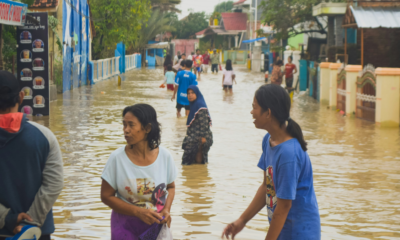
Urban flooding highlights the growing challenges cities face in managing extreme rainfall, protecting vulnerable communities and strengthening climate resilience.

Nepal faces more than 4.7 billion dollars in flood recovery costs, while the UN climate damages fund has provisionally set aside 21.6 million dollars for assistance.

India and Poland have agreed to pursue collaborative research in AI, semiconductors and quantum technologies, while identifying battery recycling, rare-earth processing and higher education as areas...


India's deficient 2026 monsoon highlights the risks of uneven rainfall, from long dry spells to intense downpours, floods and landslides.
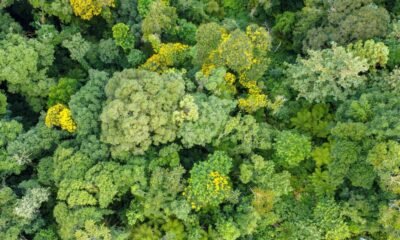

COP17 in Armenia will assess progress towards global biodiversity targets for 2030, focusing on ecosystem protection, conservation finance, harmful subsidies and equitable benefit-sharing.


Chandigarh’s Sukhna Wetland has received Ramsar recognition, taking India’s total to 103 internationally important wetlands and renewing focus on urban wetland conservation.
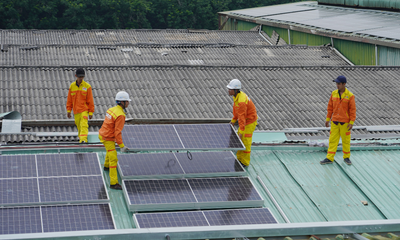

A study of India’s publicly funded clean-energy research examines whether investments in solar power, batteries and other technologies are aligned with the country’s ambitions for domestic...
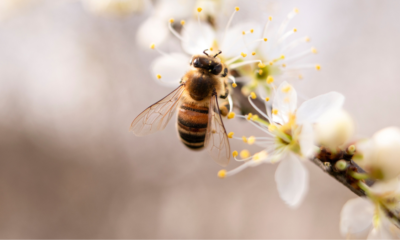

A new study finds that heatwave exposure during early development can impair fertility-related traits in solitary bees, raising concerns about the potential effects of extreme heat...


Anthropic's experiments highlight how AI self-replication could create new cybersecurity risks, allowing malicious systems to spread across internet-connected devices.