
Earth
Greener Forests, Weaker Carbon Sinks? Study Finds Declining Productivity in Northeast India
A 24-year satellite-based study finds that Northeast India’s forests are experiencing declining carbon productivity despite relatively stable canopy cover, highlighting how rising atmospheric dryness could weaken their capacity to absorb and retain carbon.

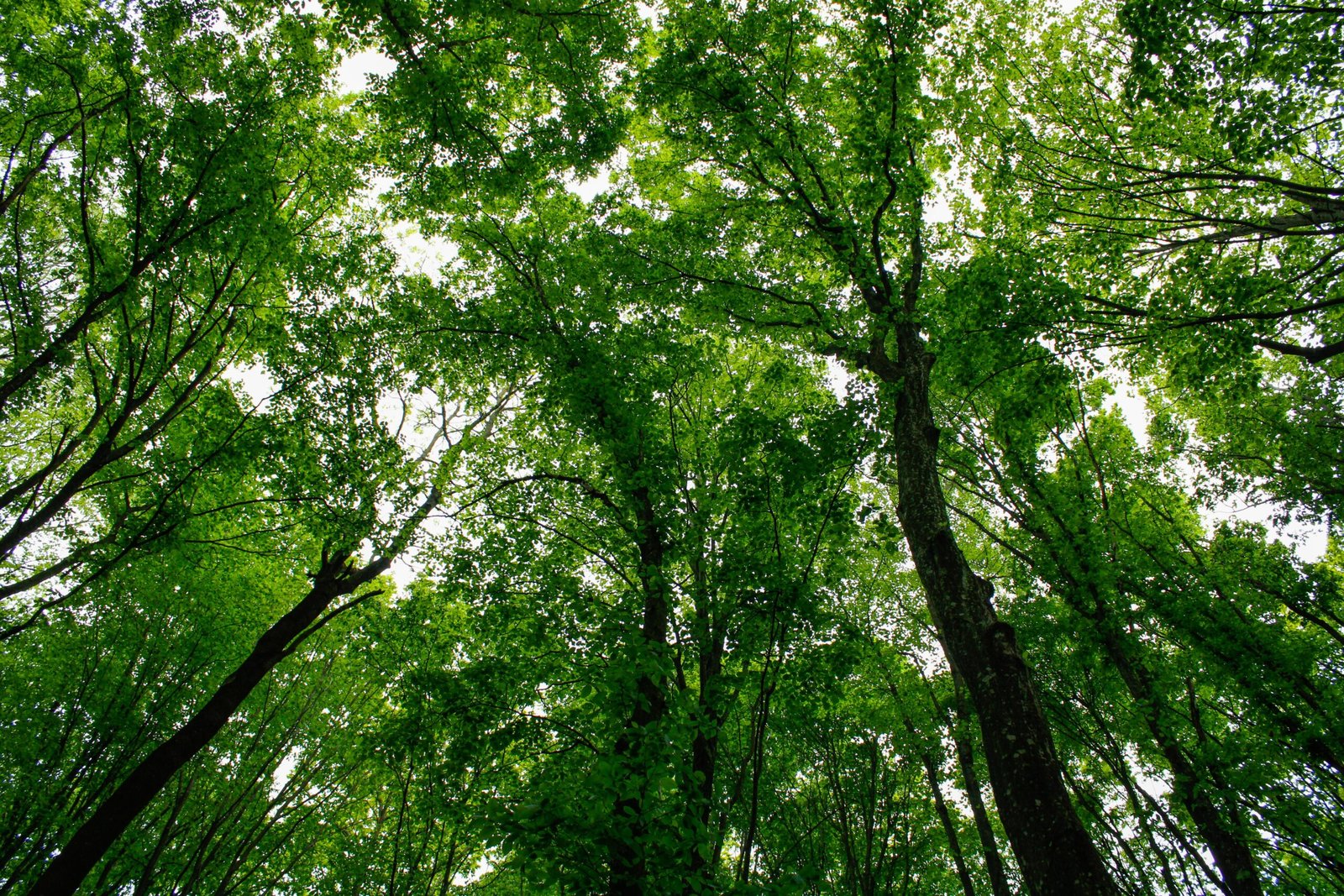
Forests in Northeast India are showing signs of a weakening capacity to accumulate carbon despite maintaining relatively stable canopy cover, according to a study published in Ecological Indicators in October 2026. The research suggests that increasing vegetation greenness does not necessarily indicate stronger carbon sinks, highlighting the need to assess forest health beyond satellite measurements of green cover.
Titled Are Greener Forests Stronger Carbon Sinks? Rising Vapour Pressure Deficit Instigates Greening-Productivity Decoupling in a Tropical Biodiversity Hotspot in India, the study examined forest carbon dynamics across Northeast India using 24 years of satellite-derived data from 2001 to 2024.
Researchers analysed three indicators: Leaf Area Index (LAI), Gross Primary Productivity (GPP) and Net Primary Productivity (NPP). These measurements helped assess changes in forest canopy structure, photosynthetic activity and the amount of carbon retained in plant biomass after accounting for plant respiration.
The analysis found that while canopy structure remained relatively stable and gross primary productivity increased modestly by 1.76 grams of carbon per square metre annually, net primary productivity declined by 0.83 grams of carbon per square metre annually across much of the region.
The researchers identified a divergence between canopy greenness and carbon productivity across approximately 40% of forested areas. A separate divergence between photosynthetic activity and net productivity was observed across around 30% of the region.
These findings indicate that forests can maintain their green appearance without achieving corresponding gains in carbon accumulation.
Atmospheric dryness emerges as a major factor
The study identified rising Vapour Pressure Deficit (VPD) as a primary driver of declining forest productivity. VPD measures the difference between the amount of moisture the atmosphere can hold and the moisture it actually contains. Higher VPD indicates greater atmospheric demand for water, increasing stress on vegetation.
Under such conditions, plants may close their stomata, the small pores on their leaves, to reduce water loss. This also restricts the intake of carbon dioxide required for photosynthesis, potentially reducing the amount of carbon absorbed by vegetation.
The researchers also identified a major shift in forest carbon functioning beginning around 2012. Their analysis suggests that the relationship between canopy structure, photosynthesis and net carbon accumulation has weakened over time.
The findings are particularly significant for Northeast India, which the study identifies as a climatically sensitive biodiversity hotspot containing approximately one-third of India’s forest carbon.
Earlier research points to similar concerns
The findings build on earlier research published in Scientific Reports in December 2023, which examined vegetation productivity across India between 2001 and 2019.
That study found that India’s Leaf Area Index increased by 6.75% in consistently forested areas, while Net Primary Productivity declined by 6.19%. Northeast India, the Western Ghats and parts of Peninsular India emerged as important regions experiencing declining productivity.
The 2023 research associated these changes with rising temperatures, which can reduce photosynthesis and increase plant respiration beyond certain temperature thresholds.
Another study examining a semi-deciduous forest in Kaziranga, published in Agricultural and Forest Meteorology in 2022, demonstrated how carbon exchange varies with seasonal and climatic conditions. It found that the forest functioned as a carbon sink during the pre-monsoon season but as a carbon source during winter in the observed study period.

Image of a dense forest alongside a flowing river.Image credit:Pexels
Together, these studies highlight the importance of examining forest productivity, atmospheric conditions and seasonal carbon exchange rather than relying solely on changes in green cover.
The latest research does not suggest that Northeast India’s forests are structurally collapsing. Instead, it points to a less visible change in their ecological functioning, with implications for forest carbon accounting and climate-resilient forest management.
The findings underline the need for monitoring systems that combine satellite observations with measurements of atmospheric stress and carbon productivity to better understand how tropical forests respond to a warming climate.






Climate & Environment
$71 Billion Carbon Market, but Only $1.6 Billion in Government Deals: COP31 Exposes Gap Between Carbon Credit Supply and Demand
A new report on the Paris Agreement’s Article 6 carbon market estimates that potential carbon credit supply could reach 2.364 billion tonnes by 2030, with a projected value of US$70.9 billion. However, government purchases remain far below that potential, highlighting the gap between market projections and actual demand.
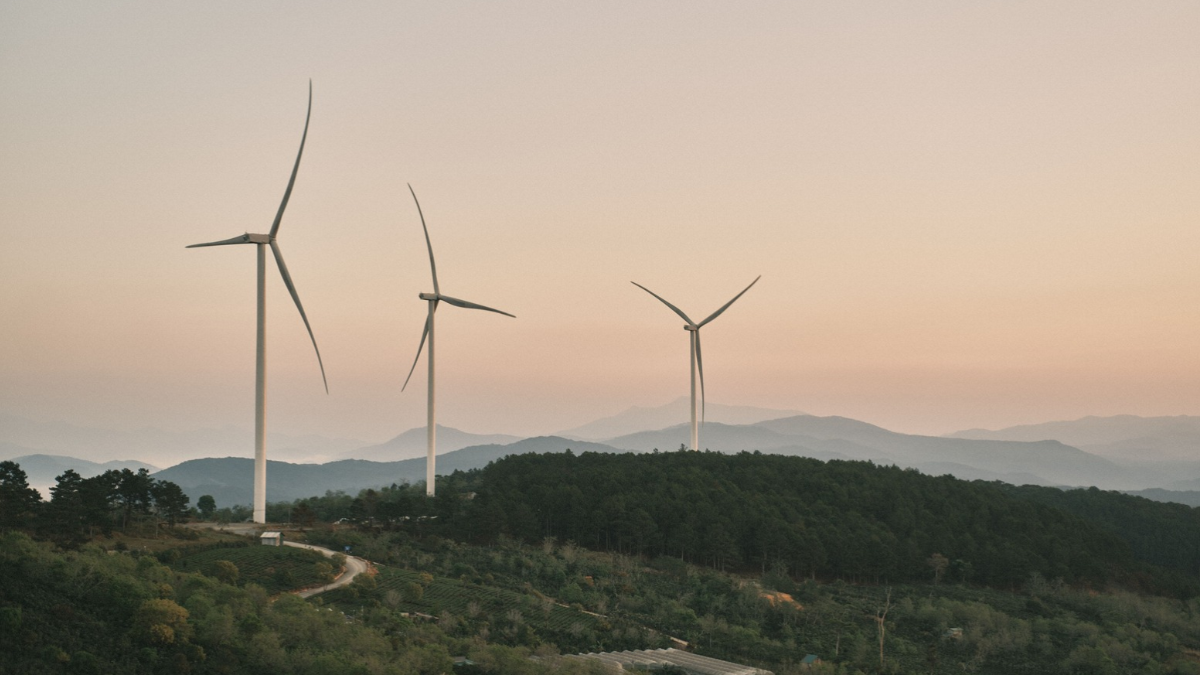
The global carbon market established under the Paris Agreement has accumulated a potential supply of 2.36 billion tonnes of carbon credits by 2030, valued at US$70.9 billion. Yet governments have contracted to purchase only 53 million tonnes, worth approximately US$1.6 billion, exposing a significant gap between the expansion of carbon-trading mechanisms and their actual uptake.
The figures come from the first State of the Article 6 Carbon Market 2026 report, released by the Article 6 Network on November 13 at the 31st United Nations Climate Change Conference (COP31) in Antalya, Türkiye. The report estimates that demand from governments seeking credits to meet their Nationally Determined Contributions (NDCs) stands at around 200 million tonnes by 2030, considerably below the projected supply.
The US$70.9 billion valuation is based on an assumed price of US$30 per tonne and represents the potential value of the projected supply, not actual market revenue. Even against the estimated government demand of 200 million tonnes, the available supply exceeds demand by more than ten times.
The findings arrive as countries negotiate the implementation of Article 6 of the Paris Agreement, which allows governments to cooperate through international carbon trading and other mechanisms to achieve their climate targets. At COP31, however, discussions have exposed challenges involving financing, transparency, technical infrastructure and the environmental integrity of carbon credits.
A growing market with limited transactions
Article 6 provides two principal market mechanisms. Article 6.2 allows countries to transfer internationally transferred mitigation outcomes (ITMOs) through bilateral or other cooperative arrangements. Article 6.4 establishes a United Nations-supervised carbon-crediting mechanism, known as the Paris Agreement Crediting Mechanism (PACM).
A carbon credit generally represents one tonne of carbon dioxide equivalent (CO₂e) reduced or removed from the atmosphere. Countries can purchase eligible credits from other countries to support their climate commitments, provided the transactions comply with the Paris Agreement’s accounting and authorisation requirements.
The Article 6 Network report identifies 130 countries with established Article 6 authorities, 113 bilateral cooperation agreements and 309 activities launched under Article 6.2. Another 3,741 activities are listed in the pipeline of the Paris Agreement Crediting Mechanism.
However, only around 151,566 tonnes of ITMOs have been transferred between countries so far, including transactions involving Thailand and Switzerland, and Mongolia and Japan. The report also records the approval of the first 1.11 million credits for issuance under the new UN mechanism.
There are indications of increasing buyer interest. Since October 2025, governments have announced tenders and deals covering approximately 27.3 million tonnes, valued at US$819 million. These include Singapore’s tender for at least 12 million credits and Norway’s agreement at COP31 to purchase up to 12 million tonnes from Indonesia.
Nevertheless, the report estimates that nine out of every ten tonnes of planned Article 6.2 outcomes still lack a named sovereign buyer.
Funding and environmental integrity under scrutiny
The negotiations at COP31 have also exposed disagreements over who should finance the infrastructure required to operate international carbon markets.
Article 6.2 depends on systems that record international transfers, track emissions reductions, conduct technical reviews and prevent countries from counting the same reduction towards multiple climate targets. Maintaining these systems requires predictable funding.
According to the International Emissions Trading Association (IETA), the UNFCCC’s 2026–2027 budget for Article 6.2-related work stood at €10.7 million, but only €1.7 million had been received between January and August 2026.
Negotiators have disagreed over whether the mechanism should be financed through the UN climate body’s core budget, voluntary contributions or fees charged to users of the international registry. Developing countries have raised concerns that additional fees could restrict access, particularly for countries with limited institutional and financial resources.
In its November 19 negotiating update, IETA reported that countries had removed several competing funding proposals from the revised text and agreed to continue considering the financing issue at the next subsidiary-body session in June 2027. Guidance on Article 6.2 and Article 6.4 was also forwarded for further consideration.
Environmental integrity remains another concern. For carbon credits to deliver genuine climate benefits, the emissions reductions they represent must be measurable, independently verifiable and additional to what would have happened without the project. Weak baselines, inaccurate monitoring, the reversal of forest carbon storage and double counting can undermine the credibility of credits.
The World Bank’s State and Trends of Carbon Pricing 2026 reported that global carbon-credit issuances increased by 8% between 2024 and 2025, while prices declined slightly during 2025. This suggests that expanding credit availability alone does not guarantee stronger demand or higher market confidence.
Carbon pricing expands as India develops its domestic market
The broader carbon-pricing landscape is also expanding. The World Bank report recorded 87 carbon-pricing instruments, comprising 47 carbon taxes and 40 emissions trading systems, across 47 countries and the European Union as of April 1, 2026. Together, these covered approximately 29% of global greenhouse gas emissions.
Government revenues from carbon taxes and emissions trading systems exceeded US$107 billion in 2025, a 2% increase over the previous year. These revenues, however, should not be confused with earnings from international carbon-credit transactions.
India is also developing its domestic carbon market through the Carbon Credit Trading Scheme (CCTS). The scheme operates through compliance and offset mechanisms, allowing designated industrial facilities to earn or purchase Carbon Credit Certificates based on their greenhouse gas emission-intensity performance.

Industrial emissions highlight the challenge of reducing greenhouse gases and the role of carbon markets in financing emission-reduction efforts.Image credits:Pexels
In January 2026, the government extended emission-intensity targets to four additional sectors: petroleum refineries, petrochemicals, textiles and secondary aluminium. This brought the total number of obligated industrial entities under the compliance mechanism to 490 across seven sectors, including cement, aluminium, chlor-alkali and pulp and paper.
The development of international carbon markets could create opportunities for India to attract investment into industrial decarbonisation, renewable energy, forestry and other emissions-reduction projects. However, the extent of these benefits will depend on the rules governing international credit transfers, the quality of projects and the country’s ability to demonstrate measurable reductions.
As COP31 negotiations approach their conclusion, the central challenge is to turn the growing pipeline of carbon credits into credible transactions. The gap between projected supply and contracted demand suggests that international carbon markets have moved further in establishing mechanisms and projects than in generating actual trade. Whether these markets can mobilise climate finance without compromising the integrity of emissions reductions remains a critical test for the Paris Agreement.
Climate & Environment
Global Ecosystem Restoration Progress Falls Short of 2030 Targets, UN Report Warns

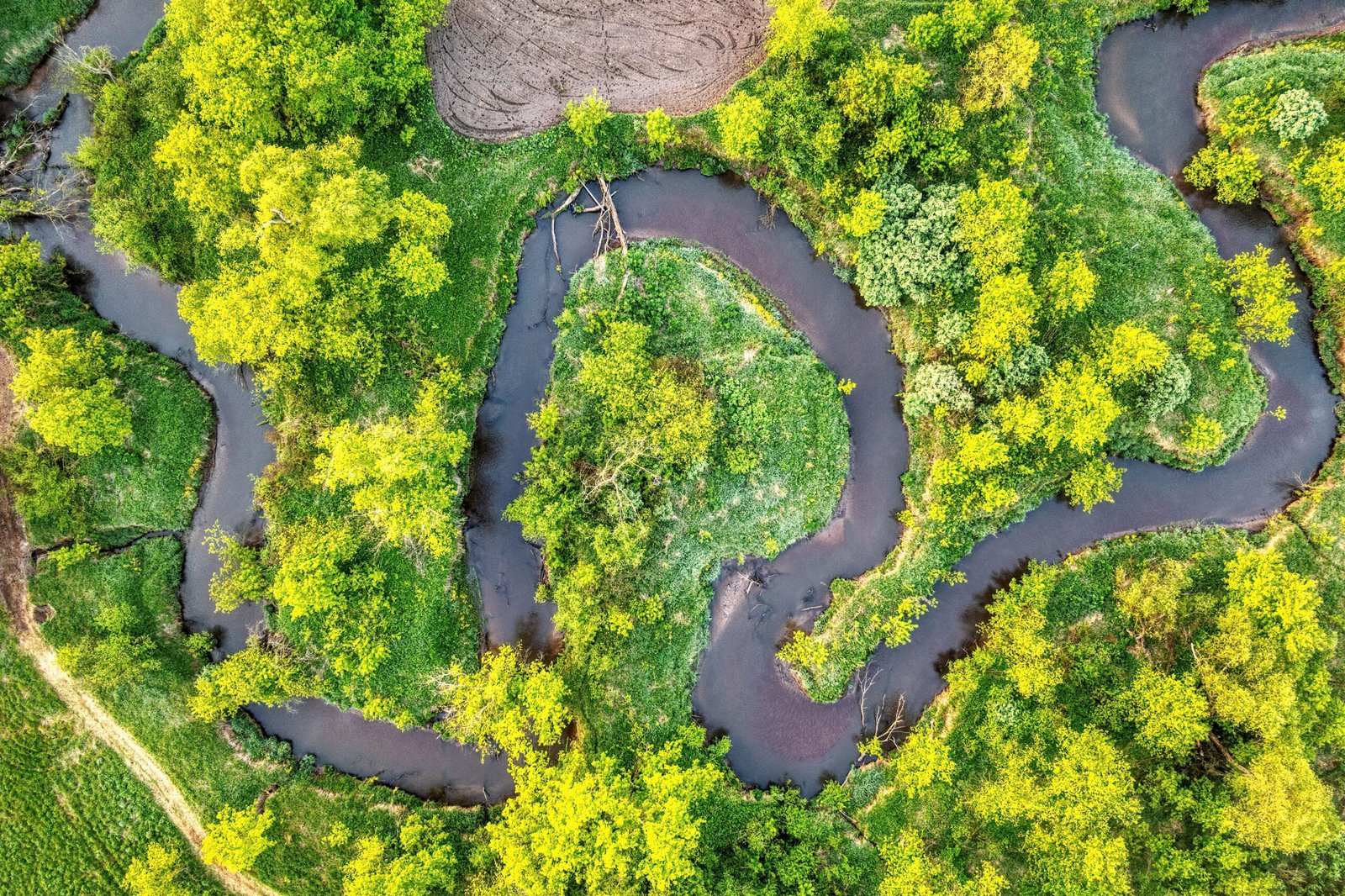
Ecosystem restoration efforts are expanding across the world, but progress remains insufficient to meet global biodiversity targets for 2030, according to a new report released by the Food and Agriculture Organization of the United Nations (FAO), the United Nations Environment Programme (UNEP) and the Secretariat of the Convention on Biological Diversity (SCBD).
The report, Restoration Progress Report: Nature’s Comeback – Scaling Ecosystem Restoration for People and Planet, documents approximately 252 million hectares of terrestrial, freshwater, marine and coastal ecosystems under restoration across 149 countries in 2026. Despite this progress, the report warns that implementation must triple to achieve the global commitment to restore 30 per cent of degraded ecosystems by 2030.
Countries have collectively committed to restoring approximately one billion hectares through national plans, international agreements and regional initiatives. However, the documented restoration area represents only about a quarter of these commitments, highlighting the gap between political ambition and action on the ground.
The assessment comes as the United Nations Decade on Ecosystem Restoration (2021–2030) enters its second half. It examines restoration progress across different ecosystems, the financial resources required and the measures needed to accelerate recovery.
The report identifies land-use change, agricultural expansion, deforestation, overexploitation of natural resources, pollution and climate change as major drivers of ecosystem degradation. These pressures frequently interact, making recovery more difficult and expensive.
More than 1.56 billion hectares of land, representing over 15 per cent of the global land surface, are estimated to be degraded. Between 2015 and 2019, at least 100 million hectares of previously healthy and productive land were degraded annually. Agricultural lands account for more than 60 per cent of global land degradation, with an estimated 480 million hectares of cropland and 560 million hectares of pastureland affected.
Freshwater and marine ecosystems lag behind
Restoration progress varies considerably across ecosystem types. Terrestrial ecosystems account for the largest share of documented restoration, with approximately 232 million hectares under restoration. However, this still represents only about half of the 469 million hectares estimated to be required to meet the 2030 restoration target for terrestrial ecosystems.
Freshwater ecosystems face a substantially larger implementation gap. Only around 11 million hectares are documented as being under restoration, representing approximately 4.5 per cent of the estimated 244 million hectares required to meet the target.
Marine and coastal ecosystems have approximately 5.7 million hectares under restoration, equivalent to around 23 per cent of their estimated 25 million-hectare target.
The report notes that freshwater and marine ecosystems are among the most rapidly degrading environments, despite their importance in supporting biodiversity, food security and livelihoods. Incomplete monitoring and inconsistent national reporting also make it difficult to establish the full extent of restoration activities in these ecosystems.
Funding gap threatens restoration ambitions
Financing remains another major obstacle. Global restoration investments reached approximately $64 billion in 2022, but annual funding needs to increase to $296 billion by 2030 and $448 billion by 2050 to meet restoration requirements.
The report calls for greater public investment alongside private and blended financing mechanisms. It also stresses the need to redirect financial flows and subsidies that encourage unsustainable resource use and contribute to environmental degradation.
Beyond ecological benefits, restoration could generate significant employment opportunities. The report estimates that more than one million green jobs have been created through the World Restoration Flagships, while ecosystem restoration has the potential to generate over 32 million additional jobs globally by 2030.

Vibrant green moss and plants beside a gently flowing stream in a natural setting.Image credit:Pexels
It also highlights the potential of restoration to address climate change and biodiversity loss. Research cited in the assessment indicates that restoring just 15 per cent of global priority areas could capture and store carbon equivalent to 30 per cent of the total increase in atmospheric carbon dioxide since the Industrial Revolution, while helping avoid 60 per cent of species extinctions.
The report emphasises that successful restoration requires more than increasing the area of land brought under recovery. It calls for greater participation of Indigenous Peoples and local communities, recognition of land rights, stronger monitoring systems and restoration strategies that address entire landscapes and ecosystems.
As the 2030 deadline approaches, the assessment identifies three priorities for accelerating progress: building a broader global movement for restoration, strengthening political commitment and developing the technical capacity needed to implement and monitor restoration programmes.
It concludes that restoration targets must translate into sustained ecological recovery rather than remain numerical commitments. Preventing further degradation and ensuring that restored ecosystems continue to recover will be essential to securing long-term benefits for biodiversity, climate resilience and human well-being.
Earth
252 Million Hectares Under Restoration Across 149 Countries, but UN Warns of 2030 Target Gap
A UN report finds that 252 million hectares across 149 countries are under ecosystem restoration. However, increased investment and accelerated action are needed to meet global restoration targets by 2030.

Global efforts to restore degraded ecosystems have reached 252 million hectares across 149 countries, generating more than one million green jobs. However, a new United Nations assessment warns that restoration efforts remain insufficient to meet international biodiversity targets by 2030, calling for a more than fourfold increase in annual investment.
The findings are presented in the Restoration Progress Report: Nature’s Comeback – Scaling Ecosystem Restoration for People and Planet, released on October 29, 2026, by the United Nations Environment Programme (UNEP), the Food and Agriculture Organization (FAO) and the Secretariat of the Convention on Biological Diversity (CBD).
The report provides the first comprehensive global assessment of progress towards commitments to restore approximately one billion hectares of degraded ecosystems. These commitments are linked to the UN Decade on Ecosystem Restoration (2021–2030) and the Kunming-Montreal Global Biodiversity Framework, which calls for at least 30 per cent of degraded terrestrial, freshwater, marine and coastal ecosystems to be under effective restoration by 2030.
According to the assessment, the 252 million hectares currently documented under restoration represent the largest recorded global restoration effort. However, this accounts for only 34 per cent of the indicative global benchmark associated with the 2030 target.
Freshwater and marine ecosystems lag behind
The report identifies considerable differences in restoration progress across regions and ecosystem types. Asia accounts for the largest share of documented restoration, with 192.2 million hectares, followed by Africa with 36.3 million hectares and Europe with 9.1 million hectares. North and Central America account for 5.8 million hectares, South America 5.4 million hectares and Oceania 3.2 million hectares.
However, the report cautions that these figures should not be interpreted as a ranking of restoration performance, as they also reflect differences in regional land area and monitoring and reporting capacities.
Restoration of terrestrial ecosystems has reached nearly half of the global 2030 target. China reports the largest terrestrial restoration area, with 127.4 million hectares, while substantial restoration activities have also been documented in Mongolia and Kazakhstan.
Progress remains considerably slower in freshwater, marine and coastal ecosystems, despite these environments experiencing rapid degradation.

A river along the side of a dense forest. Image credit: Pexels
The assessment documents 11 million hectares of freshwater ecosystems under restoration across 62 countries and 5.7 million hectares of marine and coastal ecosystems across 46 countries. The report also notes that limited monitoring and reporting may mean that actual restoration activities in these ecosystems are higher than the documented figures.
Meanwhile, the share of countries reporting implemented wetland restoration or rehabilitation programmes has increased from 8 per cent in 2022 to 54 per cent.
Restoration financing needs to increase fourfold
Insufficient investment remains a major obstacle to achieving global restoration commitments. The report estimates that annual restoration financing must increase from US$64 billion to US$296 billion by 2030, representing more than a fourfold rise.
Agroforestry requires the largest estimated annual investment, at US$87 billion, followed by restorative reforestation at US$52 billion, peatland restoration at US$44 billion and seagrass restoration at US$28 billion.
The report identifies employment generation as another potential benefit of scaling up restoration. While more than one million green jobs have already been associated with restoration initiatives, increased global investment could generate up to 32 million additional jobs by 2030.
It also highlights the potential contribution of ecosystem restoration to climate mitigation and biodiversity protection. Research cited in the assessment indicates that restoring just 15 per cent of global priority areas could capture and store 30 per cent of carbon dioxide-equivalent emissions released since the Industrial Revolution and help prevent 60 per cent of projected species extinctions.
The report further identifies the participation and leadership of Indigenous Peoples and local communities as essential to ensuring long-term restoration outcomes. Secure land rights, stronger monitoring systems and sustained political commitment are among the priorities identified.
With five years remaining in the UN Decade on Ecosystem Restoration, the assessment calls on governments to move beyond isolated restoration projects towards coordinated, long-term programmes that address the underlying causes of ecosystem degradation.
It emphasises that the 2030 targets should serve as a milestone in the restoration process rather than its conclusion, as ecological recovery requires sustained action and investment beyond the end of the decade.

COP31 Outcomes: What the Climate Decisions Mean For Jobs, Adaptation and Energy Transition

Hormone-disrupting chemicals can expose babies before birth, warns UNEP–WHO report

When the Corridors Close: A Story of Elephants and Displaced Lives

Eram Holdings to track every sapling in Kerala’s million-tree drive with geo-tagging app

Ancient Moon Rocks Challenge Long-Held Theory About the Solar System’s Violent Past

India’s Richest Agree on One Cause Above All Others: Education

Indian universities lead Asia in research output per faculty, but the country’s top six all slip in QS ranking

Why Delhi’s Geography Makes It Vulnerable to Severe Air Pollution

Europe Braces for Extremes as Commission Unveils Climate Resilience Framework

NASA recruits new astronauts for future Moon Base and Mars missions
-

 Math4 months ago
The 2026 Fields Medals: Four Proofs, Four Decades-Old Problems Solved
-
EP Deep Dive: Data & Solutions4 months ago
After Kerala’s Deadliest Landslide, the Hardest Thing to Rebuild Was Childhood
-
EP Deep Dive: Data & Solutions5 months ago
West Asia Crisis: Can Kerala’s Returning Gulf Migrants Find a Future in the Green Economy?
-
Interviews2 months ago
From Scams to Screens: How the National Stock Exchange Rewrote India’s Equity Story
-
Climate & Environment6 months ago
The Climate World Cup? How Climate Change Could Affect Player Performance at the 2026 World Cup
-
Society5 months ago
What Is Civilisational Diplomacy? Understanding India’s Newest Foreign Policy Tool
-
Education5 days ago
India’s Richest Agree on One Cause Above All Others: Education
-
Society5 months ago
From Bell Labs to the Classroom: A Second Career in Teaching