
Climate & Environment
Extreme weather affects India on 92% of days in 2026, raises concerns over climate preparedness
Extreme weather affected India on 92% of days between January and September 2026. A CSE–Down To Earth report documents thousands of deaths and extensive damage to crops, houses and livestock.


India experienced extreme weather events on 92 per cent of days between January and September 2026, resulting in thousands of deaths and extensive damage to agricultural land, houses and livestock, according to a new assessment by the Centre for Science and Environment (CSE) and Down To Earth released on Nov 4. The findings highlight the growing frequency of weather-related disasters and the mounting pressure on communities, livelihoods and public infrastructure.
The report, Climate India 2026: An Assessment of Extreme Weather Events, released on November 4, recorded extreme weather on 251 of the 273 days during the first nine months of the year. These events included heatwaves, cold waves, lightning, thunderstorms, heavy rainfall, floods and landslides.
The assessment estimated that extreme weather claimed 3,220 lives, affected 4.25 million hectares of cropped area, destroyed 128,334 houses and killed 47,244 animals during the period. The scale of the damage points to the increasing exposure of communities and economic activities to climate-related hazards.
The report’s five-year analysis also indicates that extreme weather has become a persistent feature of India’s climate risk. The proportion of days affected by such events increased from 86–88 per cent in 2022 and 2023 to 93 per cent in 2024 and 99 per cent in 2025. Across the five-year assessment period, extreme weather events claimed an estimated 16,200 lives and affected at least 20.6 million hectares of cropped land.
Regional differences and changing weather patterns
The effects were unevenly distributed across the country. Uttar Pradesh and Himachal Pradesh recorded extreme weather on nearly 64 per cent of the 273 days assessed in 2026, the highest frequency among states. Uttar Pradesh reported the highest death toll, with 811 fatalities, followed by Maharashtra with 286 and Bihar with 245.
Maharashtra recorded the largest area of affected crops at 2.83 million hectares. Uttar Pradesh followed with 0.69 million hectares and Bihar with 0.23 million hectares. At the regional level, northwest India recorded extreme weather on 235 days, followed by east and northeast India with 218 days.
The assessment also identified unusual temperature and rainfall patterns during the year. February 2026 was India’s driest February since 1901 and the fourth warmest in 125 years. July recorded the country’s third-highest mean temperature for the month, while the minimum temperature was the second highest on record.
The monsoon season presented another contrast. Despite an overall rainfall deficit, heavy rainfall, floods or landslides occurred somewhere in the country on all 122 days of the monsoon season, according to the assessment. This illustrates how a seasonal rainfall deficit can coexist with destructive episodes of intense rainfall in particular locations. The distribution and intensity of rainfall can therefore be as consequential as the seasonal total.
Agriculture and livelihoods under pressure
Agriculture remains particularly vulnerable to these changes. The CSE–Down To Earth assessment found that the area of cropped land affected by extreme weather increased from 1.84 million hectares in 2022 to 9.47 million hectares in 2025. In 2026, a further 4.25 million hectares were affected during the first nine months.
Crop damage can have consequences beyond a single harvest. For small and marginal farmers, repeated losses can reduce household income, increase borrowing and undermine their ability to invest in the next agricultural season. Flooding can destroy standing crops, damage irrigation systems and erode fertile soil, while prolonged dry spells and heat stress can reduce yields and increase irrigation requirements.
The impact also extends to livestock and rural infrastructure. The loss of animals affects household assets and agricultural productivity, while damaged houses and roads can disrupt access to markets, schools and healthcare. Communities already facing economic insecurity may find it difficult to recover before another extreme weather event occurs.
Government data also underline the scale of the challenge. A Ministry of Home Affairs response published by the Press Information Bureau in August 2026 provides state-reported figures on human deaths, cattle losses, damaged houses and affected cropped areas due to hydro-meteorological disasters during 2023–24, 2024–25 and 2025–26. Disaster management and relief are primarily the responsibility of state governments, which makes local preparedness and response capacity particularly important.
Rising temperatures and disaster risks
The India Meteorological Department’s assessment of 2025 provides further context for the country’s changing climate conditions. Its Statement on the Climate of India during 2025 recorded the annual mean land-surface air temperature at 0.28°C above the 1991–2020 average, making 2025 the eighth warmest year since records began in 1901. The report also documented deaths associated with lightning, thunderstorms, floods, heavy rainfall and landslides.
Rising temperatures can intensify heat-related health risks and contribute to conditions favourable for more intense rainfall. However, individual extreme weather events cannot automatically be attributed to climate change. Their occurrence and severity are influenced by several factors, including natural climate variability, local geography, land-use changes and infrastructure.

Representative image of temeperature rise.Image credit:Pixabay
The death estimates in the IMD and CSE–Down To Earth assessments differ because the reports use different datasets and methods of tracking extreme weather. They should therefore be treated as separate assessments rather than combined into a single national total.
Strengthening preparedness
The findings raise questions about India’s preparedness for increasingly frequent weather-related hazards. Early-warning systems, resilient infrastructure, effective urban drainage, heat action plans and better protection for agricultural communities are important components of disaster-risk reduction.
Forecasts must also reach vulnerable communities in time and in accessible languages. In flood-prone areas, improved drainage, protection of wetlands and floodplains, and restrictions on construction in high-risk zones can reduce exposure. In agriculture, crop diversification, climate-resilient varieties, better water management and accessible crop insurance can help farmers manage weather-related losses.
The CSE assessment also points to gaps in the availability of consolidated information. Government agencies use different definitions and data-collection methods for extreme weather events, making it difficult to build a comprehensive picture of their frequency and impact. Consistent reporting and transparent disaster-loss databases would help policymakers identify vulnerable regions and evaluate the effectiveness of adaptation measures.
As extreme weather affects more regions and sectors, coordination between meteorological agencies, disaster-management authorities, local governments and agricultural departments will become increasingly important. The challenge is no longer limited to responding after disasters occur. It also involves reducing exposure, protecting livelihoods and strengthening the capacity of communities and infrastructure to withstand future climate risks.









Earth
Monash Researchers Develop Technology to Recover Critical Minerals from Coal Waste
Monash University researchers have developed a process to recover all 17 rare earth elements from coal fly ash and other industrial waste with over 90 per cent efficiency, potentially offering a cleaner alternative to conventional mining.

Climate & Environment
Plastic Pollution and Ghost Nets Threaten Olive Ridley Hatchlings at Odisha’s Rushikulya Rookery
A new study documents 237 dead and 121 entangled Olive Ridley hatchlings across four nesting beaches near Odisha’s Rushikulya rookery, highlighting the growing threat of plastic pollution and discarded fishing gear to marine wildlife.

Thousands of Olive Ridley sea turtles return to Odisha’s coastline every year to lay their eggs, continuing one of the most remarkable mass-nesting events in the marine world. But the beaches that provide a critical breeding ground for the species are increasingly accumulating plastic waste, abandoned fishing nets and synthetic ropes, creating additional hazards for hatchlings attempting to reach the sea.
A study published in Marine Pollution Bulletin has documented the extent of marine litter across four important Olive Ridley nesting beaches near the Rushikulya rookery in Odisha. Researchers recorded 1,103 litter items, more than 85% of which were plastic. The survey also documented 237 dead hatchlings and 121 entangled hatchlings, with abandoned fishing nets and synthetic ropes identified among the major hazards.
The findings were highlighted by Nature India on November 23, drawing attention to the growing intersection between marine pollution and sea turtle conservation.
Plastic waste accumulates on critical nesting beaches
The Rushikulya rookery, located in Ganjam district, is among the significant Olive Ridley nesting grounds along India’s eastern coastline. The species, scientifically known as Lepidochelys olivacea, is known for its mass-nesting behaviour, called arribada, during which large numbers of female turtles gather on beaches to lay eggs.
Along with Gahirmatha and the Devi river mouth, Rushikulya forms part of Odisha’s important Olive Ridley nesting landscape.
The research team, led by scientists from the CSIR-National Institute of Oceanography, Goa, assessed the composition, distribution and ecological risks of marine litter across four nesting beaches. The researchers examined different categories of waste, including plastic materials, discarded fishing equipment and other hazardous debris.
The assessment found that plastic constituted more than 85% of the recorded litter. The study also identified waste originating outside India’s borders, with debris from six countries found along the nesting beaches. This points to the role of ocean currents in transporting marine litter across national boundaries.
Discarded fishing gear emerged as a particular concern. Abandoned nets and synthetic ropes can become entanglement hazards for hatchlings, whose small bodies and limited mobility make it difficult to escape from such materials.
The researchers recorded 121 entangled hatchlings and 237 dead hatchlings during the assessment. Although the findings do not establish that every recorded death resulted from litter, they demonstrate significant physical hazards in the nesting environment.
Assessing the extent of beach pollution
Beyond counting the litter, the researchers used multiple environmental indicators to assess the condition of the nesting beaches.
The Clean Coast Index, Plastic Accumulation Index and Pollution Load Index indicated substantial pollution across the surveyed locations. The Clean Environment Index classified all four beaches as either dirty or extremely dirty.
The Hazardous Items Index, which ranged from 0.38 to 1.86, further indicated the presence of potentially dangerous materials.
These measurements offer a broader understanding of the ecological pressures facing the nesting sites. Plastic bottles, packaging materials and discarded fishing equipment do not merely affect the visual quality of beaches; they can interfere with nesting activity and create hazards for emerging hatchlings.
The findings also highlight the difficulty of addressing marine litter through beach-level interventions alone. Waste transported by rivers, fishing activities and ocean currents can accumulate along coastlines, requiring coordinated management beyond individual nesting locations.
A fresh cleanup challenge ahead of nesting season
The research findings come amid renewed concerns over waste accumulation along the Rushikulya coastline.
News reports have noted that debris and garbage had accumulated near the Rushikulya river mouth following flooding. The deposited waste raised concerns about preparations for the upcoming mass-nesting season. Local conservation representatives called for cleanup operations along the affected coastal stretch before turtles begin arriving to nest.

A sea turtle hatchling makes its way across a sandy beach. Image credit: Pexels
The timing is significant. Mass nesting at Rushikulya generally occurs around the last week of February or the first week of March. Removing debris before this period is important to ensure that nesting females and emerging hatchlings can move across the beaches without encountering additional hazards.
The research team has emphasised the need for targeted conservation measures, regular beach cleanups, stronger enforcement of seasonal fishing restrictions and coordinated action to address marine litter.
Protecting the journey from nest to ocean
Olive Ridley conservation efforts along Odisha’s coastline have traditionally focused on protecting nesting beaches, regulating fishing activities and reducing mortality caused by fishing operations. However, the accumulation of plastic waste and abandoned fishing equipment presents an additional challenge that requires sustained monitoring.
Regular removal of litter, responsible disposal of fishing gear and better coordination between fishing communities, coastal authorities and conservation organisations could help reduce the risks documented in the study.
The presence of transboundary waste also suggests that coastal pollution cannot be addressed entirely through local interventions. Cooperation across regions and countries is necessary to tackle the movement of marine debris through interconnected ocean systems.
For Olive Ridley hatchlings, the journey from the nest to the ocean is already fraught with natural predators and environmental challenges. Ensuring that discarded nets, synthetic ropes and plastic waste do not become additional obstacles is an important part of protecting the species and its nesting habitats.
Climate & Environment
COP31 Outcomes: What the Climate Decisions Mean For Jobs, Adaptation and Energy Transition
COP31 advanced decisions on just transition, adaptation and climate technology. India’s coal-dependent districts and developing countries face a critical test: turning these frameworks into funded action.
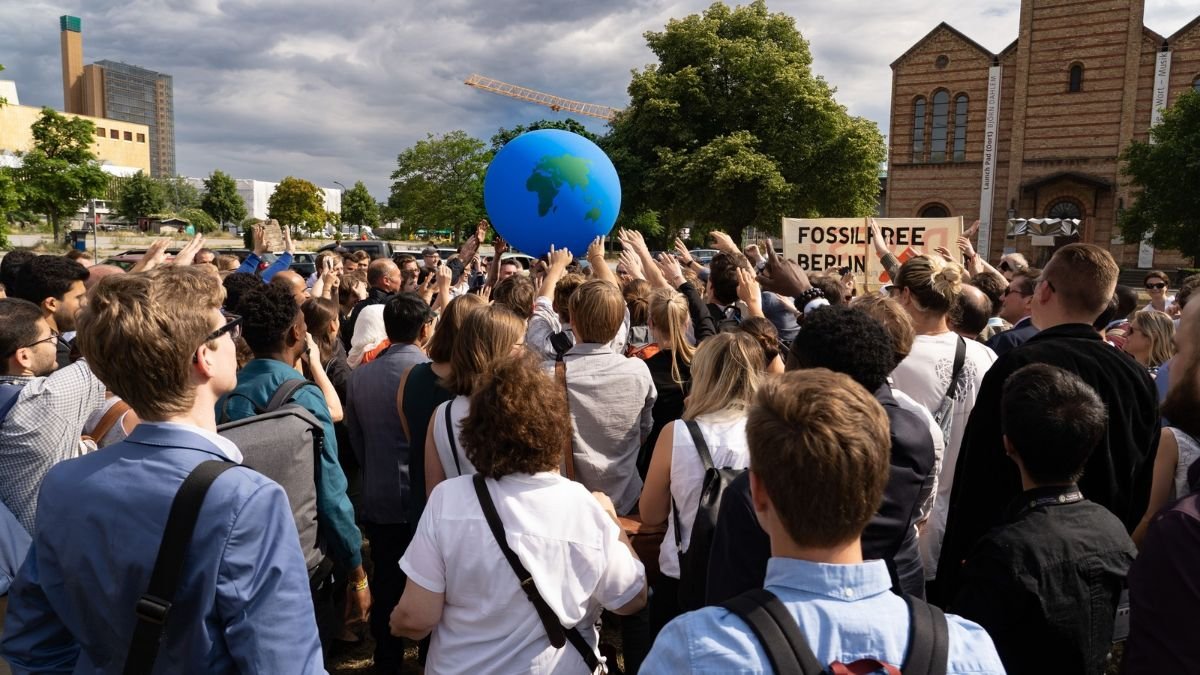
For a coal-dependent district, the shift to cleaner energy can affect far more than its power supply. Mine closures can disrupt employment, transport businesses and local markets. For a flood-prone village, climate adaptation may depend on whether funds are available to strengthen drainage, protect homes or secure drinking water.
These concerns formed part of the negotiations at COP31 in Antalya, where countries adopted decisions on a just transition, climate adaptation, finance and technology. The conference also recorded voluntary commitments on electrification, renewable energy, forests and ocean protection.
The outcomes establish some important processes, but leave questions about funding, implementation and the pace of action. Their implications are particularly relevant to developing countries, which must expand access to energy and protect vulnerable communities while managing the economic costs of climate change.
A Just Transition Must Account For Workers and Local Economies
One of the significant outcomes was the decision to establish a Just Transition Mechanism through a phased process. The mechanism is intended to help countries manage the social and economic consequences of moving towards cleaner economies through technical assistance, capacity-building and international cooperation.
The challenge is substantial in countries where entire regions depend on fossil-fuel industries. In India, coal mining and coal-based power generation support a large network of formal and informal jobs. A NITI Aayog assessment estimates that more than one million people depend directly on coal mining, including informal workers. Coal-based thermal power plants support an estimated 4.2 lakh jobs when formal and informal employment are combined. The assessment also identifies more than 150 districts with significant dependence on fossil-fuel supply chains.

When mines and power plants close, the consequences extend to contractors, transport operators, small businesses and local governments that depend on the industry. Workers may need new skills, while coal-dependent districts need investment in alternative economic activities.
The proposed mechanism could help countries develop plans to manage these changes. However, COP31 did not settle its detailed structure or operational functions. The Just Transition Work Program was extended for three years, and countries will continue working on the mechanism before its formal adoption at COP32. It is not a dedicated fund that will directly compensate workers or finance new industries.
COP31 Outcomes and Adaptation Indicators Need Money Behind Them
COP31 advanced work on the Global Goal on Adaptation, which aims to assess how effectively countries are preparing for climate impacts. The 59 Belém Adaptation Indicators, agreed at COP30, cover areas including water, food, health, ecosystems and infrastructure.
At Antalya, countries agreed to establish a technical task force to refine the indicators, including their methodologies and supporting data. This is important because countries need comparable ways to assess whether adaptation measures are reducing climate risks. For instance, reporting how many people have access to early-warning systems does not, by itself, establish whether warnings reach vulnerable households in time or help them evacuate safely.
The indicators could help governments identify gaps in their adaptation plans and track progress across sectors. But measurement cannot substitute for investment. UNEP’s 2026 Adaptation Gap Report estimates that developing countries will need around 305 billion USD annually by 2035 to meet their adaptation needs. International public adaptation finance reached only 28.2 billion USD to 31.7 billion USD in 2024. Even tripling these flows would meet only a fraction of the estimated requirement.
Countries at COP31 failed to agree on milestones for increasing adaptation finance. The gap between the scale of climate risks and the resources available to address them therefore remains a central concern.
Adaptation Fund Gets a New Source of Revenue
Countries agreed to transition the Adaptation Fund to serve the Paris Agreement exclusively. The change will allow the fund to receive a share of proceeds from the Article 6.4 carbon market, which enables the international trading of carbon credits.
Under Article 6.4, a share of proceeds from carbon-credit transactions is set aside to support adaptation in developing countries. This creates a potential revenue stream for the fund, although the amount it generates will depend on the scale of market activity and the value of transactions. The decision could strengthen the fund’s role in supporting adaptation projects. It does not, however, resolve the wider financing shortfall or guarantee that the resources available will match the needs of vulnerable countries.
Climate Technology: Access Remains the Challenge
COP31 advanced the Belém Technology Implementation Programme, which aims to improve developing countries’ access to climate technologies and connect technology deployment with financial support. The issue extends beyond the availability of equipment. Countries need affordable financing, technical expertise and institutional capacity to deploy technologies suited to local conditions. This applies to renewable energy systems, energy storage, resilient infrastructure and early-warning technologies.
For developing countries, the programme’s value will depend on whether it helps overcome these practical barriers. A technology initiative that does not address affordability, maintenance and local capacity will have limited reach.
Electrification Moves Onto the Action Agenda
Beyond formal negotiations, more than 80 countries signed an electrification pledge, according to the COP31 Presidency. The commitment supports the expansion of electricity use in transport, buildings and industry, alongside the development of cleaner power systems. The wider Action Agenda reported participation from governments, cities and businesses in initiatives to expand electricity access, strengthen grids and electrify transport and industrial activity. These commitments are voluntary and should be distinguished from decisions adopted through the formal negotiations.
Electrification can reduce dependence on fossil fuels in sectors such as transport, but its climate benefits depend on how electricity is generated. Expanding electric vehicle use, for example, will deliver greater emissions reductions when the power supply increasingly comes from low-carbon sources. Grid capacity, storage and reliable electricity access will also influence how quickly countries can make the shift.
COP31 also saw several countries announce plans to prepare national roadmaps for transitioning away from fossil fuels. France, Germany and the Netherlands had published roadmaps before the conference, while Finland, Spain, Portugal, Luxembourg and Brazil announced plans. Ireland and Denmark presented their roadmaps, and a Pacific regional plan is also expected. The announcements indicate growing interest in planning the energy transition. Their substance will depend on whether the roadmaps include clear timelines, investment requirements and measures for workers and communities affected by the changes.
Forest and ocean commitments need follow-through
The conference recorded additional funding for forest and ocean initiatives, although formal negotiations did not produce a new roadmap for the Tropical Forests Forever Facility. On oceans, the Action Agenda reported support for adaptation and resilience, alongside work to integrate ocean priorities into national climate plans.
The UK and Nigeria also announced a partnership to reduce methane emissions. Australia and China advanced cooperation on renewable energy, while China and Türkiye announced a preliminary 15-billion USD renewable energy investment deal.
These initiatives broaden the range of actors involved in climate action. Their contribution will need to be assessed through actual investment, implementation and emissions or resilience outcomes rather than the announcements alone.
The Decisions Leave a Demanding Agenda for COP32
COP31 made progress on the institutional arrangements for adaptation, just transition and climate technology. But the conference did not secure agreement on an overarching political declaration, and negotiations failed to establish milestones for increasing adaptation finance. Discussions on the Climate Finance Work Programme will continue until 2028, while the detailed design of the Just Transition Mechanism is expected to return at COP32.
For developing countries, the next phase will require more than technical frameworks. Adaptation indicators need to inform public investment; transition plans need to address employment and regional economies; and technology programmes need to make solutions affordable and accessible.
The decisions taken in Antalya provide a basis for this work. Whether they produce tangible benefits will depend on the resources governments commit and the support that reaches the communities expected to manage the transition.

The Inequality Behind the Numbers: WHO Finds Major Gaps in How Countries Monitor Health Equity

Older Than the Border: How Drass Kept Its Polo Alive

Monash Researchers Develop Technology to Recover Critical Minerals from Coal Waste

An 8,000-km Train Journey to Explore India’s Entrepreneurial Landscape

Global University Enrolment Could Peak by 2035 as Demographic Shifts Reshape Higher Education

India’s Richest Agree on One Cause Above All Others: Education

Indian universities lead Asia in research output per faculty, but the country’s top six all slip in QS ranking

Why Delhi’s Geography Makes It Vulnerable to Severe Air Pollution

When the Corridors Close: A Story of Elephants and Displaced Lives

Europe Braces for Extremes as Commission Unveils Climate Resilience Framework
-

 Math4 months ago
The 2026 Fields Medals: Four Proofs, Four Decades-Old Problems Solved
-
EP Deep Dive: Data & Solutions4 months ago
After Kerala’s Deadliest Landslide, the Hardest Thing to Rebuild Was Childhood
-
EP Deep Dive: Data & Solutions5 months ago
West Asia Crisis: Can Kerala’s Returning Gulf Migrants Find a Future in the Green Economy?
-
Interviews2 months ago
From Scams to Screens: How the National Stock Exchange Rewrote India’s Equity Story
-
Climate & Environment6 months ago
The Climate World Cup? How Climate Change Could Affect Player Performance at the 2026 World Cup
-
Society5 months ago
What Is Civilisational Diplomacy? Understanding India’s Newest Foreign Policy Tool
-
Education1 week ago
India’s Richest Agree on One Cause Above All Others: Education
-
Society5 months ago
From Bell Labs to the Classroom: A Second Career in Teaching