
Health
AI Finds the Hidden Cells That May Help Cancer Return
Indian researchers have developed an AI framework, ACSCeND, that identifies hidden cancer stem-like cell states from tumour gene-expression data. Analysis of more than 25,000 tumour samples linked highly potent cells with poorer survival, cancer recurrence and reduced response to immunotherapy.


India recorded an estimated 15.6 lakh new cancer cases and 8.74 lakh cancer deaths in 2024, according to estimates based on data from 43 cancer registries. Cancer is now the second leading cause of death globally after cardiovascular diseases, with the World Health Organization estimating 20.6 million new cases and nearly 10 million deaths worldwide in 2024. Against this growing burden, cancer stem cells are emerging as a critical target in understanding why tumours return and resist treatment.
The growing cancer burden has made early detection, effective treatment and preventing recurrence critical challenges. While advances in surgery, chemotherapy, radiation, targeted therapies and immunotherapy have improved treatment options, cancer can still return after an apparently successful treatment. One reason may lie in a small population of cancer stem cells that can remain hidden inside a tumour.
These are known as cancer stem cells. Although they make up only a small fraction of a tumour, researchers believe they can play an important role in tumour recurrence, metastasis and treatment resistance. Their rarity and ability to change their identity have also made them difficult to detect. This is where a new Indian research effort could offer a different way of looking at cancer.
Researchers from the S. N. Bose National Centre for Basic Sciences, an autonomous institute under the Department of Science and Technology, in collaboration with Ashoka University, have developed an artificial intelligence framework that can identify hidden cancer stem-like cell populations from tumour gene-expression data.
Called ACSCeND, or AI-based Cancer Stem Cells Profiler and Neoplasm Deconvoluter, the framework could help researchers examine cancer biology at a level that conventional tumour analysis may miss.
Cancer Stem Cells: Understanding Single Stemness Score
Cancer is not a uniform mass of identical cells. Different cells within the same tumour can behave differently, with some populations potentially more capable of surviving treatment and driving tumour growth.
Conventional computational approaches often assign a tumour a single “stemness” score. ACSCeND instead identifies three distinct developmental states of cancer stem-like cells: pluripotent-like, multipotent-like and unipotent-like.
The distinction could give researchers a more detailed picture of the biological composition of a tumour.
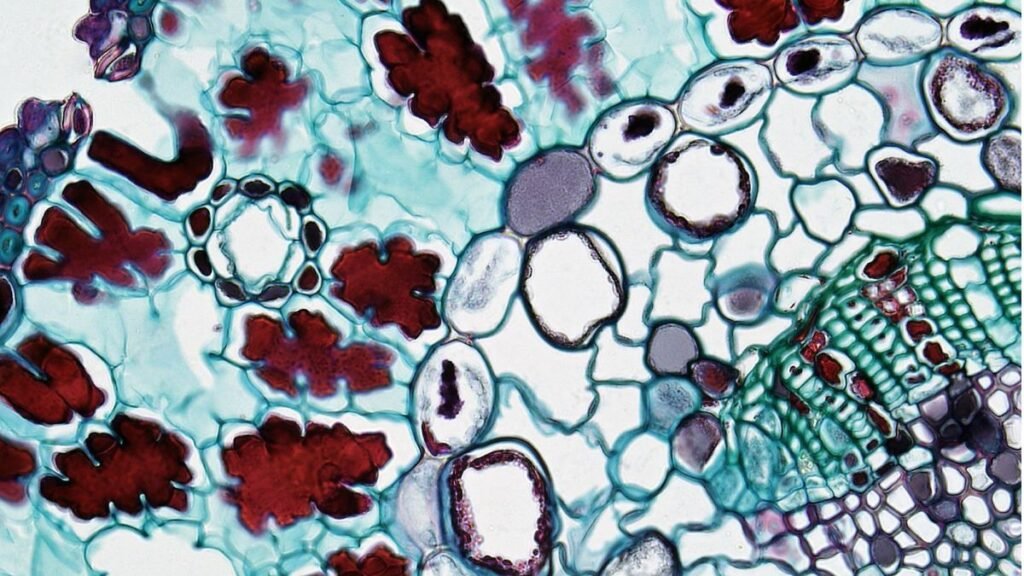
The framework combines information learned from high-resolution single-cell sequencing with deep learning to analyse conventional bulk tumour RNA sequencing. This is significant because single-cell experiments are not available for every tumour sample, while large collections of conventional RNA sequencing data already exist.
In effect, the researchers are using AI to extract information about hidden cell populations from data that may otherwise appear less detailed.
Tested Across More Than 25,000 Tumours
The researchers validated ACSCeND against existing computational methods and tested it across independent datasets and sequencing platforms. They then applied the framework to more than 25,000 tumour samples from major international cancer databases, including TCGA and PRECOG.
The analysis revealed a significant association between the presence of highly potent, pluripotent-like cancer stem cells and poorer outcomes. Tumours enriched with these cancer stem cells were associated with poorer patient survival, a greater likelihood of recurrence and reduced response to modern immunotherapies.
The framework also identified molecular programmes that may help these cells survive, adapt and evade the immune system. Such findings could provide researchers with potential targets for future drug development and help identify patients who may be more likely to relapse.
Why This Could Matter for Precision Medicine
The significance of the research lies not in AI replacing cancer doctors or predicting an individual patient’s future, but in its ability to reveal biological patterns that are difficult to detect using conventional analysis.
If researchers can better identify the cell populations that are associated with recurrence and treatment resistance, they may gain a clearer understanding of why some tumours return after apparently successful treatment. That knowledge could eventually contribute to therapies designed to target not only the bulk of a tumour but also the populations of cells that help it survive.
The approach could also be valuable because it works with conventional bulk RNA sequencing data. Instead of requiring every tumour sample to undergo expensive and highly detailed single-cell analysis, researchers may be able to investigate hidden cancer stem-like populations across much larger collections of existing samples.
For India, where an estimated 15.6 lakh people were diagnosed with cancer in 2024, such computational approaches could strengthen cancer research and the country’s move towards more data-driven precision medicine.
But the findings need to be viewed in context. ACSCeND is currently a research framework, not a clinical diagnostic tool that can determine whether an individual patient’s cancer will return. The study establishes associations between cancer stem cells states and outcomes; translating those findings into clinical decisions will require further research and validation.
The potential turning point, therefore, is not that AI has solved cancer recurrence. It is that researchers now have another way to look for the cancer stem cells that may be helping tumours survive treatment.
In the long battle against cancer, understanding what remains after treatment may be just as important as understanding what the treatment destroys.











Health
World Mental Health Day: How Late-Night Scrolling May Be Disrupting Sleep and Fuelling Anxiety
New research is examining how late-night smartphone use, disrupted sleep and passive social media scrolling may be linked to anxiety. Studies highlight the importance of digital habits and bedtime routines in understanding their potential effects on mental health, particularly among young people.

The day often ends with one last check of Instagram, a few minutes on YouTube or a scroll through messages before sleep. But what begins as a brief digital break can stretch late into the night, delaying bedtime and keeping the mind engaged when it should be winding down. Researchers are increasingly investigating whether this pattern of digital exposure, through its effects on sleep, may contribute to anxiety and other mental health difficulties among young people.
As World Mental Health Day is observed on October 10, emerging evidence suggests that the relationship between digital media and psychological well-being may depend not simply on how long people spend online, but also on when and how they use it.
A scoping review published in Computers in Human Behavior Reports in March 2026 examined longitudinal research on social media use and sleep among young people. The review found that approximately 70% of the longitudinal studies examined reported at least one negative association between social media use and sleep outcomes. The most consistent links involved later bedtimes and longer periods spent trying to fall asleep, particularly among those with problematic social media habits or who used platforms at bedtime.
The findings are significant because longitudinal studies track participants over time, helping researchers investigate whether digital habits precede subsequent changes in sleep. However, the authors cautioned that many studies relied on self-reported screen use and sleep patterns, limiting the strength of conclusions about cause and effect.
The review also identified an important distinction: total screen time alone did not consistently predict poor sleep. The timing of use and difficulty controlling online behaviour appeared to matter.
When sleep becomes the missing link
Sleep may help explain why certain patterns of digital engagement are associated with poorer mental health. Notifications, emotionally charged content and the pressure to respond immediately can keep users mentally alert. Scrolling in bed can also displace time that would otherwise be spent sleeping.
Insufficient or disrupted sleep can affect emotional regulation, concentration and the ability to manage everyday stress. For someone already experiencing anxiety, a poor night’s sleep may make worries more difficult to manage the following day. Repeated sleep disruption may then reinforce a cycle of distress and further digital engagement.
A systematic review and meta-analysis published in the Journal of Affective Disorders in December 2024 provides a broader picture of this relationship. Researchers assessed 182 studies involving 1,169,396 participants, with 98 studies and 102,683 participants included in the meta-analyses.

Representational image.Image credit:Pexels
The researchers found small but statistically significant associations between general social media use and anxiety and depression. Problematic social media use showed associations with anxiety, depression and sleep problems, alongside lower well-being. Importantly, ordinary social media use was not consistently associated with sleep problems or sleep duration, whereas problematic use was associated with sleep difficulties.
The relationship may also operate in both directions. People who struggle to sleep or experience anxiety may turn to their phones for distraction, reassurance or social connection. This can make it difficult to determine whether digital habits contribute to distress, whether distress encourages more digital engagement, or whether both are influenced by other factors.
Beyond the screen-time debate
The findings raise questions for families, schools, technology companies and public-health professionals. Advising young people to reduce screen time may be insufficient if it does not address bedtime habits, compulsive checking, online pressures and the reasons they turn to digital platforms in the first place.
Digital platforms can also provide friendship, information and mental health support. The challenge is to distinguish beneficial engagement from patterns that disrupt rest and emotional well-being.
As research advances, scientists will need to examine not only how much time young people spend online, but also what they experience there and how digital habits interact with sleep and existing vulnerabilities. The question is no longer simply whether people spend too much time on their phones. It is whether constant connectivity leaves enough room for the rest, recovery and emotional balance that mental health requires.
Health
Puberty, Pregnancy and Menopause Reshape the Female Brain Differently, Study Finds
A new study examines how puberty, pregnancy and menopause are associated with distinct patterns of structural changes in the female brain, highlighting the need for more research into women’s brain health across the lifespan.

A study comparing brain scans across three major hormonal transitions finds shared patterns of structural change during puberty and pregnancy, while menopause follows a distinct trajectory.
The female brain undergoes different patterns of structural change during puberty, pregnancy and menopause, according to a study published in Nature Communications, highlighting how hormonal transitions may influence brain development and ageing across a woman’s life.
The research compared longitudinal brain imaging data from 1,095 participants. Researchers applied consistent analytical methods across three groups to investigate whether the hormonal transitions trigger similar or distinct changes in grey matter, the brain tissue involved in information processing.
The findings show that girls transitioning through menarche — the first menstrual period — and women going through pregnancy experienced widespread reductions in cortical grey matter volume. However, the patterns differed across brain regions. Women transitioning through menopause, meanwhile, showed no significant reduction in total or cortical grey matter volume during the study period, although women in the stable premenopausal and postmenopausal comparison groups showed declines.
The results suggest that these major hormonal transitions are associated with distinct patterns of brain remodelling rather than a single process affecting the female brain throughout reproductive life.
Puberty and pregnancy share some changes
The research team examined three cohorts: 142 participants in the puberty group, 110 in the pregnancy group and 843 in the menopause group. The researchers compared participants undergoing each transition with control groups to distinguish transition-related changes from ordinary developmental and age-related trajectories.
In the puberty cohort, 34 girls were assessed before and after menarche. Their brain scans showed significant monthly reductions in total and cortical grey matter volume, a pattern not observed in the stable premenarchal and postmenarchal comparison groups.
Similar changes appeared in women who became mothers. Both first-time and second-time mothers showed significant reductions in total and cortical grey matter volume compared with women who had not given birth. The study estimated monthly reductions of approximately 0.12% in total grey matter volume among first-time mothers and 0.11% among second-time mothers.

MRI Brain scans.Representational image.Image credit:Pexels
Despite these similarities, the researchers found that puberty generally involved greater cortical volume reductions than pregnancy. Their regional analysis covered 74 cortical regions and identified both shared and divergent patterns of change.
In 34 regions, the changes associated with puberty and pregnancy did not differ significantly from each other, while both showed greater reductions than the menopausal transition. These areas were concentrated in the prefrontal, parietal and temporal association cortices, which are involved in higher-order functions.
Other regions, particularly those associated with sensorimotor processing, showed a stepwise pattern in which the decline was greatest during puberty, followed by pregnancy and then menopause.
The authors caution that structural changes should not automatically be interpreted as evidence of damage. The study examined brain volume rather than directly measuring cognitive ability or the functional consequences of these changes.
Menopause presents a different pattern
The findings for menopause differed from those for puberty and pregnancy. Women who transitioned from premenopause to postmenopause during the study showed no statistically significant reduction in total or cortical grey matter volume. In contrast, the stable premenopausal and postmenopausal groups showed significant declines over their respective observation periods.
The researchers suggest that this pattern may indicate an attenuation of age-related volume decline during the menopausal transition itself. However, they stress that this interpretation remains preliminary, and the absence of a significant reduction does not establish that the brain undergoes no changes during menopause.
The study also has limitations. The three cohorts were drawn from different datasets and scanned using different MRI systems. Hormone measurements were not available in a harmonised format across all groups, preventing the researchers from directly comparing hormone levels with brain changes throughout the lifespan. Menarche and menopause were also classified using self-reported information rather than detailed clinical staging.
The findings add to a field in which women’s brain health, particularly during reproductive transitions, remains comparatively understudied. The authors call for future research combining repeated brain scans with hormonal, reproductive, psychological and social data.
By examining puberty, pregnancy and menopause within a common analytical framework, the study provides a more detailed picture of how structural brain changes vary across these transitions. It also underscores the need to investigate each stage separately rather than treating the female brain as following one continuous pattern of hormonal change.
Health
Extreme Heat Threatens Pregnancies, Exposing Gaps in Climate Adaptation Plans
Extreme heat is emerging as a growing threat to pregnancy and childbirth. Research from India and an international survey highlight the risks to maternal and newborn health, underscoring the need for stronger healthcare protections and climate adaptation plans.

Evidence from Tamil Nadu and a new international survey shows how rising temperatures threaten maternal and newborn health, with outdoor workers and rural women facing particular risks.
Extreme heat is emerging as a growing threat to pregnancy and childbirth, but climate adaptation plans risk overlooking the women and newborns most vulnerable to its effects. New international survey findings, alongside research from Tamil Nadu, point to a widening public-health challenge as rising temperatures threaten maternal health and expose inequalities in access to safe healthcare.
At least 73% of maternal healthcare professionals surveyed across five countries reported an increase in heat-related cases or complications affecting pregnant women over the past five years, according to a survey commissioned by global charitable foundation Wellcome. Meanwhile, 76% reported an increase in heat-related complications affecting foetal or newborn health.
The findings were highlighted by Simon Stiell, executive secretary of the United Nations Framework Convention on Climate Change (UNFCCC), at an event organised by Wellcome during the Pre-COP ministerial meeting in Fiji on October 5, ahead of the COP31 climate conference in Türkiye in November.
“Rising temperatures mean rising danger in pregnancy,” Stiell said, pointing to links between extreme heat during pregnancy and premature birth, stillbirth, low birth weight and maternal complications.
The survey covered 1,000 maternal healthcare professionals working in Australia, Brazil, India, the United Kingdom and Zimbabwe. It found that 81% were concerned that extreme heat would increasingly threaten maternal, foetal and newborn health without further action. Nearly all respondents had cared for a pregnant woman or baby whose health they believed had been affected by extreme heat, while 92% wanted more training and resources to protect pregnant women.
The findings highlight a critical gap in climate preparedness: although heat-health warnings are becoming increasingly important, pregnancy and newborn care are not always adequately incorporated into plans for responding to extreme temperatures.
Evidence from India highlights unequal risks
Research from Tamil Nadu adds to the growing evidence that occupational heat exposure can have serious consequences for pregnancy.
A prospective cohort study published in BJOG: An International Journal of Obstetrics & Gynaecology examined 800 pregnant women engaged in moderate to heavy physical work in Tamil Nadu. Researchers found that 47.3% experienced high occupational heat exposure. Among heat-exposed women, 29.6% experienced moderate dehydration, while 17.4% recorded an increase in core body temperature.
The study found that women exposed to high occupational heat had 2.4 times the adjusted odds of miscarriage and 2.3 times the adjusted odds of an adverse pregnancy outcome. The latter included outcomes such as miscarriage, preterm birth, low birth weight and stillbirth.

Children are attending school in temporary learning centres following the devastating floods in Nuwakot, Nepal, where climate change and glacial ice melt have played a significant factor.Image credit: UNICEF/Laxmi Prasad Ngakhusi
The researchers also found that high occupational heat exposure was associated with twice the adjusted odds of an adverse outcome at birth. Although the study establishes an association rather than proving that heat alone caused each outcome, it provides evidence of the risks faced by pregnant women working in hot conditions.
A separate observational cohort study involving 680 pregnant women across six Tamil Nadu districts examined differences between rural and urban populations. Researchers found that 55% of rural participants experienced heat exposure above the study’s permissible limit, compared with 45% of urban participants.
Rural women were also more likely to report heat-strain symptoms, including excessive thirst, fatigue, headaches and dizziness. After accounting for potential confounding factors, heat-exposed rural women had nearly twice the risk of adverse pregnancy outcomes and three times the risk of adverse birth outcomes compared with the study’s urban comparison group.
The study also found a fourfold higher risk of miscarriage among heat-exposed rural women during the first trimester compared with urban women. The researchers identified socioeconomic disadvantage, limited awareness of heat risks and reduced access to welfare facilities as factors that could contribute to rural women’s greater vulnerability.
Evidence from a separate study of 126,273 pregnancies recorded in India and Pakistan reinforces the concern. Researchers found that higher average maximum temperatures during the second trimester were associated with an increased risk of preterm birth. The relative risk was 1.05 for the study’s five-degree temperature contrast, indicating a 5% relative increase in risk—not a five-percentage-point increase in the absolute risk of premature birth.
Together, these studies suggest that heat exposure is not simply an environmental inconvenience during pregnancy. It can coincide with dehydration, physically demanding work and barriers to healthcare, creating risks that are unevenly distributed across communities.
From warnings to protection
Stiell warned that the effects of extreme heat are not shared equally. Pregnant women who work outdoors, live in poorly ventilated housing, travel long distances to clinics or depend on healthcare facilities without reliable electricity, water or cooling cannot be protected through public advice alone.
“Staying cool” is not a realistic option for families without access to cool spaces, he argued. Without targeted intervention, extreme heat could deepen existing inequalities in maternal healthcare, making a safe pregnancy increasingly dependent on income, geography and access to medical services.
Stiell outlined three priorities for governments: integrating pregnancy and newborn care into climate adaptation and heat-health planning; translating evidence into practical protection through healthcare-worker training, heat alerts and safer facilities; and improving data to identify where risks are growing and which interventions are effective.
For India, the findings have implications for heat-action plans, occupational safety and maternal healthcare. Measures could include heat-risk guidance during antenatal visits, better protection for pregnant outdoor workers, improved ventilation and cooling in maternity facilities, and reliable access to water and electricity during extreme heat.
The UN climate chief also called for adaptation-finance commitments agreed at COP30 in Belém, Brazil, to be delivered and for countries to work towards mobilising $1.3 trillion annually for developing countries.
Health is expected to remain a key priority in preparations for COP31, scheduled for November 9–20, 2026, in Türkiye’s Antalya province, under the Turkish presidency and with Australia leading negotiations.
The emerging evidence makes the policy challenge clear: protecting pregnant women and newborns must become part of climate resilience, rather than an afterthought. As temperatures rise, governments will need to assess climate action not only by emissions targets and financial commitments, but also by whether healthcare systems can protect people during pregnancy and give newborns a safe start to life.


Thorium-229 Nuclear Clock Opens New Way to Probe Dark Matter

India Captures 5.7% of Global Greenfield Investment, Outpacing China

World Mental Health Day: How Late-Night Scrolling May Be Disrupting Sleep and Fuelling Anxiety

Climate Science Faces a Deadline: Can the IPCC Deliver Before the 2028 Global Stocktake?

Knowing When to Think for Ourselves: AI, Intuition and the Education of Discernment

From Scams to Screens: How the National Stock Exchange Rewrote India’s Equity Story

Aim for the Stars: Anjali Thomas’s Journey from a Small College in Kerala to the Frontiers of Medical Imaging

Two Chemists Win Nobel Prize for Solving a Century-Old Puzzle: Why Life Picks One Hand Over the Other

India’s AI Moment Rests on More Than Code

Marshall Islands: Why the US Nuclear Legacy Is Back Before the UN

-

 Math3 months ago
The 2026 Fields Medals: Four Proofs, Four Decades-Old Problems Solved
-
EP Deep Dive: Data & Solutions2 months ago
After Kerala’s Deadliest Landslide, the Hardest Thing to Rebuild Was Childhood
-
EP Deep Dive: Data & Solutions3 months ago
West Asia Crisis: Can Kerala’s Returning Gulf Migrants Find a Future in the Green Economy?
-
Space & Physics5 months ago
India Semiconductor Mission: ‘It’s Not About Fabs. It’s About Building An Entire Ecosystem’
-
Interviews3 weeks ago
From Scams to Screens: How the National Stock Exchange Rewrote India’s Equity Story
-
Climate4 months ago
The Climate World Cup? How Climate Change Could Affect Player Performance at the 2026 World Cup
-
Society3 months ago
What Is Civilisational Diplomacy? Understanding India’s Newest Foreign Policy Tool
-
Society4 months ago
From Bell Labs to the Classroom: A Second Career in Teaching