
Health
WHO finds one in four adolescents worldwide gets no daily physical activity
Children take part in a group stretching activity, highlighting the importance of encouraging physical activity from an early age.Image credit:Pexels


Global estimates reveal persistent inactivity among young people, while recent studies highlight the links between physical activity, mental health and learning outcomes.
One in four adolescents worldwide reported no days of physical activity lasting at least 60 minutes during the previous week, highlighting a persistent public health concern among young people, according to a new report released by the World Health Organization (WHO) on November 4.
The report, A Generation Missing Out: Global Trends in Adolescent Physical Activity, 2010–2025, draws on 389 population-based surveys conducted across 140 countries and territories, covering more than 3.2 million adolescents aged 11–17 years. It found that global adolescent physical activity levels have changed little over the past 15 years, with only 14% meeting the recommended 60 minutes of moderate-to-vigorous physical activity every day.
The findings reveal a significant gender disparity. Around 28% of adolescent girls reported no active days during the previous week, compared with 22% of boys. Only 11% of girls achieved the recommended activity level every day, against 17% of boys. Girls were less active than boys in almost every country and WHO region.
WHO Director-General Tedros Adhanom Ghebreyesus said the lack of progress over the past 15 years underscored the need for stronger efforts to encourage physical activity, particularly among girls.
The organisation has also warned that countries are not on track to achieve the global target of reducing physical inactivity by 15% by 2030.
Physical activity linked to mental health and learning
Recent research further highlights the importance of regular movement during adolescence. A study published in JAMA Network Open on October 1, 2026, examined 5,515 adolescents, with an average age of approximately 12 years, to investigate associations between physical activity, brain structure and mental health.
Using daily step counts to measure activity, researchers found that higher physical activity levels were associated with fewer mental health problems and greater cortical thickness in certain brain regions. The study also identified an association between brain structure and mental health outcomes one year later. However, the findings establish associations rather than proving that physical activity directly causes these improvements.
The role of physical activity in education has also been examined in a systematic review and meta-analysis published in the Journal of Global Health in March 2026. Researchers reviewed 90 studies involving approximately 17,000 adolescents to assess the effectiveness of school-based physical activity programmes.
The analysis found that interventions, including physical education sessions, after-school activities and multicomponent school programmes, produced modest short-term improvements in physical activity. However, these gains were not sustained beyond six months, suggesting that isolated interventions may be insufficient to establish lasting behavioural changes.
Together, these studies underline the importance of integrating physical activity into everyday school and community environments rather than treating exercise as an occasional extracurricular activity.
Schools and communities need sustained interventions
WHO identifies several factors contributing to adolescent inactivity, including limited access to safe recreational spaces, inadequate school sports facilities, transport infrastructure and social expectations. Safety concerns and unequal access to sports opportunities can particularly restrict girls’ participation in outdoor activities.
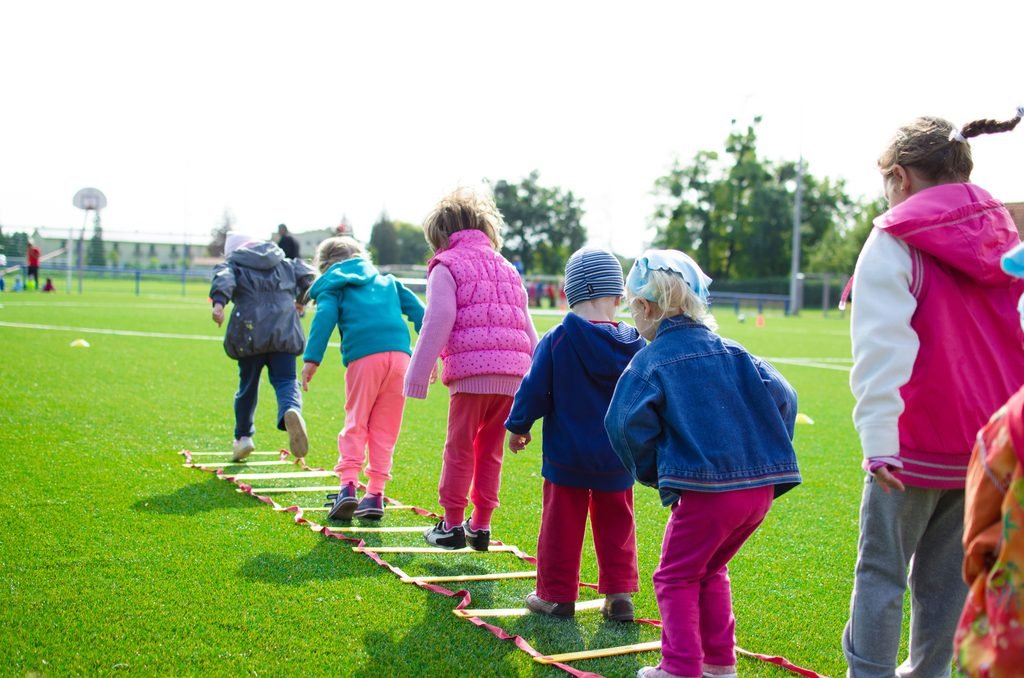
Children enjoy an outdoor activity on a grassy field, stepping over a ladder.Image credit:Pexels
The organisation recommends coordinated action across the health, education, transport, urban planning and sports sectors. Measures include strengthening physical education in schools, improving playgrounds, developing safe walking and cycling routes and ensuring equal opportunities for girls to participate in sports.
Physical activity during adolescence is important for healthy growth, strengthening bones and muscles, cognitive development and mental well-being. Inactivity, meanwhile, is associated with increased risks of non-communicable diseases, including cardiovascular diseases and type 2 diabetes.
The WHO estimates are based on self-reported survey responses. Reporting no active days does not necessarily mean that an adolescent performed no physical activity during the week; it indicates that they did not achieve at least 60 minutes of moderate-to-vigorous activity on any single day.
With the 2030 target approaching, the findings point to the need for sustained public health and education policies that make physical activity an accessible part of everyday life. Schools, in particular, could play a central role in helping adolescents develop healthier habits that continue into adulthood.






Health
The Inequality Behind the Numbers: WHO Finds Major Gaps in How Countries Monitor Health Equity
A new WHO Atlas finds that despite widespread government commitments to health equity, countries lack the data, institutional capacity and reporting systems needed to identify populations being left behind.

National health statistics often tell a reassuring story. Life expectancy improves, vaccination coverage expands and access to healthcare increases. But averages can conceal a different reality: the quality of healthcare available to a wealthy urban household may be vastly different from that accessible to a low-income family in a remote rural community.
A new World Health Organization (WHO) report suggests that countries are still struggling to capture these differences systematically. Published on 24 November, the Health Inequality Monitoring Atlas: A Global Mapping of Country Capacities, Resources, Policies and Practices examines how effectively governments collect, analyse and report data on health inequalities.
Drawing on self-reported information from 161 countries, representing 83 per cent of WHO Member States and 89 per cent of the global population in 2025, the Atlas identifies a significant gap between political commitments to health equity and the capacity to monitor progress.
Although 89 per cent of participating countries reported that their national health sector strategies included commitments to addressing health inequalities, only 65 per cent had a designated unit within their health ministry mandated to use inequality data and evidence. More strikingly, only one in five countries had published a dedicated national health inequality report during the preceding decade.
The findings raise a fundamental question: how can governments address inequalities that their health information systems do not adequately capture?
The problem with national averages
Health inequality is not restricted to differences in access to hospitals or medical treatment. It also encompasses disparities in exposure to disease, nutrition, living conditions, preventive care and health outcomes. Income, education, gender, disability and geographical location can all influence a person’s chances of living a healthy life.
The WHO’s World Report on Social Determinants of Health Equity, published in May 2025, identifies the conditions in which people are born, grow, live, work and age as major influences on avoidable differences in health. Access to money, resources and decision-making power also shapes these outcomes.
Yet the Atlas finds that countries are considerably better at collecting information on age, sex and geographical location than on economic status, education, ethnicity, disability and migration status. These omissions matter because broad population categories can conceal the specific groups experiencing the greatest disadvantages.
The consequences are visible in India’s own health statistics. According to the National Family Health Survey-5 (2019–21), 35.5 per cent of children under five were stunted nationally. The prevalence was 40.9 per cent among Scheduled Tribe children and 39.2 per cent among Scheduled Caste children. The difference was even more pronounced across wealth groups: stunting affected 46.1 per cent of children in the poorest wealth quintile, compared with 22.9 per cent in the richest.
These figures were provided by the Ministry of Health and Family Welfare in a Rajya Sabha response in March 2025. They illustrate why national averages alone cannot adequately describe the distribution of health outcomes.
Inequality extends beyond healthcare access
The problem is not limited to childhood nutrition. WHO’s October 2026 report, State of Inequality: Noncommunicable Diseases and Their Risk Factors, examines disparities in cancer, cardiovascular diseases, diabetes and chronic respiratory diseases across countries.
Using nine multicountry data sources, the report analyses 35 indicators across dimensions including income, education, sex, age, disability and place of residence. It identifies differences in disease prevalence, exposure to risk factors and access to prevention and treatment. Disadvantaged populations frequently experience poorer outcomes, including lower cancer screening coverage and inequalities in hypertension diagnosis and treatment.
This suggests that health inequalities are shaped well beyond the boundaries of healthcare facilities. Poor housing, occupational exposure, unhealthy food environments and air pollution can influence disease risk long before a person seeks medical attention.
Monitoring these differences is therefore essential not only for healthcare delivery but also for policies concerning housing, employment, education and the environment.
From measuring inequality to addressing it
The WHO Atlas identifies several priorities for strengthening national monitoring systems, including better coordination between health ministries and statistical agencies, improved collection of disaggregated data, stronger analytical capacity and more regular public reporting.
However, the report also has limitations. Its findings are based on information submitted by national focal points, primarily within ministries of health. While responses underwent review and validation where documentation was available, the Atlas does not comprehensively evaluate the quality, implementation or effectiveness of every reported monitoring system.
A country reporting that it has a policy or institutional mechanism does not necessarily mean that the mechanism functions effectively or produces meaningful improvements.
Ultimately, collecting better data is only the first step. Evidence must influence how governments allocate resources, design interventions and evaluate public services. Identifying that poorer communities experience higher disease burdens, for instance, means little unless healthcare systems respond by improving prevention, diagnosis and treatment in those communities.

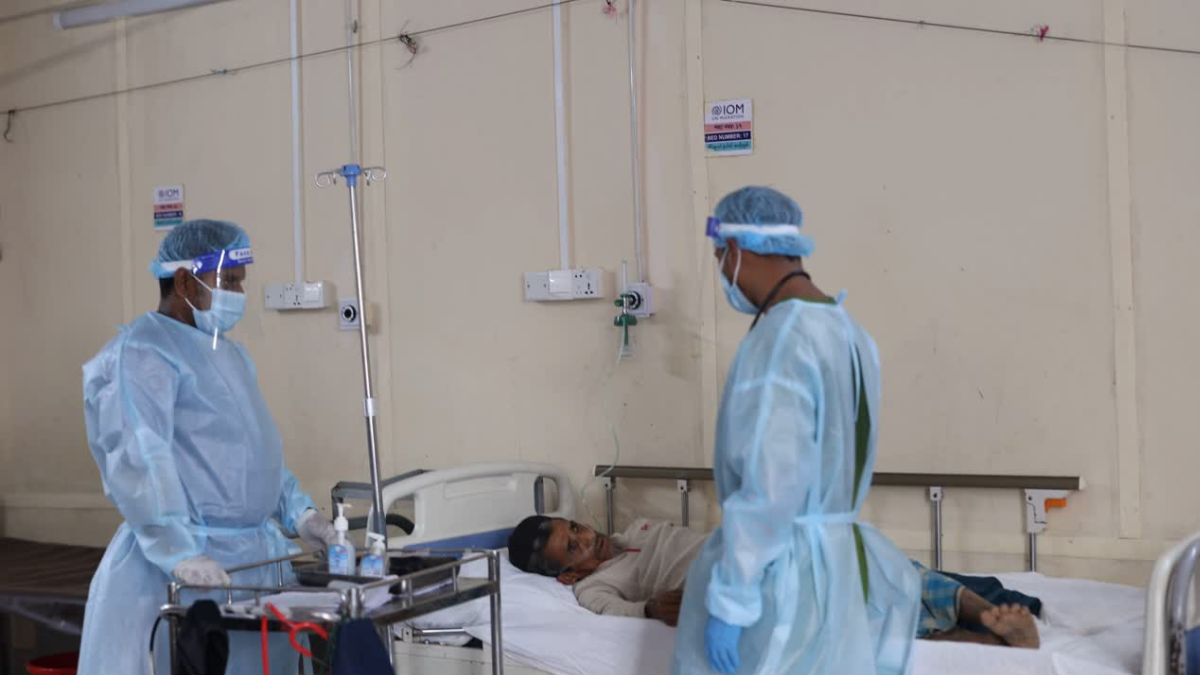
Representative image of a healthcare setup.Image credit:Pexels
The WHO Atlas offers a useful starting point for examining this gap between commitment and implementation. Its central implication is that health equity cannot be assessed through national progress alone. Governments must also establish who benefits from that progress, who remains excluded and why.
A country may improve its overall health indicators while leaving its most vulnerable populations behind. Unless those differences are visible in the data, they risk remaining invisible in policy.
Health
Childhood Cancer By 2050: Why a Child’s Chances of Survival May Depend on Where They Live
A global study projects a growing childhood cancer burden in countries with lower levels of human development by 2050. India’s challenges with treatment access, travel distances and cancer survival data raise questions about the future of paediatric cancer care.

A childhood cancer diagnosis can turn a family’s life upside down. Treatment may require months of hospital visits, repeated chemotherapy sessions and long periods away from home. For parents living in smaller towns and villages, finding a hospital that can treat their child is often the first hurdle. They may have to travel to another city, arrange accommodation and manage expenses while trying to keep their child’s treatment on track.
These difficulties are reflected in a global study published in Pediatric Blood & Cancer. Its projections show that childhood cancer deaths could become increasingly concentrated in countries with lower levels of human development over the next 25 years. India is among the countries facing this challenge, with specialised cancer services still concentrated in a limited number of cities.
The study recorded an estimated 277,023 new cancer cases among children and adolescents aged 0–19 worldwide in 2024. Around 102,056 children died. Leukaemia was the most common cancer, accounting for 27.8% of diagnoses. Brain and central nervous system tumours came next, making up 11.1%.
The researchers project a 35.2% increase in childhood cancer cases in low-human-development countries by 2050. Deaths could rise by 34.8%. Low- and medium-human-development countries together may account for 65% of childhood cancer deaths worldwide by then. These projections assume that current age-specific cancer rates remain unchanged as populations grow and change. They do not account for improvements in diagnosis or treatment that countries may achieve over the coming decades.
The difference in survival between countries is already considerable. More than 80% of children with cancer can be cured in high-income countries, according to the World Health Organization (WHO). In many low- and middle-income countries, survival remains below 30%. Access to timely diagnosis, trained specialists and appropriate medicines plays a major role in this gap.
A Long Way to Treatment
For many Indian families, reaching a specialised hospital involves hours on the road. A study published in the Journal of Cancer Policy examined travel times among more than 22,000 children and adolescents treated at three cancer centres in Delhi and Chennai. The median estimated journey took 161 minutes. Nearly 74% of the patients travelled for more than an hour to reach their treatment centre.
These journeys can become a regular part of family life during cancer treatment. Children may need several rounds of chemotherapy, surgery or radiotherapy, followed by frequent check-ups. Parents often have to take leave from work and find accommodation near the hospital. Those who cannot afford to stay away for long periods face an additional difficulty with every appointment.
The study examined patients treated between 2005 and 2019 at the three centres. It cannot tell us how long every family in India takes to reach cancer care today. It does, however, show the geographical barriers that patients have faced in accessing specialised treatment. The cost of treatment is only part of the financial strain. Travel, food and accommodation can consume a family’s savings, particularly when one parent has to stop working to care for the child. For families with limited incomes, keeping up with repeated hospital visits can become increasingly difficult.
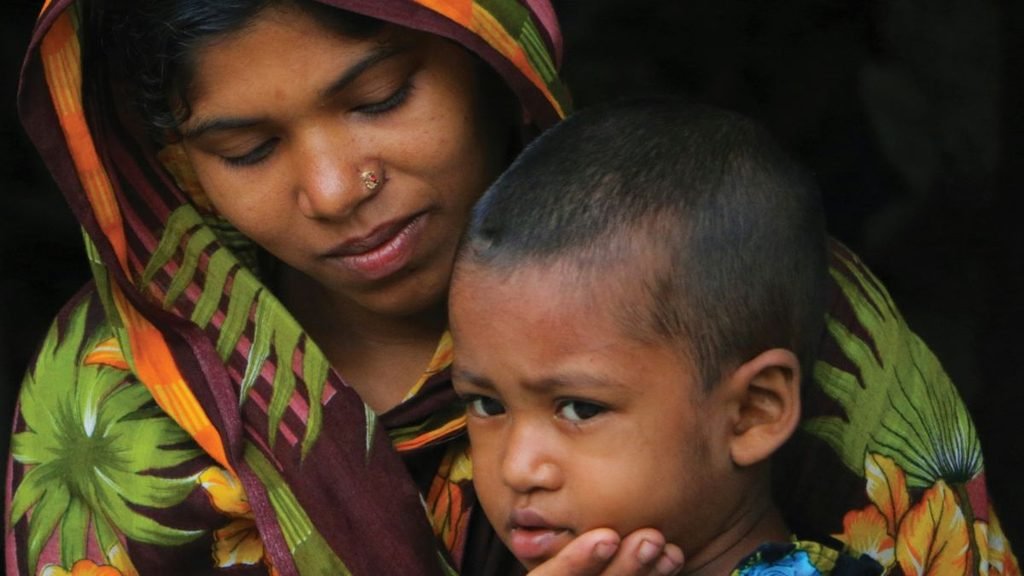
How Much Do We Know About Childhood Cancer in India?
The available data, still do not give a complete picture of childhood cancer across the country. A review published in JCO Global Oncology examined 182 studies involving 22,886 children over three decades. Nearly 94% were conducted at individual hospitals. Most relied on records of patients who had already received treatment at those institutions.
The review estimated five-year survival at 67.1% for acute lymphoblastic leukaemia and 93.1% for Hodgkin lymphoma. These figures come from pooled studies and should be interpreted with caution because the patient groups and research methods differed. Hospital-based research cannot account for every child with cancer. Children who never reach a specialised centre, receive a late diagnosis or discontinue treatment may not appear in these records. This leaves important gaps in understanding where the greatest need for cancer services lies.
Chennai has made a start towards better tracking. India’s first dedicated population-based childhood cancer registry was established in the city. During 2022–23, it recorded 136 cases per million children in the Greater Chennai Zone. Two-year survival was 60% among all registered patients and 70% among those with more detailed medical information. Expanding such registries would help India track childhood cancer beyond individual hospitals. It would also allow researchers to examine differences between regions and identify communities where children face greater difficulties in accessing treatment.
Reaching Children Before It is Too Late
A child with cancer needs more than a hospital bed. Diagnosis requires appropriate tests, and treatment depends on specialists, trained nurses, medicines and equipment. These services are not equally available across India. Children from smaller towns may first visit local hospitals where paediatric cancer specialists are unavailable. A referral to a larger centre can take time, particularly when families have to arrange travel and bear the cost themselves. Strengthening the links between district hospitals and specialised cancer centres could help children reach treatment earlier.
The WHO’s Global Initiative for Childhood Cancer aims to raise survival rates to at least 60% worldwide by 2030. Launched in 2018, the initiative focuses on early diagnosis, access to treatment and better care for children with cancer. The availability of medicines also needs attention. The WHO’s market-shaping strategy for childhood cancer medicines for 2026–2030 addresses the high cost and unreliable supply of essential drugs. For families, an interruption in treatment can mean additional hospital visits and uncertainty about their child’s recovery.
Children who survive cancer may continue to need medical care after treatment. Some develop complications related to chemotherapy or radiotherapy. Others need help returning to school after long absences. Follow-up care and support for their education are important parts of recovery.
The global projections do not tell us exactly how many children in India will develop cancer or survive by 2050. They do, however, point to a problem that healthcare systems will need to address as populations grow. For a child living far from a cancer centre, the distance to treatment can be as difficult to overcome as the illness itself. Improving access to diagnosis and care will be essential if India is to prevent that distance from shaping a child’s chances of survival.
Health
Hormone-disrupting chemicals can expose babies before birth, warns UNEP–WHO report
A new UNEP–WHO report warns that exposure to endocrine-disrupting chemicals can begin before birth, raising concerns over reproductive health, brain development and chronic diseases. The assessment calls for stronger chemical testing, monitoring and regulation.
Exposure to chemicals that interfere with the body’s hormonal systems can begin before birth, potentially affecting brain development, reproductive health and metabolism, according to a new assessment by the United Nations Environment Programme (UNEP) and the World Health Organization (WHO).
The report, State of the Science on Endocrine-Disrupting Chemicals 2026, released on November 17, warns that growing evidence links exposure to endocrine-disrupting chemicals (EDCs) with a wider range of human and environmental health effects than previously understood. The assessment also highlights a significant regulatory gap: more than 350,000 chemicals and chemical mixtures are registered for production and use globally, but only a small fraction have been evaluated for their potential to disrupt the endocrine system.
The findings mark the first major update to the joint UNEP–WHO assessment since 2012, incorporating more than a decade of scientific research into chemical exposure, health risks and regulatory approaches.
EDCs are chemicals that interfere with the body’s hormonal systems, which regulate essential functions such as growth, reproduction, metabolism, brain development and immunity. Unlike chemicals that cause immediate toxic reactions, endocrine disruptors can interfere with hormonal signalling even at relatively low exposure levels, depending on the chemical, timing and nature of exposure.
Exposure begins before birth
The report highlights evidence that EDCs can enter the human body through multiple pathways, including ingestion, inhalation and absorption through the skin. Researchers have detected these substances in blood, breast milk and umbilical cord blood, indicating that exposure can occur during pregnancy and early development.
This is particularly concerning because hormones play a critical role in regulating foetal growth and the development of organs and neurological systems. Exposure during sensitive developmental periods can have lasting consequences, potentially affecting reproductive development, cognition, behaviour and metabolic functions later in life.
The assessment identifies stronger evidence linking EDC exposure to impaired fertility and reproductive development, neurological disorders, thyroid dysfunction, metabolic conditions, immune-system disruption and cardiovascular health problems. Metabolic liver disease and possible effects on kidney function have also emerged as areas of concern, although further research is needed.
The health implications extend beyond early development. Research reviewed in the assessment also links exposure to endocrine-disrupting chemicals with conditions including obesity, type 2 diabetes and certain cancers.
Chemicals in everyday products
EDCs are not restricted to industrial settings or specialised chemical products. They are used across several consumer and commercial sectors, including plastics, food packaging, cosmetics, toys, textiles, pesticides, pharmaceuticals and medical devices.
Bisphenol A (BPA), phthalates and polychlorinated biphenyls (PCBs) are among the chemicals identified in the assessment. BPA has been widely used in certain plastic containers and food-contact materials, while phthalates are used in products such as plastics and personal-care items.
The report highlights how people and wildlife are increasingly exposed to combinations of chemicals rather than individual substances. However, many existing regulatory systems continue to assess chemicals separately, potentially overlooking the cumulative effects of exposure to multiple substances.
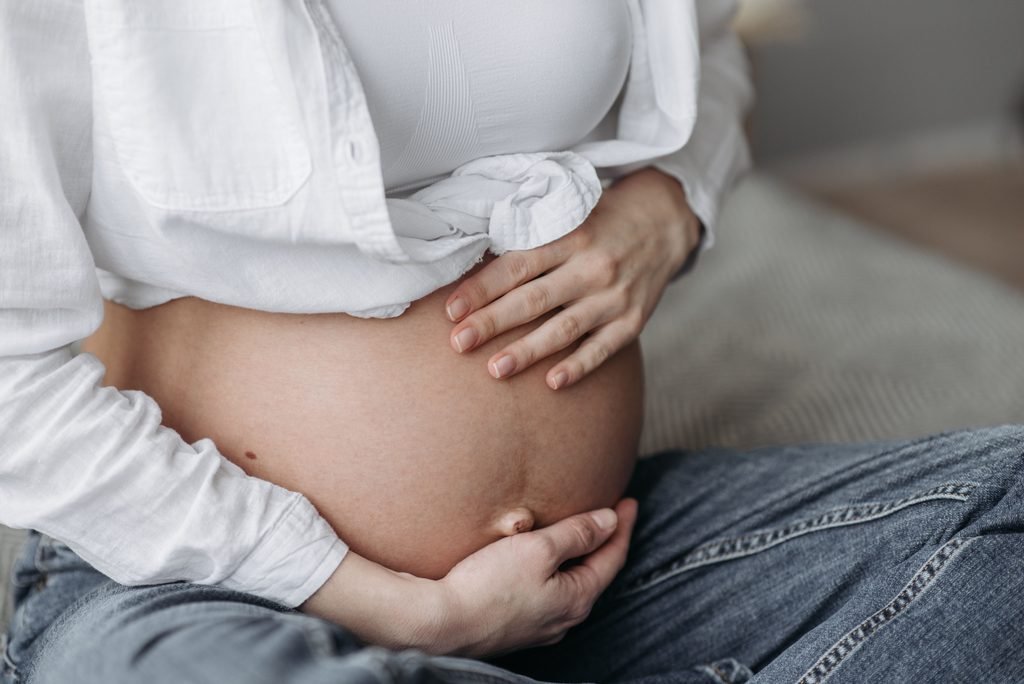
Exposure to endocrine-disrupting chemicals during pregnancy raises concerns about foetal development and long-term health.Image credit:Pexels
The economic consequences are also substantial. According to reporting by the Associated Press on the assessment, the report estimates that health-related costs associated with EDC exposure exceed US$1.1 trillion annually worldwide. The estimate accounts for healthcare expenditure and lost productivity, but does not fully capture wider environmental and social costs.
A regulatory gap in chemical safety
Despite growing scientific evidence, the assessment identifies significant limitations in the way chemicals are tested, monitored and regulated. While more than 350,000 chemicals and mixtures are registered globally, most have not undergone adequate assessment for endocrine-disrupting properties.
The report calls for stronger chemical testing, improved exposure monitoring and coordinated regulatory action to reduce the use of the most harmful substances. It also recommends protecting vulnerable populations, particularly pregnant women, infants and children, from preventable exposure.
Sheila Aggarwal-Khan, Director of UNEP’s Industry and Economy Division, said businesses have considerable influence over the chemicals entering everyday products through their manufacturing and product-design decisions. Greater transparency, early testing and the adoption of safer alternatives could help reduce exposure.
The assessment also warns against replacing restricted chemicals with alternatives that have similar structures or have not been adequately tested, potentially creating new exposure risks.
Implications for environmental and public health
The consequences of endocrine disruption extend beyond human health. Across fish, birds, amphibians and mammals, exposure has been associated with impaired reproduction, development and behaviour, raising concerns about biodiversity and ecosystem stability.
To translate scientific evidence into policy, UNEP has also released a companion synthesis, From Evidence to Action: Addressing Endocrine Disrupting Chemicals Across Sectors. It outlines possible interventions across food packaging, cosmetics, toys, textiles, healthcare, agriculture, pharmaceuticals and waste management.
For countries such as India, where plastics, pesticides, personal-care products and industrial chemicals are widely used, the findings underline the importance of stronger chemical-safety monitoring, transparent product information and effective regulation. However, country-specific exposure assessments will be necessary to establish the scale of associated health risks.
The report’s central concern is that scientific evidence is advancing faster than the systems designed to regulate chemical exposure. With potential risks extending from pregnancy and childhood into adulthood, the challenge is to prevent harmful exposure before its consequences become irreversible rather than relying primarily on treating diseases after they emerge.

The Inequality Behind the Numbers: WHO Finds Major Gaps in How Countries Monitor Health Equity

Older Than the Border: How Drass Kept Its Polo Alive

Monash Researchers Develop Technology to Recover Critical Minerals from Coal Waste

An 8,000-km Train Journey to Explore India’s Entrepreneurial Landscape

Global University Enrolment Could Peak by 2035 as Demographic Shifts Reshape Higher Education

India’s Richest Agree on One Cause Above All Others: Education

Indian universities lead Asia in research output per faculty, but the country’s top six all slip in QS ranking

Why Delhi’s Geography Makes It Vulnerable to Severe Air Pollution

When the Corridors Close: A Story of Elephants and Displaced Lives

Europe Braces for Extremes as Commission Unveils Climate Resilience Framework
-

 Math4 months ago
The 2026 Fields Medals: Four Proofs, Four Decades-Old Problems Solved
-
EP Deep Dive: Data & Solutions4 months ago
After Kerala’s Deadliest Landslide, the Hardest Thing to Rebuild Was Childhood
-
EP Deep Dive: Data & Solutions5 months ago
West Asia Crisis: Can Kerala’s Returning Gulf Migrants Find a Future in the Green Economy?
-
Interviews2 months ago
From Scams to Screens: How the National Stock Exchange Rewrote India’s Equity Story
-
Climate & Environment6 months ago
The Climate World Cup? How Climate Change Could Affect Player Performance at the 2026 World Cup
-
Society5 months ago
What Is Civilisational Diplomacy? Understanding India’s Newest Foreign Policy Tool
-
Education1 week ago
India’s Richest Agree on One Cause Above All Others: Education
-
Society6 months ago
From Bell Labs to the Classroom: A Second Career in Teaching