
Health
Researchers Unveil 50-Cent DNA Sensors That Could Revolutionize Disease Diagnosis
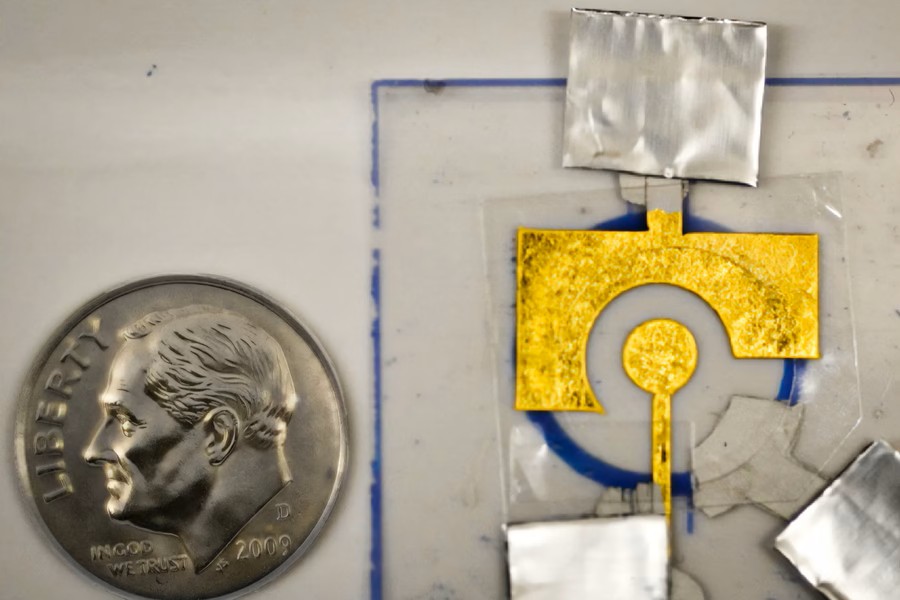
The innovation lies in a low-cost electrochemical sensor stabilized with a polymer coating, which allows the device to be stored for months at high temperatures and used far from traditional lab settings













Health
Puberty, Pregnancy and Menopause Reshape the Female Brain Differently, Study Finds
A new study examines how puberty, pregnancy and menopause are associated with distinct patterns of structural changes in the female brain, highlighting the need for more research into women’s brain health across the lifespan.

A study comparing brain scans across three major hormonal transitions finds shared patterns of structural change during puberty and pregnancy, while menopause follows a distinct trajectory.
The female brain undergoes different patterns of structural change during puberty, pregnancy and menopause, according to a study published in Nature Communications, highlighting how hormonal transitions may influence brain development and ageing across a woman’s life.
The research compared longitudinal brain imaging data from 1,095 participants. Researchers applied consistent analytical methods across three groups to investigate whether the hormonal transitions trigger similar or distinct changes in grey matter, the brain tissue involved in information processing.
The findings show that girls transitioning through menarche — the first menstrual period — and women going through pregnancy experienced widespread reductions in cortical grey matter volume. However, the patterns differed across brain regions. Women transitioning through menopause, meanwhile, showed no significant reduction in total or cortical grey matter volume during the study period, although women in the stable premenopausal and postmenopausal comparison groups showed declines.
The results suggest that these major hormonal transitions are associated with distinct patterns of brain remodelling rather than a single process affecting the female brain throughout reproductive life.
Puberty and pregnancy share some changes
The research team examined three cohorts: 142 participants in the puberty group, 110 in the pregnancy group and 843 in the menopause group. The researchers compared participants undergoing each transition with control groups to distinguish transition-related changes from ordinary developmental and age-related trajectories.
In the puberty cohort, 34 girls were assessed before and after menarche. Their brain scans showed significant monthly reductions in total and cortical grey matter volume, a pattern not observed in the stable premenarchal and postmenarchal comparison groups.
Similar changes appeared in women who became mothers. Both first-time and second-time mothers showed significant reductions in total and cortical grey matter volume compared with women who had not given birth. The study estimated monthly reductions of approximately 0.12% in total grey matter volume among first-time mothers and 0.11% among second-time mothers.

MRI Brain scans.Representational image.Image credit:Pexels
Despite these similarities, the researchers found that puberty generally involved greater cortical volume reductions than pregnancy. Their regional analysis covered 74 cortical regions and identified both shared and divergent patterns of change.
In 34 regions, the changes associated with puberty and pregnancy did not differ significantly from each other, while both showed greater reductions than the menopausal transition. These areas were concentrated in the prefrontal, parietal and temporal association cortices, which are involved in higher-order functions.
Other regions, particularly those associated with sensorimotor processing, showed a stepwise pattern in which the decline was greatest during puberty, followed by pregnancy and then menopause.
The authors caution that structural changes should not automatically be interpreted as evidence of damage. The study examined brain volume rather than directly measuring cognitive ability or the functional consequences of these changes.
Menopause presents a different pattern
The findings for menopause differed from those for puberty and pregnancy. Women who transitioned from premenopause to postmenopause during the study showed no statistically significant reduction in total or cortical grey matter volume. In contrast, the stable premenopausal and postmenopausal groups showed significant declines over their respective observation periods.
The researchers suggest that this pattern may indicate an attenuation of age-related volume decline during the menopausal transition itself. However, they stress that this interpretation remains preliminary, and the absence of a significant reduction does not establish that the brain undergoes no changes during menopause.
The study also has limitations. The three cohorts were drawn from different datasets and scanned using different MRI systems. Hormone measurements were not available in a harmonised format across all groups, preventing the researchers from directly comparing hormone levels with brain changes throughout the lifespan. Menarche and menopause were also classified using self-reported information rather than detailed clinical staging.
The findings add to a field in which women’s brain health, particularly during reproductive transitions, remains comparatively understudied. The authors call for future research combining repeated brain scans with hormonal, reproductive, psychological and social data.
By examining puberty, pregnancy and menopause within a common analytical framework, the study provides a more detailed picture of how structural brain changes vary across these transitions. It also underscores the need to investigate each stage separately rather than treating the female brain as following one continuous pattern of hormonal change.
Health
Extreme Heat Threatens Pregnancies, Exposing Gaps in Climate Adaptation Plans
Extreme heat is emerging as a growing threat to pregnancy and childbirth. Research from India and an international survey highlight the risks to maternal and newborn health, underscoring the need for stronger healthcare protections and climate adaptation plans.

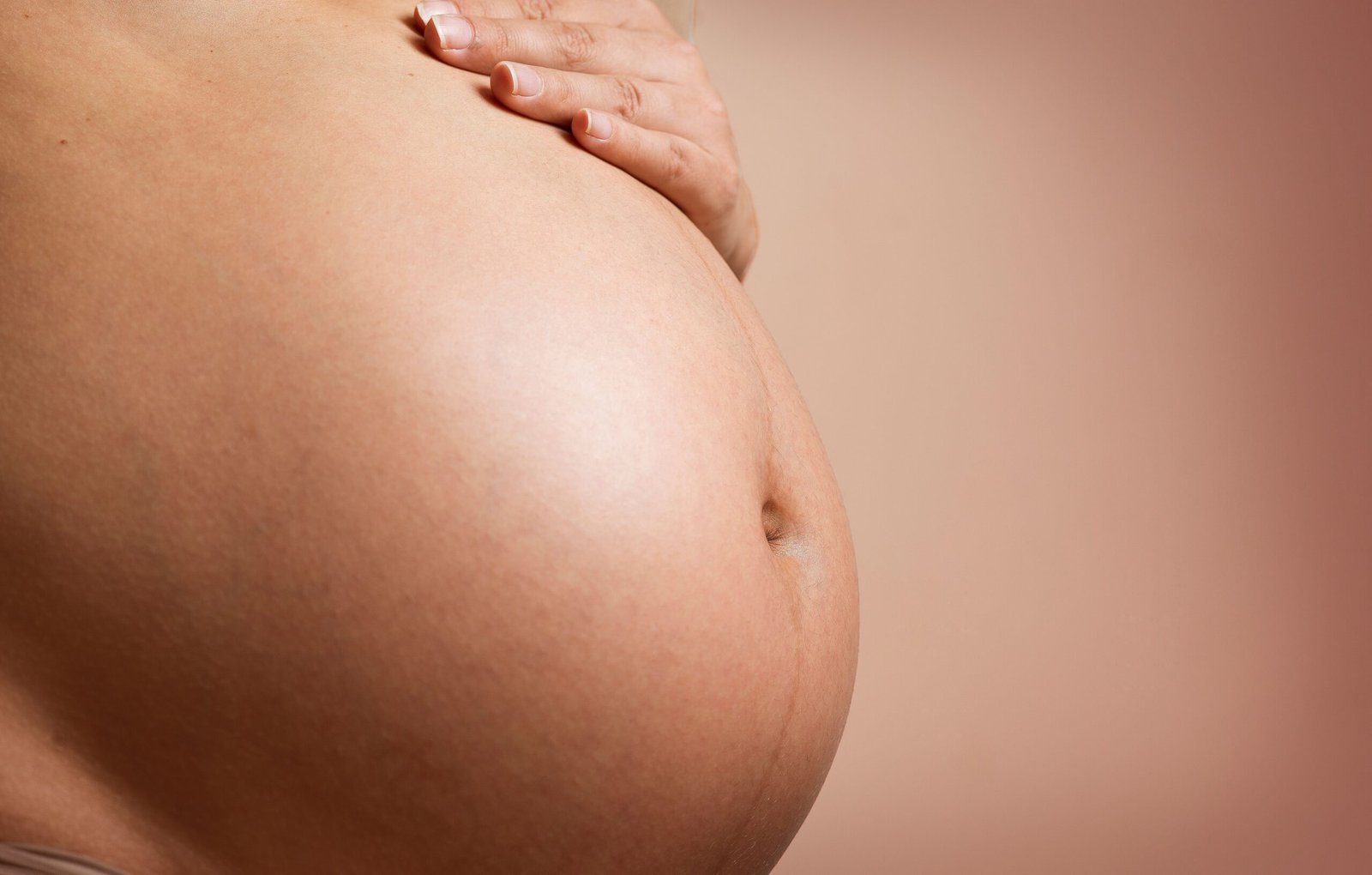
Evidence from Tamil Nadu and a new international survey shows how rising temperatures threaten maternal and newborn health, with outdoor workers and rural women facing particular risks.
Extreme heat is emerging as a growing threat to pregnancy and childbirth, but climate adaptation plans risk overlooking the women and newborns most vulnerable to its effects. New international survey findings, alongside research from Tamil Nadu, point to a widening public-health challenge as rising temperatures threaten maternal health and expose inequalities in access to safe healthcare.
At least 73% of maternal healthcare professionals surveyed across five countries reported an increase in heat-related cases or complications affecting pregnant women over the past five years, according to a survey commissioned by global charitable foundation Wellcome. Meanwhile, 76% reported an increase in heat-related complications affecting foetal or newborn health.
The findings were highlighted by Simon Stiell, executive secretary of the United Nations Framework Convention on Climate Change (UNFCCC), at an event organised by Wellcome during the Pre-COP ministerial meeting in Fiji on October 5, ahead of the COP31 climate conference in Türkiye in November.
“Rising temperatures mean rising danger in pregnancy,” Stiell said, pointing to links between extreme heat during pregnancy and premature birth, stillbirth, low birth weight and maternal complications.
The survey covered 1,000 maternal healthcare professionals working in Australia, Brazil, India, the United Kingdom and Zimbabwe. It found that 81% were concerned that extreme heat would increasingly threaten maternal, foetal and newborn health without further action. Nearly all respondents had cared for a pregnant woman or baby whose health they believed had been affected by extreme heat, while 92% wanted more training and resources to protect pregnant women.
The findings highlight a critical gap in climate preparedness: although heat-health warnings are becoming increasingly important, pregnancy and newborn care are not always adequately incorporated into plans for responding to extreme temperatures.
Evidence from India highlights unequal risks
Research from Tamil Nadu adds to the growing evidence that occupational heat exposure can have serious consequences for pregnancy.
A prospective cohort study published in BJOG: An International Journal of Obstetrics & Gynaecology examined 800 pregnant women engaged in moderate to heavy physical work in Tamil Nadu. Researchers found that 47.3% experienced high occupational heat exposure. Among heat-exposed women, 29.6% experienced moderate dehydration, while 17.4% recorded an increase in core body temperature.
The study found that women exposed to high occupational heat had 2.4 times the adjusted odds of miscarriage and 2.3 times the adjusted odds of an adverse pregnancy outcome. The latter included outcomes such as miscarriage, preterm birth, low birth weight and stillbirth.
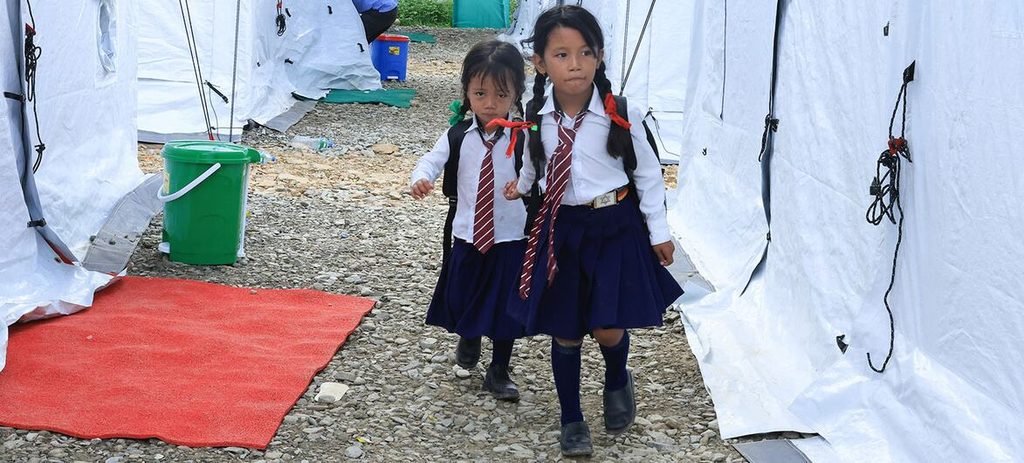
Children are attending school in temporary learning centres following the devastating floods in Nuwakot, Nepal, where climate change and glacial ice melt have played a significant factor.Image credit: UNICEF/Laxmi Prasad Ngakhusi
The researchers also found that high occupational heat exposure was associated with twice the adjusted odds of an adverse outcome at birth. Although the study establishes an association rather than proving that heat alone caused each outcome, it provides evidence of the risks faced by pregnant women working in hot conditions.
A separate observational cohort study involving 680 pregnant women across six Tamil Nadu districts examined differences between rural and urban populations. Researchers found that 55% of rural participants experienced heat exposure above the study’s permissible limit, compared with 45% of urban participants.
Rural women were also more likely to report heat-strain symptoms, including excessive thirst, fatigue, headaches and dizziness. After accounting for potential confounding factors, heat-exposed rural women had nearly twice the risk of adverse pregnancy outcomes and three times the risk of adverse birth outcomes compared with the study’s urban comparison group.
The study also found a fourfold higher risk of miscarriage among heat-exposed rural women during the first trimester compared with urban women. The researchers identified socioeconomic disadvantage, limited awareness of heat risks and reduced access to welfare facilities as factors that could contribute to rural women’s greater vulnerability.
Evidence from a separate study of 126,273 pregnancies recorded in India and Pakistan reinforces the concern. Researchers found that higher average maximum temperatures during the second trimester were associated with an increased risk of preterm birth. The relative risk was 1.05 for the study’s five-degree temperature contrast, indicating a 5% relative increase in risk—not a five-percentage-point increase in the absolute risk of premature birth.
Together, these studies suggest that heat exposure is not simply an environmental inconvenience during pregnancy. It can coincide with dehydration, physically demanding work and barriers to healthcare, creating risks that are unevenly distributed across communities.
From warnings to protection
Stiell warned that the effects of extreme heat are not shared equally. Pregnant women who work outdoors, live in poorly ventilated housing, travel long distances to clinics or depend on healthcare facilities without reliable electricity, water or cooling cannot be protected through public advice alone.
“Staying cool” is not a realistic option for families without access to cool spaces, he argued. Without targeted intervention, extreme heat could deepen existing inequalities in maternal healthcare, making a safe pregnancy increasingly dependent on income, geography and access to medical services.
Stiell outlined three priorities for governments: integrating pregnancy and newborn care into climate adaptation and heat-health planning; translating evidence into practical protection through healthcare-worker training, heat alerts and safer facilities; and improving data to identify where risks are growing and which interventions are effective.
For India, the findings have implications for heat-action plans, occupational safety and maternal healthcare. Measures could include heat-risk guidance during antenatal visits, better protection for pregnant outdoor workers, improved ventilation and cooling in maternity facilities, and reliable access to water and electricity during extreme heat.
The UN climate chief also called for adaptation-finance commitments agreed at COP30 in Belém, Brazil, to be delivered and for countries to work towards mobilising $1.3 trillion annually for developing countries.
Health is expected to remain a key priority in preparations for COP31, scheduled for November 9–20, 2026, in Türkiye’s Antalya province, under the Turkish presidency and with Australia leading negotiations.
The emerging evidence makes the policy challenge clear: protecting pregnant women and newborns must become part of climate resilience, rather than an afterthought. As temperatures rise, governments will need to assess climate action not only by emissions targets and financial commitments, but also by whether healthcare systems can protect people during pregnancy and give newborns a safe start to life.
Health
Centre Caps Trade Margins on Non-Scheduled Cancer Drugs at 30%
The Centre has approved a 30% trade-margin cap on non-scheduled cancer medicines, aiming to lower prices and reduce patients’ out-of-pocket treatment costs.

The Union government has approved a 30% cap on trade margins for non-scheduled cancer medicines, seeking to curb the mark-ups that inflate patients’ pharmacy bills. The Department of Pharmaceuticals estimates that the measure could reduce the maximum retail prices (MRPs) of affected drugs by up to 70% and save patients 2,500 crore rupees annually.
The cap will apply to branded and generic medicines, whether manufactured in India or imported, and whether patented or non-patented. An expert committee under the Directorate General of Health Services (DGHS) will identify the medicines covered. The National Pharmaceutical Pricing Authority (NPPA) will then issue the implementation notification.
The government’s estimates are projections. The extent of the price reductions will become clear after the covered medicines and revised prices are notified.
NPPA Finds Mark-ups of Upto 700%
An NPPA analysis found that trade mark-ups on non-scheduled anti-cancer medicines averaged around 170%, with some reaching 700%. Such margins can create a substantial gap between the price at which a medicine enters the distribution chain and the amount charged at the retail counter.
For patients who need costly medicines over multiple treatment cycles, even a modest reduction in the price of each purchase can ease recurring expenses. The effect is particularly relevant to households paying directly for medicines that are not fully covered by insurance or public health schemes.
The 30% limit is intended to restrict the margin added through the relevant stages of distribution and retail. It does not mean that every affected medicine will become 70% cheaper. The reduction will depend on the medicine’s existing price and trade margins.
How India Regulates Medicine Prices
India’s drug-pricing framework distinguishes between scheduled and non-scheduled formulations. The NPPA fixes ceiling prices for scheduled medicines under the Drugs (Prices Control) Order, 2013, with the National List of Essential Medicines (NLEM) forming the basis for coverage.
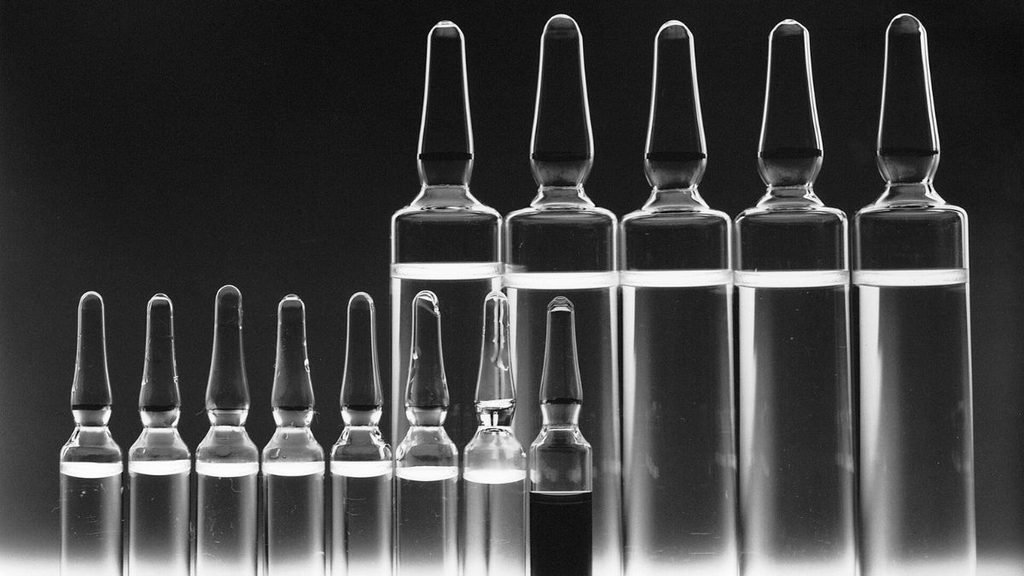
Non-scheduled medicines generally do not have the same routine ceiling-price controls, although manufacturers are restricted from increasing their maximum retail prices by more than 10% over the preceding 12 months. The government can also intervene in the public interest under Paragraph 19 of the DPCO, 2013.
The new decision uses this intervention power to regulate trade margins across a wider range of non-scheduled cancer medicines. Rather than setting a single ceiling price for every drug in the category, it seeks to limit the margin added as medicines pass through the supply chain.
A precedent from 2019
In February 2019, the NPPA imposed a 30% trade-margin cap on 42 selected non-scheduled anti-cancer medicines. The intervention covered 526 brands and was estimated to save patients 984 crore rupees annually. The authority reported that the maximum retail prices of some brands fell by as much as 90%.
That exercise provides a precedent for using trade-margin regulation to lower medicine prices. The latest measure has a broader proposed scope, although its eventual reach will depend on the list finalised by the expert committee.
The earlier figures should not be treated as a forecast for the new intervention. The medicines covered, their existing margins and the price changes required will determine the savings achieved this time.
Production Must be Maintained
The government has said manufacturers will be required to maintain current production levels. The condition addresses a practical concern in price regulation: patients must continue to have access to prescribed medicines after the pricing rules change.
Implementation will require monitoring both prices and availability. A lower listed price offers little relief if a medicine becomes difficult to obtain or patients must turn to a more expensive alternative.
The DGHS expert committee must identify the medicines covered before the NPPA issues its implementation notification. Until then, patients and pharmacists cannot determine the precise price changes for individual products.
The projected 2,500-crore rupees annual saving will depend on the final list, the reductions achieved and how consistently the revised prices are reflected in sales. The cap addresses the retail cost of medicines; hospital charges, surgery, radiation, diagnostic tests and other treatment expenses fall outside this measure.
For patients managing cancer treatment over months or years, the relevant figure will be the revised price of each prescribed medicine, not the maximum reduction projected for the category as a whole.


Puberty, Pregnancy and Menopause Reshape the Female Brain Differently, Study Finds

PRASHAST: 72 Lakh Teachers Sensitised to Identify Children Who May Need Disability Support

Extreme Heat Threatens Pregnancies, Exposing Gaps in Climate Adaptation Plans

Centre Caps Trade Margins on Non-Scheduled Cancer Drugs at 30%

World Space Week 2026: How the Rocket Revolution Is Changing Space

From Scams to Screens: How the National Stock Exchange Rewrote India’s Equity Story

Aim for the Stars: Anjali Thomas’s Journey from a Small College in Kerala to the Frontiers of Medical Imaging

Two Chemists Win Nobel Prize for Solving a Century-Old Puzzle: Why Life Picks One Hand Over the Other

India’s AI Moment Rests on More Than Code

Marshall Islands: Why the US Nuclear Legacy Is Back Before the UN

-

 Math3 months ago
The 2026 Fields Medals: Four Proofs, Four Decades-Old Problems Solved
-
Climate2 months ago
After Kerala’s Deadliest Landslide, the Hardest Thing to Rebuild Was Childhood
-
Society3 months ago
West Asia Crisis: Can Kerala’s Returning Gulf Migrants Find a Future in the Green Economy?
-
Space & Physics4 months ago
India Semiconductor Mission: ‘It’s Not About Fabs. It’s About Building An Entire Ecosystem’
-
Interviews2 weeks ago
From Scams to Screens: How the National Stock Exchange Rewrote India’s Equity Story
-
Climate4 months ago
The Climate World Cup? How Climate Change Could Affect Player Performance at the 2026 World Cup
-
Society3 months ago
What Is Civilisational Diplomacy? Understanding India’s Newest Foreign Policy Tool
-
Society4 months ago
From Bell Labs to the Classroom: A Second Career in Teaching