Blog
World Mental Health Day: How Late-Night Scrolling May Be Disrupting Sleep and Fuelling Anxiety
New research is examining how late-night smartphone use, disrupted sleep and passive social media scrolling may be linked to anxiety. Studies highlight the importance of digital habits and bedtime routines in understanding their potential effects on mental health, particularly among young people.


The day often ends with one last check of Instagram, a few minutes on YouTube or a scroll through messages before sleep. But what begins as a brief digital break can stretch late into the night, delaying bedtime and keeping the mind engaged when it should be winding down. Researchers are increasingly investigating whether this pattern of digital exposure, through its effects on sleep, may contribute to anxiety and other mental health difficulties among young people.
As World Mental Health Day is observed on October 10, emerging evidence suggests that the relationship between digital media and psychological well-being may depend not simply on how long people spend online, but also on when and how they use it.
A scoping review published in Computers in Human Behavior Reports in March 2026 examined longitudinal research on social media use and sleep among young people. The review found that approximately 70% of the longitudinal studies examined reported at least one negative association between social media use and sleep outcomes. The most consistent links involved later bedtimes and longer periods spent trying to fall asleep, particularly among those with problematic social media habits or who used platforms at bedtime.
The findings are significant because longitudinal studies track participants over time, helping researchers investigate whether digital habits precede subsequent changes in sleep. However, the authors cautioned that many studies relied on self-reported screen use and sleep patterns, limiting the strength of conclusions about cause and effect.
The review also identified an important distinction: total screen time alone did not consistently predict poor sleep. The timing of use and difficulty controlling online behaviour appeared to matter.
When sleep becomes the missing link
Sleep may help explain why certain patterns of digital engagement are associated with poorer mental health. Notifications, emotionally charged content and the pressure to respond immediately can keep users mentally alert. Scrolling in bed can also displace time that would otherwise be spent sleeping.
Insufficient or disrupted sleep can affect emotional regulation, concentration and the ability to manage everyday stress. For someone already experiencing anxiety, a poor night’s sleep may make worries more difficult to manage the following day. Repeated sleep disruption may then reinforce a cycle of distress and further digital engagement.
A systematic review and meta-analysis published in the Journal of Affective Disorders in December 2024 provides a broader picture of this relationship. Researchers assessed 182 studies involving 1,169,396 participants, with 98 studies and 102,683 participants included in the meta-analyses.

Representational image.Image credit:Pexels
The researchers found small but statistically significant associations between general social media use and anxiety and depression. Problematic social media use showed associations with anxiety, depression and sleep problems, alongside lower well-being. Importantly, ordinary social media use was not consistently associated with sleep problems or sleep duration, whereas problematic use was associated with sleep difficulties.
The relationship may also operate in both directions. People who struggle to sleep or experience anxiety may turn to their phones for distraction, reassurance or social connection. This can make it difficult to determine whether digital habits contribute to distress, whether distress encourages more digital engagement, or whether both are influenced by other factors.
Beyond the screen-time debate
The findings raise questions for families, schools, technology companies and public-health professionals. Advising young people to reduce screen time may be insufficient if it does not address bedtime habits, compulsive checking, online pressures and the reasons they turn to digital platforms in the first place.
Digital platforms can also provide friendship, information and mental health support. The challenge is to distinguish beneficial engagement from patterns that disrupt rest and emotional well-being.
As research advances, scientists will need to examine not only how much time young people spend online, but also what they experience there and how digital habits interact with sleep and existing vulnerabilities. The question is no longer simply whether people spend too much time on their phones. It is whether constant connectivity leaves enough room for the rest, recovery and emotional balance that mental health requires.

Blog
India’s Semiconductor Push Is About More Than Making Chips
India’s semiconductor push is expanding beyond fabrication, with new projects in chip design, packaging, testing, research and workforce development.

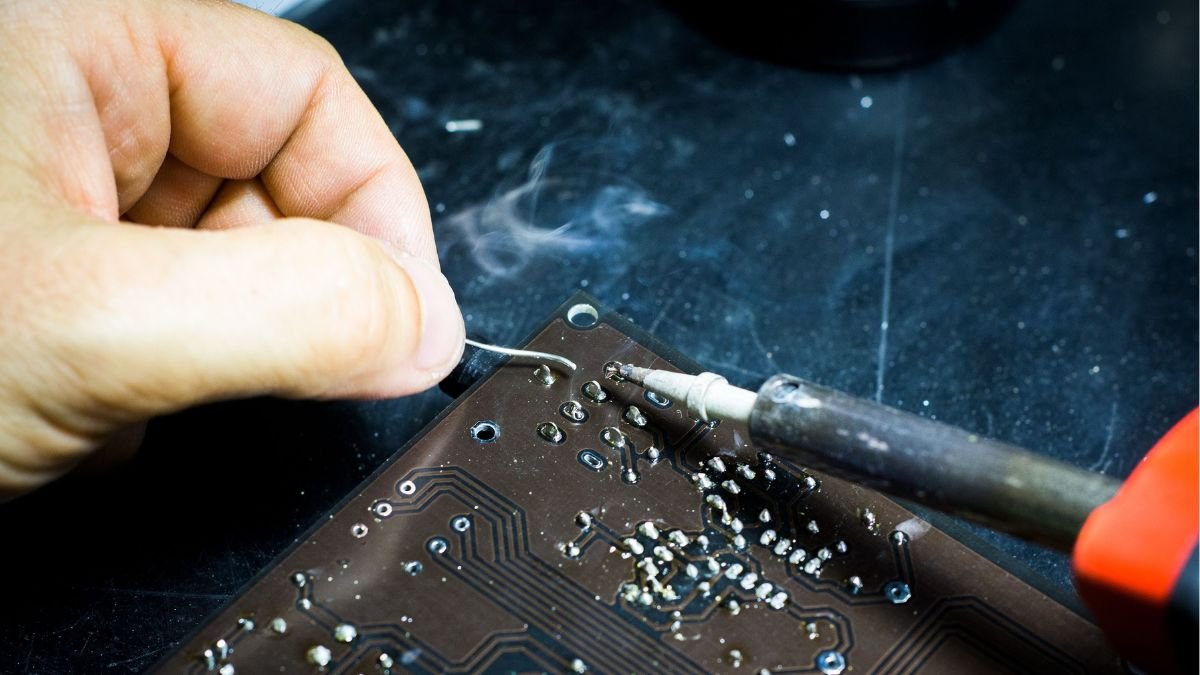
Semiconductors have become an important part of India’s industrial policy as the country seeks to expand its electronics manufacturing base and develop domestic capacity for chip design, fabrication, packaging and testing. The effort will be in focus at SEMICON India 2026, which opens at Yashobhoomi in New Delhi on September 17. The three-day event is expected to bring together chipmakers, technology companies, policymakers and investors. Its theme, “Silicon to Systems: Building the Ecosystem”, reflects the wider scope of India’s semiconductor programme.
The semiconductor industry gained wider attention during the COVID-19 pandemic, when shortages disrupted production at automobile factories. The episode highlighted the dependence of several industries on global chip supply chains.
India’s current push is aimed at building a stronger presence in this supply chain, while supporting the electronics manufacturing sector that has expanded considerably over the past decade.
Electronics Came First
India’s semiconductor plans have followed a rapid expansion in electronics manufacturing. Electronics production increased from about ₹1.9 lakh crore in 2014–15 to ₹13.11 lakh crore in 2025–26, according to the government. Electronics exports rose from around ₹38,000 crore to ₹4.24 lakh crore during the same period.
Mobile phone manufacturing has been a major part of this growth. Production increased from ₹18,000 crore to ₹6.27 lakh crore, while mobile phone exports rose from about ₹1,500 crore to ₹2.59 lakh crore. The government says India now manufactures 99.2% of the mobile phones used domestically.
Semiconductor manufacturing is a different stage of the electronics value chain. It requires specialised facilities and equipment, along with expertise in chip design, fabrication, packaging and testing. The government’s semiconductor programme is therefore not limited to setting up fabrication plants.
Broader Semiconductor Programme
The Semicon India programme was launched in 2021 with an outlay of ₹76,000 crore. It covers chip design and fabrication as well as packaging, testing, equipment, materials and talent development. In July 2026, the government approved Semicon 2.0 with an outlay of ₹1,27,500 crore. The programme has six focus areas: chip design, semiconductor equipment and materials, fabrication facilities, advanced packaging, research and development, and talent development.
So far, 12 semiconductor projects have been approved across six states, involving investment commitments of more than ₹1.64 lakh crore. The projects cover silicon and compound semiconductor fabs, display fabrication and advanced packaging. Three facilities have already started commercial production, according to the government.
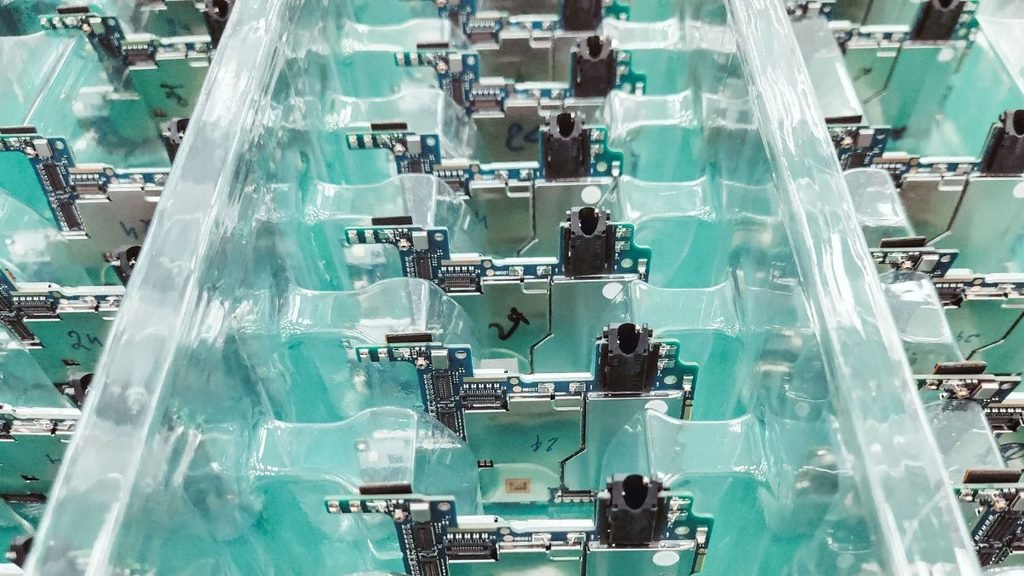
The spread of projects across different stages of the supply chain is significant because a semiconductor industry involves considerably more than fabrication. A chip has to be designed before it can be manufactured. Once fabricated, it needs to be packaged and tested. The production process also relies on specialised equipment and materials.
Expanding Chip Design
India is also investing in the skills and infrastructure needed for semiconductor design. The government has set a target of creating a pool of 85,000 skilled semiconductor engineers within this decade. Through the Chips to Startup programme, Electronic Design Automation tools have been deployed across 320 academic institutions, with more than 68,000 students trained so far.
By April 2026, 75 institutions had taped out 211 chips. Seven of these had been fabricated at different technology nodes, including nodes down to 12 nanometres. The ChipIN Centre at C-DAC provides access to chip-design tools, fabrication services and specialised training. According to the government, more than one lakh engineers from over 500 organisations have accessed these facilities.
The programme also includes support for smaller companies. Twenty-four semiconductor design projects have been approved for financial support, while 105 startups and MSMEs have received EDA tool support under the Design Linked Incentive scheme.
What Happens After Fabrication plant
Fabs tend to attract the most attention because they are among the most expensive and technically demanding parts of semiconductor manufacturing. But they are only one component of the wider industry.
Packaging and testing, for instance, are essential before manufactured chips can be incorporated into electronic products. Equipment and material suppliers are needed to support fabrication. Research and design capabilities are required to develop new chips.
India’s approved projects cover some of these areas, including advanced packaging and compound semiconductor manufacturing. The government has also included equipment, materials, research and development and talent development in Semicon 2.0, alongside fabrication and design.
A Place in the Global Supply Chain
The semiconductor push is also taking place as countries reassess their dependence on global supply chains. The disruption during the pandemic showed how shortages could affect industries far removed from chip manufacturing. India has subsequently sought a role in wider efforts around semiconductor supply chains.
In 2026, India joined the Pax Silica coalition along with the United States and other partner countries. The coalition focuses on the silicon supply chain, including critical minerals, fabrication, advanced AI systems and related infrastructure.
For India, developing semiconductor capacity could complement its growing electronics manufacturing sector and give domestic companies greater access to parts of the chip value chain.
What India Needs to Build
The scale of the current programme is considerable, but semiconductor manufacturing is a long-term industrial undertaking. India has approved 12 projects and begun commercial production at three facilities. It is also expanding support for chip design and training thousands of students and engineers.
The next stage will involve building connections between these different parts of the industry. Fabrication facilities need suppliers and trained workers. Chip designers need access to manufacturing and testing. Packaging and testing facilities need a steady flow of chips and customers. SEMICON India 2026 comes as these different efforts are being brought together under a broader semiconductor strategy. The event itself is only a snapshot of that effort. The more important question is how these investments, companies, institutions and skills develop once the event is over.
For India, the semiconductor programme is ultimately an attempt to move further into the electronics value chain—building on the manufacturing capacity created over the past decade while developing capabilities that have so far largely been concentrated elsewhere.
Blog
At IIMA, a $12 Million AI School Signals the Future of Management Education
India’s Premier Management Institute IIMA to Set Up School of Artificial Intelligence with $12 Million (₹100-Crore) Endowment, Positioning AI at the Core of Management Education

Blog
India’s Youngest Entrepreneurs at 36: The New Architects of India Inc.
At just 36 years of age, these entrepreneurs are already leading companies that are reshaping mobility, energy, e-commerce, aerospace, health, and digital infrastructure.



India Captures 5.7% of Global Greenfield Investment, Outpacing China

World Mental Health Day: How Late-Night Scrolling May Be Disrupting Sleep and Fuelling Anxiety

Climate Science Faces a Deadline: Can the IPCC Deliver Before the 2028 Global Stocktake?

Knowing When to Think for Ourselves: AI, Intuition and the Education of Discernment

Puberty, Pregnancy and Menopause Reshape the Female Brain Differently, Study Finds

From Scams to Screens: How the National Stock Exchange Rewrote India’s Equity Story

Aim for the Stars: Anjali Thomas’s Journey from a Small College in Kerala to the Frontiers of Medical Imaging

Two Chemists Win Nobel Prize for Solving a Century-Old Puzzle: Why Life Picks One Hand Over the Other

India’s AI Moment Rests on More Than Code

Marshall Islands: Why the US Nuclear Legacy Is Back Before the UN

-

 Math3 months ago
The 2026 Fields Medals: Four Proofs, Four Decades-Old Problems Solved
-
Climate2 months ago
After Kerala’s Deadliest Landslide, the Hardest Thing to Rebuild Was Childhood
-
Society3 months ago
West Asia Crisis: Can Kerala’s Returning Gulf Migrants Find a Future in the Green Economy?
-
Space & Physics4 months ago
India Semiconductor Mission: ‘It’s Not About Fabs. It’s About Building An Entire Ecosystem’
-
Interviews2 weeks ago
From Scams to Screens: How the National Stock Exchange Rewrote India’s Equity Story
-
Climate4 months ago
The Climate World Cup? How Climate Change Could Affect Player Performance at the 2026 World Cup
-
Society3 months ago
What Is Civilisational Diplomacy? Understanding India’s Newest Foreign Policy Tool
-
Society4 months ago
From Bell Labs to the Classroom: A Second Career in Teaching