
Earth
How India’s River Dolphins Navigate a Changing River System
India’s river dolphins are being counted again in 2026, as researchers assess populations and habitats after a 2021–23 survey estimated 6,327 dolphins across eight states. The findings could reveal how changing river conditions are affecting the species.

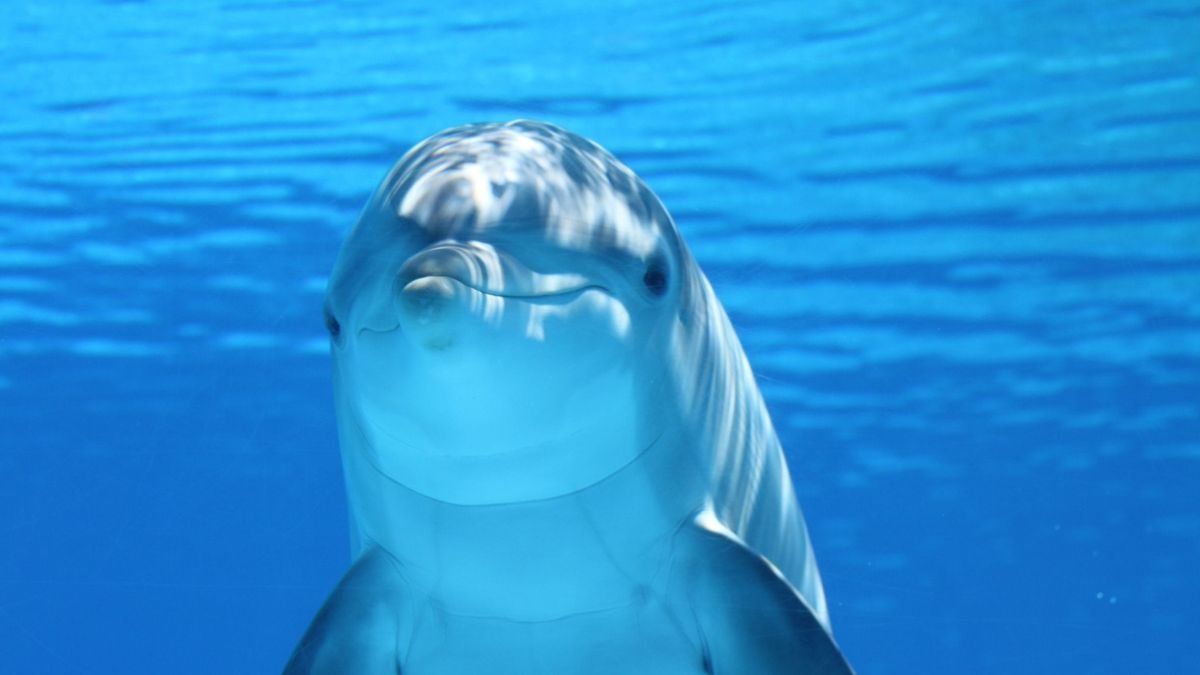
Dolphins recognise individuals, learn behaviours, remember information and communicate through a sophisticated repertoire of sounds. In some populations, they even use tools. These abilities have made dolphins one of the most closely studied animals in research on animal cognition. But “intelligent” is a broad description. Scientists studying dolphin cognition are asking more specific questions: How does a dolphin learn? What does it remember? How does it recognise another individual? How does it use information from its surroundings to make decisions?
Some of the clearest answers have come from bottlenose dolphins. They can develop individually distinctive signature whistles, learn behaviours socially and retain information about other dolphins. In Shark Bay, Australia, bottlenose dolphins have been observed using marine sponges while foraging, a behaviour that can be passed from mothers to calves.
The research tells us that dolphins are capable of sophisticated learning and social behaviour. It also raises a less familiar question for India: what happens to a species with such a complex relationship with its surroundings when those surroundings are changing?
India’s River Dolphins Live by Listening
The Ganges river dolphin has an unusual way of experiencing its habitat. It has extremely limited vision and depends heavily on echolocation. In the turbid waters of the Ganga and its tributaries, it sends out high-frequency clicks and interprets the returning echoes to locate prey and navigate. Its survival therefore depends on more than whether there is water in the river.
It needs suitable depth and flow, enough prey and stretches of habitat through which it can move. Dams and barrages can alter these conditions. Water extraction can reduce flows. Fishing can lead to accidental entanglement, while pollution can affect the aquatic food chain.
The river is also a working landscape for people. It supplies water, supports agriculture and fisheries, and is increasingly shaped by infrastructure. For the dolphin, those same interventions change the conditions under which it lives.
How Many Dolphins does India Have?
For the first time, India has a national baseline. A survey conducted between 2021 and 2023 covered more than 8,500 km of rivers across eight states and estimated 6,327 riverine dolphins. The overwhelming majority were Ganges river dolphins—6,324. Only three Indus river dolphins were recorded in the Beas River.
Uttar Pradesh and Bihar accounted for the largest populations. It is a count of riverine dolphins, not all dolphins found in Indian waters. India’s coast and estuaries support several marine and estuarine species, for which population information is less comprehensive.
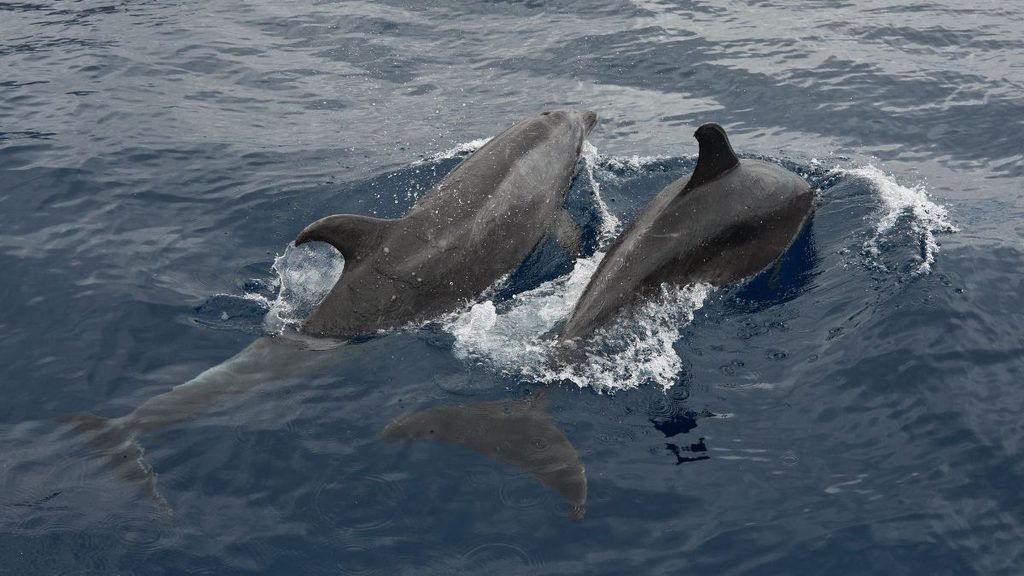
More importantly, a national total cannot show everything happening inside individual rivers. Two stretches of the same river can offer very different conditions for dolphins. A national population may therefore hide local changes in habitat, distribution or abundance. That is why India is counting them again.
The Second National Assessment is Underway
In January 2026, India began its second range-wide estimation of riverine and estuarine dolphins under Project Dolphin. The Wildlife Institute of India is coordinating the assessment with state forest departments and conservation organisations. The exercise includes Irrawaddy dolphins in the Sundarbans and Odisha, while researchers are also using underwater acoustic monitoring to detect dolphins through their sounds.
The value of a second survey is not simply that it will produce another number. It will allow researchers to compare populations and distribution with the earlier baseline and begin identifying where changes are occurring.
What Protects Dolphins Under Indian law?
The Wild Life (Protection) Act, 1972 provides the principal legal protection. The Ganges and Indus river dolphins are listed under Schedule I, which provides the highest level of protection under the Act. Hunting is prohibited except in circumstances specifically permitted by law.
The Ganges river dolphin was declared India’s National Aquatic Animal in 2009. In 2020, the government launched Project Dolphin, bringing riverine and marine dolphins under a dedicated conservation programme focused on population assessment, habitat protection, research and reducing threats.
Yet there is a gap between protecting a species and protecting the conditions it needs. A protected-species law can prohibit hunting. It cannot, by itself, determine how much water is diverted from a river, how a barrage affects connectivity or how fishing pressure is managed. Those decisions are made through several parts of India’s environmental and development policy.
What does the Number Reveal?
For a Ganges river dolphin, a healthy river is defined by measurable conditions: enough flow and depth to move through its habitat, sufficient prey to feed on, connected stretches of water and fewer risks from fishing gear and pollution.
That makes the 6,327-dolphin estimate more than a conservation headline. It is a baseline against which India can track whether those conditions are supporting or limiting dolphin populations. The second national assessment should show where populations are increasing, declining or shifting. The harder task will be linking those changes to what is happening in the rivers—changes in flow, habitat connectivity, prey availability, fishing pressure and pollution.
That is where dolphin conservation moves beyond counting. Protecting the species also means managing the river conditions on which its survival depends.











Earth
Greener Forests, Weaker Carbon Sinks? Study Finds Declining Productivity in Northeast India
A 24-year satellite-based study finds that Northeast India’s forests are experiencing declining carbon productivity despite relatively stable canopy cover, highlighting how rising atmospheric dryness could weaken their capacity to absorb and retain carbon.
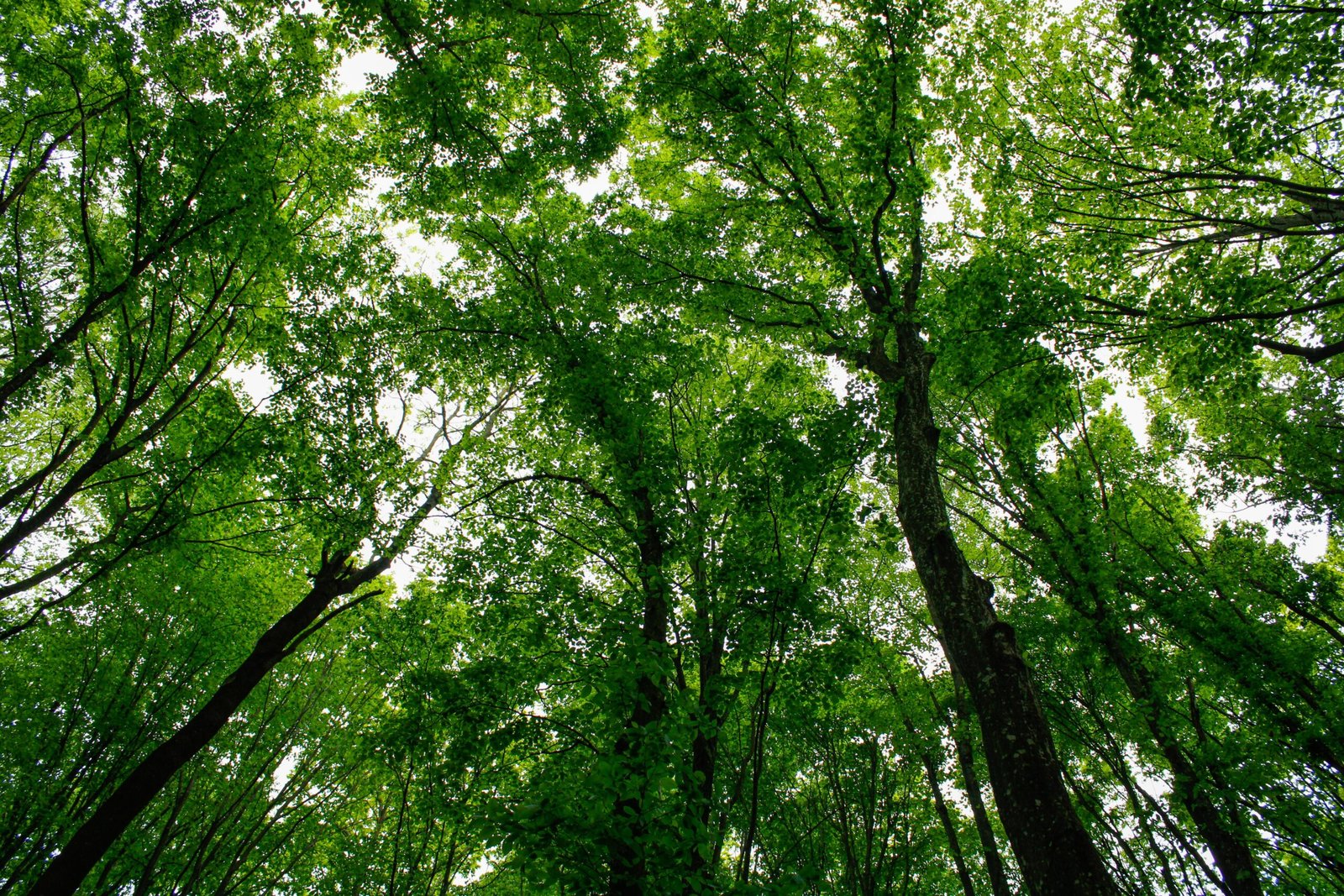
Forests in Northeast India are showing signs of a weakening capacity to accumulate carbon despite maintaining relatively stable canopy cover, according to a study published in Ecological Indicators in October 2026. The research suggests that increasing vegetation greenness does not necessarily indicate stronger carbon sinks, highlighting the need to assess forest health beyond satellite measurements of green cover.
Titled Are Greener Forests Stronger Carbon Sinks? Rising Vapour Pressure Deficit Instigates Greening-Productivity Decoupling in a Tropical Biodiversity Hotspot in India, the study examined forest carbon dynamics across Northeast India using 24 years of satellite-derived data from 2001 to 2024.
Researchers analysed three indicators: Leaf Area Index (LAI), Gross Primary Productivity (GPP) and Net Primary Productivity (NPP). These measurements helped assess changes in forest canopy structure, photosynthetic activity and the amount of carbon retained in plant biomass after accounting for plant respiration.
The analysis found that while canopy structure remained relatively stable and gross primary productivity increased modestly by 1.76 grams of carbon per square metre annually, net primary productivity declined by 0.83 grams of carbon per square metre annually across much of the region.
The researchers identified a divergence between canopy greenness and carbon productivity across approximately 40% of forested areas. A separate divergence between photosynthetic activity and net productivity was observed across around 30% of the region.
These findings indicate that forests can maintain their green appearance without achieving corresponding gains in carbon accumulation.
Atmospheric dryness emerges as a major factor
The study identified rising Vapour Pressure Deficit (VPD) as a primary driver of declining forest productivity. VPD measures the difference between the amount of moisture the atmosphere can hold and the moisture it actually contains. Higher VPD indicates greater atmospheric demand for water, increasing stress on vegetation.
Under such conditions, plants may close their stomata, the small pores on their leaves, to reduce water loss. This also restricts the intake of carbon dioxide required for photosynthesis, potentially reducing the amount of carbon absorbed by vegetation.
The researchers also identified a major shift in forest carbon functioning beginning around 2012. Their analysis suggests that the relationship between canopy structure, photosynthesis and net carbon accumulation has weakened over time.
The findings are particularly significant for Northeast India, which the study identifies as a climatically sensitive biodiversity hotspot containing approximately one-third of India’s forest carbon.
Earlier research points to similar concerns
The findings build on earlier research published in Scientific Reports in December 2023, which examined vegetation productivity across India between 2001 and 2019.
That study found that India’s Leaf Area Index increased by 6.75% in consistently forested areas, while Net Primary Productivity declined by 6.19%. Northeast India, the Western Ghats and parts of Peninsular India emerged as important regions experiencing declining productivity.
The 2023 research associated these changes with rising temperatures, which can reduce photosynthesis and increase plant respiration beyond certain temperature thresholds.
Another study examining a semi-deciduous forest in Kaziranga, published in Agricultural and Forest Meteorology in 2022, demonstrated how carbon exchange varies with seasonal and climatic conditions. It found that the forest functioned as a carbon sink during the pre-monsoon season but as a carbon source during winter in the observed study period.
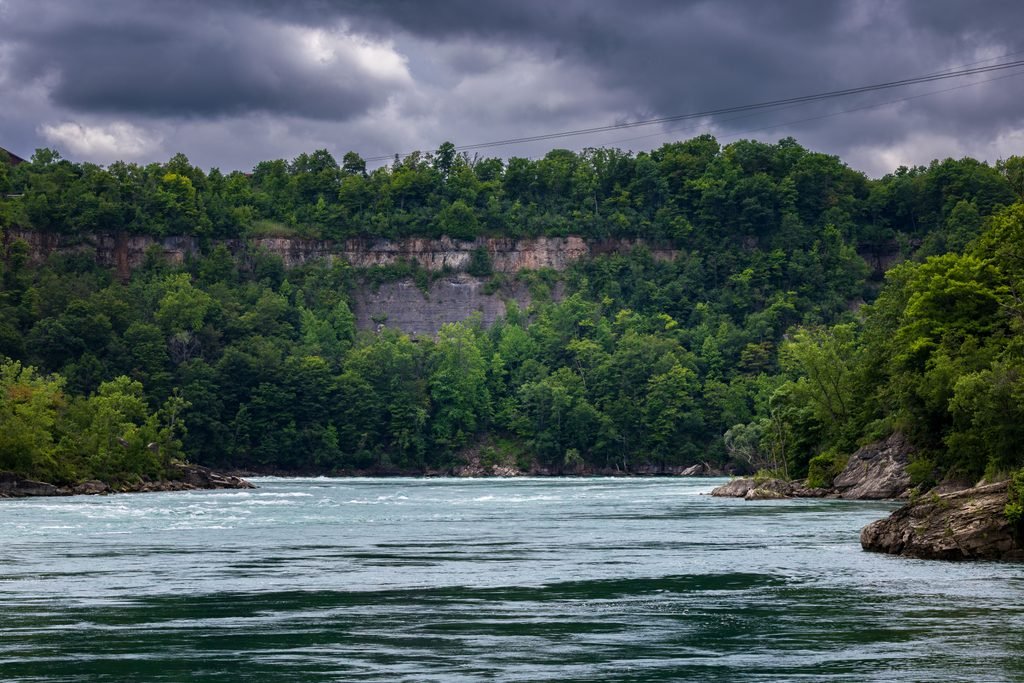
Image of a dense forest alongside a flowing river.Image credit:Pexels
Together, these studies highlight the importance of examining forest productivity, atmospheric conditions and seasonal carbon exchange rather than relying solely on changes in green cover.
The latest research does not suggest that Northeast India’s forests are structurally collapsing. Instead, it points to a less visible change in their ecological functioning, with implications for forest carbon accounting and climate-resilient forest management.
The findings underline the need for monitoring systems that combine satellite observations with measurements of atmospheric stress and carbon productivity to better understand how tropical forests respond to a warming climate.
Earth
252 Million Hectares Under Restoration Across 149 Countries, but UN Warns of 2030 Target Gap
A UN report finds that 252 million hectares across 149 countries are under ecosystem restoration. However, increased investment and accelerated action are needed to meet global restoration targets by 2030.

Global efforts to restore degraded ecosystems have reached 252 million hectares across 149 countries, generating more than one million green jobs. However, a new United Nations assessment warns that restoration efforts remain insufficient to meet international biodiversity targets by 2030, calling for a more than fourfold increase in annual investment.
The findings are presented in the Restoration Progress Report: Nature’s Comeback – Scaling Ecosystem Restoration for People and Planet, released on October 29, 2026, by the United Nations Environment Programme (UNEP), the Food and Agriculture Organization (FAO) and the Secretariat of the Convention on Biological Diversity (CBD).
The report provides the first comprehensive global assessment of progress towards commitments to restore approximately one billion hectares of degraded ecosystems. These commitments are linked to the UN Decade on Ecosystem Restoration (2021–2030) and the Kunming-Montreal Global Biodiversity Framework, which calls for at least 30 per cent of degraded terrestrial, freshwater, marine and coastal ecosystems to be under effective restoration by 2030.
According to the assessment, the 252 million hectares currently documented under restoration represent the largest recorded global restoration effort. However, this accounts for only 34 per cent of the indicative global benchmark associated with the 2030 target.
Freshwater and marine ecosystems lag behind
The report identifies considerable differences in restoration progress across regions and ecosystem types. Asia accounts for the largest share of documented restoration, with 192.2 million hectares, followed by Africa with 36.3 million hectares and Europe with 9.1 million hectares. North and Central America account for 5.8 million hectares, South America 5.4 million hectares and Oceania 3.2 million hectares.
However, the report cautions that these figures should not be interpreted as a ranking of restoration performance, as they also reflect differences in regional land area and monitoring and reporting capacities.
Restoration of terrestrial ecosystems has reached nearly half of the global 2030 target. China reports the largest terrestrial restoration area, with 127.4 million hectares, while substantial restoration activities have also been documented in Mongolia and Kazakhstan.
Progress remains considerably slower in freshwater, marine and coastal ecosystems, despite these environments experiencing rapid degradation.
A river along the side of a dense forest. Image credit: Pexels
The assessment documents 11 million hectares of freshwater ecosystems under restoration across 62 countries and 5.7 million hectares of marine and coastal ecosystems across 46 countries. The report also notes that limited monitoring and reporting may mean that actual restoration activities in these ecosystems are higher than the documented figures.
Meanwhile, the share of countries reporting implemented wetland restoration or rehabilitation programmes has increased from 8 per cent in 2022 to 54 per cent.
Restoration financing needs to increase fourfold
Insufficient investment remains a major obstacle to achieving global restoration commitments. The report estimates that annual restoration financing must increase from US$64 billion to US$296 billion by 2030, representing more than a fourfold rise.
Agroforestry requires the largest estimated annual investment, at US$87 billion, followed by restorative reforestation at US$52 billion, peatland restoration at US$44 billion and seagrass restoration at US$28 billion.
The report identifies employment generation as another potential benefit of scaling up restoration. While more than one million green jobs have already been associated with restoration initiatives, increased global investment could generate up to 32 million additional jobs by 2030.
It also highlights the potential contribution of ecosystem restoration to climate mitigation and biodiversity protection. Research cited in the assessment indicates that restoring just 15 per cent of global priority areas could capture and store 30 per cent of carbon dioxide-equivalent emissions released since the Industrial Revolution and help prevent 60 per cent of projected species extinctions.
The report further identifies the participation and leadership of Indigenous Peoples and local communities as essential to ensuring long-term restoration outcomes. Secure land rights, stronger monitoring systems and sustained political commitment are among the priorities identified.
With five years remaining in the UN Decade on Ecosystem Restoration, the assessment calls on governments to move beyond isolated restoration projects towards coordinated, long-term programmes that address the underlying causes of ecosystem degradation.
It emphasises that the 2030 targets should serve as a milestone in the restoration process rather than its conclusion, as ecological recovery requires sustained action and investment beyond the end of the decade.
Climate & Environment
Kashmir’s Traditional Rice Varieties Hold Genetic Clues to Climate Resilience
A new study by SKUAST-Kashmir researchers identifies cold-tolerance genes in traditional rice varieties, highlighting their potential for climate-resilient crop breeding.
For generations, farmers in Kashmir have cultivated traditional varieties of rice adapted to the region’s distinctive growing conditions. A new genomic study has found that these varieties retain genetic characteristics associated with cold tolerance and local adaptation, potentially offering valuable resources for developing climate-resilient crops.
Researchers at the Sher-e-Kashmir University of Agricultural Sciences and Technology of Kashmir (SKUAST-Kashmir), Srinagar, analysed 142 rice germplasm samples to examine the genetic diversity and evolutionary history of rice cultivated in the region. Published in The Plant Genome in 2026, the study identified genetic signatures in traditional varieties that could help researchers develop rice better suited to environmental stress.
The findings are significant as climate change alters growing conditions and increases uncertainty for agricultural production. Preserving traditional crop varieties could give plant breeders access to genetic traits that may have become less common in modern cultivars.
Genes linked to cold tolerance
The study, titled Re-sequencing 142 rice genomes reveals the fine-scale population structure and phylogenetic affinities of landraces of Kashmir Valley: Evidence from domestication and adaptive signatures, used genomic analysis to investigate relationships among traditional landraces, modern varieties and other rice genetic resources.
The researchers found that Kashmir’s traditional varieties carried genetic signatures associated with temperate japonica rice, while many modern varieties showed stronger associations with indica lineages from subtropical India. This distinction points to differences in their genetic histories and adaptation to local growing environments.
Among the important findings was the identification of favourable variants of CTB4a and HAN1, two genes associated with cold tolerance in rice. The researchers also examined genetic variation linked to grain quality, plant development and other agricultural traits.
Traditional varieties, including Mushq Budji, Kamad, Kaw Kreer, Nun Beoul and Zag, displayed distinctive genetic patterns. Their diversity could provide useful material for future crop-improvement programmes.
The findings do not establish that all these varieties are more resilient than modern cultivars under every environmental condition. Instead, they identify genetic resources that warrant further investigation through breeding programmes and field trials.
Earlier research explains the significance
Previous research provides a scientific basis for investigating the cold-tolerance genes identified in Kashmir’s traditional rice varieties.
A 2017 study published in Nature Communications examined CTB4a, a gene associated with cold tolerance during the booting stage of rice development, when reproductive structures form. The researchers found that a favourable variant improved cold tolerance and helped maintain pollen fertility and seed setting under low-temperature conditions.
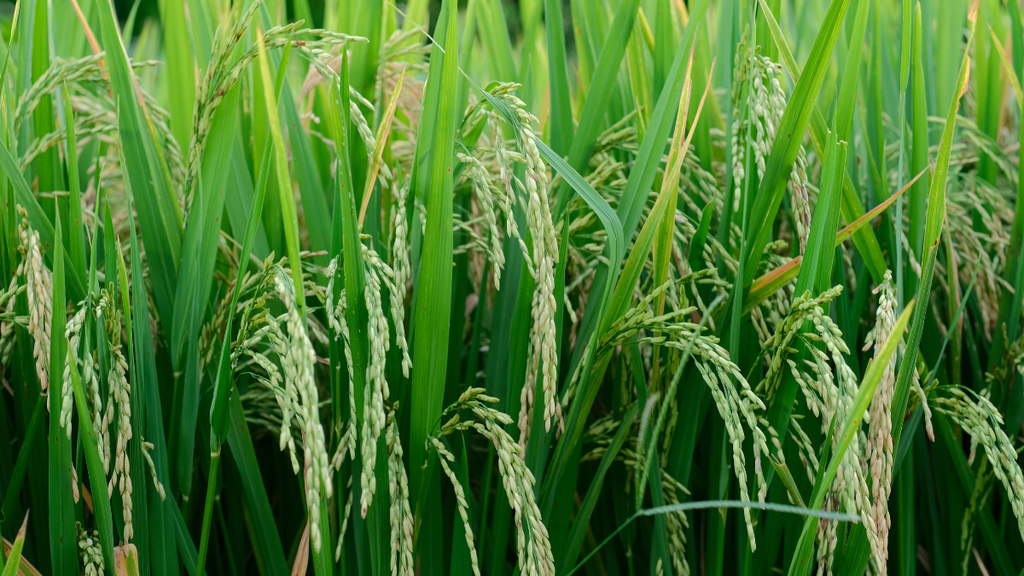
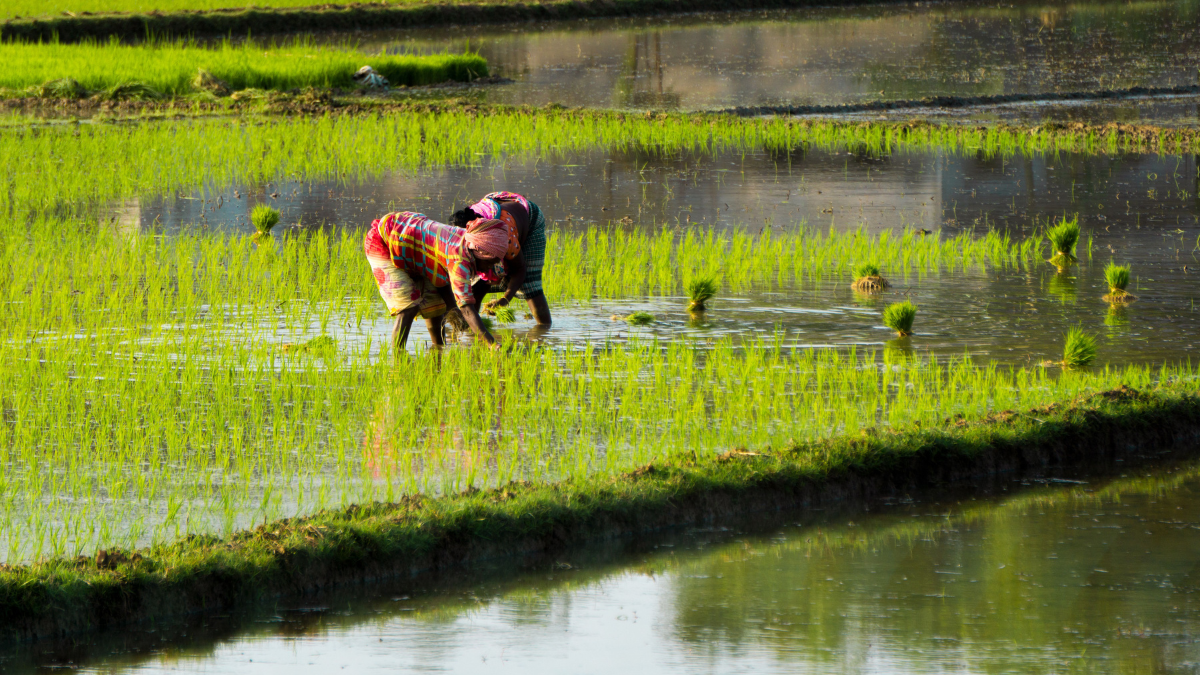
Crops in a paddy field.Image credit:Pexels
Similarly, a 2019 study published in the Proceedings of the National Academy of Sciences investigated HAN1 and found that natural genetic variation in the gene contributes to chilling tolerance in temperate japonica rice. The findings helped explain how rice adapted to cooler climates.
These studies strengthen the case for investigating CTB4a and HAN1 variants in Kashmir’s rice germplasm. However, the presence of promising genetic variants does not automatically guarantee improved performance in farmers’ fields. Their effects can depend on the crop’s broader genetic background, the timing and intensity of temperature stress, and other environmental conditions.
Conserving agricultural diversity
The Kashmir study also offers insights into the region’s agricultural history. Its genetic analysis suggests links between traditional Kashmir rice varieties and temperate rice lineages associated with Northeast Asia. The researchers propose that these lineages reached the region after approximately 1500 BCE, although this historical reconstruction remains an interpretation of genetic and archaeological evidence.
Beyond their historical significance, traditional rice varieties may preserve traits useful for future agricultural challenges. Modern breeding programmes often prioritise yield and other selected characteristics, but genetic diversity within traditional varieties can provide additional options for addressing environmental stress and maintaining grain quality.
The findings underline the importance of conserving traditional rice germplasm in gene banks and supporting its continued cultivation where feasible. Such conservation helps prevent potentially valuable genetic material from disappearing as farming systems and crop preferences change.
As climate change places increasing pressure on agricultural systems, Kashmir’s traditional rice varieties offer researchers a valuable starting point for investigating crop adaptation. Their genetic diversity connects generations of farming knowledge with modern genomic research, potentially helping plant breeders develop rice varieties suited to changing environmental conditions while preserving the region’s agricultural heritage.

India Unveils Three Homegrown AI Models, Covering 22 Indian Languages

Indian universities lead Asia in research output per faculty, but the country’s top six all slip in QS ranking

Greener Forests, Weaker Carbon Sinks? Study Finds Declining Productivity in Northeast India

Climate Change Contributed to 10,600 Excess Preterm Births in Asia During April 2024 Heatwave

Neuropixels Probes Allow Scientists to Record Hundreds of Brain Cells at Once, Opening New Possibilities for Neuroscience
Indian universities lead Asia in research output per faculty, but the country’s top six all slip in QS ranking

Knowing When to Think for Ourselves: AI, Intuition and the Education of Discernment

After a Scorching Summer, Delhi’s Children Are Slow to Return Outdoors

Two Chemists Win Nobel Prize for Solving a Century-Old Puzzle: Why Life Picks One Hand Over the Other

Climate Change, Overfishing and the Uncertain Future of Bangladesh’s Hilsa Fishermen
-

 Math3 months ago
The 2026 Fields Medals: Four Proofs, Four Decades-Old Problems Solved
-
EP Deep Dive: Data & Solutions3 months ago
After Kerala’s Deadliest Landslide, the Hardest Thing to Rebuild Was Childhood
-
EP Deep Dive: Data & Solutions4 months ago
West Asia Crisis: Can Kerala’s Returning Gulf Migrants Find a Future in the Green Economy?
-
Space & Physics5 months ago
India Semiconductor Mission: ‘It’s Not About Fabs. It’s About Building An Entire Ecosystem’
-
Interviews1 month ago
From Scams to Screens: How the National Stock Exchange Rewrote India’s Equity Story
-
Climate & Environment5 months ago
The Climate World Cup? How Climate Change Could Affect Player Performance at the 2026 World Cup
-
Society4 months ago
What Is Civilisational Diplomacy? Understanding India’s Newest Foreign Policy Tool
-
Society5 months ago
From Bell Labs to the Classroom: A Second Career in Teaching