
Biodiversity
COP17: Can the World Still Meet Its Biodiversity Goals by 2030?
COP17 in Armenia will assess progress towards global biodiversity targets for 2030, focusing on ecosystem protection, conservation finance, harmful subsidies and equitable benefit-sharing.

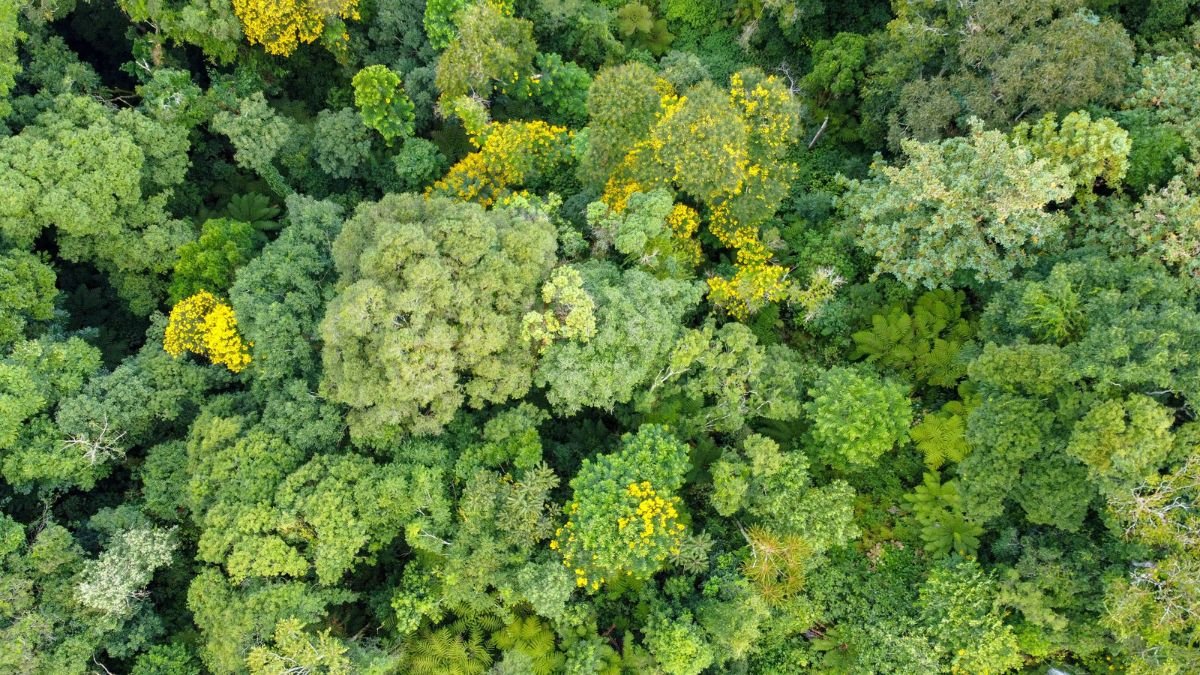
As governments prepare for the first global assessment of progress under the Kunming-Montreal Global Biodiversity Framework, financing shortfalls, harmful subsidies and uneven implementation threaten to undermine commitments to protect nature. The world has four years left to meet its 2030 biodiversity targets. Yet, as governments prepare to gather in Yerevan, Armenia, the distance between their commitments and the action required to fulfil them remains substantial.
The 17th Conference of the Parties to the Convention on Biological Diversity (COP17), scheduled for October 19–30, will bring governments, scientists, Indigenous Peoples, civil society organisations and businesses together for the first global review of collective progress under the Kunming-Montreal Global Biodiversity Framework. Adopted in December 2022, the framework established an international plan to halt and reverse biodiversity loss through four overarching goals and 23 targets. The Convention on Biological Diversity’s official COP17 identifies the meeting as a critical opportunity to assess implementation and determine where additional action is needed.
Governments have agreed on the scale of the biodiversity crisis and outlined measures to address it. The harder task is to translate those commitments into protected habitats, restored ecosystems, reformed economic incentives and reliable funding. COP17 will test whether countries can accelerate that work before the 2030 deadline.
Global Framework Under Pressure
The Kunming-Montreal Global Biodiversity Framework established several measurable ambitions. These include conserving at least 30% of terrestrial and inland water areas and 30% of marine and coastal areas by 2030, restoring 30% of degraded ecosystems, mobilising at least 200 billion dollars annually for biodiversity from all sources, and identifying and eliminating or reforming incentives harmful to biodiversity worth at least 500 billion dollars annually.

The framework also calls for increased international biodiversity finance, including 30 billion dollars annually in international financial flows to developing countries by 2030. Its provisions cover the sustainable use of biodiversity, equitable sharing of benefits arising from genetic resources, and the integration of nature into decisions made across government and economic sectors.
These targets recognise that conservation cannot be confined to isolated protected areas. Agricultural production, infrastructure development, financial decisions, trade and consumption all influence the condition of ecosystems. The first global review will examine collective progress using national reports, national biodiversity strategies and action plans, and other relevant information. Its findings should help governments identify where implementation is lagging and what changes are needed.
The challenge is already visible in conservation projections. A Reuters report published on October 14 found that current commitments were projected to protect 27% of land and inland waters by 2030, compared with approximately 20% at present. Marine protection was projected to rise from 10% to just 12%. These figures indicate that existing commitments fall short of the 30% targets, particularly for marine ecosystems.
Nature Loss is an Economic Problem
Biodiversity decline is frequently discussed through the disappearance of species and the destruction of habitats. Its consequences extend into food production, water availability, employment and economic stability. The explainer supplied for this article cites a 2024 assessment that found monitored wildlife populations across more than 5,500 species had declined by 73% between 1970 and 2020. It also reports that 460 million hectares of forest are degraded, an area larger than the combined territory of the European Union’s 27 member states.
Wetlands have suffered substantial losses, too. According to the same source, 35% of the world’s wetlands have disappeared since 1970, while a quarter of those remaining are degraded. It also reports that 56% of assessed mangrove ecosystems across 34 provinces are at risk of collapse. These figures describe damage to ecological systems that sustain human livelihoods. Small-scale fisheries, which depend heavily on healthy coastal habitats, account for 40% of the global catch and support the livelihoods of approximately one in every 12 people worldwide, according to the supplied explainer.
Forest loss can also affect rainfall patterns, with implications for farmers who depend on predictable seasonal water supplies. Wetland degradation reduces the natural functions these ecosystems perform, while the destruction of mangroves removes habitats that support fisheries and coastal communities.
The economic consequences are therefore not confined to conservation budgets. Damage to ecosystems can undermine agricultural productivity, disrupt supply chains and increase the vulnerability of communities already exposed to environmental stress. For COP17, the implications are direct: biodiversity policy must account for the economic decisions that accelerate ecological decline, rather than treating conservation as a separate environmental concern.
The Subsidy Contradiction
One of the most consequential issues facing negotiators is the continued flow of money towards activities that damage nature. The framework calls for governments to identify and eliminate, phase out or reform incentives harmful to biodiversity, reducing them by at least 500 billion dollars annually by 2030. Yet a Reuters report published on October 12 cited estimates that approximately 2.6 trillion dollars is channelled each year into incentives that harm ecosystems. The report also noted that only 5% of governments had fully addressed the relevant target.
This creates a fundamental contradiction in public policy. Governments may allocate funds to conservation while other subsidies encourage activities associated with habitat destruction, unsustainable resource extraction or environmentally damaging production. Reforming these incentives requires more than announcing a reduction target. Governments must identify which subsidies cause harm, examine who benefits from them and establish alternatives that do not shift the economic burden onto vulnerable communities.
Agriculture, fisheries, energy and infrastructure can all involve competing economic and environmental priorities. Abruptly withdrawing support without considering livelihoods can create additional hardship. Reform therefore requires transparent assessments, appropriate safeguards and credible alternatives for affected workers and producers.
COP17 is expected to examine how finance ministers can be brought more directly into this process. The objective is to align economic incentives with biodiversity commitments, so that public spending does not continue to undermine the goals governments have endorsed.
The Unresolved Question of Biodiversity Finance
Meeting the global targets will require sustained funding for conservation, restoration, monitoring and implementation. The framework’s annual biodiversity finance ambition of 200 billion dollars encompasses resources from public and private sources, domestic and international funding, and other financial channels.
Within this total, international financial flows to developing countries are expected to reach 30 billion dollars annually by 2030. Establishing the target was a significant step, but governments must still determine how to mobilise the required resources and ensure that they reach the places and communities where conservation is needed.
Developing countries face competing demands on public expenditure, including debt servicing, infrastructure, health and education. Biodiversity commitments can become difficult to implement when governments lack fiscal room to fund them. The negotiations are expected to consider interim milestones for international public finance and ways to address the links between debt burdens and biodiversity loss. Such measures could help make funding commitments more concrete, although their effectiveness will depend on the terms agreed and the resources actually delivered.
The management of biodiversity finance is another concern. Governments agreed at COP16 to review where biodiversity funding is held and how it is governed. COP17 is expected to consider initial options arising from that process. The distinction between announced finance and money available for implementation matters. Funding targets have little practical value if they do not translate into resources that conservation agencies, local governments and communities can access.
Can the Cali Fund deliver equitable benefits?
Another issue concerns the use of digital sequence information derived from genetic resources. Genetic information obtained from plants, animals and microorganisms can support research and commercial development in fields such as pharmaceuticals, biotechnology and agriculture. Digital sequence information allows researchers and companies to use genetic data without necessarily handling the original biological material.
The resulting benefits raise questions about fairness. Countries and communities that conserve biodiversity may not receive a proportionate share of the value generated from genetic information derived from their biological resources. At COP16, governments established the Cali Fund to help address this issue. Under the arrangement described in the supplied explainer, companies in sectors benefiting from digital sequence information are expected to contribute to the fund under specified conditions.
However, the mechanism has struggled to attract contributions. A scientific editorial published in Nature Reviews Biodiversity on October 13 reported that the fund had received only $6,000 against a target of 1 billion dollars annually. The editorial identified limited awareness and unresolved implementation details as obstacles to wider participation.
COP17 will need to address the practical barriers preventing the fund from fulfilling its intended purpose. Clearer rules, incentives and potentially regulatory measures could help establish a functioning system for benefit-sharing.
The issue extends beyond revenue. Equitable benefit-sharing is also connected to the rights of Indigenous Peoples and local communities whose knowledge and stewardship contribute to biodiversity conservation. A system that recognises the commercial value of genetic resources without adequately addressing these interests would leave a central part of the framework unfulfilled.
Indigenous Knowledge and Community Rights
The framework recognises that biodiversity protection depends on the participation of people who live in and manage ecosystems. Indigenous Peoples and local communities hold knowledge about species, landscapes and ecological practices that can contribute to conservation and sustainable resource use.
Yet recognition in an international agreement does not automatically translate into influence over decisions on the ground. The supplied COP17 explainer identifies human rights, Indigenous knowledge and community participation as areas requiring greater attention across the framework’s targets. It also notes that COP16 established a subsidiary body concerned with Indigenous Peoples’ knowledge, innovations and practices.
The task now is to ensure that these commitments shape implementation. This includes meaningful participation in decisions, respect for rights and the fair distribution of benefits arising from biodiversity and its use. Community participation should not be measured simply by the number of consultations held. Its value depends on whether people can influence decisions affecting their territories, livelihoods and knowledge.
Test of Implementation
COP17’s first global review will provide governments with an opportunity to examine the collective record against the commitments made in Montreal. Its significance will depend on what countries do with that assessment. A credible outcome would identify implementation gaps, establish clearer milestones and strengthen accountability for finance and policy reform. It would also address the contradiction between spending on conservation and the much larger financial flows that continue to harm ecosystems.
The remaining four years will require action across national governments, financial institutions, businesses and local communities. Protected areas must be supported by effective management; restoration must produce ecological gains; and biodiversity finance must become accessible and dependable.
The framework already sets out the broad direction. COP17 must determine whether countries are prepared to change the policies, budgets and economic incentives that stand in its way. By 2030, the measure of success will not be the number of declarations adopted at international meetings. It will be whether ecosystems are recovering, species and habitats are better protected, and the people whose lives depend on nature have stronger reasons and greater capacity to sustain it.










Climate & Environment
India’s Wildlife Reserves Face Changing Fire Patterns, 21-Year Study Finds
A 21-year study of 13 Indian wildlife reserves reveals contrasting wildfire trends, with fire activity increasing in the Eastern Ghats and Central India while declining in the Western Ghats. The findings highlight the implications for forest biodiversity, ecosystem regeneration and conservation strategies.
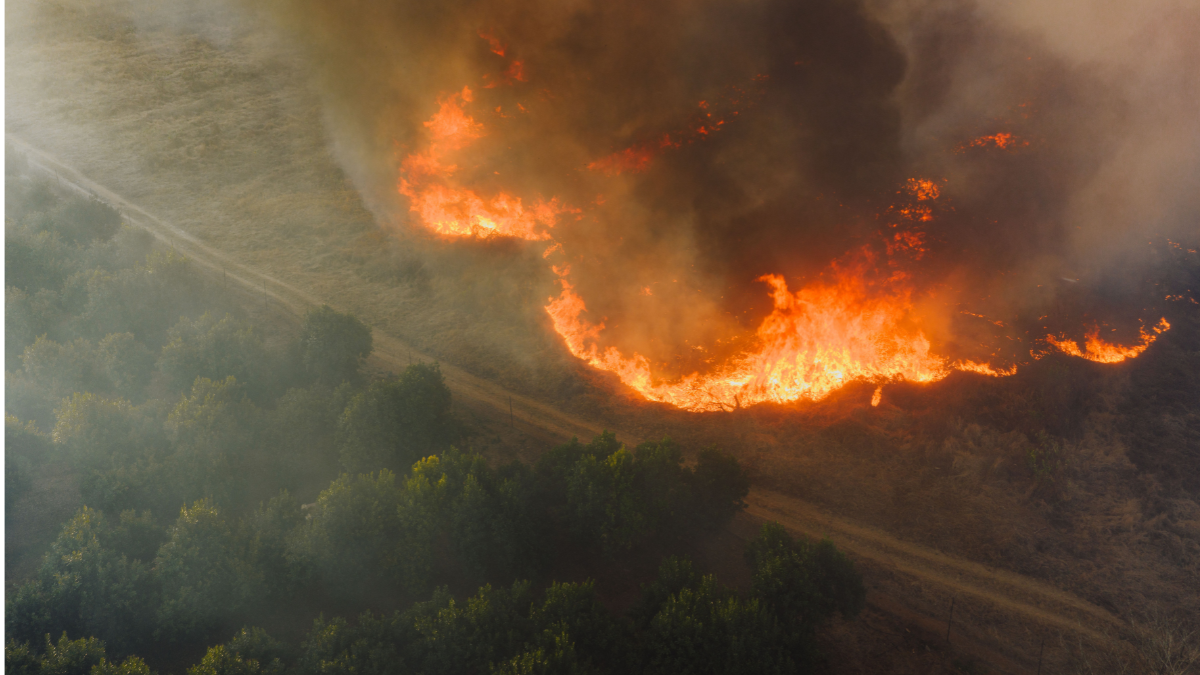
Wildfire activity increased by 9.3% annually in the Eastern Ghats and 4.6% in Central India between 2002 and 2022, while the Western Ghats recorded a significant decline. Supporting research shows how repeated fires can alter forest composition, reduce biodiversity and disrupt natural regeneration.
Wildfires are becoming an increasingly complex conservation challenge across India’s wildlife reserves, with some forest regions experiencing rising fire activity while others record a significant decline. A 21-year study across 13 wildlife reserves has identified sharply contrasting patterns in Central India, the Eastern Ghats and the Western Ghats, highlighting the need for region-specific approaches to forest fire management.
Published in Ecosphere on October 19, 2026, the study, titled Changing fire regimes in wildlife reserves of southern India: Trends, drivers, and conservation challenges, analysed satellite-derived fire data across approximately 20,000 square kilometres of protected landscapes between 2002 and 2022.
The researchers recorded approximately 16,667 square kilometres of cumulative burned area during the study period. The Eastern Ghats accounted for 59% of the total, followed by Central India at 16.6% and the Western Ghats at 8.4%.
Annual burned area increased by 9.3% per year in the Eastern Ghats and 4.6% in Central India. In contrast, the Western Ghats recorded an annual decline of 10.8%.
The researchers used data from NASA’s Moderate Resolution Imaging Spectroradiometer (MODIS), alongside climatic records, forest-cover loss data and human population estimates, to investigate the factors influencing fire activity.
Their analysis found that climate and human-related variables explained between 21% and 77% of annual fire activity across individual reserves. However, the strength and direction of these relationships varied geographically.
Climate and Human Activities Shape Fire Patterns
Drought, high temperatures and declining soil moisture emerged as important factors influencing fire activity. Eleven of the 13 reserves showed evidence of increasing fire activity during hotter and drier conditions.
Reduced soil moisture and higher atmospheric dryness can dry vegetation, making it more susceptible to burning. However, rainfall can also influence fire patterns by encouraging vegetation growth and increasing the accumulation of combustible material during subsequent dry periods.
Human activities also contributed to differences between landscapes. In Kawal Wildlife Sanctuary, population density was positively associated with fire activity. Local communities use fire in connection with collecting non-timber forest products, including mahua flowers and tendu leaves.
In Nagarjunasagar Srisailam Tiger Reserve, pastoralists use fire to encourage fresh grass growth for livestock grazing. However, human presence does not always increase burning. In Nagarhole National Park and Wayanad Wildlife Sanctuary, population density was negatively associated with burned area.
These findings suggest that local livelihood practices, vegetation conditions and forest management influence how fires originate and spread.
Earlier research provides additional evidence of the relationship between climatic conditions and fire activity. A study published in Geophysical Research Letters in 2021, titled Investigation of Forest Fire Activity Changes Over the Central India Domain Using Satellite Observations During 2001–2020, examined satellite observations across Central India.
The researchers found that approximately 70% of annual forest fires occurred during March and April. Comparing 2006–2020 with 2001–2005, they reported a doubling of fire activity during the February–June fire season and a tripling during the remaining months.
The study associated increased fire activity with persistent warmer temperatures and climate extremes, including drought and El Niño conditions. It also identified the Jagdalpur–Gadchiroli region and Indravati National Park in Chhattisgarh as particularly fire-prone landscapes.
Together, these findings highlight how climatic stress can interact with local land-use practices to influence fire regimes across Indian forests.
Repeated Fires Can Alter Forest Biodiversity
Beyond the extent of burned areas, the ecological consequences of repeated fires are an important concern. Frequent burning can affect seedling survival, tree regeneration and the composition of forest communities, potentially favouring species that are more resistant to fire.
A 2021 study published in Ecology and Evolution, titled Fire alters diversity, composition, and structure of dry tropical forests in the Eastern Ghats, examined burned and unburned plots in Eswaramala Reserve Forest in Andhra Pradesh.
Researchers compared vegetation observations from 2008 and 2018 and found that recently burned plots had higher stem density but lower tree species richness. Forest communities became dominated by a smaller number of fire-tolerant species with characteristics such as thick bark and the ability to regenerate through clonal sprouting.
The study also found that repeated fire exposure shifted the size structure of these species towards smaller, resprouting individuals. The findings indicate that higher tree density does not necessarily translate into greater biodiversity or healthier forest regeneration.
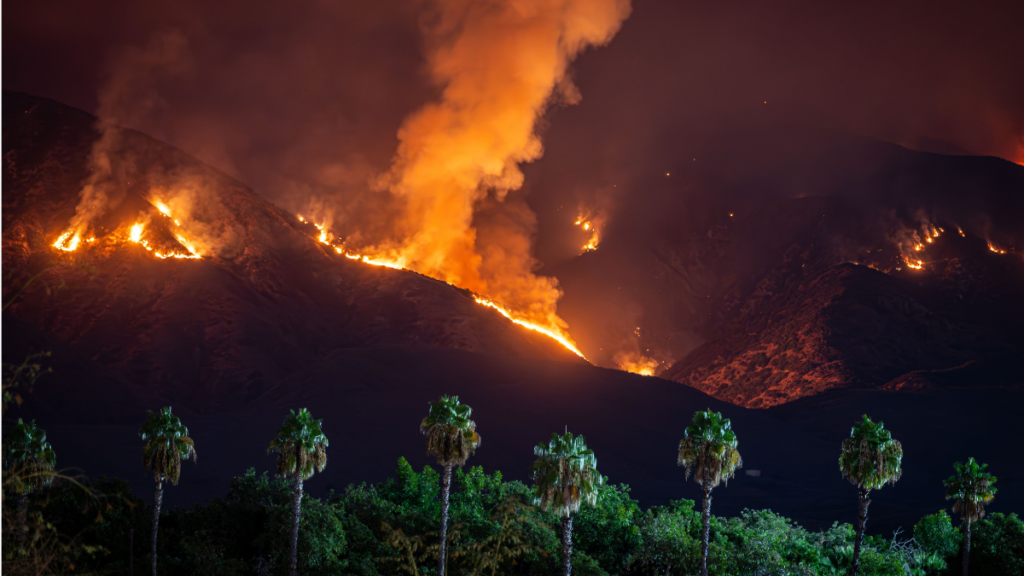
Forest fire spreading across a hillside at night, with flames and thick smoke rising above the surrounding vegetation.Image credit:Pexels
Research in the Western Ghats has reported similar concerns. A 2015 study published in Forest Ecology and Management, examined fire frequency and vegetation recovery in Mudumalai Tiger Reserve.
Using fire-frequency maps from 1999 to 2013, the researchers found that tree diversity declined as fire frequency increased. Low fire frequencies supported greater seedling density, while frequently burned areas showed changes in species composition and forest structure.
These studies provide ecological context to the latest findings by demonstrating that the consequences of fire extend beyond the immediate loss of vegetation.
Why Fire Management Needs a Regional Approach
The relationship between fire and biodiversity is not uniform across ecosystems. While repeated and intense fires can degrade forests, some grassland and savanna ecosystems depend on periodic burning to maintain their ecological characteristics.
A 2024 study in Biotropica, examined management interventions in savanna ecosystems dominated by native Cymbopogon grasses.
The researchers compared areas where fire and grasses were present with areas where fire was excluded, as well as areas where grasses were manually removed alongside fire exclusion.
They found that combining grass removal with fire exclusion was necessary to significantly improve palatable herbaceous plant biomass and plant species diversity. Fire exclusion alone was insufficient to achieve the same ecological improvements.
The research highlights the importance of combining fire management with vegetation restoration and community participation.
The authors of the 2026 Ecosphere study similarly caution against applying uniform fire-suppression policies across all protected landscapes. They recommend management strategies that account for local vegetation, climate conditions, biodiversity requirements and the traditional practices of forest-dependent communities.
The study also acknowledges limitations, including the 21-year observation period and the inability of satellite products with a 500-metre spatial resolution to detect every small fire.
As climate variability and human pressures continue to influence forest landscapes, understanding both increasing and declining fire activity will be essential. The findings suggest that effective conservation requires not simply preventing fires, but understanding when, where and how burning affects the ecological balance of India’s wildlife reserves.
Biodiversity
Lesser Florican, Bengal Florican Top India’s Priority List for Bird Conservation, Study Finds
A new study identifies the lesser florican and Bengal florican as India’s highest-priority birds for conservation, highlighting the importance of protecting evolutionarily distinct species and their threatened grassland habitats.
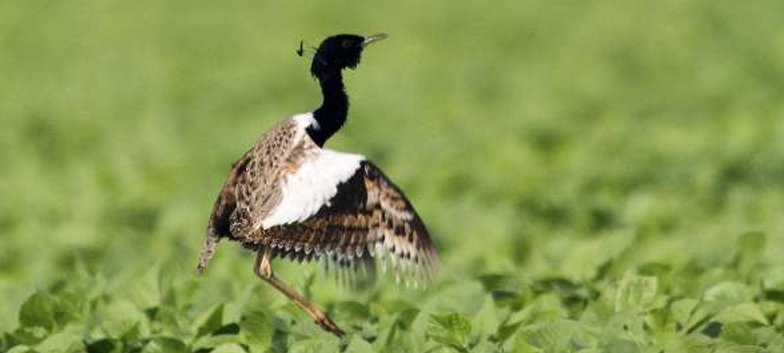
India’s lesser florican and Bengal florican stand out as the country’s highest-priority birds when extinction risk is assessed alongside evolutionary distinctiveness, according to a new study published in Global Ecology and Conservation in October 2026.
The research, titled “Using phylogenetic relationships to assess conservation priorities for birds in India”, applies an approach known as Evolutionarily Distinct and Globally Endangered (EDGE) to identify bird species whose loss would represent a particularly significant loss of evolutionary history. The lesser florican (Sypheotides indicus) recorded a median EDGE score of 19.3 million years, while the Bengal florican (Houbaropsis bengalensis) scored 18.95 million years.
The findings highlight a conservation challenge that extends beyond counting threatened species. Some birds represent evolutionary lineages that have few close living relatives. Their extinction could therefore eliminate a disproportionately large amount of evolutionary history.
For India, one of the world’s most biodiverse countries, the researchers argue that incorporating evolutionary distinctiveness into conservation decisions could help direct limited resources towards species facing particularly high risks of extinction.
Why evolutionary history matters
Conservation programmes frequently prioritise species according to population decline, habitat loss and extinction risk. Although these measures remain essential, they do not always capture how much evolutionary history a species represents.
The EDGE approach combines a species’ evolutionary distinctiveness with its extinction risk. Evolutionary distinctiveness measures how isolated a species is on the evolutionary tree, based on its relationships with other living species. A bird with few close relatives may therefore receive a higher distinctiveness score than one belonging to a group with many closely related species.
Combining these measures helps researchers identify species that are both evolutionarily unusual and threatened. The approach can also support decisions about where conservation funding, habitat protection and monitoring efforts may deliver the greatest benefits.
The October study identifies species and regions in India with high avian EDGE scores. Its findings suggest that conservation assessments could benefit from looking beyond the number of species present in a particular landscape to consider the evolutionary history represented by those species.
Grassland loss threatens two distinctive birds
The lesser florican and Bengal florican are closely associated with grassland habitats, ecosystems increasingly affected by changes in land use.
The lesser florican is a critically endangered bird endemic to the Indian subcontinent. It depends on open grasslands for breeding, where males perform distinctive courtship displays during the monsoon. Agricultural intensification, habitat fragmentation and the conversion of grasslands have contributed to the species’ decline.
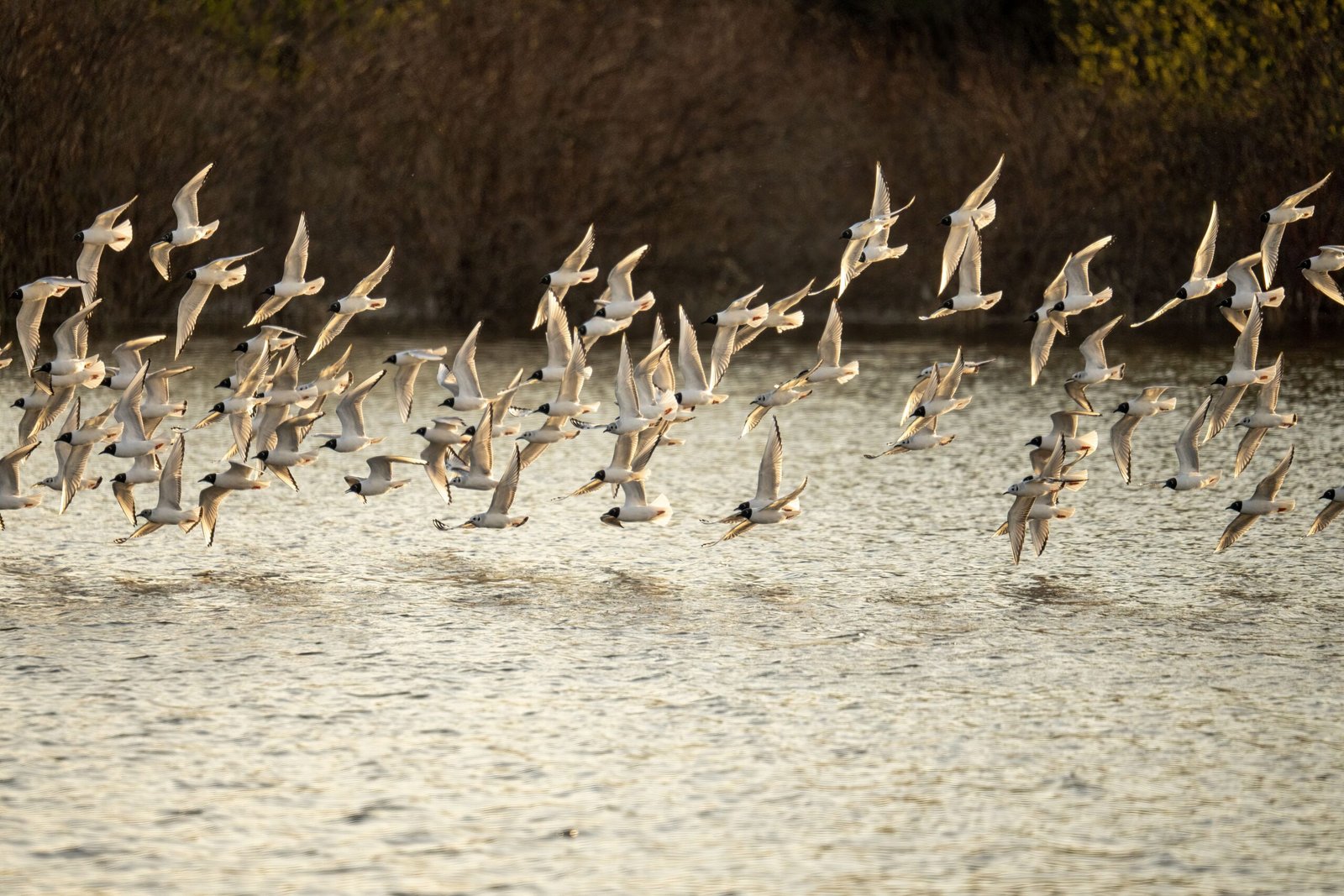
Wetland and grassland ecosystems provide essential habitats for India’s diverse birdlife.Image credit:Pexels
A separate study published in Frontiers in Conservation Science in August 2026 examined the movements and habitat preferences of lesser floricans in Gujarat. Researchers tracked 12 individuals using satellite telemetry and analysed more than 150,000 GPS locations. The findings showed that grasslands remained the birds’ most strongly selected habitat during both breeding and non-breeding seasons, despite some seasonal use of agricultural land.
The researchers also highlighted the importance of connected grassland landscapes, community-managed grazing areas and the protection of habitat beyond formally designated reserves.
The Bengal florican faces similar challenges. It inhabits grasslands and floodplain habitats in South and Southeast Asia, where changes in land use and degradation of suitable vegetation threaten its survival.
For both species, protecting remaining grasslands is therefore essential not only for maintaining current populations but also for preserving evolutionary lineages that could otherwise disappear.
Conservation planning beyond species numbers
The findings strengthen the case for integrating evolutionary information into India’s biodiversity policies. Protecting areas with high concentrations of threatened and evolutionarily distinctive species could help conservation agencies maximise the benefits of limited resources.
However, evolutionary distinctiveness should complement, rather than replace, other conservation measures. Species with high EDGE scores may require targeted interventions, while habitat protection must also account for wider ecological communities and the needs of local people.
For grassland birds, this means safeguarding breeding grounds, maintaining habitat connectivity and working with communities that depend on these landscapes for grazing and livelihoods.
The study also highlights a broader challenge: biodiversity protection cannot rely exclusively on forests and established protected areas. Grasslands, wetlands and other often-overlooked ecosystems can support species of exceptional conservation importance.
Earth
252 Million Hectares Under Restoration Across 149 Countries, but UN Warns of 2030 Target Gap
A UN report finds that 252 million hectares across 149 countries are under ecosystem restoration. However, increased investment and accelerated action are needed to meet global restoration targets by 2030.

Global efforts to restore degraded ecosystems have reached 252 million hectares across 149 countries, generating more than one million green jobs. However, a new United Nations assessment warns that restoration efforts remain insufficient to meet international biodiversity targets by 2030, calling for a more than fourfold increase in annual investment.
The findings are presented in the Restoration Progress Report: Nature’s Comeback – Scaling Ecosystem Restoration for People and Planet, released on October 29, 2026, by the United Nations Environment Programme (UNEP), the Food and Agriculture Organization (FAO) and the Secretariat of the Convention on Biological Diversity (CBD).
The report provides the first comprehensive global assessment of progress towards commitments to restore approximately one billion hectares of degraded ecosystems. These commitments are linked to the UN Decade on Ecosystem Restoration (2021–2030) and the Kunming-Montreal Global Biodiversity Framework, which calls for at least 30 per cent of degraded terrestrial, freshwater, marine and coastal ecosystems to be under effective restoration by 2030.
According to the assessment, the 252 million hectares currently documented under restoration represent the largest recorded global restoration effort. However, this accounts for only 34 per cent of the indicative global benchmark associated with the 2030 target.
Freshwater and marine ecosystems lag behind
The report identifies considerable differences in restoration progress across regions and ecosystem types. Asia accounts for the largest share of documented restoration, with 192.2 million hectares, followed by Africa with 36.3 million hectares and Europe with 9.1 million hectares. North and Central America account for 5.8 million hectares, South America 5.4 million hectares and Oceania 3.2 million hectares.
However, the report cautions that these figures should not be interpreted as a ranking of restoration performance, as they also reflect differences in regional land area and monitoring and reporting capacities.
Restoration of terrestrial ecosystems has reached nearly half of the global 2030 target. China reports the largest terrestrial restoration area, with 127.4 million hectares, while substantial restoration activities have also been documented in Mongolia and Kazakhstan.
Progress remains considerably slower in freshwater, marine and coastal ecosystems, despite these environments experiencing rapid degradation.
A river along the side of a dense forest. Image credit: Pexels
The assessment documents 11 million hectares of freshwater ecosystems under restoration across 62 countries and 5.7 million hectares of marine and coastal ecosystems across 46 countries. The report also notes that limited monitoring and reporting may mean that actual restoration activities in these ecosystems are higher than the documented figures.
Meanwhile, the share of countries reporting implemented wetland restoration or rehabilitation programmes has increased from 8 per cent in 2022 to 54 per cent.
Restoration financing needs to increase fourfold
Insufficient investment remains a major obstacle to achieving global restoration commitments. The report estimates that annual restoration financing must increase from US$64 billion to US$296 billion by 2030, representing more than a fourfold rise.
Agroforestry requires the largest estimated annual investment, at US$87 billion, followed by restorative reforestation at US$52 billion, peatland restoration at US$44 billion and seagrass restoration at US$28 billion.
The report identifies employment generation as another potential benefit of scaling up restoration. While more than one million green jobs have already been associated with restoration initiatives, increased global investment could generate up to 32 million additional jobs by 2030.
It also highlights the potential contribution of ecosystem restoration to climate mitigation and biodiversity protection. Research cited in the assessment indicates that restoring just 15 per cent of global priority areas could capture and store 30 per cent of carbon dioxide-equivalent emissions released since the Industrial Revolution and help prevent 60 per cent of projected species extinctions.
The report further identifies the participation and leadership of Indigenous Peoples and local communities as essential to ensuring long-term restoration outcomes. Secure land rights, stronger monitoring systems and sustained political commitment are among the priorities identified.
With five years remaining in the UN Decade on Ecosystem Restoration, the assessment calls on governments to move beyond isolated restoration projects towards coordinated, long-term programmes that address the underlying causes of ecosystem degradation.
It emphasises that the 2030 targets should serve as a milestone in the restoration process rather than its conclusion, as ecological recovery requires sustained action and investment beyond the end of the decade.

Global Climate Finance Hits Record $1.9 Trillion, but Vulnerable Nations Continue to Face Adaptation Funding Gap

India Ranks 28th in Global Climate Ranking, Down Five Places

Global fossil fuel emissions projected to fall in 2026, but India’s emissions to rise 4.4%

NASA recruits new astronauts for future Moon Base and Mars missions

Between Lectures and Lyrics: Kabeer Is Building a Malayalam Hip-Hop Career One Self-Taught Skill at a Time

Indian universities lead Asia in research output per faculty, but the country’s top six all slip in QS ranking

Europe Braces for Extremes as Commission Unveils Climate Resilience Framework

Delhi’s Air Quality Paradox: Lower Average, Higher Everyday Pollution

NMC Directs Medical Colleges to Set Up Patient Safety Committees

Brazil’s Amazon deforestation hits record low. Can the recovery last?
-

 Math4 months ago
The 2026 Fields Medals: Four Proofs, Four Decades-Old Problems Solved
-
EP Deep Dive: Data & Solutions4 months ago
After Kerala’s Deadliest Landslide, the Hardest Thing to Rebuild Was Childhood
-
EP Deep Dive: Data & Solutions4 months ago
West Asia Crisis: Can Kerala’s Returning Gulf Migrants Find a Future in the Green Economy?
-
Space & Physics6 months ago
India Semiconductor Mission: ‘It’s Not About Fabs. It’s About Building An Entire Ecosystem’
-
Interviews2 months ago
From Scams to Screens: How the National Stock Exchange Rewrote India’s Equity Story
-
Climate & Environment5 months ago
The Climate World Cup? How Climate Change Could Affect Player Performance at the 2026 World Cup
-
Society4 months ago
What Is Civilisational Diplomacy? Understanding India’s Newest Foreign Policy Tool
-
Society5 months ago
From Bell Labs to the Classroom: A Second Career in Teaching