
Health
AI-assisted telemedicine improves healthcare access in rural Rajasthan, study finds
A study from rural Rajasthan highlights how AI-assisted telemedicine, portable diagnostic tools and remote consultations could help extend healthcare access in underserved communities. The findings point to the potential of technology-supported care while underscoring the need for clinical oversight and further evaluation.

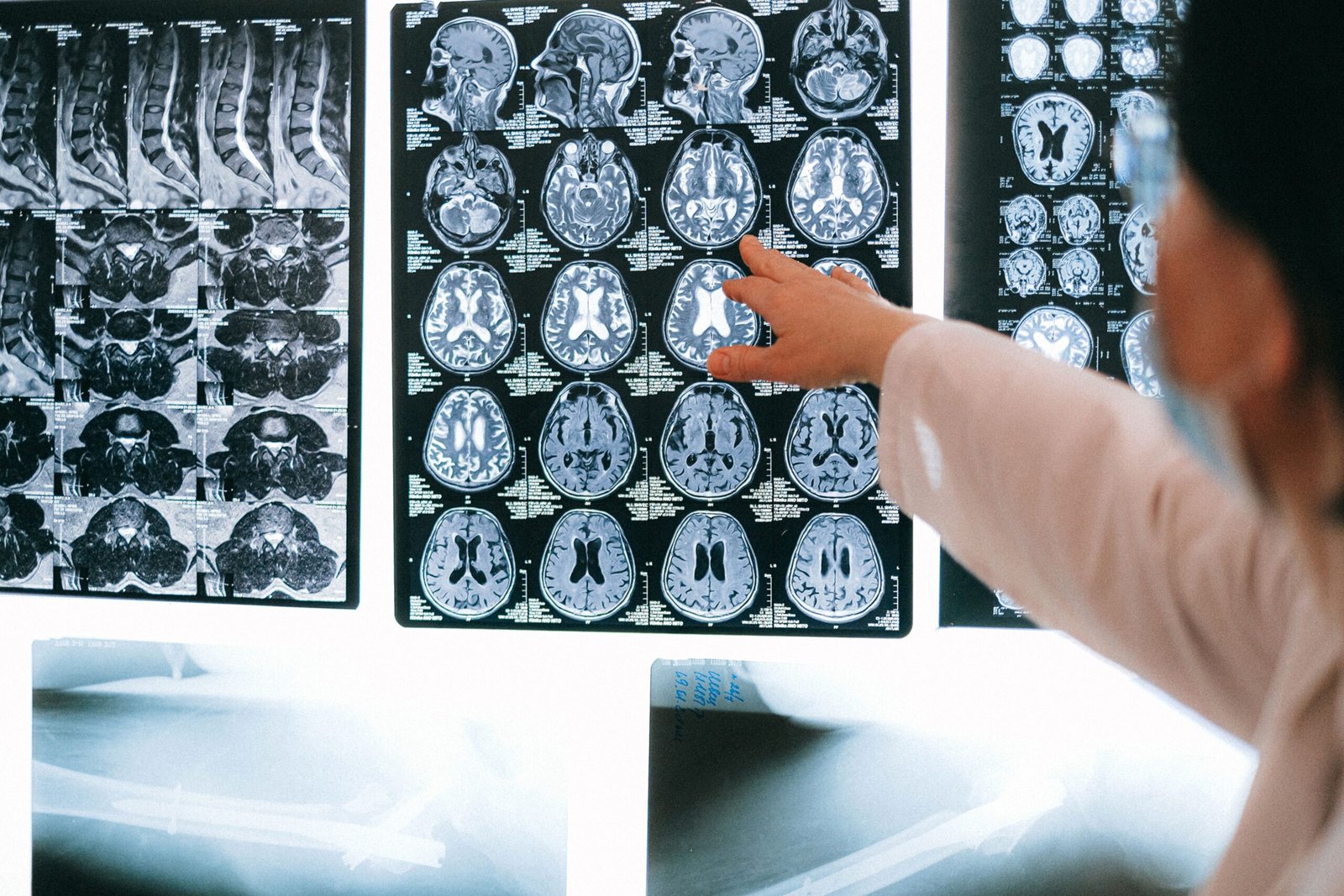
Study involving 10 villages highlights the potential of AI-supported consultations to address rural healthcare gaps, but connectivity and clinical validation remain challenges.
An artificial intelligence (AI)-assisted telemedicine model combining frontline health workers, portable diagnostic devices and remote medical consultations was associated with improved access to healthcare in hard-to-reach villages of Rajasthan, according to a study published in Preventive Medicine Reports in November 2026.
The community-based study, conducted across 10 villages in Balotra district between March 2024 and January 2026, evaluated whether technology-supported consultations could help overcome geographical and infrastructural barriers to healthcare. Researchers compared five intervention villages using assisted telemedicine with five comparison villages where residents followed conventional healthcare-seeking pathways.
During the 10-month intervention period, all 4,401 recorded symptomatic illness episodes in the intervention villages received teleconsultations. In comparison villages, only 1,528 of 3,973 recorded illness episodes (38.5%) resulted in visits to formal healthcare facilities.
The researchers attributed the difference to barriers including long travel distances, transportation difficulties, time constraints and reliance on self-medication or home remedies. However, the study was non-randomised, and the two groups used different methods of recording healthcare utilisation. The findings therefore demonstrate an association with improved access rather than definitive proof that the intervention caused the difference.
How AI supports remote consultations
Under the model, trained frontline health workers, including Accredited Social Health Activists (ASHAs) and Auxiliary Nurse Midwives (ANMs), visited households to identify people requiring medical attention. They recorded symptoms and collected vital signs using portable diagnostic equipment, including digital blood pressure monitors, pulse oximeters, thermometers and electrocardiographs (ECGs).
The information was transmitted through a telemedicine platform to remotely stationed doctors. An AI-supported clinical decision support system analysed the symptoms and diagnostic information to generate probable diagnoses, clinical advice and medication suggestions. Doctors reviewed the recommendations and retained responsibility for clinical decisions.
Of the 4,401 teleconsultation records, 98.6% were managed without referral to higher healthcare facilities. Respiratory conditions accounted for 24.2% of consultations. Portable ECG examinations also identified abnormalities in 21.6% of the 74 patients presenting with cardiovascular symptoms who underwent testing.
The researchers highlighted the role of frontline health workers in facilitating consultations and building trust among rural residents. However, technical disruptions and connectivity problems remained challenges during implementation.
Supporting evidence from recent research
The Rajasthan findings come alongside growing research into the use of AI in primary healthcare. A separate study published in the International Journal of Telemedicine and Applications on October 28, 2026, examined the technical performance of an AI-assisted clinical decision support system developed for rural telemedicine services.
Researchers from the ICMR-National Institute of Health Research, Jodhpur, and IIT Jodhpur evaluated the TeleMed Clinical Decision Support System (CDSS v2.5), which uses machine-learning models to interpret symptoms, identify probable diagnostic categories and support physicians during consultations.
Using five-fold cross-validation on 4,401 patient records, the system achieved an accuracy of 87.2% and a macro area under the receiver operating characteristic curve (AUROC) of 0.962. The system also incorporated a doctor-in-the-loop mechanism through which clinicians could review and modify AI-generated recommendations.
However, the researchers clarified that the results represent internal technical validation rather than independent evidence of clinical effectiveness. External validation and prospective studies are needed before wider deployment. The evaluation also used the same 4,401-record dataset associated with the Rajasthan telemedicine programme, rather than an independent patient population.
A 2026 systematic review and meta-analysis published in Frontiers in Digital Health provides broader evidence. It examined 13 randomised controlled trials involving more than 29,000 participants to assess the integration of AI and telemedicine into primary and family healthcare.
The review found that AI applications improved diagnostic accuracy and clinical decision-making across the included studies. Telemedicine interventions also showed favourable effects on healthcare access, chronic disease management and patient satisfaction, although the pooled clinical effect across 10 trials did not reach statistical significance.

Representative image.Image credit:Pexels
The researchers identified reliable digital infrastructure, healthcare-worker training and integration into existing clinical workflows as important conditions for successful adoption. Connectivity limitations, patient digital literacy, privacy concerns and interoperability between systems were among the barriers.
Scaling digital healthcare requires safeguards
India’s experience with telemedicine also offers a broader context for the findings. A study published in Oxford Open Digital Health in October 2025 examined the adoption of eSanjeevani, the country’s government-led telemedicine service. Analysing programme data from November 2019 to September 2023, researchers recorded more than 163 million consultations across 28 states and eight Union Territories. The provider-assisted model accounted for over 93% of usage, demonstrating the importance of frontline healthcare workers in delivering digital services.
While telemedicine can reduce travel and improve access to doctors, the integration of AI introduces additional concerns relating to diagnostic errors, data privacy and accountability. The World Health Organization has cautioned that AI systems can generate inaccurate or biased recommendations and that healthcare professionals should not rely on automated outputs without appropriate oversight.
The Rajasthan study also acknowledged limitations, including the absence of direct patient health outcomes and systematic assessments of adverse recommendations or diagnostic errors.
As India expands its digital healthcare infrastructure, the findings highlight the potential of combining human medical expertise with AI-supported tools to reach underserved populations. However, improving connectivity, strengthening healthcare-worker training and establishing independent clinical validation will be essential to ensure that technological expansion translates into safer and more equitable healthcare.





Health
WHO finds one in four adolescents worldwide gets no daily physical activity
Children take part in a group stretching activity, highlighting the importance of encouraging physical activity from an early age.Image credit:Pexels

Global estimates reveal persistent inactivity among young people, while recent studies highlight the links between physical activity, mental health and learning outcomes.
One in four adolescents worldwide reported no days of physical activity lasting at least 60 minutes during the previous week, highlighting a persistent public health concern among young people, according to a new report released by the World Health Organization (WHO) on November 4.
The report, A Generation Missing Out: Global Trends in Adolescent Physical Activity, 2010–2025, draws on 389 population-based surveys conducted across 140 countries and territories, covering more than 3.2 million adolescents aged 11–17 years. It found that global adolescent physical activity levels have changed little over the past 15 years, with only 14% meeting the recommended 60 minutes of moderate-to-vigorous physical activity every day.
The findings reveal a significant gender disparity. Around 28% of adolescent girls reported no active days during the previous week, compared with 22% of boys. Only 11% of girls achieved the recommended activity level every day, against 17% of boys. Girls were less active than boys in almost every country and WHO region.
WHO Director-General Tedros Adhanom Ghebreyesus said the lack of progress over the past 15 years underscored the need for stronger efforts to encourage physical activity, particularly among girls.
The organisation has also warned that countries are not on track to achieve the global target of reducing physical inactivity by 15% by 2030.
Physical activity linked to mental health and learning
Recent research further highlights the importance of regular movement during adolescence. A study published in JAMA Network Open on October 1, 2026, examined 5,515 adolescents, with an average age of approximately 12 years, to investigate associations between physical activity, brain structure and mental health.
Using daily step counts to measure activity, researchers found that higher physical activity levels were associated with fewer mental health problems and greater cortical thickness in certain brain regions. The study also identified an association between brain structure and mental health outcomes one year later. However, the findings establish associations rather than proving that physical activity directly causes these improvements.
The role of physical activity in education has also been examined in a systematic review and meta-analysis published in the Journal of Global Health in March 2026. Researchers reviewed 90 studies involving approximately 17,000 adolescents to assess the effectiveness of school-based physical activity programmes.
The analysis found that interventions, including physical education sessions, after-school activities and multicomponent school programmes, produced modest short-term improvements in physical activity. However, these gains were not sustained beyond six months, suggesting that isolated interventions may be insufficient to establish lasting behavioural changes.
Together, these studies underline the importance of integrating physical activity into everyday school and community environments rather than treating exercise as an occasional extracurricular activity.
Schools and communities need sustained interventions
WHO identifies several factors contributing to adolescent inactivity, including limited access to safe recreational spaces, inadequate school sports facilities, transport infrastructure and social expectations. Safety concerns and unequal access to sports opportunities can particularly restrict girls’ participation in outdoor activities.
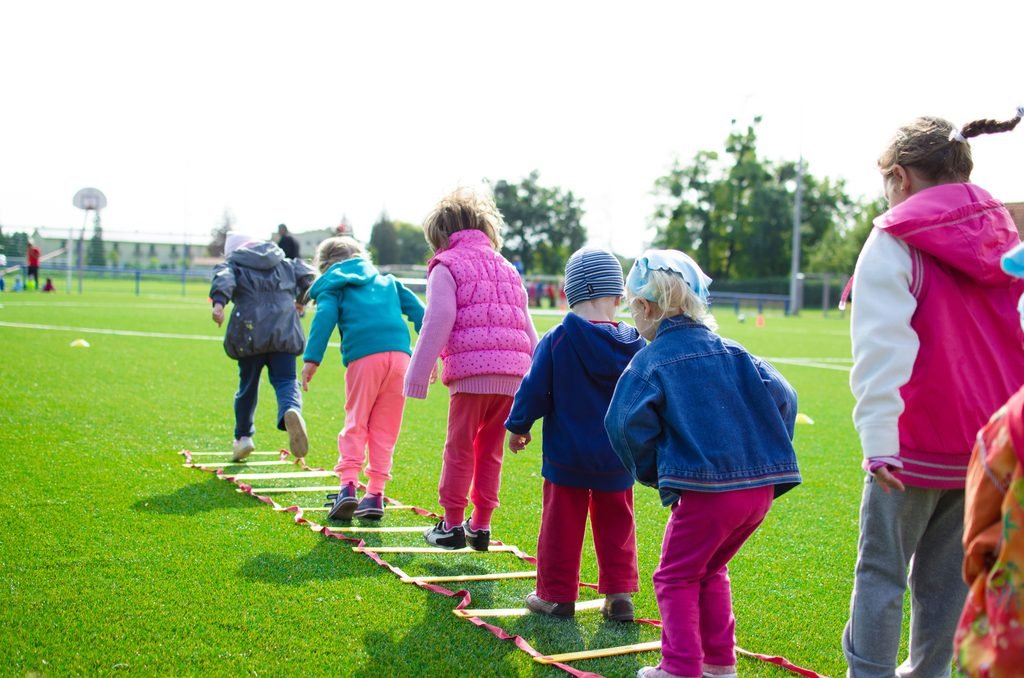
Children enjoy an outdoor activity on a grassy field, stepping over a ladder.Image credit:Pexels
The organisation recommends coordinated action across the health, education, transport, urban planning and sports sectors. Measures include strengthening physical education in schools, improving playgrounds, developing safe walking and cycling routes and ensuring equal opportunities for girls to participate in sports.
Physical activity during adolescence is important for healthy growth, strengthening bones and muscles, cognitive development and mental well-being. Inactivity, meanwhile, is associated with increased risks of non-communicable diseases, including cardiovascular diseases and type 2 diabetes.
The WHO estimates are based on self-reported survey responses. Reporting no active days does not necessarily mean that an adolescent performed no physical activity during the week; it indicates that they did not achieve at least 60 minutes of moderate-to-vigorous activity on any single day.
With the 2030 target approaching, the findings point to the need for sustained public health and education policies that make physical activity an accessible part of everyday life. Schools, in particular, could play a central role in helping adolescents develop healthier habits that continue into adulthood.
Health
Climate Change Contributed to 10,600 Excess Preterm Births in Asia During April 2024 Heatwave
A Zero Carbon Analytics briefing estimates that climate change contributed to around 10,600 excess preterm births across three Asian countries during the April 2024 heat event. Its projections indicate a higher burden in India and Bangladesh by mid-century.
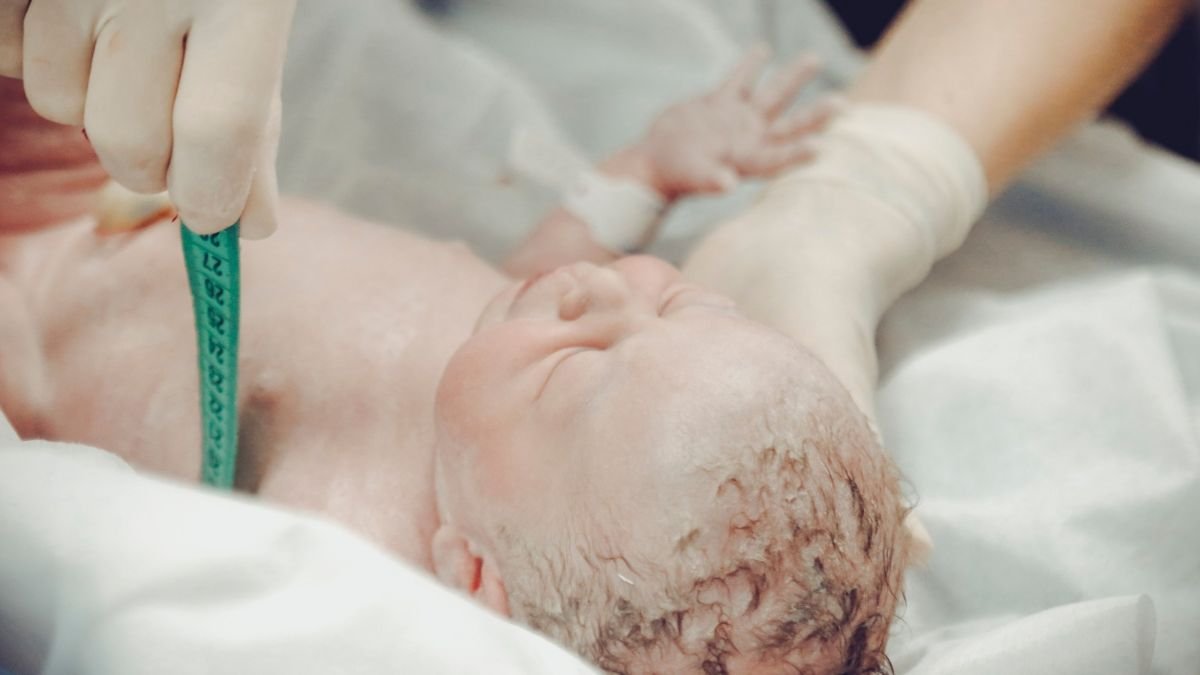
The extreme heat that swept across South and Southeast Asia in April 2024 may have contributed to more than 16,000 additional preterm births in India, Bangladesh and the Philippines, according to a new analysis by climate research organisation Zero Carbon Analytics. The report estimates that the heat event was associated with approximately 16,150 excess preterm births compared with the number expected during a typical April, based on temperatures recorded between 1991 and 2020. Of these, around 10,600 were attributed to the additional warming caused by human-induced climate change.
The estimates carry considerable uncertainty. The analysis places the range for heat-event-associated excess births between 10,100 and 22,400, while the estimate attributable to human-induced warming ranges from 5,100 to 17,700. The April 2024 event was made at least 45 times more likely by human-caused climate change. The heat persisted for about a month in India and Bangladesh and 15 days in the Philippines.
India: Highest Excess Preterm Births
India accounted for an estimated 10,050 excess preterm births, followed by Bangladesh with 5,515 and the Philippines with 585. The national increase, compared with a typical April, was estimated at 3.6% in India, 11.9% in Bangladesh and 10% in the Philippines.
Bangladesh recorded the highest rate of excess preterm births relative to the number of births, at approximately 19 per 1,000. The Philippines recorded around eight per 1,000. India’s figures varied considerably across states. Four states in the Indo-Gangetic region—Bihar, Uttar Pradesh, West Bengal and Jharkhand—accounted for 65% of India’s estimated excess preterm births. Their contribution reflects the combination of high population levels and substantial heat exposure during the event.
India’s average temperature in April 2024 was 0.94°C above normal. Several parts of the country experienced much higher anomalies, while nine states recorded temperatures below their respective averages. Tripura and Mizoram were approximately 2.7°C warmer than normal, with an estimated 11% increase in preterm birth risk.
West Bengal recorded a 10% increase in risk, Bihar 7% and Uttar Pradesh around 3%. Karnataka had the highest estimated excess rate, at 12 per 1,000 births. The state experienced a temperature anomaly of around 2°C and had a higher baseline preterm birth rate. The national estimate of 3.6% considers states that experienced warmer-than-normal conditions. Including the nine states that were cooler than average brings the estimated increase down to 3.2%.
Bangladesh had the Highest Excess Rate
Bangladesh recorded approximately 5,515 excess preterm births during the heat event, equivalent to around 19 per 1,000 births. Average temperatures were 2.88°C above normal. Dhaka and Chittagong together accounted for 47% of the country’s estimated excess births. The risk of preterm birth increased by approximately 10–15% across all divisions.
Mymensingh recorded the largest increase. Temperatures there were 3.59°C above normal, and the estimated number of excess preterm births was 24 per 1,000. Sylhet recorded the lowest rate, at 16 per 1,000. In the Philippines, the 15-day heat event was associated with an estimated 585 excess preterm births. Calabarzon accounted for around 100, while Metro Manila and Central Luzon recorded approximately 80 each. Metro Manila contributed 14% of the national estimate.
Average temperatures in the country were 2.44°C above normal. Cagayan Valley recorded a 15% increase in preterm birth risk, equivalent to around 12 excess births per 1,000. In Cagayan province, temperatures were 4.01°C above normal and the estimated risk increase reached 17%.
How Heat Affects Pregnancy
A preterm birth occurs when a baby is born alive before completing 37 weeks of pregnancy. Prematurity is a leading cause of neonatal mortality and can have lasting effects on a child’s physical development, neurological health and learning.
The study has found a relationship between high temperatures and an increased likelihood of premature delivery. A synthesis of studies cited in the Zero Carbon Analytics briefing found that a 1°C increase in heat exposure was associated with 4% higher odds of preterm birth. During heatwaves, the odds were 26% higher. Researchers are still investigating the biological processes behind this association. Heat exposure can cause dehydration and reduce blood flow to the placenta. It may also trigger inflammation and physiological responses that contribute to the onset of labour.
Pregnant women who undertake strenuous physical work or have limited access to drinking water face additional exposure. Poorly ventilated homes, metal and asbestos roofing, unreliable electricity and the cost of cooling can make it difficult to avoid excessive heat.
South Asia already has the world’s highest regional preterm birth rate. In 2020, the regional rate was 13.2%. India recorded 13%, Bangladesh 16.2% and the Philippines 7.7%. India accounted for approximately 20% of all preterm births worldwide that year. The briefing also cites research from Tamil Nadu that found pregnant women undertaking moderate to heavy physical work during heat stress had roughly twice the risk of miscarriage. This study examined miscarriage rather than preterm birth, but it provides further evidence of the reproductive health risks associated with occupational heat exposure.

How Climate Risks Affect Newborn Health and Survival
The briefing examines research linking high temperatures to other pregnancy complications. One global synthesis found that high heat exposure was associated with 28% higher odds of gestational diabetes and 48% higher odds of congenital anomalies. The evidence for these outcomes remains less extensive than that available on preterm birth. Floods, cyclones and other climate-related hazards also affect newborn health. In flood-prone areas of Bangladesh, infant death rates were estimated to be 8% higher. Research covering 1988–2017 attributed 152,753 excess infant deaths to flood exposure.
Exposure to cyclones during pregnancy or a child’s first year was associated with 10.4 additional infant deaths per 1,000 live births, a 27% increase. In India, studies have found higher rates of low birthweight in flood-affected regions. Poorer households exposed to floods also face a greater likelihood of low birthweight.
Air pollution adds to these health risks. In Bangladesh, exposure to fine particulate matter (PM2.5) was estimated to account for 4.4–4.9% of preterm births between 2015 and 2019. In India, maternal exposure to ambient PM2.5 during pregnancy was associated with 67% higher odds of preterm birth and 37% higher odds of low birthweight, after adjusting for temperature.
India Faces 15,300 More Preterm Births by Mid-Century
The report’s climate projections indicate that heat-related preterm births could increase by the middle of the century. Using climate model data for 2041–2060, it estimates around 15,300 excess preterm births during a typical April in India, compared with the historical baseline. The projected range is 6,800–28,100. For Bangladesh, the corresponding estimate is approximately 1,500, with a range of 630–2,900. The modelling uses two emissions pathways, SSP2-4.5 and SSP3-7.0.
India’s projected estimate is about 50% higher than the 10,050 excess births associated with the April 2024 event. Uttar Pradesh is expected to record the largest burden, followed by Bihar and Rajasthan. In Bangladesh, Dhaka is projected to have the highest number, followed by Chittagong and Rajshahi.
These projections depend on several assumptions. The model keeps the relationship between temperature and preterm birth unchanged and does not account for future physiological, behavioural or healthcare-system adaptation. It also incorporates projected declines in the number of births by mid-century—around 18% in India and 22% in Bangladesh. The figures represent a modelled estimate under specified climate and demographic conditions. They do not predict the exact number of preterm births that will occur.
Maternal Healthcare Plans and Heat Exposure
India has several programmes aimed at improving maternal and newborn health, including the India Newborn Action Plan and the Pradhan Mantri Surakshit Matritva Abhiyan. The programmes were not originally designed to address the specific health risks associated with extreme heat.
The Union Health Ministry has recently issued guidance on heat-related risks during pregnancy for healthcare professionals and community health workers. It covers the identification of high-risk pregnancies, warning signs, hydration, cooling, referrals and family preparedness. The National Programme on Climate Change and Human Health and state climate action plans could help incorporate these measures into maternal healthcare services. Existing state-level plans, however, have substantial gaps.
A review of 19 heat action plans and 16 state climate plans found that 12 of the 35 documents had no recommendations for pregnant or lactating women. The remaining 23 listed 214 strategies, of which only 40 specifically addressed pregnant or lactating women. Most recommendations focused on individual behaviour rather than structural measures such as improved housing, access to cooling and health-system support.
A September 2026 Wellcome Trust survey of 1,000 maternal healthcare professionals across five countries, including India, found that 73% had observed an increase in heat-related cases or complications among pregnant women over the previous five years. Around 92% said they needed more training and resources to manage these risks.
Bangladesh introduced national guidelines in 2024 through its Directorate General of Health Services and UNICEF to address heat-related risks among children and pregnant women. The Zero Carbon Analytics briefing did not identify a comparable heat-specific maternal health guideline or heat action plan in the Philippines.
Preparing for Heat-related Complications
Healthcare services can identify women at higher risk during antenatal visits and advise them on hydration, rest and reducing exposure during the hottest hours. Community health workers can monitor vulnerable pregnancies and help women access medical care when warning signs appear. Hospitals and primary health centres also need procedures to identify and manage heat-related complications.
Access to drinking water, affordable electricity, shaded workplaces and well-ventilated housing will influence how effectively women can protect themselves. Heat warnings need to reach pregnant women and their families in a form they can act on, particularly in communities where outdoor work and limited access to cooling make exposure difficult to avoid.
The April 2024 analysis estimates a substantial number of premature births associated with a single heat event across three countries. The projections for India and Bangladesh suggest that the pressure on maternal and newborn healthcare could increase as temperatures rise. Public health planning will need to account for heat exposure alongside existing risks such as undernutrition, air pollution and inadequate antenatal care.
Health
India Targets Recognition of One Lakh Tribal Healers. Can It Improve Healthcare and Livelihoods?
India’s Ministry of Tribal Affairs has set an indicative target to recognise one lakh tribal healers. The initiative seeks to document indigenous healing knowledge, improve healthcare outreach and explore livelihood opportunities for traditional practitioners.
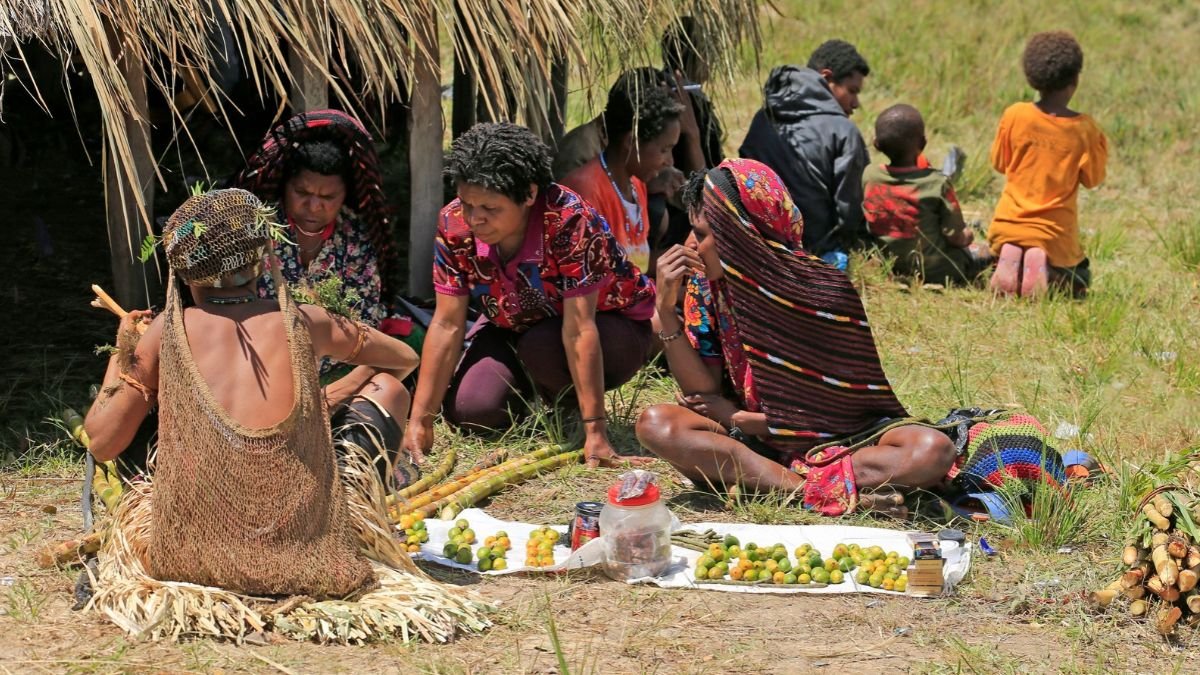
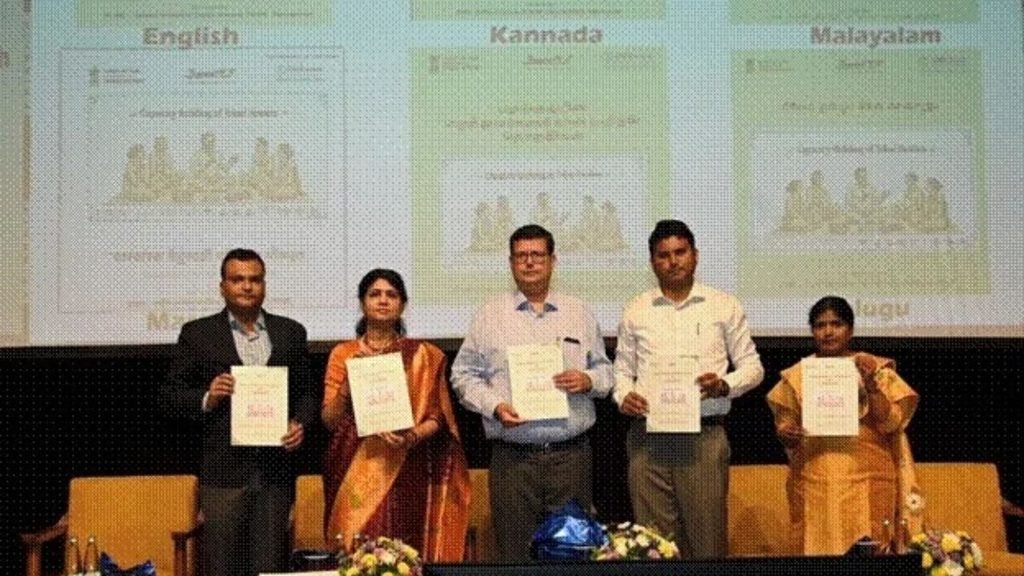
India has set an indicative target of recognising and enabling one lakh tribal healers as partners in its public healthcare system. The Ministry of Tribal Affairs, in collaboration with the Indian Council of Medical Research (ICMR), is organising capacity-building programmes to familiarise traditional practitioners with common health conditions, early identification of danger signs and referral procedures.
The latest program, held at Kanha Shanti Vanam in Hyderabad, brought together approximately 550 tribal healers nominated by State Tribal Welfare departments. Participants represented Andhra Pradesh, Goa, Karnataka, Kerala, Maharashtra, Odisha, Tamil Nadu, Telangana and Dadra and Nagar Haveli. The government’s target is one lakh, with state governments responsible for identifying and documenting practitioners.
What Specialities Do Tribal Healers Practise?
Traditional healthcare knowledge varies across tribal communities. It includes the use of medicinal plants, traditional preparations, assistance during childbirth, bone-setting techniques and culturally rooted healing practices.
For instance, a 2023 research study, Mapping of Traditional Healthcare Providers and Their Healing Approaches in a Tribal Community of District Sirohi, Rajasthan, identified 1,015 traditional healers among the Bhil, Meena and Garasia communities. It classified them into four categories: herbal healers (32.7%), diviners (28.9%), traditional birth attendants (24.7%) and bone setters (13.7%).
Herbal healers use plants and traditional preparations, while birth attendants assist women during childbirth. Bone setters manage musculoskeletal injuries through traditional methods. Diviners follow spiritual and ritual practices associated with understanding illness.
This illustrates the diversity of traditional healthcare roles within one district. They cannot, however, be treated as a nationwide classification. The November programme announcement does not provide a state-wise breakdown of participants or their individual specialities. This variation will need to be considered when the government develops recognition criteria and training modules. A common framework may help document practitioners, but their skills and community-specific knowledge require separate assessment.
Why Bring Tribal Healers to the Public Health System?
Traditional healers often have established relationships within their communities. Their familiarity with local languages, customs and geographical conditions can make them accessible sources of health advice, particularly in remote settlements where access to medical facilities is limited.
Tribal regions continue to face health challenges involving malaria, tuberculosis, leprosy, anaemia, undernutrition and maternal and child health. Geographical isolation and shortages of healthcare personnel can delay diagnosis and treatment. The November orientation programme addresses these gaps through training on communicable and vector-borne diseases, skin disorders, non-communicable diseases, metabolic and blood disorders, liver diseases and mental health conditions. It also covers referrals for snakebites, scorpion stings, animal bites, injuries, eye and ear disorders, oral health problems and newborn and infant care.
The emphasis is on recognising warning signs and directing patients to appropriate medical facilities. The programme does not authorise traditional healers to practise modern medicine or replace qualified healthcare professionals. Their potential role is particularly relevant to sickle cell disease, which affects several tribal populations. During the January 2026 national programme, experts from AIIMS Delhi discussed how healers could assist with early screening, counselling, addressing misconceptions and referrals. These activities could support India’s target of eliminating sickle cell disease as a public health problem by 2047.
Can Recognition Create Livelihood Opportunities?
Many traditional healers preserve knowledge through family and community traditions. However, their expertise often remains undocumented and receives limited institutional or economic recognition. The government’s initiative could provide a framework for documenting their skills, offering structured training and connecting practitioners with relevant institutions.
There is also scope for economic opportunities linked to traditional medicinal knowledge. During the January 2026 programme, the Ministry encouraged states to explore market linkages and partnerships with pharmaceutical and fast-moving consumer goods companies. These could support medicinal plant cultivation, community-based production and other enterprises involving traditional knowledge.
However, the government has not announced a specific remuneration package, employment guarantee or financial assistance for the 550 participants in the November programme. Training and certification alone do not establish a sustainable source of income. Any livelihood model will require fair compensation, access to markets and safeguards against the commercial exploitation of community knowledge.
Protecting Indigenous Knowledge
Documentation of traditional remedies raises questions about ownership and consent. Medicinal plant knowledge and healing practices are often preserved collectively over generations. Recording them without adequate safeguards could expose communities to unauthorised commercial use.
In its April 2, 2026, parliamentary response, the Ministry of Tribal Affairs stated that State Governments have primary responsibility for documenting indigenous tribal medical knowledge and preventing its misuse. The Ministry has also prepared a Standard Operating Procedure for capacity-building programmes that incorporates prior informed consent and respect for traditional knowledge systems.
These provisions will need effective implementation. Communities should understand what information is being recorded, who can access it and how commercial use will be regulated. Benefit-sharing arrangements are particularly important if companies develop products using indigenous knowledge. Conservation is another concern. Increased demand for medicinal plants could place pressure on forest resources if harvesting is not managed sustainably.
What Will Determine the Programme’s Success?
The Ministry’s wider efforts include the Bharat Tribal Health Observatory under Project DRISTI, established through a partnership with ICMR’s Regional Medical Research Centre, Bhubaneswar. It aims to strengthen tribe-specific health surveillance and research, with attention to malaria, tuberculosis and leprosy.
The national orientation programme and the observatory provide institutional avenues for connecting community-level knowledge with public health planning. Their effectiveness will depend on continued engagement with state health departments, accessible referral systems and training suited to different categories of healers.
Patient safety also requires clear boundaries. Traditional remedies cannot be presumed safe or effective without appropriate scientific evaluation. Practitioners must be able to identify emergencies and refer patients without delaying diagnosis or treatment.

AI-assisted telemedicine improves healthcare access in rural Rajasthan, study finds

OpenAI Promises Greater Transparency as Data Centre Backlash Grows in the US

WHO finds one in four adolescents worldwide gets no daily physical activity

How India’s Renewable Energy Expansion Helped Avoid 100 Billion Dollars in Fuel Imports

Global Ecosystem Restoration Progress Falls Short of 2030 Targets, UN Report Warns

Indian universities lead Asia in research output per faculty, but the country’s top six all slip in QS ranking

Knowing When to Think for Ourselves: AI, Intuition and the Education of Discernment

After a Scorching Summer, Delhi’s Children Are Slow to Return Outdoors

Two Chemists Win Nobel Prize for Solving a Century-Old Puzzle: Why Life Picks One Hand Over the Other

Europe Braces for Extremes as Commission Unveils Climate Resilience Framework
-

 Math3 months ago
The 2026 Fields Medals: Four Proofs, Four Decades-Old Problems Solved
-

 EP Deep Dive: Data & Solutions3 months ago
After Kerala’s Deadliest Landslide, the Hardest Thing to Rebuild Was Childhood
-

 EP Deep Dive: Data & Solutions4 months ago
West Asia Crisis: Can Kerala’s Returning Gulf Migrants Find a Future in the Green Economy?
-

 Space & Physics5 months ago
India Semiconductor Mission: ‘It’s Not About Fabs. It’s About Building An Entire Ecosystem’
-

 Interviews1 month ago
From Scams to Screens: How the National Stock Exchange Rewrote India’s Equity Story
-

 Climate & Environment5 months ago
The Climate World Cup? How Climate Change Could Affect Player Performance at the 2026 World Cup
-

 Society4 months ago
What Is Civilisational Diplomacy? Understanding India’s Newest Foreign Policy Tool
-

 Society5 months ago
From Bell Labs to the Classroom: A Second Career in Teaching