
Society
RFK Jr. at HHS: A health reformer or a risk to public safety?
Robert f. Kennedy jr. And the future of US Health policy: A closer look at the implications of his anti-vaccine stance and food reform efforts



Health
World Mental Health Day: How Late-Night Scrolling May Be Disrupting Sleep and Fuelling Anxiety
New research is examining how late-night smartphone use, disrupted sleep and passive social media scrolling may be linked to anxiety. Studies highlight the importance of digital habits and bedtime routines in understanding their potential effects on mental health, particularly among young people.

The day often ends with one last check of Instagram, a few minutes on YouTube or a scroll through messages before sleep. But what begins as a brief digital break can stretch late into the night, delaying bedtime and keeping the mind engaged when it should be winding down. Researchers are increasingly investigating whether this pattern of digital exposure, through its effects on sleep, may contribute to anxiety and other mental health difficulties among young people.
As World Mental Health Day is observed on October 10, emerging evidence suggests that the relationship between digital media and psychological well-being may depend not simply on how long people spend online, but also on when and how they use it.
A scoping review published in Computers in Human Behavior Reports in March 2026 examined longitudinal research on social media use and sleep among young people. The review found that approximately 70% of the longitudinal studies examined reported at least one negative association between social media use and sleep outcomes. The most consistent links involved later bedtimes and longer periods spent trying to fall asleep, particularly among those with problematic social media habits or who used platforms at bedtime.
The findings are significant because longitudinal studies track participants over time, helping researchers investigate whether digital habits precede subsequent changes in sleep. However, the authors cautioned that many studies relied on self-reported screen use and sleep patterns, limiting the strength of conclusions about cause and effect.
The review also identified an important distinction: total screen time alone did not consistently predict poor sleep. The timing of use and difficulty controlling online behaviour appeared to matter.
When sleep becomes the missing link
Sleep may help explain why certain patterns of digital engagement are associated with poorer mental health. Notifications, emotionally charged content and the pressure to respond immediately can keep users mentally alert. Scrolling in bed can also displace time that would otherwise be spent sleeping.
Insufficient or disrupted sleep can affect emotional regulation, concentration and the ability to manage everyday stress. For someone already experiencing anxiety, a poor night’s sleep may make worries more difficult to manage the following day. Repeated sleep disruption may then reinforce a cycle of distress and further digital engagement.
A systematic review and meta-analysis published in the Journal of Affective Disorders in December 2024 provides a broader picture of this relationship. Researchers assessed 182 studies involving 1,169,396 participants, with 98 studies and 102,683 participants included in the meta-analyses.

Representational image.Image credit:Pexels
The researchers found small but statistically significant associations between general social media use and anxiety and depression. Problematic social media use showed associations with anxiety, depression and sleep problems, alongside lower well-being. Importantly, ordinary social media use was not consistently associated with sleep problems or sleep duration, whereas problematic use was associated with sleep difficulties.
The relationship may also operate in both directions. People who struggle to sleep or experience anxiety may turn to their phones for distraction, reassurance or social connection. This can make it difficult to determine whether digital habits contribute to distress, whether distress encourages more digital engagement, or whether both are influenced by other factors.
Beyond the screen-time debate
The findings raise questions for families, schools, technology companies and public-health professionals. Advising young people to reduce screen time may be insufficient if it does not address bedtime habits, compulsive checking, online pressures and the reasons they turn to digital platforms in the first place.
Digital platforms can also provide friendship, information and mental health support. The challenge is to distinguish beneficial engagement from patterns that disrupt rest and emotional well-being.
As research advances, scientists will need to examine not only how much time young people spend online, but also what they experience there and how digital habits interact with sleep and existing vulnerabilities. The question is no longer simply whether people spend too much time on their phones. It is whether constant connectivity leaves enough room for the rest, recovery and emotional balance that mental health requires.
Society
Artificial Intimacy: Sherry Turkle’s Warning About the Chatbot Age
Artificial Intimacy by Sherry Turkle examines how chatbots may reshape empathy, attachment and human relationships, from childhood to old age.

The MIT sociologist’s new book argues that talking to machines wears down the skills we need to live with each other, and that this starts in the nursery.
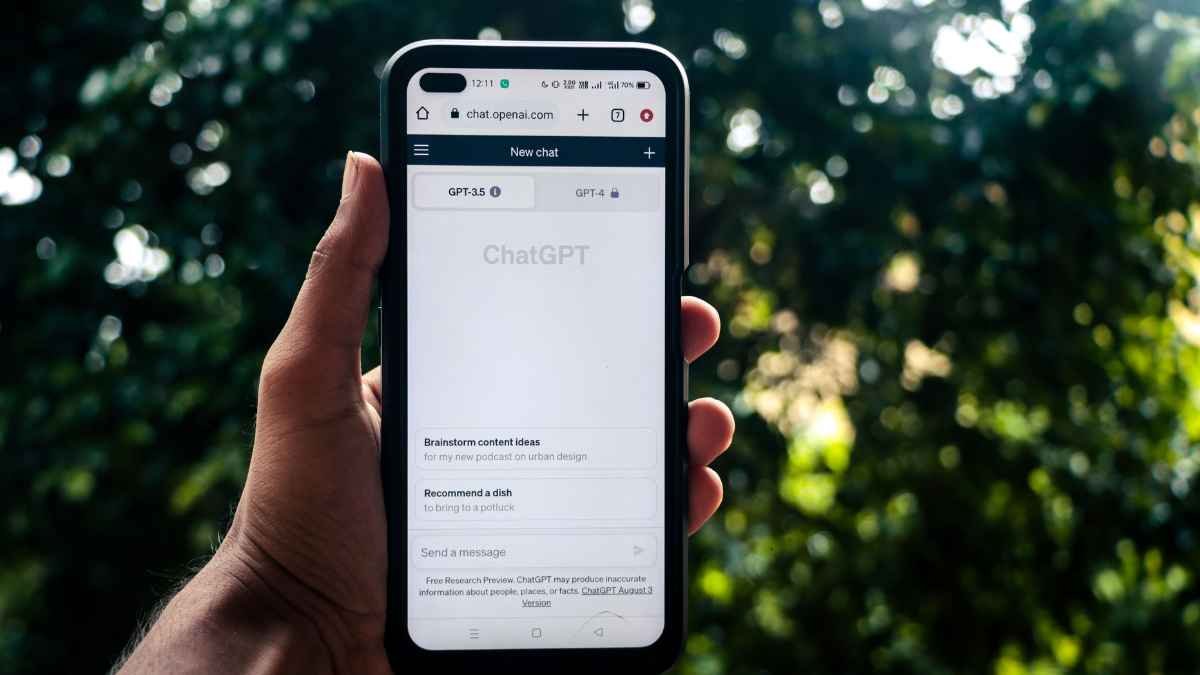
Sherry Turkle asked ChatGPT to play her mother. She had already fed it her own memoir, which describes a strained relationship with a woman who died in 1968. The chatbot obliged. Turkle describes the result in her new book as seductive and disturbing, and she comes away convinced that bringing the dead back as chatbots is dangerous: “playing with fire”, she writes.
The episode sits in Artificial Intimacy: Who We Become When We Talk to Machines, published by Little, Brown, which runs to 288 pages and sells in the US at $32. It is the fullest statement yet from one of the best-known critics of digital life. Turkle holds the Abby Rockefeller Mauzé chair in the social studies of science and technology at MIT. She trained as a sociologist and as a clinical psychologist. Her view is that heavy chatbot use does harm at every stage of life, from toddlerhood to old age and bereavement.
A career spent on one question
Turkle has been asking what machines do to the people who use them for four decades. The Second Self (1984) and Life on the Screen were early studies of how computers shape identity. Alone Together (2011) looked at social media and social robots, and Reclaiming Conversation (2015) at what phones and texting have done to talk. In 2021 she published a memoir, The Empathy Diaries, which is where the material about her mother comes from.

According to MIT News, she describes her subject as the inner history of technology, meaning not only what a device does but what it does to the person using it. This book applies that approach to chatbots, and it is her most alarmed.
The argument, stage by stage
Unless stated otherwise, Turkle’s remarks and the accounts of the people she interviewed come from material released by MIT. EdPublica did not interview her for this article.
The book is built around the stages of a life, and each section is driven by interviews.
Artificial intimacy, children and attachment
With children, Turkle reports a blurring of categories. One eight-year-old uses the same phone to speak to grandparents and to ChatGPT and files both as things you reach on a phone. A graduate student who uses a chatbot to tell her young daughter bedtime stories says the girl believes there is a person inside the phone. Turkle’s worry is partly about trust, since a device that can state falsehoods without knowing it cannot teach a child what trust is. It is also about solitude. Time alone, she argues, is where children build imagination and a sense of self, and a companion that is always available takes that time away. She calls the stakes for child development existential.
Adults appear as people who started with a practical use and drifted. They include people going through divorce or estrangement who want someone to talk to, students asking for advice on applying to university, and workers who hand assignments to a chatbot. One of her subjects, a middle-aged financial consultant she calls Brian (not his real name), keeps a chatbot with a woman’s name open on a third screen. After a partner ended their relationship, saying he was emotionally unavailable, he put the accusation to the chatbot and asked whether she was right. Turkle’s reading is that he was asking a program with no feelings to rule on feelings.
Her objection is simple to state. A chatbot, she says, produces a performance of empathy. It will tell you it loves you, and it has no stake in whether you hurt yourself or make dinner. People who mistake that performance for the real thing, she argues, begin to find actual people disappointing. Spouses and friends make demands, and the machine only flatters. “We’re starting to define being human as not doing the work,” Turkle said in the MIT material.
On grief, she is blunt. Rebuilding a dead parent or partner as a chatbot, which several people in her book have tried, risks weakening the ability to mourn.
Why people turn to chatbots
Reviewers have noted that Turkle does not treat users as fools. A good part of the book is spent on why the appeal is real. A chatbot gives full attention, never tires, and agrees with you. It spares you the risk of asking someone out or finding the words for a condolence. In her telling, the technology keeps offering to make the harder thing unnecessary, and people keep accepting.
She also admits that some of the demand is a result of a failed supply. Mental health care is hard to reach in the US, and the MIT material says she cites a federal study suggesting only about half of people have access to it. Chatbots are filling the gap, she says, for better or worse. She adds a pointed observation about the industry’s logic: social media thinned out people’s friendships, and chatbots are now sold as the remedy.
The book does not avoid the worst outcomes. Chatbots have been linked to teenagers’ deaths by suicide, in cases that followed long exchanges with chat tools, and Turkle treats these as part of the evidence.
What she wants instead
Her remedy is more cultural than technical. She wants readers to accept that life contains friction and that this is fine. Disagreement, embarrassment and waiting are, in her account, how people learn to cope, and an environment built to remove them leaves people less able to cope. She hopes for a social movement along the lines of the ones against phones in schools and unrestricted social media for the young, and says she would like to be part of it, not alone in it.
She is explicit about her readership. She wanted something that college students and high school seniors could read, and that parents and teachers would not find intimidating. The line she keeps returning to is a question: if the alternative to a richer life in the real world is not clear, what is the point of the exercise?
For the youngest children she is at her most severe. A parent worried that a teenager texts too much is in one kind of conversation, she says. A toddler who thinks a plush toy with a chatbot inside is their best friend is in another, because that touches the foundations of how a person learns to attach. Social media, in her phrase, came for attention, and chatbots come for attachment.
How the book has been received
Publishers’ blurbs have come from Jonathan Haidt, the psychologist behind The Anxious Generation, from former US Surgeon General Vivek Murthy, the author Esther Perel and the philosopher Michael Sandel, among others. Trade reviews have been favourable. Publishers Weekly called it a pointed critique and said it deserved a wide readership, and Kirkus described it as a strong case for resisting the urge to substitute AI for human bonds.
The reservations are of a different kind. Some readers say the book leans on anecdote, and a reviewer for a Christian publication, otherwise admiring, felt a dimension was missing. The method matters here. Turkle is a clinician and an interviewer, and her evidence is case studies and conversations, not controlled trials. That makes the book vivid and persuasive in its details. It also means the question of how common these outcomes are, and whether any chatbot use is benign or helpful, is left largely open. Readers who want the other side of the argument, including from the companies that make these products, will not find it here.
Society
Inside Gas Kitchens, Workers Face Heat as High as 50°C
Commercial kitchen air pollution can exceed health guidelines, with gas kitchens exposing workers to heat, nitrogen dioxide, benzene and carbon monoxide.




Thorium-229 Nuclear Clock Opens New Way to Probe Dark Matter

India Captures 5.7% of Global Greenfield Investment, Outpacing China

World Mental Health Day: How Late-Night Scrolling May Be Disrupting Sleep and Fuelling Anxiety

Climate Science Faces a Deadline: Can the IPCC Deliver Before the 2028 Global Stocktake?

Knowing When to Think for Ourselves: AI, Intuition and the Education of Discernment

From Scams to Screens: How the National Stock Exchange Rewrote India’s Equity Story

Aim for the Stars: Anjali Thomas’s Journey from a Small College in Kerala to the Frontiers of Medical Imaging

Two Chemists Win Nobel Prize for Solving a Century-Old Puzzle: Why Life Picks One Hand Over the Other

India’s AI Moment Rests on More Than Code

Marshall Islands: Why the US Nuclear Legacy Is Back Before the UN

-

 Math3 months ago
The 2026 Fields Medals: Four Proofs, Four Decades-Old Problems Solved
-
EP Deep Dive: Data & Solutions2 months ago
After Kerala’s Deadliest Landslide, the Hardest Thing to Rebuild Was Childhood
-
EP Deep Dive: Data & Solutions3 months ago
West Asia Crisis: Can Kerala’s Returning Gulf Migrants Find a Future in the Green Economy?
-
Space & Physics5 months ago
India Semiconductor Mission: ‘It’s Not About Fabs. It’s About Building An Entire Ecosystem’
-
Interviews3 weeks ago
From Scams to Screens: How the National Stock Exchange Rewrote India’s Equity Story
-
Climate4 months ago
The Climate World Cup? How Climate Change Could Affect Player Performance at the 2026 World Cup
-
Society3 months ago
What Is Civilisational Diplomacy? Understanding India’s Newest Foreign Policy Tool
-
Society4 months ago
From Bell Labs to the Classroom: A Second Career in Teaching