
Health
India Beat Hunger. Now It Has to Make Healthy Food Affordable
India has significantly reduced hunger through its food security programmes, but more than 520 million people still cannot afford a healthy diet. As food prices rise and nutrition gaps persist, India’s next challenge is ensuring that every family can access balanced, affordable meals.

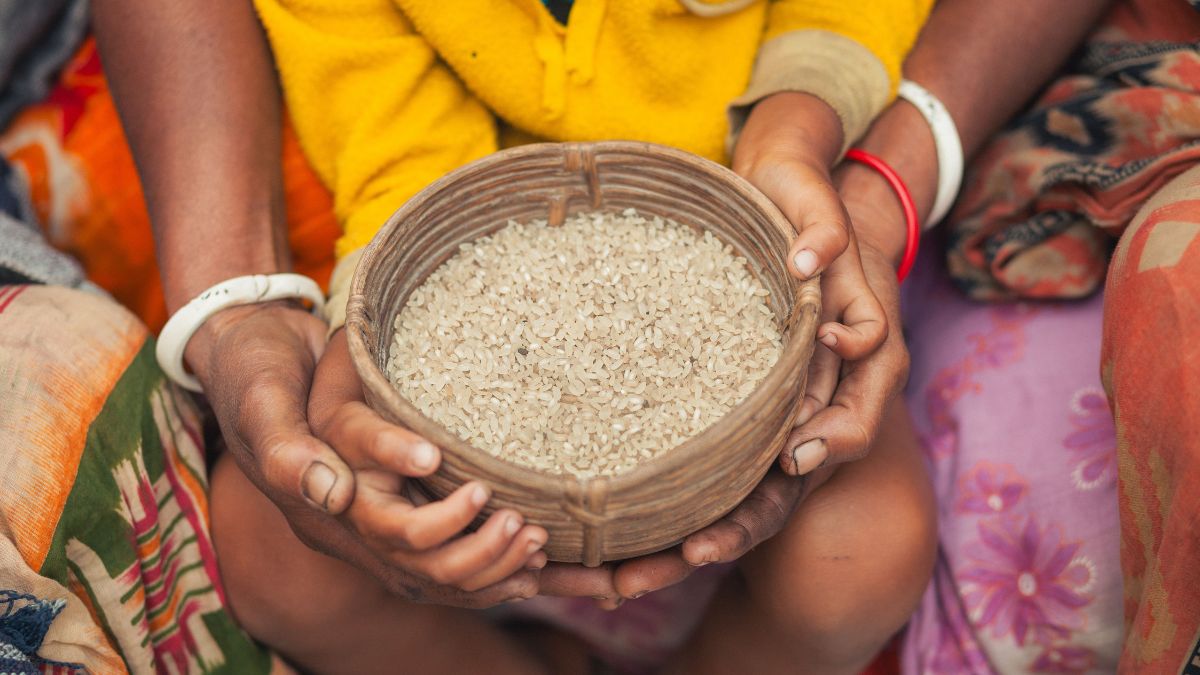
India has largely beaten hunger, but food security now faces a new test. A new UN report finds that while fewer people are undernourished, the high cost of healthy diets continues to keep nutritious food out of reach for millions.
Every month, nearly 800 million Indians collect subsidized rice and wheat from ration shops through the Public Distribution System (PDS). For millions of families, these grains ensure that no one sleeps hungry and ensure food security. It is one of the country’s biggest social protection programs and a key reason why hunger has steadily declined over the years. But as India wins one battle on food security, another is becoming harder to ignore.
The State of Food Security and Nutrition in the World (SOFI) 2026 report, released by the UN’s food and health agencies on 21 July, estimates that more than 520 million Indians cannot afford a healthy diet. More than one in every three people may have enough calories to get through the day but still struggle to regularly buy fruits, vegetables, pulses, milk, eggs and other nutrient-rich foods.
The contrast reveals a shift in India’s food security challenge. Hunger is no longer the country’s biggest concern. Nutrition is.
Food Security: India Solved the Problem of Empty Stomachs
India’s food security system was designed to tackle famine and chronic food shortages. The Green Revolution transformed cereal production, while government procurement and subsidised food distribution made rice and wheat accessible to poor households. During the Covid-19 pandemic, free food grain distribution further strengthened this safety net, protecting millions from falling into extreme hunger, ensured food security.
The strategy has worked. According to SOFI 2026, the prevalence of undernourishment in India has fallen from 21.1% in 2004-06 to 9.8% in 2023-25, a decline of roughly 101 million people, from 243.9 million to 142.5 million. Fewer Indians today are unable to consume the minimum calories required for a healthy life. For decades, this was the country’s biggest food security challenge.
Why Healthy Food Remains Out of Reach
Calories have become relatively affordable, while nutrition has become expensive. For many families, buying rice is rarely the problem. Buying milk every day, eggs for children or enough vegetables through the week often is. The imbalance is reflected not only in food prices but also in what Indians eat.
A study comparing Indian diets with the EAT-Lancet healthy diet found that among the poorest rural households, cereals provide around 70% of daily calories. By contrast, protein-rich foods contribute only 6-8% of total calories, far below the 29% recommended under the EAT-Lancet healthy diet. Even the richest Indian households consume fewer fruits, vegetables and non-cereal protein sources than recommended.
The affordability gap widens further when food prices rise. The share of Indians unable to afford a healthy diet has fallen sharply, from 59.8% in 2017 to 35.5% in 2025 — but SOFI 2026 puts the cost of that diet at US$4.11 per person per day (PPP) in 2025. Globally, the cost of a healthy diet has climbed from US$2.94 in 2017 to US$4.28 in 2025, an increase of roughly 45%.
Research published in the journal Food Policy paints a similar picture. It found that rural Indians typically spend only about US$1 per person per day on food, while a healthy diet costs between US$3 and US$5 per person per day. Much of that gap comes from the higher cost of fruits, dairy products and protein-rich foods.
Raj Patel, professor at the University of Texas at Austin and an expert with the International Panel of Experts on Sustainable Food Systems (IPES-Food), says this imbalance is rooted in the way food systems are organised.
“When 645 million people are hungry and one in three cannot afford a healthy diet, this is a failure of political choices. Healthy diets are becoming a luxury for billions, while farmers are paid less and consumers pay more. That isn’t an accident — it’s the result of a food system where a handful of powerful traders, processors and retailers set the prices and pocket the profits.”
His observation resonates in India, where cereals remain affordable through public support, while nutritious foods often become the first items families stop buying when household budgets tighten.
A Full Stomach Does Not Always Mean Good Nutrition
For decades, food security has largely been understood as having enough food on the plate.
According to neurologist Dr Arun Oommen, representative to the United Nations Economic and Social Council (ECOSOC), that understanding needs to evolve.
“The biggest misconception in India is that people think if their stomach is full, there is no malnutrition. People eat what is cheaply available, but those foods often lack the proteins, vitamins and minerals needed by the body.”, he told EdPublica
He says the pattern is especially common among low-income households, where meals are built around rice, with only small portions of vegetables or protein-rich foods.
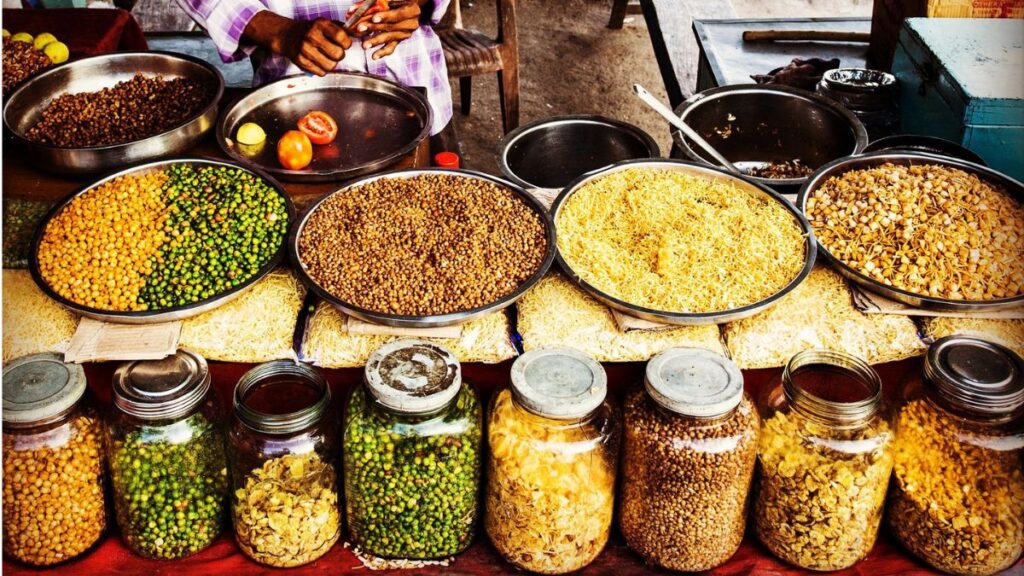
“Without adequate proteins, vitamins and minerals, the brain, muscles and other organs cannot develop properly. Many low-income families depend largely on carbohydrate-rich diets, with large portions of rice and very little protein or vegetables.”
The effects are often hidden. Children may get enough calories to avoid hunger but still miss out on the nutrients needed for healthy growth and brain development.
The Hidden Face of Malnutrition
The consequences are visible in India’s nutrition indicators. SOFI 2026 records that child stunting has fallen from 41.7% in 2012 to 32.9% in 2024 (from 53.3 million to 37.4 million children) — real progress, but still meaning more than one in three Indian children under five have low height for their age. Wasting stood at 18.7% (22.2 million children) in 2024, and anaemia among women aged 15-49 has risen from 50.1% in 2012 to 53.7% in 2023, now affecting 203.5 million women. These are signs not simply of inadequate food, but of diets that lack diversity.
This is where India’s food security story enters a new phase. Rice and wheat remain essential because they protect people from hunger. But they cannot, on their own, provide the balanced nutrition needed for healthy lives. As food inflation, climate change and disruptions to agricultural production continue to push up the prices of fruits, vegetables and pulses, nutritious diets become even harder to afford.
Jennifer Clapp, Canada Research Chair at the University of Waterloo and an IPES-Food expert, warns that global food systems face growing uncertainty.
“Global hunger remains stubbornly high. And the outlook for 2026 is deeply worrying. Geopolitics is increasingly shaping food security, with conflict, fertiliser disruptions, trade tensions, and El Niño-driven climate shocks threatening yet another surge in food prices.”
For India, another round of food price increases could widen the gap between escaping hunger and eating well.
The Next Step in India’s Food Security Journey
India has shown that large-scale public policy can reduce hunger. Few countries have built a food distribution system that reaches hundreds of millions of people every month. The next challenge is making healthy food just as accessible as cereals.
As Dr Oommen puts it: “Rice and wheat are important, but relying on them alone can create nutritional deficiencies. People need to include more vegetables, fruits and protein-rich foods in their diet.”
India’s food security story is no longer only about ensuring that people have enough to eat. It is about ensuring they can afford to eat well. The country’s next measure of success may not be how many empty stomachs it eliminates, but how many families can finally put a balanced, nutritious meal on the table.











Health
Why Some People Age Better Than Others May Be Written in Their Blood
A study links patterns in blood proteins and immune cells to long-term disease risk, offering new insights into why some people age more healthily than others.

Ageing does not affect everyone in the same way. While some people remain relatively healthy into their later years, others develop several chronic illnesses despite being of a similar age. Scientists are investigating whether part of this difference can be traced to the way the immune system changes over a lifetime.
A study published in Immunity, offers a new clue. Researchers found that the balance between two populations of immune cells was associated with people’s long-term risk of disease and death. They also developed a way to estimate this balance using proteins circulating in the blood.
The findings could help scientists identify biological changes associated with unhealthy ageing before symptoms appear. Why do some people’s immune systems remain resilient while others develop patterns associated with declining health?
Ageing Leaves Marks on the Immune System
The immune system changes as people grow older. Its ability to respond to unfamiliar threats can weaken, while some immune cells become more prominent after years of exposure to infections and other stimuli. These changes can influence how the body responds to disease.
To investigate these differences, researchers examined approximately 12.4 million immune cells collected from 2,609 adults aged 20 to over 90 across eight study groups. Their analysis focused on two populations of T cells, which are white blood cells involved in identifying and responding to threats. The cells were distinguished by their production of granzyme K and granzyme B, proteins that help coordinate immune responses and destroy infected or abnormal cells.
The researchers found that older adults did not share a single pattern of immune ageing. Instead, their immune systems varied considerably, with some showing a greater presence of cells associated with granzyme B and others displaying a different balance.
That variation mattered when the team examined participants’ health outcomes. An immune profile dominated by granzyme B-producing cells was associated with a higher risk of several chronic conditions and death over the following years. The finding suggests that a person’s immune system may reveal aspects of their health trajectory that their age alone cannot capture.
What Blood Proteins Can Reveal
Counting specific immune cells requires specialised laboratory techniques. The researchers therefore investigated whether the proteins circulating in blood could offer an alternative way to estimate the same underlying pattern. They used a smaller dataset linking immune-cell measurements with blood-protein levels to develop a computer model. This model was then applied to data from approximately 50,000 participants in the UK Biobank, a long-running research resource that tracks health and biological information.
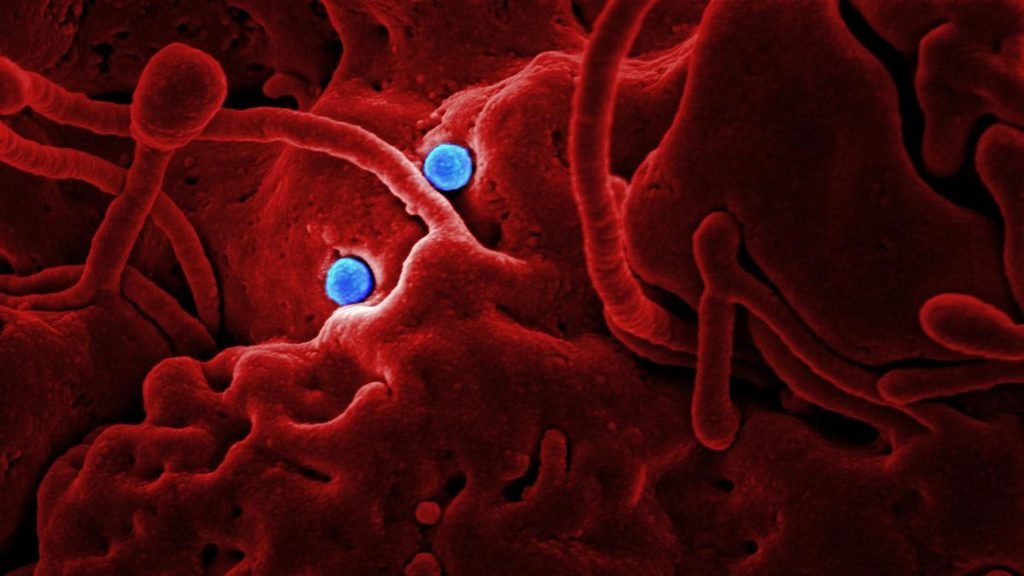
The team compared the predicted immune profiles with participants’ subsequent health records. Those whose profiles indicated a greater abundance of granzyme B-producing cells had higher risks of death and conditions including type 2 diabetes, hypertension, liver disease and kidney disease. The researchers followed health outcomes over an extended period, allowing them to investigate whether the blood-protein patterns were associated with future illness rather than simply reflecting differences observed at one point in time.
Could This Lead to an Early-warning Test?
One potential application is a blood test that helps identify people whose immune systems show signs associated with poorer long-term health. Many chronic diseases develop over years. Detecting biological changes before a person experiences noticeable symptoms could eventually give researchers and clinicians an additional way to assess risk and investigate preventive strategies.
The research team is working towards a simpler testing approach that could use standard laboratory equipment. At present, however, the findings represent a research advance rather than an established clinical test for healthy ageing. A useful test would need to do more than identify a statistical association. It would have to demonstrate that its predictions are sufficiently accurate for individual patients, work reliably across different populations and provide information that improves clinical decisions.
An Association That Needs Explanation
A greater abundance of granzyme B-producing cells could reflect underlying immune stress or other biological processes associated with disease. Researchers will need further investigation to establish whether these cells contribute directly to the development of chronic conditions or primarily act as indicators of changes occurring elsewhere in the body.
The results also require validation before the proposed protein signature can be used widely. A model developed from one set of participants may not perform equally well in people with different genetic backgrounds, lifestyles, environmental exposures or existing health conditions.
For ageing research, the larger opportunity lies in understanding why people follow different biological trajectories. A reliable marker could help scientists study these differences and identify when intervention might be most effective. The immediate achievement is a potential way to read some of those differences through blood. Whether that information can translate into longer, healthier lives will depend on the evidence that follows.
Health
WHO Urges Lifestyle-first Approach as 170 Million Children and Adolescents Live with Obesity
Around 170 million children and adolescents worldwide were living with obesity in 2024. The WHO recommends lifestyle interventions, mental health support and broader public health measures to address the growing burden.
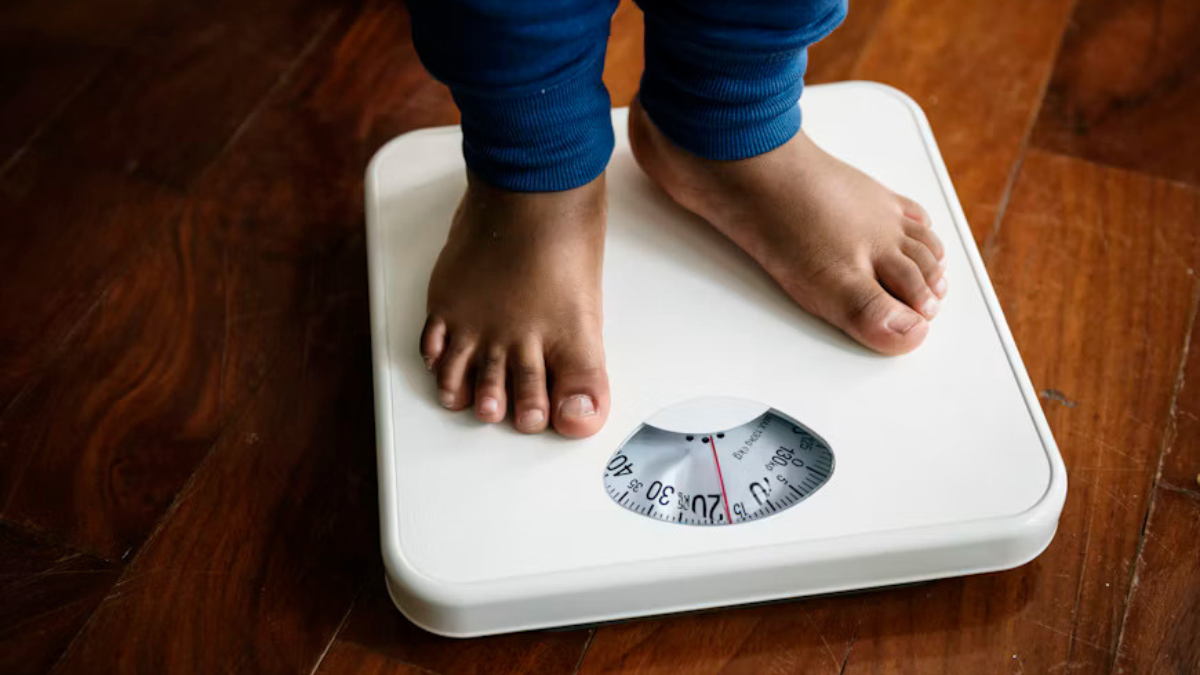
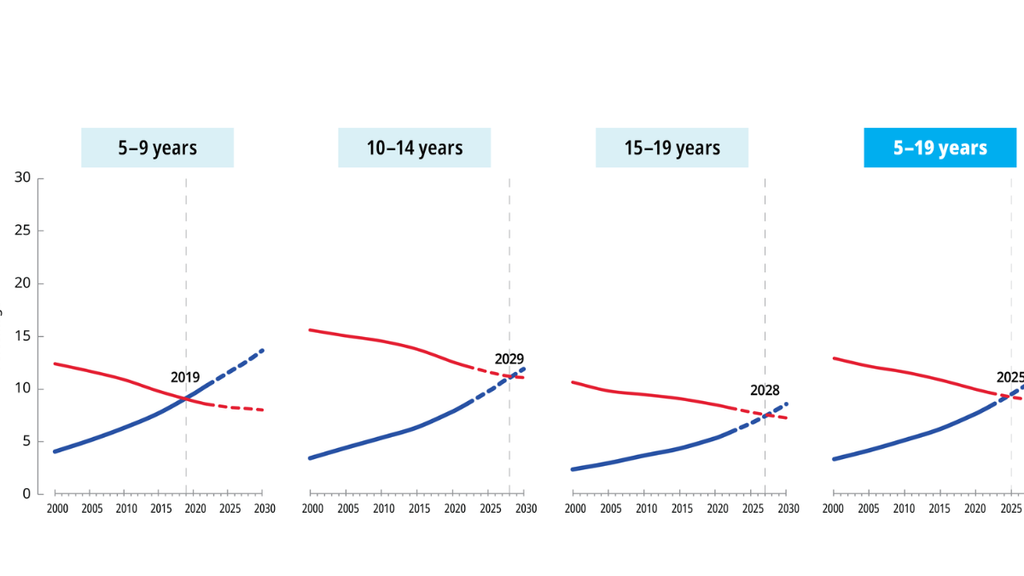
Around 170 million children and adolescents worldwide were living with obesity in 2024, including 70 million children aged five to nine and approximately 100 million adolescents aged 10 to 19, according to the World Health Organization (WHO). The prevalence of obesity among children and adolescents aged five to 19 has quadrupled since 1990, rising from 2% to 8%.
The scale of the problem extends beyond obesity alone. Around 400 million children and adolescents aged five to 19 were overweight worldwide in 2024, including those living with obesity. The prevalence of overweight, including obesity, in this age group increased from 8% in 1990 to 20% in 2024, according to WHO.
A separate analysis by the United Nations Children’s Fund (UNICEF) highlights a shift in the global burden of malnutrition. Its 2025 Child Nutrition Report found that, for the first time, the global prevalence of obesity among children and adolescents aged five to 19 had surpassed that of underweight, at 9.4% compared with 9.2%. UNICEF also reported that low- and middle-income countries accounted for more than 80% of children and adolescents living with overweight. The findings point to the growing importance of addressing unhealthy food environments alongside individual health needs.
In its first global guidelines on managing obesity in children and adolescents, WHO recommends comprehensive lifestyle interventions as the foundation of care, reserving medicines and surgery for selected cases. The guidelines emphasise that childhood obesity requires sustained medical support and broader action to create healthier environments.
WHO defines obesity as a chronic, relapsing disease characterised by excessive fat deposits that can be managed through effective treatment and care. Childhood obesity is associated with an increased risk of noncommunicable diseases, including type 2 diabetes and cardiovascular disease. Children may also experience stigma, discrimination and bullying, which can adversely affect their mental health and well-being.
Lifestyle changes and mental health at the centre of care
WHO strongly recommends dietary improvements, physical activity and other behavioural interventions as the primary approach to managing obesity in children and adolescents. Treatment should be tailored to individual needs, supported by long-term follow-up and designed to improve overall health and quality of life.
The agency does not recommend weight-loss medicines, bariatric surgery or weight-loss devices for children aged zero to nine. For adolescents aged 10 to 19, approved medicines, including glucagon-like peptide-1 (GLP-1) therapies, may be considered when supervised lifestyle interventions have failed to produce improvements. Bariatric surgery may be considered for adolescents with severe obesity under strict conditions.
“The foundation of obesity care for children and adolescents is not medicine or surgery, but access to comprehensive support that enables healthy eating, physical activity and sustainable behaviour change,” said Dr Luz María De Regil, director of WHO’s Department of Nutrition and Food Safety.
However, clinical treatment alone cannot reverse the growing burden of childhood obesity. WHO has called for policies that make nutritious food and opportunities for physical activity more accessible and affordable. These include regulatory and fiscal measures, alongside action in education, urban planning, transport and social protection.
UNICEF has similarly called for measures to improve school food environments, restrict unhealthy food marketing to children, strengthen food labelling and make nutritious foods more affordable.
Health
Centre Asks States to Ensure Hospitals Display Service Charges
The Health Ministry has urged States and Union Territories to enforce existing rules on displaying hospital service charges, with separate attention to package rates for international patients.

The Union Health Ministry has asked all States and Union Territories to ensure that hospitals and other clinical establishments prominently display their service charges, including package rates for foreign patients travelling to India for medical or Ayush treatment. In a letter to State Chief Secretaries, Union Health Secretary Punya Salila Srivastava called for compliance with existing rules requiring rates to be displayed in English and the local language.
The directive places the focus on enforcement of healthcare price-disclosure requirements intended to help patients understand treatment costs before making decisions about their care.
Rules Mandate Display of Rates
The Ministry’s letter refers to the Clinical Establishments (Registration and Regulation) Act, 2010, and the Clinical Establishments (Central Government) Rules, 2012. Under these provisions, clinical establishments in States and Union Territories where the Act applies must display the rates charged for each type of service, along with details of available facilities, in a conspicuous place. The information must be provided in the local language as well as English.
Srivastava said the display of rates would help patients and their families understand likely treatment expenses, make informed healthcare decisions and plan their expenditure.
The Act does not apply uniformly across India. States and Union Territories that have not adopted the central legislation regulate clinical establishments under their own legal frameworks. Implementation therefore depends on the regulatory arrangements in each jurisdiction.
Displayed Rates and Final Bills
A hospital’s price list can give patients an initial estimate of expenses, but the final bill may include charges that depend on the course of treatment. Medicines, diagnostic tests, consumables, additional procedures and a longer hospital stay can increase the amount payable.
The usefulness of a displayed rate depends partly on whether patients can identify what it covers. A procedure package that includes the operating theatre and a specified period of hospitalisation may not be comparable with one that excludes medicines, follow-up consultations or other services.
Clear disclosures of package inclusions, exclusions and possible additional charges would help patients assess estimates more accurately. Such information is particularly relevant to families paying out of pocket, who may need to arrange funds or compare providers before planned treatment. In emergencies, however, patients may have little opportunity to shop around.
The Ministry’s latest communication does not provide figures on current compliance, inspections or penalties for establishments that fail to display rates. The extent to which patients encounter missing, outdated or unclear price information therefore remains difficult to establish from the announcement alone.
Enforcement Rests with State Authorities
The central legislation provides for regulatory oversight of clinical establishments, with implementation responsibilities assigned to the relevant authorities. States and Union Territories operating under separate laws have their own regulatory arrangements.
The Ministry’s request will need to translate into checks on whether establishments display the required information and whether authorities respond to violations. Public reporting on inspections, complaints and enforcement action would help establish how consistently the requirements are being implemented.

Patients also need accessible channels to report establishments that fail to display rates or provide unclear information. Without effective complaint handling, the existence of a legal requirement may offer limited practical recourse to someone trying to understand a hospital bill.
Package Rates for International Patients
The Ministry has also asked States and Union Territories to ensure prominent display of package rates for foreign patients travelling to India on medical or Ayush visas.
Published rates can help international patients assess treatment costs before travelling, but package terms need to be explicit. The quoted price should clarify which procedures and services are included and whether medicines, complications, additional investigations or follow-up care may incur separate charges. These details can be especially important for patients who may find it difficult to resolve billing disputes after returning to their home countries.
What Price Transparency can Achieve
Displaying service charges gives patients access to information they need, but it does not establish whether prices are affordable or ensure that the final bill matches an initial estimate. Those questions require clear billing practices and scrutiny of how establishments communicate additional costs.
The Ministry has asked State and Union Territory administrations to enforce existing requirements. Evidence of progress will depend on compliance checks, action against violations and whether patients can obtain clear information about the services they are paying for. A price list is useful only when its terms are understandable and the charges applied during treatment can be explained.


Heatwaves are Affecting Fertility Traits in Bees.

Why Some People Age Better Than Others May Be Written in Their Blood

AI Models Could Soon Spread Across Smart Devices, Raising Cybersecurity Fears

WHO Urges Lifestyle-first Approach as 170 Million Children and Adolescents Live with Obesity

Centre Asks States to Ensure Hospitals Display Service Charges

From Scams to Screens: How the National Stock Exchange Rewrote India’s Equity Story

Knowing When to Think for Ourselves: AI, Intuition and the Education of Discernment

After a Scorching Summer, Delhi’s Children Are Slow to Return Outdoors

Two Chemists Win Nobel Prize for Solving a Century-Old Puzzle: Why Life Picks One Hand Over the Other

India’s AI Moment Rests on More Than Code

-

 Math3 months ago
The 2026 Fields Medals: Four Proofs, Four Decades-Old Problems Solved
-
EP Deep Dive: Data & Solutions3 months ago
After Kerala’s Deadliest Landslide, the Hardest Thing to Rebuild Was Childhood
-
EP Deep Dive: Data & Solutions3 months ago
West Asia Crisis: Can Kerala’s Returning Gulf Migrants Find a Future in the Green Economy?
-
Space & Physics5 months ago
India Semiconductor Mission: ‘It’s Not About Fabs. It’s About Building An Entire Ecosystem’
-
Interviews3 weeks ago
From Scams to Screens: How the National Stock Exchange Rewrote India’s Equity Story
-
Climate4 months ago
The Climate World Cup? How Climate Change Could Affect Player Performance at the 2026 World Cup
-
Society3 months ago
What Is Civilisational Diplomacy? Understanding India’s Newest Foreign Policy Tool
-
Society4 months ago
From Bell Labs to the Classroom: A Second Career in Teaching