MIT researchers have developed a “multimodal barcode” to identify senescent cells, helping scientists study their role in ageing and age-related...





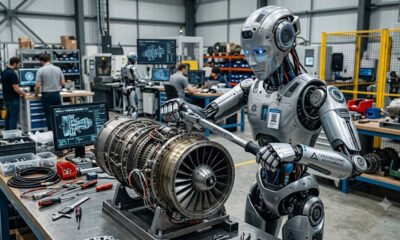

Artificial intelligence, quantum computers, and living laboratories are converging to rewrite what engineers do — and who, or what, does the designing.
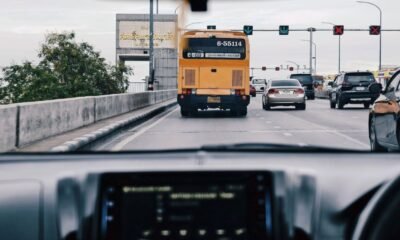

MIT researchers have developed an AI system that helps humans understand why self-driving cars make certain decisions. The technology could help safety drivers respond to failures,...


India insures only about 5% of its disaster-related losses, leaving most of the financial burden with households, businesses and governments. Globally, natural catastrophes caused around 100...


Meta’s 18 billion dollars child-safety settlement marks a major shift in how social media platforms are being held accountable for protecting young users, putting renewed focus...
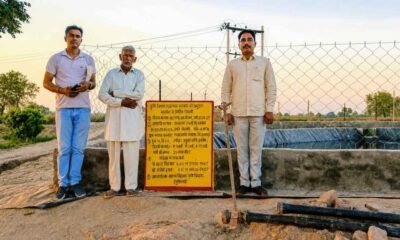

Farmers in Rajasthan’s Hanumangarh district built diggis, farm ponds and other water structures after receiving government approval under the Atal Bhujal Yojana. But with crores in...
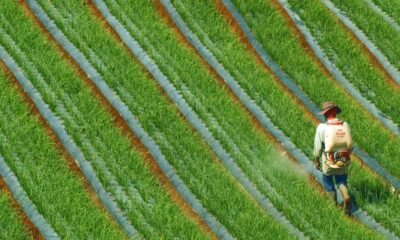

India’s fertilizer management system now links fertilizer purchases with farmer, land and crop data, allowing authorities to track consumption, monitor supply chains and assess fertilizer requirements...
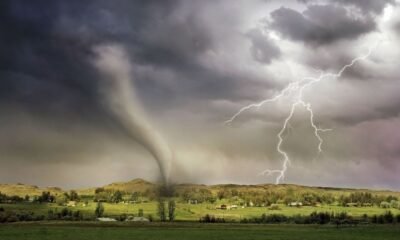

MIT researchers have developed a machine-learning tool that can generate plausible extreme-weather scenarios beyond historical records, offering planners a new way to prepare for unprecedented floods,...
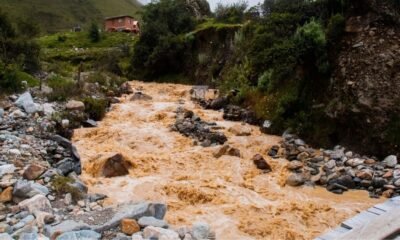

Nepal contributes only about 0.1% of global greenhouse-gas emissions, yet its communities face growing risks from glacier loss, floods and landslides. The latest glacier-related disaster shows...

Academic diplomacy could give India a new source of global influence as universities, research networks and student mobility become tools of foreign policy.

Six months into the Hormuz crisis, global fossil fuel importers have paid USD 330 billion above expected prices, with India’s additional bill reaching USD 22.5 billion....