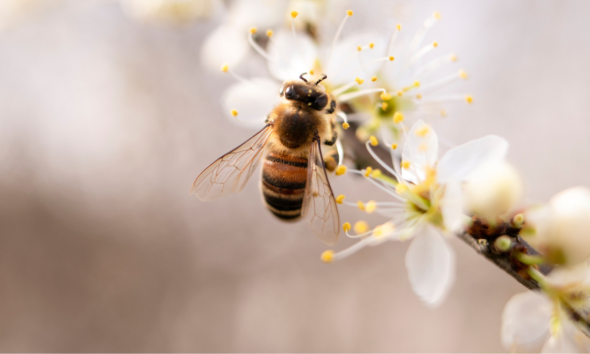
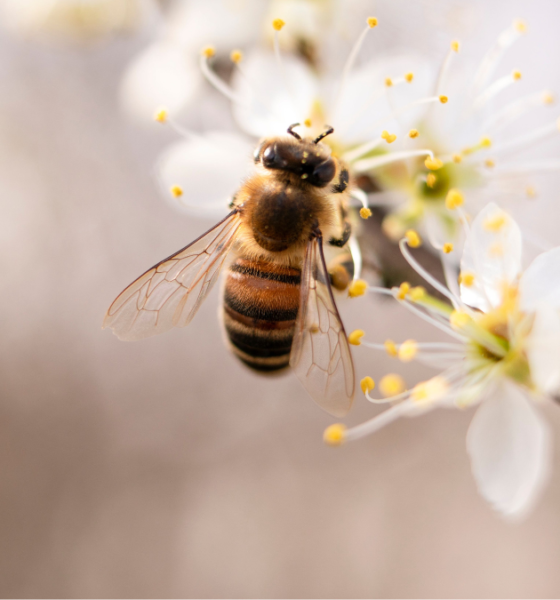
A new study finds that heatwave exposure during early development can impair fertility-related traits in solitary bees, raising concerns about...



Artificial Intimacy by Sherry Turkle examines how chatbots may reshape empathy, attachment and human relationships, from childhood to old age.





Researchers in South India are developing a personalised heat health risk tool that could improve heat warnings by linking environmental conditions with individual health risks.
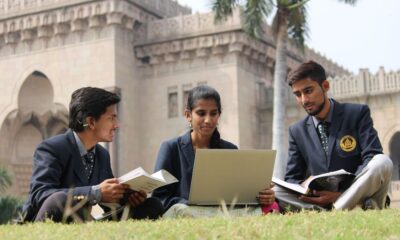

India’s higher education landscape is undergoing significant change. With the National Education Policy (NEP) 2020 aiming to make the country a global education hub, universities are...
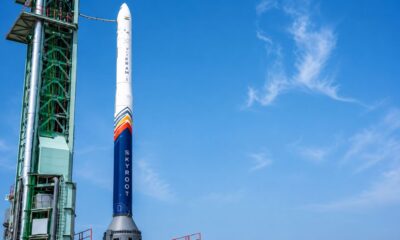

Skyroot Aerospace has become the first Indian private company to place a rocket into orbit with the successful maiden flight of Vikram-1. Beyond a technological milestone,...

From NEET paper leaks to education spending and ASER learning outcomes, here's what the data reveals about the strengths and weaknesses of India's education system.
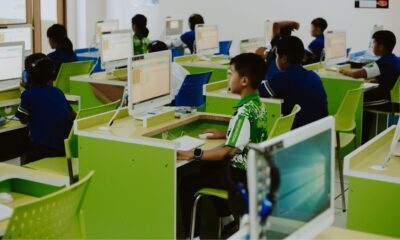

Karnataka has introduced an AI curriculum that allows Class 9 and 10 students in government schools to opt for Artificial Intelligence instead of a third language....
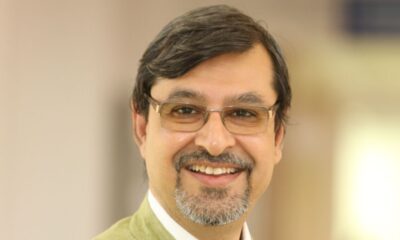

NMIMS has appointed Prof. Sougata Ray as its new Vice Chancellor. The former ISB professor will lead the university's focus on research, innovation, and AI-enabled education.
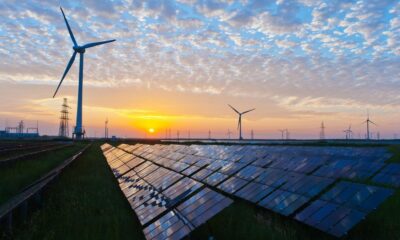

India's solar and wind energy crossed the 100 GW mark for the first time, supplying nearly half of the country's electricity at one point. The milestone...
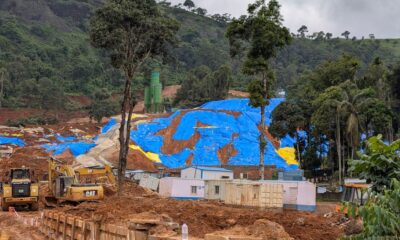

A landslide at the Kalladi tunnel project has renewed fears in Meppadi, where residents say every monsoon brings uncertainty. Experts explain why fragile geology, changing rainfall...
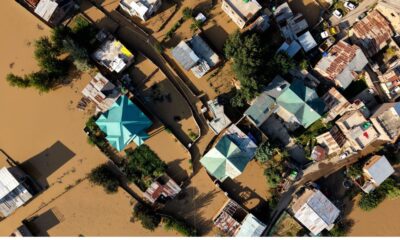

Days of intense monsoon rain triggered flash floods and landslides in Jammu and Kashmir's Poonch and Rajouri districts, killing at least 14 people and damaging homes,...


As nights grow warmer across South India, sleep is becoming another casualty of climate change. A new analysis finds that rising nighttime temperatures are cutting into...