Sustainability
Kochi’s Sustainable Mobility Model Earns Global Recognition with UITP Impact Award 2026
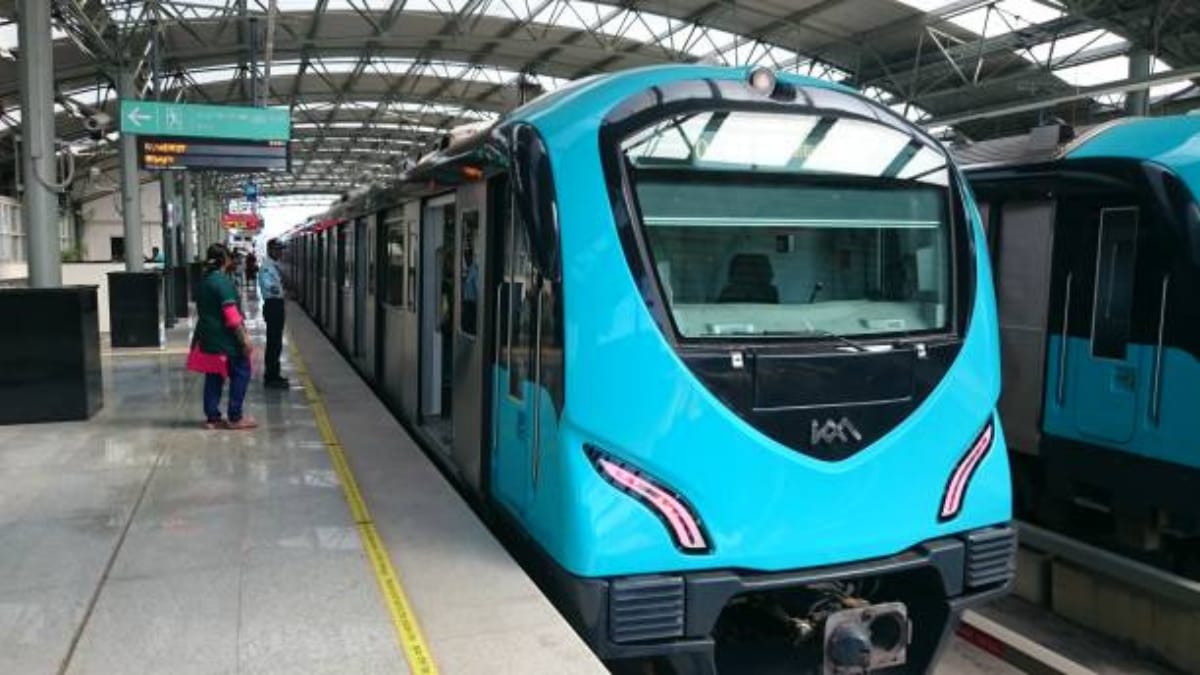
Kochi’s integrated public transport system has received global recognition for advancing sustainable urban mobility, with Kochi Metro winning the UITP Impact Award 2026 for successfully connecting multiple modes of public transport into a seamless network.
The award was presented at a ceremony in Brussels, Belgium, honoring Kochi Metro’s efforts to integrate its metro rail network with the Water Metro’s fleet of electric boats, creating one of the world’s few public transport systems that combines rail and inland water transport under a unified mobility framework.
At the heart of the recognition is Kochi’s commitment to reducing dependence on private vehicles by making public transport more accessible and convenient. The city’s mobility network links metro stations with electric feeder buses, while a digital mobility platform enables commuters to plan and access different modes of transport through a single system.
Kochi Metro: The multi-modal approach
Through this modal, passengers can move seamlessly between metro trains, electric boats and feeder buses, improving first- and last-mile connectivity while encouraging a shift towards cleaner modes of travel.
The award highlights how sustainable mobility extends beyond introducing low-emission transport. By integrating different services into a connected network, Kochi has sought to make public transport more efficient, reliable and attractive for daily commuters.
The UITP Impact Awards recognise public transport initiatives from around the world that demonstrate innovation, sustainability and improvements in passenger experience. Kochi Metro’s recognition underscores the growing international attention on integrated mobility solutions as cities look for ways to reduce transport-related emissions and build more sustainable urban transport systems.
Technology
Indian School Students Develop Waste-Based Material for Affordable Prosthetics
Reviv3D, developed by three Bengaluru school students, combines recycled plastic, bagasse and basalt to explore a more affordable and sustainable material for prosthetic technology. The innovation won the global finals of Monash University’s Change It Challenge.
For thousands of people living with limb loss in India, getting a prosthetic limb can remain out of reach because of cost and limited access. Vidushee, Shravya and Shloka, students of Mallya Aditi International School in Bengaluru, have developed a material that they believe could help make some prosthetic components more affordable. Their project, Reviv3D, uses a composite made from recycled plastic, bagasse and basalt. The students say the material is stronger than some fibreglass alternatives, considerably cheaper and recyclable.
The project has now won the global finals of Monash University’s Change It Challenge in Melbourne, giving the students an international platform to present their approach to an issue that sits at the intersection of healthcare, materials science and sustainability.
A Shortage Shaped By Cost
Access to a prosthetic limb is not determined only by whether the technology exists. Its cost, availability and suitability for an individual’s needs can determine whether a person is able to obtain and use one. The competition material cites around 23,000 amputations annually in India and notes that many people do not receive prosthetic limbs because of their cost.
India has developed several approaches to making prosthetic technology more accessible. The Jaipur Foot, for example, became widely recognised for providing relatively low-cost prostheses designed around local requirements.
Reviv3D approaches the problem from another direction: the material itself. The students asked whether materials that are readily available as waste could be combined to produce a strong, functional and lower-cost material for prosthetic applications.
Reviv3D: Three Waste Materials, One Composite
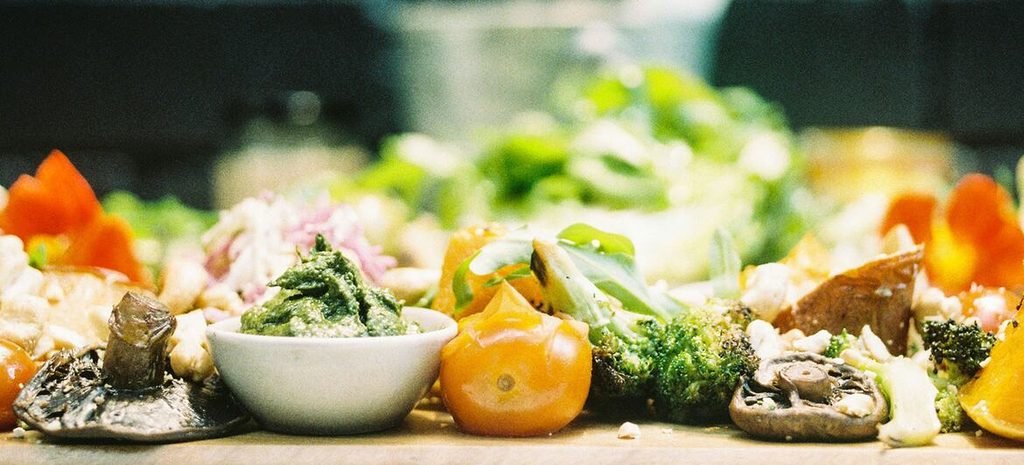
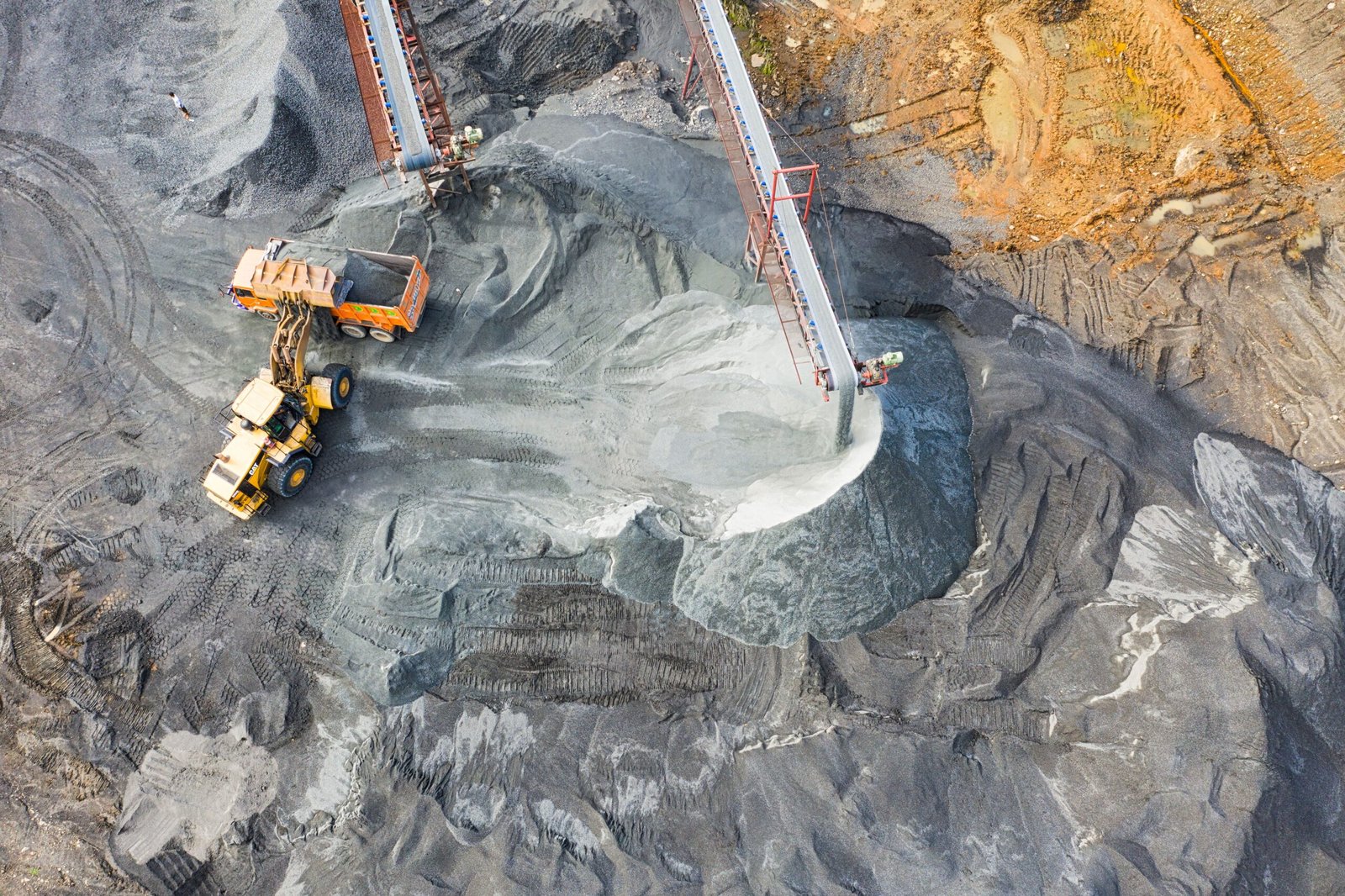
Reviv3D combines three main inputs. Recycled plastic forms the polymer component of the material. Bagasse, the fibrous residue left after sugarcane or sorghum is crushed to extract its juice, provides plant-based reinforcement. Basalt, sourced from stone-crushing waste, adds another reinforcing component. Together, these materials form a composite. The principle behind a composite is to combine materials with different properties so that the final product can perform better than its individual components might on their own.
Bagasse has been studied as a natural fibre for reinforcing composite materials, while basalt is valued for properties such as strength and stiffness. The students’ work brings these materials together with recycled plastic for a potential use in prosthetic technology.
Their stated aim is to produce a material that can offer the required strength at a substantially lower cost than some conventional alternatives.
An Environmental Solution Alongside a Healthcare Problem
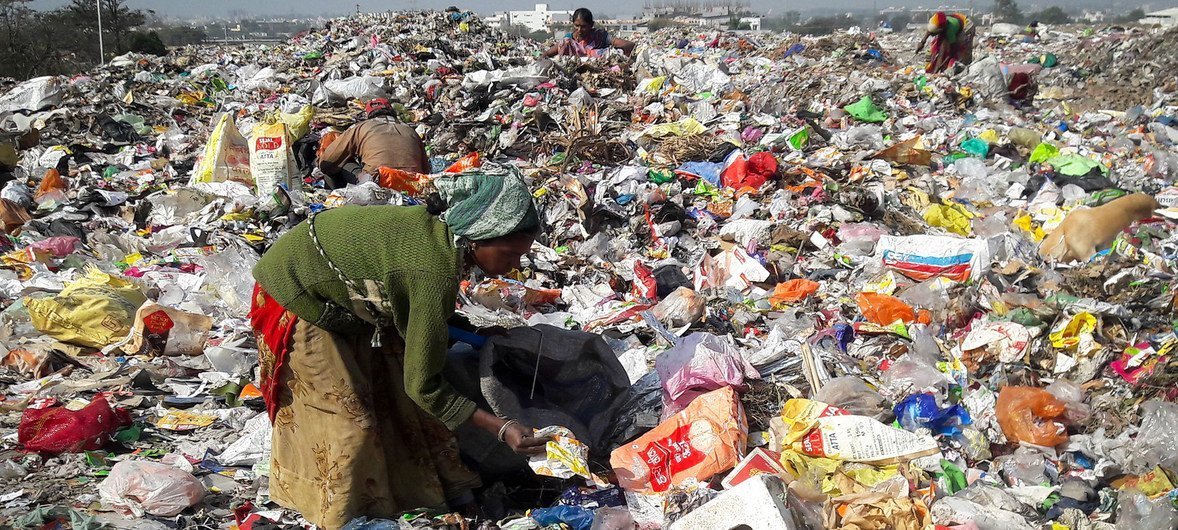
The project also has a second dimension. Each of the materials used in Reviv3D comes from a waste stream or a material that can otherwise have limited value after its primary use. Plastic waste is one of India’s persistent environmental challenges. Agricultural residues such as bagasse are generated in large quantities, while stone-crushing produces substantial quantities of mineral waste.

Using such materials in a new composite creates the possibility of turning waste into a resource. This idea is central to the circular economy: rather than following a linear model in which materials are extracted, manufactured into products and eventually discarded, materials are kept in use for as long as possible.
Reviv3D does not solve the plastic or industrial-waste problem by itself. But it demonstrates how a waste material can be considered as an engineering input rather than simply something that needs to be disposed of. That becomes particularly interesting when the resulting product is intended for a socially important application.
Why the Material Matters
For a prosthetic application like Reviv3D, affordability cannot come at the expense of performance. A prosthetic component may be exposed to repeated loads and movement over long periods. The material therefore needs to withstand mechanical stress while remaining light and durable.
That means the students’ claims about strength and cost will need to be tested systematically. Further research would need to examine properties such as tensile and compressive strength, fatigue resistance, impact resistance, weight, flexibility and durability. Researchers would also need to establish whether the material can be manufactured consistently at scale.
The conditions in which a prosthetic is used can also affect material performance. Exposure to moisture, temperature changes and repeated mechanical stress can alter materials over time. If Reviv3D progresses towards medical use, additional safety testing, clinical evaluation and regulatory approval would be required.
The information released by Monash does not indicate that the material has undergone clinical trials or received regulatory approval. It is therefore more accurate to describe Reviv3D as a student-developed material innovation with potential for further research, rather than as an already validated prosthetic technology.
From Bengaluru to Melbourne
The project Reviv3D was developed by Vidushee, Shravya and Shloka at Mallya Aditi International School. Their work progressed to the global finals of Monash University’s Change It Challenge, which brings high school students together to develop solutions to real-world problems.
Vidushee and Shravya represented the team at the Melbourne final, while Shloka was unable to attend. The judging panel, led by Monash University Executive Director of Student Recruitment Amy Gledden, praised the team’s problem-solving abilities, scientific approach and human-centred design.
As part of the programme, the students attended academic sessions, visited Monash’s Clayton and Caulfield campuses and interacted with researchers.
For Vidushee and Shravya, the experience also offered an opportunity to develop the project further. They said the competition helped them strengthen their research, communication and teamwork skills and encouraged them to explore how their work could contribute to more affordable healthcare.
What Needs to Happen Next?
Winning the competition is an important milestone, but determining whether Reviv3D can become a practical prosthetic material will require further research. The first step would be rigorous laboratory testing to establish how the composite behaves under different mechanical conditions. Researchers would then need to examine manufacturing, cost, durability and the specific prosthetic components for which the material might be suitable.
There is also an important question about who would use the technology and how it would be produced for them. Prosthetic devices often require individual fitting and adjustment, so affordability depends not only on the raw material but also on manufacturing, design, fitting and follow-up services.
These are challenges that the students’ prototype cannot answer on its own. But Reviv3D begins with an important idea: a healthcare problem does not always require a solution from a single field. Here, materials science meets assistive technology, while waste materials become part of the search for a more affordable solution. The project does not yet establish that recycled plastic, bagasse and basalt can replace existing prosthetic materials. That will depend on further testing.
What the three students have demonstrated is that a question about access to healthcare can lead to another question about how we use the materials around us—and whether some of what we call waste could instead become part of the solution.
Society
From Soil to Profit: How Organic Turmeric Changed the Fortunes of a Tribal Farming Family
A tribal farming family in Rajasthan’s Banswara district improved its livelihood through organic turmeric farming, value addition and diversified agriculture.
A farming couple in Rajasthan’s Banswara district transformed their livelihood through organic turmeric farming, value addition and a nutrition garden, demonstrating how sustainable agriculture and crop diversification can strengthen rural incomes and food security.
In India’s tribal regions, farming has never been merely a means of livelihood—it has been a way of life carried forward across generations. Yet changing markets, rising input costs and climate uncertainty are encouraging some farmers to combine traditional knowledge with new approaches.
Mangalsingh Ganaga, a farmer from Phalwa village in Rajasthan’s Banswara district, is one such example. By introducing organic turmeric cultivation alongside his existing crops and adding value through processing, he improved his household income while demonstrating how sustainable farming can create new opportunities for smallholders.
Organic Turmeric Farming And The Turnaround
Turmeric has long been an inseparable part of Indian kitchens and Ayurvedic medicine. Rich in curcumin—the compound responsible for its distinctive yellow colour and medicinal properties—it has traditionally been used to treat ulcers, digestive disorders and a range of other ailments. Because turmeric is used in almost every Indian household, demand remains steady throughout the year, making it an attractive crop for farmers who have access to quality seed, organic cultivation techniques and local markets.
Building on Traditional Farming
Phalwa village, located in Anandpuri tehsil of Banswara district, is a predominantly tribal settlement where agriculture and livestock remain the backbone of rural livelihoods.
Mangalsingh cultivates six bighas of irrigated land, growing maize, black gram, sesame and patharia rice during the kharif season, followed by chickpea and wheat in the rabi season. His household also maintains four buffaloes, three cows, two bullocks and five goats, providing milk, farm labour and a steady supply of organic manure.
Although he had long wanted to experiment with natural farming methods, he lacked the technical guidance to do so.
“I had always wanted to try something new alongside my traditional farming, but I didn’t know where to begin. Once I learned about organic farming and received proper guidance, I finally had the confidence to experiment on my own land,” says Mangalsingh.
The turning point came when he met Lalita Makwana, a community facilitator with VAAGDHARA, a Banswara-based organisation working with tribal farming communities. Through the Gram Swaraj Self-Help Group, he was introduced to VAAGDHARA’s Sachchi Kheti (True Farming) programme, which trains farmers in organic cultivation and sustainable agricultural practices.
Learning Organic Farming
Through VAAGDHARA’s Farmer Field School, Mangalsingh gradually reduced his dependence on chemical fertilisers and pesticides, replacing them with farmyard manure and dashparni extract, a traditional bio-pesticide prepared by fermenting ten bitter or pungent leaves—such as neem and custard apple—with cow urine and cow dung.
Rather than replacing his existing crops, he adopted a mixed-cropping system by cultivating maize alongside turmeric. The approach not only reduced production risks but also created an additional income stream from the same piece of land.

To maximise returns, he moved beyond selling raw turmeric. Instead, he processed part of his harvest into turmeric powder and packaged it for sale, allowing him to secure a substantially higher market price.
Adding Value Increased Income
Under the Sachchi Kheti programme, Mangalsingh received five kilograms of turmeric seed, which he planted on a 20 × 25-foot plot using approximately 400 kilograms of cow-dung manure from his own livestock. Technical guidance throughout the cultivation cycle—from sowing to harvesting—came through VAAGDHARA’s Farmer Field School.
He sowed the crop in the first week of July 2025 and harvested it in May the following year, producing 60 kilograms of turmeric from the initial five kilograms of seed.
Rather than selling the entire harvest as raw produce, he adopted a value-addition strategy:
>> 20 kg of raw turmeric sold at ₹150 per kg, earning ₹3,000
>> 30 kg processed into turmeric powder and sold at ₹400 per kg, earning ₹12,000
>> 10 kg retained for household consumption and seed for the next planting season
The turmeric generated gross sales of ₹15,000. Because the seed was supplied through the programme and the manure came from his own livestock, cash input costs remained relatively low. He also found ready buyers without travelling to distant markets, as word spread locally about the chemical-free turmeric.
A Nutrition Garden Brings Additional Income
The family’s transformation did not end with turmeric.
Mangalsingh’s wife, Shantidevi Ganaga, received a vegetable seed kit through VAAGDHARA’s Poshan Vatika (Nutrition Garden) initiative. The kit included seeds for okra, cowpea, bottle gourd, ridge gourd, tomato, brinjal, cluster beans, fenugreek, spinach and chilli.
The garden supplied fresh vegetables for the family’s own consumption while generating an additional income through surplus sales.
“The nutrition garden not only improved our family’s diet but also gave me an income of my own. Selling the surplus vegetables helped strengthen our household finances,” says Shantidevi.

Over the course of the year, she earned around ₹60,000 by selling vegetables—making a significant contribution to the family’s overall income while improving household nutrition.
Diversification Builds Resilience
Both Mangalsingh and Shantidevi continue to participate in VAAGDHARA’s Farmer Field School, where community facilitators provide technical guidance while encouraging farmers to exchange experiences and learn from one another.
The family’s journey highlights a broader lesson for smallholder agriculture: diversification strengthens resilience. Grain crops, organic turmeric, livestock and vegetables together provide multiple income streams, reducing dependence on any single crop or growing season.
Programmes such as Sachchi Kheti and the Nutrition Garden initiative aim not only to improve farm incomes but also to encourage environmentally sustainable agriculture that supports long-term soil health and reduces dependence on chemical inputs.
Lessons Beyond One Farm
For Mangalsingh and Shantidevi Ganaga, organic farming has become more than a change in cultivation practices—it has become a pathway to greater economic security and improved food security.
Their experience illustrates how technical guidance, value addition and diversified farming can work together to strengthen rural livelihoods. Whether such success can be replicated more widely will depend on sustained farmer training, market access and continued support for sustainable agriculture. But for one tribal farming family in southern Rajasthan, a small turmeric plot and a nutrition garden have already demonstrated how innovation rooted in local knowledge can deliver lasting change.
Sustainability
CBAM May Hurt India’s Steel Exports Less Than Feared. Here’s What Mills Can Do
India’s steelmakers face growing pressure from the EU’s CBAM, but cleaner production could help reduce costs and protect exports. A new analysis outlines how mills can adapt by directing lower-emission steel to Europe, improving emissions reporting and investing in cleaner capacity.
For India’s steelmakers, the European Union’s Carbon Border Adjustment Mechanism (CBAM) is no longer a distant policy concern. The system entered its definitive phase in January 2026, putting the carbon intensity of exported steel firmly on the industry’s balance sheet. The focus is now shifting from the potential impact of CBAM to how Indian steelmakers can adapt to it.
A new analysis by climate think tank Sandbag argues that the impact could be substantially smaller than feared if Indian producers make strategic changes to where and how they produce steel. Its modelling suggests that, under an “expected” scenario, total CBAM costs for India’s steel exports could fall from 762 million Euro to around 79 million Euro as exporters optimise low-emission production. Under a more ambitious scenario involving new low-emission capacity, the modelling puts the sector at a potential 44 million Euro net benefit.
The Impact Is Already Showing Up in Trade
There are early signs of pressure on India’s steel exports to Europe.
India’s iron and steel exports to the EU fell 13% in the four months through April 2026 following the rollout of CBAM, according to Department of Commerce data cited by ICRIER. A June 2026 ICRIER study estimated that India’s steel exports to the EU could eventually fall by 24% because of CBAM.
However, the decline cannot be attributed to CBAM alone. Steel exports are also influenced by global prices, demand, freight costs and trade measures. The significance for Indian mills is therefore not just the possibility of selling fewer tonnes. Higher carbon-related costs could also squeeze margins or make Indian steel less competitive against lower-emission producers.
This is where the Sandbag analysis offers a different perspective. Its modelling suggests that Indian steelmakers can reduce their exposure by changing what they produce, where they sell it and how quickly they lower emissions.
First: Stop Treating Indian Steel as One Block
India’s steel industry is not uniformly high-emission. Different plants and production routes have different carbon intensities. That matters because CBAM does not simply impose the same burden on every tonne of steel. The emissions embedded in production determine the exposure.

Sandbag identifies Indian steel plants whose emission intensity is already low enough to potentially benefit from CBAM. It specifically points to ArcelorMittal’s NS Hazira plant as an example of existing relatively low-carbon capacity that could serve European demand. For the industry, the first step is therefore to know where it stands.
Rather than approaching CBAM as a sector-wide penalty, steelmakers need to identify which plants, production lines and products have the lowest emissions and where those tonnes can earn the greatest value.
Send The Cleaner Tonnes to Europe
Immediate recommendation is strategic rather than technological: allocate lower-emission steel to the European market.
Report finds that Indian companies could reduce their CBAM liability by strategically reallocating low-emission output towards Europe. The same producers could also benefit from higher European steel prices, potentially offsetting the cost of CBAM certificates. That changes the way exporters need to think about their production portfolio.
If a company has several plants with different emissions profiles, sending the same type of steel to every market may no longer make commercial sense. Europe could increasingly become the destination for the cleaner end of the portfolio, while more carbon-intensive production faces greater pressure elsewhere. In effect, carbon intensity becomes another variable in export planning, alongside price, freight and demand.
Use Existing Low-Carbon Capacity Before Building from Scratch
India does not necessarily have to wait for a completely new generation of green-steel plants. Some relatively low-emission capacity already exists. Sandbag argues that this infrastructure can be leveraged to maintain Indian steel’s competitiveness in Europe, provided companies make the necessary operational adjustments.
That means the transition does not begin and end with new technology. Steelmakers can first examine how existing plants can be operated more efficiently, which products can be routed towards Europe and whether current capacity is ready for the reporting and verification requirements associated with CBAM.
For an industry under pressure to keep capital expenditure and production costs under control, that could be a more immediate route to reducing exposure.
Investment in New Low-Emission Capacity
The longer-term strategy is harder — and more expensive. Sandbag’s “ambitious” scenario assumes the deployment of new low-emission production capacity. Its modelling suggests that this could change the economics of CBAM enough to turn a net cost into a projected 44 million Euro net benefit.
This is where CBAM intersects with India’s larger steel decarbonisation challenge.
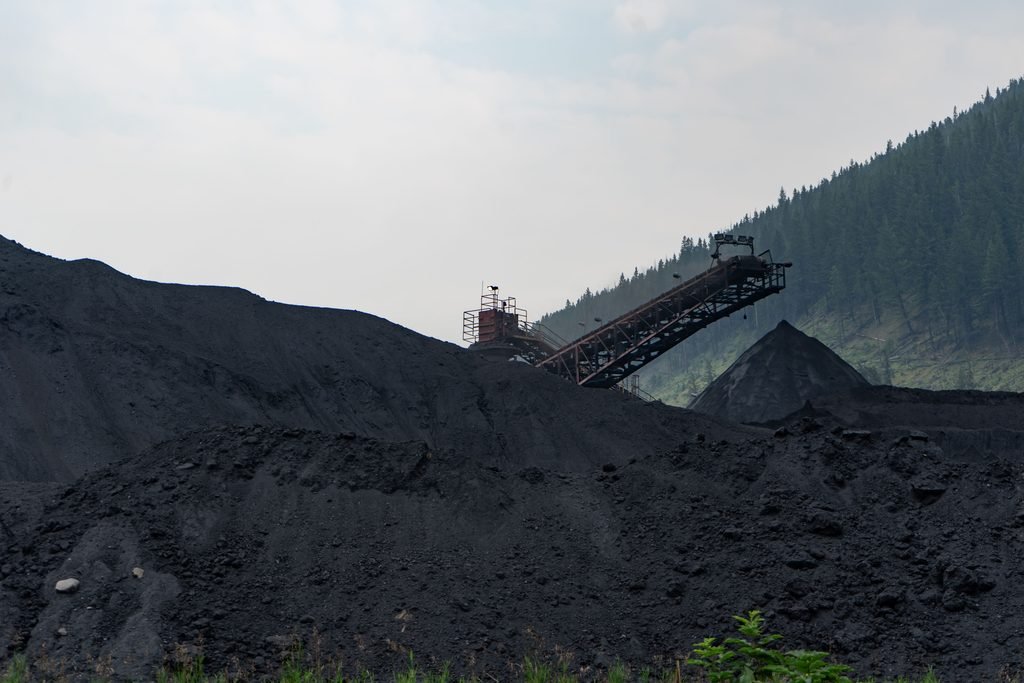
The industry is expected to expand significantly to meet domestic demand, but much of India’s steelmaking remains tied to coal-intensive production. Moving towards lower-emission technologies therefore requires substantial investment as well as changes in energy sources, raw materials and production processes.
For exporters targeting Europe, however, those investments could increasingly be viewed not simply as compliance costs but as a way of protecting market access.
Get The Carbon Numbers Right
There is another piece of groundwork that cannot be ignored: emissions measurement and reporting. CBAM effectively puts a carbon price on the emissions embedded in imported products. That means steelmakers need to know, and be able to demonstrate, the emissions associated with their production.
The Sandbag report itself flags “readiness for CBAM reporting” among the factors that will determine which existing low-emission facilities are best positioned to benefit. For Indian mills, reducing emissions without being able to credibly quantify them could limit the commercial advantage.
The carbon footprint of steel is therefore becoming part of the product information that exporters need to manage.
The Industry Cannot Rely on Cleaner Steel Alone
There is a catch. The Sandbag modelling does not suggest that CBAM will simply disappear as a problem for Indian steel. Its projected outcomes depend on producers responding appropriately — by optimising production, reallocating cleaner output and investing in low-emission capacity.
That makes the transition uneven. Companies with access to relatively low-emission plants, capital for technological upgrades and the ability to accurately measure emissions could be better placed than smaller or more carbon-intensive producers.
This could create a new fault line within India’s steel industry: not simply between large and small producers, but between those that can demonstrate lower-carbon production and those that cannot.
Europe May Become the Proving Ground
India has strongly opposed CBAM, calling it discriminatory and protectionist and questioning its compatibility with international trade principles. But whatever the broader policy dispute, Indian steelmakers now have to deal with the market reality. Europe is putting a price on carbon-intensive imports. At the same time, India is looking to strengthen its position in international steel markets.
That makes the European market a useful proving ground for India’s transition to cleaner steel. The Sandbag analysis suggests that Indian steelmakers have several levers to pull: identify their lowest-emission capacity, direct those tonnes towards Europe, improve operational efficiency, strengthen emissions reporting and invest in new low-emission production where commercially viable.
The opportunity is not guaranteed. Nor will every steelmaker benefit equally. But the takeaway is that CBAM does not have to be treated simply as a bill Indian-steelmakers must pay. For companies that can clean up production and put the right steel in the right market, it could become a competitive test they are capable of passing.
-
Math3 weeks agoThe 2026 Fields Medals: Four Proofs, Four Decades-Old Problems Solved
-
Climate2 weeks agoAfter Kerala’s Deadliest Landslide, the Hardest Thing to Rebuild Was Childhood
-
Society1 month agoWest Asia Crisis: Can Kerala’s Returning Gulf Migrants Find a Future in the Green Economy?
-
Space & Physics3 months agoIndia Semiconductor Mission: ‘It’s Not About Fabs. It’s About Building An Entire Ecosystem’
-
Climate2 months agoThe Climate World Cup? How Climate Change Could Affect Player Performance at the 2026 World Cup
-
Society1 month agoWhat Is Civilisational Diplomacy? Understanding India’s Newest Foreign Policy Tool
-
Society2 months agoFrom Bell Labs to the Classroom: A Second Career in Teaching

-
Space & Physics2 months agoEngineers Develop Dual-Mode Propulsion System for Next-Generation Small Satellites