
Sustainable Energy
Iran–Israel–US Conflict Impact on India’s Economy & Energy
Iran–Israel–US conflict impact on India threatens oil imports, Strait of Hormuz trade routes, inflation, and the country’s clean energy transition goals.

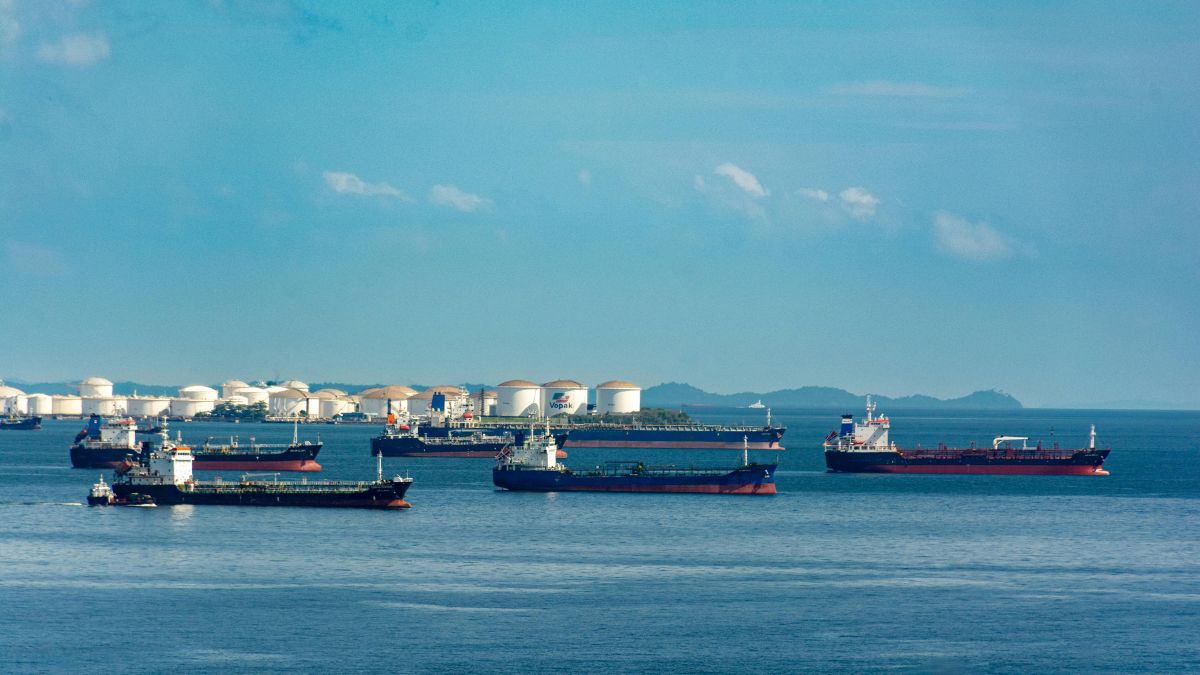
Iran–Israel–US conflict impact on India could raise crude prices, disrupt trade, widen the current account deficit, and pressure energy security.
The tremors began far from India’s shores. US and Israeli strikes on Iran, followed by retaliatory actions, have redrawn fault lines across West Asia. But in New Delhi, in oil refineries along the western coast, and in rice mandis across Haryana and Punjab, the aftershocks are already being felt.
“US and Israel attacks on Iran, and subsequent counter attacks have exposed a new wave of geopolitical risks,” notes a policy briefing from Climate Trends, reviewed by EdPublica. For India — bound to Israel by strategic ties and to Iran by history and geography — the moment is fraught with complexity.
At the heart of the unfolding crisis lies a narrow maritime artery: the Strait of Hormuz.
The Strait of Hormuz: India’s Energy Lifeline
Nearly a quarter of the world’s crude oil flows through the Strait of Hormuz — a chokepoint linking West Asian producers to global markets. For South Asia, the dependency is sharper. Around 40% of the total crude oil consumption of India, China, Japan and South Korea transits this passage.
India imports nearly 90% of its crude oil. Of its daily imports, 2.5–2.7 million barrels per day — largely from Kuwait, Saudi Arabia, Iraq and the UAE — pass through these contested waters.
The risks are no longer theoretical. According to reports, Iran has been relaying warnings over VHF radio to ships, cautioning that passage may not be guaranteed. Insurance pricing for shipping has risen by 50% overnight. Freight rates are climbing. The Director General of Shipping has issued a circular advising stakeholders not to deploy Indian crews in Iran.

If Iran’s 3.3 million barrels per day production is disrupted, oil prices could rise 9–15%, pushing crude from a base of $70 per barrel to roughly $76–81.
For India, the impact would be “more price driven and not volume driven”. Yet price shocks ripple quickly — widening the current account deficit, weakening the rupee and feeding domestic inflation.
The Iran–Israel–US conflict impact on India is unfolding most sharply through energy markets. With nearly 90% of its crude oil imported and a significant share transiting the Strait of Hormuz, even a modest rise in global oil prices can widen the current account deficit, pressure the rupee, and fuel domestic inflation. The risk is less about immediate shortages and more about sustained price volatility that filters into transport, logistics and food costs.
Vivek Y. Kelkar, researcher working at the intersection of geo-economics and sustainability, warns: “Much depends on how long the conflict endures and whether risks to the Persian Gulf and the Strait of Hormuz persist… For India, the impact would be indirect but significant. With nearly 90 percent import dependence, every $10 per barrel rise increases the annual import bill by about $13–14 billion, widening the current account deficit, pressuring the rupee and adding to inflation.”
He adds that China — which buys roughly 90% of Iran’s crude exports — could pivot more aggressively toward Russian, Iraqi, Saudi and West African grades if Iranian volumes shrink. “If Beijing pivots toward the same Russian or Atlantic Basin supplies that India relies on for diversification, India’s energy security could become more expensive and more contested. The likely outcome is not deep scarcity, but tighter global balances, higher prices and diminished negotiating leverage for Indian refiners.”
From Oil Tanks to Rice Fields
The consequences extend well beyond petrol pumps.
In the weeks before the conflict escalated, Iranian importers had placed large orders for basmati rice, pushing local prices up by about Rs 10 per kg. Iran accounts for roughly 25% of India’s basmati exports; Iraq another 20%. Together, that’s over 2 million tonnes valued at more than $2 billion annually.
Beyond oil, the Iran–Israel–US conflict impact on India extends to trade and exports. Iran and Iraq together account for a substantial share of India’s basmati rice exports, while tea shipments and broader West Asian trade flows face uncertainty amid rising insurance premiums and shipping disruptions. Any prolonged instability could compress margins for exporters and complicate payment mechanisms across the region.
Uncertainty now looms over these trade flows. Tea exports too may take a hit — nearly Rs 7 billion worth was exported to Iran in 2024–25.
More broadly, Middle Eastern countries including Iran, Bahrain, Kuwait, Qatar and the UAE account for bilateral trade worth about $117.32 billion, with the UAE alone contributing nearly $100 billion. Any regional escalation directly threatens these ties.
The UAE Factor: A Stable Hub Under Strain
Dubai has long been viewed as West Asia’s insulated commercial gateway — a financial and logistics hub even when politics elsewhere burned. But the conflict “fundamentally alters Dubai’s longstanding reputation as a politically insulated financial and trade hub”. India and the UAE have been expanding cooperation in renewables, green hydrogen and critical minerals. The India–UAE Comprehensive Economic Partnership Agreement (CEPA), signed in 2022, marked India’s first such accord in the MENA region. Escalation now risks slowing joint ventures and technology exchanges just as clean transition investments were gathering pace.
“India’s policy of strategic autonomy has so far helped it navigate the choppy waters of geopolitics but the balancing act has become increasingly tough. The conflict in west Asia and its repercussions raise the risks to its supply chains, test energy security and increase insurance costs and fuel inflation if energy prices remain elevated, as is expected if the Strait of Hormuz is blocked… Yet, despite the rising risks India’s economy and markets are relatively better placed to ride this geopolitical storm,” Archana Chaudhary, Associate Director at Climate Trends, notes.
A Clean Energy Imperative, Not Just a Climate Goal
The crisis may also sharpen India’s clean energy calculus. Elevated oil costs increase dollar demand, typically putting downward pressure on the rupee. Costlier fuel filters into transportation, logistics and eventually food prices. Renewable energy supply chains — including critical minerals — could also be disrupted, as significant shipping traffic flows through Hormuz
Yet analysts see opportunity in the turbulence. “The recent strikes only reinforce the validity of India’s long-standing principle of strategic autonomy. In an increasingly volatile West Asian landscape, the wisdom of accelerating our clean energy ambitions becomes even more apparent for energy security. Reducing dependence on imported conventional energy sources, i.e. oil and gas, through rapid deployment of clean technologies is no longer just a climate imperative but a strategic necessity… In this fractured geopolitical order, India must deepen the momentum toward clean energy transition and technological self-reliance to insulate its growth trajectory from external shocks,” Aarti Khosla, Director, Climate Trends, argues.
Vaibhav Chaturvedi, Senior Fellow at CEEW, echoes the urgency: “The US-Iran war doesn’t bode well for the global energy economy. In the short run, we can expect an increase in oil prices. In the medium term, if the war drags, there would be a negative impact on the global economy. The event will undoubtedly create headwinds for India’s economy. India will do well to leverage its relationships to access cheaper oil in this scenario. This is a moment to bring investments to ramp up plans to scale up electrification of the power and transport sector faster as the ultimate solution to energy security.”
Strategically, the Iran–Israel–US conflict impact on India reinforces the urgency of diversifying energy sources and accelerating clean transition goals. As geopolitical tensions expose the vulnerabilities of fossil fuel dependence, electrification, renewable expansion and domestic energy resilience are no longer only climate priorities — they are economic safeguards against recurring global shocks.
Duttatreya Das, Energy Analyst–Asia at Ember, calls this a turning point: “The past few months have been challenging for India’s crude supplies—first the shift away from discounted Russian Urals to avoid U.S. tariffs, and now the potential volume impact from disruptions in West Asia. While these disruptions may be short-term, India cannot simply afford to remain hostage to geopolitical volatility… Moments like these offer an opportunity to recalibrate its mobility policy, through electrification and a faster expansion of ethanol blending in the near term.”
A Moment of Strategic Testing
In South Block, a Cabinet meeting chaired by the Prime Minister signals the seriousness of the moment. OPEC has indicated it may adjust production to maintain market stability. India’s long-held doctrine of strategic autonomy — balancing relationships across rival blocs — is now under stress. After US pressure restricted purchases of Russian oil, India diversified more toward Gulf suppliers, inadvertently deepening its exposure to Hormuz-linked risks. Though it imports from over 40 countries, geography and geopolitics cannot be entirely diversified away.
The immediate reality is uncertainty: higher freight, rising insurance, volatile crude, jittery exporters.
The longer-term question is whether this crisis accelerates a structural pivot. In the shadows of tankers and warships, India’s energy transition debate is no longer abstract. It is entangled with inflation, trade, currency stability and food security.
As oil flows through a narrow strait watched by rival navies, India’s policymakers face a widening strategic horizon — where climate ambition, economic resilience and geopolitical balancing are no longer separate conversations, but one.












Sustainable Energy
India’s Clean Energy Research May Not Be Keeping Pace with Its Manufacturing Ambitions, Finds Study
A study of India’s publicly funded clean-energy research examines whether investments in solar power, batteries and other technologies are aligned with the country’s ambitions for domestic manufacturing and technological development.

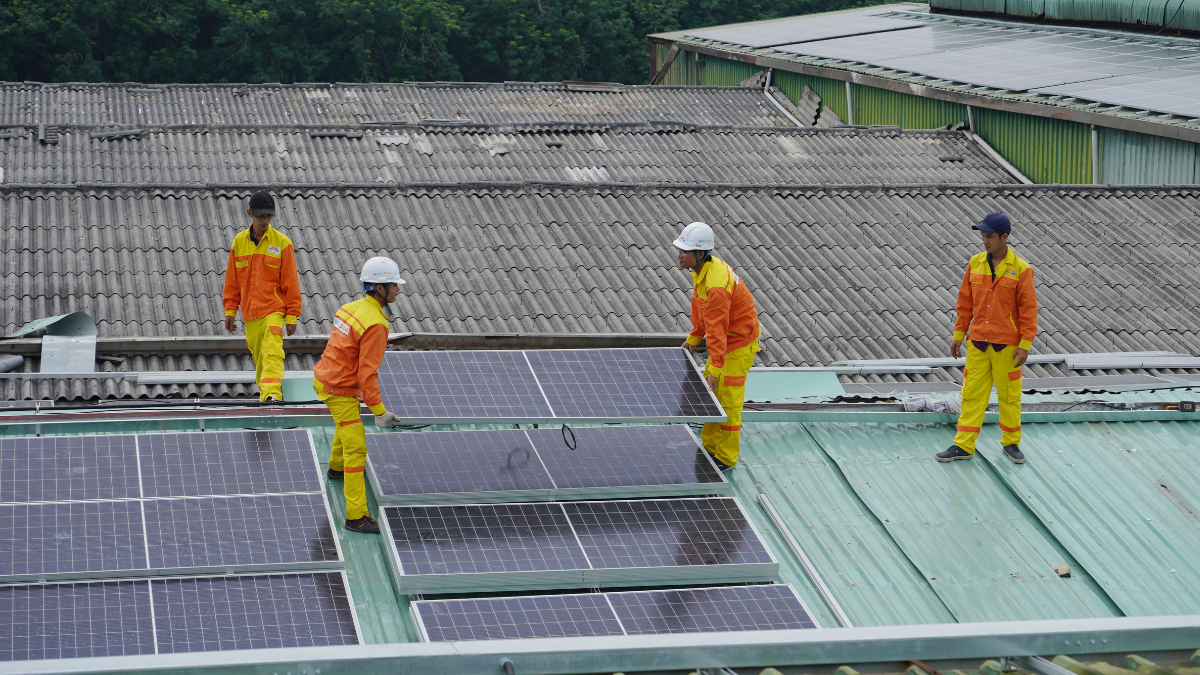
India’s public investment in clean-energy research is concentrated in established technologies, while funding for manufacturing innovation and large-scale technology development remains a challenge, according to a new study examining the country’s publicly funded research, development and demonstration (RD&D) activities.
The report, How Can India Align Its Clean Energy Innovations with Its Ambitions? An Assessment of Public RD&D Investments and Activities, by the Sustainable Futures Collaborative (SFC) and the Climate Policy Lab at Tufts University, maps 1,359 publicly funded clean-energy projects active or initiated between the financial years 2019 and 2024.
The projects span more than 90 institutions and account for approximately ₹1,443 crore in declared funding. The study finds that India has developed a substantial public research portfolio, but raises questions about whether its funding structures and research priorities are sufficiently aligned with the country’s ambitions for domestic manufacturing and technological leadership.
The findings echo concerns raised in other research on India’s clean-energy supply chains and innovation financing. Together, these studies highlight a challenge that extends beyond funding scientific research: ensuring that promising technologies can progress from laboratory development to demonstration, competitive manufacturing and commercial deployment.
Solar and storage dominate the research landscape
Renewable energy accounts for a substantial share of the mapped research portfolio. The SFC–Tufts study identifies 421 renewable-energy projects receiving approximately ₹580 crore, while another 333 projects in other power and energy-storage technologies account for around ₹492 crore.
Solar photovoltaic technology alone received approximately ₹401 crore across 234 projects, making it a major focus of public clean-energy research.
The portfolio also includes research on batteries, hydrogen, electric mobility, energy efficiency and carbon capture, utilisation and storage. However, the distribution of projects and funding varies across these areas, with electric mobility receiving less attention than solar energy, batteries and hydrogen.
The concentration of research in established technologies reflects India’s immediate clean-energy priorities. Solar power and battery storage are central to expanding renewable electricity and managing its intermittency. Research that improves the performance, reliability and affordability of these technologies can contribute directly to deployment.
India’s operating conditions also create specific research requirements. High temperatures, dust, humidity, price-sensitive demand and constraints in accessing materials and equipment can make technologies developed elsewhere less suitable without adaptation. Research into battery thermal management, solar-module degradation and affordable charging infrastructure can help technologies perform more effectively under Indian conditions.
However, the report argues that research addressing immediate deployment needs must also be considered alongside the longer-term development of domestic manufacturing capabilities and new technological solutions.
Incremental innovation dominates public funding
One of the study’s central findings is that approximately 81 per cent of the mapped projects can be classified as incremental innovations. These projects primarily seek to improve or adapt technologies that are already commercially established.
Such research is not necessarily a weakness. Incremental improvements can reduce costs, improve efficiency and make technologies more reliable in local conditions. The concern is whether the existing portfolio provides sufficient support for other forms of innovation needed to strengthen manufacturing and develop technological leadership.
The report finds that deployment-and-diffusion projects account for approximately 53 per cent of projects and 64 per cent of declared funding. Technology-leadership projects represent around 14 per cent of projects and 15 per cent of funding.

Solar panels under the backdrop of a clear sky.Image credit:Pexels
Process-oriented research receives a smaller share. Projects classified under manufacturing competitiveness account for approximately 28 per cent of projects and 18 per cent of funding, while projects targeting major changes in production processes represent around 5 per cent of projects and 3 per cent of funding.
A 2024 report by the Council on Energy, Environment and Water (CEEW), Strengthening India’s Clean Energy Supply Chains, examines manufacturing competitiveness across solar photovoltaics, wind turbines and lithium-ion batteries. It explores the supply-chain segments that matter for developing domestic industrial capabilities.
Read alongside the SFC–Tufts assessment, the CEEW report provides a broader perspective on the challenge of connecting research priorities with the industrial capabilities needed to manufacture clean-energy technologies in India.
Small grants and fragmented funding pose challenges
The SFC–Tufts study also highlights the size and distribution of research grants.Around 68 per cent of projects with declared budgets receive less than ₹50 lakh each. The median project size across technology categories ranges from approximately ₹33 lakh to ₹39 lakh.
These grants can support investigator-led research, early-stage experiments and improvements to existing technologies. However, projects involving pilot manufacturing, demonstration facilities, process development and commercial-scale validation may require different funding arrangements and substantially larger investments.
The report identifies differences in the funding approaches of government institutions. The Department of Science and Technology accounts for more than half of the mapped projects, reflecting its support for a large number of investigator-led grants. The Ministry of New and Renewable Energy supports fewer projects through comparatively larger programmes.
The study also finds that the 20 leading institutions account for close to 70 per cent of mapped projects.
These patterns matter because clean-energy innovation involves several stages, from scientific research and engineering to manufacturing, testing and commercial deployment. A funding structure suited to an early-stage research project may not be sufficient for a technology approaching industrial use.
An earlier CEEW study, Financing Clean Energy Innovation, examined the financing challenges associated with advancing clean-energy innovations. Its focus on financing complements the SFC–Tufts report’s emphasis on funding structures and the need to support different stages of technological development.
Technologies may require continued support after the initial research phase, particularly when they need to be demonstrated, tested and refined before becoming commercially viable. If funding does not adequately cover these stages, innovations can struggle to move from technical promise to market adoption.
Aligning research with industrial priorities
India already has policy mechanisms intended to promote clean-energy research and technology development. The Ministry of New and Renewable Energy’s Renewable Energy Research and Technology Development Programme includes objectives related to indigenous technology development, cost reduction, demonstration and collaboration with industry.
The question, therefore, is not simply whether India funds clean-energy research, but whether its research portfolio and funding mechanisms are appropriately structured to meet different objectives.
The SFC–Tufts report recommends clearer priorities across three broad goals: accelerating the deployment of existing technologies, strengthening domestic manufacturing competitiveness and developing technological leadership in emerging areas.
The study has limitations. Budget information was unavailable for around 16 per cent of mapped projects, while start-year information was missing for approximately 39 per cent. Private-sector innovation also falls outside its scope. Its findings therefore reflect the publicly documented research portfolio, rather than the entirety of India’s clean-energy innovation ecosystem.
Nevertheless, the findings raise an important policy question as India pursues both clean-energy deployment and domestic manufacturing: whether public research investment is supporting the entire journey from scientific discovery and technological improvement to competitive production and commercial scale.
The challenge is not simply to fund more research. It is to ensure that promising research can progress into technologies that India can manufacture, improve and deploy at scale.
Sustainable Energy
India Tightens CAFE Norms as Fuel Demand and Car Sales Rise
India’s new CAFE norms tighten fleet fuel-efficiency targets from 2027, with implications for petrol cars, hybrids, EVs and the country’s oil demand.

India will make carmakers meet stricter fuel-efficiency targets from April 2027, as the country tries to contain fuel consumption from a growing passenger-vehicle market. The new Corporate Average Fuel Economy (CAFE) norms will apply from April 1, 2027, to March 31, 2032. The fleet-average fuel-consumption target will fall from 3.996 litres per 100 km in 2027–28 to 3.3273 litres per 100 km in 2031–32.
That is a 16.7% improvement in the regulatory benchmark over the five-year period. The change matters because India’s demand for road fuel is rising while the country continues to import more than 90% of the crude oil it uses. Cars that consume less fuel can reduce the amount of petrol and diesel needed to keep the growing vehicle fleet on the road.
The new rules also give manufacturers more room to use electric vehicles, hybrids, alternative fuels and other efficiency technologies to meet their targets.
CAFE Norms: Why India Needs to Use Less Fuel
India’s passenger-vehicle market has changed considerably over the past decade. SUVs and larger cars have become more common, while overall vehicle ownership continues to rise. Every additional petrol or diesel vehicle adds to fuel demand. A more fuel-efficient fleet can slow that increase, even when the number of vehicles continues to grow.
The country’s dependence on imported crude makes this particularly relevant. India imports more than 90% of its crude oil, so higher oil consumption also means greater exposure to international oil prices and supply disruptions. The Bureau of Energy Efficiency introduced CAFE standards in 2017 with three objectives: reduce fuel consumption, lower carbon dioxide emissions and reduce dependence on imported oil. The latest notification tightens those requirements for the next five years.
CAFE: Not Same Mileage Target for Every Car
CAFE works differently from a rule that says every vehicle must deliver a particular number of kilometres per litre. It measures the average fuel consumption of a manufacturer’s passenger-vehicle fleet. The calculation takes sales volumes and vehicle weight into account. A company selling fuel-hungry SUVs, for instance, can improve its fleet average by selling more efficient cars, hybrids or electric vehicles.
That gives manufacturers several ways to meet the requirement. They can improve engines and transmissions, reduce energy losses, introduce hybrid systems, sell more EVs or use technologies that receive concessions under the CAFE framework.
What does the 16.7% Improvement Mean?
The 16.7% figure refers to the regulatory fleet benchmark. It does not mean that every new car will use 16.7% less petrol or diesel. Actual fuel consumption depends on the vehicle and how it is driven. Traffic, road conditions, speed, air-conditioning use and driving behaviour all affect mileage. The target applies to the manufacturer’s fleet as a whole.
The new framework also changes the vehicle-weight calculation. The reference weight will rise from 1,082 kg to 1,229 kg. The target curve has been revised so that heavier vehicles face greater efficiency requirements than lighter ones. That change is relevant to India’s passenger-vehicle market, where larger SUVs now account for a substantial share of sales.
Why EVs can Help Manufacturers Meet CAFE Targets
Electric vehicles have a direct advantage under a fuel-economy regulation because they do not consume petrol or diesel.
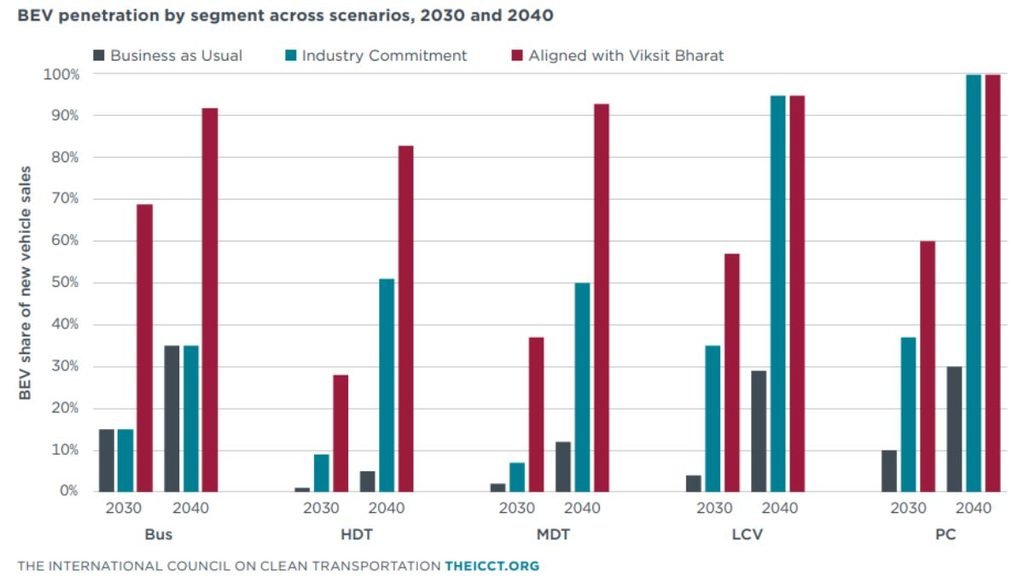
A manufacturer can therefore improve its fleet-average performance by increasing the share of EVs it sells. Hybrids can also reduce the average fuel consumption of a fleet.
The International Council on Clean Transportation (ICCT) has examined this relationship in its latest study of India’s vehicle market. Its 2026 analysis finds that stronger fuel-economy standards can support faster EV adoption and reduce oil consumption when the two policies move together. There is some evidence from India’s earlier CAFE rules as well.
An ICCT assessment of CAFE Phase II found that manufacturers relying on conventional efficiency improvements or CNG had difficulty meeting the targets. Manufacturers with significant EV sales, including Tata and MG, were able to meet the requirements with larger margins. The experience shows how a fleet standard can influence the technology choices made by manufacturers.
Stronger Standards Could Reduce Oil Demand
ICCT’s latest study models India’s road-transport oil demand under several policy pathways through 2040. In its business-as-usual scenario, road-transport oil consumption reaches about 197 million tonnes of oil equivalent (Mtoe) in 2040. An alternative scenario combines stronger fuel-efficiency standards with faster EV adoption. Under that pathway, oil consumption is about 146 Mtoe in 2040.
The difference is roughly 51 Mtoe. These are modelled scenarios, not forecasts. They show the scale of the difference that could emerge if India combines tighter efficiency rules with faster electrification. For India, lower oil demand would also reduce the amount of crude that has to be imported to supply road transport.
Technologies Beyond EVs
Electric vehicles are only one part of the new framework. The norms recognise 12 fuel-conservation technologies, compared with four under the earlier framework. These include technologies such as high-efficiency air-conditioning systems, advanced glazing and solar-reflective paints.
Each eligible technology can receive a concession of 1 gram of CO₂ per kilometre, subject to a maximum of 9 grams of CO₂ per kilometre. The framework also includes a Carbon Neutrality Factor for ethanol-blended petrol, biofuels and compressed biogas. This allows manufacturers to use a wider combination of technologies and fuels when working towards their fleet targets.
Super Credits Could Shape How Manufacturers Respond
The rules provide additional regulatory benefits for battery-electric vehicles, range-extended EVs, plug-in hybrids, strong hybrids and flex-fuel vehicles through volume derogation factors and super credits. These mechanisms give low-emission vehicles greater weight in the compliance calculation.
There is a trade-off, however. ICCT’s latest analysis points out that generous super credits can allow manufacturers to meet fleet targets with a relatively small share of EVs while continuing to sell less-efficient combustion-engine vehicles. That makes the treatment of these credits important as EV sales increase.
What Manufacturer Misses the Target?
The rules give companies several ways to manage compliance. Manufacturers can operate within two- or three-year compliance blocks. Credits can be carried forward, traded or exchanged. The Bureau of Energy Efficiency will also operate a buyout mechanism.
The system therefore gives manufacturers some flexibility in how they meet the target. It also means the effect of the regulation may not be visible in a single year’s sales figures.
Will Consumers Notice the Change?
Some changes could be visible in the showroom. Manufacturers may introduce more efficient petrol engines, expand hybrid offerings or increase the number of EVs in their portfolios. Other changes, such as improvements to air-conditioning systems or vehicle design, may be harder for buyers to notice.
The immediate effect on fuel bills is less straightforward. A regulatory improvement of 16.7% cannot be translated directly into a 16.7% saving for a driver. CAFE is calculated across a manufacturer’s fleet, while real-world mileage varies from one vehicle and driver to another. Its effect is likely to appear gradually as new vehicles replace older ones.
CAFE: One Part Larger Transport Shift
Tighter fuel-efficiency standards can reduce the amount of fuel consumed by each vehicle. They do not determine how many vehicles people buy or how much they drive. Public transport, urban planning, vehicle electrification and the availability of alternative fuels will also influence India’s future oil demand.
For the automobile industry, however, the direction is clear. The average efficiency of the vehicles sold in India will have to improve over the next five years. The new CAFE norms give manufacturers several routes to get there. They can make combustion engines more efficient, sell more hybrids and EVs, use recognised fuel-saving technologies or combine these approaches. For India, the reason for tightening the rules is straightforward. More vehicles on the road do not have to mean a matching increase in fuel consumption. The next five years will show how much the industry can narrow that gap.
Sustainable Energy
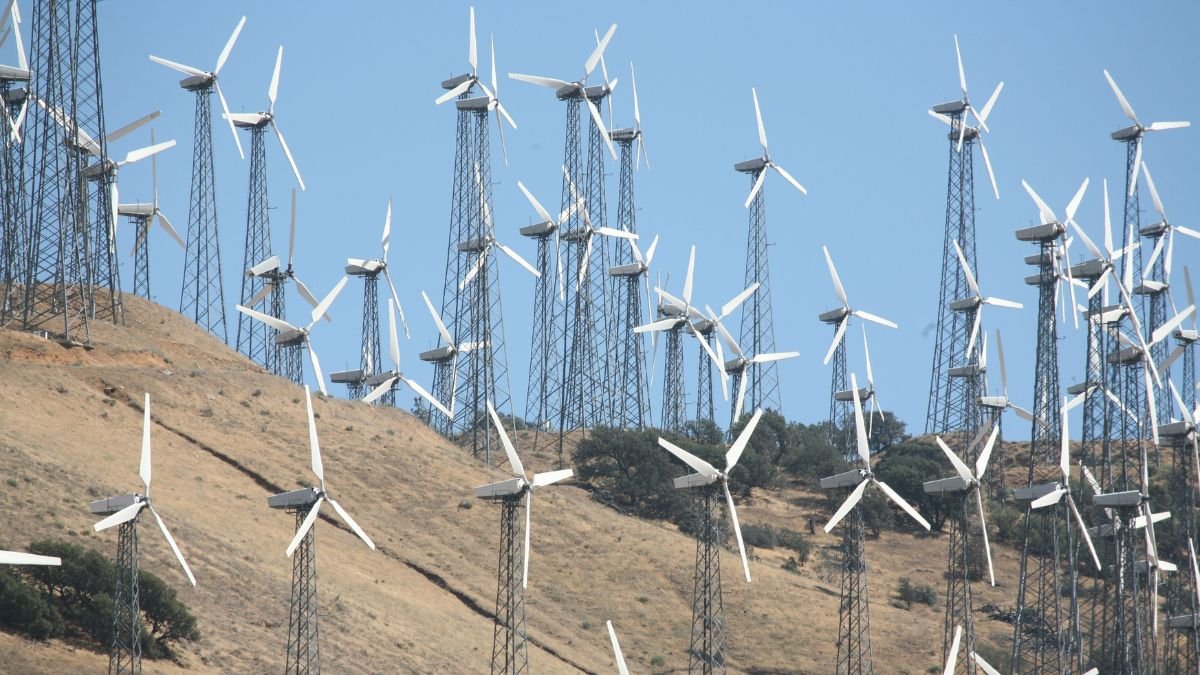
How Wind Turbines Could Produce More Power From the Same Wind
Researchers find that adjusting wind turbine blade speed when machines are misaligned with the wind could help increase power output from existing turbines.


NMC Directs Medical Colleges to Set Up Patient Safety Committees

The Monsoon’s New Rhythm: Less Rain, More Intense Downpours

World Food Day: India’s Childhood Obesity Burden Raises Concerns Over Diabetes Risk

COP17: Can the World Still Meet Its Biodiversity Goals by 2030?

Chandigarh’s Sukhna Wetland Gets Ramsar Recognition, Taking India’s Count to 103

From Scams to Screens: How the National Stock Exchange Rewrote India’s Equity Story

Knowing When to Think for Ourselves: AI, Intuition and the Education of Discernment

After a Scorching Summer, Delhi’s Children Are Slow to Return Outdoors

Two Chemists Win Nobel Prize for Solving a Century-Old Puzzle: Why Life Picks One Hand Over the Other

India’s AI Moment Rests on More Than Code

-

 Math3 months ago
The 2026 Fields Medals: Four Proofs, Four Decades-Old Problems Solved
-
EP Deep Dive: Data & Solutions3 months ago
After Kerala’s Deadliest Landslide, the Hardest Thing to Rebuild Was Childhood
-
EP Deep Dive: Data & Solutions3 months ago
West Asia Crisis: Can Kerala’s Returning Gulf Migrants Find a Future in the Green Economy?
-
Space & Physics5 months ago
India Semiconductor Mission: ‘It’s Not About Fabs. It’s About Building An Entire Ecosystem’
-
Interviews3 weeks ago
From Scams to Screens: How the National Stock Exchange Rewrote India’s Equity Story
-
Climate5 months ago
The Climate World Cup? How Climate Change Could Affect Player Performance at the 2026 World Cup
-
Society3 months ago
What Is Civilisational Diplomacy? Understanding India’s Newest Foreign Policy Tool
-
Society4 months ago
From Bell Labs to the Classroom: A Second Career in Teaching