
Society
The hidden fault lines of global energy: why oil and gas chokepoints are a permanent risk
What are “paper chokepoints” in global energy markets?


Global energy chokepoints pose persistent risks to oil and LNG supply, with E3G warning import-dependent economies face long-term vulnerability.
Even in an era of apparent energy abundance, the global system that powers economies is built on a fragile foundation: a handful of narrow maritime routes that cannot be bypassed.
A new analysis by E3G warns that these global energy chokepoints—from the Strait of Hormuz to critical shipping corridors in Asia—are not occasional vulnerabilities but permanent features of the fossil fuel economy.
A system where disruption is inevitable
For decades, energy security has been framed as a question of supply: more oil, more gas, more infrastructure. But the report challenges that assumption, arguing that supply expansion does little to address the deeper structural risks embedded in global trade routes.
Introducing the findings, Richard Smith, a senior policy advisor at E3G, cautioned that recent tensions around key transit routes are not exceptional.
“What we’re seeing in Hormuz isn’t a freak, one-off event. It’s an inherent and unavoidable part of the global oil and gas system. Even though we were just in an era of low price and oversupply, globally integrated fossil fuel markets leave all oil and gas consumers bracing for an inflation shock. Renewables aren’t without risk – there are also solar panels stuck in Hormuz right now. But for every solar panel that makes it through, that’s secure energy every day for a generation. Renewables and energy efficiency are the only realistic way to escape this crisis loop.”
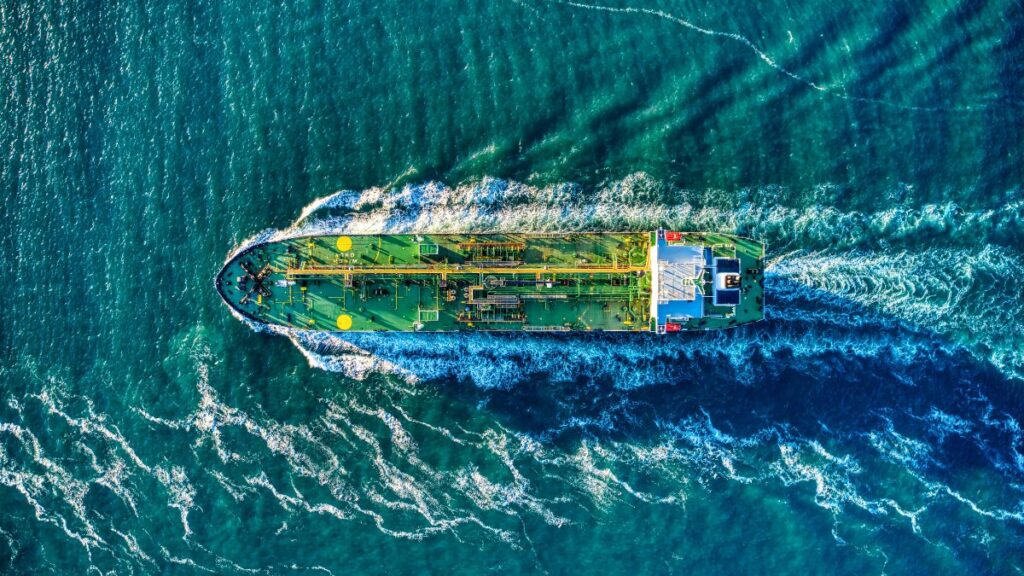
The implication is stark: even in well-supplied markets, the concentration of energy flows through a limited number of routes ensures that disruption remains a constant threat.
The rise of “paper chokepoints”
While physical blockages—conflict, piracy, or accidents—remain the most visible risks, the report highlights a quieter and increasingly influential set of constraints.
So-called “paper chokepoints” include shipping bottlenecks, insurance withdrawals, regulatory barriers and climate-related disruptions. None require a single tanker to be stopped outright, yet all can constrict supply and drive up prices.
Because oil and LNG markets are deeply interconnected, these disruptions cascade quickly across regions. A bottleneck in one location can trigger volatility far beyond it, intensifying competition for cargoes and amplifying price shocks.
This interconnectedness means that even countries not directly reliant on a specific chokepoint are still exposed to its consequences.
Asia’s vulnerability—and India’s economic exposure
The risks are most acute in Asia, which depends heavily on energy imports moving through a small number of strategic routes.
Madhura Joshi, programme lead for global clean power diplomacy at E3G, pointed to the region’s deep exposure to the Strait of Hormuz.
“Asia receives nearly 90% of the oil and LNG transiting the Strait of Hormuz, and the consequences of prolonged disruption will be felt unevenly across the region. For India, sustained high oil prices translate directly into widening current account deficits, currency pressure, and fiscal stress that could constrain both growth and public spending. Japan and South Korea, among the world’s most LNG-dependent economies, face acute supply vulnerability with limited ability to absorb prolonged market tightness.
“This crisis makes clear that energy security for these economies cannot rest on access to the same fragile chokepoints; accelerating electrification and domestic clean energy is the most durable path to genuine resilience.”
For India, where energy imports are tightly linked to inflation, fiscal balance and currency stability, the stakes are particularly high. Prolonged disruptions are not just supply issues—they are macroeconomic shocks.
Energy security—and the illusion of control
The report reframes energy security as a question not simply of access, but of control. Maria Pastukhova, programme lead for energy transition at E3G, emphasised that reliance on distant supply chains fundamentally limits national resilience.
“Energy systems are a backbone of national security, but for many importers, that backbone depends on infrastructure and routes far beyond their control. Reliance on distant supply chains and chokepoints means disruption risk is built in. Clean energy systems are not immune to shocks, but they shift more of the system under domestic control and reduce exposure to geopolitical and market volatility. That is the strategic energy security lesson from this crisis.”
In other words, the vulnerability lies not just in scarcity but in dependence—on infrastructure and geopolitics beyond national reach.
A pathway out of the chokepoint trap
The analysis outlines a five-track strategy to reduce exposure, combining short-term crisis management with long-term structural change.
Emergency measures—strategic reserves, diversified suppliers, infrastructure protection—can help absorb immediate shocks. But they do not eliminate the underlying risks.
Only structural shifts—reducing reliance on imported fossil fuels through electrification, efficiency, storage and domestic clean energy—offer durable resilience.
Unlike fossil fuel systems, where exposure to chokepoints is persistent, clean energy systems become more secure over time as domestic capacity expands.
A permanent feature of the fossil fuel era
The report’s conclusion is clear: chokepoint risk is not a temporary disruption but a defining characteristic of the global oil and gas system.
As long as energy flows depend on narrow, contested routes, the possibility of sudden shocks—economic, political or logistical—will remain ever-present.
For policymakers, the question is no longer whether disruptions will occur, but how quickly they can reduce their exposure to them.
And in that transition, the shift to clean energy is no longer just a climate imperative—it is a strategic one.










Society
Greece Passes Social Media Ban for Children Under 15
Greece’s new law will bar children under 15 from social media from January 2027, adding to international efforts to regulate young people’s access to online platforms.


Climate
Climate Disasters Disrupted Schooling for 171 Million Students in 2025, UNICEF Finds
Climate disasters disrupted schooling for 171 million students worldwide in 2025, highlighting the urgent need for climate-resilient schools and education systems.
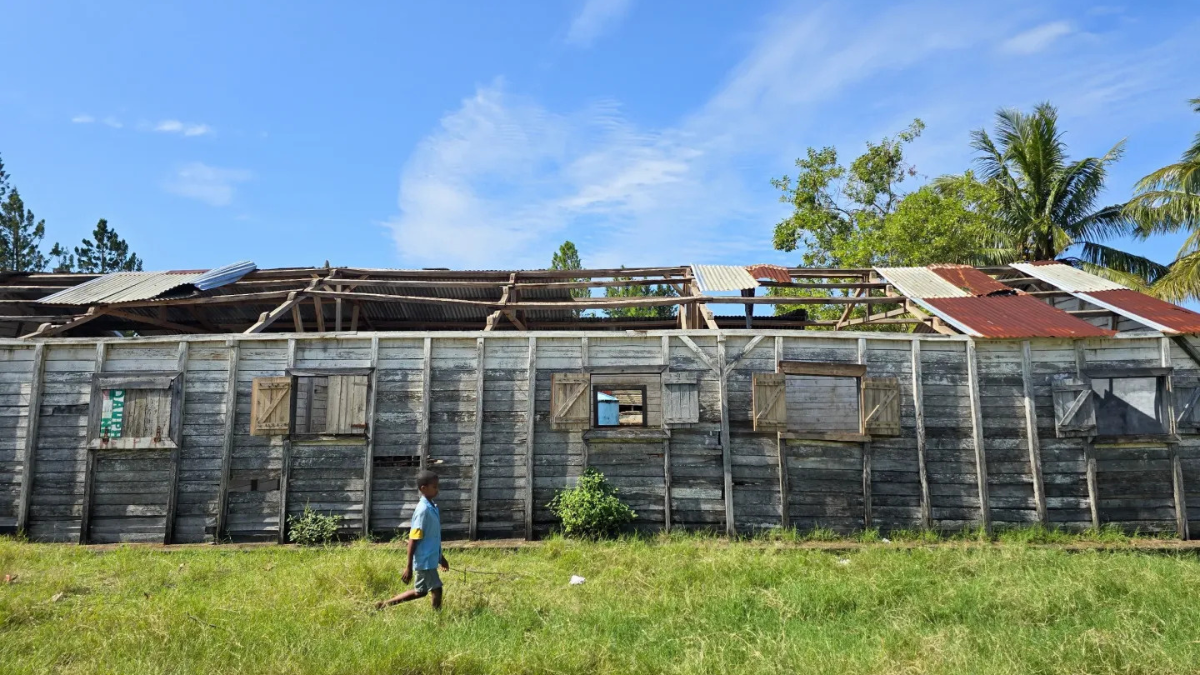
Climate-related disasters disrupted schooling for at least 171 million students worldwide in 2025, affecting one in every 10 school-age children, according to a new UNICEF report that warns of growing threats to learning, educational equality and future economic prospects.
The report, Learning Interrupted: Global Snapshot of Climate-Related School Disruptions in 2025, released on September 10, analysed data from 106 countries and territories. It found that storms, floods, heatwaves, droughts and wildfires caused school closures, shortened teaching hours, reduced attendance and shifts to remote learning.
The findings underline how climate change is emerging as a threat to educational continuity, particularly in countries where schools lack the infrastructure and resources to withstand extreme weather.
Storms and floods interrupt learning
Storms were the leading cause of climate-related school disruptions in 2025, affecting 109 million students globally. Floods affected at least 70 million, while heatwaves disrupted schooling for approximately 50 million children. These figures overlap and should not be added together as separate groups.
In Pakistan, severe monsoon flooding in August delayed the return to school for more than 28 million students. In Egypt, a powerful Khamsin wind-and-dust storm prompted a nationwide suspension of classes for one day, affecting more than 28 million students.
The problem extends beyond individual disasters. Forty countries experienced multiple rounds of climate-related school disruptions during 2025, exposing students to repeated interruptions throughout the academic year.
Floods can damage classrooms, sanitation facilities and learning materials, while extreme heat can make classrooms unsafe and undermine students’ ability to concentrate. Even after schools reopen, damaged infrastructure, disrupted transport and household financial pressures can prevent children from returning to regular attendance.
A growing threat to educational equality
Three-quarters of the students affected in 2025 lived in low- and lower-middle-income countries, where education systems often have fewer resources to prepare for disasters and restore teaching afterwards, UNICEF found.
The World Bank’s 2024 report, Choosing Our Future: Education for Climate Action, offers further evidence of the long-term challenge. It estimated that 400 million students globally experienced school closures due to extreme weather between 2022 and 2024. In affected schools in low-income countries, students lost approximately 45 instructional days between January 2022 and June 2024, compared with around six days in high-income countries.
These interruptions can compound existing educational disadvantages. Students from wealthier households may have access to private tutoring, digital devices and alternative learning arrangements. Children from poorer households may lack internet connectivity, electricity or suitable spaces to study during closures.
South Asia’s exposure highlights the challenge
UNICEF’s previous assessment, covering 2024, recorded at least 242 million students experiencing climate-related school disruptions across 85 countries and territories. South Asia was the most affected region, with 128 million students impacted. Heatwaves affected an estimated 171 million students worldwide that year.
India was among the countries affected by heat-related educational disruptions. In April 2024, extreme heat contributed to school interruptions across Bangladesh, Cambodia, India, the Philippines and Thailand, affecting at least 118 million children collectively. The figure represents the five-country group, not India alone.
The 2024 and 2025 totals should not be interpreted as a direct year-on-year decline. The reports covered different sets of countries and climate events, and the number of recorded disruptions depends on the incidents identified in each assessment.
Climate-resilient schools become a priority
UNICEF estimates that disruptions experienced in 2025 could cost affected students at least US$200 billion in lifetime earnings through lost learning and widening educational inequalities. This is a projection of potential future losses, rather than income already lost.
The World Bank has argued that relatively modest investments can help schools adapt. Its 2024 analysis estimated that a one-time investment of US$18.51 per child could help mitigate learning losses through measures such as improving classroom temperatures, strengthening school infrastructure and training teachers.
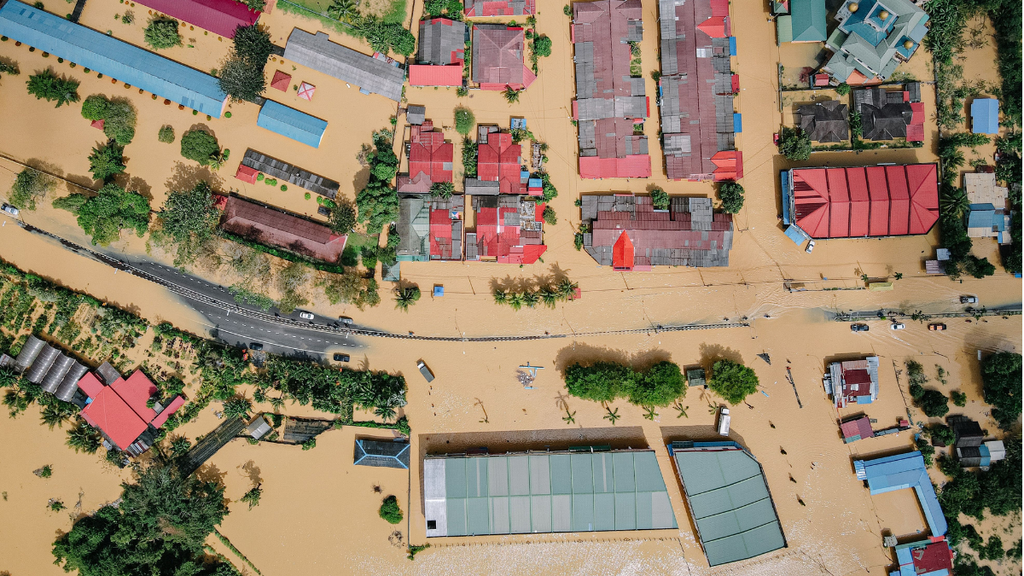
Aerial view showing significant flood damage in a residential neighborhood with inundated streets and homes.Image credit:Pexels
UNICEF is calling for climate resilience to be incorporated into education planning, alongside investment in stronger school buildings, emergency preparedness and systems that allow teaching to continue during disasters.
As extreme weather increasingly interrupts academic calendars, education systems must prepare not only to enrol children but also to protect their ability to learn. Climate-resilient infrastructure, early-warning systems and plans for educational continuity will be essential to ensuring that disasters do not deepen existing inequalities in access to education.
Society
Global Job Market Faces a Growing Inclusion Gap as AI and Digitalisation Reshape Work
Global employment faces a growing inclusion gap as AI and digitalisation reshape the labour market. UN and ILO reports highlight persistent informal employment, youth exclusion and unequal access to the skills needed for emerging jobs.

The global economy is undergoing a profound employment transition, driven by artificial intelligence (AI), digitalisation, demographic changes and the shift towards greener industries. Yet, while these forces are expected to create new career opportunities, access to employment and the benefits of technological progress remain deeply unequal, according to the United Nations’ World Social Report 2026.
Released on October 15, the report, published by the UN Department of Economic and Social Affairs (UN DESA), warns that billions of people remain excluded from the jobs, skills, infrastructure and social protections required to participate in economic transformation. Its findings highlight a central challenge for policymakers: creating employment opportunities is not enough unless people can access them and secure decent working conditions.
The scale of the problem is evident in the report’s latest figures. In 2025, 58 per cent of workers worldwide were informally employed, while 27 per cent of young women aged 15–24 were neither employed nor participating in education or training. An estimated 2.2 billion people also lacked internet access, limiting their ability to benefit from digital services, online learning and emerging employment opportunities.
More Jobs, but Unequal Opportunities
The challenge extends beyond unemployment to the quality and security of work. The International Labour Organization’s Employment and Social Trends 2026 report estimated that global unemployment would remain at 4.9 per cent in 2026, equivalent to approximately 186 million people. However, nearly 300 million workers continued to live in extreme working poverty, surviving on less than US$3 a day. The report also projected that 2.1 billion workers would be in informal employment in 2026, often without adequate social protection or employment security.
Young people face particular difficulties entering the labour market. According to the ILO, youth unemployment reached 12.4 per cent in 2025, while approximately 260 million young people were not in employment, education or training. For many, the transition from education to work remains uncertain, particularly where economies fail to generate enough productive jobs.
These challenges coincide with substantial changes in the kinds of jobs employers expect to need. The World Economic Forum’s Future of Jobs Report 2025, based on projections from more than 1,000 employers, estimates that technological, economic, demographic and green-transition trends could create 170 million jobs globally by 2030 while displacing 92 million. This would produce a net gain of 78 million jobs. However, the report warns that the transition will require extensive workforce adaptation. Nearly 40 per cent of workers’ existing skills are expected to change by 2030, and 63 per cent of surveyed employers identified skills gaps as a major barrier to business transformation.
The projections suggest that the central employment challenge is not simply whether jobs will disappear, but whether workers can move into emerging roles. Demand is expected to grow in areas such as AI, data analysis and cybersecurity, alongside essential occupations in healthcare, education and agriculture. Workers whose skills do not match changing requirements risk being excluded even as new vacancies emerge.
Digital Access and Skills Will Shape the Transition
Access to technology is another dividing line. The World Bank’s Digital Progress and Trends Report 2025 identifies disparities in connectivity, computing infrastructure, relevant data and digital skills as barriers to wider participation in the AI economy. While AI adoption is expanding, high-income countries continue to dominate important areas of AI innovation and computing capacity.

Representational image.Image credit:Pexels
For people without reliable internet access, affordable devices or opportunities to acquire digital skills, the shift towards online recruitment, digital services and AI-assisted work can deepen existing disadvantages. Connectivity alone, however, is insufficient: workers also need relevant training, accessible education and opportunities to apply their skills in productive employment.
The UN report argues that governments must invest in quality education, lifelong learning, digital and AI capabilities, affordable connectivity and stronger social protection. Labour-market policies must also support decent working conditions, equal opportunities and training that helps workers move between occupations.
For developing economies with large young populations, the stakes are particularly high. A growing workforce can support economic growth only when enough productive jobs are available and workers can acquire the capabilities those jobs demand. Without such opportunities, demographic potential can translate into prolonged unemployment, insecure work and widening inequality.


Indian-Belgian Team Develops Portable Detectors to Image Mountains and Monuments Using Cosmic Rays

India’s Clean Energy Research Funding Falls Short of Manufacturing Ambitions, Study Finds

Kashmir’s Traditional Rice Varieties Hold Genetic Clues to Climate Resilience

India Builds Synthetic Biology Capacity for Medicines and Industrial Production

India’s Green Cover Declined by 5.6 Percentage Points in 25 Years as Summer Heat Intensified: Study

Knowing When to Think for Ourselves: AI, Intuition and the Education of Discernment

After a Scorching Summer, Delhi’s Children Are Slow to Return Outdoors

Two Chemists Win Nobel Prize for Solving a Century-Old Puzzle: Why Life Picks One Hand Over the Other

Marshall Islands: Why the US Nuclear Legacy Is Back Before the UN

How Wind Turbines Could Produce More Power From the Same Wind

-

 Math3 months ago
The 2026 Fields Medals: Four Proofs, Four Decades-Old Problems Solved
-
EP Deep Dive: Data & Solutions3 months ago
After Kerala’s Deadliest Landslide, the Hardest Thing to Rebuild Was Childhood
-
EP Deep Dive: Data & Solutions4 months ago
West Asia Crisis: Can Kerala’s Returning Gulf Migrants Find a Future in the Green Economy?
-
Space & Physics5 months ago
India Semiconductor Mission: ‘It’s Not About Fabs. It’s About Building An Entire Ecosystem’
-
Interviews1 month ago
From Scams to Screens: How the National Stock Exchange Rewrote India’s Equity Story
-
Climate5 months ago
The Climate World Cup? How Climate Change Could Affect Player Performance at the 2026 World Cup
-
Society4 months ago
What Is Civilisational Diplomacy? Understanding India’s Newest Foreign Policy Tool
-
Society4 months ago
From Bell Labs to the Classroom: A Second Career in Teaching