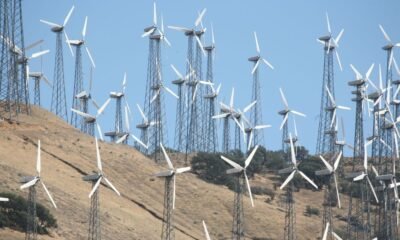

Global electricity demand is rising rapidly, but building a net-zero-compatible power system will require far more than new generation. The IEA outlines the grids, storage and...
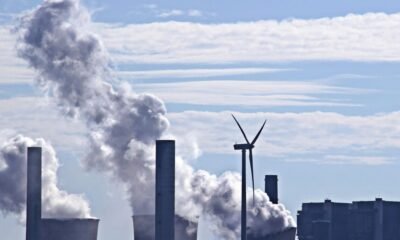

Global coal demand is forecast to rise 1.2% to a record 8.94 billion tonnes in 2026, with higher gas prices linked to the Middle East conflict...


Carbon pricing is moving beyond climate policy and into global trade. As the UK prepares its carbon border mechanism, India’s carbon market faces a crucial test:...


Six months into the Hormuz crisis, global fossil fuel importers have paid USD 330 billion above expected prices, with India’s additional bill reaching USD 22.5 billion....
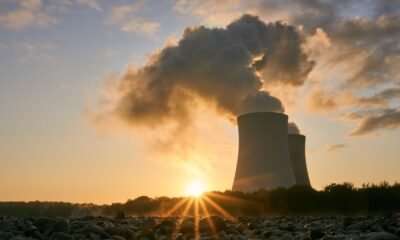

India wants to expand nuclear power from 8.78 GW to 100 GW by 2047, with private participation expected to provide a significant share. But financing, construction...

India’s solar expansion is entering a new phase, where generating electricity is only part of the challenge. A new IECC study examines how battery storage can...


India invests INR 23,731 crore on compressed biogas (CBG) to reduce fossil-fuel dependence, manage organic waste and strengthen energy security. With 217 plants commissioned and 339...