Health
How India’s Agrarian Crisis Is Making Nutritious Food Unaffordable
India’s agrarian crisis is reducing farmer incomes while making healthy diets increasingly expensive. Here’s why India’s food system needs urgent reform.

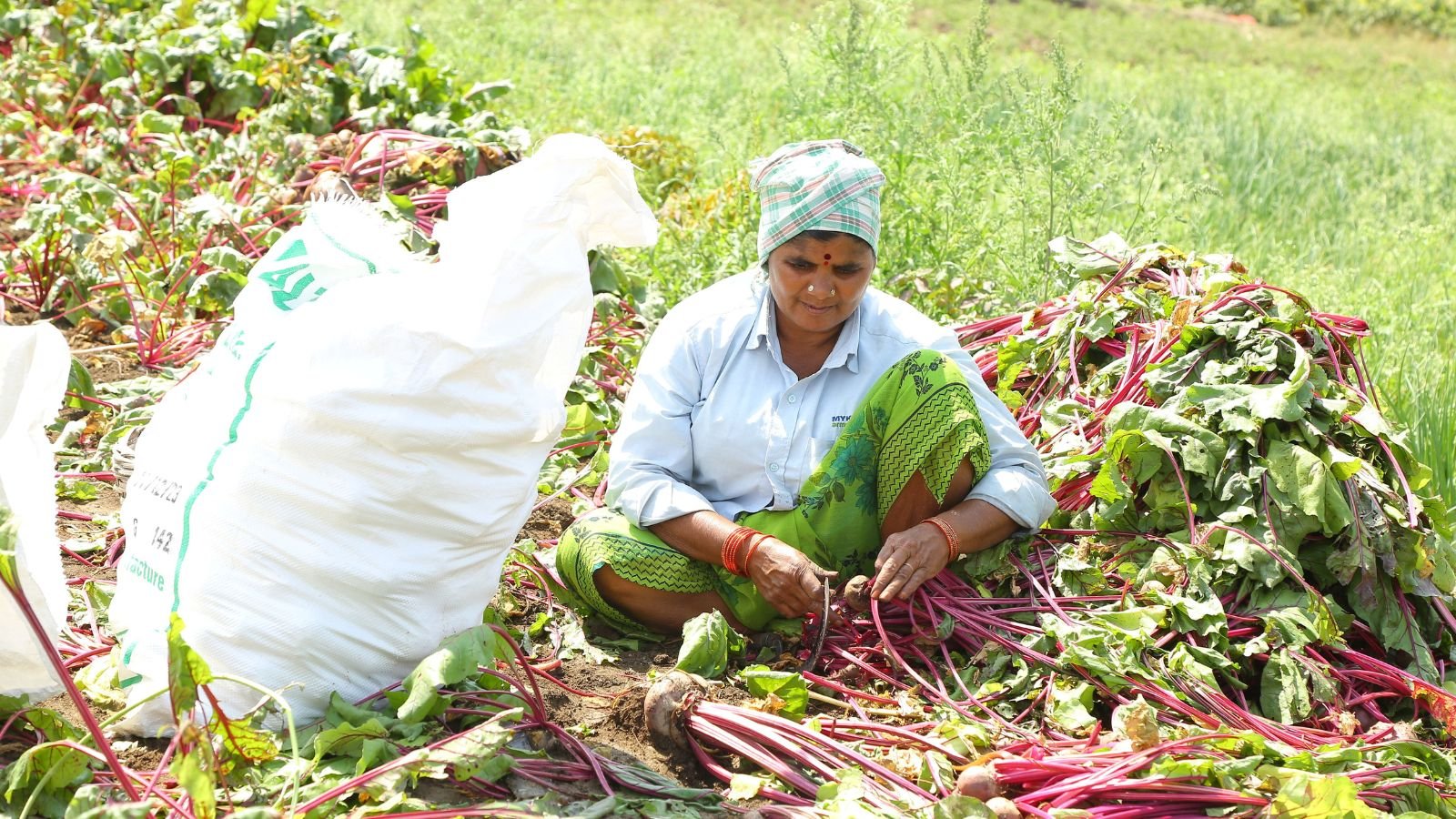
India’s agrarian crisis is shrinking farmer incomes while driving up the cost of healthy diets, exposing deep flaws in the country’s food system and nutrition security.
When the figures are carefully unpacked, one thing becomes unmistakable: Indian agriculture is passing through a deep and prolonged crisis. The sector is no longer a reliable source of income, and government support has not reached farmers in the measure needed to restore profitability. The farmer who, a few decades ago, owned his own soil is today gradually turning into a daily-wage labourer. Of a farming family’s total monthly earnings, barely one-third now comes directly from agriculture; the remaining share, nearly two-thirds, has to be made up through government or private jobs, wage labour, or small enterprises. In other words, farming alone is no longer enough to run a household.
How India’s Agrarian Crisis Is Making Nutritious Food Unaffordable
What is more worrying is that, even as the sector remains under pressure, the number of new entrants is rising rather than falling — and most are joining not as landowning farmers but as farm labourers. As landholdings are divided into smaller and smaller fragments, income from farming declines rapidly, forcing families to depend increasingly on non-agricultural sources to survive. This is reflected in suicide statistics too: of the total agricultural suicides recorded in 2023, the latest year for which the National Crime Records Bureau has released data, more than half — at least 56.5 per cent — were of farm labourers. This is not a sudden trend; it has been consistent for years. Of the 10,786 farm-sector suicides recorded that year, 4,690 were landowning farmers or cultivators, while 6,096 were farm labourers — that is, workers who own no land in their name, hold no crop insurance cover, and have no support to fall back on if the season fails. It is precisely this group of daily-wage workers that has today moved to the very centre of the agrarian crisis.
A survey by the National Bank for Agriculture and Rural Development (NABARD) paints a similarly stark picture: over the past five years, nearly 30 per cent of farming families reported crop losses caused by untimely rain, pest and disease attacks, cyclones or drought, and 12 per cent suffered unexpected drops in market prices. Faced with these shocks, families were left with only two options — exhaust their savings or borrow from moneylenders. The reality is so stark that, per NABARD’s All India Rural Financial Inclusion Survey (NAFIS) 2021-22, covering the five-year window from 2016-17 to 2021-22, the average farming household is left with a monthly surplus of just ₹1,951 after covering its expenses — and it is precisely out of this gap that the cycle of debt is born.
The average debt on a farming household stood at ₹91,231, marginally higher than the ₹89,074 average for non-farming households. The Parliamentary Standing Committee on Agriculture, Animal Husbandry and Food Processing has said the situation demands close monitoring and precisely targeted interventions, so that farmers can sustainably bear the burden of their debt while continuing to invest in agriculture. The committee stated that the department concerned must ensure farmers do not get trapped in an unbearable cycle of debt, and that the schemes designed for them actually deliver benefits on the ground.
And this crisis will not stop here. A powerful super El Niño is taking shape, and weather experts fear it may disrupt the coming monsoon. Farmers already entering the new season in loss, and under the weight of debt, have little capacity left to absorb another shock. In this new era of shifting climate, providing farmers with a coherent, far-sighted policy framework is not a lofty demand — it is the bare minimum.
The Rising Cost of Nutrition
The crisis in the fields echoes directly in urban kitchens, and today the sharpest edge of inflation is falling on the ordinary person’s plate. In India, a nutritious and balanced diet is becoming more expensive every year, moving further out of reach for crores of families. According to the UN’s latest report, The State of Food Security and Nutrition in the World 2026, the per capita cost of a healthy diet in India has risen by more than 48 per cent since 2017. The minimum cost of a daily balanced diet for an average Indian, which stood at $2.77 (PPP) in 2017, reached $4.11 in 2025 — a rise of roughly 34 per cent compared to 2021, when the figure for India stood at $3.07 (PPP). Purchasing power parity (PPP) does not depend on currency exchange rates alone; it also accounts for local prices of goods and services in a given country, and so more truly reflects the burden falling on an ordinary person’s pocket.
The average global per capita cost of a healthy diet has risen from $2.94 (PPP) in 2017 to $4.28 in 2025, an increase of nearly 46 per cent
This rise in prices hits poor and economically weaker families hardest, because the moment prices rise, it is nutrient-rich foods such as fruits, vegetables, milk and eggs that first begin disappearing from their plates. If a healthy diet continues to remain this expensive, the path to a balanced diet will become even harder for families already struggling with malnutrition. According to the definition set by the Food and Agriculture Organization (FAO) and the World Health Organization (WHO), a diet can be called healthy only when it simultaneously provides the body with sufficient energy, essential nutrients, variety and balance — mere fullness of the stomach is not the criterion.
The global picture is not very different. The average global per capita cost of a healthy diet has risen from $2.94 (PPP) in 2017 to $4.28 in 2025, an increase of nearly 46 per cent. The situation among India’s South Asian neighbours is even more severe than India’s own. In Bhutan, this cost has reached $6.17, a rise of 49 per cent compared to 2017. In Bangladesh it stands at $4.59 with a 48.5 per cent rise, in Sri Lanka at $5.21 with a 35 per cent rise, in Pakistan at nearly $3.94 with roughly a 33 per cent rise, and in Nepal at $4.19 with a 26 per cent rise. In other words, India’s cost is higher than Pakistan’s but lower than Nepal’s, Bangladesh’s, Sri Lanka’s and Bhutan’s. Yet it must not be forgotten that in a country with as vast a population as India, even a small rise in cost can have a massive impact on the plates of millions upon crores of households.
There is, however, one reassuring point: the number of people worldwide unable to afford a healthy diet has declined from 297 crore (37.4 per cent) in 2021 to 269 crore (32.7 per cent) in 2025. Even so, nearly one in every three people in the world today still cannot afford the cost of nutritious food, and it is the African continent that is scorched worst in this regard, where 66.6 per cent of the population finds a healthy diet beyond reach.
It is also worth understanding exactly where the larger share of the cost goes. The greatest expense falls on fruits, vegetables, milk, eggs, meat and other fresh and animal-based foods, while grains such as rice and wheat remain comparatively cheap. It is precisely during the journey from farm to consumer — through processing, transport, storage, cold chains and wholesale distribution — that the bulk of the cost gets added. As much as 70 to 75 per cent of the total amount a consumer pays for their diet is spent purely within this middle chain. The result is that the farmer does not receive adequate reward for his labour, and the consumer too does not get produce at a fair price — both sides end up at a loss.
Taking the example of poor households in India, staple grains such as rice and wheat are easily available through government schemes or subsidised markets. But the prices of pulses, green vegetables, fruits and milk — the very foods that give the body real strength and immunity — have risen so much that they are slipping beyond the monthly budget of an ordinary family. The outcome is that even as malnutrition and anaemia persist in the country on one hand, the inability to afford nutritious food is growing on the other. This makes one thing entirely clear: merely supplying grain is not enough; the real test lies in delivering nutrient-rich components such as fruits, vegetables, pulses, milk and eggs to every plate at affordable rates. For this, irrigation, cold chains, research, food processing and the supply chain will all need to be strengthened, while also curbing the wastage of food.
The FAO has issued one more warning in its report: that tensions in the Strait of Hormuz and an effective El Niño persisting until the end of 2026 could together place additional strain on global food and fertiliser prices in the period ahead. According to the organisation’s Chief Economist, Máximo Torero Cullen, the real crisis facing the world is not a shortage of food but the rising cost of nutritious diets, and that boosting local production could bring this cost down significantly.
It must be kept in mind that if nutritious food keeps slipping beyond the reach of the ordinary person, the consequences will not remain confined to hunger alone — they will cast their shadow over children’s growth, women’s health, working capacity and the country’s overall economic productivity. This malnutrition will keep hollowing out bodies from within, generation after generation. Therefore, the goal before India can no longer remain limited merely to “food for all”; it must become “nutritious food for all.” Local production, a strengthened supply system and nutrition-centred policies have today become the greatest need of the hour.
The suicide of a farmer in the field and the vanishing nutrition from a child’s plate — these two events may appear separate on the surface, but their roots lie buried in the same systemic failure
Vanishing Diversity on Children’s Plates
It is said that the habits that take root on a child’s plate in early childhood go on to shape the direction of health for an entire lifetime. Yet today, essential components such as fruits, vegetables, pulses and dry fruits are gradually vanishing from the plates of crores of children across the world. This reality has come to light through an extensive study conducted by researchers at Tufts University and published in the journal BMJ Global Health. Analysing data from more than 1,200 dietary surveys conducted across 185 countries between 1990 and 2018, the study assessed the consumption, among children and adolescents from birth to nineteen years of age, of five plant-based food groups: fruits, non-starchy vegetables, starchy vegetables, pulses, and nuts and seeds. According to the researchers, these components are important not only for physical growth but equally for learning ability, mental agility and protection from many diseases later in life, and yet most children are eating far fewer fruits and vegetables than experts recommend.
The suicide of a farmer in the field and the vanishing nutrition from a child’s plate — these two events may appear separate on the surface, but their roots lie buried in the same systemic failure. The farmer does not get a fair return for his sweat, and the consumer does not get the nutrition he needs on his plate, and it is the chain standing between these two ends that keeps reaping the greatest profit. As long as this imbalance within the chain remains uncorrected, this cyclical curse will keep returning every year in a new form — sometimes in the shape of a farmer in the field, and sometimes in the shape of a malnourished child.
(The views and interpretations presented are those of the author and do not necessarily reflect the editorial position of EdPublica.)










Society
Intellectual disabilities linked to severe educational disadvantage in India, study finds
A new study published in Scientific Reports highlights significant educational disadvantages among people with intellectual and developmental disabilities and mental illness in India. Alongside school enrolment and infrastructure data, the findings underline persistent gaps in inclusive education, gender equality and access to learning support.


New Delhi: People with intellectual and developmental disabilities (IDD) in India face substantially greater educational disadvantages than those without disabilities, with gender and economic inequalities further widening the gap, according to a study published in Scientific Reports on October 15, 2026.
The research, analysed data from 402,994 adults using the 76th round of the National Sample Survey (NSS), conducted in 2018.
Researchers found that individuals with intellectual and developmental disabilities had a 71.3% predicted probability of receiving no formal education. The corresponding probability among people reporting mental illness was 48.3%.
The study also found that individuals with IDD had 28.9 times higher odds of receiving no formal education than those without disabilities. For individuals with mental illness, the odds were 3.3 times higher.
The findings highlight how disability-related barriers can translate into long-term educational exclusion, particularly when combined with poverty and gender discrimination.
Gender and economic inequalities compound exclusion
The researchers examined how educational disadvantages varied across gender and household economic groups.
Women with mental illness faced a particularly pronounced disadvantage. They were 18.7 percentage points more likely than men with mental illness to have received no formal education.
Economic circumstances also influenced educational outcomes. Among individuals with IDD, the predicted probability of receiving no formal education declined from approximately 79.9% in the poorest household group to 62.9% in the richest group.
For individuals with mental illness, the corresponding probability declined from approximately 59.9% to 33.5%.
However, economic advantage did not eliminate gender disparities. The researchers found that women with mental illness continued to experience educational disadvantages even in the wealthiest household category.
The study distinguishes between intellectual and developmental disabilities and mental illness, highlighting the importance of addressing their different educational and support requirements rather than treating them as a single category.
Enrolment figures reveal the scale of the challenge
The research findings gain significance when considered alongside India’s school-enrolment figures.
According to the Unified District Information System for Education Plus (UDISE+) data cited in a Lok Sabha response on March 30, 2026, approximately 1.91 million children with special needs were enrolled in government, government-aided and local-body schools during 2024–25.
The corresponding figure was approximately 1.93 million in 2023–24. Girls accounted for 827,521 of the enrolled children in 2024–25, representing approximately 43.4% of the total.
The figures indicate the scale of the population requiring inclusive educational support. However, enrolment alone does not establish whether children are receiving appropriate learning assistance, participating fully in classrooms or progressing through different levels of education.

Representational image.Image credit:Unsplash
Infrastructure and specialist support remain important components of inclusive schooling. The Ministry of Education’s Annual Report 2024–25 recorded that 11.34 lakh schools had ramps, 7.69 lakh had ramps with handrails and 5.06 lakh had children-with-special-needs-friendly toilets during 2023–24.
The government also reported 52,274 government, government-aided and local-body schools with special educators in 2024–25. These figures point to the need to assess not only school access but also the availability and distribution of trained personnel and accessible facilities.
Strengthening inclusive education
India’s Right of Children to Free and Compulsory Education Act, 2009, and the Rights of Persons with Disabilities Act, 2016, provide the legal framework for improving educational access for children with disabilities.
Under the Samagra Shiksha scheme, the government provides support through early identification, assessment, assistive devices, therapeutic interventions, transport allowances, resource support and individualised learning assistance.
The scheme also provides a stipend of Rs 200 per month for ten months to eligible girls with special needs to encourage school participation.
However, the research highlights the importance of addressing barriers that extend beyond school infrastructure and financial assistance. Teacher preparedness, social stigma, gender discrimination and inadequate access to specialised support can influence educational participation and attainment.
The researchers emphasise the need for gender-sensitive and income-sensitive interventions, including school-based mental-health support, community awareness programmes and stronger access to healthcare services.
The study also acknowledges limitations arising from its reliance on cross-sectional and self-reported data. Its findings establish associations rather than proving that disability alone causes educational exclusion. Moreover, because the analysis covers adults, it cannot directly measure the present-day enrolment or dropout rates of children with disabilities.
Nevertheless, the findings offer an important indication of how educational inequalities can persist into adulthood. They underline the need to strengthen inclusive education systems so that children with disabilities are not merely enrolled in schools but are also supported in completing their education and accessing further opportunities.
Health
TB deaths decline in India, but diagnostic gaps threaten elimination goals
India has reduced tuberculosis mortality by 38% since 2015, according to the WHO Global Tuberculosis Report 2026. However, gaps in diagnostic infrastructure, particularly in drug-resistance testing and laboratory facilities, continue to challenge the country’s TB elimination efforts.
India has recorded a 38% decline in tuberculosis (TB) mortality since 2015, outperforming the global reduction of 35%. However, significant gaps in diagnostic infrastructure, particularly at primary healthcare facilities, could complicate the country’s efforts to eliminate the disease.
The findings present a mixed picture of India’s TB response. The World Health Organization’s (WHO) Global Tuberculosis Report 2026, released on November 12, documents improvements in mortality and treatment outcomes. At the same time, a multi-state study published in the journal Microbiology Spectrum in August 2026 identifies substantial shortages in essential diagnostic services, including facilities required to detect drug-resistant TB.
According to the WHO report, India’s estimated TB mortality rate declined from 28 deaths per lakh population in 2015 to 18 per lakh in 2025. The country also recorded a 94% treatment success rate among patients with drug-susceptible TB.
The figures indicate progress in early detection, treatment access and patient support. However, reducing mortality does not necessarily mean that diagnostic services are equally accessible across the country’s healthcare system.
Diagnostic infrastructure remains inadequate
The study, titled Evaluating the nationwide availability of essential diagnostics for tuberculosis toward achieving a TB-free India, examined 327 public healthcare facilities across seven states and Delhi. It assessed the availability of diagnostic services recommended under India’s National Essential Diagnostics List.
One of its major findings was a 61.56% shortfall in culture and drug-susceptibility testing (CDST) laboratory capacity compared with population-based requirements. The researchers identified only 97 CDST laboratories against 6,308 TB Treatment Units.
Drug-susceptibility testing is essential for identifying whether tuberculosis bacteria are resistant to particular medicines. Without timely testing, patients with drug-resistant TB may face delays in receiving appropriate treatment, potentially increasing the risk of continued transmission and unsuccessful treatment outcomes.
The study also found that only 4.94% of the surveyed Primary Health Centres (PHCs) had the complete set of essential TB diagnostic facilities recommended for that level of healthcare.
Across the assessed facilities, cartridge-based nucleic acid amplification testing (CBNAAT), which can rapidly detect TB and certain forms of drug resistance, was available in 51.28%. X-ray services were also available in 51.28% of the facilities.
The researchers emphasised that expanding access to individual diagnostic technologies would not be sufficient without trained personnel, functional laboratory networks, maintenance, quality assurance and effective referral systems.
The findings should be interpreted as a multi-state assessment rather than a nationally representative survey of every public healthcare facility. Nevertheless, they identify infrastructure weaknesses that require further attention.
Screening expands across the country
India has expanded its screening initiatives under the TB Mukt Bharat Abhiyaan, which focuses on identifying undiagnosed cases, particularly among vulnerable populations.
According to the Union Ministry of Health and Family Welfare, more than 25 crore people were brought under intensified screening activities between December 2024 and November 8, 2026. The programme conducted over 11 crore chest X-rays and more than three crore molecular diagnostic tests.

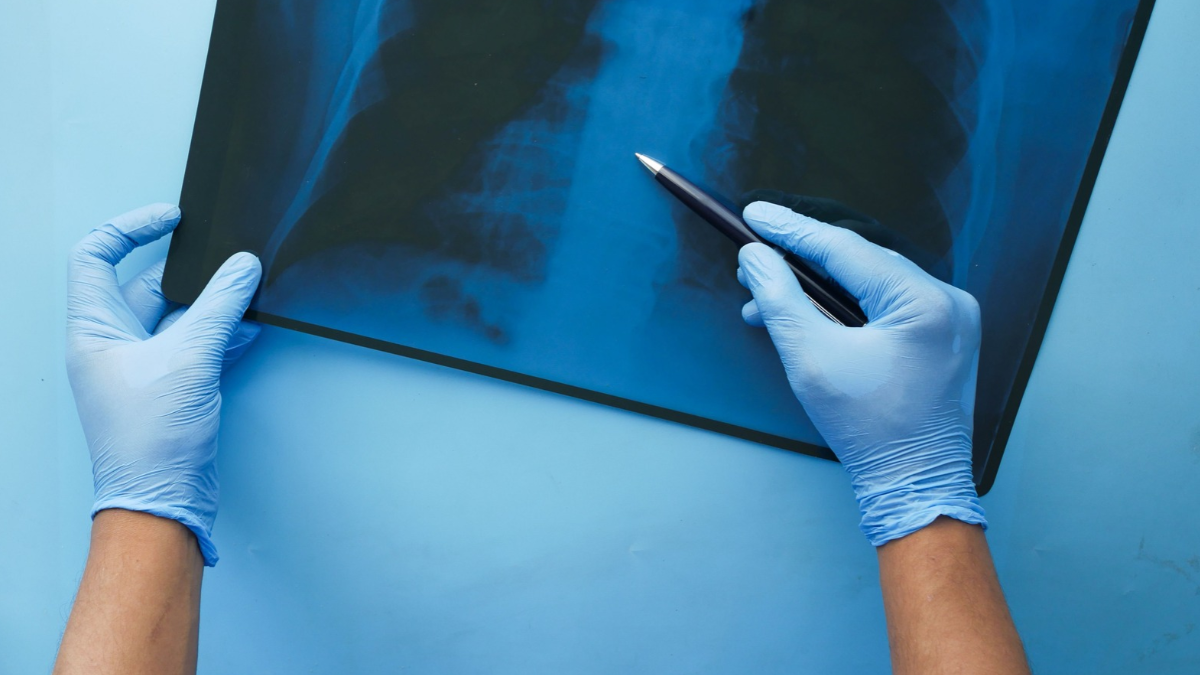
A healthcare professional examining a chest X-ray.Image credit:Pexel
The campaign identified 48.64 lakh new TB cases, including 14.97 lakh asymptomatic cases. Detecting individuals without noticeable symptoms is particularly important because undiagnosed infections can delay treatment and contribute to transmission.
The government has also expanded nutritional assistance through the Ni-kshay Poshan Yojana and community support through the Ni-kshay Mitra initiative. These interventions recognise that TB treatment involves more than medication, particularly for patients experiencing undernutrition and financial difficulties.
Drug resistance and the challenge ahead
Drug-resistant tuberculosis remains an important concern for public health systems. Treating drug-resistant infections requires accurate diagnosis and appropriate treatment regimens, making access to comprehensive laboratory services essential.
The diagnostic study argues that rapid molecular tests must be complemented by functional culture-based testing facilities capable of identifying a broader range of drug resistance. It also highlights the potential of next-generation sequencing for resistance profiling, although costs, infrastructure and bioinformatics capacity remain barriers to wider implementation.
The WHO report, which draws on information from 187 countries and territories covering more than 99% of the global population and TB cases, provides an important assessment of progress towards international TB targets.
India’s declining mortality and improved treatment outcomes represent significant gains. However, sustaining this progress will depend on whether diagnostic services can reach patients before the disease advances and whether healthcare facilities can identify drug resistance promptly.
As India continues its TB elimination efforts, strengthening primary healthcare laboratories, expanding molecular testing and improving access to drug-susceptibility testing will be critical. The next phase of progress must focus not only on screening more people but also on ensuring that every suspected case can access accurate diagnosis and appropriate treatment.
Space & Physics
Can Studying Cancer Tumours in Space Help Improve Chemotherapy on Earth?
Researchers are studying miniature models of colorectal cancer aboard the International Space Station to understand whether microgravity changes how cancer cells respond to chemotherapy.
Two people diagnosed with the same type of cancer may not respond to the same treatment in the same way. A chemotherapy drug that works well for one patient may be less effective for another. This happens partly because tumours differ in their genetic makeup, growth patterns and response to medicines. Understanding these differences is vital for developing cancer research and treatments that work better for individual patients.
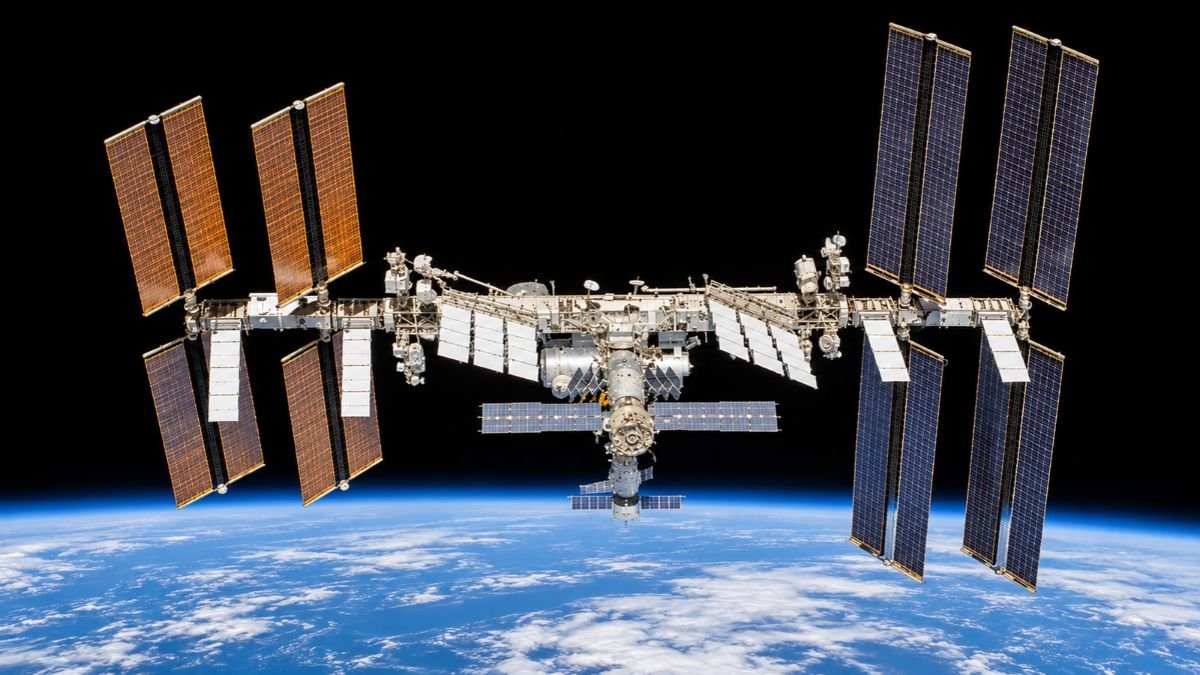
By sending miniature models of cancer tumours into space, scientists at Wake Forest Institute for Regenerative Medicines in the United States are exploring an unusual way to explore the problem. They are investigating whether the absence of normal gravity changes how colorectal cancer cells respond to chemotherapy. The project, called Tumor Avatars in Space (TAVIS), uses the International Space Station (ISS) as a laboratory to study how cancer cells behave in microgravity.
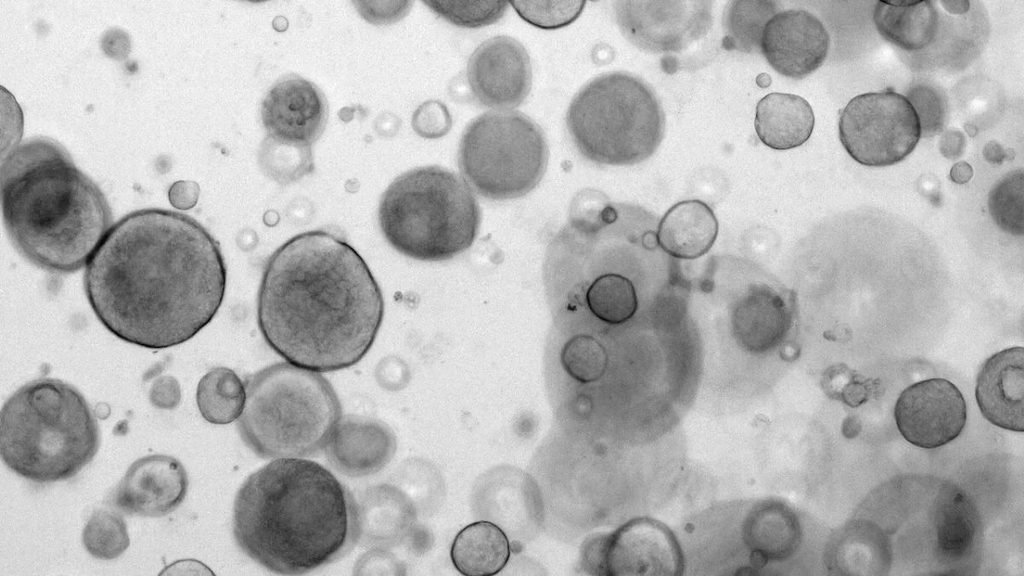
The experiment uses organoids, which are small, three-dimensional models of human tissues grown in laboratories. For this project, researchers developed tumour organoids using cancer cells collected from patients with colorectal cancer. These miniature models retain some of the biological features of the original tumours, allowing scientists to study how they respond to medicines.
The researchers will compare how these tumour models respond to chemotherapy in space and on Earth. By studying the differences, they hope to understand whether microgravity changes the way cancer cells react to treatment.
Why Study Cancer Cells in Space?
Gravity influences how cells grow and arrange themselves. On Earth, cells are affected by gravitational forces and the way they settle within their surroundings. In microgravity, these conditions change, allowing cells to form three-dimensional structures in different ways. This makes space an interesting environment for studying how cells behave. Researchers want to know whether changes in these conditions can affect tumour growth, cell activity and responses to cancer drugs.
Cancer tumours are made up of more than just cancer cells. They contain different types of cells that interact with one another and their surroundings. These interactions can influence how a tumour grows and responds to treatment. Studying three-dimensional tumour models can help scientists understand some of these processes better.
In the TAVIS experiment, researchers will examine whether colorectal cancer cells become more sensitive to chemotherapy under microgravity conditions. If they find differences, they will investigate the genetic and cellular changes responsible for them. One area of interest is how cancer cells use energy. This process, known as metabolism, helps cells grow, survive and carry out their functions. Changes in metabolism could influence how effectively chemotherapy destroys cancer cells.
The researchers hope to identify the biological processes behind any changes in treatment response. They will then investigate whether similar effects can be reproduced on Earth, potentially by targeting particular genes or cellular processes.
What are Tumour Organoids?
Organoids are miniature, three-dimensional structures grown in laboratories using stem cells or cells taken from human tissues. Depending on the cells used, scientists can grow models that reproduce certain features of organs such as the intestine, liver, brain and lungs. In cancer research, scientists can use cells collected from a patient’s tumour to grow patient-derived tumour organoids. These models retain some of the characteristics of the original cancer and allow researchers to test how different medicines affect it.
This approach provides more information than experiments using cancer cells grown in a flat layer in laboratory dishes. Since organoids have a three-dimensional structure, they can better represent some of the conditions in which cells grow and interact inside the body.
Researchers are also studying whether patient-derived organoids could help doctors identify treatments that are more likely to work for individual patients. However, this approach still requires further research and is not yet a replacement for established clinical treatment decisions.
Can it Help Cancer Treatment?
The TAVIS project is part of a wider effort to use space-based research to understand human biology and develop medical applications on Earth. After the experiment, researchers will compare the space-grown tumour models with those maintained on Earth. They will examine whether microgravity caused changes in the cancer cells and whether those changes affected their response to chemotherapy.
“If microgravity makes these tumors more responsive, we can look for the genetic changes behind that and try to induce the same changes here on Earth,” said Shay Soker, Ph.D., WFIRM professor and principal investigator of the study. “It’s similar in spirit to immunotherapy, which makes tumors more visible to the immune system. The tumor can run, but it can’t hide.”
If the space-grown models respond differently, scientists will investigate whether the same effects can be produced under normal conditions on Earth. This could help identify new ways to make cancer cells more responsive to existing treatments.
The experiment does not mean that cancer can be treated more effectively in space. Instead, it uses the unusual conditions aboard the ISS to investigate biological changes that are difficult to study in conventional laboratories. By understanding how cancer cells respond to different conditions, researchers hope to gain new insights into tumour behaviour, drug development and the possibility of more personalised cancer treatment.
-

 Math4 months ago
The 2026 Fields Medals: Four Proofs, Four Decades-Old Problems Solved
-
EP Deep Dive: Data & Solutions4 months ago
After Kerala’s Deadliest Landslide, the Hardest Thing to Rebuild Was Childhood
-
EP Deep Dive: Data & Solutions4 months ago
West Asia Crisis: Can Kerala’s Returning Gulf Migrants Find a Future in the Green Economy?
-
Space & Physics6 months ago
India Semiconductor Mission: ‘It’s Not About Fabs. It’s About Building An Entire Ecosystem’
-
Interviews2 months ago
From Scams to Screens: How the National Stock Exchange Rewrote India’s Equity Story
-
Climate & Environment5 months ago
The Climate World Cup? How Climate Change Could Affect Player Performance at the 2026 World Cup
-
Society4 months ago
What Is Civilisational Diplomacy? Understanding India’s Newest Foreign Policy Tool
-
Society5 months ago
From Bell Labs to the Classroom: A Second Career in Teaching