Climate
ESG Narratives and the Talk–Walk Gap: Why Climate Commitments Still Fall Short
As ESG rhetoric becomes increasingly sophisticated, measurable climate outcomes continue to lag behind corporate promises. From net-zero pledges to digital green narratives, the growing “Talk–Walk Gap” raises urgent questions about accountability, transparency, and the future credibility of global sustainability commitments.

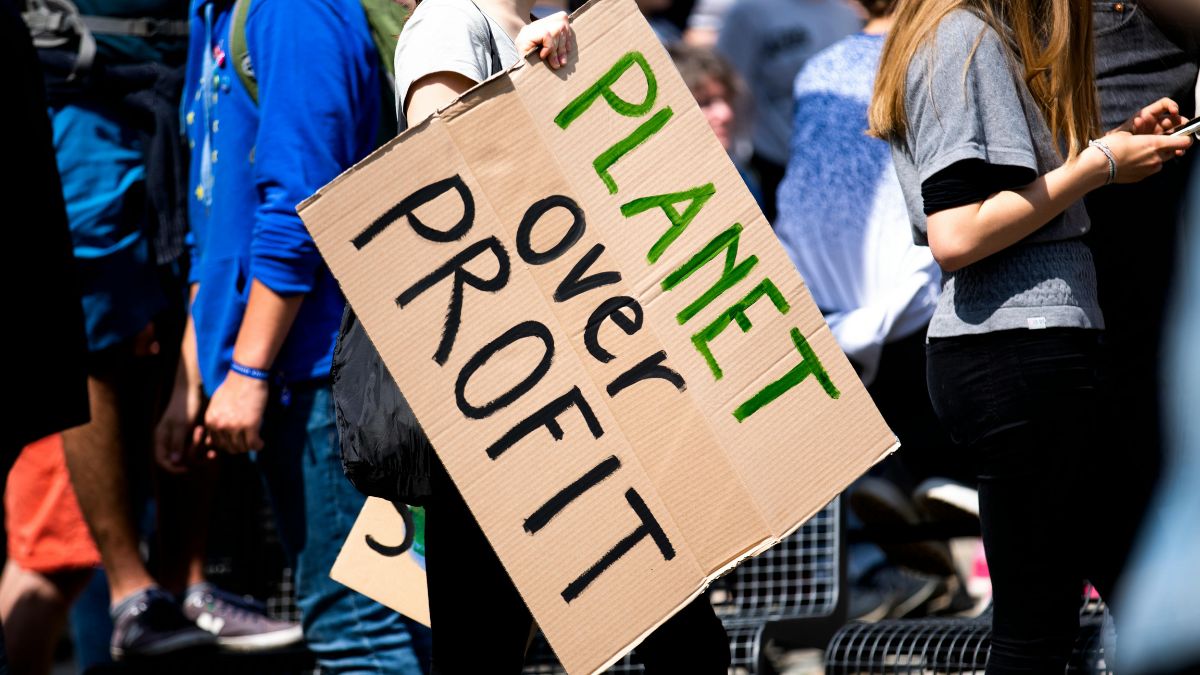
The end of 2025 marks the close of another chapter in which much of the global discourse appears to have grown comfortable with ESG (Environmental Social Governance) messaging, even as its tangible impact remains uncertain. What was once framed as a pathway toward an eco-friendly and socially responsible future increasingly risks stagnating as an idealistic, almost utopian concept.
Corporations, meanwhile, have become adept at constructing environments where ESG strategies are articulated confidently but seldom questioned. Sustainability reports are published, climate targets are announced, and long-term commitments are projected — yet the link between these narratives and measurable environmental outcomes often remains unclear.
As debates around ESG continue to unfold in the background, it becomes crucial to ask a more fundamental question: does corporate ESG practice genuinely seek to serve society in a holistic sense, or does it primarily operate to protect vested interests? Examining ESG narratives and their real-world implications is therefore essential, particularly given the immediacy and evolving nature of today’s climate and sustainability challenges.
Current Relevance and Importance
The relevance of this discussion intensifies amid the ongoing COP30 controversy, where the participation of major contributors to environmental instability has drawn global attention. Many of the actors shaping climate discourse continue to represent high-emission industries, raising concerns about how environmental threats are increasingly reframed as economic opportunities.
Factual investigations by Climate Action Against Disinformation (CAAD) offer a close-range view of how digital platforms were leveraged in the run-up to the summit. Their recent report documents how major oil companies made extensive use of Google’s advertising ecosystem, pursuing an aggressive strategy to influence online climate narratives. As of October 2025, oil company advertisements increased globally by 218%, while ads specifically targeting Brazil surged by 2,900%.
Company-level data further illustrates the scale of this intervention. Advertising activity by Saudi Aramco rose by 469.2% month-on-month in October, alongside significant increases by TotalEnergies (106.5%) and ExxonMobil (156.3%). Together, these patterns highlight the extent to which corporate actors can shape climate discourse during moments of heightened political attention (CAAD).
Parallel concerns were reflected in the Statement of Commitment on Climate Information Integrity in Digital Advertising, launched at COP30, which drew attention to climate-related advertising that disseminates misleading narratives, erodes public trust, and operates with limited transparency. The issue of climate disinformation is no longer abstract; it is observable, measurable, and increasingly consequential for public understanding and democratic accountability.
COP30, as a global stage for climate action, therefore also exposed the limits of information transparency in digital ecosystems. The prevalence of paid green narratives and strategic messaging raises questions about whose interests are amplified and whose are marginalised. In such settings, sustainability narratives function less as instruments of accountability and more as strategic proclamations designed to preserve influence and legitimacy, widening the distance between climate ambition and climate action.
Net Zero Commitments vs Net Zero Outcomes
Data from the Net Zero Tracker — a joint initiative of the Energy & Climate Intelligence Unit (ECIU), Data-Driven EnviroLab, the NewClimate Institute, and the University of Oxford — illustrates this imbalance clearly. The analysis indicates that 62.7% of companies actively communicate net-zero intentions through strategy, pledges, or proposed targets, yet fail to provide verifiable evidence of achievement. In contrast, only a negligible fraction of firms can demonstrate externally validated net-zero outcomes, based on an assessment of the world’s 2,000 largest publicly listed companies by annual revenue (Net Zero Tracker, 2024–2025 dataset).
This disparity suggests that ESG communication, in many cases, operates as a narrative exercise rather than a performance-driven framework. The widening gap between declared intent and measurable delivery makes it imperative to examine what can be described as the “Talk–Walk Gap” — the divergence between sustainability messaging and substantive environmental action.
Combining Next-Generation AI and ESG Accountability
Artificial Intelligence, particularly Natural Language Processing (NLP), offers a practical mechanism for analysing this gap. Repetition across CSR reports, sustainability disclosures, and corporate press releases can be systematically examined to identify patterns of narrative reuse rather than strategic progression.
Through techniques that assess verbal mimicry, keyword recurrence, and semantic similarity, NLP can help distinguish genuine ESG evolution from recycled sustainability rhetoric. When ESG language remains largely unchanged across reporting cycles, despite shifting climate risks and regulatory expectations, it raises questions about whether commitments are being operationalised or merely reiterated.
Such analytical tools allow consumers, investors, and policymakers to make more informed decisions. Importantly, they reduce the likelihood that green financing instruments and green bonds are used merely as tools of financial leverage rather than vehicles for genuine environmental transition. In this sense, AI does not replace accountability; it strengthens transparency by exposing inconsistencies between communication and action.
Aftermath
The implications of weak ESG accountability extend beyond corporate strategy and into everyday life. Sustainability narratives increasingly shape consumption patterns, influencing how products and technologies are marketed and normalised within ordinary lifestyles. From energy-intensive appliances to digitally driven conveniences, ESG claims often accompany commodities whose environmental alignment remains unclear.
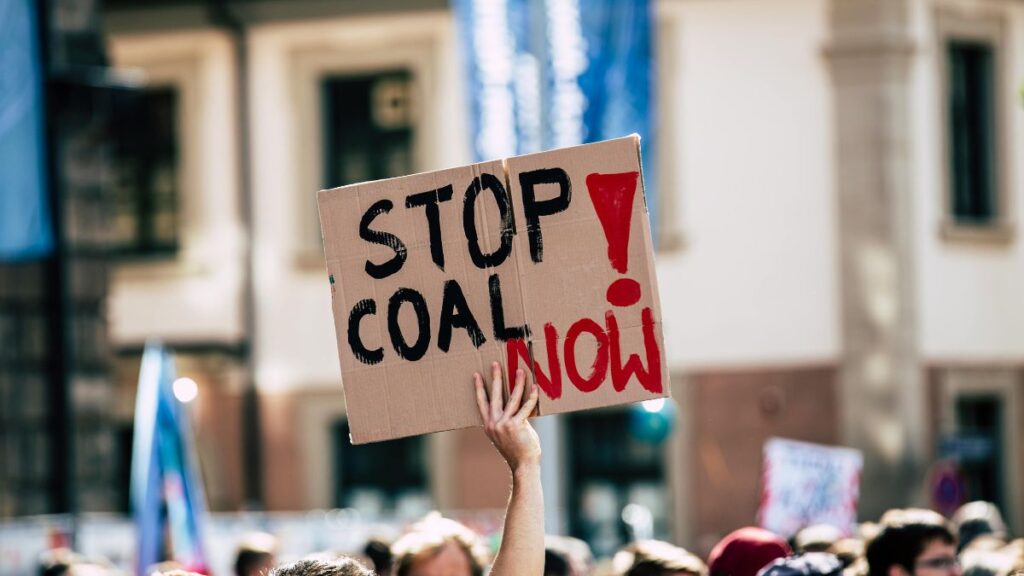
Whether such practices genuinely contribute to global sustainability objectives — including UN Sustainable Development Goals 7 (Affordable and Clean Energy) and 12 (Responsible Consumption and Production) — remains uncertain within the current corporate landscape. Society itself becomes an unwitting participant in this system, reinforcing narratives without adequate mechanisms for verification.
In an era increasingly shaped by generative AI, the need to detect misalignment between corporate objectives, policy commitments, and actual performance becomes more pressing. While these technologies can be used to amplify corporate messaging, they can also be deployed in the public interest — as tools to flag inconsistencies, assess credibility, and strengthen accountability across ESG ecosystems.
The integration of AI into ESG governance is not without risk, and it requires clear ethical boundaries, institutional oversight, and internationally aligned standards. Frameworks developed by internal governance bodies, alongside external institutions such as the United Nations, can help ensure that AI serves as a mechanism for transparency rather than a vehicle for strategic distortion.
This underscores the growing importance of collective scrutiny and informed engagement with ESG principles. Understanding how sustainability is communicated, validated, and implemented is not merely a corporate concern, but a societal one. Addressing the Talk–Walk Gap therefore requires sustained evaluation, improved verification, and transparent progress — not abrupt disruption, but deliberate and accountable change.



Climate
What If the Next Disaster Is Worse Than Anything We’ve Seen?
MIT researchers have developed a machine-learning tool that can generate plausible extreme-weather scenarios beyond historical records, offering planners a new way to prepare for unprecedented floods, heatwaves and storms.

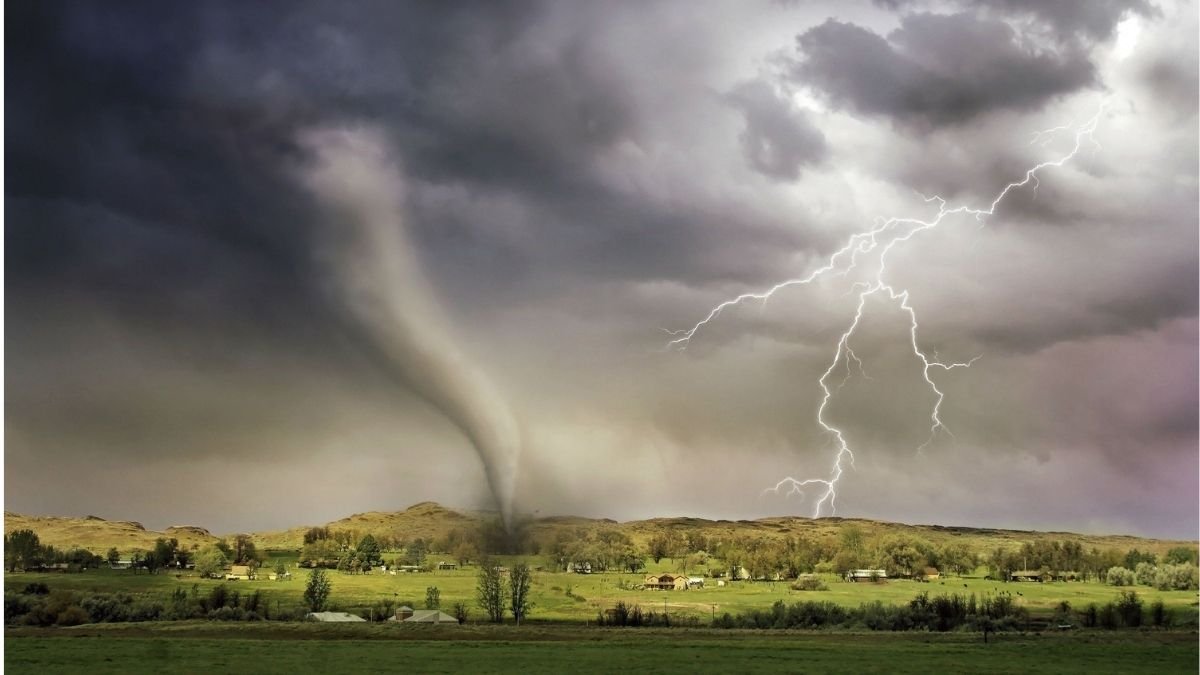
The devastating floods in Nepal this month have shown how quickly an extreme event can overwhelm infrastructure, disrupt power systems and create cascading risks. Across the region, India is also dealing with intense monsoon activity, with the India Meteorological Department issuing repeated warnings for heavy to extremely heavy rainfall in several states.
But disaster planners face a harder question: What happens when the next extreme event is worse than anything in the historical record? Historical data is essential for estimating risk, but it cannot provide a blueprint for an event that has never happened before. Researchers at the Massachusetts Institute of Technology (MIT) have developed a machine-learning method that attempts to fill that gap.
Called Extreme Event Aware, or η-learning, the method generates statistically plausible scenarios of unprecedented extreme events without needing examples of such events in its training data.
Climate Extreme Events and Historical records
Traditional risk models often learn from past disasters. But if the event being planned for is more severe than anything previously recorded, there may be little data to work with. For example, if a city’s highest recorded rainfall is 200 millimetres, planners may still need to understand what a plausible 300-millimetre event could look like.
“We are trying to model extreme, unprecedented events that no one has seen before, that are not in the dataset,” said Kai Chang, an MIT graduate student and member of the research team. The new method combines information about how frequently extreme values occur with spatial data showing how weather events are distributed.
Testing an Extreme Storm
The researchers tested the method using 25 years of precipitation data from across the continental United States. They trained the algorithm on spatial data from only the first six months of the record, which contained few or no examples of the most extreme rainfall events. The model then generated plausible scenarios for rainfall events beyond those in its training data.
A planner could use the system to explore a once-in-100-year storm and examine its potential size, intensity and area of impact. The goal is to generate multiple plausible scenarios that can be used to test infrastructure and emergency planning.
India and Climate Extremes
The challenge is relevant to India, where climate risks are already affecting large populations. A 2025 Council on Energy, Environment and Water assessment found that 417 of 734 districts, or 57%, are at high or very high risk from extreme heat. These districts account for about 76% of India’s population. More than 70% of districts have also experienced at least five additional very warm nights per summer compared with the 1982–2011 baseline.
Flood risk is also expected to grow. A World Bank assessment estimates that the area exposed to urban pluvial flooding in India could increase 3.6 to seven times by 2070. The number of urban residents exposed to a 1-in-100-year, 50-centimetre flood could rise from 11.1 million in 2023 to 25.4–46.4 million by 2070, depending on the scenario.
Preparing for the Worst Case Scenario
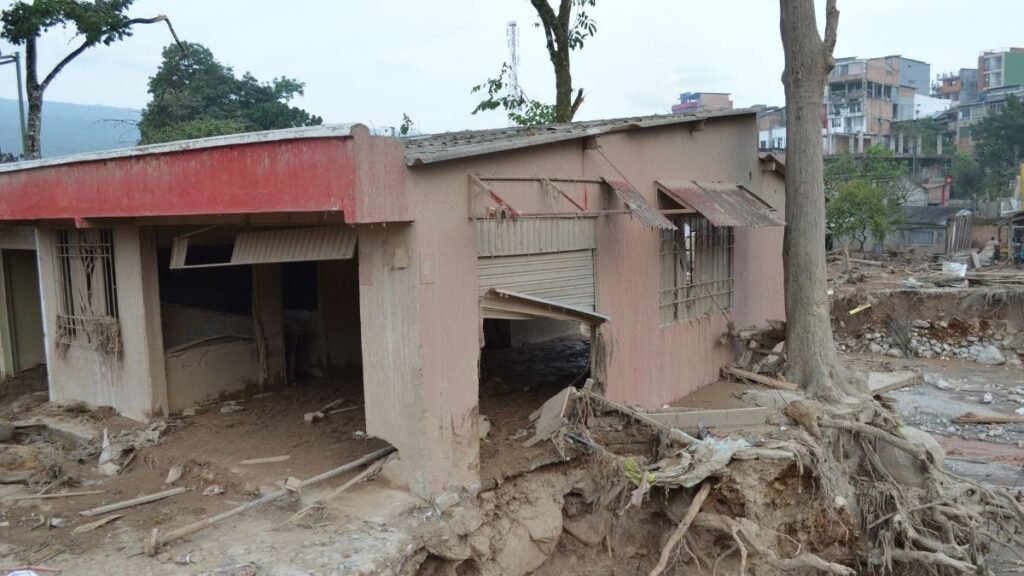
A scenario-generation tool could allow planners to examine that possibility, from the size of a flood to the duration of a heatwave, before infrastructure is tested by the real event.
The MIT researchers say the approach could also be applied to wildfires, floods and other complex systems, including financial markets. As climate risks evolve, resilience may increasingly depend not just on preparing for disasters that have happened, but on understanding those that are plausible even when they have never happened before.
Climate
Nepal’s Glacier Disaster Exposes the Unequal Cost of Climate Change
Nepal contributes only about 0.1% of global greenhouse-gas emissions, yet its communities face growing risks from glacier loss, floods and landslides. The latest glacier-related disaster shows how climate vulnerability can fall hardest on countries that have contributed little to global warming.
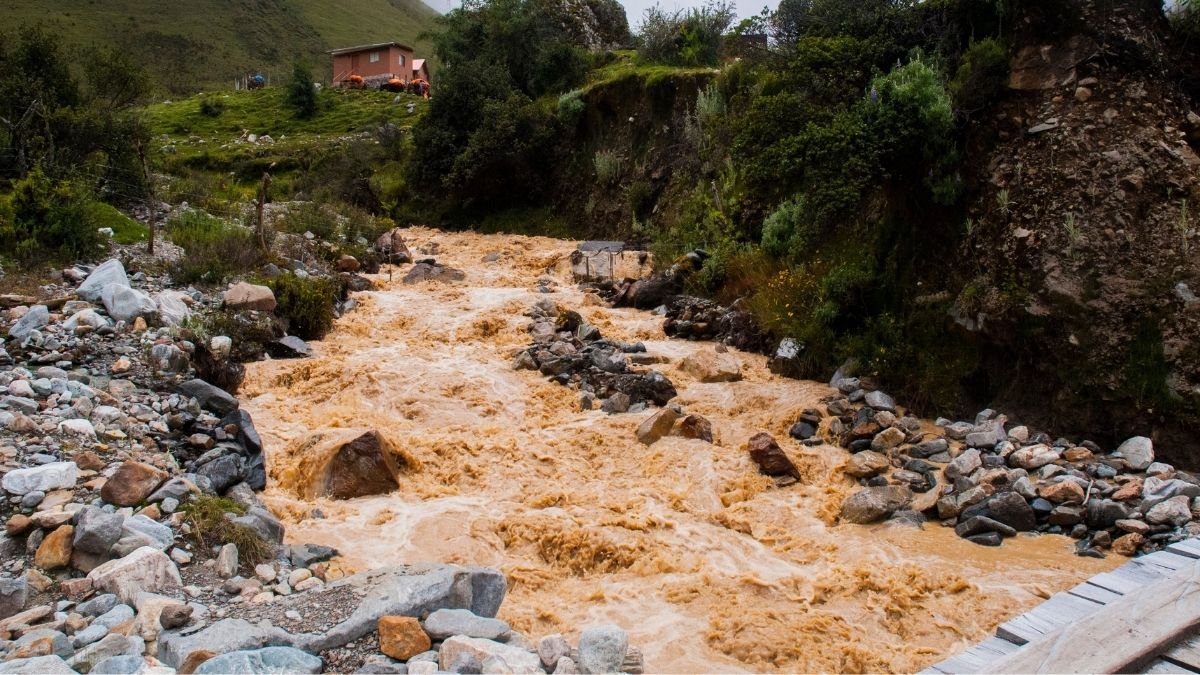
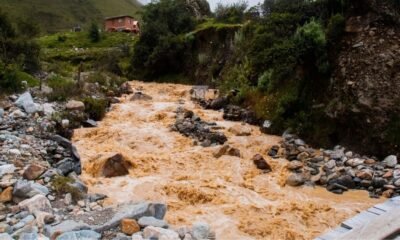
A glacier collapse in Nepal has set off a chain of floods and landslides along the country’s border with China, killing hundreds of people and leaving thousands missing. Roads and bridges have been swept away, hydropower facilities damaged and a key trade route disrupted. The disaster has also brought an uncomfortable question to the surface. Nepal has contributed very little to the greenhouse-gas emissions driving global warming. Yet the country’s mountains are among the places where a changing climate is being felt most sharply.
Nepal’s disaster authorities said on August 29 that 626 people had died and 2,426 remained missing after the floods on August 26. China has reported seven deaths and hundreds of people missing in Tibet. Bad weather has slowed helicopter operations, while damaged roads and other infrastructure have made it difficult for rescuers to reach some areas.
The disaster began high in the mountains, where a large section of glacier broke away, sending ice, rock and debris into the river system below. The resulting surge tore through valleys in Nepal and Tibet, damaging homes, roads, bridges and other infrastructure. Scientists are still working to establish exactly what caused the glacier to collapse.
That uncertainty is important. There is not enough evidence to say that climate change caused this particular event. But the collapse happened in a Himalayan region that is warming rapidly and losing ice at an accelerating rate.
A Country that Emits Little
Nepal’s share of global greenhouse-gas emissions is about less than 0.1%, according to the World Bank. That is a small contribution when compared with the major economies whose industries, transport systems and energy use account for much larger shares of global emissions. Nepal’s economy has not been built around the kind of large fossil-fuel industries that have driven emissions in many wealthier countries.
Yet geography leaves Nepal unusually exposed. Much of the country lies in the Himalayas, where communities live below steep slopes, glaciers and rivers. Floods, landslides, drought and glacial lake outbursts already pose serious risks. When a hazard begins high in the mountains, its effects can travel quickly into valleys where people live and where roads, hydropower projects and other infrastructure are concentrated.
For Nepal, the problem is therefore not simply how much carbon it emits. It is how much damage it can absorb when the climate and its mountain environment change.
The Himalayas are Changing
The August disaster comes as Nepal’s glaciers undergo a profound transformation. The country’s glaciers have lost nearly one-third of their ice in just over three decades, according to estimates cited by the United Nations. The pace of ice loss in the decade before 2023 was about 65% faster than during the previous decade.
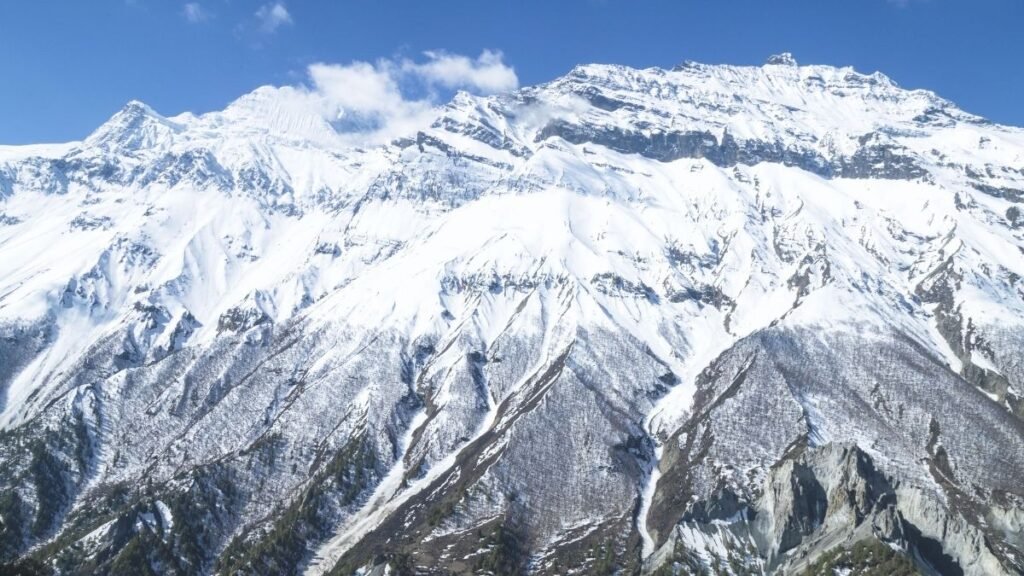
As temperatures rise, glaciers retreat and snow and ice patterns change. Mountain slopes can become less stable, while melting ice and changing water flows can alter the risks faced by communities downstream. The danger is not limited to one type of event. A collapse high on a mountain can trigger an avalanche or debris flow, which can block a river, create a temporary lake and set up another flood further downstream.
That sequence is now playing out in the aftermath of the August 26 disaster. The force of the flood damaged infrastructure and changed parts of the river system. New blockages and lakes have also raised concerns about further flooding. For people living in these valleys, the danger does not necessarily end when the first flood passes. Damaged roads can cut off communities from food and medical care. Disrupted water and sanitation systems can create additional health risks. And rebuilding can take months or years.
When Disaster Meets Poverty
Climate risk becomes harder to manage when a country has limited resources to prepare for it. The World Bank estimates that climate impacts could leave Nepal’s economy at least 7% smaller by 2050 if climate risks are not adequately addressed. Floods, landslides, drought and water stress already threaten livelihoods and infrastructure.
The latest disaster shows what those risks look like on the ground. More than 90,000 people need urgent assistance, while UNICEF estimates that about 17,000 children require humanitarian support. Eighteen schools have been destroyed and another 20 damaged. Entire communities have been swept away, leaving survivors in need of shelter and basic supplies.
The damage is also hitting infrastructure that Nepal depends on for its economy. Hydropower plants, roads and the border crossing with China have been affected, disrupting electricity generation, transport and trade. For a country still working to expand access to basic services and economic opportunities, a disaster of this scale creates a difficult trade-off. Money that could have gone towards schools, healthcare, roads or jobs may instead have to be spent repairing what has been destroyed.
The Cost of a Crisis Nepal did Little to Create
Nepal has committed to reaching net-zero emissions by 2045 and sees hydropower as an important part of its development. But Nepal becoming a lower-emissions economy will not, by itself, stop glaciers from retreating or prevent hazards in the Himalayas. The drivers of global warming extend far beyond Nepal’s borders. That makes adaptation critical. Better early-warning systems can give communities more time to move out of harm’s way. Monitoring glaciers and glacial lakes can help identify dangerous changes before they become disasters. Stronger roads, bridges, schools and health facilities can reduce the damage when extreme events occur.
All of this requires money, something that countries with small economies and limited fiscal space do not always have in sufficient amounts. The August disaster does not prove that climate change caused the glacier collapse. But it has occurred against a clear backdrop of rising temperatures and rapid ice loss in the Himalayas.
Nepal’s predicament is therefore larger than this one disaster. The country has contributed only a small amount to the greenhouse gases accumulating in the atmosphere, yet its communities are being asked to cope with a landscape that is becoming harder to predict. The people living beneath the Himalayas did not build the global carbon economy. But they are increasingly having to deal with what it has left behind.
That is where the climate debate becomes tangible, not in emissions charts alone, but in the homes, schools, roads and livelihoods that can disappear when a mountain gives way.
Climate
The Giant Steel Gates Guarding the Netherlands from the Sea
The Maeslantkering is the Netherlands’ giant movable flood barrier, protecting Rotterdam and South Holland while keeping one of Europe’s busiest ports open.

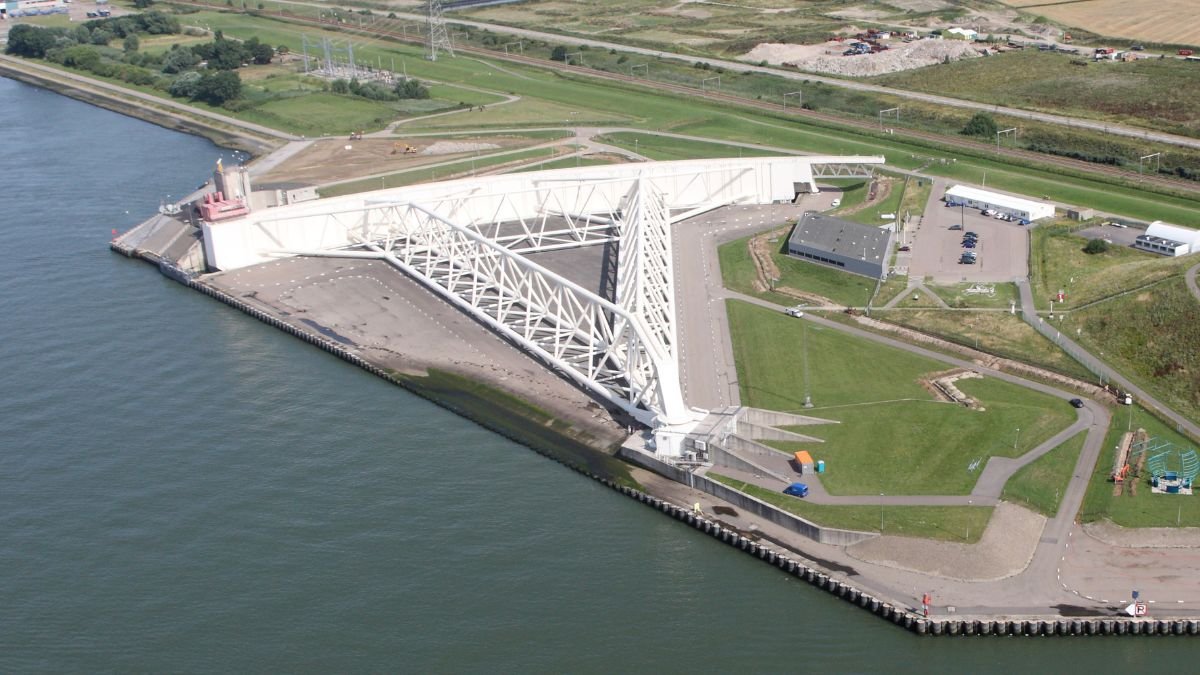
The Maeslantkering uses two enormous movable steel gates to protect Rotterdam and South Holland from extreme storm surges while keeping the river open to ships.
Imagine a wall of water rising from the sea, threatening to flood low lying towns, farmlands, and entire cities. Now picture two massive steel arms, each as long as the Eiffel Tower, floating out from the riverbanks to join together and hold that water back.
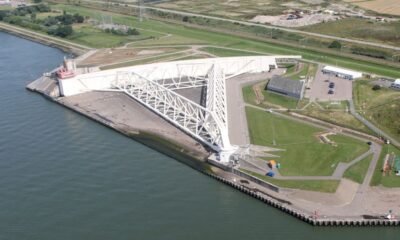
This is not a scene from a movie. It is a real piece of infrastructure spanning the Nieuwe Waterweg river channel near Hoek van Holland in the Netherlands. Known as the Maeslantkering, or the Maeslant Barrier, it is the largest movable flood barrier on Earth. For more than three million people living in South Holland, including the port city of Rotterdam, these steel gates are the main defense against extreme ocean storms.
Maeslantkering: Why the Netherlands’ Giant Flood Barrier Matters
Why the Dutch Built a Gate Instead of a Wall The Netherlands has managed water for centuries, as nearly a third of the country sits below sea level. After a devastating North Sea flood in 1953, the Dutch government built a vast network of dams, dikes, and storm surge barriers across the country, known as the Delta Works.
However, the river route leading to Rotterdam created a practical problem. Rotterdam is home to Europe’s largest and busiest seaport. Blocking the river permanently with a fixed dam was impossible because cargo ships need round the clock access. The initial plan was to build higher earthen dikes along the riverbanks. But as engineers examined future sea level projections, they realized standard dikes would have to be enormous. Building them meant demolishing historic neighborhoods and disrupting communities for decades.
The solution was a different approach altogether: a storm surge barrier that stays open during normal weather to keep shipping lanes clear, but swings shut when severe storms approach.
How the Gates Work
The mechanics of the Maeslantkering are straightforward in design, but huge in scale. The barrier relies on two hollow steel gates parked in dry docks on opposite sides of the river.
When a major storm hits, hydraulic engines push the gates out into the waterway, where they float like barges until they meet in the middle. Once aligned, valves open and the gates fill with river water. As they gain weight, they sink onto a concrete bed built into the river floor.
The operation of the Maeslantkering relies heavily on automation. The entire closure process is directed by a specialized computer system called the Decision Support System, known by its Dutch acronym BOS
As the gates lower, water rushes underneath them at high speed. This natural currents sweep away sand and silt so the structures rest flat against the riverbed without getting stuck on sediment. When the storm passes and ocean levels drop, pumps empty the water from inside the gates. The buoyant structures float back up and swing back into their docks, reopening the river to maritime traffic.
Automated Controls with Human Oversight
The operation of the Maeslantkering relies heavily on automation. The entire closure process is directed by a specialized computer system called the Decision Support System, known by its Dutch acronym BOS.
The software constantly monitors weather forecasts, incoming tides, and river flow rates. If calculations show water levels will rise 3 meters above normal in Rotterdam, the system initiates the closure process automatically. Leaving the trigger to software removes the risk of human delay or miscalculation during a sudden storm emergency.
Even with automation running the system, human engineers remain on site. Whenever severe weather threatens the coast, a technical team monitors the operations from a nearby control room, ready to take manual control if a system fault occurs.
Balancing Ships, Farms, and Rising Tides
Closing the barrier stops all ship traffic into Rotterdam, so shutting the gates is never done without cause. The barrier only closes during major storm events, though engineers run a routine test closure every September to keep the machinery and operational teams prepared.
As sea levels change and seasonal river flows shift, the Maeslantkering remains a critical piece of Dutch water management. It demonstrates how civil engineering can function alongside natural waterways, protecting millions of residents while keeping an essential trade route open to the world.


India Is Digitising Fertilizer Use. But Will It Help Farmers Use It Better?

What If the Next Disaster Is Worse Than Anything We’ve Seen?

Nepal’s Glacier Disaster Exposes the Unequal Cost of Climate Change

When Health Care Becomes a Target, Patients Pay the Price

Academic Diplomacy: How India Can Build Global Influence Through Universities

When the Monsoon Returns, Fear Returns: How Climate Disasters Are Reshaping Mental Health in Himachal Pradesh

Astronomers Discover a ‘Black Hole Star’, a New Kind of Object in the Early Universe

From Bell Labs to the Classroom: Finding Purpose After Retirement

From Soil to Profit: How Organic Turmeric Changed the Fortunes of a Tribal Farming Family

Kerala Floods Highlight a Recurring Health Crisis as Disease Risks Rise

-

 Math1 month ago
The 2026 Fields Medals: Four Proofs, Four Decades-Old Problems Solved
-
Climate1 month ago
After Kerala’s Deadliest Landslide, the Hardest Thing to Rebuild Was Childhood
-
Society2 months ago
West Asia Crisis: Can Kerala’s Returning Gulf Migrants Find a Future in the Green Economy?
-
Space & Physics3 months ago
India Semiconductor Mission: ‘It’s Not About Fabs. It’s About Building An Entire Ecosystem’
-
Climate3 months ago
The Climate World Cup? How Climate Change Could Affect Player Performance at the 2026 World Cup
-
Society2 months ago
What Is Civilisational Diplomacy? Understanding India’s Newest Foreign Policy Tool
-
Society3 months ago
From Bell Labs to the Classroom: A Second Career in Teaching
-
Space & Physics3 months ago
Engineers Develop Dual-Mode Propulsion System for Next-Generation Small Satellites