
Climate
India Wants Climate Action, Not Just Climate Warnings
Indians are calling for urgent climate action as pollution intensify. A new survey shows strong public support for clean energy and policy change.

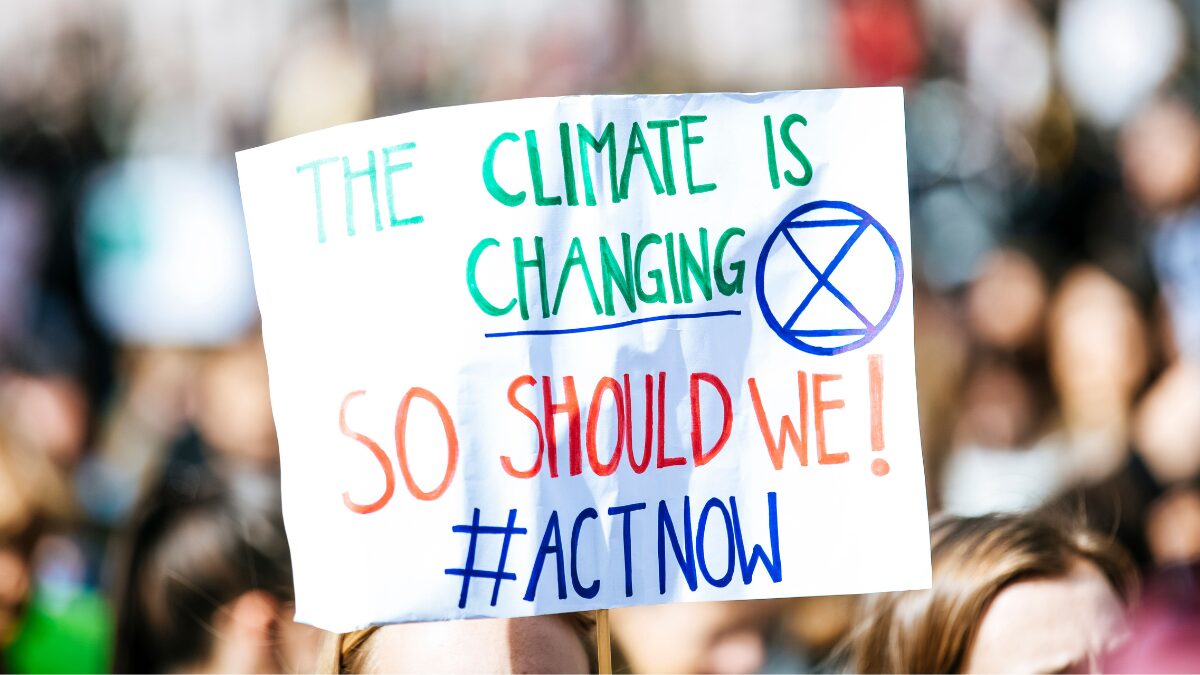
Pollution in India has embedded itself into everyday life. The extent to which it affects people often goes unnoticed until it rides along with morning traffic, seeps through open windows, and settles into daily routines. Cities like Delhi and Ghaziabad routinely appear in global pollution rankings. The problem is structural, persistent, and increasingly demand climate action.
A recent survey on public perceptions of environmental issues suggests that Indians view climate change as an immediate threat to their local communities and personal well-being.
Widespread Concern Over Pollution
The survey highlighted a high level of anxiety regarding pollution in India. Around 77% of Indians expressed significant concern about air pollution. This concern exists alongside fears of other climate-related hazards, including severe heat waves (77%) and droughts or water shortages (76%). The findings suggest that the public views pollution as part of a broader environmental crisis already affecting everyday life.
“People need credible information about what governments, businesses, communities, and households can do, how clean-energy transitions create jobs and improve air quality, and how local actions connect to larger climate goals,” Jagadish Thaker, one of the lead authors of the study, told EdPublica.
Public concern over air quality is also reflected in environmental data. India ranked sixth among 143 countries in PM2.5 pollution levels in the 2025 World Air Quality Report. At the city level, the situation appears even more severe, with New Delhi continuing to rank as the world’s most polluted capital city for the eighth consecutive year.
Identifying the Culprits: Fossil Fuels and Coal
“What is striking in our data is how consistently supportive Indians are of the energy transition. These findings suggest that public opinion may be less of a barrier to climate and energy policy than is often assumed. For communicators, one challenge is helping people understand how long-term energy transitions actually occur and what role citizens can play in them,” said Thaker.
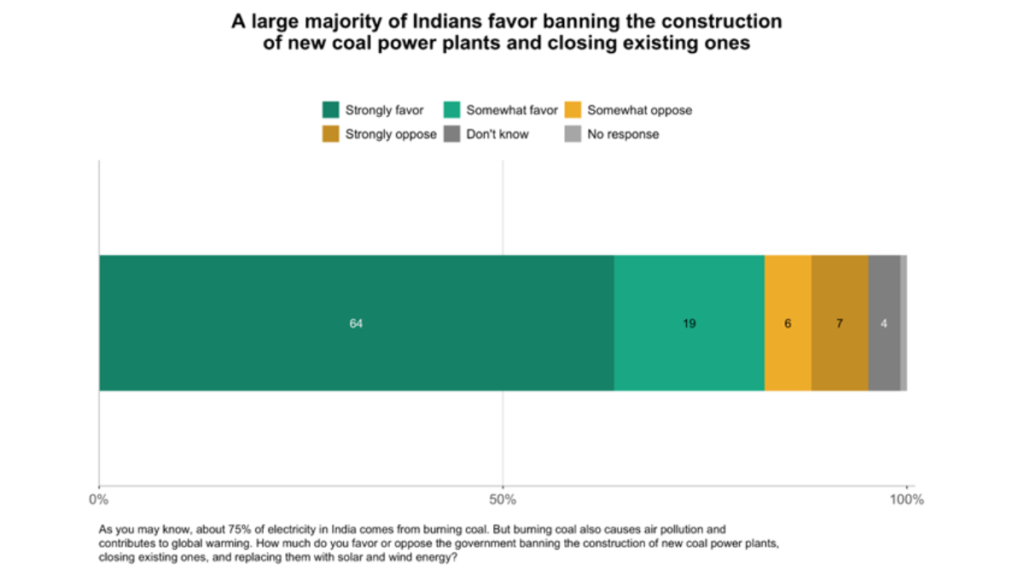
Large majorities of respondents identified oil (76%) and coal (68%) as polluting sources of electricity. India’s energy sector still relies on coal for nearly 70% of its electricity generation. At the same time, there is growing public recognition that coal is a major contributor to both local air pollution and global warming.
Interestingly, around 82% of Indians support banning the construction of new coal-fired power plants and gradually shutting down existing ones in favour of solar and wind energy. This support is driven by the belief that such a transition would benefit the people of India (87%) and offer the best pathway toward a “healthy, safe, and prosperous future.”
Shift Toward Climate Action
Support for renewable energy transitions is particularly strong. Nearly 95% of respondents favoured a national programme prioritising renewable-energy job training for youth and women, while 93% supported renewable-energy job training in general.
At the same time, 78% of Indians believe the government should be doing more to address climate and pollution-related challenges. Respondents also pointed to the need for hyperlocal, area-specific training programmes and structural policy reforms.
Reflecting on the findings, Thaker said: “These findings suggest that climate communication should not focus only on risks. Indians appear highly interested in solutions, skills, and opportunities. Effective climate education can help people understand climate change, but it can also help them see pathways to participate in the transition through employment, innovation, and community action. Education is most powerful when it links climate action to everyday benefits and opportunities.”





Climate
Climate Change, Overfishing and the Uncertain Future of Bangladesh’s Hilsa Fishermen
EDPUBLICA GROUND REPORT: Climate change, overfishing and pollution are putting Bangladesh’s Hilsa fishery under pressure, threatening catches and fishermen’s livelihoods.

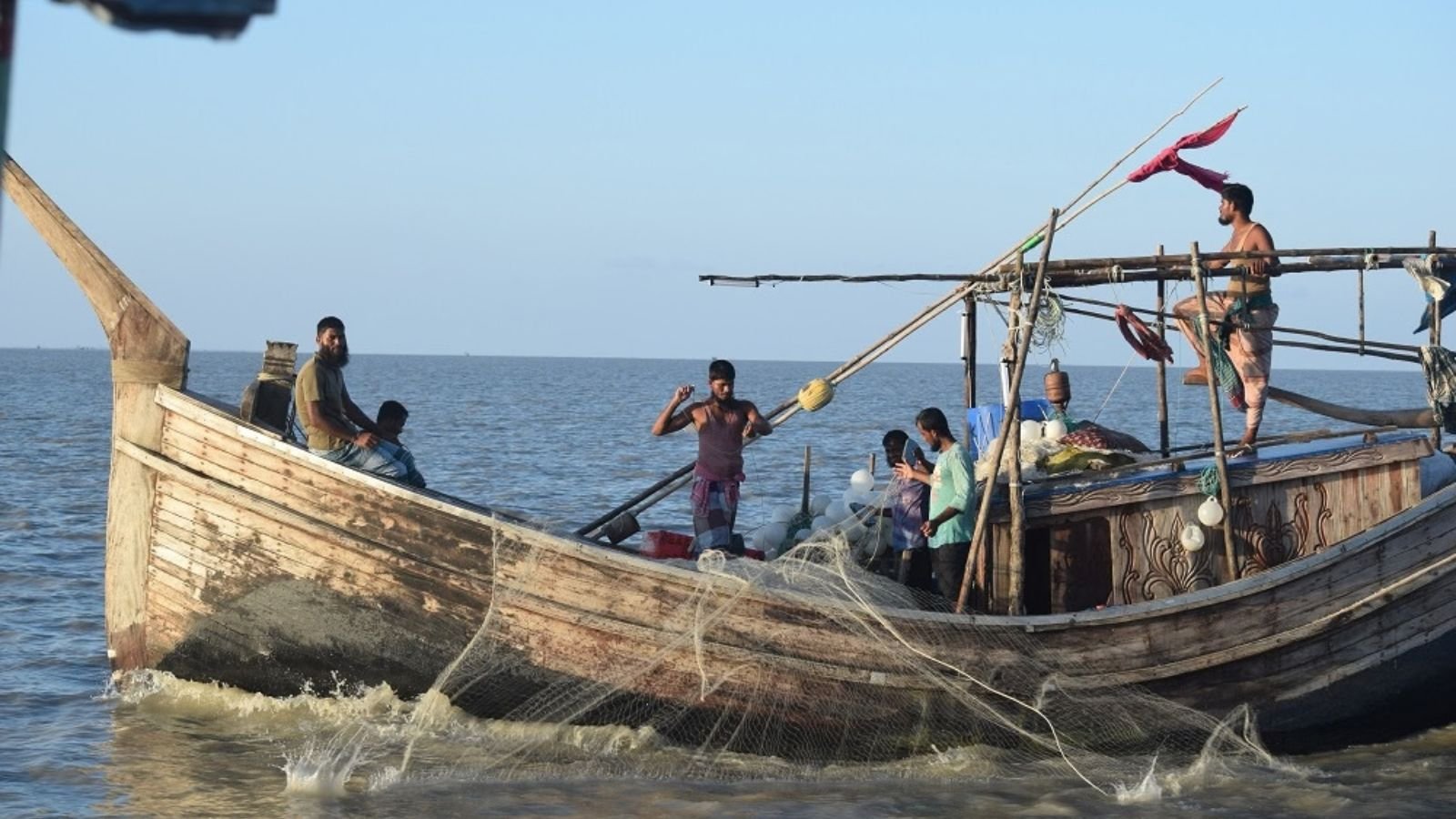
An EdPublica ground report from Bangladesh examines why the Hilsa catch has fallen after nearly two decades of growth, and what climate change and human pressures mean for the fishermen who depend on the fish.
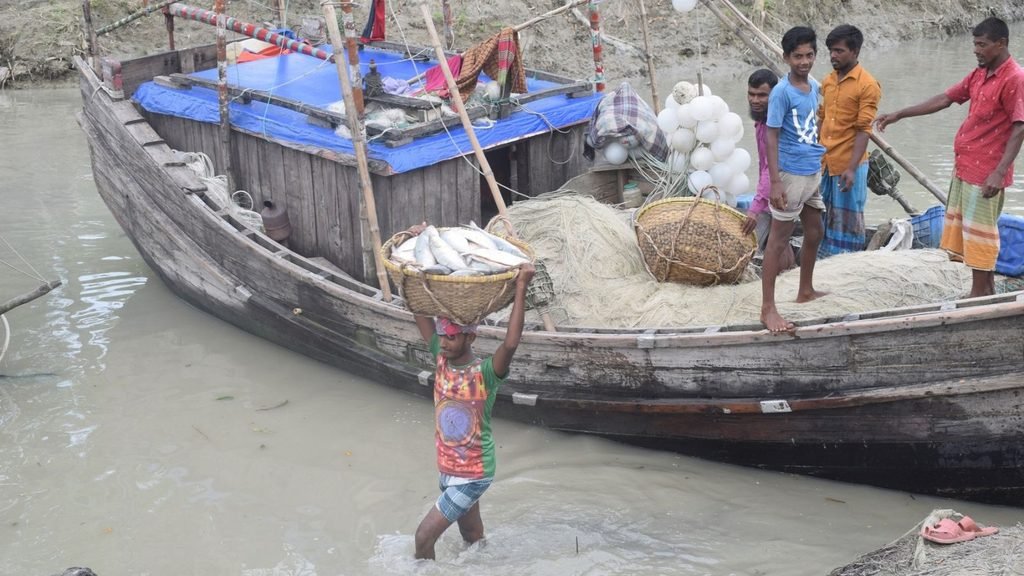
DHALCHAR, Bhola, Bangladesh–At the fish landing centre, boats still come in one after another, and the crowd of fishermen on the shore grows with each arrival. But Ruhul Amin has stopped counting on what they carry.
“I can no longer support my family by catching Hilsa. I have been carrying the burden of debt for years. I wait for the Hilsa season every year with high hopes, but time and again, those hopes are dashed. There is no sign of Hilsa this year either, so I have to return home facing a loss.”
Ruhul Amin, 45, spoke these words amid the clamour of the fish landing centre on Dhalchar Island, situated along the banks of the Meghna River, one of the three principal rivers that form the vast Ganges Delta. Several other fishermen echoed his sentiments.
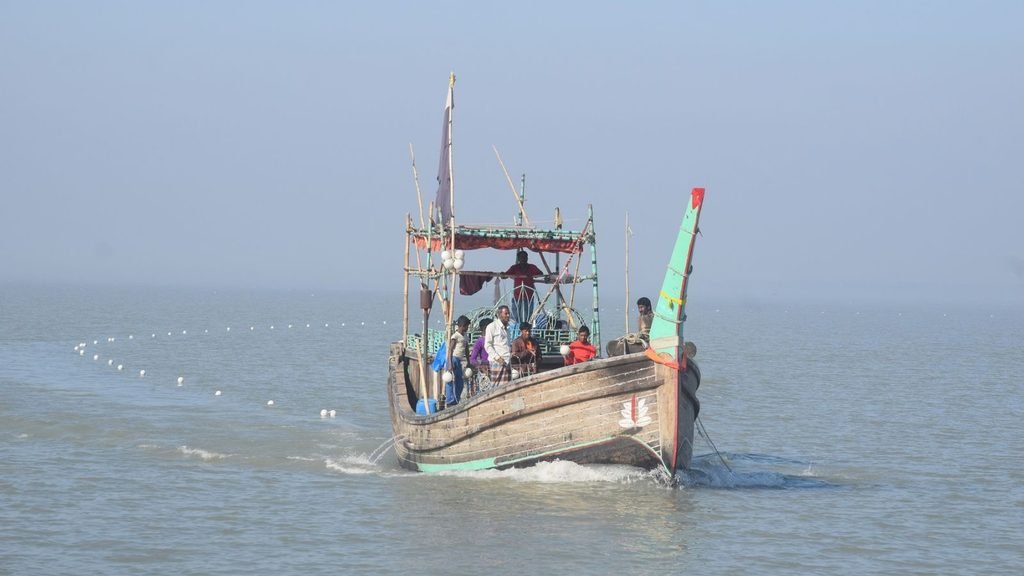
Dhalchar Island, located in the Meghna estuary, lies 100 kilometres from the Bhola district headquarters and 347 kilometres from the capital, Dhaka. Waves from the Meghna River crash against the island’s fish landing centre. The morning sun has just risen. Seagulls fly in flocks alongside the river waves. Boats dock one after another at the landing centre, and the crowd of fishermen grows. Yet, most of the boats arriving at the dock carry no Hilsa.
The area is bustling with activity—tea stalls, eateries, boat repair shops, and other establishments are crowded. However, there is a scarcity of the very fish—Hilsa—around which this landing centre was built. The fragile Dhalchar landing centre is shrinking due to river erosion, yet it remains a lifeline for the fishermen. Dhalchar Island remains quiet for most of the year but comes alive during the Hilsa season. Every year, thousands of fishermen gather here, filled with hope. It is not just Dhalchar Island; numerous fish landing centres along the coast of Bangladesh inspire similar hope among fishermen. About one million fishermen earn their livelihoods by catching Hilsa at these centres. Yet, they can no longer rely on Hilsa for their sustenance.
Ruhul Amin is one of those million fishermen. Amidst this despair and financial loss, the four-month-long Hilsa season is set to conclude on 7 October. The government has banned the catching, storing, transporting, and marketing of Hilsa for 22 days—from 8 October to 29 October—during the fish’s breeding season. Fishermen will once again have to wait until the following year for the Hilsa season.
“Fishing no longer sustains a livelihood”
Amidst the bustle and noise of the Dhalchar fish landing centre, Ruhul Amin voiced his frustration: “Every year, I’m forced to take out loans to go fishing with my boat and nets. I cast my nets during the Hilsa season with high hopes, but the catch is so meagre that it doesn’t even cover the operating costs. How am I supposed to repay the loans? How will I support my family? I may have to abandon this ancestral fishing profession; I can no longer bear the burden of debt.”
Bangladesh’s Hilsa Catch Is Falling After Two Decades of Growth
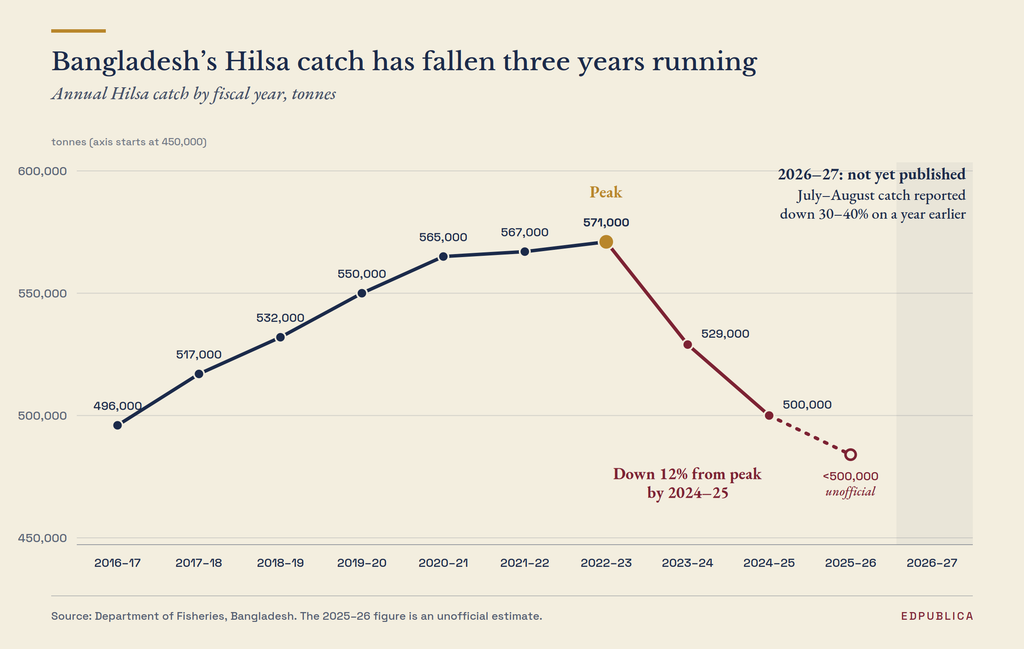
Even as the Hilsa season draws to a close, Ruhul Amin and many other fishermen have failed to recover their fishing expenses; they are ending the season at a loss. After nearly two decades of steady growth in Hilsa production in Bangladesh, the catch has fallen in each of the past three years. Simultaneously, the average weight of the fish is decreasing—a trend that has raised concerns among researchers.
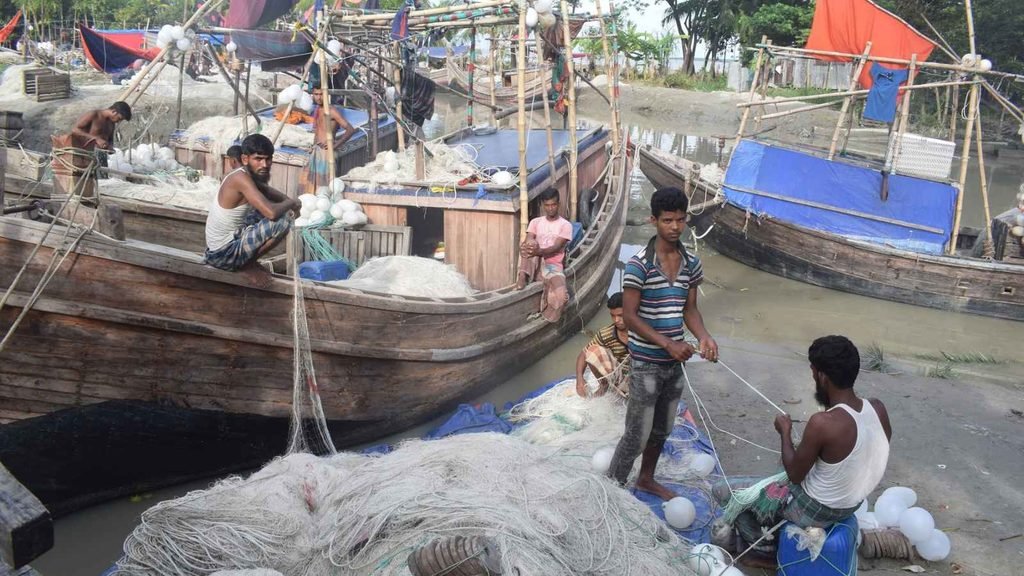
“Same nets, same boats, same rivers. Yet, the spots where we used to catch Hilsa in the past no longer yield any fish,” said Abdur Rob and several other fishermen from Kuakata on the Bangladeshi coast. They explained that as times change, they are encountering new crises while fishing at sea. Fishermen across most coastal districts—including Barguna, Patuakhali, Bhola, Bagerhat, and Lakshmipur—are grappling with professional crises. Climate change has impacted their lives and livelihoods, while natural disasters create obstacles to their fishing activities. Another group of fishermen believes that, beyond natural disasters, government-imposed seasonal fishing bans and various human-induced factors are hindering their profession.
According to records from the Bangladesh Department of Fisheries, the volume of Hilsa catch in Bangladesh began to rise in the 2016–17 fiscal year. That year, 496,000 tonnes of Hilsa were harvested within Bangladesh’s waters. In the 2017–18 fiscal year, the catch rose to 517,000 tonnes. The upward trend continued steadily until the 2022–23 fiscal year, when the harvest reached 571,000 tonnes. However, in the following year—2023–24—the catch volume suddenly dropped to 529,000 tonnes. It declined further to 500,000 tonnes in the 2024–25 fiscal year. Sources indicate that the Hilsa catch during July and August of the current year has fallen by 30–40% compared to the previous year.
According to data from WorldFish and the Department of Fisheries, Bangladesh accounts for roughly 70–86% of the world’s Hilsa catch. India lands about 10–15%, mainly in West Bengal, Odisha, and Gujarat, and Myanmar about 3–10%. The remainder is caught in the coastal rivers and seas of Pakistan, Iran, Iraq, Kuwait, Bahrain, Thailand, Malaysia, and Indonesia.
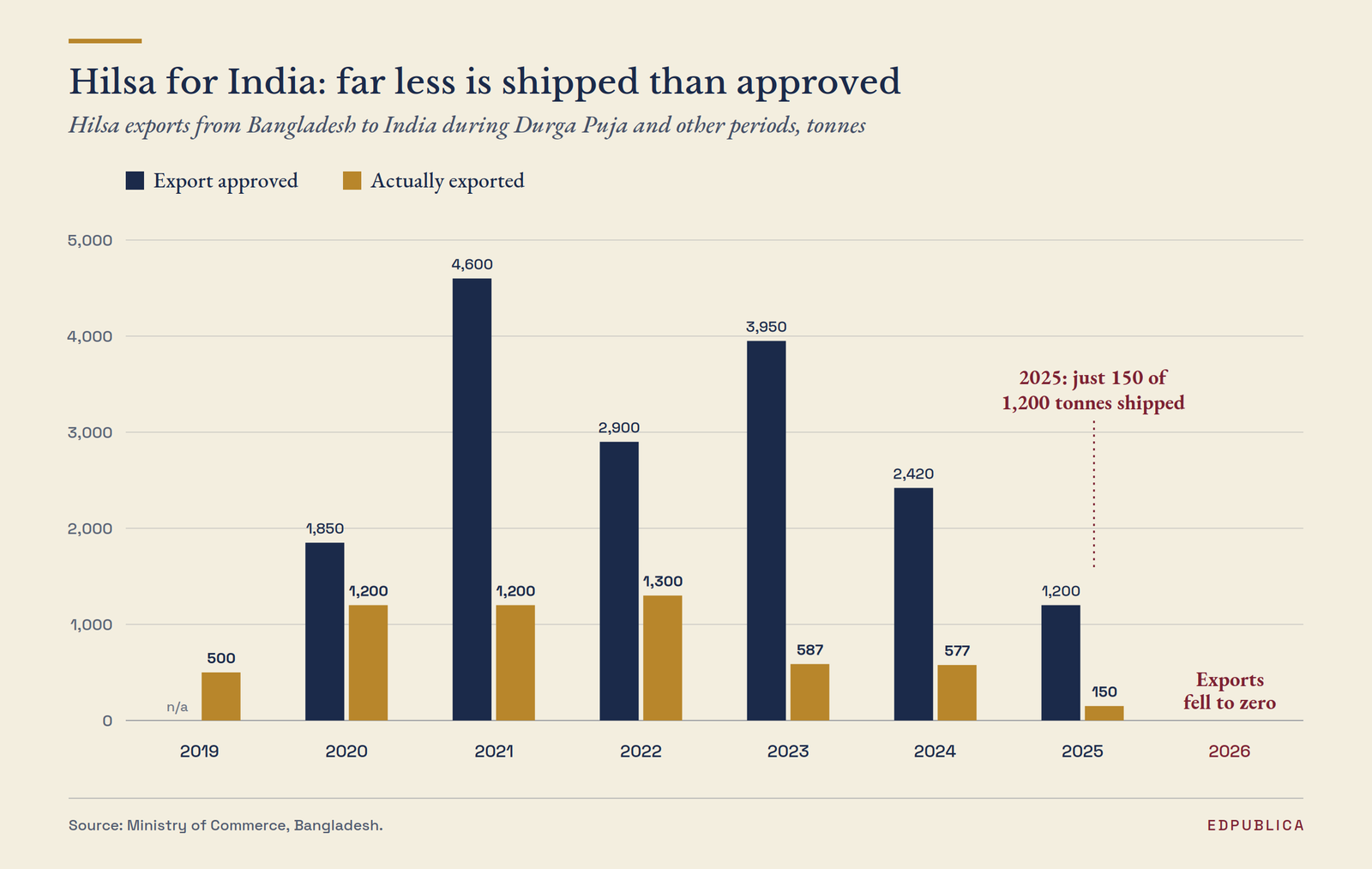
Since 2019, Bangladesh has exported Hilsa to India, particularly during Durga Puja and other occasions; this practice continued until last year. However, this year, the situation reversed, with India exporting Hilsa to Bangladesh.
Climate change has created crises in various marine sectors, including the Hilsa fishery. As catch volumes decline, fishermen are facing new challenges. Scientists fear that marine risks will escalate in the future. A study titled “Climate Change as Observed in the Bay of Bengal” highlights the dangers posed to the marine environment by climate change. Another study by the World Bank also addresses the impact of climate change on fishermen at sea.
Hilsa Is Losing Its Favourable Habitat
Fishermen observe that coastal temperatures, rainfall patterns, and the nature of the monsoon season have all shifted. The timing of freshwater influx into rivers and coastal salinity levels are changing, as are marine environmental conditions. Collectively, these changes influence the migration and breeding cycles of the Hilsa fish. A specific combination of factors—including water temperature, salinity, currents, tides, water density, oxygen levels, and rainfall—is required to create the right conditions for Hilsa migration and spawning. However, the environment essential for the Hilsa has been significantly degraded.
Hilsa experts largely concur with these observations made by fishermen. Anisur Rahman, former Director of the Bangladesh Fisheries Research Institute (BFRI), states, “Hilsa require specific water currents and depths to migrate into inland waters. They need a water depth of at least 10 metres to navigate the rivers, but they are not finding it.”
In some areas, river depth has dropped to just 18–20 feet (about 5.5–6 metres)—far below the 75–80 feet (about 23–24 metres) required for Hilsa breeding. Furthermore, submerged shoals and sandbars have obstructed waterways between Chandpur and Monpura, leaving only narrow channels for navigation. Hilsa migrate from the sea to inland waters by swimming against the current; however, reduced river navigability and diminished water flow are hindering this migration. Hilsa from the Padma River are renowned for their superior taste, yet the fish are no longer entering the Padma in significant numbers.
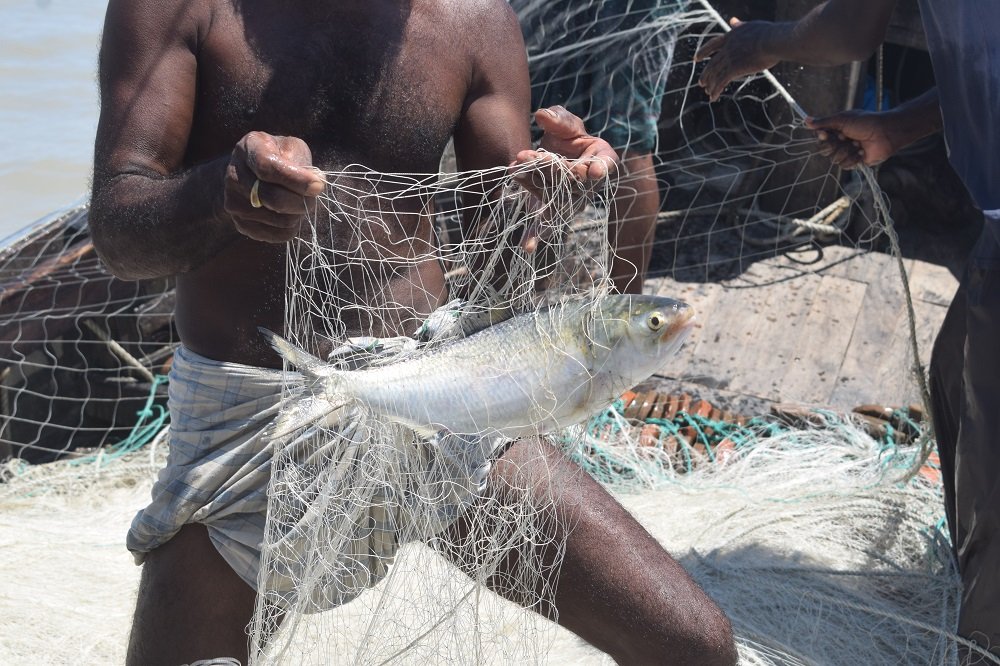
Hilsa production in Bangladesh—which had been steadily rising for two decades—is now declining. This has raised concerns regarding the survival of this popular fish and its affordability for ordinary people. Anisur Rahman has been conducting research on Hilsa for a long time. Expressing concern over the decline in Hilsa catches, he said, “I’m truly worried about the population or stock of Hilsa.”
“The fish’s food chain is being disrupted by falling water levels, rising temperatures, and changes in water quality. This balance is further destabilized by excessive heat and altered rainfall patterns caused by climate change,” added Anisur Rahman.
Dr Md Sajedul Haque, a professor in the Department of Fisheries Technology at Patuakhali Science and Technology University (PSTU), observed, “Hilsa catches used to be higher; now they are lower. This is a global problem. It is happening due to global warming.”
“If Hilsa does not find a suitable environment, it will neither stay there nor spawn. Factors such as water salinity, the availability of plankton for food, and water temperature are crucial for Hilsa. If salinity is too high, they will not spawn, or the eggs will fail to hatch and perish. Without food, they will not grow. If the temperature is not optimal, the eggs will not be fertilized, and the fry will not hatch. The Hilsa’s life cycle is directly linked to these factors,” added Sajedul Haque.
To a fisherman, climate change is not a PowerPoint presentation; it is a harsh reality and a matter of life and death.
Human-Induced Factors
Alongside climate change, human-induced factors are jeopardising the breeding of Hilsa fish. Local fishermen, trawler owners, and wholesalers engage in unregulated and illegal fishing practices. The number of illegal trawlers in the sea has multiplied significantly. Trawlers are essentially large wooden boats powered by high-capacity engines. They operate by dragging illegal ‘Behundi’ nets (bag nets) through the sea for hours using this engine power. These nets catch not only large fish but also small fish fry and juvenile Hilsa (Jatka), thereby destroying the primary breeding grounds of Hilsa and other marine species.
Three power plants are located within Hilsa sanctuaries along the Bangladeshi coast—the Payra Power Plant, the Patuakhali Power Plant on the banks of the Ramnabad Channel, and the Barishal Power Plant at Taltali on the banks of the Bishkhali River. Many have expressed concern regarding the pollution caused by these facilities. These coal-fired power plants discharge waste and heated water into the rivers. A decline in Hilsa populations has been observed since the establishment of these plants. Fishermen are no longer catching Hilsa in the Ramnabad River (Patuakhali district) and the Payra River (Barguna district) as they used to; consequently, many are turning to other professions.
Fishermen Face Growing Risks at Sea
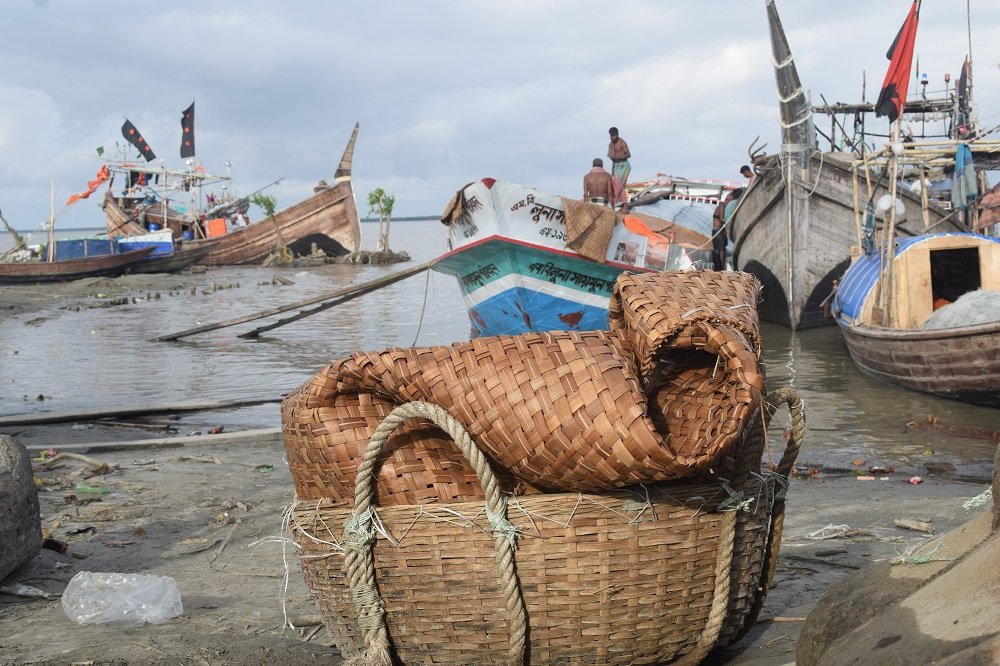
Fishermen report that while Hilsa exists in the deep sea, the fish are not migrating to shallower waters, as the environment there is no longer suitable for their survival. Small-scale fishermen face a dire crisis because the Hilsa do not venture into shallow waters, and many have already abandoned the trade. Those who remain in the profession are forced to venture into the deep sea to catch Hilsa, where they face increasing risks.
Every year, many fishermen go missing due to various natural hazards. The sea is becoming more turbulent than in the past, and the level of danger is rising. Nuruddin, a fisherman from Char Fasson in Bhola district, says, “I have been going out to sea to fish since childhood. I used to have no fear, but now venturing out to sea is frightening for us. I cannot say for certain if it is due to climate change, but the waves are rougher than before. We often face accidents because we do not receive weather warnings in time. I have personally been involved in accidents a few times; fortunately, I survived and returned.”
A study titled “Resilient Bangladesh: Fishermen Cope with Rough Seas” notes that for centuries, the fishermen’s traditional boats were sturdy enough to withstand conditions in the Bay of Bengal. That is no longer the case. Fishermen are increasingly facing more powerful storms and turbulent seas. Every time they head out to fish, they are essentially gambling with their lives.
Even as the risks for fishermen rise, fish stocks in the sea are declining, impacting their livelihoods. Despite this crisis, fishermen continue to struggle for survival. Research titled “Dwindling Coastal Fisheries Biodiversity of Bangladesh: The Causes and Effects” indicates that coastal fish stocks are being overexploited, leading to a depletion of many species. The marine sector’s contribution to the country’s fisheries is shrinking annually. According to assessments by the IUCN (International Union for Conservation of Nature), approximately 28% of coastal fish species now fall under the IUCN Red List of threatened species.
Golam Mostafa Chowdhury, President of the Barguna District Trawler Owners’ Association, states, “In most cases, fishermen go missing when their trawlers capsize. The sea has become rougher than before, and weather conditions have deteriorated. Siltation has occurred in many areas, and many fishermen fail to receive proper weather warnings. These factors are contributing to a rise in the number of missing fishermen. Rescue vessels need to be stationed in areas with high concentrations of fishermen, and arrangements must be made for the rehabilitation of those who go missing.”
Initiatives to Protect Hilsa
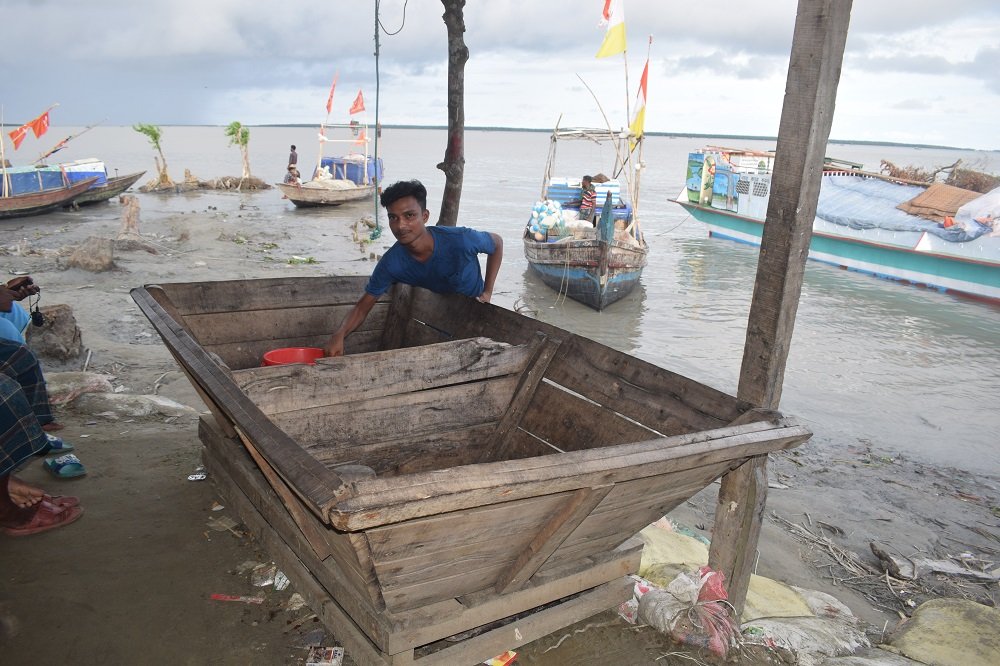
The government is taking various measures to protect the Hilsa fish. Conservation and management activities for Hilsa in Bangladesh are conducted under the Protection and Conservation of Fish Act, 1985. A programme to protect Jatka (juvenile Hilsa) was launched in Bangladesh in 2003–04, leading to a gradual increase in Hilsa production. The Jatka conservation drive runs for two months—March and April—during which fishing of all kinds, including Hilsa, is prohibited in designated sanctuaries across the country. Additionally, fishing for all species, including Hilsa, is banned in marine waters for 58 days, from 15 April to 11 June. Initially, in 2008, the ban on catching mother Hilsa (Ma Hilsh) was set for 11 days, but from the following year onwards, this period was extended to 22 days. A ban on catching mother Hilsa is in effect from 8 October to 29 October this year. For two decades, the trend of Hilsa harvesting had been on the rise; however, research is currently underway to understand why the catch rate has recently begun to decline.
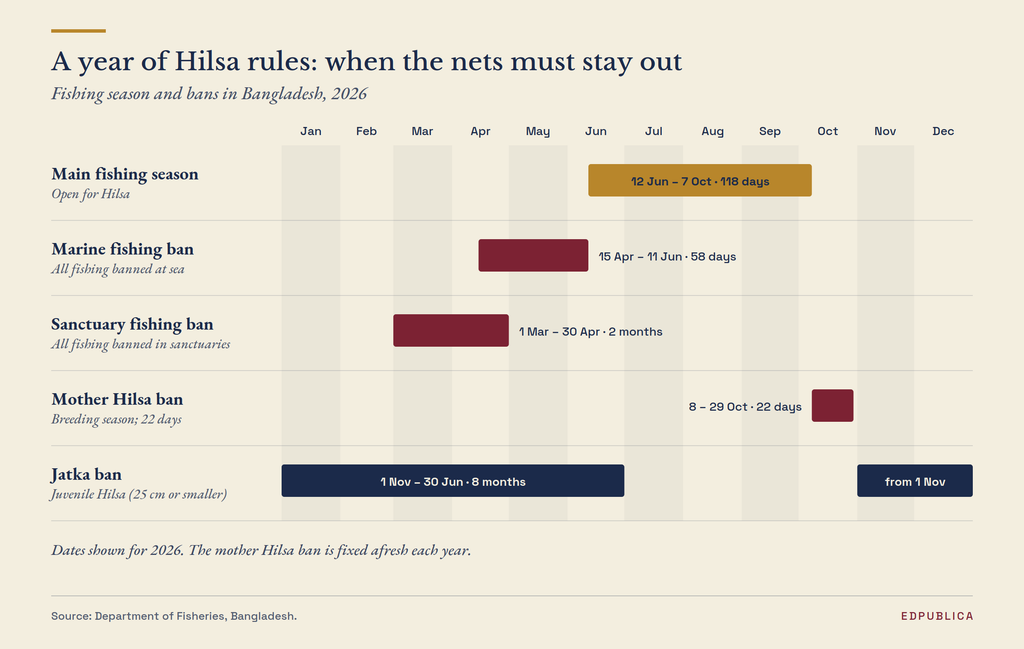
Ruhul Amin, a fisherman, is spending the final days of the Hilsa season at the Dhalchar fish landing centre. He might venture out to sea a few more times with other fishermen to catch Hilsa. Yet, amidst the crowds and grueling labor, a question weighs on his mind: will he be able to take home enough earnings to support his family for the coming months? Ruhul Amin does not know the answer—nor do many other fishermen.
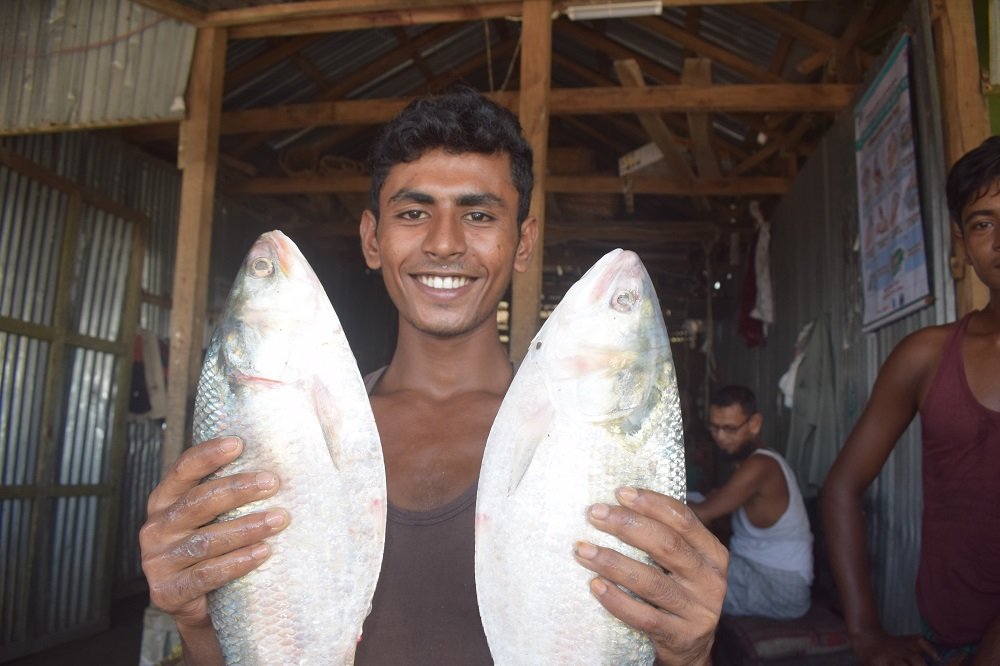
For the fishermen of Bangladesh, the Hilsa season is drawing to a close amidst a period of uncertainty. The voices of the crowd at the fish landing centre fade into the air, carrying with them the indistinct sounds of the fishermen’s suffering.
COP30
Pacific Nations Push 1.5°C and Climate Finance Ahead of COP31
Pacific nations are using Pre-COP31 talks in Fiji to push for stronger action on climate change, including keeping the 1.5°C target within reach and improving access to climate finance.

Pacific island nations are seeking to put their climate concerns at the centre of global negotiations as ministers, climate negotiators and senior officials gather in Fiji for preparatory talks ahead of the COP31 climate summit.
The Pre-COP meeting, scheduled in Nadi from October 5 to 8, is intended to build momentum for the United Nations climate conference in Antalya, Türkiye, in November. COP31 will be held from November 9 to 20.
For Pacific countries, however, the meeting is more than a diplomatic step towards the main summit. It is an opportunity to press the world’s major economies on issues that directly affect the region, particularly the 1.5°C warming limit, climate finance and the growing impact of climate change on oceans and coastal communities.
Fiji has outlined four priorities for the Pre-COP discussions: keeping the 1.5°C target within reach, improving access to climate finance, placing oceans more prominently in climate negotiations and strengthening Pacific leadership.
The 1.5°C target is particularly important for small island nations facing rising seas, coastal erosion, extreme weather and growing pressure on communities and infrastructure.
Fiji’s climate officials have said the country wants to maintain the role of climate science in international decision-making and “hold the line” on 1.5°C. The country is also calling for climate finance to reach vulnerable communities more quickly, arguing that lengthy funding procedures can leave communities waiting for resources while climate risks continue to increase.
Access to finance is expected to be one of the key issues carried from the Pacific discussions into COP31. Pacific governments are seeking greater support for adaptation and resilience, including through a proposed Pacific Resilience Facility that would finance climate projects across the region.
The region is also seeking to bring oceans more firmly into the climate agenda. For Pacific island states, climate change is closely connected to the health of marine ecosystems, coastal communities, fisheries and food security.
The preparatory talks will therefore bring together two aspects of the climate debate: the global effort to limit further warming and the immediate need to protect communities already experiencing its effects.
The setting is significant. Leaders and delegates will also spend time in Tuvalu, a low-lying Pacific island nation particularly exposed to sea-level rise. The programme includes visits to adaptation projects, including reclaimed land and solar installations, allowing visiting leaders to see some of the measures being used by island states to respond to climate risks.
But the meeting comes with a diplomatic challenge. Reuters reported that relatively few leaders from outside the Pacific have confirmed their participation. Leaders from Antigua and Barbuda, Cabo Verde, Thailand, the Maldives and Timor-Leste are among those confirmed, while around 30 representatives of countries and institutions are expected at the leaders’ segment.
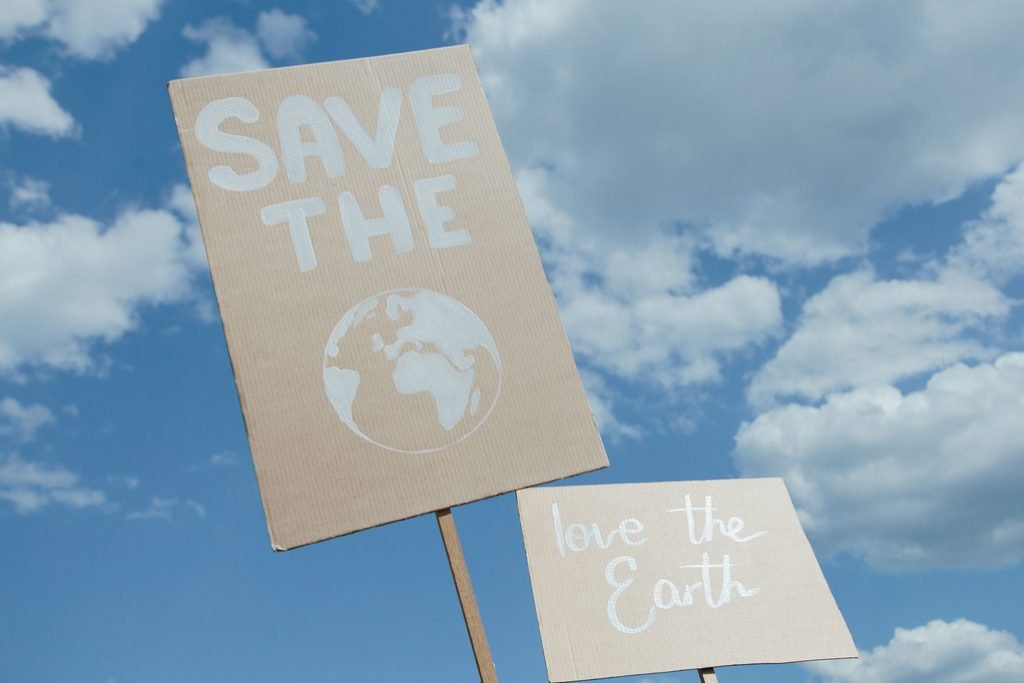
A placard displaying ‘Save the Earth’.Representational image.Image Credit:Pexels
The limited participation has drawn criticism from some Pacific officials, who argue that the region’s climate concerns deserve greater international attention. At the same time, the meeting is expected to bring thousands of delegates to Fiji, giving Pacific governments a platform to shape discussions before the main negotiations in Türkiye.
For the Pacific, the focus in Nadi will therefore be on translating regional concerns into negotiating priorities for COP31 — from keeping the 1.5°C goal central to improving access to climate finance and strengthening attention to oceans and adaptation.
The outcome of the Fiji discussions will feed into negotiations at COP31, where governments will have to work through the wider questions of climate ambition, finance and implementation.
For island nations on the frontline of climate change, the immediate priority is to ensure that their experience and demands are reflected proportionately in those negotiations.
Climate
Europe Crops Are Maturing Earlier. Does That mean Bigger Harvest?
Europe’s crops are maturing earlier as rising temperatures accelerate plant development, but earlier maturity does not necessarily mean bigger harvests. Heat and drought can shorten critical growth stages and reduce crop yields.

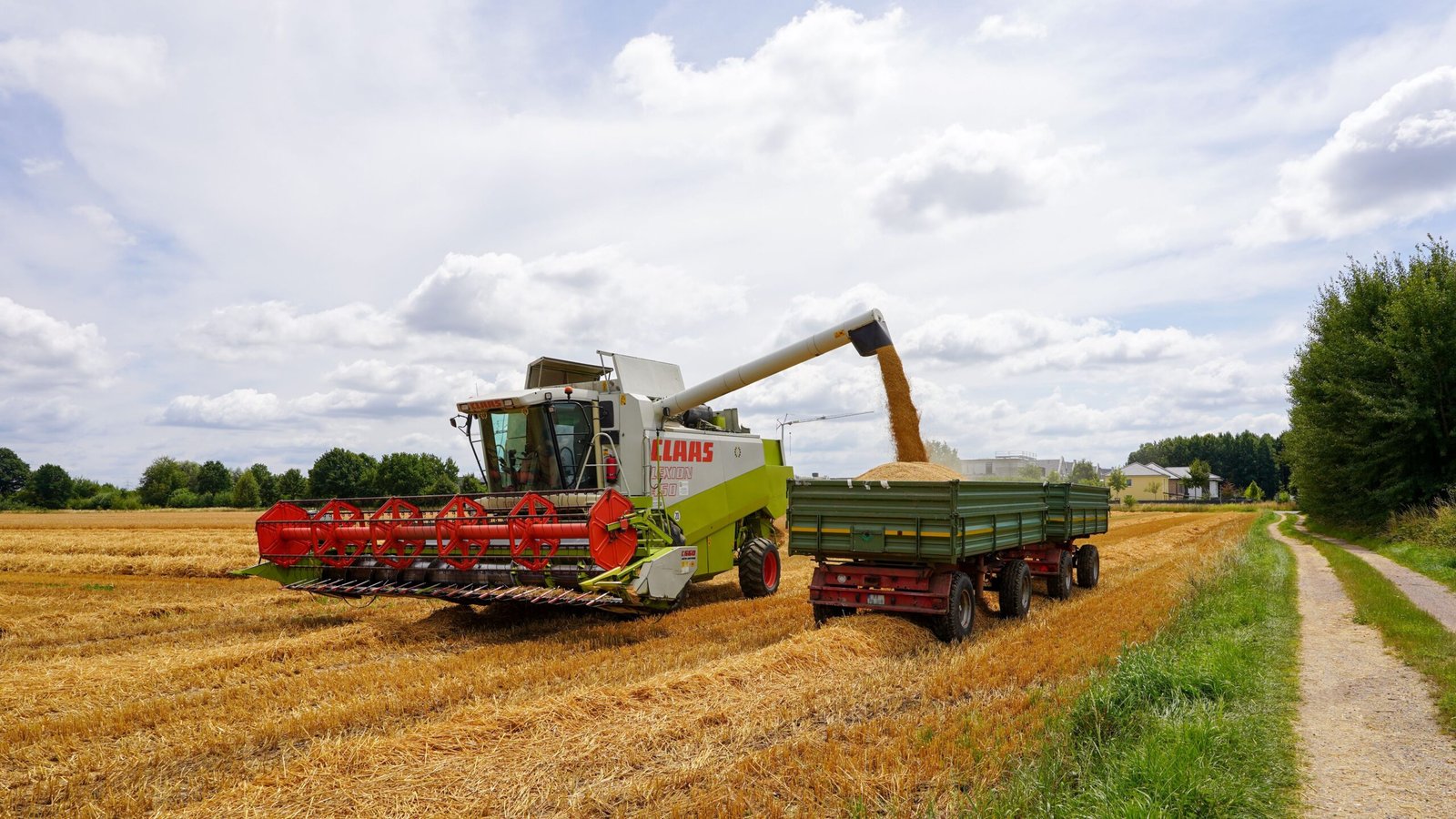
Europe’s crops are reaching maturity earlier as extreme heat accelerates plant development. But the 2026 harvest shows why an earlier harvest should not be mistaken for a bigger one: heat can shorten the grain-filling period, reduce yields and leave crops with fewer and smaller grains.
A wheat field turning golden weeks earlier than it once did might appear to signal a productive growing season. But across Europe, the earlier agricultural calendar is increasingly coming with a less reassuring reality.
Winter wheat in some European Union regions is now reaching maturity up to 20 days earlier than in 2000, according to European Commission data reported by Reuters. Maize and rapeseed are also developing and reaching harvest stages earlier as rising temperatures accelerate the accumulation of heat needed for crops to progress through their life cycles.
But an earlier maturity date is not the same thing as a higher yield.
In fact, Europe’s 2026 growing season demonstrates the opposite can happen.
The European Commission’s Joint Research Centre (JRC) said in September that prolonged heat accelerated crop development and ageing, causing plants to move more quickly through critical stages including flowering and grain filling. At the same time, rainfall deficits depleted soil moisture. The combination left crops with less time and fewer resources to form well-developed grains, tubers and cobs. In the worst-affected areas, maize reached maturity as much as three weeks earlier than usual.
For wheat, one of the most important stages after flowering is grain filling. This is when the developing grain accumulates the carbohydrates and other resources that determine its eventual size and weight. If high temperatures accelerate the plant’s development, the time available for grain filling can be reduced.
The JRC’s July assessment explicitly found that repeated heatwaves had shortened the grain-filling phase of winter crops and brought harvests forward. Its winter-crop yield forecasts were consequently revised down by 1–4%, leaving the overall cereal outlook about 1% below the five-year average.
The September assessment showed how much more severe the situation became for crops whose critical development occurred during the summer.
EU forecasts put soybean yields 15% below the 2021–25 average, fresh maize 14% below, sugar beet 11% below, grain maize 8% below and potatoes 7% below. The JRC also warned that production losses could exceed yield losses because some severely damaged fields were no longer economically viable to harvest.
The 2026 grain forecast tells the same story
An analysis by the Energy and Climate Intelligence Unit (ECIU), based on COCERAL’s crop forecasts, provides another measure of the damage.
COCERAL’s September forecast put combined EU-27 and UK grain production at 278.9 million tonnes, down from 295.5 million tonnes in its June forecast. The 16.7-million-tonne downgrade between June and September came after an earlier nine-million-tonne reduction between the June and July forecasts.
The ECIU analysis estimates that the September forecast was 9.3% below 2025 levels, making it the smallest grain harvest in at least a decade. It estimates the current value of the lost production at about €3.2 billion.
Of the 16.7 million tonnes lost between the June and September forecasts, 11.1 million tonnes resulted from lower yield forecasts, while 5.6 million tonnes came from changes in crop-area estimates.
That makes yield the central part of the story.
Heat did not simply make European crops mature earlier. It reduced how much harvest many plants could produce before they reached maturity.
Wheat was hit during grain filling
The ECIU analysis, drawing on COCERAL’s assessment, identifies different vulnerable stages for different crops.
Wheat was hit during grain filling, when moisture is particularly important for grains to develop properly. Maize, meanwhile, was particularly vulnerable during pollination.
This helps explain why simply measuring the date of maturity can be misleading.
A plant may reach physiological maturity sooner because accumulated heat has pushed it through its developmental stages. But if extreme heat and water stress occurred during grain filling, the plant may reach that endpoint with less grain mass than it would have produced under more moderate conditions.
The JRC observed the same mechanism across crops in 2026: accelerated development combined with limited water meant less time and fewer resources for crops to form well-developed grains, tubers and cobs.
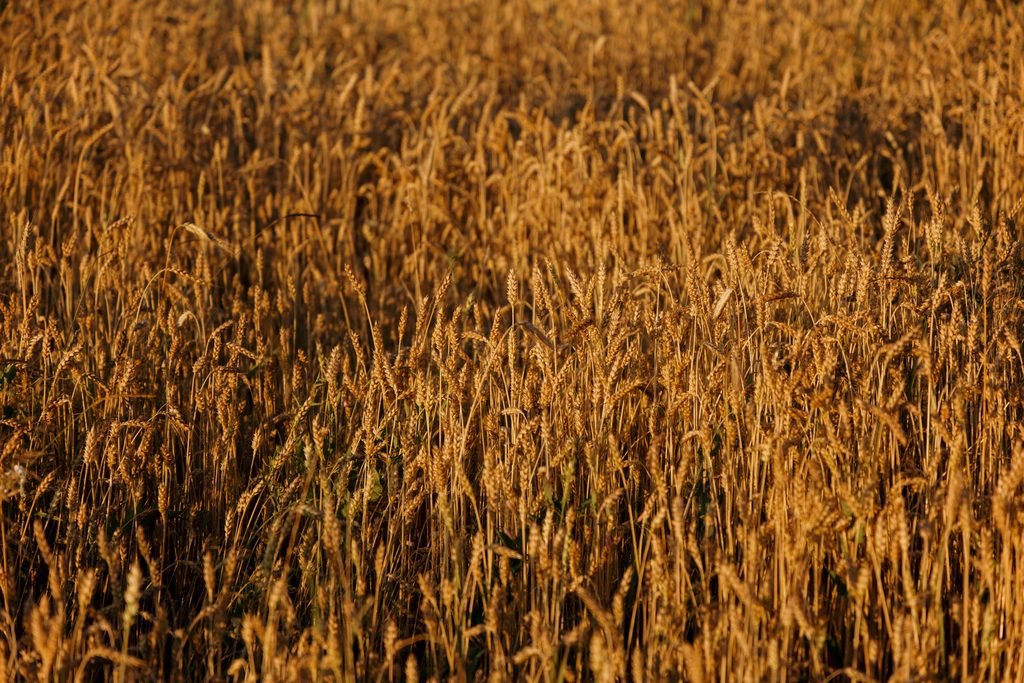
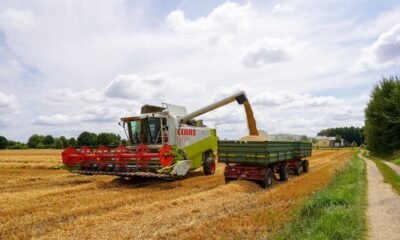
Wheat field.Image credit:Pexels
The losses were uneven across Europe
The ECIU analysis shows just how differently countries were affected.
France recorded the largest downward revision, with grain production cut by 5.8 million tonnes, representing an estimated €1.47 billion in lost production value. Hungary’s forecast fell by 3.2 million tonnes, the UK’s by 3 million tonnes and Germany’s by 2.5 million tonnes.
France’s maize crop was particularly affected. COCERAL’s September estimate put production at 7.6 million tonnes, 45% below 2025.
In the UK, the wheat yield forecast was cut from 7.95 tonnes per hectare to 6.82 tonnes per hectare. Austria’s maize yield fell from 11.4 tonnes per hectare in 2025 to 7.2 tonnes per hectare.
The contrast is therefore stark: some crops were ready for harvest earlier, but the amount harvested per hectare was falling.
Why 2026 became so damaging
The JRC says the summer began from relatively favourable conditions before a combination of exceptional heat and rainfall deficits changed the outlook rapidly.
Large areas of Spain, France and Italy experienced more than 15 additional days above 35°C compared with a typical summer, with elevated heat exposure also affecting Greece and Croatia.
Earlier in the summer, the JRC’s drought monitoring showed that 50% of EU and UK territory was under some level of drought condition by late July, with 9% at alert level. The drought combined low rainfall, depleted soil moisture and vegetation stress.
Winter crops had largely completed their development before the most severe summer heat arrived, which helped keep their yields closer to the recent average. Summer crops were still developing when the heat and drought intensified and were consequently more exposed.
A changing agricultural calendar
The shift towards earlier maturity is therefore not meaningless. It is an important indicator of how warming temperatures are changing Europe’s agricultural calendar.
Earlier maturity may sometimes allow a crop to escape a later heatwave or drought. The problem arises when accelerated development happens because of intense heat during a period when the plant still needs time, water and moderate temperatures to build yield.
The 2026 data show this distinction clearly.
The European Commission’s July assessment already reported that heatwaves had shortened the grain-filling period of winter crops. By September, its models showed summer crops reaching maturity earlier while yields remained substantially below the five-year average.
The result is a paradox that will become increasingly important as temperatures rise: a crop can be harvested earlier and still produce less food.
The warning signal
The 2026 European heatwave attribution study reported that the 2026 temperatures would have been virtually impossible in the 1976 climate. The comparable daytime heat would have been around 10 times less likely in 2003, while comparable nighttime temperatures would have been more than 100 times less likely. A comparable June 2026 heatwave would also have been about 3.5°C cooler during the day in the 1976 climate.
That study should not be used to attribute the 2026 agricultural losses directly. But it provides important context for the wider trend: extreme heat is becoming a more important agricultural risk as the climate warms.
The 2026 European harvest shows what that risk can look like on the ground.
The question for agriculture is therefore no longer simply “When will the crop mature?”
It is also “How much yield can the plant build before it gets there?”
For wheat, maize and other crops, that difference could determine whether a warmer growing season produces an earlier harvest or simply an earlier end to a season that has failed to produce enough food.


Climate Change, Overfishing and the Uncertain Future of Bangladesh’s Hilsa Fishermen

A Dead Star Feeds Off Planet Formed From Its Ashes

Trump’s AI Accord Puts Big Tech in Charge of Its Own Safety. Is That Enough?

Standing with Teachers: The People Who Shape India’s Future

An Ageing Teacher Workforce Is Becoming a Recruitment Problem

From Scams to Screens: How the National Stock Exchange Rewrote India’s Equity Story

Aim for the Stars: Anjali Thomas’s Journey from a Small College in Kerala to the Frontiers of Medical Imaging

India’s AI Moment Rests on More Than Code

Marshall Islands: Why the US Nuclear Legacy Is Back Before the UN

From Silicon Valley to Sustainable Period Care; How This Engineer Is Rethinking Menstruation with Science

-

 Math2 months ago
The 2026 Fields Medals: Four Proofs, Four Decades-Old Problems Solved
-
Climate2 months ago
After Kerala’s Deadliest Landslide, the Hardest Thing to Rebuild Was Childhood
-
Society3 months ago
West Asia Crisis: Can Kerala’s Returning Gulf Migrants Find a Future in the Green Economy?
-
Space & Physics4 months ago
India Semiconductor Mission: ‘It’s Not About Fabs. It’s About Building An Entire Ecosystem’
-
Interviews2 weeks ago
From Scams to Screens: How the National Stock Exchange Rewrote India’s Equity Story
-
Climate4 months ago
The Climate World Cup? How Climate Change Could Affect Player Performance at the 2026 World Cup
-
Society3 months ago
What Is Civilisational Diplomacy? Understanding India’s Newest Foreign Policy Tool
-
Society4 months ago
From Bell Labs to the Classroom: A Second Career in Teaching