Health
Why Kerala’s Children Are Missing School as Monsoon Illnesses Return?
As monsoon illnesses surge across Kerala, children are increasingly missing schools. Experts warn that sanitation, surveillance and early intervention are critical to preventing outbreaks.

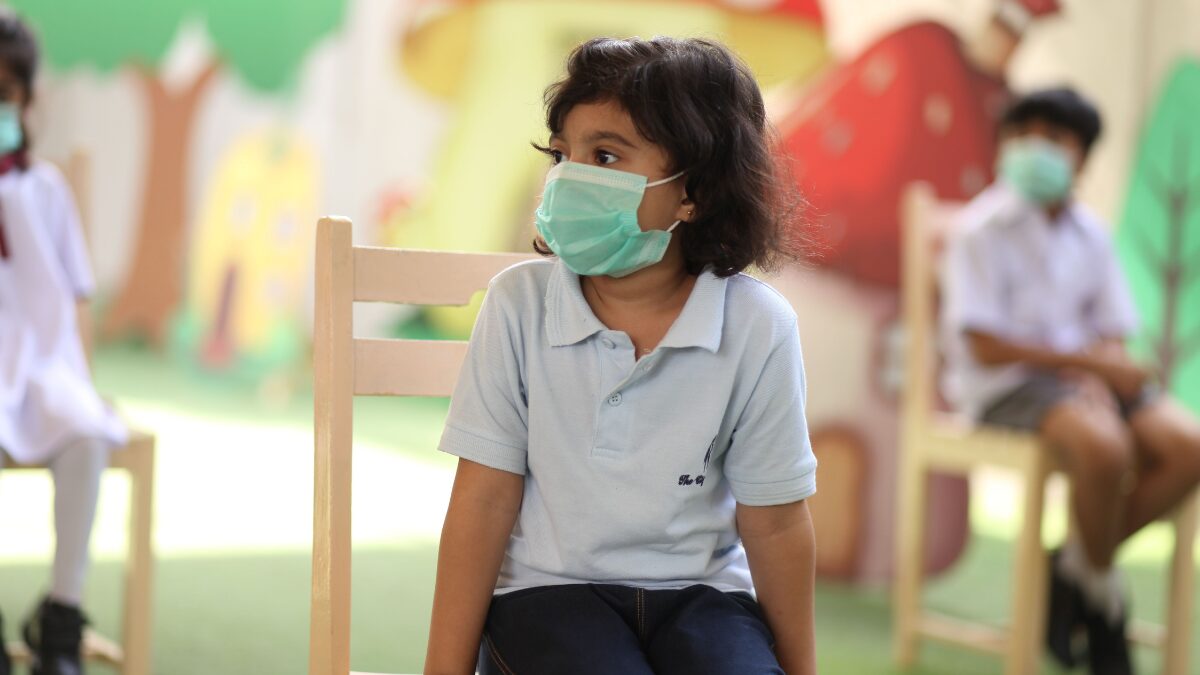
In the coastal district of Kozhikode, Kerala, a familiar pattern is beginning to reappear as the monsoon gathers strength. Classrooms that were full just weeks ago are now seeing a steady trickle of absences, with children staying home due to fever, diarrhea and other monsoon illnesses.
The situation is not unique to Kozhikode. Across Kerala, schools and health facilities are reporting a seasonal rise in illnesses that typically accompany the monsoon, including viral fevers, influenza-like infections, diarrhoeal diseases and, increasingly, Shigella infections.
“At least 5–6 students are absent daily due to some illness. Even though the school hasn’t reported cases of Shigella, there are cases of diarrhoea and viral fever,” said Jayasree, a school teacher from Kozhikode.
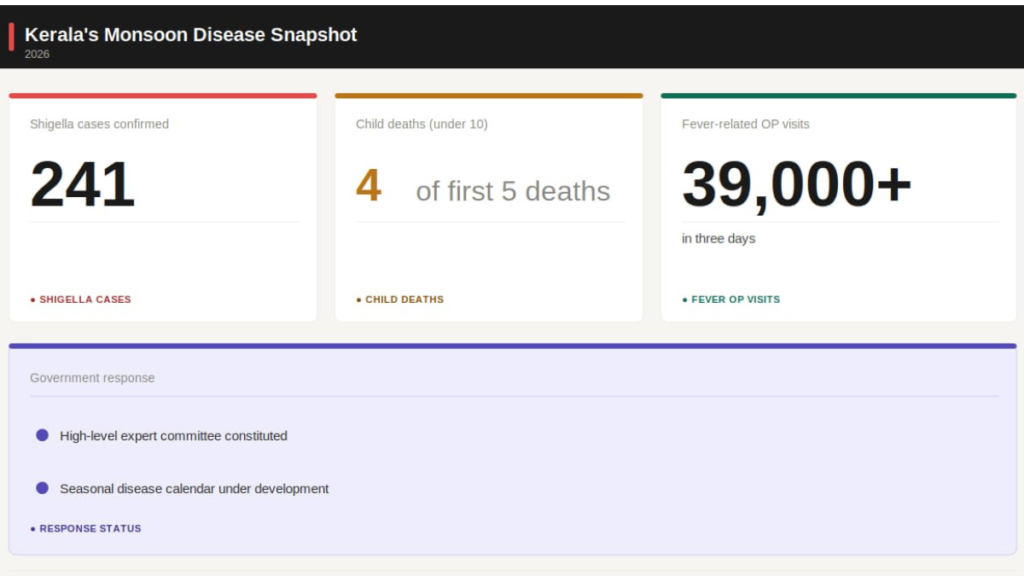
While such absenteeism is not unusual during the rainy season, doctors and public health officials say this year’s disease burden warrants closer attention. Kerala has reported 241 Shigella infections since the beginning of the year, and four of the first five deaths linked to the bacterial disease were children under the age of 10.
While Shigella has attracted particular attention, doctors say it is part of a broader seasonal pattern that includes viral fevers, influenza-like illnesses, diarrhoeal diseases and other infections that tend to surge during the rainy season. The wider disease burden is already visible across the state. In June, Kerala recorded more than 39,000 outpatient visits related to fever and seasonal illnesses over a three-day period, according to official figures, underscoring the pressure monsoon-related diseases continue to place on the healthcare system.
Why Children Face Greater Risks During Kerala’s Monsoon
Children are particularly vulnerable to infections during outbreaks because of both biological and behavioural factors.
“Young children are more likely to put their hands, toys, or other objects into their mouths, increasing exposure to germs. Maintaining good hand hygiene can also be challenging in this age group,” said Dr Sajana, paediatrician at Aster Medcity, Cochin.
She explained that Shigella spreads through the faeco-oral route. Even a very small number of bacteria can cause infection. Children also become dehydrated more quickly during diarrhoeal illnesses, making early detection and treatment critical.
The concern is not unique to Kerala. According to the Global Burden of Disease Study 1990–2016, published in The Lancet Infectious Diseases, Shigella was the second leading cause of diarrhoeal mortality globally in 2016 and was responsible for more than 63,000 deaths among children under five years of age. Public health experts note that young children are especially susceptible to complications because diarrhoeal illnesses can lead to rapid dehydration if not treated promptly.
Monsoon Illnesses Thrive When Water and Sanitation Systems Are Under Pressure
Public health researchers have repeatedly found that periods of intense rainfall can increase the risk of diarrhoeal disease outbreaks. Heavy rain can exposure to pathogens, particularly in densely populated communities and areas with inadequate sanitation.
Climate scientists and public health researchers have increasingly warned that changing rainfall patterns and more frequent extreme weather events can heighten the risk of waterborne diseases by contaminating drinking water sources and overwhelming sanitation infrastructure. For a state like Kerala, where the monsoon shapes both daily life and disease patterns, strengthening sanitation and surveillance has become as important as clinical care.
A recent incident in Malappuram district in northern Kerala, where a tender coconut stall was identified as the source of a Shigella outbreak, highlights how even commonly consumed foods can become transmission points when hygiene practices break down.
The concern has now prompted intervention at the highest levels of government. A high-level committee appointed by the Kerala government to review infectious disease control has warned that waterborne diseases such as Shigella are being reported more frequently this year. The committee recommended intensified sanitation campaigns, routine testing of drinking water sources, stronger food safety inspections and the deployment of field testing kits to health workers to identify contamination before outbreaks occur.
The committee also called for joint inspections of restaurants, street-food stalls and other food establishments, recommending that all food outlets be checked at least once every three months. Health officials believe such measures could help reduce the risk of food- and water-borne outbreaks that often emerge during the monsoon season.
The link between sanitation and disease is well established in Kerala itself. A study by researchers Chitra Grace A. and V. Mohanan Nair found that childhood diarrhoeal disease in rural Kerala remains closely associated with access to safe drinking water, sanitation facilities and household hygiene practices. The findings suggest that despite Kerala’s strong public health indicators, environmental and behavioural factors continue to shape disease risks among children.
These findings underline how even small lapses in sanitation, particularly during the monsoon when water sources become more vulnerable to contamination, can quickly translate into disease outbreaks.
Schools Become Kerala’s First Warning System
Schools often act as the first line of detection during seasonal outbreaks. Teachers are usually the first to notice patterns of illness among children, making early reporting critical.
“We are sending students back home even if they show mild symptoms such as a runny nose. Mask-wearing has also been made mandatory across the campus. Recently, a child was diagnosed with H1N1, but the situation has been well contained”, said Malini Arun Menon, Founder and Principal of Dolphinz Preschool, Kakkanad.
Health experts say that timely interventions such as sending symptomatic children home, temporary class suspensions and improved sanitation practices can significantly reduce transmission in school environments.
Regular cleaning of drinking water tanks, monitoring food preparation areas and ensuring that washrooms remain hygienic become especially important during the rainy season, when disease transmission risks tend to increase.
The First Line of Defence Begins at Home
Doctors say prevention often comes down to a handful of everyday practices. Ensuring children wash their hands regularly with soap, drink safe water and avoid unhygienic food can significantly reduce the risk of infection.
Families are also encouraged to keep children with symptoms at home and seek medical care promptly if warning signs such as persistent fever, bloody diarrhoea, repeated vomiting, dehydration or unusual drowsiness develop.
The state government’s expert committee has similarly emphasised the importance of community participation. It has recommended strengthening public awareness campaigns on sanitation, safe water practices and disease prevention while urging local bodies and health workers to intensify surveillance in identified disease hotspots.
The monsoon season can magnify risks, but experts say many infections remain preventable through simple hygiene measures and timely medical attention.
Can Kerala Predict Outbreaks Before They Happen?
Recognising the seasonal nature of disease outbreaks, Kerala is attempting to strengthen its predictive public health systems.
The state government recently highlighted plans for a seasonal disease calendar that would map when and where recurring outbreaks are most likely to occur. The initiative aims to help health authorities anticipate disease trends rather than merely respond to them after outbreaks have begun.
The high-level committee chaired by public health expert Dr S.S. Lal has reinforced that approach. In its preliminary report submitted this week, the committee recommended identifying disease hotspots using the Integrated Disease Surveillance Programme (IDSP), strengthening district-level surveillance and improving coordination between the health, education, local self-government, agriculture, forest and animal husbandry departments under a One Health framework.
The committee has also cautioned that mosquito-borne diseases such as dengue and chikungunya could become more widespread in the coming months due to the continuing effects of climate variability and changing weather patterns. Although dengue cases remain lower than during the same period last year, experts warn that sustained preventive measures will be necessary as the monsoon progresses.
The committee is expected to conduct further field visits and detailed studies, including investigations into recurring Nipah hotspots and the source of amoebic meningoencephalitis cases, before submitting its final report.
The idea reflects a broader shift in public health thinking, from reacting to outbreaks to predicting them. Kerala’s public health system has earned national recognition for responding quickly to health emergencies. The challenge now is whether it can stay ahead of them. As classrooms fill and the monsoon deepens across the state, health officials, schools and families face the same annual test: preventing familiar illnesses from becoming avoidable outbreaks.










Health
FSSAI Moves to Restrict Added Sugars in Infant Foods, Citing Need for Stronger Nutritional Safeguards
FSSAI has proposed restricting the addition of sucrose and fructose to infant foods for babies up to six months. The draft amendment aims to strengthen nutritional safeguards.
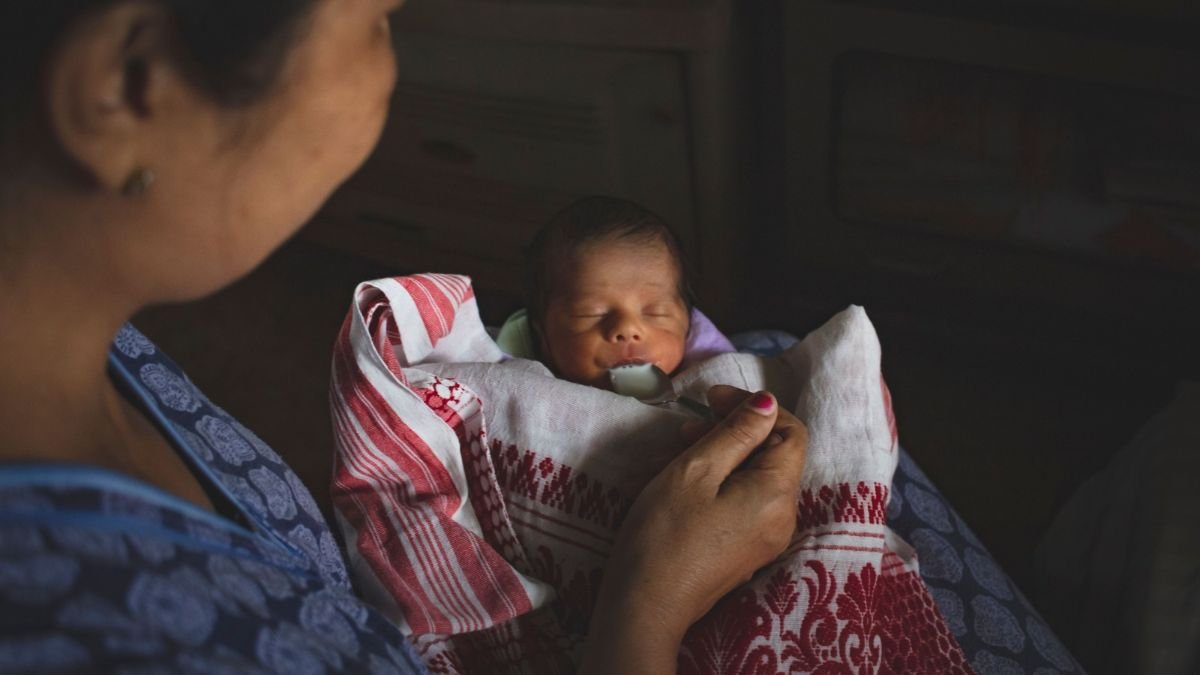
The first months of life leave little room for nutritional guesswork. An infant’s food must supply the energy and nutrients needed for growth, making the composition of commercial infant nutrition products a matter of public health. Whether manufacturers need to add particular sugars to these products is therefore an important regulatory question.
Research published in recent years has begun examining how added sugars enter infants’ diets, including through formula milk, and whether early exposure is associated with subsequent eating patterns and weight gain. Although the evidence does not establish that added sucrose or fructose in infant formula directly causes obesity, it has raised questions about the nutritional value of adding sugars when alternative carbohydrate sources are available.
Against this backdrop, the Food Safety and Standards Authority of India (FSSAI) has proposed prohibiting the addition of sucrose and fructose to food products intended for infants up to six months of age. The draft amendment, published in the Gazette of India on 16 October 2026, would tighten the existing rules governing the composition of these products.
Early Exposure to Added Sugars
An Indian study published in the Indian Journal of Community Medicine in 2021 examined the sugar and salt content of 114 commercially available infant formulas and baby foods. The researchers found that around 28% of the products had a high-sugar profile, while approximately 51% listed sugar or related ingredients among their first four ingredients.
The study covered products intended for children aged up to 24 months, including infant formulas and complementary foods. Its findings offer evidence that sugar content warrants scrutiny in India’s infant and young-child food market. However, the assessment relied on product labels and did not establish whether the products caused adverse health outcomes. It also did not demonstrate that infant formulas intended specifically for babies under six months routinely contained added sucrose or fructose.
Research elsewhere has examined possible links between added sugars in infant formula and early growth. A 2025 study published in The Journal of Nutrition followed 234 infants from predominantly low-income households in the United States. Researchers assessed dietary intake at six, nine and 12 months and found an association between higher added-sugar intake from formula and higher weight-for-length scores.
For every additional 10 grams of added sugar consumed daily through formula, weight-for-length scores increased by an average of 0.060. The study was observational, so it cannot establish that sugar caused the difference. Its findings also cannot be directly generalised to Indian infants.
A separate study published in Frontiers in Nutrition in 2023 examined dietary data from 95 infants and toddlers aged nine to under 16 months. It found an association between added sugars consumed through infant formula and sugar-sweetened beverage consumption later in infancy. The researchers did not establish a significant association between formula-derived added sugars and added-sugar intake from table foods. The small sample and cross-sectional design limit the conclusions that can be drawn.
These studies examine different aspects of early sugar exposure: the composition of products available in India, associations with infant weight and possible links with later dietary patterns. None establishes that the proposed restriction will prevent childhood obesity. They do, however, provide grounds for examining whether particular sugars need to be added to products intended for very young infants.
Infant’s Food: Why the First Six Months Matter
The World Health Organization (WHO) and UNICEF recommend exclusive breastfeeding during the first six months of life, followed by the introduction of appropriate complementary foods at around six months while breastfeeding continues.
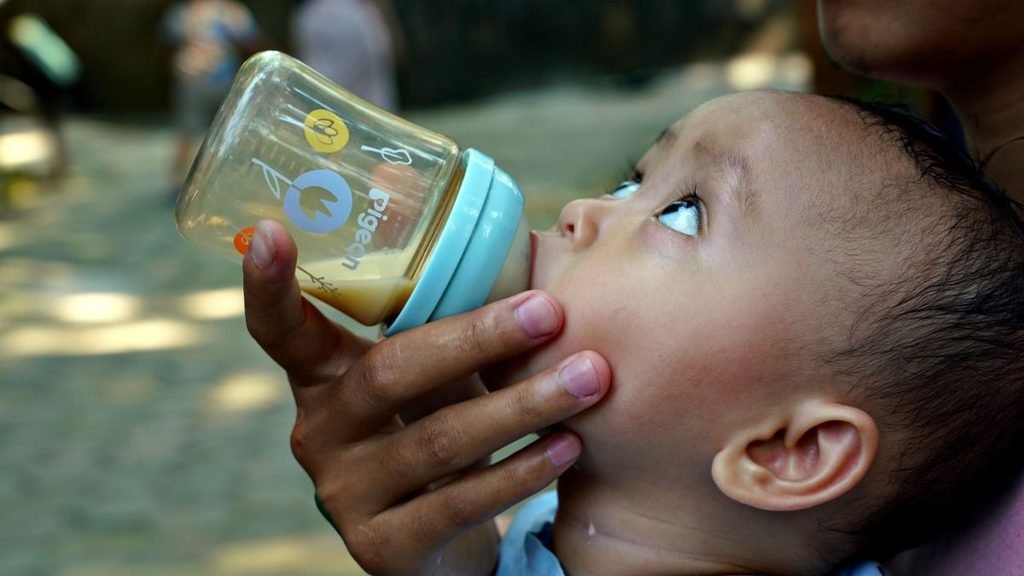
For infants who require an alternative to breast milk, appropriately formulated infant formula can provide essential nutrition. Its carbohydrate composition must meet nutritional requirements for growth and development. The question for regulators is whether adding particular sugars serves a necessary nutritional purpose in products designed for this age group.
WHO’s 2023 guideline on complementary feeding recommends that children aged six to 23 months should not consume foods high in sugar, salt and trans fats. Its evidence review identified associations between sugar-sweetened beverage consumption during infancy and later obesity in some studies, although the certainty of the evidence was low. The recommendation concerns the broader diet of children aged six months and older; it does not specifically establish the effects of sucrose or fructose in infant formula.
The distinction between naturally occurring sugars and added sugars is equally important. Milk naturally contains lactose, which provides energy. Sucrose and fructose may instead be introduced as ingredients during product formulation. Their use needs to be assessed against the nutritional requirements of the intended age group.
What the FSSAI Amendment Proposes
Under the Food Safety and Standards (Foods for Infant Nutrition) Regulations, 2020, lactose and glucose polymers are the preferred carbohydrate sources in infant nutrition products. The existing rules permit sucrose and/or fructose when required as a carbohydrate source, subject to prescribed limits.
The draft Food Safety and Standards (Foods for Infant Nutrition) Amendment Regulations, 2026, proposes prohibiting the addition of sucrose and fructose to products intended for infants up to six months of age. This would remove the existing allowance for these two sugars in products for this age group. FSSAI has invited objections and suggestions from stakeholders within 60 days from the date on which copies of the relevant Gazette notification are made available to the public. The submissions will be considered before the amendment is finalised.
Health
NMC Directs Medical Colleges to Set Up Patient Safety Committees
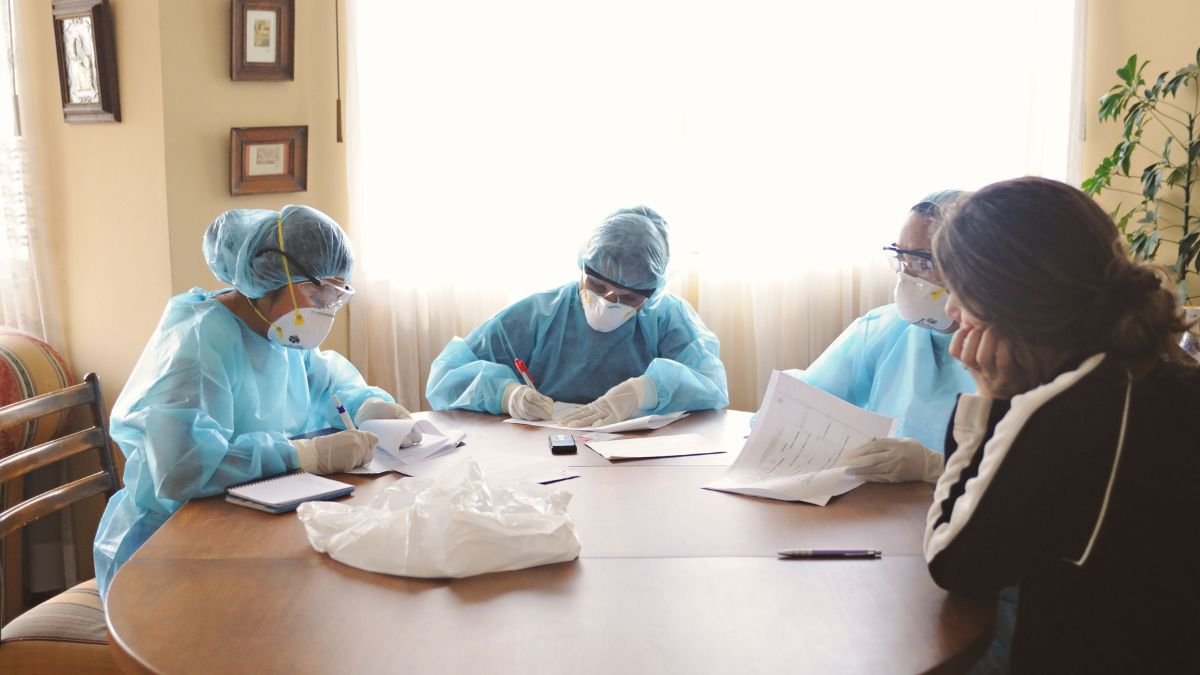
The National Medical Commission has directed medical colleges and medical institutions to establish patient safety committees, designate nodal officers and strengthen procedures to prevent avoidable harm.

Health
World Food Day: India’s Childhood Obesity Burden Raises Concerns Over Diabetes Risk
More than 41 million Indian children and adolescents aged 5–19 were living with overweight or obesity in 2025, according to the World Obesity Atlas 2026. The growing burden raises concerns about long-term health risks, including type 2 diabetes, and highlights the need for healthier food environments, better nutrition and stronger school-based interventions.

With more than 41 million Indian children and adolescents living with overweight or obesity, experts warn that unhealthy food environments could increase future risks of type 2 diabetes. New national guidance on childhood diabetes and proposed restrictions on junk food sales near schools highlight the need for preventive action.
As the world observes World Food Day on October 16, childhood nutrition is emerging as a challenge that extends beyond hunger and undernutrition. The growing prevalence of overweight and obesity among children is raising concerns about their long-term health, including their risk of developing type 2 diabetes.
India faces a particularly significant challenge. The World Obesity Atlas 2026 estimates that approximately 14.9 million children aged five to nine and 26.4 million children and adolescents aged 10–19 in India were living with overweight or obesity in 2025. Together, these figures amount to more than 41 million young people.
The report also estimates that around 1.39 million Indian children aged five to 19 had hyperglycaemia attributable to high body mass index in 2025. Hyperglycaemia refers to elevated blood glucose levels and is a health indicator associated with metabolic risk; it should not be interpreted as a count of children diagnosed with diabetes.
The figures highlight the importance of addressing childhood obesity early, before associated health risks become more difficult to manage.
Food environments and the risk of early-onset diabetes
The World Health Organization (WHO) reported in September 2026 that 400 million children and adolescents aged five to 19 worldwide were overweight in 2024, including 170 million living with obesity. The prevalence of overweight in this age group increased from 8% in 1990 to 20% in 2024.
Childhood obesity is influenced by a combination of biological, social, economic and environmental factors. Diets high in energy but low in essential nutrients, limited opportunities for physical activity and the easy availability of heavily marketed processed foods can contribute to unhealthy weight gain.
Obesity can increase insulin resistance, in which the body’s cells respond less effectively to insulin. This can raise the risk of type 2 diabetes, a condition that is increasingly important to consider in children and adolescents.
However, the relationship between food and diabetes requires an important distinction. Type 1 diabetes is an autoimmune condition in which the body’s immune system attacks insulin-producing cells in the pancreas. It is not caused by eating sugary foods or being overweight. Type 2 diabetes develops through different mechanisms and is associated with factors including excess body weight, genetics and physical inactivity.
The two conditions require different approaches to prevention and treatment.
India introduces a national childhood diabetes framework
In a significant policy development, the Union Ministry of Health and Family Welfare released a comprehensive guidance document on diabetes mellitus in children on May 3, 2026.

Diabetic checkup.Representational image.Image credit:Pexels
The framework outlines a structured approach to screening, diagnosis, treatment and long-term management, linking community-level identification with district hospitals and medical colleges. It also provides for free-of-cost care at public health facilities, including insulin therapy, blood glucose monitoring supplies and follow-up services.
The guidance promotes awareness of the early warning signs of type 1 diabetes through the “4Ts”: Toilet, Thirsty, Tired and Thinner. These refer to frequent urination, excessive thirst, unusual tiredness and unexplained weight loss.
The initiative is important because timely diagnosis and access to insulin can be lifesaving for children with type 1 diabetes. It also highlights the need for health systems to identify and manage diabetes before complications develop.
Schools become a focus of food policy
India is also considering measures to improve the food environments surrounding schools. A Reuters report published on September 24, 2026, said the country was moving towards restrictions on the sale of foods high in fat, salt and sugar within a 50-metre radius of schools.
The proposed measures would affect vendors and shops selling products such as sugary drinks and packaged snacks near educational institutions. The proposal reflects growing concern about the availability of unhealthy foods in places where children spend much of their day.
If implemented effectively, school-focused measures could form part of a wider strategy that includes healthier school meals, accessible drinking water, nutrition education, physical activity and clearer food labelling.
However, restrictions alone cannot address the problem. Families also need affordable access to fruits, vegetables, pulses and other nutritious foods. Public-health measures must account for household budgets and the realities of food access in different communities.
Beyond calories
World Food Day 2026, themed “Innovate today. Nourish tomorrow,” offers an opportunity to reconsider what food security means for children. Access to sufficient calories is essential, but the nutritional quality of food also matters.
Reducing the future burden of type 2 diabetes requires action across healthcare, education, food policy and community environments. At the same time, children living with type 1 diabetes need timely diagnosis, uninterrupted insulin supplies and long-term medical support


Greece Passes Social Media Ban for Children Under 15

Istanbul Floods Reveal How Climate Change and Urbanisation Combine to Raise Flood Risks

Nepal’s 4.7 Billion Flood Recovery Bill Dwarfs UN Climate Fund Allocation

India–Poland to Pursue Joint Research in AI, Semiconductors and Quantum Technology

Climate Disasters Disrupted Schooling for 171 Million Students in 2025, UNICEF Finds

Knowing When to Think for Ourselves: AI, Intuition and the Education of Discernment

After a Scorching Summer, Delhi’s Children Are Slow to Return Outdoors

Two Chemists Win Nobel Prize for Solving a Century-Old Puzzle: Why Life Picks One Hand Over the Other

Marshall Islands: Why the US Nuclear Legacy Is Back Before the UN

How Wind Turbines Could Produce More Power From the Same Wind

-

 Math3 months ago
The 2026 Fields Medals: Four Proofs, Four Decades-Old Problems Solved
-
EP Deep Dive: Data & Solutions3 months ago
After Kerala’s Deadliest Landslide, the Hardest Thing to Rebuild Was Childhood
-
EP Deep Dive: Data & Solutions4 months ago
West Asia Crisis: Can Kerala’s Returning Gulf Migrants Find a Future in the Green Economy?
-
Space & Physics5 months ago
India Semiconductor Mission: ‘It’s Not About Fabs. It’s About Building An Entire Ecosystem’
-
Interviews1 month ago
From Scams to Screens: How the National Stock Exchange Rewrote India’s Equity Story
-
Climate5 months ago
The Climate World Cup? How Climate Change Could Affect Player Performance at the 2026 World Cup
-
Society3 months ago
What Is Civilisational Diplomacy? Understanding India’s Newest Foreign Policy Tool
-
Society4 months ago
From Bell Labs to the Classroom: A Second Career in Teaching