Society
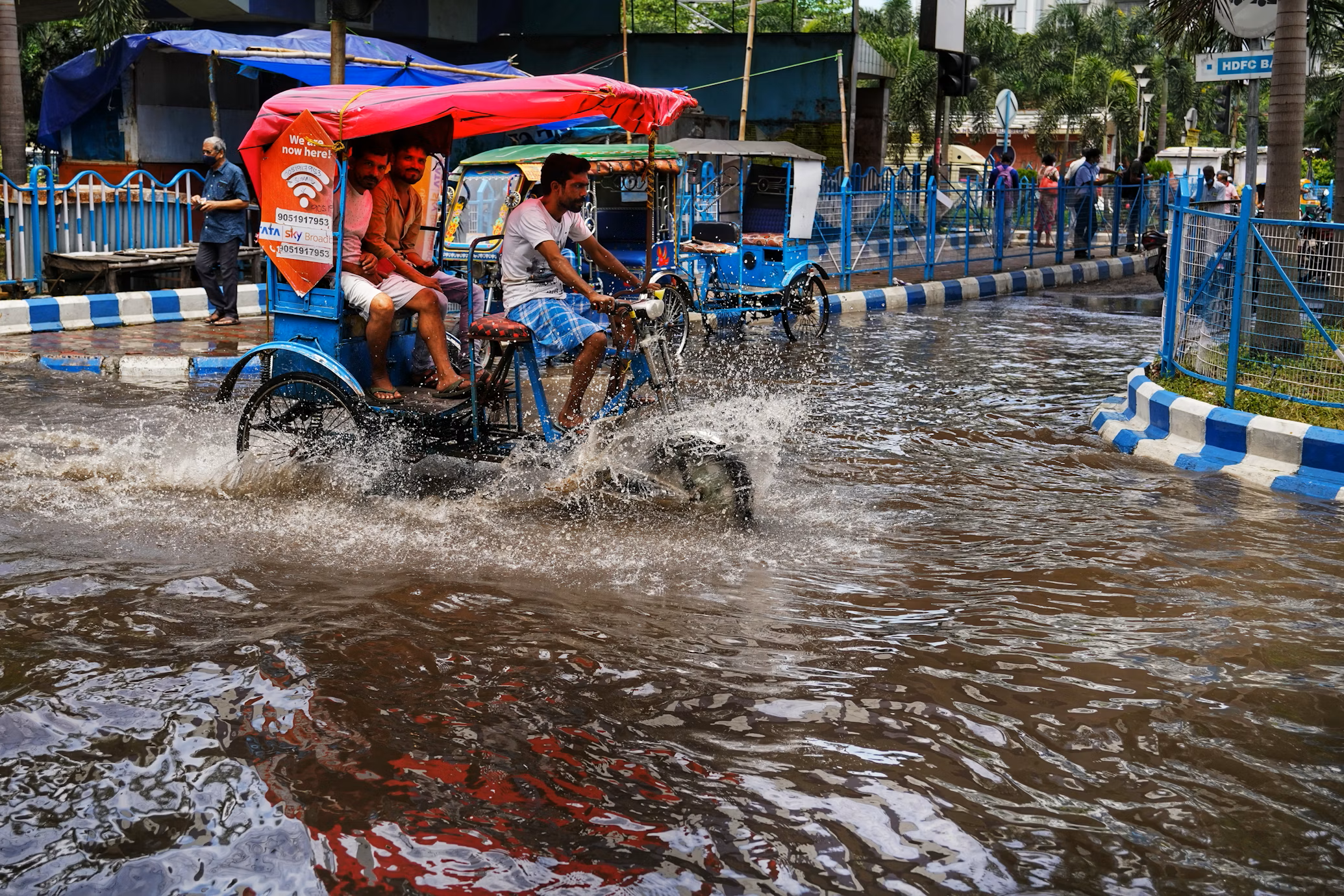
Is climate crisis an electoral issue in India?
With India’s 1.4 billion population heading for the booths in this year’s general elections, what is their opinion on climate change?











Society
Between Lectures and Lyrics: Kabeer Is Building a Malayalam Hip-Hop Career One Self-Taught Skill at a Time
A Kerala-born student in Milton Keynes is writing, producing and releasing his own Malayalam hip-hop and R&B music — one late night and one self-taught skill at a time.


Between lectures and coursework in Milton Keynes, Amjad Kabeer spends his free hours doing something far removed from campus life: writing, producing and releasing his own music. Known professionally as Kabeer, the Kerala-born student has spent the past few years building an independent Malayalam hip-hop and R&B career almost entirely on his own terms — one lyric, one beat and one late night at a time.
Two cultures, one sound
For Kabeer, moving from Kerala to the United Kingdom as a student was less an ending to his old life than the start of a search for how to carry it with him. Adjusting to a new country, a new academic routine and a new set of responsibilities was not easy, Kabeer says, but the experience also sharpened his sense of where he came from. Living between two cultures, he says, gave him a different way of thinking about belonging, ambition and personal growth — themes that now run through almost everything he writes.
Rather than treating his Malayalam identity as something to set aside once he moved abroad, Kabeer has placed it at the centre of his music. Language, according to Kabeer, is one of the clearest markers of who a person is, and moving to another country should not mean leaving that part of oneself behind. That conviction shows up directly in his sound: Malayalam lyrics and storytelling set against a contemporary hip-hop and R&B backdrop, built, he says, in the hope that Malayalam music can reach listeners well beyond Kerala or the wider Malayalam-speaking world.
Learning to produce from scratch
The turning point in his development as a producer, Kabeer says, came out of a limitation rather than an opportunity. Professional studio production was out of reach on a student budget, so he decided to learn it himself. Through online tutorials and, by his own account, a great deal of trial and error, he taught himself to produce his own records from scratch. It was a frustrating process, he admits, but it also left him with something he now considers essential to his identity as an artist: creative control over his own work, from a song’s first idea through to its final mix.
“My style is a blend of Malayalam hip-hop, R&B and melodic rap, usually set against atmospheric, moody production”
That control, Kabeer explains, is the real meaning behind his independence — not working alone for its own sake, but being able to turn his own experiences into music without compromising on how they sound. He says he still values collaboration, but being able to carry a track through every stage himself remains central to how he sees himself as an artist.
Six singles, no label
Musically, Kabeer describes his style as a blend of Malayalam hip-hop, R&B and melodic rap, usually set against atmospheric, moody production. His songs return often to self-discovery, relationships, ambition, resilience and the emotional weight of chasing a dream far from home — subjects that, for an artist juggling a degree and a music career at the same time, are not exactly hypothetical. He has released six singles and two music videos so far, entirely through his own resources. Among them, he points to “Clueless” as the one that means the most to him, calling it a marker of how far he has come as both a songwriter and a producer.
Running a music career without a label or management team has not been simple to combine with student life. Kabeer is responsible for every part of the process himself — writing, recording, producing, filming videos, promotion and covering the costs of releasing music — on top of coursework and the everyday demands of living in another country. He describes each release as a chance to grow rather than a burden, for all the pressure involved.

That effort has started to draw outside attention. Kabeer says his music has had airplay on Amazing Radio UK, and his story has been covered by media outlets. For an independent artist working without institutional backing, Kabeer says, that kind of recognition is encouragement to keep going rather than an endpoint in itself.
Representation, one release at a time
Kabeer’s ambitions go beyond individual releases. He wants to help build greater visibility for Malayalam hip-hop within the UK’s wider music scene, and to create more of a creative connection between Kerala and the broader South Asian diaspora. Representation matters to him in particular: growing up, he says, he rarely saw Malayalam hip-hop represented on an international stage, and he hopes his own path encourages other young people from South Asian backgrounds to pursue their creative interests without feeling they have to give up their cultural identity to do it.
Looking ahead, Kabeer plans to keep releasing original music, explore collaborations and look for more opportunities to perform live, with the longer-term goal of building an artistic identity that draws equally on his life in Kerala and in the UK. For a student still early in both his degree and his music career, he puts it simply: the goal was never just to make music while living abroad, but to make something that carries where he is from into whoever he is still becoming.
Society
Is India paying more than it thinks for chemical farming?
India’s fertiliser subsidy system carries fiscal, environmental and energy costs beyond the price farmers pay. A new Climate Trends study examines the case for balanced nutrient use, organic alternatives and a gradual transition to low-input farming.
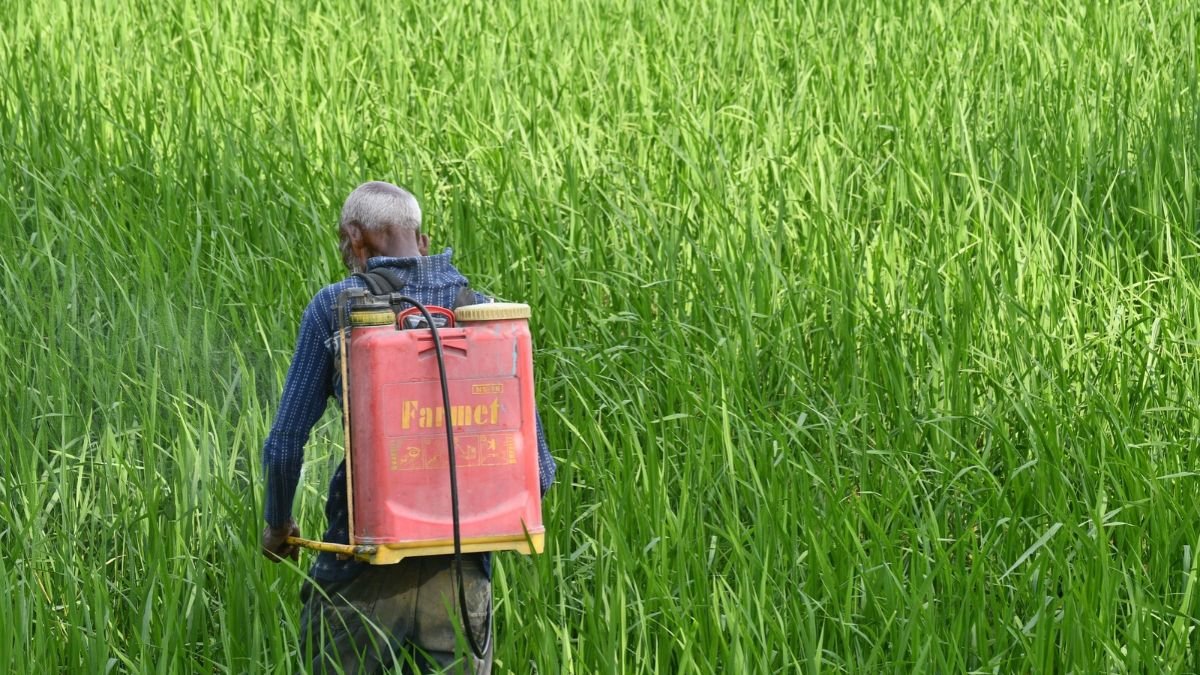
For a paddy farmer in Kuttanad, the amount of fertiliser needed is different from that recommended for other parts of Kerala. The Kerala Agricultural University recommends 90 kg of nitrogen, 45 kg of phosphorus and 15 kg of potassium per hectare for medium-duration, high-yielding rice varieties in Kuttanad. However, this recommendation applies only under certain conditions. The soil should have medium to high potassium levels, rice straw should be mixed back into the soil, and tidal water should supply some nutrients to the field. If soil tests show low potassium levels, the fertiliser requirement changes.
This is because fertiliser needs depend on several factors, including soil type, water movement, rice variety and how crop residues are managed. If farmers apply more fertiliser than their crops need, cultivation costs can rise. The unused nutrients may also enter nearby water bodies and cause pollution. Fertiliser prices in India are heavily subsidised by the government. In 2024–25, the Centre spent 1.77 lakh crore rupees on fertiliser subsidies. This support keeps fertilisers affordable for farmers, but the cost to the public is rarely included when calculating how profitable farming really is.
A study by Climate Trends, titled The Economics of Cultivation, looks at what happens wchen these government subsidies and the environmental costs of fertiliser use are included in the economics of farming. The study suggests that the actual returns from farming that relies heavily on chemical fertilisers may be considerably lower than they appear when these costs are left out.
What does a Hectare of Wheat Really Earn?
Farmers calculate their profit by private net returns, the money a farmer has left after paying for production. But there is another way called the social net return. This includes the government’s spending on fertiliser subsidies and the greenhouse gas emissions produced during fertiliser manufacturing and use. These costs do not appear in a farmer’s accounts, but are borne by taxpayers and the environment.
Across five wheat cultivation cases examined in the study, the social return was estimated to be 36% to 182% lower than the private return, with an average difference of around 90%. In two cases, the return turned negative after these additional costs were included. Punjab’s wheat cultivation in 2019–20 shows how large this gap can be. The study estimates that farmers earned a net return of 31,901 rupees per hectare after deducting cultivation expenses. However, when an additional 11,554 rupees per hectare in fertiliser subsidy costs and greenhouse gas emissions was accounted for, the return fell to 20,347 rupees per hectare.
The study also estimates that Punjab’s fertiliser-related fiscal cost in 2022–23 was 14,072 rupees per hectare. This was nearly four times the all-India figure of 3,630 rupees per hectare in 2021–22. While the farmers continue to benefit from subsidised fertiliser prices, which reduce their cultivation expenses, the additional costs that are shifted to taxpayers and the environment.
Pricing Policy Influencing Nutrient Choices
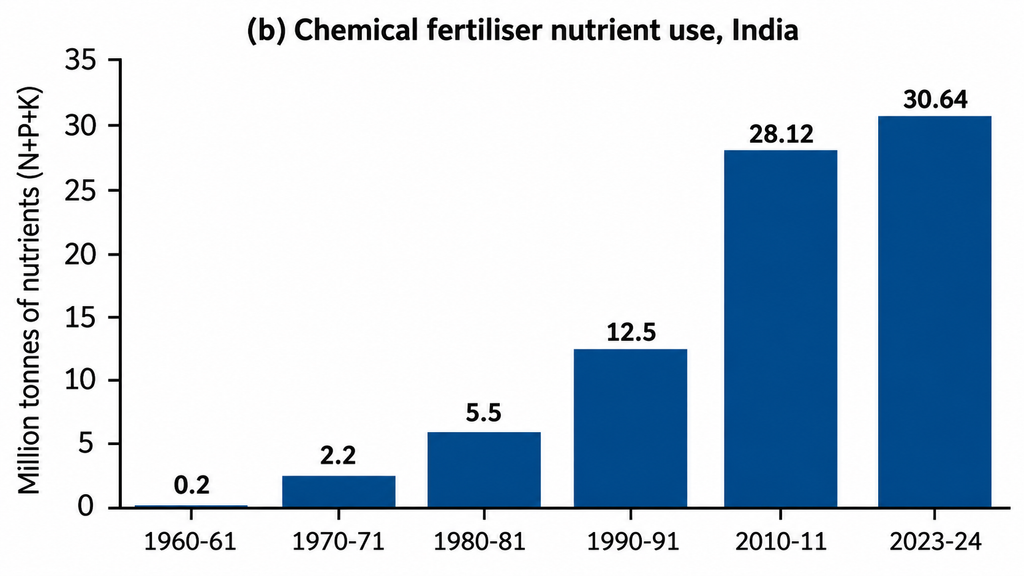
India’s fertiliser subsidy policy also influences nutrient use. Introduced in 2010, the Nutrient Based Subsidy (NBS) scheme links subsidies for phosphatic and potassic fertilisers to their nutrient content, while companies have greater freedom to set prices. Urea, which supplies nitrogen, remains under government price control.
This makes urea relatively cheaper and may encourage farmers to use more nitrogen-based fertiliser, even when crops need a different nutrient balance. As the study suggests nitrogen’s share of fertiliser consumption reached 69.9% in 2012–13. Its statistical analysis recorded a 4.42 percentage-point annual increase in the post-2010 trend. However, the analysis covers only four years after the reform and has no control group. It therefore cannot establish that the policy alone caused the increase.
The Indian Council of Agricultural Research recommends soil-test-based fertiliser application rather than a uniform nutrient ratio. Kerala’s lower nitrogen share does not necessarily mean fertiliser use is efficient across all its farms. In Kuttanad, for example, the recommended potassium dose depends on existing soil levels and whether rice straw is incorporated into the field.
Emissions and the Cost of Imported Inputs
Producing synthetic nitrogen fertilisers requires large amounts of energy, much of it from fossil fuels. Their use also releases nitrous oxide, a greenhouse gas that traps much more heat than carbon dioxide over 100 years. Climate Trends report finds the global synthetic nitrogen fertiliser supply chain produced an estimated 1.13 billion tonnes of carbon dioxide equivalent emissions in 2018, accounting for about 2.1% of global greenhouse gas emissions. In India, fertiliser manufacturing alone produced an estimated 25 million tonnes of carbon dioxide equivalent emissions in 2022–23.
India also depends heavily on imports for fertiliser production. It imports potash, several raw materials used in phosphate fertilisers, natural gas and ammonia. Disruptions to international trade routes and energy supplies can therefore affect both the cost and availability of these inputs. The disruption around the Strait of Hormuz is an example.
When international prices rise, the government may have to spend more to keep fertilisers affordable. Farmers, meanwhile, can face supply shortages and uncertainty over availability, even when retail prices are regulated.
“We need to fundamentally rethink our approach to soil conservation, moving beyond engineering structures and short-term interventions towards the revival of ecosystems. Despite decades of investment, soil erosion continues to intensify, while the productivity of prime agricultural lands and ecosystems is declining.
Restoring soil health, conserving natural resources and strengthening ecological processes must be at the heart of our response. This also calls for promoting diversified cropping practices suited to local agroecological conditions, rather than perpetuating resource-intensive cropping patterns. Building climate-resilient agriculture requires us to address the root causes of soil degradation, strengthen local ecological solutions and restore the natural systems that help communities withstand droughts, floods and other climate stresses.”, said Dr. Basant Kumar Kandpal, Technical Expert (Agriculture and Horticulture), National Rainfed Area
Authority (NRAA).
Can Farmers Move Away From Chemical Inputs?
For Kerala’s rice farmers, fertiliser requirements vary across fields. In Kuttanad, for instance, the recommended potassium dose depends on soil-test results and whether rice straw is returned to the field. Applying these recommendations requires accessible soil testing, regular agricultural extension support and affordable inputs.
“Excessive dependence on chemical fertilisers comes at a far greater cost to the nation than what is reflected in their market prices or subsidy allocations. Soil degradation, environmental damage, energy dependence and the growing fiscal burden are increasingly difficult to ignore. However, the transition to organic and natural farming cannot be left entirely to farmers. It requires sustained government support, investment in research and extension services, affordable alternatives and assured market linkages.”, said Dr Palak Balyan, Lead Author and Research Lead, Climate Trends.
The study calls for changes to fertiliser pricing and subsidy distribution. Its recommendations include pricing urea according to nutrient content, linking part of the subsidy to Soil Health Card advice and supporting farmers who shift to low-input cultivation. It estimates that transitioning one million hectares of transplanted rice to low-input farming could save Rs 1,155 crore annually.
The experiences of Andhra Pradesh and Sikkim show why the transition needs careful planning. Andhra Pradesh’s natural farming programme recorded more than twice the profits at broadly similar yields, while Sikkim faced yield losses amid inadequate farmer training and limited access to certified organic markets.
The challenge, therefore, is to reduce excessive fertiliser use without increasing farmers’ costs or putting yields at risk. The study argues for redirecting public support towards balanced nutrient use, farmer training and affordable alternatives, while accounting for the fiscal, energy and environmental costs of fertiliser-intensive agriculture.
Society
Nearly 72% of Migrant Workers in South India Report Improved Living Standards, but Labour Protection Remains Weak
India’s migrant construction workers play a crucial role in the country’s urban development, yet many continue to face poor working conditions, inadequate social security, wage insecurity and limited access to essential services.
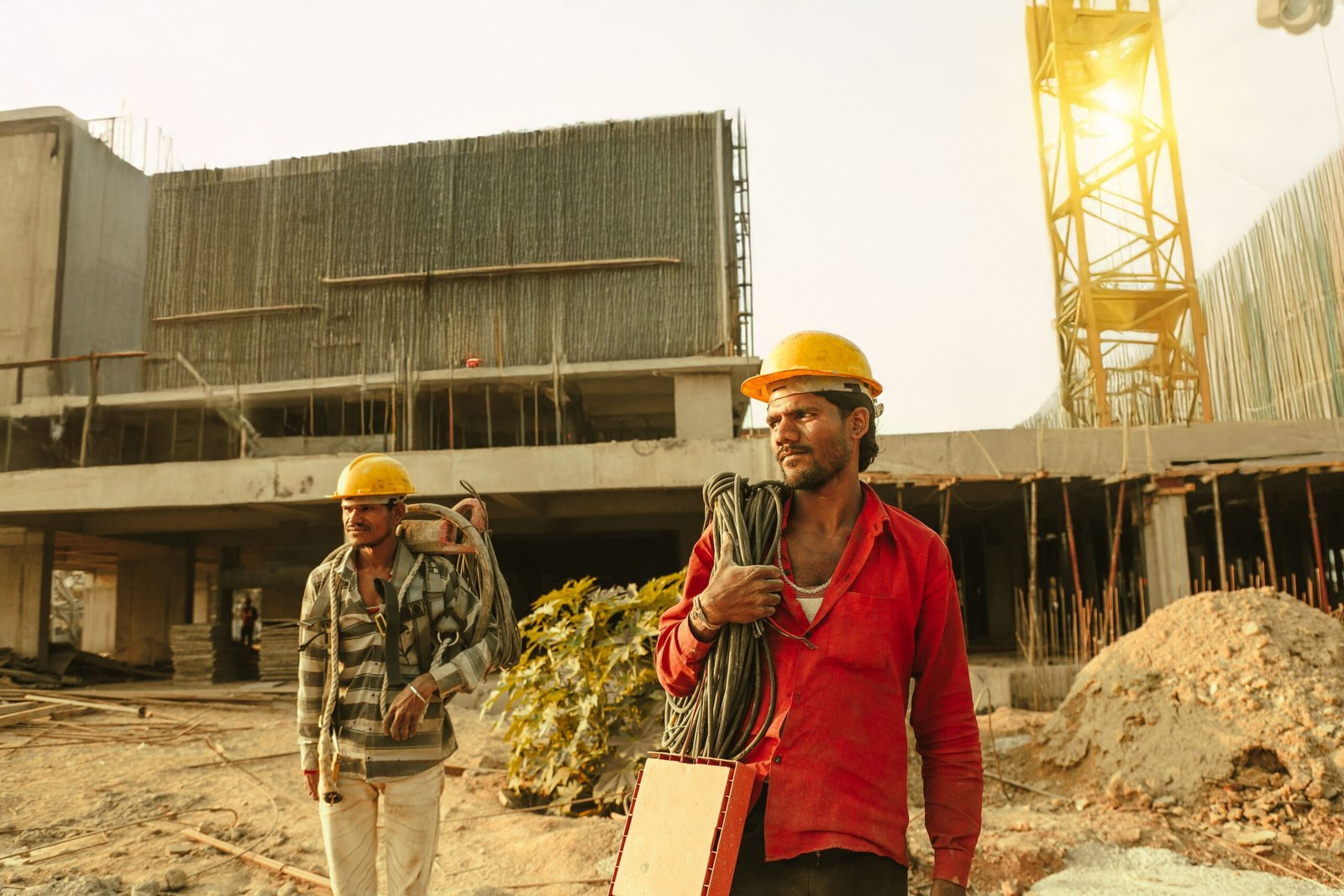
Nearly 72 per cent of interstate migrant workers surveyed across Kerala, Karnataka and Tamil Nadu reported improved living standards after moving to the southern states. However, access to welfare benefits, healthcare and formal employment protections remains a major challenge, according to a new regional survey.
The findings are part of the South India Interstate Migration Survey (SIIMS) 2026, published by the International Institute of Migration and Development (IIMAD) in collaboration with the United Nations Population Fund (UNFPA) and the International Organization for Migration (IOM).
Based on a mixed-methods study of 1,824 migrant workers across 33 districts, the survey examines migration patterns, employment conditions, housing, healthcare, financial security and access to social protection. Data were collected between December 15, 2025, and March 31, 2026. The research covered agriculture, fisheries and daily-wage labour across the three states, alongside hospitality in Kerala, scrap collection in Karnataka and textile and garment work in Tamil Nadu.
The survey found that 71.8 per cent of respondents reported improved living standards after migration, while 56.9 per cent intended to continue working in their destination states. However, the findings also reveal a gap between improved livelihood opportunities and access to basic labour protections.
Employment insecurity and gaps in social protection
The absence of formal employment arrangements emerged as one of the major concerns. Around 86.4 per cent of surveyed workers did not have written employment contracts, while 57.6 per cent received their wages in cash. Only 12.8 per cent reported awareness of their labour rights or available support programmes.
The lack of written contracts can make it difficult for workers to establish employment terms, seek compensation for unpaid wages or pursue grievances. The survey also found that 15.6 per cent of respondents had experienced a workplace accident during the preceding year, while only one per cent had accident insurance.
Access to welfare benefits was similarly limited. Only 19.4 per cent of respondents reported easy access to welfare benefits after migration, while 45.3 per cent faced considerable difficulties. Another 35.3 per cent reported partial access. Healthcare access presented another concern, with 69.2 per cent reporting difficulties obtaining healthcare services.
These findings are supported by a separate study published in Frontiers in Human Dynamics on July 14, 2026. Researchers examined employment precarity and psychosocial well-being among 428 interstate migrant workers in Kerala.
The study, titled Employment Precarity and Psychosocial Well-being among Interstate Migrant Workers in India: The Mediating Role of Social Protection, found a significant association between insecure employment and lower psychosocial well-being. Social protection had a statistically significant indirect effect in this relationship, suggesting that institutional support could partly mitigate the disadvantages associated with precarious employment.
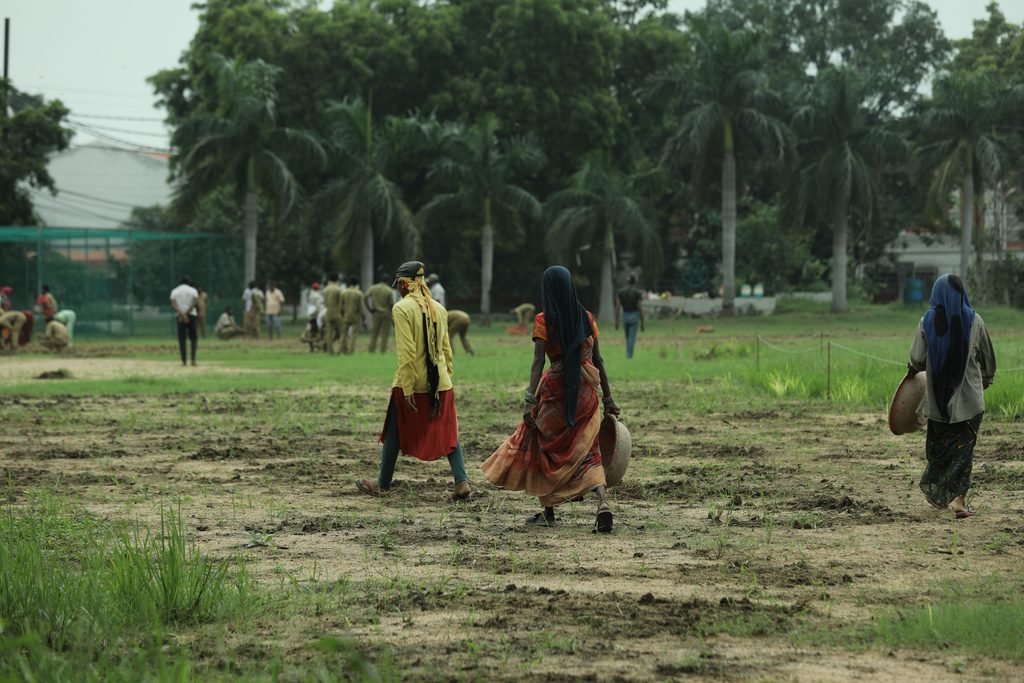
Women migrant workers working in a grass field. Image credit:Pexels
The researchers noted that the relationship between employment insecurity and well-being remained significant even after examining factors such as social exclusion and individual coping mechanisms. However, because the study used a cross-sectional design, the findings establish associations rather than causation.
The financial inclusion findings also reveal a gap between access to banking and broader economic security. Although 88.2 per cent of surveyed workers had access to formal financial services, this did not necessarily translate into access to welfare benefits, insurance or secure employment.
Gender differences further shaped workers’ economic experiences. Women migrant workers earned approximately Rs 3,313 less per month than men, even after researchers accounted for other measured factors. The findings indicate that employment vulnerabilities are not distributed equally across the migrant workforce.
Migration governance requires coordination between states
The survey identified circular migration as an important feature of interstate labour mobility, with 82 per cent of respondents classified as circular migrants. Many workers move repeatedly between their home states and employment destinations, often relying on informal networks of friends and relatives to find work.
This movement creates challenges for welfare systems that remain organised around state-specific administrative structures. Workers may find it difficult to access benefits when their employment, residence and documentation are spread across different locations.
The report recommends stronger coordination between origin and destination states, improved portability of welfare benefits, multilingual assistance and more accessible healthcare services. It also calls for better labour inspections and stronger workplace protections, particularly in sectors where informal employment is widespread.
The findings raise questions about whether existing social protection mechanisms are adequately responding to the mobility of India’s workforce. While migration provides employment opportunities and improves living standards for many workers, the absence of reliable employment safeguards and accessible welfare services leaves significant gaps in their protection.
As southern states continue to depend on interstate labour across construction, agriculture, hospitality, manufacturing and other sectors, ensuring that workers can access their rights and benefits wherever they move will remain an important challenge for migration policy.

Between Lectures and Lyrics: Kabeer Is Building a Malayalam Hip-Hop Career One Self-Taught Skill at a Time

Can Studying Cancer Tumours in Space Help Improve Chemotherapy on Earth?

Why Delhi’s Geography Makes It Vulnerable to Severe Air Pollution

Is India paying more than it thinks for chemical farming?

Extreme weather affects India on 92% of days in 2026, raises concerns over climate preparedness

Indian universities lead Asia in research output per faculty, but the country’s top six all slip in QS ranking

After a Scorching Summer, Delhi’s Children Are Slow to Return Outdoors

Europe Braces for Extremes as Commission Unveils Climate Resilience Framework

Automated Homoeopathic Dispensing System Receives Indian Patent

Delhi’s Air Quality Paradox: Lower Average, Higher Everyday Pollution
-

 Math4 months ago
The 2026 Fields Medals: Four Proofs, Four Decades-Old Problems Solved
-
EP Deep Dive: Data & Solutions3 months ago
After Kerala’s Deadliest Landslide, the Hardest Thing to Rebuild Was Childhood
-
EP Deep Dive: Data & Solutions4 months ago
West Asia Crisis: Can Kerala’s Returning Gulf Migrants Find a Future in the Green Economy?
-
Space & Physics6 months ago
India Semiconductor Mission: ‘It’s Not About Fabs. It’s About Building An Entire Ecosystem’
-
Interviews2 months ago
From Scams to Screens: How the National Stock Exchange Rewrote India’s Equity Story
-
Climate & Environment5 months ago
The Climate World Cup? How Climate Change Could Affect Player Performance at the 2026 World Cup
-
Society4 months ago
What Is Civilisational Diplomacy? Understanding India’s Newest Foreign Policy Tool
-
Society5 months ago
From Bell Labs to the Classroom: A Second Career in Teaching