
Health
Centre Asks States to Ensure Hospitals Display Service Charges
The Health Ministry has urged States and Union Territories to enforce existing rules on displaying hospital service charges, with separate attention to package rates for international patients.


The Union Health Ministry has asked all States and Union Territories to ensure that hospitals and other clinical establishments prominently display their service charges, including package rates for foreign patients travelling to India for medical or Ayush treatment. In a letter to State Chief Secretaries, Union Health Secretary Punya Salila Srivastava called for compliance with existing rules requiring rates to be displayed in English and the local language.
The directive places the focus on enforcement of healthcare price-disclosure requirements intended to help patients understand treatment costs before making decisions about their care.
Rules Mandate Display of Rates
The Ministry’s letter refers to the Clinical Establishments (Registration and Regulation) Act, 2010, and the Clinical Establishments (Central Government) Rules, 2012. Under these provisions, clinical establishments in States and Union Territories where the Act applies must display the rates charged for each type of service, along with details of available facilities, in a conspicuous place. The information must be provided in the local language as well as English.
Srivastava said the display of rates would help patients and their families understand likely treatment expenses, make informed healthcare decisions and plan their expenditure.
The Act does not apply uniformly across India. States and Union Territories that have not adopted the central legislation regulate clinical establishments under their own legal frameworks. Implementation therefore depends on the regulatory arrangements in each jurisdiction.
Displayed Rates and Final Bills
A hospital’s price list can give patients an initial estimate of expenses, but the final bill may include charges that depend on the course of treatment. Medicines, diagnostic tests, consumables, additional procedures and a longer hospital stay can increase the amount payable.
The usefulness of a displayed rate depends partly on whether patients can identify what it covers. A procedure package that includes the operating theatre and a specified period of hospitalisation may not be comparable with one that excludes medicines, follow-up consultations or other services.
Clear disclosures of package inclusions, exclusions and possible additional charges would help patients assess estimates more accurately. Such information is particularly relevant to families paying out of pocket, who may need to arrange funds or compare providers before planned treatment. In emergencies, however, patients may have little opportunity to shop around.
The Ministry’s latest communication does not provide figures on current compliance, inspections or penalties for establishments that fail to display rates. The extent to which patients encounter missing, outdated or unclear price information therefore remains difficult to establish from the announcement alone.
Enforcement Rests with State Authorities
The central legislation provides for regulatory oversight of clinical establishments, with implementation responsibilities assigned to the relevant authorities. States and Union Territories operating under separate laws have their own regulatory arrangements.
The Ministry’s request will need to translate into checks on whether establishments display the required information and whether authorities respond to violations. Public reporting on inspections, complaints and enforcement action would help establish how consistently the requirements are being implemented.

Patients also need accessible channels to report establishments that fail to display rates or provide unclear information. Without effective complaint handling, the existence of a legal requirement may offer limited practical recourse to someone trying to understand a hospital bill.
Package Rates for International Patients
The Ministry has also asked States and Union Territories to ensure prominent display of package rates for foreign patients travelling to India on medical or Ayush visas.
Published rates can help international patients assess treatment costs before travelling, but package terms need to be explicit. The quoted price should clarify which procedures and services are included and whether medicines, complications, additional investigations or follow-up care may incur separate charges. These details can be especially important for patients who may find it difficult to resolve billing disputes after returning to their home countries.
What Price Transparency can Achieve
Displaying service charges gives patients access to information they need, but it does not establish whether prices are affordable or ensure that the final bill matches an initial estimate. Those questions require clear billing practices and scrutiny of how establishments communicate additional costs.
The Ministry has asked State and Union Territory administrations to enforce existing requirements. Evidence of progress will depend on compliance checks, action against violations and whether patients can obtain clear information about the services they are paying for. A price list is useful only when its terms are understandable and the charges applied during treatment can be explained.

Health
WHO Urges Lifestyle-first Approach as 170 Million Children and Adolescents Live with Obesity
Around 170 million children and adolescents worldwide were living with obesity in 2024. The WHO recommends lifestyle interventions, mental health support and broader public health measures to address the growing burden.
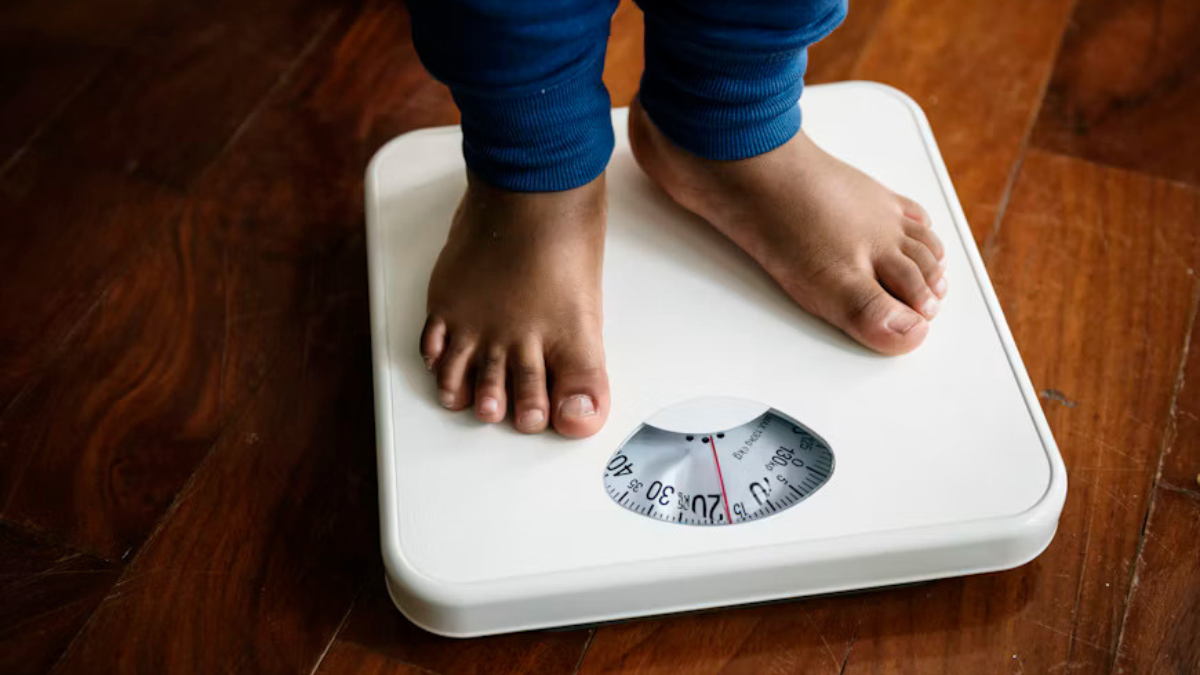
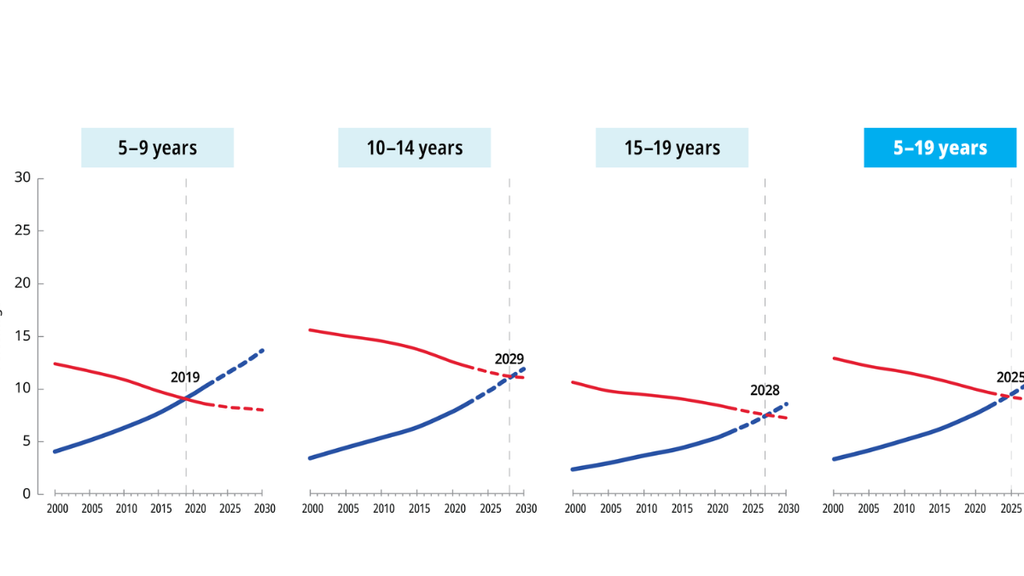
Around 170 million children and adolescents worldwide were living with obesity in 2024, including 70 million children aged five to nine and approximately 100 million adolescents aged 10 to 19, according to the World Health Organization (WHO). The prevalence of obesity among children and adolescents aged five to 19 has quadrupled since 1990, rising from 2% to 8%.
The scale of the problem extends beyond obesity alone. Around 400 million children and adolescents aged five to 19 were overweight worldwide in 2024, including those living with obesity. The prevalence of overweight, including obesity, in this age group increased from 8% in 1990 to 20% in 2024, according to WHO.
A separate analysis by the United Nations Children’s Fund (UNICEF) highlights a shift in the global burden of malnutrition. Its 2025 Child Nutrition Report found that, for the first time, the global prevalence of obesity among children and adolescents aged five to 19 had surpassed that of underweight, at 9.4% compared with 9.2%. UNICEF also reported that low- and middle-income countries accounted for more than 80% of children and adolescents living with overweight. The findings point to the growing importance of addressing unhealthy food environments alongside individual health needs.
In its first global guidelines on managing obesity in children and adolescents, WHO recommends comprehensive lifestyle interventions as the foundation of care, reserving medicines and surgery for selected cases. The guidelines emphasise that childhood obesity requires sustained medical support and broader action to create healthier environments.
WHO defines obesity as a chronic, relapsing disease characterised by excessive fat deposits that can be managed through effective treatment and care. Childhood obesity is associated with an increased risk of noncommunicable diseases, including type 2 diabetes and cardiovascular disease. Children may also experience stigma, discrimination and bullying, which can adversely affect their mental health and well-being.
Lifestyle changes and mental health at the centre of care
WHO strongly recommends dietary improvements, physical activity and other behavioural interventions as the primary approach to managing obesity in children and adolescents. Treatment should be tailored to individual needs, supported by long-term follow-up and designed to improve overall health and quality of life.
The agency does not recommend weight-loss medicines, bariatric surgery or weight-loss devices for children aged zero to nine. For adolescents aged 10 to 19, approved medicines, including glucagon-like peptide-1 (GLP-1) therapies, may be considered when supervised lifestyle interventions have failed to produce improvements. Bariatric surgery may be considered for adolescents with severe obesity under strict conditions.
“The foundation of obesity care for children and adolescents is not medicine or surgery, but access to comprehensive support that enables healthy eating, physical activity and sustainable behaviour change,” said Dr Luz María De Regil, director of WHO’s Department of Nutrition and Food Safety.
However, clinical treatment alone cannot reverse the growing burden of childhood obesity. WHO has called for policies that make nutritious food and opportunities for physical activity more accessible and affordable. These include regulatory and fiscal measures, alongside action in education, urban planning, transport and social protection.
UNICEF has similarly called for measures to improve school food environments, restrict unhealthy food marketing to children, strengthen food labelling and make nutritious foods more affordable.
Health
World Mental Health Day: How Late-Night Scrolling May Be Disrupting Sleep and Fuelling Anxiety
New research is examining how late-night smartphone use, disrupted sleep and passive social media scrolling may be linked to anxiety. Studies highlight the importance of digital habits and bedtime routines in understanding their potential effects on mental health, particularly among young people.

The day often ends with one last check of Instagram, a few minutes on YouTube or a scroll through messages before sleep. But what begins as a brief digital break can stretch late into the night, delaying bedtime and keeping the mind engaged when it should be winding down. Researchers are increasingly investigating whether this pattern of digital exposure, through its effects on sleep, may contribute to anxiety and other mental health difficulties among young people.
As World Mental Health Day is observed on October 10, emerging evidence suggests that the relationship between digital media and psychological well-being may depend not simply on how long people spend online, but also on when and how they use it.
A scoping review published in Computers in Human Behavior Reports in March 2026 examined longitudinal research on social media use and sleep among young people. The review found that approximately 70% of the longitudinal studies examined reported at least one negative association between social media use and sleep outcomes. The most consistent links involved later bedtimes and longer periods spent trying to fall asleep, particularly among those with problematic social media habits or who used platforms at bedtime.
The findings are significant because longitudinal studies track participants over time, helping researchers investigate whether digital habits precede subsequent changes in sleep. However, the authors cautioned that many studies relied on self-reported screen use and sleep patterns, limiting the strength of conclusions about cause and effect.
The review also identified an important distinction: total screen time alone did not consistently predict poor sleep. The timing of use and difficulty controlling online behaviour appeared to matter.
When sleep becomes the missing link
Sleep may help explain why certain patterns of digital engagement are associated with poorer mental health. Notifications, emotionally charged content and the pressure to respond immediately can keep users mentally alert. Scrolling in bed can also displace time that would otherwise be spent sleeping.
Insufficient or disrupted sleep can affect emotional regulation, concentration and the ability to manage everyday stress. For someone already experiencing anxiety, a poor night’s sleep may make worries more difficult to manage the following day. Repeated sleep disruption may then reinforce a cycle of distress and further digital engagement.
A systematic review and meta-analysis published in the Journal of Affective Disorders in December 2024 provides a broader picture of this relationship. Researchers assessed 182 studies involving 1,169,396 participants, with 98 studies and 102,683 participants included in the meta-analyses.

Representational image.Image credit:Pexels
The researchers found small but statistically significant associations between general social media use and anxiety and depression. Problematic social media use showed associations with anxiety, depression and sleep problems, alongside lower well-being. Importantly, ordinary social media use was not consistently associated with sleep problems or sleep duration, whereas problematic use was associated with sleep difficulties.
The relationship may also operate in both directions. People who struggle to sleep or experience anxiety may turn to their phones for distraction, reassurance or social connection. This can make it difficult to determine whether digital habits contribute to distress, whether distress encourages more digital engagement, or whether both are influenced by other factors.
Beyond the screen-time debate
The findings raise questions for families, schools, technology companies and public-health professionals. Advising young people to reduce screen time may be insufficient if it does not address bedtime habits, compulsive checking, online pressures and the reasons they turn to digital platforms in the first place.
Digital platforms can also provide friendship, information and mental health support. The challenge is to distinguish beneficial engagement from patterns that disrupt rest and emotional well-being.
As research advances, scientists will need to examine not only how much time young people spend online, but also what they experience there and how digital habits interact with sleep and existing vulnerabilities. The question is no longer simply whether people spend too much time on their phones. It is whether constant connectivity leaves enough room for the rest, recovery and emotional balance that mental health requires.
Health
Puberty, Pregnancy and Menopause Reshape the Female Brain Differently, Study Finds
A new study examines how puberty, pregnancy and menopause are associated with distinct patterns of structural changes in the female brain, highlighting the need for more research into women’s brain health across the lifespan.

A study comparing brain scans across three major hormonal transitions finds shared patterns of structural change during puberty and pregnancy, while menopause follows a distinct trajectory.
The female brain undergoes different patterns of structural change during puberty, pregnancy and menopause, according to a study published in Nature Communications, highlighting how hormonal transitions may influence brain development and ageing across a woman’s life.
The research compared longitudinal brain imaging data from 1,095 participants. Researchers applied consistent analytical methods across three groups to investigate whether the hormonal transitions trigger similar or distinct changes in grey matter, the brain tissue involved in information processing.
The findings show that girls transitioning through menarche — the first menstrual period — and women going through pregnancy experienced widespread reductions in cortical grey matter volume. However, the patterns differed across brain regions. Women transitioning through menopause, meanwhile, showed no significant reduction in total or cortical grey matter volume during the study period, although women in the stable premenopausal and postmenopausal comparison groups showed declines.
The results suggest that these major hormonal transitions are associated with distinct patterns of brain remodelling rather than a single process affecting the female brain throughout reproductive life.
Puberty and pregnancy share some changes
The research team examined three cohorts: 142 participants in the puberty group, 110 in the pregnancy group and 843 in the menopause group. The researchers compared participants undergoing each transition with control groups to distinguish transition-related changes from ordinary developmental and age-related trajectories.
In the puberty cohort, 34 girls were assessed before and after menarche. Their brain scans showed significant monthly reductions in total and cortical grey matter volume, a pattern not observed in the stable premenarchal and postmenarchal comparison groups.
Similar changes appeared in women who became mothers. Both first-time and second-time mothers showed significant reductions in total and cortical grey matter volume compared with women who had not given birth. The study estimated monthly reductions of approximately 0.12% in total grey matter volume among first-time mothers and 0.11% among second-time mothers.

MRI Brain scans.Representational image.Image credit:Pexels
Despite these similarities, the researchers found that puberty generally involved greater cortical volume reductions than pregnancy. Their regional analysis covered 74 cortical regions and identified both shared and divergent patterns of change.
In 34 regions, the changes associated with puberty and pregnancy did not differ significantly from each other, while both showed greater reductions than the menopausal transition. These areas were concentrated in the prefrontal, parietal and temporal association cortices, which are involved in higher-order functions.
Other regions, particularly those associated with sensorimotor processing, showed a stepwise pattern in which the decline was greatest during puberty, followed by pregnancy and then menopause.
The authors caution that structural changes should not automatically be interpreted as evidence of damage. The study examined brain volume rather than directly measuring cognitive ability or the functional consequences of these changes.
Menopause presents a different pattern
The findings for menopause differed from those for puberty and pregnancy. Women who transitioned from premenopause to postmenopause during the study showed no statistically significant reduction in total or cortical grey matter volume. In contrast, the stable premenopausal and postmenopausal groups showed significant declines over their respective observation periods.
The researchers suggest that this pattern may indicate an attenuation of age-related volume decline during the menopausal transition itself. However, they stress that this interpretation remains preliminary, and the absence of a significant reduction does not establish that the brain undergoes no changes during menopause.
The study also has limitations. The three cohorts were drawn from different datasets and scanned using different MRI systems. Hormone measurements were not available in a harmonised format across all groups, preventing the researchers from directly comparing hormone levels with brain changes throughout the lifespan. Menarche and menopause were also classified using self-reported information rather than detailed clinical staging.
The findings add to a field in which women’s brain health, particularly during reproductive transitions, remains comparatively understudied. The authors call for future research combining repeated brain scans with hormonal, reproductive, psychological and social data.
By examining puberty, pregnancy and menopause within a common analytical framework, the study provides a more detailed picture of how structural brain changes vary across these transitions. It also underscores the need to investigate each stage separately rather than treating the female brain as following one continuous pattern of hormonal change.


WHO Urges Lifestyle-first Approach as 170 Million Children and Adolescents Live with Obesity

Centre Asks States to Ensure Hospitals Display Service Charges

Automated Homoeopathic Dispensing System Receives Indian Patent

After a Scorching Summer, Delhi’s Children Are Slow to Return Outdoors

Ashtalakshmi Darshan: Why India Is Bringing Students to the Northeast

From Scams to Screens: How the National Stock Exchange Rewrote India’s Equity Story

Knowing When to Think for Ourselves: AI, Intuition and the Education of Discernment

Aim for the Stars: Anjali Thomas’s Journey from a Small College in Kerala to the Frontiers of Medical Imaging

Two Chemists Win Nobel Prize for Solving a Century-Old Puzzle: Why Life Picks One Hand Over the Other

India’s AI Moment Rests on More Than Code

-

 Math3 months ago
The 2026 Fields Medals: Four Proofs, Four Decades-Old Problems Solved
-
EP Deep Dive: Data & Solutions3 months ago
After Kerala’s Deadliest Landslide, the Hardest Thing to Rebuild Was Childhood
-
EP Deep Dive: Data & Solutions3 months ago
West Asia Crisis: Can Kerala’s Returning Gulf Migrants Find a Future in the Green Economy?
-
Space & Physics5 months ago
India Semiconductor Mission: ‘It’s Not About Fabs. It’s About Building An Entire Ecosystem’
-
Interviews3 weeks ago
From Scams to Screens: How the National Stock Exchange Rewrote India’s Equity Story
-
Climate4 months ago
The Climate World Cup? How Climate Change Could Affect Player Performance at the 2026 World Cup
-
Society3 months ago
What Is Civilisational Diplomacy? Understanding India’s Newest Foreign Policy Tool
-
Society4 months ago
From Bell Labs to the Classroom: A Second Career in Teaching