
Health
Kerala Floods Highlight a Recurring Health Crisis as Disease Risks Rise
Kerala’s floods are raising concerns over leptospirosis and other infectious diseases as contaminated water, disrupted sanitation and stagnant water increase exposure. Research shows that the health risks can persist for weeks after floodwaters recede, making post-flood disease surveillance critical.


Kerala’s flood emergency is creating another public-health challenge alongside displacement, injuries and infrastructure damage. As people wade through floodwater, clean homes, move through stagnant water or gather in relief shelters, they face exposure to infectious diseases ranging from leptospirosis and dengue to diarrhoeal and respiratory infections.
The risks are emerging as Kerala already carries a substantial communicable-disease burden.
Kerala is India’s Leptospirosis Hotspot
India recorded 8,121 confirmed leptospirosis cases between January and June 2026, according to data tabled in the Rajya Sabha by the Union Ministry of Health and Family Welfare. More than half, 4,340 cases, or 53.4% — came from Kerala, Tamil Nadu, Karnataka, Andhra Pradesh and Telangana.
Kerala recorded the highest number at 1,726 cases, followed by Tamil Nadu with 1,473 and Karnataka with 624. Assam reported 786 cases and Maharashtra 780.
The figures place Kerala at the top of the national list even before the current flood emergency. That is significant because leptospirosis is strongly associated with exposure to contaminated water and soil — conditions that become more common during floods and the recovery period.
Floods Create Multiple Disease Pathways
Flooding does not produce one uniform disease pattern. Different infections emerge through different pathways and at different times. A 2026 systematic review in BMC Infectious Diseases, covering 71 studies published between 2014 and 2024, found consistent links between flooding and waterborne infections including leptospirosis, cholera, bacillary dysentery and hepatitis A/E. It also identified increased risks of vector-borne diseases such as dengue and malaria. Disease emergence varied from days to weeks depending on the pathogen and flood conditions.
The evidence is particularly strong for diarrhoeal disease. A meta-analysis of 42 studies found that floods were associated with a 40% higher risk of infectious diarrhoea, with the risk of bacterial diarrhoea increasing by 82%. For Kerala, this matters because diarrhoea was already one of the state’s most frequently reported communicable diseases.
During the first eight days of July 2026, government hospitals reported 19,428 diarrhoeal cases, alongside 84,658 fever cases. The same period recorded 834 dengue cases, 661 influenza cases, 113 leptospirosis cases, 197 jaundice cases, 56 malaria cases and 34 Shigella cases. Thirty people died from communicable diseases during those eight days.
Kerala’s Floods Offer a Warning
Kerala’s own experience shows why disease surveillance must continue after the rain stops. A study comparing leptospirosis in Kerala during 2017, 2018 and 2019 found higher case numbers in the flood years, with the strongest increase following the severe 2018 floods. Importantly, cases were highest during the post-flood period, indicating a time lag between flooding and disease emergence.
2018 floods identified 61 leptospirosis hotspots, compared with 34 in 2017 and 21 in 2019. Several hotspots overlapped with high flood-risk areas, while others were in places with limited access to hospitals. The finding points to a larger preparedness opportunity: flood-risk mapping could be combined with disease-risk mapping to identify communities that need early warnings and preventive interventions.
Why Leptospirosis is a Particular Concern
Leptospirosis is caused by Leptospira bacteria and is commonly transmitted through contact with water or soil contaminated by infected animal urine, particularly from rodents. Floods increase this exposure as people walk through contaminated water, clean flooded homes or handle mud and debris. The risk can continue after water recedes, when residents return to clean houses and remove waste.
Kerala has developed specific responses for this risk. The state’s health system uses doxycycline prophylaxis for selected high-risk exposures and has previously established dedicated “Doxy Corners” during disaster responses. It has also expanded early diagnosis: RT-PCR testing for leptospirosis is available through nine government laboratories, according to the Health Department.
The challenge is ensuring these measures reach exposed populations quickly enough.
Dengue and Diarrhoeal Diseases May Follow Different Timelines
Dengue presents a different risk. Heavy rainfall can initially wash away mosquito breeding sites, but as floodwater recedes, stagnant pools can remain in containers, drains and construction sites. These can become breeding sites for Aedes mosquitoes.
Kerala had already recorded 834 dengue cases in the first eight days of July, so vector surveillance will remain important as the flood situation evolves. Diarrhoeal diseases can emerge through another pathway. Flooding can damage sanitation infrastructure, contaminate water and disrupt food hygiene. Kerala’s 19,428 diarrhoeal cases in eight days provide a reminder that this risk exists independently of leptospirosis.
The state’s existing disease burden also includes Shigella. By June 23, Kerala had reported 241 Shigella infections, with outbreaks identified in Kozhikode, Wayanad, Thrissur and Alappuzha.
Influenza Adds Another Layer
Respiratory infections are less directly connected to floodwater but can become harder to control when people are displaced. Relief camps bring people from different households into shared spaces. Crowding and inadequate ventilation can increase opportunities for respiratory transmission.
Kerala recorded 661 influenza cases during the first eight days of July. The concern is about vulnerability. Children, older adults and people with underlying illnesses may be at greater risk when respiratory infections spread in crowded shelters and routine healthcare is disrupted.

The Health Emergency May Peak After the Flood
The most important lesson from Kerala’s previous floods is that the health emergency does not necessarily end when the water recedes. The immediate risks include injuries, drowning and direct exposure to contaminated water. Later, people face contaminated mud and waste while cleaning homes, stagnant water that can support mosquito breeding, disrupted sanitation and increased contact in temporary shelters.
Research shows that different infections can emerge over different time lags. For leptospirosis, Kerala’s experience suggests that the post-flood period can be particularly important. That makes the weeks after flooding a crucial test of public-health preparedness.
Kerala already has daily disease surveillance, district-level monitoring, leptospirosis testing and preventive protocols. The next step is to connect these systems more closely with flood-risk information so that authorities can identify potential disease clusters before hospitals begin seeing a large increase in patients.












Health
Pancreatic Cancer Is Often Found Too Late. Scientists Want to Intercept It Earlier
More than 530,000 people develop pancreatic cancer globally each year. Researchers are exploring whether early detection and targeted drugs can stop it before it spreads.


More than half a million people are diagnosed with pancreatic cancer around the world each year. For many, the disease is discovered only after it has moved beyond the pancreas. The timing can make a profound difference. In the latest global estimates from the International Agency for Research on Cancer (IARC), more than 530,000 people developed pancreatic cancer in 2024, while more than 490,000 died from it. Although pancreatic cancer is only the 12th most commonly diagnosed cancer worldwide, it ranks sixth as a cause of cancer death.
It is also largely a disease of older adults. In the US, where detailed cancer surveillance data are available, the median age at diagnosis is 71. About two-thirds of patients are at least 65, according to the American Cancer Society.
But age is only part of the problem. Pancreatic cancer can remain difficult to recognise because early disease often causes no obvious symptoms. The pancreas sits deep inside the abdomen, making early tumours difficult to detect through a routine physical examination. When symptoms such as jaundice, weight loss, abdominal or back pain appear, the cancer may already have grown substantially or spread.
That is why researchers are beginning to pursue an idea that changes where the fight against pancreatic cancer starts. Instead of waiting for a tumour to become invasive, they want to identify the abnormal changes that come before it — and stop the disease there. The strategy is called cancer interception.
Why Catching It Early Matters
The numbers show why researchers are looking further upstream. In the latest US SEER data, only about 15% of pancreatic cancer cases are diagnosed while the cancer is still confined to the pancreas. For these patients, the five-year relative survival rate is 43.6%.
Once the cancer has spread to nearby lymph nodes, five-year survival falls to 17%. For patients whose cancer has already metastasised to distant parts of the body, it is just 3.4%. Overall, the five-year relative survival rate is 13.7%. Those figures are not simply statistics about treatment. They explain the urgency behind early detection. If doctors can find pancreatic cancer before it spreads, patients have a substantially better chance of surviving it.
The difficulty is that there is currently no routine screening test recommended for people at average risk. The American Cancer Society notes that no screening test has yet been shown to reduce deaths from pancreatic cancer in the general population. Surveillance is instead considered for people at particularly high risk, such as those with certain inherited genetic risks or strong family histories. So researchers are looking for people who can be watched closely before cancer appears.
Following People Before Cancer Arrives
One of the largest efforts is PRECEDE, a clinical study led by Diane Simeone, director of the Moores Cancer Center at the University of California San Diego Health. The study aims to follow 20,000 people at increased risk of pancreatic cancer. Participants include people with a family history of the disease, certain abnormalities in the pancreas and genetic factors that raise their risk.
More than 12,000 people had enrolled by the time researchers presented an update at the American Association for Cancer Research conference on pancreatic cancer in September. More than 50 pancreatic cancers had been detected among participants, many at early stages.
That makes the study more than an exercise in surveillance. It is creating a group of people who can be followed closely as their pancreatic tissue changes, potentially allowing researchers to see what happens in the period between an abnormality and full-blown cancer.
The researchers are also collecting biological samples to study experimental blood tests that could detect pancreatic cancer earlier. And there is another tool they hope can help: artificial intelligence. Researchers are examining whether AI can identify subtle abnormalities in pancreatic scans before they become apparent to the human eye.
If these approaches work, the goal would be to move diagnosis forward, from the point at which cancer is already established to a much earlier stage in its development. But early detection creates a new question. If doctors find something that could become cancer, can they stop it?
Can the Drug Work Earlier?
A new targeted drug has given scientists another reason to investigate. In August, the US Food and Drug Administration approved daraxonrasib for certain patients with advanced pancreatic cancer. The drug targets KRAS, a protein involved in signals that can drive cancer growth.
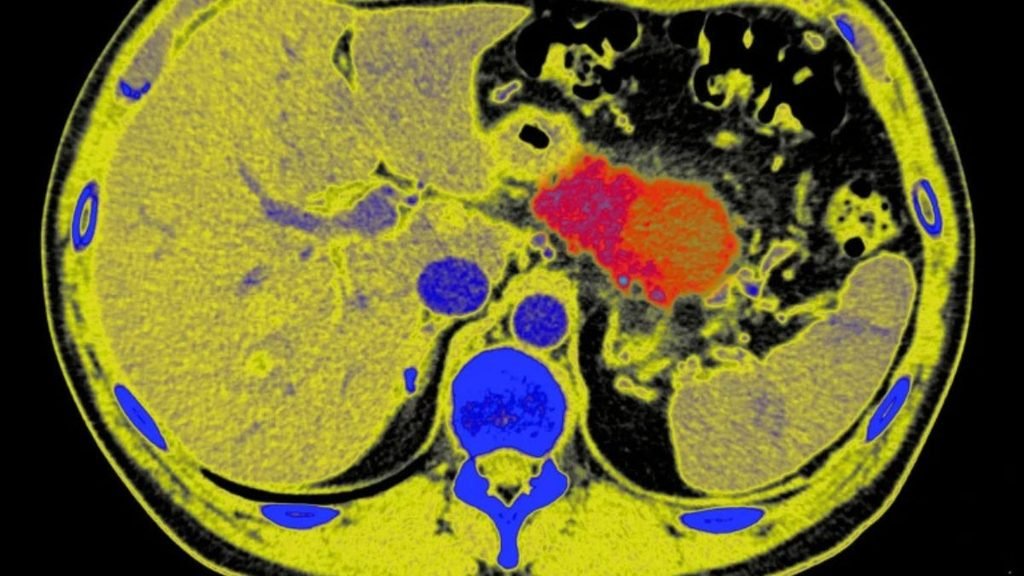
In a randomized clinical trial involving 500 patients with advanced pancreatic cancer, median overall survival was 13.2 months for patients receiving daraxonrasib, compared with 6.7 months for those receiving standard chemotherapy.
But the drug’s approval does not mean it can prevent pancreatic cancer.
It is approved for advanced disease. Researchers are interested in what might happen if drugs that target cancer-driving pathways are used much earlier, perhaps when abnormal pancreatic cells have not yet developed into an invasive tumour. That is the central idea behind interception.
Stopping Cancer Early
Treating someone who already has metastatic cancer and treating someone who has a precancerous pancreatic abnormality are completely different medical decisions. For a patient with advanced cancer, the potential benefits of a powerful treatment may justify significant side effects. For someone who has an abnormality that might never become cancer, the calculation is different.
Researchers therefore need to know which precancerous changes are dangerous enough to treat and whether the treatment itself causes more harm than the disease it is intended to prevent. That is why much of the evidence for pancreatic cancer interception is still coming from laboratory and animal studies.
A clue From Mice
At the September AACR meeting, Ben Stanger, a cancer researcher at the University of Pennsylvania, and his colleagues presented research involving mice carrying mutations in the Kras gene. KRAS mutations can activate proteins that promote cancer development. The researchers waited until the mice developed tiny precancerous growths in the pancreas. They then treated the animals with a drug designed to interfere with KRAS and related cancer-promoting proteins.
The treatment improved survival in the mice. The finding matters because it suggests that cancer-driving pathways may be vulnerable even before a pancreatic tumour becomes invasive. The researchers still need to establish whether the same strategy is safe and effective in humans, which patients should receive it, and how early treatment should begin.
From Treating Cancer to Stopping Its Progression
This is what makes cancer interception such a significant shift in pancreatic cancer research. The traditional approach begins after a tumour has formed. Doctors then try to remove it, shrink it or keep it from spreading. Interception moves the starting line. Researchers want to identify the biological changes that put pancreatic cells on the path toward cancer and intervene before that process becomes difficult to reverse.
Simeone’s team is already considering whether therapies such as daraxonrasib could eventually be studied in people after surgery for precancerous pancreatic growths or in patients with very early-stage disease. Such use would require clinical trials; the drug is currently approved for advanced pancreatic cancer. Simeone has estimated that combining earlier detection with interception could potentially raise five-year survival from 13.7% to 50%.
That figure is a research projection, not a demonstrated result.The immediate challenge is much more basic: scientists need to prove that they can reliably identify dangerous pancreatic changes early enough, and that treating them will actually prevent cancer from progressing.
For a disease in which only about 15% of cases in current US data are found while still localized, even finding that window would change the problem researchers are trying to solve. The hope behind cancer interception is therefore not simply to find a better drug for pancreatic cancer. It is to change the moment at which doctors have to fight it, from after it has spread to before it has a chance to become invasive.
Health
Scientists Find Two Distinct Origins in the Developing Human Brain
Brain cells in the forebrain and hindbrain develop from two distinct groups of early cells, Stanford researchers have found, revealing an ancient split that could improve research into brain-stem diseases such as SMA and ALS.
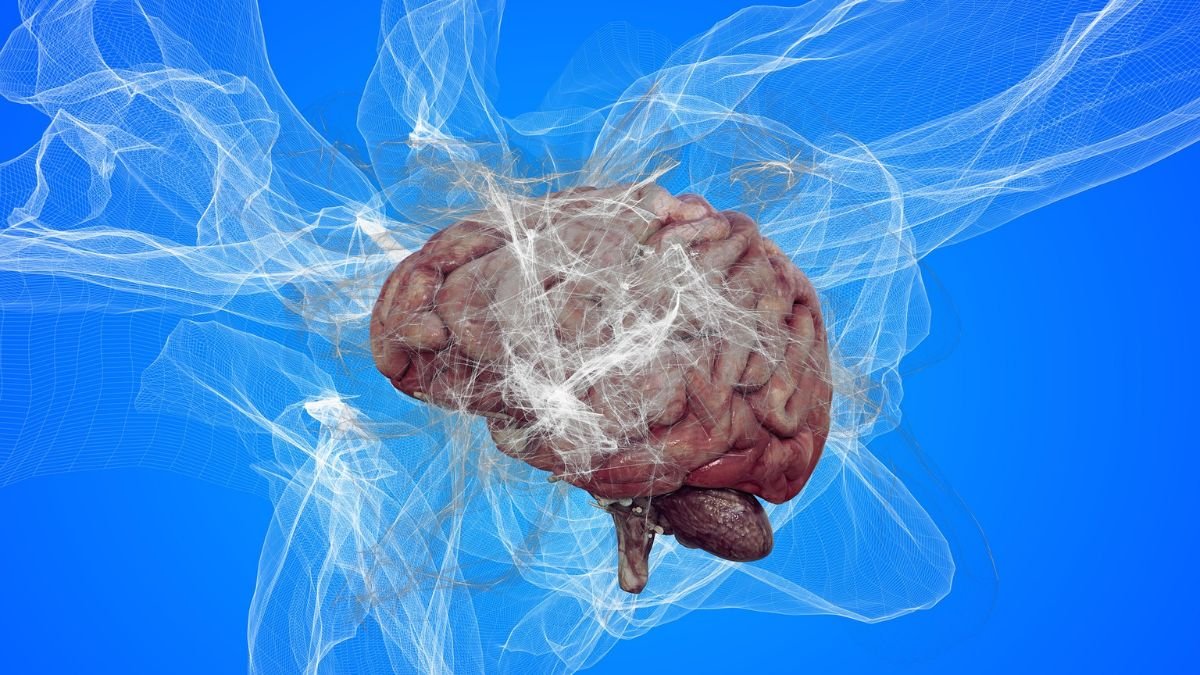
The human brain looks like one organ. Its history may tell a different story. A Stanford Medicine study has found that the front and back of the developing brain arise from two separate populations of brain cells, following different developmental paths from the earliest stages of embryonic development.
The finding challenges a long-standing idea that the entire brain grows from a common pool of progenitor cells. It may also solve a problem that has frustrated researchers for years: why some of the neurons that keep us breathing and swallowing have been so difficult to grow in the laboratory. The study was published in Nature Neuroscience on September 18.
Two paths, One Brain
Long before a brain takes shape, its cells begin making choices about what they will become. The Stanford researchers found that one group of early cells, carrying the Otx2 gene, develops into the forebrain and midbrain. A different group, marked by Gbx2, develops into the hindbrain. The two groups do not merge.
They also carry different arrangements of chromatin, the material that packages DNA. Those differences help keep the cells on separate developmental tracks. The hindbrain is not a minor part of the brain. It contains the brain stem and controls functions that keep the body running without conscious effort — breathing, heartbeat, swallowing and other basic processes.
Its neurons are also involved in moving the muscles of the face, tongue and throat. Yet scientists have struggled to make these cells from human stem cells. The new study suggests they may have been starting from the wrong place.
“People are always focused on creating the final cell type, like the neuron,” said Rayyan Jokhai, a graduate student and co-first author of the study. “But it’s important to begin at the earliest stages of embryonic development.”
Brain Cells: From Stem Cells to Working Neurons
The researchers used what they learned about early development to guide human pluripotent stem cells toward a hindbrain fate. It worked. The resulting neurons produced electrical signals and carried molecular markers associated with hindbrain regions involved in facial movement and swallowing.
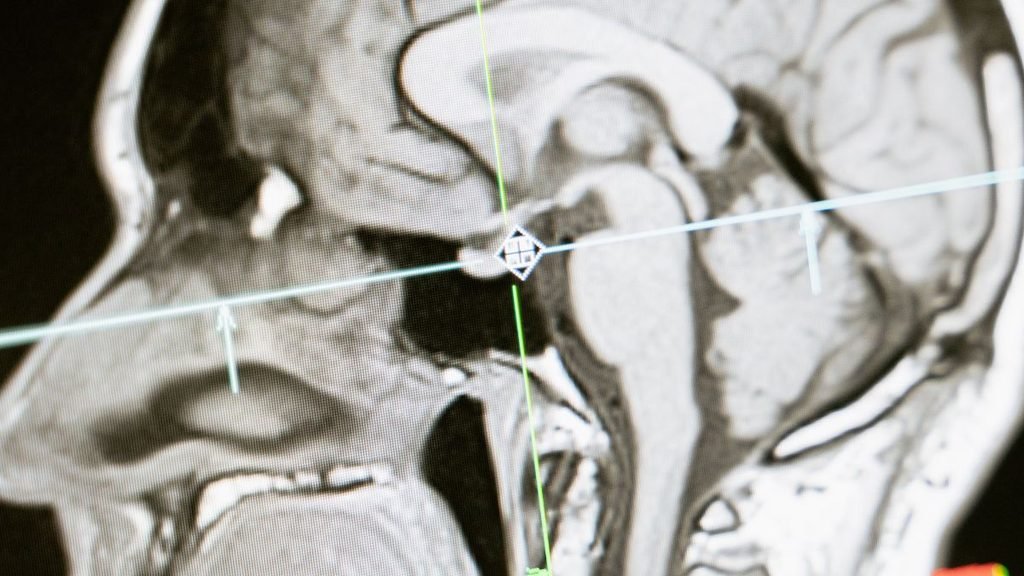
For researchers studying brain-stem diseases, having these cells in the laboratory could be valuable. In spinal muscular atrophy, motor neurons progressively deteriorate. ALS can damage motor neurons in both the forebrain and hindbrain. As the disease progresses, patients can lose the ability to swallow and, eventually, breathe.
Scientists cannot simply take brain-stem tissue from living patients and watch these neurons deteriorate. Lab-grown human hindbrain neurons could provide another option: researchers can study the cells, investigate what goes wrong and test possible treatments.
An Ancient Split
The story gets older when the researchers look beyond humans. They found the same two-origin pattern in chickens and zebrafish. They also found it in acorn worms, distant relatives of humans.
The pattern appears to reach back more than 550 million years. That suggests the separation is not a recent feature of the human brain. Instead, it may be a very old arrangement inherited from ancestors that lived hundreds of millions of years ago. The researchers propose that evolution brought two ancient neural systems together, eventually producing the integrated brain seen in vertebrates. In other words, what looks like one organ may have a much more complicated family history.
More than a story about brain evolution The finding could reshape how scientists make specialised brain cells in the laboratory. It may also open another line of research. The hindbrain contains neural circuits involved in hunger and appetite, raising questions about its role in metabolic disorders and treatments such as semaglutide.
For now, the Stanford team wants to trace the developmental origins of the spinal cord and understand how diseases such as SMA and ALS damage hindbrain neurons. The cells that eventually become parts of the human brain appear to make fundamentally different choices before there is anything recognisable as a brain. By the time the brain looks like one organ, its cells may already be carrying the history of two very different beginnings.
Health
Not Broken but Unheld: A New UN Report Asks Us to Tend the Forest, Not Only the Tree
A new UN report on youth mental health calls for an ecosystem approach linking well-being with education, work, housing, climate, technology and community.




Trump’s AI Accord Puts Big Tech in Charge of Its Own Safety. Is That Enough?

Standing with Teachers: The People Who Shape India’s Future

An Ageing Teacher Workforce Is Becoming a Recruitment Problem

India’s Supercomputing Capacity Hits 68 PF as Applications Expand Beyond Research

The Climate Problem Hiding in Your Kitchen Bin

From Scams to Screens: How the National Stock Exchange Rewrote India’s Equity Story

Aim for the Stars: Anjali Thomas’s Journey from a Small College in Kerala to the Frontiers of Medical Imaging

India’s AI Moment Rests on More Than Code

From Silicon Valley to Sustainable Period Care; How This Engineer Is Rethinking Menstruation with Science

Marshall Islands: Why the US Nuclear Legacy Is Back Before the UN

-

 Math2 months ago
The 2026 Fields Medals: Four Proofs, Four Decades-Old Problems Solved
-
Climate2 months ago
After Kerala’s Deadliest Landslide, the Hardest Thing to Rebuild Was Childhood
-
Society3 months ago
West Asia Crisis: Can Kerala’s Returning Gulf Migrants Find a Future in the Green Economy?
-
Space & Physics4 months ago
India Semiconductor Mission: ‘It’s Not About Fabs. It’s About Building An Entire Ecosystem’
-
Interviews2 weeks ago
From Scams to Screens: How the National Stock Exchange Rewrote India’s Equity Story
-
Climate4 months ago
The Climate World Cup? How Climate Change Could Affect Player Performance at the 2026 World Cup
-
Society3 months ago
What Is Civilisational Diplomacy? Understanding India’s Newest Foreign Policy Tool
-
Society4 months ago
From Bell Labs to the Classroom: A Second Career in Teaching