Society
Who Cares for India’s Older People?
On International Day of Older Persons, a HelpAge India study highlights gaps in healthcare, income, family care and social support facing older people in India, including added risks from climate-related hazards.

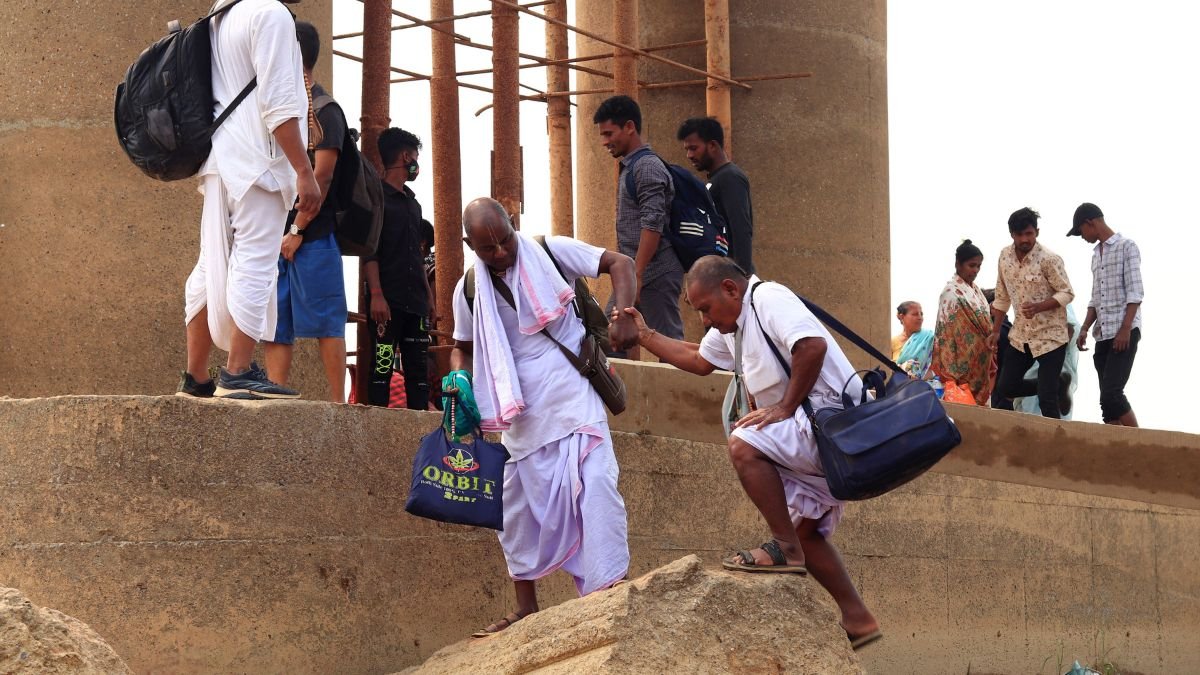
Growing older can change something as ordinary as getting medicines, visiting a doctor or managing a difficult day alone. For many older people, the question is not simply whether help exists, but whether someone is close enough and able to provide it when it is needed.
A recent HelpAge India study of 2,224 older people across 20 districts in 10 states offers a picture of the support systems on which they depend. It found that 94% of older people who needed care received it from family members. But that support is not equally available to everyone.
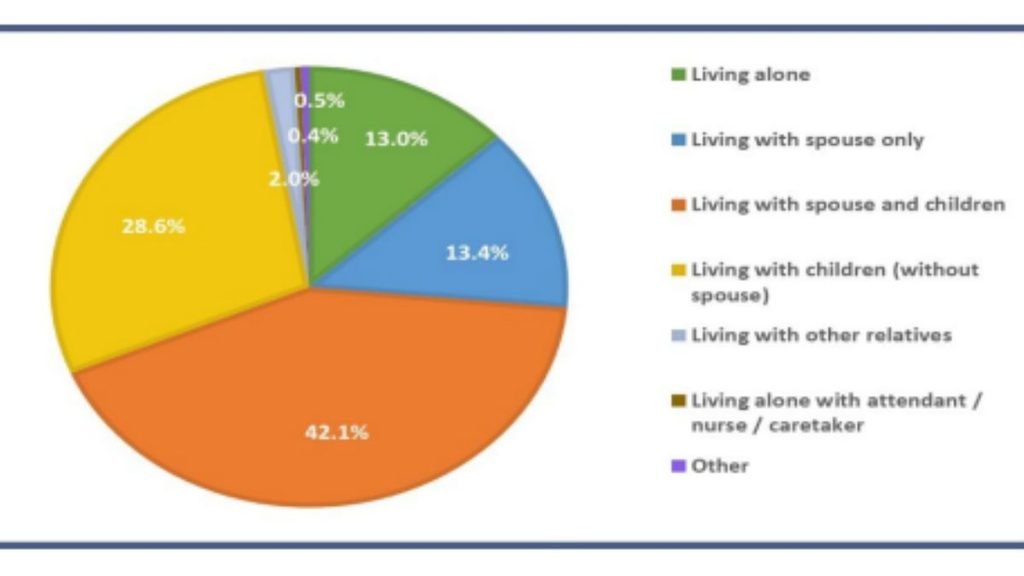
Thirteen percent of those surveyed lived alone, 33% were widows and 28% were aged 80 or above. Nearly half reported a long-term impairment, including mobility and vision difficulties. These circumstances matter because everyday care often depends on another person being physically present.
When Family is not Nearby
India’s older population continues to rely heavily on family for care. But migration for work is changing household arrangements. In the HelpAge study, 18% of households reported that a family member had migrated for work. Sons accounted for 76% of those migrants.
For older people living alone, neighbours often fill part of the gap. Thirty-eight percent depended on neighbours for care, while 20% relied on family members living elsewhere. Sixteen percent said they received no care.
Distance does not necessarily mean that families stop supporting older relatives. Financial assistance and regular communication can continue. But some needs cannot be met remotely: taking someone to a hospital, collecting medicines, helping them move around the house or responding when they suddenly fall ill. This distinction becomes particularly important during emergencies.
Health Harder to Manage
The study found that 52% of respondents could not afford medicines. Public facilities were an important source of healthcare, with 51% using primary health centres and 49% government hospitals.
Climate-related events exposed some of these existing difficulties further. Seventy-eight percent of those surveyed had experienced at least one such hazard in the previous three years, with heatwaves the most common.
Among those who experienced heatwaves, 74% said illness increased and 44% said existing health conditions worsened. One-third reported difficulty accessing healthcare. These figures are less about the hazard itself than about what happens when an older person already managing health problems has fewer options for care.
“Older persons are among those most at risk from rising climate shocks, particularly those living alone or with impairments, yet they remain largely invisible in climate response efforts,” says Rohit Prasad, CEO, HelpAge India. “Climate impacts extend beyond physical hazards, affecting health, income, housing, care and social wellbeing.”
Prasad says age-related physical, financial and social challenges can limit older people’s ability to prepare for, withstand and recover from climate events. He calls for ageing to be integrated into climate adaptation, climate financing, elder-centric disaster risk reduction and social protection policies.
Income Constraint
Healthcare is only one part of financial insecurity in later life. Pensions were the main source of income for 49% of respondents. Sixteen percent had neither work nor income, while others continued to work in agriculture, agricultural labour or other forms of employment.
The ability to pay for medicines, travel to healthcare facilities, household repairs or basic necessities depends heavily on this income. Work also changes with age. The HelpAge study found that the proportion reporting no work or income rose from 11% among those aged 60–69 to 21% among those aged 80 and above.
For people who have spent much of their lives in informal employment, growing older can therefore mean entering a period with limited savings, little employment protection and greater healthcare needs.
The Problem of Access
Government schemes can provide important support, but knowing about a benefit does not always mean being able to obtain it. The study found relatively high awareness of the Public Distribution System, pensions, subsidised healthcare and housing schemes. Yet access was more difficult for people with poor health, those severely affected by climate hazards, people without formal education and those from lower socioeconomic groups.
Respondents also reported delays, difficulties with digital access and a lack of assistance with applications. For an older person with limited mobility, poor eyesight or little experience with digital services, even a relatively straightforward application can become difficult without help.
Ageing Needs More Than Family Care
India’s ageing population is growing, while the family structures that have traditionally provided care are changing.
UNFPA estimates that the number of Indians aged 60 and above could approach 193 million by 2030. That growth will increase the need for healthcare, financial support and forms of care that do not depend entirely on whether an older person’s children live nearby.
The answer is not to replace family care, which remains central to the lives of many older people. It is to ensure that those who do not have family nearby, cannot afford private care or need support beyond what relatives can provide are not left without alternatives.
Ageing policy therefore needs to look beyond longevity. It has to account for who provides care, who pays for healthcare, how older people access public services and what happens when the person they depend on is no longer close by. For many older Indians, these are not future questions. They are questions of everyday life.









Society
Is India paying more than it thinks for chemical farming?
India’s fertiliser subsidy system carries fiscal, environmental and energy costs beyond the price farmers pay. A new Climate Trends study examines the case for balanced nutrient use, organic alternatives and a gradual transition to low-input farming.
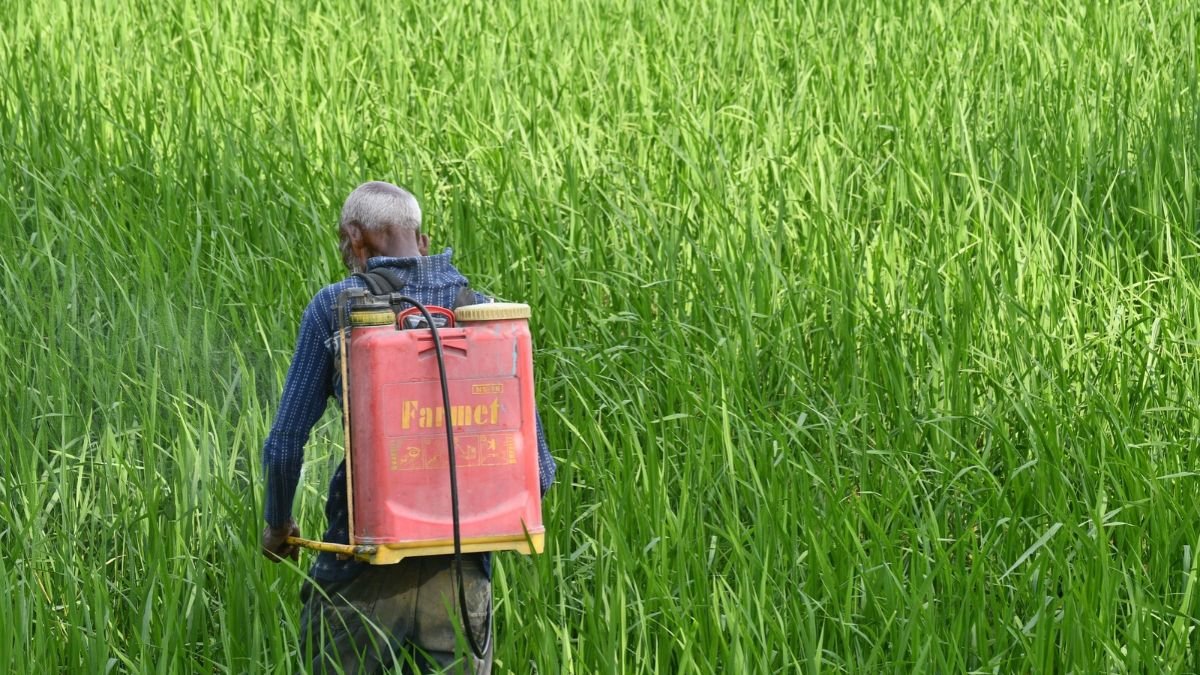
For a paddy farmer in Kuttanad, the amount of fertiliser needed is different from that recommended for other parts of Kerala. The Kerala Agricultural University recommends 90 kg of nitrogen, 45 kg of phosphorus and 15 kg of potassium per hectare for medium-duration, high-yielding rice varieties in Kuttanad. However, this recommendation applies only under certain conditions. The soil should have medium to high potassium levels, rice straw should be mixed back into the soil, and tidal water should supply some nutrients to the field. If soil tests show low potassium levels, the fertiliser requirement changes.
This is because fertiliser needs depend on several factors, including soil type, water movement, rice variety and how crop residues are managed. If farmers apply more fertiliser than their crops need, cultivation costs can rise. The unused nutrients may also enter nearby water bodies and cause pollution. Fertiliser prices in India are heavily subsidised by the government. In 2024–25, the Centre spent 1.77 lakh crore rupees on fertiliser subsidies. This support keeps fertilisers affordable for farmers, but the cost to the public is rarely included when calculating how profitable farming really is.
A study by Climate Trends, titled The Economics of Cultivation, looks at what happens wchen these government subsidies and the environmental costs of fertiliser use are included in the economics of farming. The study suggests that the actual returns from farming that relies heavily on chemical fertilisers may be considerably lower than they appear when these costs are left out.
What does a Hectare of Wheat Really Earn?
Farmers calculate their profit by private net returns, the money a farmer has left after paying for production. But there is another way called the social net return. This includes the government’s spending on fertiliser subsidies and the greenhouse gas emissions produced during fertiliser manufacturing and use. These costs do not appear in a farmer’s accounts, but are borne by taxpayers and the environment.
Across five wheat cultivation cases examined in the study, the social return was estimated to be 36% to 182% lower than the private return, with an average difference of around 90%. In two cases, the return turned negative after these additional costs were included. Punjab’s wheat cultivation in 2019–20 shows how large this gap can be. The study estimates that farmers earned a net return of 31,901 rupees per hectare after deducting cultivation expenses. However, when an additional 11,554 rupees per hectare in fertiliser subsidy costs and greenhouse gas emissions was accounted for, the return fell to 20,347 rupees per hectare.
The study also estimates that Punjab’s fertiliser-related fiscal cost in 2022–23 was 14,072 rupees per hectare. This was nearly four times the all-India figure of 3,630 rupees per hectare in 2021–22. While the farmers continue to benefit from subsidised fertiliser prices, which reduce their cultivation expenses, the additional costs that are shifted to taxpayers and the environment.
Pricing Policy Influencing Nutrient Choices
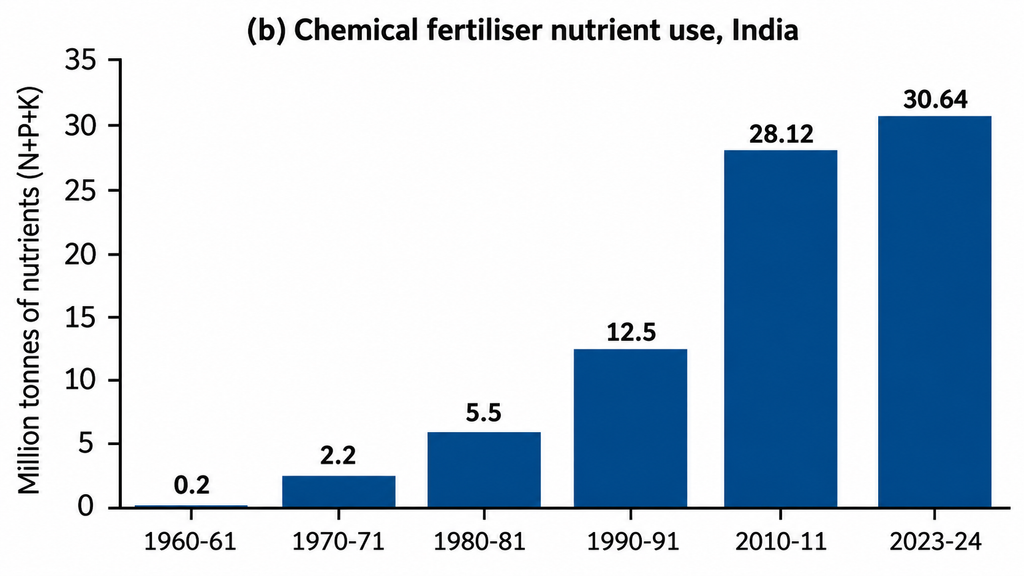
India’s fertiliser subsidy policy also influences nutrient use. Introduced in 2010, the Nutrient Based Subsidy (NBS) scheme links subsidies for phosphatic and potassic fertilisers to their nutrient content, while companies have greater freedom to set prices. Urea, which supplies nitrogen, remains under government price control.
This makes urea relatively cheaper and may encourage farmers to use more nitrogen-based fertiliser, even when crops need a different nutrient balance. As the study suggests nitrogen’s share of fertiliser consumption reached 69.9% in 2012–13. Its statistical analysis recorded a 4.42 percentage-point annual increase in the post-2010 trend. However, the analysis covers only four years after the reform and has no control group. It therefore cannot establish that the policy alone caused the increase.
The Indian Council of Agricultural Research recommends soil-test-based fertiliser application rather than a uniform nutrient ratio. Kerala’s lower nitrogen share does not necessarily mean fertiliser use is efficient across all its farms. In Kuttanad, for example, the recommended potassium dose depends on existing soil levels and whether rice straw is incorporated into the field.
Emissions and the Cost of Imported Inputs
Producing synthetic nitrogen fertilisers requires large amounts of energy, much of it from fossil fuels. Their use also releases nitrous oxide, a greenhouse gas that traps much more heat than carbon dioxide over 100 years. Climate Trends report finds the global synthetic nitrogen fertiliser supply chain produced an estimated 1.13 billion tonnes of carbon dioxide equivalent emissions in 2018, accounting for about 2.1% of global greenhouse gas emissions. In India, fertiliser manufacturing alone produced an estimated 25 million tonnes of carbon dioxide equivalent emissions in 2022–23.
India also depends heavily on imports for fertiliser production. It imports potash, several raw materials used in phosphate fertilisers, natural gas and ammonia. Disruptions to international trade routes and energy supplies can therefore affect both the cost and availability of these inputs. The disruption around the Strait of Hormuz is an example.
When international prices rise, the government may have to spend more to keep fertilisers affordable. Farmers, meanwhile, can face supply shortages and uncertainty over availability, even when retail prices are regulated.
“We need to fundamentally rethink our approach to soil conservation, moving beyond engineering structures and short-term interventions towards the revival of ecosystems. Despite decades of investment, soil erosion continues to intensify, while the productivity of prime agricultural lands and ecosystems is declining.
Restoring soil health, conserving natural resources and strengthening ecological processes must be at the heart of our response. This also calls for promoting diversified cropping practices suited to local agroecological conditions, rather than perpetuating resource-intensive cropping patterns. Building climate-resilient agriculture requires us to address the root causes of soil degradation, strengthen local ecological solutions and restore the natural systems that help communities withstand droughts, floods and other climate stresses.”, said Dr. Basant Kumar Kandpal, Technical Expert (Agriculture and Horticulture), National Rainfed Area
Authority (NRAA).
Can Farmers Move Away From Chemical Inputs?
For Kerala’s rice farmers, fertiliser requirements vary across fields. In Kuttanad, for instance, the recommended potassium dose depends on soil-test results and whether rice straw is returned to the field. Applying these recommendations requires accessible soil testing, regular agricultural extension support and affordable inputs.
“Excessive dependence on chemical fertilisers comes at a far greater cost to the nation than what is reflected in their market prices or subsidy allocations. Soil degradation, environmental damage, energy dependence and the growing fiscal burden are increasingly difficult to ignore. However, the transition to organic and natural farming cannot be left entirely to farmers. It requires sustained government support, investment in research and extension services, affordable alternatives and assured market linkages.”, said Dr Palak Balyan, Lead Author and Research Lead, Climate Trends.
The study calls for changes to fertiliser pricing and subsidy distribution. Its recommendations include pricing urea according to nutrient content, linking part of the subsidy to Soil Health Card advice and supporting farmers who shift to low-input cultivation. It estimates that transitioning one million hectares of transplanted rice to low-input farming could save Rs 1,155 crore annually.
The experiences of Andhra Pradesh and Sikkim show why the transition needs careful planning. Andhra Pradesh’s natural farming programme recorded more than twice the profits at broadly similar yields, while Sikkim faced yield losses amid inadequate farmer training and limited access to certified organic markets.
The challenge, therefore, is to reduce excessive fertiliser use without increasing farmers’ costs or putting yields at risk. The study argues for redirecting public support towards balanced nutrient use, farmer training and affordable alternatives, while accounting for the fiscal, energy and environmental costs of fertiliser-intensive agriculture.
Society
Nearly 72% of Migrant Workers in South India Report Improved Living Standards, but Labour Protection Remains Weak
India’s migrant construction workers play a crucial role in the country’s urban development, yet many continue to face poor working conditions, inadequate social security, wage insecurity and limited access to essential services.
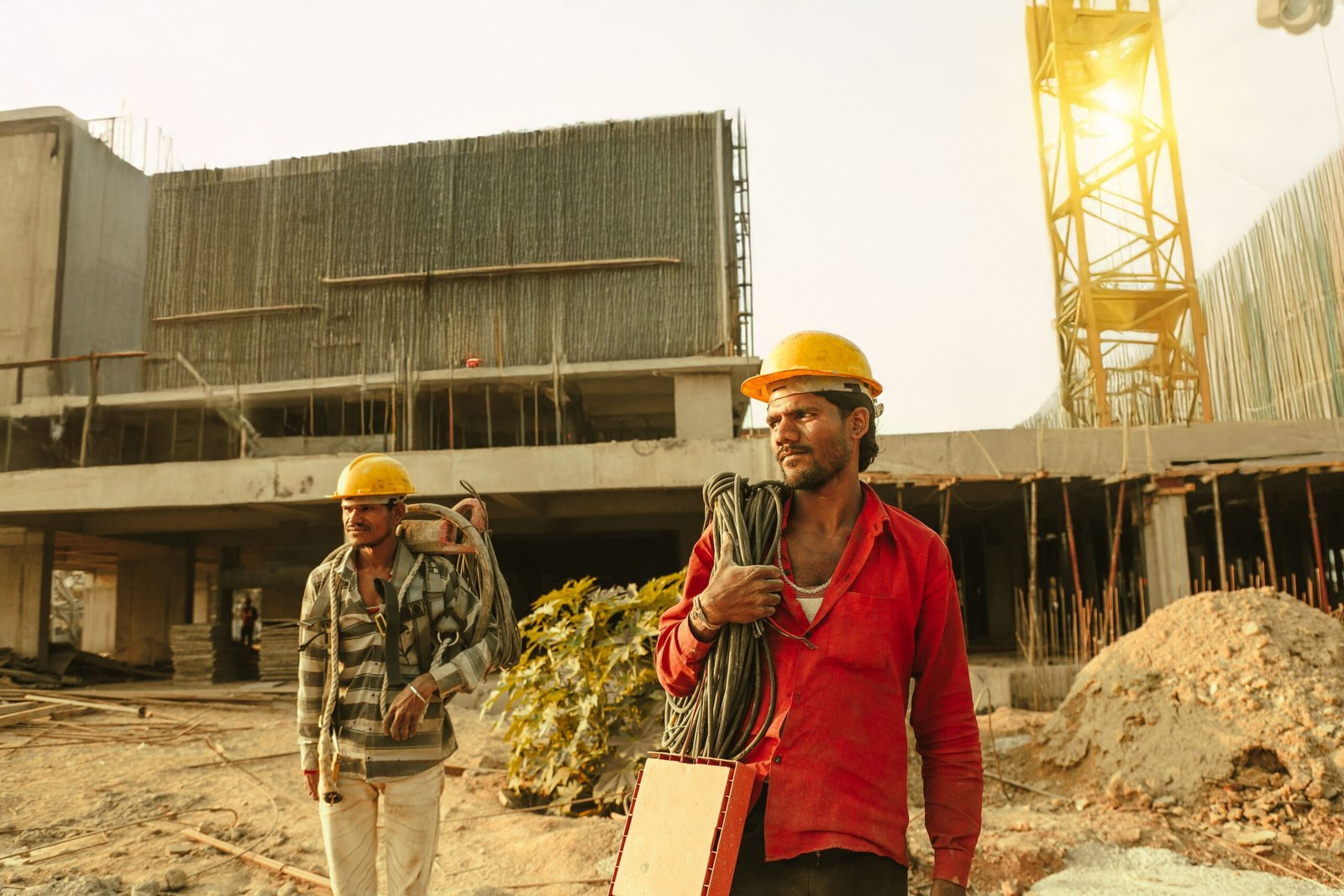
Nearly 72 per cent of interstate migrant workers surveyed across Kerala, Karnataka and Tamil Nadu reported improved living standards after moving to the southern states. However, access to welfare benefits, healthcare and formal employment protections remains a major challenge, according to a new regional survey.
The findings are part of the South India Interstate Migration Survey (SIIMS) 2026, published by the International Institute of Migration and Development (IIMAD) in collaboration with the United Nations Population Fund (UNFPA) and the International Organization for Migration (IOM).
Based on a mixed-methods study of 1,824 migrant workers across 33 districts, the survey examines migration patterns, employment conditions, housing, healthcare, financial security and access to social protection. Data were collected between December 15, 2025, and March 31, 2026. The research covered agriculture, fisheries and daily-wage labour across the three states, alongside hospitality in Kerala, scrap collection in Karnataka and textile and garment work in Tamil Nadu.
The survey found that 71.8 per cent of respondents reported improved living standards after migration, while 56.9 per cent intended to continue working in their destination states. However, the findings also reveal a gap between improved livelihood opportunities and access to basic labour protections.
Employment insecurity and gaps in social protection
The absence of formal employment arrangements emerged as one of the major concerns. Around 86.4 per cent of surveyed workers did not have written employment contracts, while 57.6 per cent received their wages in cash. Only 12.8 per cent reported awareness of their labour rights or available support programmes.
The lack of written contracts can make it difficult for workers to establish employment terms, seek compensation for unpaid wages or pursue grievances. The survey also found that 15.6 per cent of respondents had experienced a workplace accident during the preceding year, while only one per cent had accident insurance.
Access to welfare benefits was similarly limited. Only 19.4 per cent of respondents reported easy access to welfare benefits after migration, while 45.3 per cent faced considerable difficulties. Another 35.3 per cent reported partial access. Healthcare access presented another concern, with 69.2 per cent reporting difficulties obtaining healthcare services.
These findings are supported by a separate study published in Frontiers in Human Dynamics on July 14, 2026. Researchers examined employment precarity and psychosocial well-being among 428 interstate migrant workers in Kerala.
The study, titled Employment Precarity and Psychosocial Well-being among Interstate Migrant Workers in India: The Mediating Role of Social Protection, found a significant association between insecure employment and lower psychosocial well-being. Social protection had a statistically significant indirect effect in this relationship, suggesting that institutional support could partly mitigate the disadvantages associated with precarious employment.
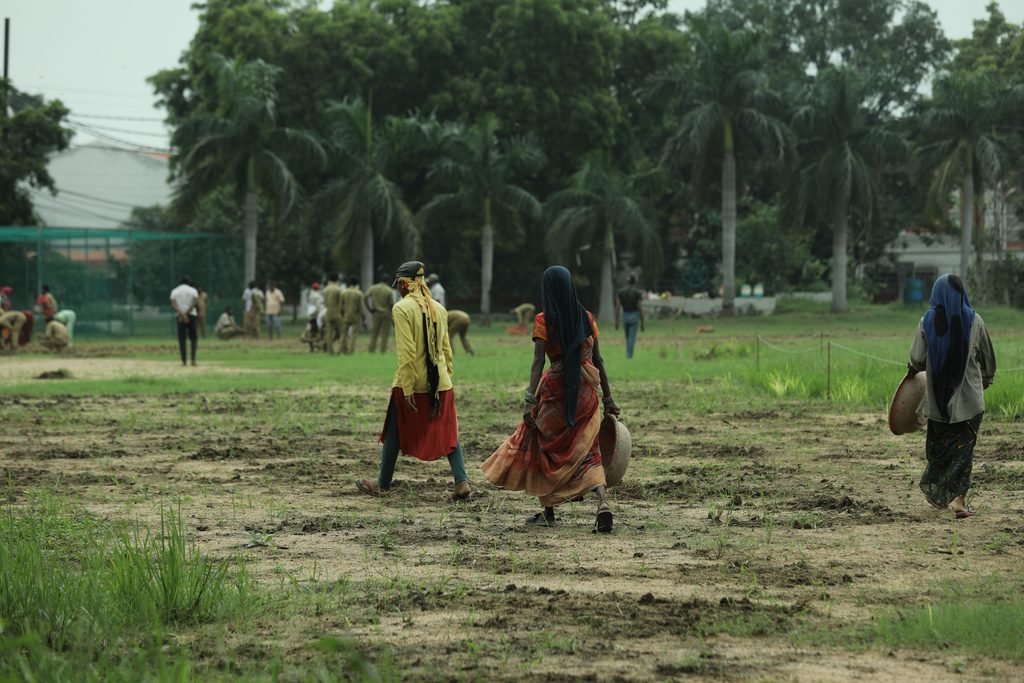
Women migrant workers working in a grass field. Image credit:Pexels
The researchers noted that the relationship between employment insecurity and well-being remained significant even after examining factors such as social exclusion and individual coping mechanisms. However, because the study used a cross-sectional design, the findings establish associations rather than causation.
The financial inclusion findings also reveal a gap between access to banking and broader economic security. Although 88.2 per cent of surveyed workers had access to formal financial services, this did not necessarily translate into access to welfare benefits, insurance or secure employment.
Gender differences further shaped workers’ economic experiences. Women migrant workers earned approximately Rs 3,313 less per month than men, even after researchers accounted for other measured factors. The findings indicate that employment vulnerabilities are not distributed equally across the migrant workforce.
Migration governance requires coordination between states
The survey identified circular migration as an important feature of interstate labour mobility, with 82 per cent of respondents classified as circular migrants. Many workers move repeatedly between their home states and employment destinations, often relying on informal networks of friends and relatives to find work.
This movement creates challenges for welfare systems that remain organised around state-specific administrative structures. Workers may find it difficult to access benefits when their employment, residence and documentation are spread across different locations.
The report recommends stronger coordination between origin and destination states, improved portability of welfare benefits, multilingual assistance and more accessible healthcare services. It also calls for better labour inspections and stronger workplace protections, particularly in sectors where informal employment is widespread.
The findings raise questions about whether existing social protection mechanisms are adequately responding to the mobility of India’s workforce. While migration provides employment opportunities and improves living standards for many workers, the absence of reliable employment safeguards and accessible welfare services leaves significant gaps in their protection.
As southern states continue to depend on interstate labour across construction, agriculture, hospitality, manufacturing and other sectors, ensuring that workers can access their rights and benefits wherever they move will remain an important challenge for migration policy.
Society
Sikkim Records 79% Growth in Milk Production Over a Decade, Dairy Cooperatives Expand
Sikkim has recorded a 79% increase in milk production over the past decade. New initiatives include a Siri cattle Centre of Excellence, dairy infrastructure upgrades and Churpi traceability.
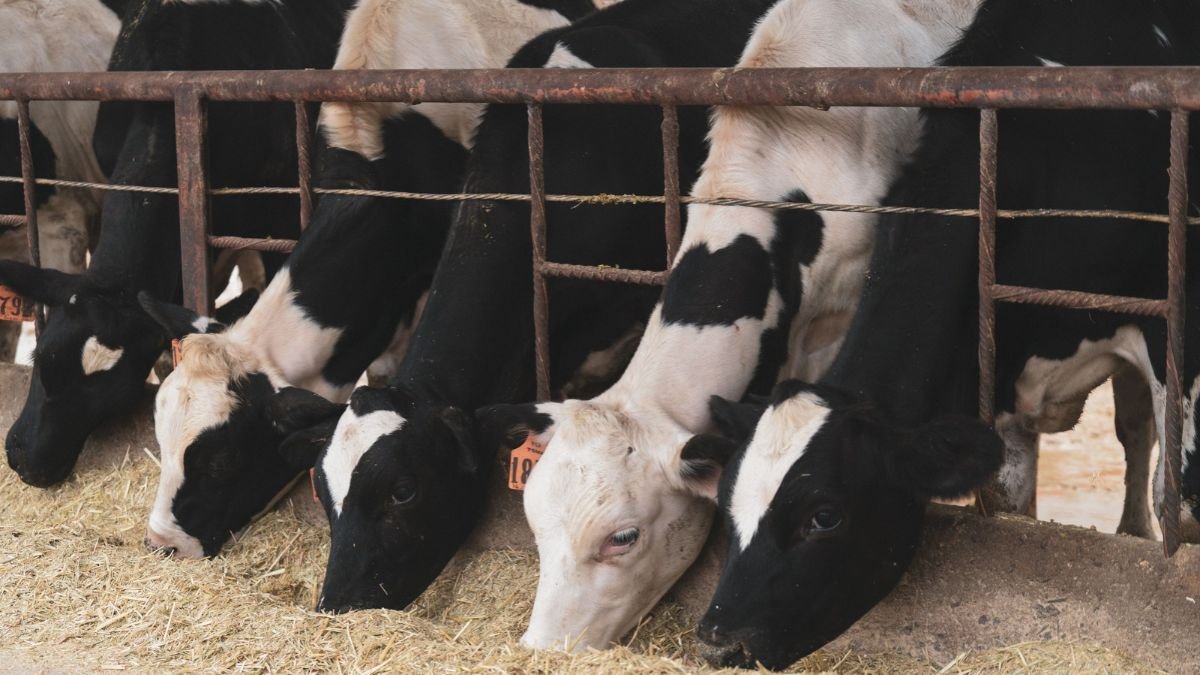
Sikkim’s daily milk production has increased by 79% over the past decade, rising from 1.37 lakh litres to 2.45 lakh litres, according to the Ministry of Fisheries, Animal Husbandry and Dairying. The state has also recorded an 88% increase in dairy cooperative societies during the same period, reflecting the expansion of its organised dairy network.
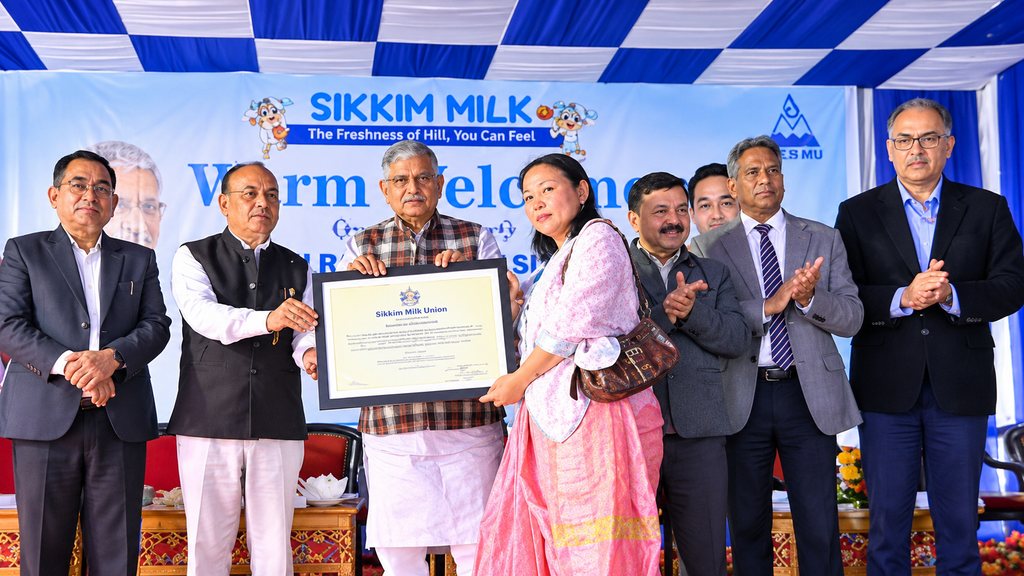
Union Minister for Fisheries, Animal Husbandry and Dairying Rajiv Ranjan Singh highlighted the figures at a programme organised by the Sikkim Milk Union in Gangtok on November 3, 2026. The growth comes against the backdrop of India’s expanding dairy industry. India produced 247.87 million tonnes of milk in 2024–25, retaining its position as the world’s largest milk producer. Its output increased by 3.58% from 239.30 million tonnes in 2023–24, accounting for approximately a quarter of global milk production.
Uttar Pradesh is the country’s largest milk-producing state, contributing 15.66% of national output in 2024–25. Rajasthan followed with 14.82%, while Madhya Pradesh, Gujarat and Maharashtra accounted for 9.12%, 7.78% and 6.71%, respectively. These five states together contributed approximately 54% of India’s milk production.
India’s dairy industry primarily serves its large domestic market, with milk and milk products consumed across rural and urban households. Uttar Pradesh, besides being the largest producer, is also a major consumption market. Government data for 2023–24 put its monthly per capita milk consumption at 5.69 litres in rural areas and 8 litres in urban areas.
However, production volumes do not automatically translate into organised market supply. Uttar Pradesh’s Dairy Development Department estimates that only around 10% of the state’s marketable milk surplus is processed through the organised sector, compared with a national average of approximately 17%. This points to gaps in processing and marketing infrastructure despite the state’s substantial production.
Expansion of Sikkim’s Dairy Network
In Sikkim, the number of dairy cooperative societies increased from 389 in 2014–15 to 733 in 2025–26. Daily milk supply to consumers also doubled, from 28,000 litres to 56,000 litres.
The programme included several initiatives aimed at improving dairy infrastructure, milk quality and the commercial value of traditional dairy products. The minister inaugurated a microbiology laboratory of the Sikkim Milk Union under the National Programme for Dairy Development (NPDD). The facility is intended to strengthen microbiological testing and quality assessment, supporting food safety in the dairy sector.
A Churpi traceability initiative was also launched to strengthen the identity and marketability of the traditional dairy product. In addition, Fodder Plus products developed by Farmer Producer Organisations (FPOs) were introduced to improve fodder availability and create additional income opportunities in the livestock sector. Five newly established dairy cooperative societies received registration certificates during the programme.
Siri Cattle Conservation and Dairy Infrastructure
The minister also announced plans to establish a Centre of Excellence for the conservation and development of indigenous Siri cattle. The proposal follows his visit to Mangan, where local cattle were reported to produce an average of approximately three litres of milk per day.
The proposed centre will focus on improving the breed’s genetic potential and milk productivity through advanced breeding technologies, including in-vitro fertilisation (IVF). The minister said the Central Government would sanction funds for the initiative and invited the Sikkim Government to submit a formal proposal. The National Dairy Development Board (NDDB) will also finance and undertake the comprehensive modernisation of the existing dairy processing plant in Mangan district, drawing on the model implemented in Mizoram.
Highlighting the potential of organised dairy development, Singh cited NDDB’s intervention in Varanasi, where milk collection reportedly increased from 14,000 litres per day in 2022 to approximately 2.5 lakh litres. The price received by farmers rose from ₹28–30 to ₹42 per litre. The initiative also created additional income opportunities through the utilisation of cow dung in biogas plants under the GOBARdhan programme. The minister called on NDDB to strengthen its support and deploy additional human resources in Sikkim to help the state achieve self-reliance in milk production and procurement.

Can Studying Cancer Tumours in Space Help Improve Chemotherapy on Earth?

Why Delhi’s Geography Makes It Vulnerable to Severe Air Pollution

Is India paying more than it thinks for chemical farming?

Extreme weather affects India on 92% of days in 2026, raises concerns over climate preparedness

Physicists Extend Einstein’s Theory to Investigate the Universe’s Earliest Matter

Indian universities lead Asia in research output per faculty, but the country’s top six all slip in QS ranking

After a Scorching Summer, Delhi’s Children Are Slow to Return Outdoors

Europe Braces for Extremes as Commission Unveils Climate Resilience Framework

Automated Homoeopathic Dispensing System Receives Indian Patent

Delhi’s Air Quality Paradox: Lower Average, Higher Everyday Pollution
-

 Math4 months ago
The 2026 Fields Medals: Four Proofs, Four Decades-Old Problems Solved
-
EP Deep Dive: Data & Solutions3 months ago
After Kerala’s Deadliest Landslide, the Hardest Thing to Rebuild Was Childhood
-
EP Deep Dive: Data & Solutions4 months ago
West Asia Crisis: Can Kerala’s Returning Gulf Migrants Find a Future in the Green Economy?
-
Space & Physics6 months ago
India Semiconductor Mission: ‘It’s Not About Fabs. It’s About Building An Entire Ecosystem’
-
Interviews2 months ago
From Scams to Screens: How the National Stock Exchange Rewrote India’s Equity Story
-
Climate & Environment5 months ago
The Climate World Cup? How Climate Change Could Affect Player Performance at the 2026 World Cup
-
Society4 months ago
What Is Civilisational Diplomacy? Understanding India’s Newest Foreign Policy Tool
-
Society5 months ago
From Bell Labs to the Classroom: A Second Career in Teaching