
Health
Air Pollution Claimed 1.7 Million Indian Lives and 9.5% of GDP, Finds The Lancet
In 2022 alone, fine particulate pollution — PM2.5 — killed an estimated 1.7 million people in India, according to the Lancet Countdown on Health and Climate Change 2025.

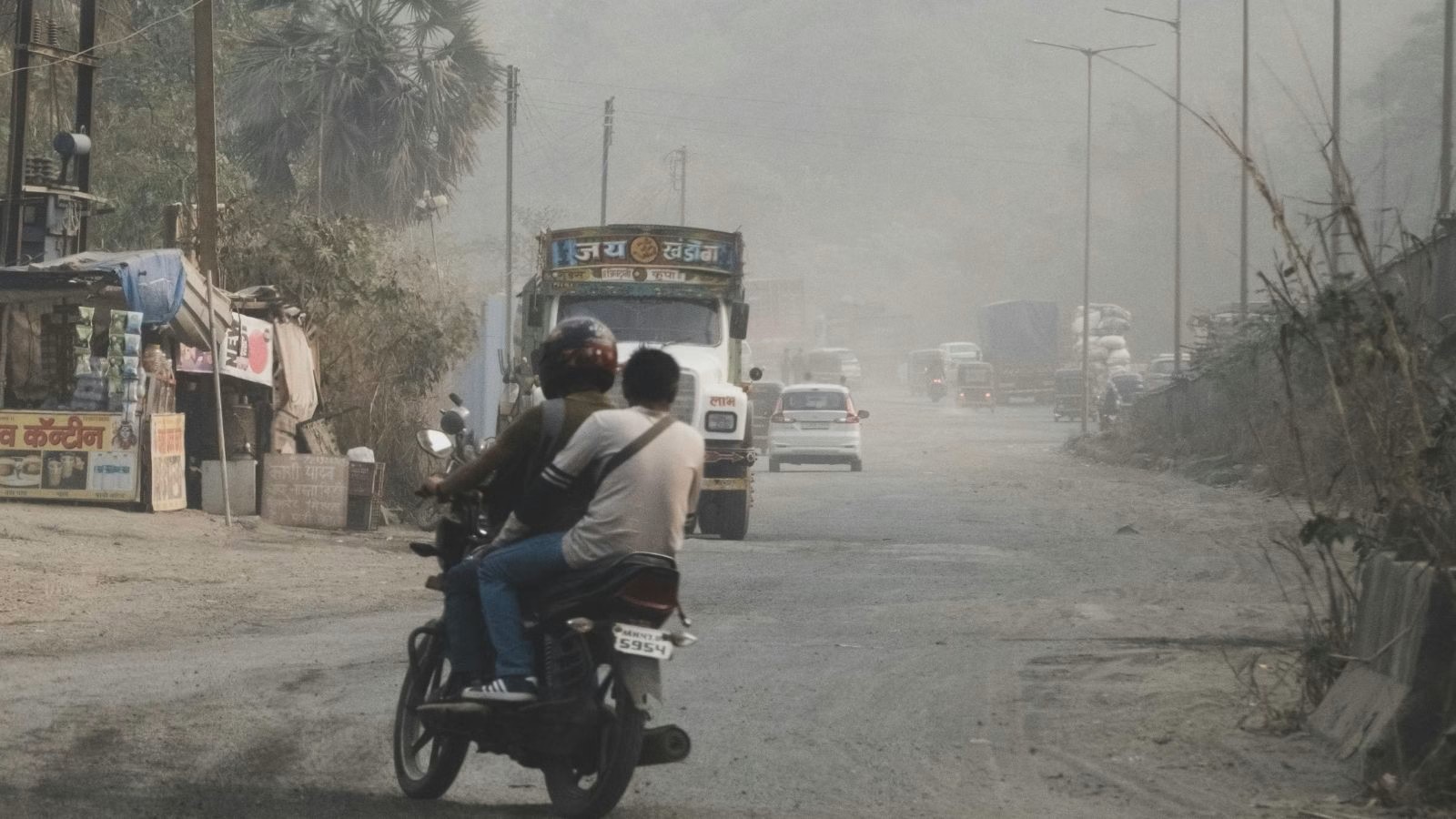
In 2022 alone, fine particulate pollution — PM2.5 — killed an estimated 1.7 million people in India, according to the Lancet Countdown on Health and Climate Change 2025.
The same toxic particles that fill Delhi’s winter air and blanket cities from Kanpur to Kolkata also caused economic losses equivalent to 9.5% of India’s GDP, revealing that air pollution is not just a public health emergency, but a national economic crisis hiding in plain sight.
A Crisis Woven into Everyday Life
India’s worsening air quality is no longer a seasonal problem. According to The Lancet Countdown, over a third of Indians were exposed to PM2.5 levels exceeding World Health Organization (WHO) limits for more than 10 months of the year.
Rising temperatures, urban sprawl, and fossil fuel combustion — from coal-fired power plants to vehicle emissions — have created a deadly feedback loop that is choking the country’s lungs and its economy.
“Air pollution in India is a silent pandemic. It’s not only shortening lives, but undermining productivity, healthcare systems, and economic growth,” said Dr. Marina Romanello, Executive Director of The Lancet Countdown, in the report’s global launch statement.
The Health Toll: From Newborns to the Elderly
The Lancet Countdown 2025 estimates that the global death toll from air pollution reached 8.3 million in 2022, with India accounting for over one-fifth of those fatalities.
PM2.5 — particles less than 2.5 microns in diameter — penetrate deep into lungs and bloodstreams, causing or worsening heart disease, stroke, diabetes, and respiratory illness.
In India, the burden falls disproportionately on the poorest households, who are more likely to live near highways, coal plants, or industrial clusters and have limited access to healthcare.
Children and elderly people are the most vulnerable: the report highlights that exposure to dirty air increases the risk of low birth weight, premature births, and chronic illness later in life.
Counting the Cost: 9.5% of GDP Lost
The Lancet Countdown’s economic assessment, based on lost labour productivity, healthcare costs, and premature deaths, found that India lost 9.5% of its GDP in 2022 due to air pollution-related impacts.
That’s roughly equivalent to USD 300 billion — more than India’s entire annual education and health budgets combined.
Urban centres such as Delhi, Lucknow, and Patna rank among the most polluted in the world.
Air pollution is estimated to reduce life expectancy in northern India by up to 7 years, according to the Energy Policy Institute at the University of Chicago, underscoring how pervasive the damage has become.
“For a fast-growing economy like India, this is a double blow,” said Prof. Randeep Guleria, pulmonologist and former AIIMS director. “It burdens healthcare systems while reducing worker output — exactly the opposite of what a young nation needs.”
Climate and Air: The Same Enemy
The report connects India’s pollution crisis to its dependence on fossil fuels — especially coal — which remains the largest source of both CO₂ and PM2.5 emissions.
While government programmes such as the National Clean Air Programme (NCAP) and electric mobility initiatives aim to reduce pollution, progress has been slow.
Many of the dirtiest thermal plants continue to operate without meeting emission standards, and vehicle emissions remain poorly regulated outside major cities.
“Air pollution is not a separate problem from climate change — it’s the same story told through different symptoms,” noted Dr. Romanello. “Every tonne of coal burned harms both lungs and the climate.”
This linkage is echoed in India’s own National Electricity Plan 2032, which outlines aggressive renewable targets, and in Ember’s 2025 analysis, which found that expanding coal capacity further would be economically irrational — a finding that strengthens the case for rapid decarbonisation.
Health as an Economic Argument
The Lancet Countdown reframes pollution not just as an environmental or health challenge, but as an economic imperative.
In India, labour losses due to heat and pollution exposure have grown by 42% since the early 2000s, with outdoor and informal workers suffering the most.
As heatwaves and smog increasingly overlap, lost work hours and rising healthcare costs could slow GDP growth by up to 1.8 percentage points annually by the mid-2030s if left unchecked.
Experts say cleaner power and transport sectors could deliver rapid wins:
- Phasing out coal and shifting to renewables can cut PM2.5 emissions by over 60% in key industrial zones.
- Expanding public transit and EV adoption can reduce vehicular PM2.5 by one-third in metropolitan regions.
- Strengthening NCAP’s monitoring and enforcement could save hundreds of thousands of lives each year.
From Policy to Breathable Air
Despite India’s national clean air mission and renewable push, enforcement and coordination remain major gaps.
The report calls for integrating air quality and climate policies, arguing that cutting fossil fuel use provides a “double dividend” — cleaner air and fewer greenhouse gases.
This integration has begun in limited form: several Indian states, including Gujarat and Maharashtra, have introduced emissions trading schemes for industrial pollutants.
But experts say scaling such initiatives nationally, alongside stricter vehicle standards and urban planning reforms, is critical for measurable results.
A Moment of Reckoning
The Lancet Countdown 2025 warns that air pollution and climate impacts are already reversing health gains made over decades.
India’s choice is no longer between growth and clean air — it’s about whether growth can continue at all under the weight of rising illness, lost labour, and degraded ecosystems.
“Air pollution is robbing India of its demographic dividend,” the report concludes. “Clean air is not a luxury; it’s a prerequisite for sustainable development.”
As the smog season begins once again in northern India, the data are unambiguous:
The invisible killer is now visible — and unaffordable.
References:
The Lancet Countdown on Health and Climate Change 2025; The Lancet; Energy Policy Institute at the University of Chicago (EPIC); Ember; CREA.








Health
Kerala Doctors Find Glass Fragments Lodged in Woman’s Spine, 12 Years After Accident
Doctors in Kochi removed three glass fragments lodged near a woman’s spine for 12 years after 3D CT imaging finally revealed the cause of her chronic back pain.

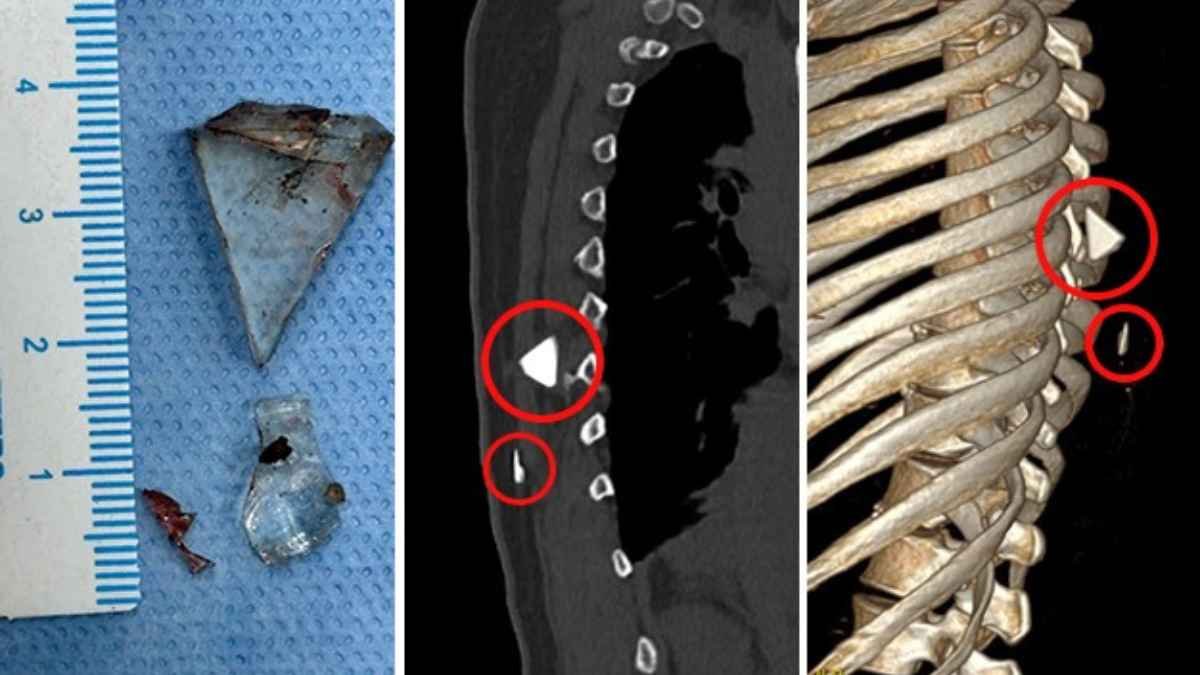
Kochi, Kerala: A 44-year-old woman from Karunagappally in Kollam has undergone surgery to remove three glass fragments that had remained lodged near her spine for 12 years, after imaging finally identified the source of pain that doctors had previously been unable to explain.
Manu S B had lived with chronic back pain since 2014, when she fell onto a glass-topped table while eight months pregnant and attending a family wedding. Glass shattered on impact and pierced her back. She was treated at a hospital at the time, but not all the fragments could be located, and some remained embedded in the tissue near her spine.
Over the following twelve years, Manu consulted multiple hospitals without a diagnosis. Her husband, Rajeeve, said the unexplained pain affected her sleep, her ability to raise her arms, and eventually her work as a Taluk Supply Officer in Karunagappally. Family members said the prolonged, undiagnosed pain also took a psychological toll, with some around her suggesting the problem was not physical.
A recent consultation led doctors to suspect a tumour-like lesion and recommend an MRI. Rajeeve then approached Dr Krishnakumar R, Director of the Institute of Spine and Scoliosis Surgery at VPS Lakeshore Hospital, under whom he had previously undergone surgery. A subsequent 3D CT scan identified the retained glass fragments, including one triangular piece measuring roughly 3 cm.
Surgeons removed the three fragments from the mid-back region of Manu’s spine last week, in a procedure led by Dr Krishnakumar with support from the hospital’s radiology and anaesthesiology teams. She is currently recovering at VPS Lakeshore Hospital.
“Pain that continues for years after an injury needs careful evaluation,” Dr Krishnakumar said. “In this case, imaging helped us identify the retained glass fragments and understand the reason for her longstanding symptoms.”
Rajeeve said much of the earlier medical attention over the years had focused on Manu’s neck rather than the back, which he believes contributed to the delay in diagnosis.
Health
AI Finds the Hidden Cells That May Help Cancer Return
Indian researchers have developed an AI framework, ACSCeND, that identifies hidden cancer stem-like cell states from tumour gene-expression data. Analysis of more than 25,000 tumour samples linked highly potent cells with poorer survival, cancer recurrence and reduced response to immunotherapy.

India recorded an estimated 15.6 lakh new cancer cases and 8.74 lakh cancer deaths in 2024, according to estimates based on data from 43 cancer registries. Cancer is now the second leading cause of death globally after cardiovascular diseases, with the World Health Organization estimating 20.6 million new cases and nearly 10 million deaths worldwide in 2024. Against this growing burden, cancer stem cells are emerging as a critical target in understanding why tumours return and resist treatment.
The growing cancer burden has made early detection, effective treatment and preventing recurrence critical challenges. While advances in surgery, chemotherapy, radiation, targeted therapies and immunotherapy have improved treatment options, cancer can still return after an apparently successful treatment. One reason may lie in a small population of cancer stem cells that can remain hidden inside a tumour.
These are known as cancer stem cells. Although they make up only a small fraction of a tumour, researchers believe they can play an important role in tumour recurrence, metastasis and treatment resistance. Their rarity and ability to change their identity have also made them difficult to detect. This is where a new Indian research effort could offer a different way of looking at cancer.
Researchers from the S. N. Bose National Centre for Basic Sciences, an autonomous institute under the Department of Science and Technology, in collaboration with Ashoka University, have developed an artificial intelligence framework that can identify hidden cancer stem-like cell populations from tumour gene-expression data.
Called ACSCeND, or AI-based Cancer Stem Cells Profiler and Neoplasm Deconvoluter, the framework could help researchers examine cancer biology at a level that conventional tumour analysis may miss.
Cancer Stem Cells: Understanding Single Stemness Score
Cancer is not a uniform mass of identical cells. Different cells within the same tumour can behave differently, with some populations potentially more capable of surviving treatment and driving tumour growth.
Conventional computational approaches often assign a tumour a single “stemness” score. ACSCeND instead identifies three distinct developmental states of cancer stem-like cells: pluripotent-like, multipotent-like and unipotent-like.
The distinction could give researchers a more detailed picture of the biological composition of a tumour.
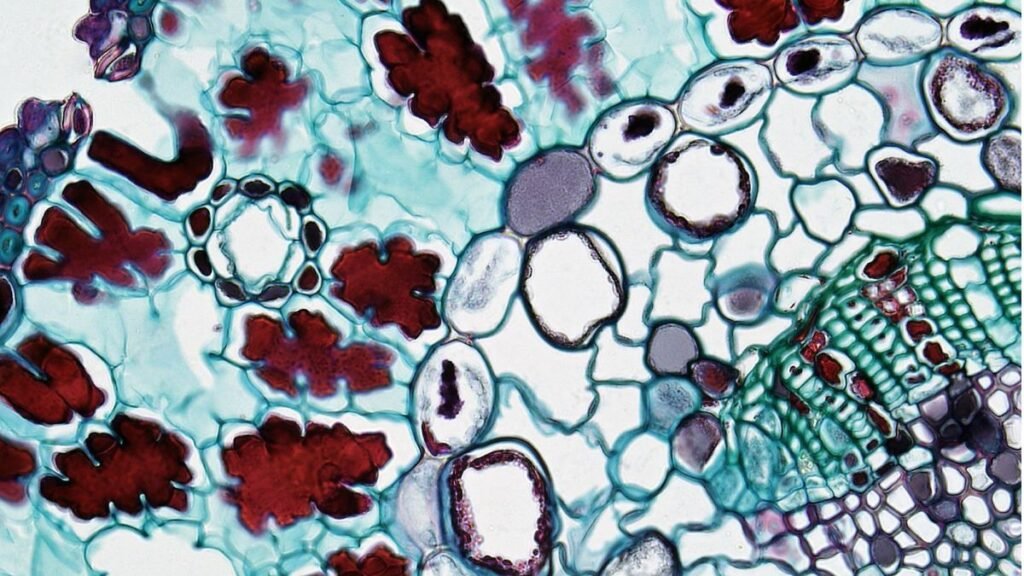
The framework combines information learned from high-resolution single-cell sequencing with deep learning to analyse conventional bulk tumour RNA sequencing. This is significant because single-cell experiments are not available for every tumour sample, while large collections of conventional RNA sequencing data already exist.
In effect, the researchers are using AI to extract information about hidden cell populations from data that may otherwise appear less detailed.
Tested Across More Than 25,000 Tumours
The researchers validated ACSCeND against existing computational methods and tested it across independent datasets and sequencing platforms. They then applied the framework to more than 25,000 tumour samples from major international cancer databases, including TCGA and PRECOG.
The analysis revealed a significant association between the presence of highly potent, pluripotent-like cancer stem cells and poorer outcomes. Tumours enriched with these cancer stem cells were associated with poorer patient survival, a greater likelihood of recurrence and reduced response to modern immunotherapies.
The framework also identified molecular programmes that may help these cells survive, adapt and evade the immune system. Such findings could provide researchers with potential targets for future drug development and help identify patients who may be more likely to relapse.
Why This Could Matter for Precision Medicine
The significance of the research lies not in AI replacing cancer doctors or predicting an individual patient’s future, but in its ability to reveal biological patterns that are difficult to detect using conventional analysis.
If researchers can better identify the cell populations that are associated with recurrence and treatment resistance, they may gain a clearer understanding of why some tumours return after apparently successful treatment. That knowledge could eventually contribute to therapies designed to target not only the bulk of a tumour but also the populations of cells that help it survive.
The approach could also be valuable because it works with conventional bulk RNA sequencing data. Instead of requiring every tumour sample to undergo expensive and highly detailed single-cell analysis, researchers may be able to investigate hidden cancer stem-like populations across much larger collections of existing samples.
For India, where an estimated 15.6 lakh people were diagnosed with cancer in 2024, such computational approaches could strengthen cancer research and the country’s move towards more data-driven precision medicine.
But the findings need to be viewed in context. ACSCeND is currently a research framework, not a clinical diagnostic tool that can determine whether an individual patient’s cancer will return. The study establishes associations between cancer stem cells states and outcomes; translating those findings into clinical decisions will require further research and validation.
The potential turning point, therefore, is not that AI has solved cancer recurrence. It is that researchers now have another way to look for the cancer stem cells that may be helping tumours survive treatment.
In the long battle against cancer, understanding what remains after treatment may be just as important as understanding what the treatment destroys.
Health
Kerala Floods Highlight a Recurring Health Crisis as Disease Risks Rise
Kerala’s floods are raising concerns over leptospirosis and other infectious diseases as contaminated water, disrupted sanitation and stagnant water increase exposure. Research shows that the health risks can persist for weeks after floodwaters recede, making post-flood disease surveillance critical.


Kerala’s flood emergency is creating another public-health challenge alongside displacement, injuries and infrastructure damage. As people wade through floodwater, clean homes, move through stagnant water or gather in relief shelters, they face exposure to infectious diseases ranging from leptospirosis and dengue to diarrhoeal and respiratory infections.
The risks are emerging as Kerala already carries a substantial communicable-disease burden.
Kerala is India’s Leptospirosis Hotspot
India recorded 8,121 confirmed leptospirosis cases between January and June 2026, according to data tabled in the Rajya Sabha by the Union Ministry of Health and Family Welfare. More than half, 4,340 cases, or 53.4% — came from Kerala, Tamil Nadu, Karnataka, Andhra Pradesh and Telangana.
Kerala recorded the highest number at 1,726 cases, followed by Tamil Nadu with 1,473 and Karnataka with 624. Assam reported 786 cases and Maharashtra 780.
The figures place Kerala at the top of the national list even before the current flood emergency. That is significant because leptospirosis is strongly associated with exposure to contaminated water and soil — conditions that become more common during floods and the recovery period.
Floods Create Multiple Disease Pathways
Flooding does not produce one uniform disease pattern. Different infections emerge through different pathways and at different times. A 2026 systematic review in BMC Infectious Diseases, covering 71 studies published between 2014 and 2024, found consistent links between flooding and waterborne infections including leptospirosis, cholera, bacillary dysentery and hepatitis A/E. It also identified increased risks of vector-borne diseases such as dengue and malaria. Disease emergence varied from days to weeks depending on the pathogen and flood conditions.
The evidence is particularly strong for diarrhoeal disease. A meta-analysis of 42 studies found that floods were associated with a 40% higher risk of infectious diarrhoea, with the risk of bacterial diarrhoea increasing by 82%. For Kerala, this matters because diarrhoea was already one of the state’s most frequently reported communicable diseases.
During the first eight days of July 2026, government hospitals reported 19,428 diarrhoeal cases, alongside 84,658 fever cases. The same period recorded 834 dengue cases, 661 influenza cases, 113 leptospirosis cases, 197 jaundice cases, 56 malaria cases and 34 Shigella cases. Thirty people died from communicable diseases during those eight days.
Kerala’s Floods Offer a Warning
Kerala’s own experience shows why disease surveillance must continue after the rain stops. A study comparing leptospirosis in Kerala during 2017, 2018 and 2019 found higher case numbers in the flood years, with the strongest increase following the severe 2018 floods. Importantly, cases were highest during the post-flood period, indicating a time lag between flooding and disease emergence.
2018 floods identified 61 leptospirosis hotspots, compared with 34 in 2017 and 21 in 2019. Several hotspots overlapped with high flood-risk areas, while others were in places with limited access to hospitals. The finding points to a larger preparedness opportunity: flood-risk mapping could be combined with disease-risk mapping to identify communities that need early warnings and preventive interventions.
Why Leptospirosis is a Particular Concern
Leptospirosis is caused by Leptospira bacteria and is commonly transmitted through contact with water or soil contaminated by infected animal urine, particularly from rodents. Floods increase this exposure as people walk through contaminated water, clean flooded homes or handle mud and debris. The risk can continue after water recedes, when residents return to clean houses and remove waste.
Kerala has developed specific responses for this risk. The state’s health system uses doxycycline prophylaxis for selected high-risk exposures and has previously established dedicated “Doxy Corners” during disaster responses. It has also expanded early diagnosis: RT-PCR testing for leptospirosis is available through nine government laboratories, according to the Health Department.
The challenge is ensuring these measures reach exposed populations quickly enough.
Dengue and Diarrhoeal Diseases May Follow Different Timelines
Dengue presents a different risk. Heavy rainfall can initially wash away mosquito breeding sites, but as floodwater recedes, stagnant pools can remain in containers, drains and construction sites. These can become breeding sites for Aedes mosquitoes.
Kerala had already recorded 834 dengue cases in the first eight days of July, so vector surveillance will remain important as the flood situation evolves. Diarrhoeal diseases can emerge through another pathway. Flooding can damage sanitation infrastructure, contaminate water and disrupt food hygiene. Kerala’s 19,428 diarrhoeal cases in eight days provide a reminder that this risk exists independently of leptospirosis.
The state’s existing disease burden also includes Shigella. By June 23, Kerala had reported 241 Shigella infections, with outbreaks identified in Kozhikode, Wayanad, Thrissur and Alappuzha.
Influenza Adds Another Layer
Respiratory infections are less directly connected to floodwater but can become harder to control when people are displaced. Relief camps bring people from different households into shared spaces. Crowding and inadequate ventilation can increase opportunities for respiratory transmission.
Kerala recorded 661 influenza cases during the first eight days of July. The concern is about vulnerability. Children, older adults and people with underlying illnesses may be at greater risk when respiratory infections spread in crowded shelters and routine healthcare is disrupted.

The Health Emergency May Peak After the Flood
The most important lesson from Kerala’s previous floods is that the health emergency does not necessarily end when the water recedes. The immediate risks include injuries, drowning and direct exposure to contaminated water. Later, people face contaminated mud and waste while cleaning homes, stagnant water that can support mosquito breeding, disrupted sanitation and increased contact in temporary shelters.
Research shows that different infections can emerge over different time lags. For leptospirosis, Kerala’s experience suggests that the post-flood period can be particularly important. That makes the weeks after flooding a crucial test of public-health preparedness.
Kerala already has daily disease surveillance, district-level monitoring, leptospirosis testing and preventive protocols. The next step is to connect these systems more closely with flood-risk information so that authorities can identify potential disease clusters before hospitals begin seeing a large increase in patients.


Why India Is Studying the Arctic to Understand Its Monsoon

Solar Power Is Bringing More Electricity to Indian Farms. But What About the Water Beneath Them?

Peking University and Sunway University Sign Five-Year Pact on Planetary Health

India Wants 100 GW of Nuclear Power. Can Opening the Sector Deliver It?

When the Sun Goes Down, Is India’s Solar Boom Ready to Face Its Real Test

The 2026 Fields Medals: Four Proofs, Four Decades-Old Problems Solved

After Kerala’s Deadliest Landslide, the Hardest Thing to Rebuild Was Childhood

When the Monsoon Returns, Fear Returns: How Climate Disasters Are Reshaping Mental Health in Himachal Pradesh

Astronomers Discover a ‘Black Hole Star’, a New Kind of Object in the Early Universe

From Bell Labs to the Classroom: Finding Purpose After Retirement

-

 Math4 weeks ago
The 2026 Fields Medals: Four Proofs, Four Decades-Old Problems Solved
-
Climate3 weeks ago
After Kerala’s Deadliest Landslide, the Hardest Thing to Rebuild Was Childhood
-
Society2 months ago
West Asia Crisis: Can Kerala’s Returning Gulf Migrants Find a Future in the Green Economy?
-
Space & Physics3 months ago
India Semiconductor Mission: ‘It’s Not About Fabs. It’s About Building An Entire Ecosystem’
-
Climate3 months ago
The Climate World Cup? How Climate Change Could Affect Player Performance at the 2026 World Cup
-
Society1 month ago
What Is Civilisational Diplomacy? Understanding India’s Newest Foreign Policy Tool
-
Society2 months ago
From Bell Labs to the Classroom: A Second Career in Teaching
-
Space & Physics3 months ago
Engineers Develop Dual-Mode Propulsion System for Next-Generation Small Satellites