

Climate
India’s Infrastructure Push Is Racing Ahead of Its Climate Insurance Cover
India’s infrastructure spending has crossed 3% of GDP, but climate risk is rising even faster. As floods and extreme weather become more predictable, parts of the country are edging towards the limits of insurability—raising urgent questions about how resilient India’s growth really is.

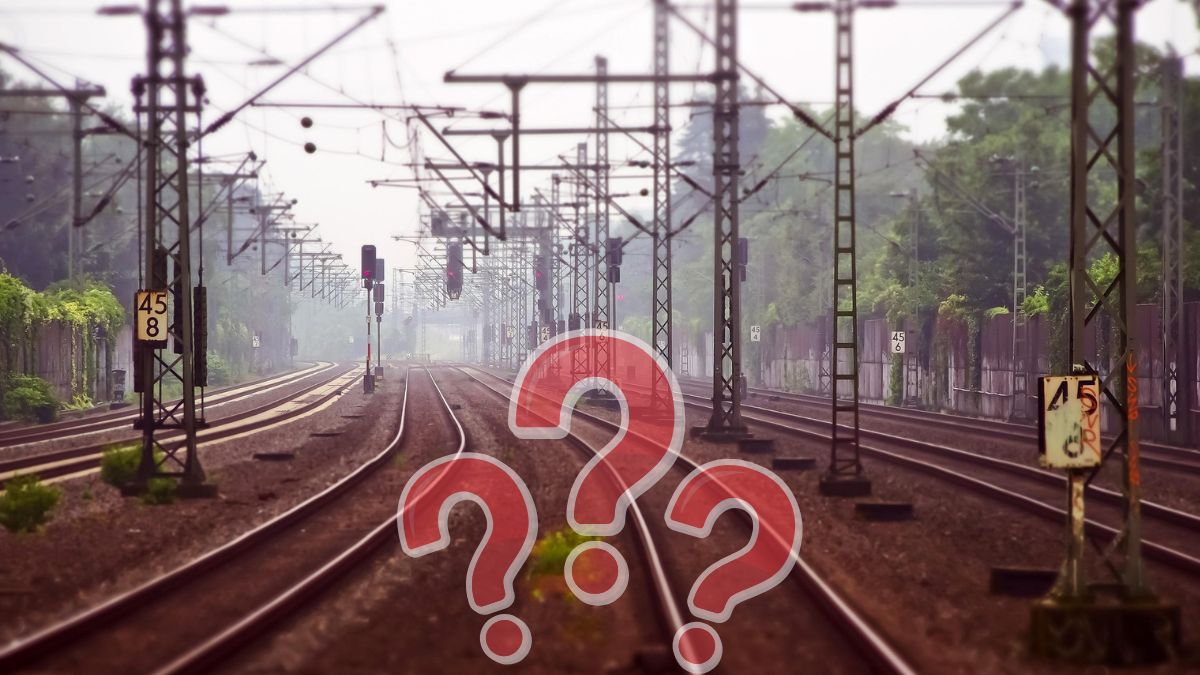
India is investing in infrastructure at a scale unprecedented in its post-liberalisation history. Capital expenditure on infrastructure has now crossed 3% of GDP, spanning railways, highways, ports, power plants and airports—assets designed to last well over half a century. Yet, as new research shows, a growing share of this infrastructure is coming up in regions increasingly exposed to climate extremes, raising a critical question for policymakers, insurers and investors alike: can India afford to insure the future it is building?
A new report by Climate Trends on climate risks and insurance for India’s infrastructure argues that climate impacts are no longer episodic shocks. Instead, they are following a clear upward trajectory in frequency, severity and geographic spread, particularly after the mid-2010s. Hydro-meteorological disasters—floods, extreme rainfall, cyclones and landslides—now dominate India’s climate risk profile, with flood risk emerging as the most persistent hazard for fixed, high-value assets.
When Growth and Risk Rise at Different Speeds
One of the report’s central findings is the non-linear relationship between asset growth and climate exposure. Using Delhi as a case study, the analysis shows that while urban expansion grew at roughly 1.3% CAGR between 1986 and 2016, flood exposure increased at nearly 2.46% CAGR, creating a widening divergence that is projected to grow further over time.
This divergence matters because infrastructure assets are geographically fixed and designed for long operational lives. As asset concentration rises and climate impacts become more predictable, the report warns that certain regions may approach the threshold of uninsurability, where premiums become unaffordable or coverage simply unavailable.
Insurers See Opportunity—and Limits
To test these risks against market realities, the researchers surveyed leading non-life insurers and reinsurers operating in India, including SBI General Insurance, Munich Re India, Swiss Re India and General Insurance Corporation of India.
The responses reveal a nuanced picture. Insurers broadly agree that most of India remains insurable, and climate risk insurance is still viewed as a business opportunity. However, hydropower projects and national highways located in flood- and landslide-prone regions repeatedly emerged as areas of concern. One insurer reported rising premium unaffordability for hydropower projects—an especially notable finding given that many planned hydropower assets are located in high-risk Himalayan regions vulnerable to landslides, floods and glacial lake outburst floods (GLOFs).
| >> Globally, insured property losses exceeded USD 140 billion in FY 2024–25 |
| >> India’s natural catastrophe losses in 2023 alone reached USD 12 billion |
A consistent challenge flagged across insurers is the difficulty of pricing climate risk under deep uncertainty. Respondents highlighted gaps in modelling for long-term risks such as sea-level rise, forest fires and compound events, raising the likelihood of a widening protection gap between economic losses and insured coverage.
Losses Are Already Mounting
The financial context underscores why these concerns are intensifying. Globally, insured property losses exceeded USD 140 billion in FY 2024–25, while India’s natural catastrophe losses in 2023 alone reached USD 12 billion, significantly above the previous decade’s average.
Sub-national data further sharpens the picture. States such as Assam, Andhra Pradesh, Odisha, Uttarakhand, Himachal Pradesh, Sikkim, Ladakh and several north-eastern states are identified as among the most climate-vulnerable. Yet these regions also host some of India’s largest infrastructure investments, amounting to nearly Rs 2.95 lakh crore—from port modernisation projects in Odisha and Andhra Pradesh to tunnels, highways and hydropower projects in the Himalayas.
Insurance Is Evolving—but Not Fast Enough
Insurers acknowledge the gap and point to ongoing innovation. Parametric insurance products for heat stress, excess rainfall and flooding are gaining traction, alongside state-level risk transfer mechanisms. Yet coverage remains absent for several high-impact events, including cloudbursts and landslides, even as these hazards grow more frequent.
At the same time, India’s insurance market is expanding rapidly. Premiums are projected to grow at 6.7% in life insurance and 8.3% in non-life insurance through 2028, reflecting both economic growth and rising climate vulnerability.
The concern, however, is whether risk pricing can keep pace with physical reality.
Integrating Climate Risk Before the First Brick
The report also says that climate resilience must shift from being a post-disaster consideration to a core design constraint in infrastructure planning. Among its key recommendations are the standardisation of regulatory frameworks for risk disclosure, underwriting, premium pricing and loss assessment, alongside investment in advanced actuarial models and innovative instruments such as parametric insurance and catastrophe bonds.
Aarti Khosla, Founder and Director of Climate Trends, notes: “As India seeks big investments at the World Economic Forum and plans double-digit (nominal) growth over the next five years, it would be remiss to not point out the risks to India’s infrastructure posed by climate impacts and extreme weather events – which are unarguably increasing in frequency, severity, and geographical spread. The country’s rising exposure for its essential assets could thus lead to mounting climate-induced losses, which would be a fiscal and financial burden. Climate resilience must therefore be integrated into infrastructure planning from the very beginning to minimise the costs of post-disaster reconstruction. Also, several steps will have to come together to ensure long-term insurance viability for such assets, such as advanced actuarial models and standardised frameworks for risk disclosure, premium pricing and loss assessment.”
The Risk Beneath the Growth Story
India’s infrastructure push is central to its growth ambitions and long-term self-sufficiency. But the evidence suggests that climate risk is fast becoming a primary determinant of whether that growth remains financially sustainable. Without integrating resilience and insurability into planning decisions today, the cost of tomorrow’s infrastructure may be borne not just by insurers, but by public finances and future generations.









Climate
Study Finds Warming Could Slightly Boost Atmosphere’s Methane-Cleaning Capacity
New research suggests climate warming may modestly enhance the atmosphere’s ability to break down methane, though competing chemical processes add uncertainty.

New research suggests climate warming may modestly enhance the atmosphere’s ability to break down methane, though competing chemical processes add uncertainty.
A new study by researchers at the Massachusetts Institute of Technology (MIT) finds that rising global temperatures could slightly increase the atmosphere’s ability to break down methane, one of the most potent greenhouse gases.
Methane is a major driver of global warming, second only to carbon dioxide. However, it does not persist as long in the atmosphere due to the presence of hydroxyl radicals—highly reactive molecules often described as the “atmosphere’s detergent” for their role in breaking down pollutants.
Balancing Effects of Water Vapour and Natural Emissions
The MIT team developed a new atmospheric model to understand how hydroxyl radical (OH) levels may respond to warming temperatures. Their findings reveal a complex balance of competing effects.
As global temperatures rise, atmospheric water vapour is expected to increase, boosting OH levels by about 9%. However, higher temperatures will also lead to increased emissions of natural gases from plants—known as biogenic volatile organic compounds—which can reduce OH levels by approximately 6%.
The net effect, according to the study, is a modest increase of around 3% in the atmosphere’s capacity to break down methane under a 2°C warming scenario.
Why Hydroxyl Radicals Matter
Hydroxyl radicals play a critical role in regulating atmospheric chemistry. They react with methane and other gases, breaking them down into less harmful compounds.
“About 90 percent of the methane that’s removed from the atmosphere is due to the reaction with OH,” said study author Qindan Zhu in a statement.
Beyond methane, OH also helps remove air pollutants and gases that affect public health, including ozone.
“There’s a whole range of environmental reasons why we want to understand what’s going on with this molecule,” said Arlene Fiore, a professor at MIT.
New Model Offers Deeper Insights
To conduct the study, researchers developed a model called “AquaChem,” which simulates atmospheric chemistry under different climate scenarios. The model builds on simplified “aquaplanet” systems, allowing scientists to isolate atmospheric processes without the complexity of land and ice interactions.
Using this model, the team compared current climate conditions with a scenario in which global temperatures rise by 2°C—widely considered a likely outcome without significant emissions reductions.
Uncertainty Around Natural Emissions
Despite the findings, researchers caution that there is still significant uncertainty—particularly regarding how plant emissions will respond to climate change.
Biogenic emissions, such as isoprene released by trees, appear to play a major role in influencing OH levels but remain difficult to predict accurately.
Future research will aim to refine these estimates and better understand how different climate scenarios could affect atmospheric chemistry.
Implications for Climate Projections
Even small changes in hydroxyl radical levels can have significant implications for how methane accumulates in the atmosphere.
“Understanding future trends of OH will allow us to determine future trends of methane,” Zhu said.
As methane continues to rise alongside carbon dioxide, insights into these chemical processes will be critical for improving climate models and informing mitigation strategies.
Climate
Climate change heat impact affected over 2.5 billion people
New analysis shows 2.5 billion people experienced climate-driven heat between Dec 2025 and Feb 2026.

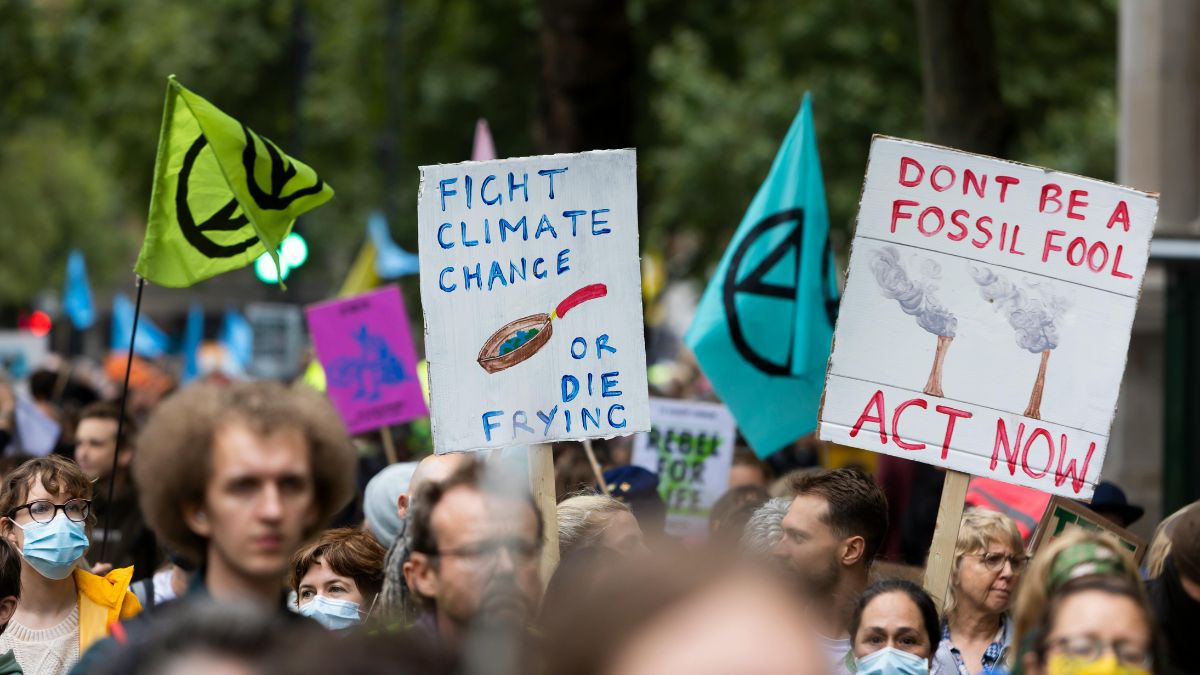
Climate change heat impact: A new global analysis has found that climate change significantly influenced daily temperatures for billions of people worldwide between December 2025 and February 2026, underscoring the immediacy of the climate crisis
Climate change is no longer a distant abstraction—it is now embedded in the daily weather experienced by billions of people across the planet.
A new global analysis from Climate Central has found that between December 2025 and February 2026, more than one in six people worldwide lived through temperatures strongly influenced by climate change every single day.
The scale of exposure is striking. Over the three-month period, 2.5 billion people across 124 countries experienced at least 30 days of climate change-driven heat, pointing to a persistent and widespread shift in how global temperatures are being shaped.
Using the Climate Shift Index, a tool designed to measure the role of human-caused warming in daily temperatures, researchers were able to isolate the extent to which fossil fuel emissions are now influencing everyday weather patterns.
Climate change heat impact: Dangerous extremes
What emerges most starkly from the analysis is not just rising temperatures, but the growing prevalence of heat that directly threatens human health.
In 47 countries, every single day of what scientists classify as “risky heat” was attributable to climate change.
>> 47 countries experienced every single day of risky heat due to climate change
>> Nearly 225 million people faced 30 or more days of such heat
>> 81% of those affected were in Africa
For nearly 225 million people, this translated into a month or more of exposure to dangerous heat conditions—an overwhelming majority of them in Africa, where vulnerability to climate extremes remains high.
These findings suggest a shift from climate change as a contributing factor to climate change as a dominant driver of extreme heat events. In several regions, the report notes, warming did not merely intensify heatwaves—it fully accounted for the most dangerous days.
Dr. Kristina Dahl, Vice President for Science at Climate Central, framed the findings in unequivocal terms: “This analysis makes clear that climate change is not a future problem — it is a present-day driver of extreme heat around the world.”
She added: “Millions of people experienced a month or more of dangerous levels of heat that were made significantly more likely by climate change.”
Climate change heat impact: A world of cascading climate shocks
The same three-month period also revealed how rising temperatures are interacting with other climate systems, producing a cascade of extreme events across continents.
An unusually early heatwave in Australia—made five times more likely by climate change—persisted into the new year before giving way to intense rainfall and flooding. In Argentina, extreme heat strained infrastructure to the point of collapse, contributing to a power outage that left more than a million people without electricity.
Elsewhere, the combination of heat, low humidity and strong winds created conditions for destructive wildfires. In Patagonia, fires claimed lives and forced emergency responses, while similar patterns unfolded in parts of Africa, Australia and the United States.
Drought tightened its grip in parts of East Africa, with Kenya enduring its driest season in more than four decades, placing millions at risk of hunger. At the same time, other regions experienced the opposite extreme. Torrential rains and intensified storms killed more than 1,750 people across South and Southeast Asia, while floods displaced hundreds of thousands in North Africa.
Even cold extremes bore the imprint of a changing climate. Severe winter conditions across North America and parts of Europe caused dozens of deaths, widespread disruption and billions in economic losses, highlighting how warming can destabilise weather patterns in multiple directions.
Climate change heat impact reflects a deeper systemic shift
Taken together, the data points to a broader transformation. Climate change is no longer simply raising average temperatures—it is reshaping the entire spectrum of weather, from heatwaves and droughts to storms and snowfall.

The underlying driver remains consistent: the accumulation of heat-trapping emissions from coal, oil and gas.
As oceans warm and atmospheric systems shift, the result is a more volatile climate, where extremes are not isolated events but interconnected outcomes of the same underlying process.
Dr. Dahl underscored this interconnectedness: “Taken all together, these extremes are the latest signals of how fossil fuel emissions are disrupting livelihoods globally.”
A present reality, not a future projection
What makes the findings particularly significant is their immediacy. The analysis does not project future risks—it documents a present reality in which climate change is already shaping daily life for billions.
For policymakers, scientists and communities alike, the implication is clear: the climate crisis has moved beyond forecasts and into lived experience.
Climate
Weather, Not Just Emissions, Driving PM2.5 Pollution in Indian Cities: Study
A new Climate Trends report finds weather conditions can alter PM2.5 levels in Indian cities by up to 40%, calling for season-specific reforms in India’s National Clean Air Programme (NCAP).
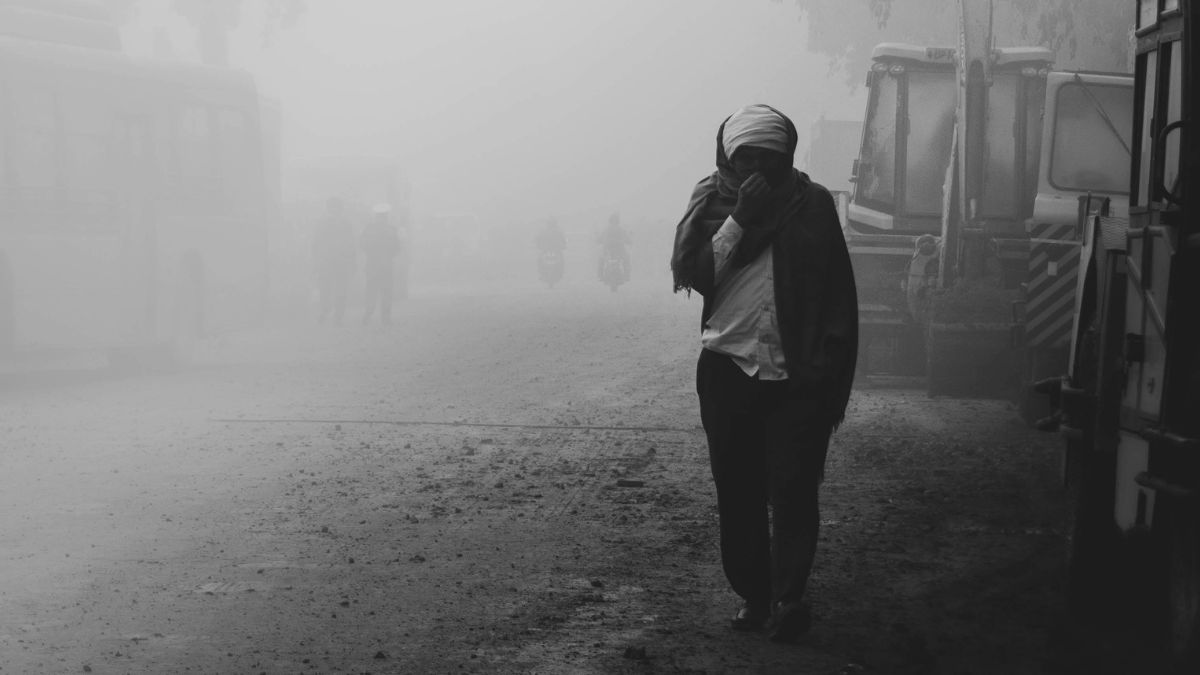
A new analysis of India’s urban air quality has revealed that weather conditions can significantly influence pollution levels, sometimes masking the real health burden faced by residents. The report, released by Climate Trends, argues that India’s clean air policies must account for seasonal and meteorological factors to effectively tackle particulate pollution across major cities.
The study analysed Central Pollution Control Board (CPCB) monitoring data from 2024–2025 across six major cities — Delhi, Patna, Kolkata, Mumbai, Chennai, and Bengaluru — and found that meteorological conditions alone can shift pollution levels by up to 40 percent even without changes in emissions.
Researchers say the findings highlight a major gap in India’s National Clean Air Programme (NCAP) and recommend that the upcoming Phase-III reforms include season-specific targets, weather-adjusted evaluation metrics, and dynamic action plans triggered by atmospheric conditions.
Delhi’s extreme winter pollution
The report highlights Delhi as continuing to experience the most severe pollution crisis in the country. The capital recorded the highest annual average PM2.5 levels among the cities analysed and experienced prolonged periods of “Severe” and “Emergency” air quality days.
A particularly alarming finding is that Delhi recorded zero clean air days during winter, despite apparent annual improvements in pollution metrics.
According to the researchers, this discrepancy arises because annual averages can hide seasonal pollution spikes that occur during unfavourable weather conditions such as low wind speeds and high humidity.
“This study shows that a 20–30% reduction in annual PM2.5 does not translate into winter air-quality compliance in stagnation-prone cities like Delhi and Patna, where over 70% of days fall under low-wind, high-humidity meteorological regimes. NCAP Phase-III must therefore adopt season-specific targets, meteorology-triggered interventions, and airshed-level management frameworks to achieve meaningful public-health gains,” Aarti Khosla, Founder and Director of Climate Trends, said in a statement.
Weather plays a decisive role
The report emphasises that air pollution is not simply an “emissions-only” problem. Instead, it is strongly shaped by how emissions interact with atmospheric conditions.
Periods of atmospheric stagnation — characterised by low wind speeds and high humidity — prevent pollutants from dispersing, allowing them to accumulate near the ground and intensify exposure levels for urban populations.
Sagnik Dey, Head of the Centre for Atmospheric Sciences at IIT Delhi, explained the scientific basis for this pattern.
“The persistence of PM2.5 exceedances is strongly associated with sub-1 m/s wind regimes and elevated relative humidity across northern cities, where stagnation episodes sustain disproportionately high exposure levels. Ventilation efficiency emerges as the dominant determinant of inter-city variability. However, current NCAP evaluation frameworks primarily assess observed concentration changes without explicitly accounting for meteorological modulation, potentially leading to distorted interpretations of policy effectiveness. Integrating meteorological regime analytics is therefore essential to ensure a scientifically robust and equitable Phase-III evaluation.”
The study also estimates that simply shifting from stagnant atmospheric conditions to well-ventilated ones could reduce PM2.5 levels by 35–40 percent, demonstrating the powerful role of weather in shaping urban air quality.
Emerging patterns across Indian cities
Beyond Delhi, the report identifies several emerging trends across India’s major urban centres.
Southern cities such as Bengaluru and Chennai, historically considered less polluted, are beginning to show signs of winter-time air quality deterioration, signalling a new vulnerability. Meanwhile, Mumbai and Chennai recorded increases in annual pollution levels in 2025, suggesting that pollution challenges are expanding beyond seasonal spikes into year-round concerns.
Patna continues to face an intensifying crisis, emerging as the second-most polluted city after Delhi, driven in part by persistent atmospheric stagnation across the eastern Indo-Gangetic Plain.
In contrast, Bengaluru stands out for maintaining relatively stable and lower pollution levels, reflecting what researchers describe as “structural air-quality resilience.”
Kolkata’s complex pollution dynamics
Kolkata presents a unique case where meteorology interacts strongly with local pollution sources.
Dr. Abhinandan Ghosh of IISER Kolkata said meteorological conditions play a key role in winter pollution episodes in the city. “As a community of atmospheric scientists, we have long cautioned against a simplistic rat race to replicate Western PM₂.₅ benchmarks, for the Indian subcontinent is endowed with its own meteorological idiosyncrasies, complex topography, and friable alluvial soils that elevate baseline particulate concentrations. The report vindicates this standpoint: in Kolkata, it is not emissions alone but the capricious tyranny of winter boundary-layer dynamics – attenuated mixing heights and enfeebled dispersion – that engenders the most deleterious pollution episodes.”
Professor Abhijit Chatterjee of the Bose Institute pointed to biomass and waste burning as major contributors to winter pollution in the city.
“Amongst several sources, at the current scenario, biomass and waste burning are the major concern in Kolkata especially in winter. The high load of PM2.5 exceeding national standards in winter, primarily due to these two sources which accumulate near the surface because of low dispersion and ventilation coefficients.”
Need for season-specific policies
The study concludes that India’s clean air strategy must move beyond a uniform annual target system and instead adopt seasonally calibrated and meteorology-aware policies.
Experts argue that incorporating weather dynamics into pollution management would help policymakers better assess the effectiveness of interventions and design more realistic mitigation strategies.
Without such reforms, the report warns, improvements in annual averages may continue to mask severe seasonal pollution episodes that pose serious health risks to millions of urban residents.


Study Finds Warming Could Slightly Boost Atmosphere’s Methane-Cleaning Capacity

How China Is Redrawing the Global Map of Critical Minerals

Magnetic Fields Found to Shape Star Formation Near Milky Way Disc

Researchers Use AI to Enable Robots to ‘See’ Through Walls

India’s Power Future: 70% Non-Fossil Capacity by 2035-36, But Grid Challenges Loom

How the Iran–Israel–US Conflict Ripples Through India’s Economy and Energy Future

AI in Classrooms: Threat to Learning or Catalyst for Educational Transformation?

Climate change heat impact affected over 2.5 billion people

Weather, Not Just Emissions, Driving PM2.5 Pollution in Indian Cities: Study

Study Reveals How Ocean Bacteria Drive Plastic Biodegradation

-

 Society3 months ago
The Ten-Rupee Doctor Who Sparked a Health Revolution in Kerala’s Tribal Highlands
-
COP305 months ago
Brazil Cuts Emissions by 17% in 2024—Biggest Drop in 16 Years, Yet Paris Target Out of Reach
-
Society3 months ago
From Qubits to Folk Puppetry: India’s Biggest Quantum Science Communication Conclave Wraps Up in Ahmedabad
-
Women In Science5 months ago
The Data Don’t Lie: Women Are Still Missing from Science — But Why?
-
Earth4 months ago
Data Becomes the New Oil: IEA Says AI Boom Driving Global Power Demand
-
COP304 months ago
Corporate Capture: Fossil Fuel Lobbyists at COP30 Hit Record High, Outnumbering Delegates from Climate-Vulnerable Nations
-
Space & Physics3 months ago
Indian Physicists Win 2025 ICTP Prize for Breakthroughs in Quantum Many-Body Physics
-
Health5 months ago
Air Pollution Claimed 1.7 Million Indian Lives and 9.5% of GDP, Finds The Lancet