
Health
Climate Change Contributed to 10,600 Excess Preterm Births in Asia During April 2024 Heatwave
A Zero Carbon Analytics briefing estimates that climate change contributed to around 10,600 excess preterm births across three Asian countries during the April 2024 heat event. Its projections indicate a higher burden in India and Bangladesh by mid-century.

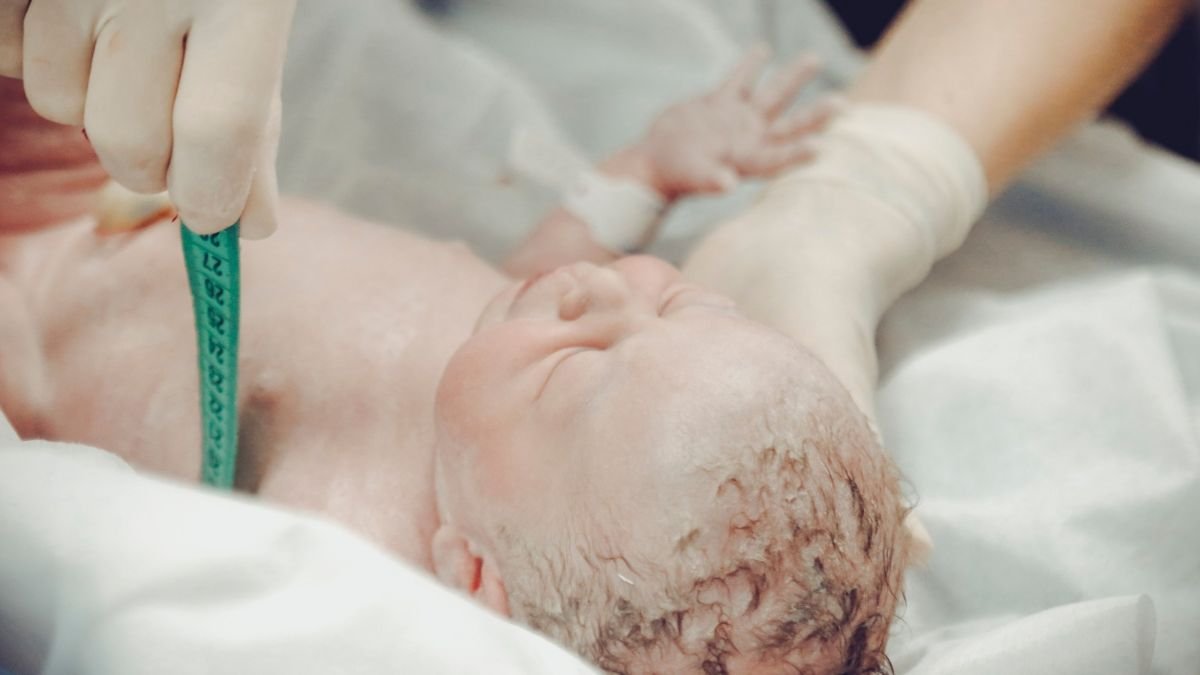
The extreme heat that swept across South and Southeast Asia in April 2024 may have contributed to more than 16,000 additional preterm births in India, Bangladesh and the Philippines, according to a new analysis by climate research organisation Zero Carbon Analytics. The report estimates that the heat event was associated with approximately 16,150 excess preterm births compared with the number expected during a typical April, based on temperatures recorded between 1991 and 2020. Of these, around 10,600 were attributed to the additional warming caused by human-induced climate change.
The estimates carry considerable uncertainty. The analysis places the range for heat-event-associated excess births between 10,100 and 22,400, while the estimate attributable to human-induced warming ranges from 5,100 to 17,700. The April 2024 event was made at least 45 times more likely by human-caused climate change. The heat persisted for about a month in India and Bangladesh and 15 days in the Philippines.
India: Highest Excess Preterm Births
India accounted for an estimated 10,050 excess preterm births, followed by Bangladesh with 5,515 and the Philippines with 585. The national increase, compared with a typical April, was estimated at 3.6% in India, 11.9% in Bangladesh and 10% in the Philippines.
Bangladesh recorded the highest rate of excess preterm births relative to the number of births, at approximately 19 per 1,000. The Philippines recorded around eight per 1,000. India’s figures varied considerably across states. Four states in the Indo-Gangetic region—Bihar, Uttar Pradesh, West Bengal and Jharkhand—accounted for 65% of India’s estimated excess preterm births. Their contribution reflects the combination of high population levels and substantial heat exposure during the event.
India’s average temperature in April 2024 was 0.94°C above normal. Several parts of the country experienced much higher anomalies, while nine states recorded temperatures below their respective averages. Tripura and Mizoram were approximately 2.7°C warmer than normal, with an estimated 11% increase in preterm birth risk.
West Bengal recorded a 10% increase in risk, Bihar 7% and Uttar Pradesh around 3%. Karnataka had the highest estimated excess rate, at 12 per 1,000 births. The state experienced a temperature anomaly of around 2°C and had a higher baseline preterm birth rate. The national estimate of 3.6% considers states that experienced warmer-than-normal conditions. Including the nine states that were cooler than average brings the estimated increase down to 3.2%.
Bangladesh had the Highest Excess Rate
Bangladesh recorded approximately 5,515 excess preterm births during the heat event, equivalent to around 19 per 1,000 births. Average temperatures were 2.88°C above normal. Dhaka and Chittagong together accounted for 47% of the country’s estimated excess births. The risk of preterm birth increased by approximately 10–15% across all divisions.
Mymensingh recorded the largest increase. Temperatures there were 3.59°C above normal, and the estimated number of excess preterm births was 24 per 1,000. Sylhet recorded the lowest rate, at 16 per 1,000. In the Philippines, the 15-day heat event was associated with an estimated 585 excess preterm births. Calabarzon accounted for around 100, while Metro Manila and Central Luzon recorded approximately 80 each. Metro Manila contributed 14% of the national estimate.
Average temperatures in the country were 2.44°C above normal. Cagayan Valley recorded a 15% increase in preterm birth risk, equivalent to around 12 excess births per 1,000. In Cagayan province, temperatures were 4.01°C above normal and the estimated risk increase reached 17%.
How Heat Affects Pregnancy
A preterm birth occurs when a baby is born alive before completing 37 weeks of pregnancy. Prematurity is a leading cause of neonatal mortality and can have lasting effects on a child’s physical development, neurological health and learning.
The study has found a relationship between high temperatures and an increased likelihood of premature delivery. A synthesis of studies cited in the Zero Carbon Analytics briefing found that a 1°C increase in heat exposure was associated with 4% higher odds of preterm birth. During heatwaves, the odds were 26% higher. Researchers are still investigating the biological processes behind this association. Heat exposure can cause dehydration and reduce blood flow to the placenta. It may also trigger inflammation and physiological responses that contribute to the onset of labour.
Pregnant women who undertake strenuous physical work or have limited access to drinking water face additional exposure. Poorly ventilated homes, metal and asbestos roofing, unreliable electricity and the cost of cooling can make it difficult to avoid excessive heat.
South Asia already has the world’s highest regional preterm birth rate. In 2020, the regional rate was 13.2%. India recorded 13%, Bangladesh 16.2% and the Philippines 7.7%. India accounted for approximately 20% of all preterm births worldwide that year. The briefing also cites research from Tamil Nadu that found pregnant women undertaking moderate to heavy physical work during heat stress had roughly twice the risk of miscarriage. This study examined miscarriage rather than preterm birth, but it provides further evidence of the reproductive health risks associated with occupational heat exposure.

How Climate Risks Affect Newborn Health and Survival
The briefing examines research linking high temperatures to other pregnancy complications. One global synthesis found that high heat exposure was associated with 28% higher odds of gestational diabetes and 48% higher odds of congenital anomalies. The evidence for these outcomes remains less extensive than that available on preterm birth. Floods, cyclones and other climate-related hazards also affect newborn health. In flood-prone areas of Bangladesh, infant death rates were estimated to be 8% higher. Research covering 1988–2017 attributed 152,753 excess infant deaths to flood exposure.
Exposure to cyclones during pregnancy or a child’s first year was associated with 10.4 additional infant deaths per 1,000 live births, a 27% increase. In India, studies have found higher rates of low birthweight in flood-affected regions. Poorer households exposed to floods also face a greater likelihood of low birthweight.
Air pollution adds to these health risks. In Bangladesh, exposure to fine particulate matter (PM2.5) was estimated to account for 4.4–4.9% of preterm births between 2015 and 2019. In India, maternal exposure to ambient PM2.5 during pregnancy was associated with 67% higher odds of preterm birth and 37% higher odds of low birthweight, after adjusting for temperature.
India Faces 15,300 More Preterm Births by Mid-Century
The report’s climate projections indicate that heat-related preterm births could increase by the middle of the century. Using climate model data for 2041–2060, it estimates around 15,300 excess preterm births during a typical April in India, compared with the historical baseline. The projected range is 6,800–28,100. For Bangladesh, the corresponding estimate is approximately 1,500, with a range of 630–2,900. The modelling uses two emissions pathways, SSP2-4.5 and SSP3-7.0.
India’s projected estimate is about 50% higher than the 10,050 excess births associated with the April 2024 event. Uttar Pradesh is expected to record the largest burden, followed by Bihar and Rajasthan. In Bangladesh, Dhaka is projected to have the highest number, followed by Chittagong and Rajshahi.
These projections depend on several assumptions. The model keeps the relationship between temperature and preterm birth unchanged and does not account for future physiological, behavioural or healthcare-system adaptation. It also incorporates projected declines in the number of births by mid-century—around 18% in India and 22% in Bangladesh. The figures represent a modelled estimate under specified climate and demographic conditions. They do not predict the exact number of preterm births that will occur.
Maternal Healthcare Plans and Heat Exposure
India has several programmes aimed at improving maternal and newborn health, including the India Newborn Action Plan and the Pradhan Mantri Surakshit Matritva Abhiyan. The programmes were not originally designed to address the specific health risks associated with extreme heat.
The Union Health Ministry has recently issued guidance on heat-related risks during pregnancy for healthcare professionals and community health workers. It covers the identification of high-risk pregnancies, warning signs, hydration, cooling, referrals and family preparedness. The National Programme on Climate Change and Human Health and state climate action plans could help incorporate these measures into maternal healthcare services. Existing state-level plans, however, have substantial gaps.
A review of 19 heat action plans and 16 state climate plans found that 12 of the 35 documents had no recommendations for pregnant or lactating women. The remaining 23 listed 214 strategies, of which only 40 specifically addressed pregnant or lactating women. Most recommendations focused on individual behaviour rather than structural measures such as improved housing, access to cooling and health-system support.
A September 2026 Wellcome Trust survey of 1,000 maternal healthcare professionals across five countries, including India, found that 73% had observed an increase in heat-related cases or complications among pregnant women over the previous five years. Around 92% said they needed more training and resources to manage these risks.
Bangladesh introduced national guidelines in 2024 through its Directorate General of Health Services and UNICEF to address heat-related risks among children and pregnant women. The Zero Carbon Analytics briefing did not identify a comparable heat-specific maternal health guideline or heat action plan in the Philippines.
Preparing for Heat-related Complications
Healthcare services can identify women at higher risk during antenatal visits and advise them on hydration, rest and reducing exposure during the hottest hours. Community health workers can monitor vulnerable pregnancies and help women access medical care when warning signs appear. Hospitals and primary health centres also need procedures to identify and manage heat-related complications.
Access to drinking water, affordable electricity, shaded workplaces and well-ventilated housing will influence how effectively women can protect themselves. Heat warnings need to reach pregnant women and their families in a form they can act on, particularly in communities where outdoor work and limited access to cooling make exposure difficult to avoid.
The April 2024 analysis estimates a substantial number of premature births associated with a single heat event across three countries. The projections for India and Bangladesh suggest that the pressure on maternal and newborn healthcare could increase as temperatures rise. Public health planning will need to account for heat exposure alongside existing risks such as undernutrition, air pollution and inadequate antenatal care.










Health
India Targets Recognition of One Lakh Tribal Healers. Can It Improve Healthcare and Livelihoods?
India’s Ministry of Tribal Affairs has set an indicative target to recognise one lakh tribal healers. The initiative seeks to document indigenous healing knowledge, improve healthcare outreach and explore livelihood opportunities for traditional practitioners.
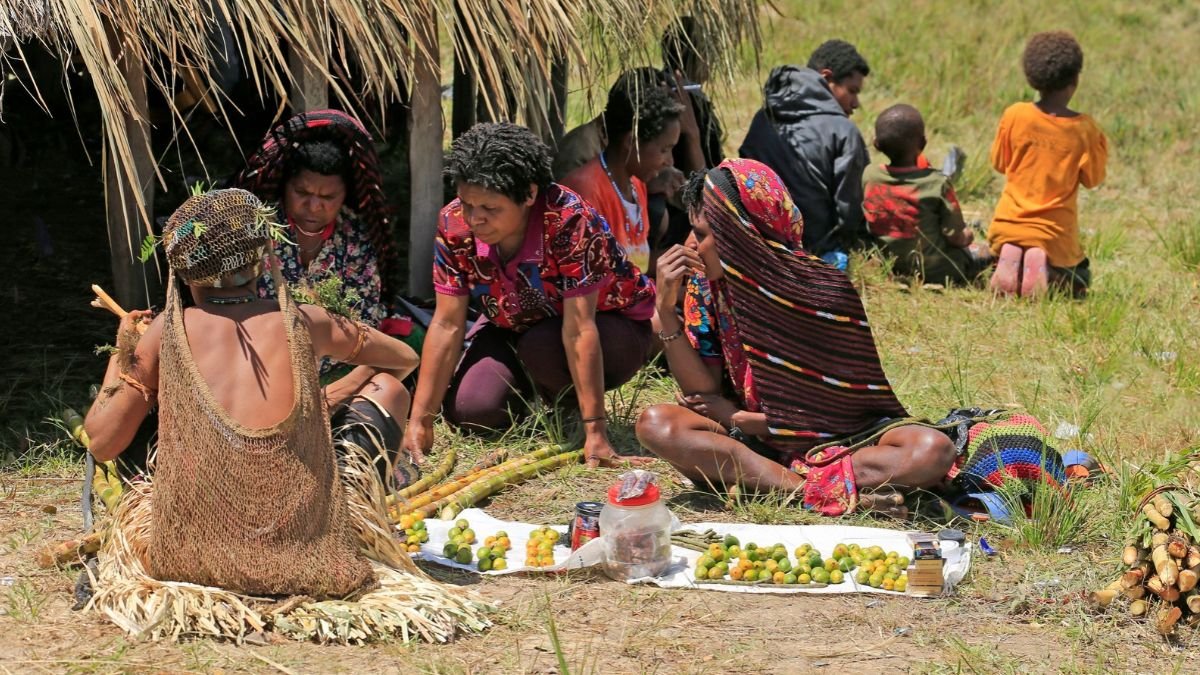
India has set an indicative target of recognising and enabling one lakh tribal healers as partners in its public healthcare system. The Ministry of Tribal Affairs, in collaboration with the Indian Council of Medical Research (ICMR), is organising capacity-building programmes to familiarise traditional practitioners with common health conditions, early identification of danger signs and referral procedures.
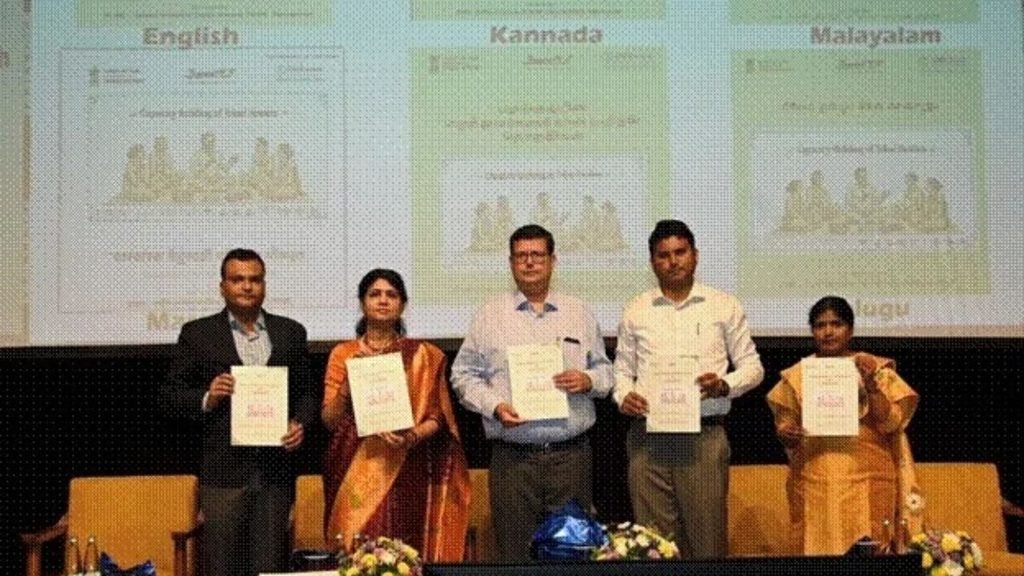
The latest program, held at Kanha Shanti Vanam in Hyderabad, brought together approximately 550 tribal healers nominated by State Tribal Welfare departments. Participants represented Andhra Pradesh, Goa, Karnataka, Kerala, Maharashtra, Odisha, Tamil Nadu, Telangana and Dadra and Nagar Haveli. The government’s target is one lakh, with state governments responsible for identifying and documenting practitioners.
What Specialities Do Tribal Healers Practise?
Traditional healthcare knowledge varies across tribal communities. It includes the use of medicinal plants, traditional preparations, assistance during childbirth, bone-setting techniques and culturally rooted healing practices.
For instance, a 2023 research study, Mapping of Traditional Healthcare Providers and Their Healing Approaches in a Tribal Community of District Sirohi, Rajasthan, identified 1,015 traditional healers among the Bhil, Meena and Garasia communities. It classified them into four categories: herbal healers (32.7%), diviners (28.9%), traditional birth attendants (24.7%) and bone setters (13.7%).
Herbal healers use plants and traditional preparations, while birth attendants assist women during childbirth. Bone setters manage musculoskeletal injuries through traditional methods. Diviners follow spiritual and ritual practices associated with understanding illness.
This illustrates the diversity of traditional healthcare roles within one district. They cannot, however, be treated as a nationwide classification. The November programme announcement does not provide a state-wise breakdown of participants or their individual specialities. This variation will need to be considered when the government develops recognition criteria and training modules. A common framework may help document practitioners, but their skills and community-specific knowledge require separate assessment.
Why Bring Tribal Healers to the Public Health System?
Traditional healers often have established relationships within their communities. Their familiarity with local languages, customs and geographical conditions can make them accessible sources of health advice, particularly in remote settlements where access to medical facilities is limited.
Tribal regions continue to face health challenges involving malaria, tuberculosis, leprosy, anaemia, undernutrition and maternal and child health. Geographical isolation and shortages of healthcare personnel can delay diagnosis and treatment. The November orientation programme addresses these gaps through training on communicable and vector-borne diseases, skin disorders, non-communicable diseases, metabolic and blood disorders, liver diseases and mental health conditions. It also covers referrals for snakebites, scorpion stings, animal bites, injuries, eye and ear disorders, oral health problems and newborn and infant care.
The emphasis is on recognising warning signs and directing patients to appropriate medical facilities. The programme does not authorise traditional healers to practise modern medicine or replace qualified healthcare professionals. Their potential role is particularly relevant to sickle cell disease, which affects several tribal populations. During the January 2026 national programme, experts from AIIMS Delhi discussed how healers could assist with early screening, counselling, addressing misconceptions and referrals. These activities could support India’s target of eliminating sickle cell disease as a public health problem by 2047.
Can Recognition Create Livelihood Opportunities?
Many traditional healers preserve knowledge through family and community traditions. However, their expertise often remains undocumented and receives limited institutional or economic recognition. The government’s initiative could provide a framework for documenting their skills, offering structured training and connecting practitioners with relevant institutions.
There is also scope for economic opportunities linked to traditional medicinal knowledge. During the January 2026 programme, the Ministry encouraged states to explore market linkages and partnerships with pharmaceutical and fast-moving consumer goods companies. These could support medicinal plant cultivation, community-based production and other enterprises involving traditional knowledge.
However, the government has not announced a specific remuneration package, employment guarantee or financial assistance for the 550 participants in the November programme. Training and certification alone do not establish a sustainable source of income. Any livelihood model will require fair compensation, access to markets and safeguards against the commercial exploitation of community knowledge.
Protecting Indigenous Knowledge
Documentation of traditional remedies raises questions about ownership and consent. Medicinal plant knowledge and healing practices are often preserved collectively over generations. Recording them without adequate safeguards could expose communities to unauthorised commercial use.
In its April 2, 2026, parliamentary response, the Ministry of Tribal Affairs stated that State Governments have primary responsibility for documenting indigenous tribal medical knowledge and preventing its misuse. The Ministry has also prepared a Standard Operating Procedure for capacity-building programmes that incorporates prior informed consent and respect for traditional knowledge systems.
These provisions will need effective implementation. Communities should understand what information is being recorded, who can access it and how commercial use will be regulated. Benefit-sharing arrangements are particularly important if companies develop products using indigenous knowledge. Conservation is another concern. Increased demand for medicinal plants could place pressure on forest resources if harvesting is not managed sustainably.
What Will Determine the Programme’s Success?
The Ministry’s wider efforts include the Bharat Tribal Health Observatory under Project DRISTI, established through a partnership with ICMR’s Regional Medical Research Centre, Bhubaneswar. It aims to strengthen tribe-specific health surveillance and research, with attention to malaria, tuberculosis and leprosy.
The national orientation programme and the observatory provide institutional avenues for connecting community-level knowledge with public health planning. Their effectiveness will depend on continued engagement with state health departments, accessible referral systems and training suited to different categories of healers.
Patient safety also requires clear boundaries. Traditional remedies cannot be presumed safe or effective without appropriate scientific evaluation. Practitioners must be able to identify emergencies and refer patients without delaying diagnosis or treatment.
Health
Dementia Risk Extends to Middle Age in Rural India, New Study Finds
A new study in rural Andhra Pradesh identifies probable dementia among adults aged 45–59, highlighting the importance of early attention to cognitive health and associated risk factors.


Dementia, commonly associated with older age, may affect people much earlier than generally recognised. A new study conducted in rural Andhra Pradesh has identified probable dementia among adults aged 45–59, drawing attention to the need to address cognitive health before individuals reach old age.
Published on October 19, 2026, in the Journal of Global Health, the study found that 3.4% of participants aged 45–59 screened positive for probable dementia. Among participants aged 60 and above, the proportion increased to 7.4%.
Titled Prevalence and determinants of probable dementia in rural India: a cross-sectional study in the APCAPS cohort, the research examined 2,163 adults aged 45 and above from 29 villages near Hyderabad. The researchers analysed data collected between 2021 and 2023 through the Andhra Pradesh Children and Parents Study (APCAPS) cohort.
The research team included investigators affiliated with the ICMR-National Institute of Nutrition, the Public Health Foundation of India, the London School of Hygiene and Tropical Medicine and Chiang Mai University.
Education, Occupation and Stroke Emerge as Key Factors
The researchers used the Brief Community Screening Instrument for Dementia (BCSI-D) to identify probable dementia. They also examined its association with educational attainment, occupation, household assets and cardiometabolic conditions, including diabetes, hypertension, cardiovascular disease and stroke.
One of the strongest associations emerged between stroke and probable dementia. Participants with a history of stroke had 3.77 times higher odds of screening positive for probable dementia than those without such a history.
Education also emerged as an important factor. Literate participants had approximately half the odds of probable dementia compared with illiterate participants. The adjusted odds ratio was 0.54, indicating a significant association between literacy and cognitive health.
Occupation showed another notable association. Participants who were unemployed or retired had 2.23 times higher odds of probable dementia than those engaged in agriculture or animal rearing.
However, the researchers cautioned that the study’s cross-sectional design does not establish that unemployment or retirement causes dementia. Cognitive difficulties may also contribute to individuals leaving employment.
Interestingly, the study did not find statistically significant associations between hypertension or diabetes and probable dementia. The researchers noted that the relatively small number of probable dementia cases and other factors could have influenced these findings. The absence of a significant association does not establish that these conditions have no effect on cognitive health.
Rural Communities Face a Growing Cognitive Health Challenge
The findings add to existing evidence on dementia prevalence in India. A nationwide study published in Alzheimer’s & Dementia in 2023, using data from the Longitudinal Ageing Study in India (LASI), estimated that 7.4% of Indians aged 60 and above were living with dementia, representing approximately 8.8 million people.
The national study also reported a higher prevalence in rural areas (8.4%) than in urban areas (5.3%), highlighting geographical differences in the burden of dementia.
The latest research extends this discussion by examining adults below 60, an age group that has received comparatively less attention in dementia research. Based on its findings, the researchers estimated that the 3.4% screening-positive rate among adults aged 45–59 could translate to approximately 8.1 million people nationally requiring further diagnostic evaluation. However, this is an illustrative projection based on a rural southern Indian cohort and should not be interpreted as a national prevalence estimate.
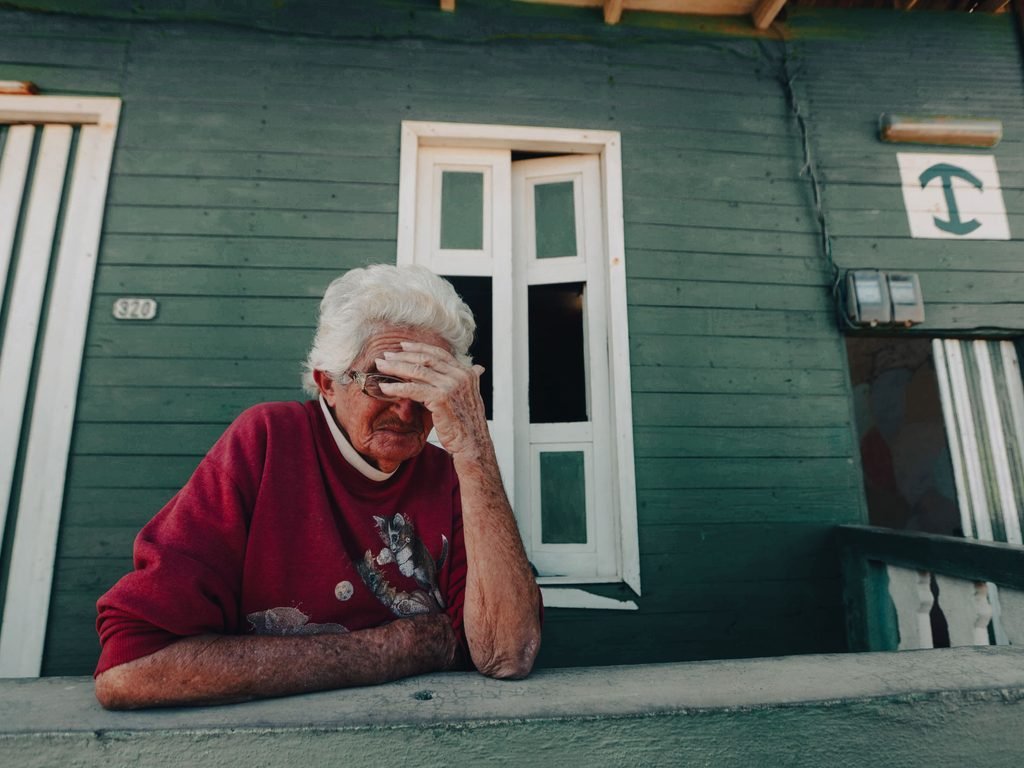
Representative image.Image credit:Pexels
The researchers also acknowledged limitations in identifying dementia through screening instruments. A positive screening result does not constitute a clinical diagnosis. Differences in literacy and familiarity with formal cognitive assessments could influence screening performance, particularly in populations where educational opportunities are limited.
They called for longitudinal studies and clinical diagnostic confirmation to establish the prevalence and progression of dementia among middle-aged adults.
The findings highlight the importance of integrating cognitive health into broader public-health planning, particularly through greater attention to vascular risk factors and the needs of stroke survivors. As India’s population ages, the study suggests that dementia prevention and early identification may need to begin well before individuals enter older adulthood.
Health
FSSAI Moves to Restrict Added Sugars in Infant Foods, Citing Need for Stronger Nutritional Safeguards
FSSAI has proposed restricting the addition of sucrose and fructose to infant foods for babies up to six months. The draft amendment aims to strengthen nutritional safeguards.

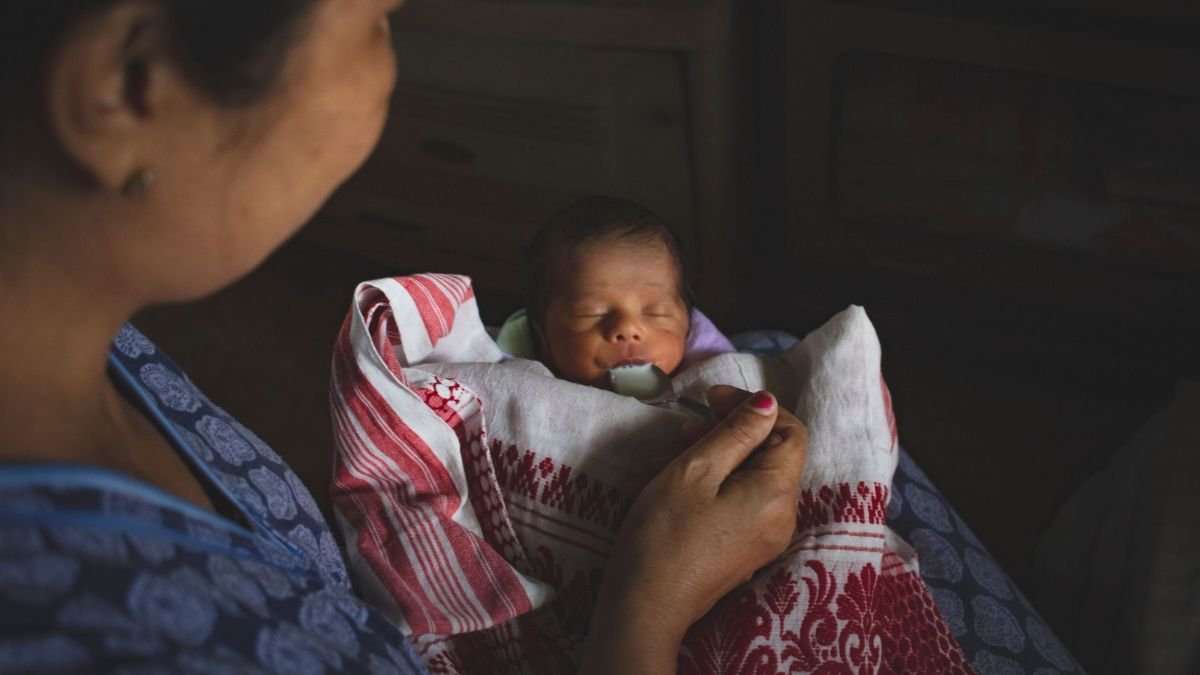
The first months of life leave little room for nutritional guesswork. An infant’s food must supply the energy and nutrients needed for growth, making the composition of commercial infant nutrition products a matter of public health. Whether manufacturers need to add particular sugars to these products is therefore an important regulatory question.
Research published in recent years has begun examining how added sugars enter infants’ diets, including through formula milk, and whether early exposure is associated with subsequent eating patterns and weight gain. Although the evidence does not establish that added sucrose or fructose in infant formula directly causes obesity, it has raised questions about the nutritional value of adding sugars when alternative carbohydrate sources are available.
Against this backdrop, the Food Safety and Standards Authority of India (FSSAI) has proposed prohibiting the addition of sucrose and fructose to food products intended for infants up to six months of age. The draft amendment, published in the Gazette of India on 16 October 2026, would tighten the existing rules governing the composition of these products.
Early Exposure to Added Sugars
An Indian study published in the Indian Journal of Community Medicine in 2021 examined the sugar and salt content of 114 commercially available infant formulas and baby foods. The researchers found that around 28% of the products had a high-sugar profile, while approximately 51% listed sugar or related ingredients among their first four ingredients.
The study covered products intended for children aged up to 24 months, including infant formulas and complementary foods. Its findings offer evidence that sugar content warrants scrutiny in India’s infant and young-child food market. However, the assessment relied on product labels and did not establish whether the products caused adverse health outcomes. It also did not demonstrate that infant formulas intended specifically for babies under six months routinely contained added sucrose or fructose.
Research elsewhere has examined possible links between added sugars in infant formula and early growth. A 2025 study published in The Journal of Nutrition followed 234 infants from predominantly low-income households in the United States. Researchers assessed dietary intake at six, nine and 12 months and found an association between higher added-sugar intake from formula and higher weight-for-length scores.
For every additional 10 grams of added sugar consumed daily through formula, weight-for-length scores increased by an average of 0.060. The study was observational, so it cannot establish that sugar caused the difference. Its findings also cannot be directly generalised to Indian infants.
A separate study published in Frontiers in Nutrition in 2023 examined dietary data from 95 infants and toddlers aged nine to under 16 months. It found an association between added sugars consumed through infant formula and sugar-sweetened beverage consumption later in infancy. The researchers did not establish a significant association between formula-derived added sugars and added-sugar intake from table foods. The small sample and cross-sectional design limit the conclusions that can be drawn.
These studies examine different aspects of early sugar exposure: the composition of products available in India, associations with infant weight and possible links with later dietary patterns. None establishes that the proposed restriction will prevent childhood obesity. They do, however, provide grounds for examining whether particular sugars need to be added to products intended for very young infants.
Infant’s Food: Why the First Six Months Matter
The World Health Organization (WHO) and UNICEF recommend exclusive breastfeeding during the first six months of life, followed by the introduction of appropriate complementary foods at around six months while breastfeeding continues.
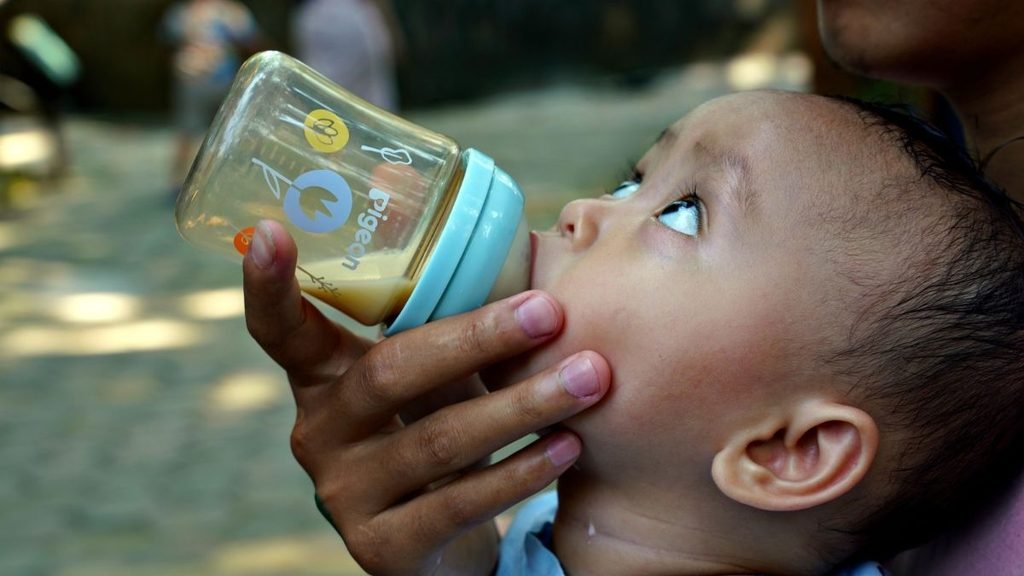
For infants who require an alternative to breast milk, appropriately formulated infant formula can provide essential nutrition. Its carbohydrate composition must meet nutritional requirements for growth and development. The question for regulators is whether adding particular sugars serves a necessary nutritional purpose in products designed for this age group.
WHO’s 2023 guideline on complementary feeding recommends that children aged six to 23 months should not consume foods high in sugar, salt and trans fats. Its evidence review identified associations between sugar-sweetened beverage consumption during infancy and later obesity in some studies, although the certainty of the evidence was low. The recommendation concerns the broader diet of children aged six months and older; it does not specifically establish the effects of sucrose or fructose in infant formula.
The distinction between naturally occurring sugars and added sugars is equally important. Milk naturally contains lactose, which provides energy. Sucrose and fructose may instead be introduced as ingredients during product formulation. Their use needs to be assessed against the nutritional requirements of the intended age group.
What the FSSAI Amendment Proposes
Under the Food Safety and Standards (Foods for Infant Nutrition) Regulations, 2020, lactose and glucose polymers are the preferred carbohydrate sources in infant nutrition products. The existing rules permit sucrose and/or fructose when required as a carbohydrate source, subject to prescribed limits.
The draft Food Safety and Standards (Foods for Infant Nutrition) Amendment Regulations, 2026, proposes prohibiting the addition of sucrose and fructose to products intended for infants up to six months of age. This would remove the existing allowance for these two sugars in products for this age group. FSSAI has invited objections and suggestions from stakeholders within 60 days from the date on which copies of the relevant Gazette notification are made available to the public. The submissions will be considered before the amendment is finalised.


Indian universities lead Asia in research output per faculty, but the country’s top six all slip in QS ranking

Greener Forests, Weaker Carbon Sinks? Study Finds Declining Productivity in Northeast India

Climate Change Contributed to 10,600 Excess Preterm Births in Asia During April 2024 Heatwave

Neuropixels Probes Allow Scientists to Record Hundreds of Brain Cells at Once, Opening New Possibilities for Neuroscience

Overshooting 1.5°C Could Trigger Irreversible Damage to Earth’s Ice Systems, Warns UN-Backed Report

Knowing When to Think for Ourselves: AI, Intuition and the Education of Discernment

After a Scorching Summer, Delhi’s Children Are Slow to Return Outdoors

Two Chemists Win Nobel Prize for Solving a Century-Old Puzzle: Why Life Picks One Hand Over the Other

Climate Change, Overfishing and the Uncertain Future of Bangladesh’s Hilsa Fishermen

Europe Braces for Extremes as Commission Unveils Climate Resilience Framework

-

 Math3 months ago
The 2026 Fields Medals: Four Proofs, Four Decades-Old Problems Solved
-
EP Deep Dive: Data & Solutions3 months ago
After Kerala’s Deadliest Landslide, the Hardest Thing to Rebuild Was Childhood
-
EP Deep Dive: Data & Solutions4 months ago
West Asia Crisis: Can Kerala’s Returning Gulf Migrants Find a Future in the Green Economy?
-
Space & Physics5 months ago
India Semiconductor Mission: ‘It’s Not About Fabs. It’s About Building An Entire Ecosystem’
-
Interviews1 month ago
From Scams to Screens: How the National Stock Exchange Rewrote India’s Equity Story
-
Climate5 months ago
The Climate World Cup? How Climate Change Could Affect Player Performance at the 2026 World Cup
-
Society4 months ago
What Is Civilisational Diplomacy? Understanding India’s Newest Foreign Policy Tool
-
Society5 months ago
From Bell Labs to the Classroom: A Second Career in Teaching