
Health
India Beat Hunger. Now It Has to Make Healthy Food Affordable
India has significantly reduced hunger through its food security programmes, but more than 520 million people still cannot afford a healthy diet. As food prices rise and nutrition gaps persist, India’s next challenge is ensuring that every family can access balanced, affordable meals.

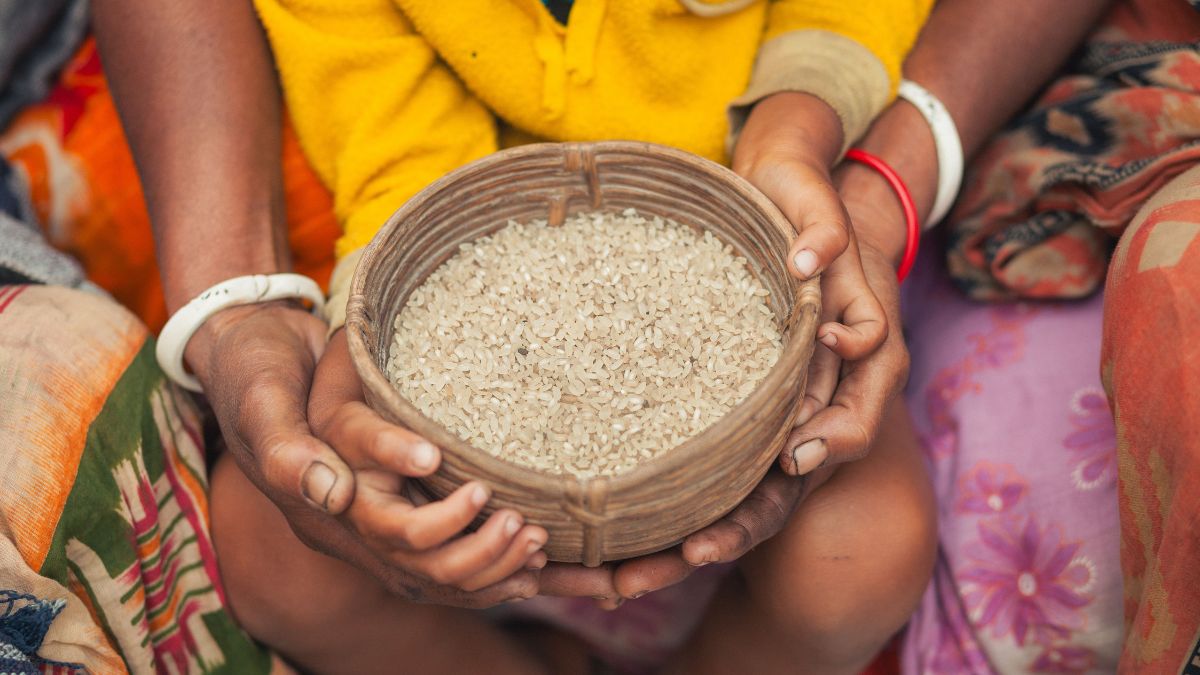
India has largely beaten hunger, but food security now faces a new test. A new UN report finds that while fewer people are undernourished, the high cost of healthy diets continues to keep nutritious food out of reach for millions.
Every month, nearly 800 million Indians collect subsidized rice and wheat from ration shops through the Public Distribution System (PDS). For millions of families, these grains ensure that no one sleeps hungry and ensure food security. It is one of the country’s biggest social protection programs and a key reason why hunger has steadily declined over the years. But as India wins one battle on food security, another is becoming harder to ignore.
The State of Food Security and Nutrition in the World (SOFI) 2026 report, released by the UN’s food and health agencies on 21 July, estimates that more than 520 million Indians cannot afford a healthy diet. More than one in every three people may have enough calories to get through the day but still struggle to regularly buy fruits, vegetables, pulses, milk, eggs and other nutrient-rich foods.
The contrast reveals a shift in India’s food security challenge. Hunger is no longer the country’s biggest concern. Nutrition is.
Food Security: India Solved the Problem of Empty Stomachs
India’s food security system was designed to tackle famine and chronic food shortages. The Green Revolution transformed cereal production, while government procurement and subsidised food distribution made rice and wheat accessible to poor households. During the Covid-19 pandemic, free food grain distribution further strengthened this safety net, protecting millions from falling into extreme hunger, ensured food security.
The strategy has worked. According to SOFI 2026, the prevalence of undernourishment in India has fallen from 21.1% in 2004-06 to 9.8% in 2023-25, a decline of roughly 101 million people, from 243.9 million to 142.5 million. Fewer Indians today are unable to consume the minimum calories required for a healthy life. For decades, this was the country’s biggest food security challenge.
Why Healthy Food Remains Out of Reach
Calories have become relatively affordable, while nutrition has become expensive. For many families, buying rice is rarely the problem. Buying milk every day, eggs for children or enough vegetables through the week often is. The imbalance is reflected not only in food prices but also in what Indians eat.
A study comparing Indian diets with the EAT-Lancet healthy diet found that among the poorest rural households, cereals provide around 70% of daily calories. By contrast, protein-rich foods contribute only 6-8% of total calories, far below the 29% recommended under the EAT-Lancet healthy diet. Even the richest Indian households consume fewer fruits, vegetables and non-cereal protein sources than recommended.
The affordability gap widens further when food prices rise. The share of Indians unable to afford a healthy diet has fallen sharply, from 59.8% in 2017 to 35.5% in 2025 — but SOFI 2026 puts the cost of that diet at US$4.11 per person per day (PPP) in 2025. Globally, the cost of a healthy diet has climbed from US$2.94 in 2017 to US$4.28 in 2025, an increase of roughly 45%.
Research published in the journal Food Policy paints a similar picture. It found that rural Indians typically spend only about US$1 per person per day on food, while a healthy diet costs between US$3 and US$5 per person per day. Much of that gap comes from the higher cost of fruits, dairy products and protein-rich foods.
Raj Patel, professor at the University of Texas at Austin and an expert with the International Panel of Experts on Sustainable Food Systems (IPES-Food), says this imbalance is rooted in the way food systems are organised.
“When 645 million people are hungry and one in three cannot afford a healthy diet, this is a failure of political choices. Healthy diets are becoming a luxury for billions, while farmers are paid less and consumers pay more. That isn’t an accident — it’s the result of a food system where a handful of powerful traders, processors and retailers set the prices and pocket the profits.”
His observation resonates in India, where cereals remain affordable through public support, while nutritious foods often become the first items families stop buying when household budgets tighten.
A Full Stomach Does Not Always Mean Good Nutrition
For decades, food security has largely been understood as having enough food on the plate.
According to neurologist Dr Arun Oommen, representative to the United Nations Economic and Social Council (ECOSOC), that understanding needs to evolve.
“The biggest misconception in India is that people think if their stomach is full, there is no malnutrition. People eat what is cheaply available, but those foods often lack the proteins, vitamins and minerals needed by the body.”, he told EdPublica
He says the pattern is especially common among low-income households, where meals are built around rice, with only small portions of vegetables or protein-rich foods.
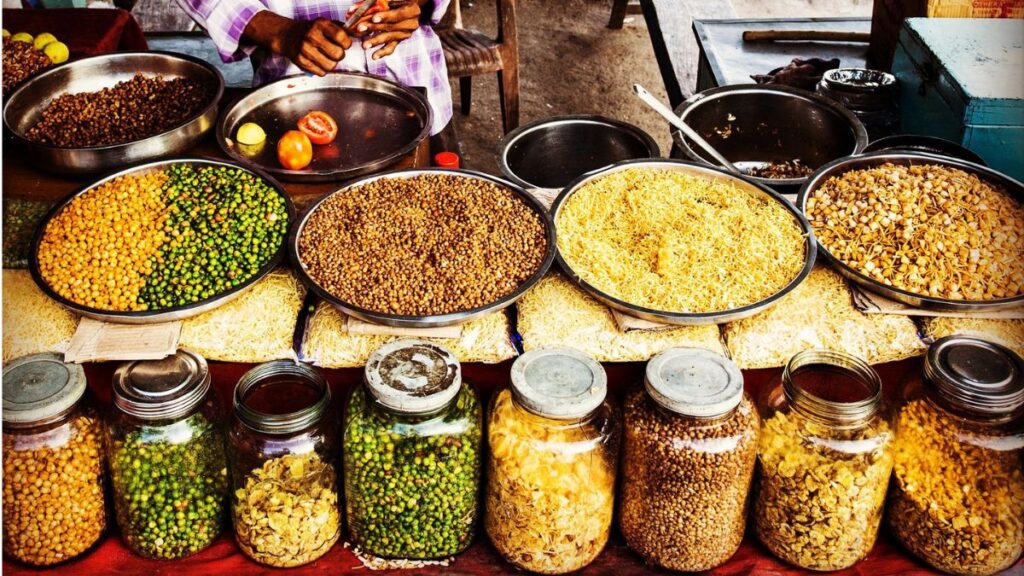
“Without adequate proteins, vitamins and minerals, the brain, muscles and other organs cannot develop properly. Many low-income families depend largely on carbohydrate-rich diets, with large portions of rice and very little protein or vegetables.”
The effects are often hidden. Children may get enough calories to avoid hunger but still miss out on the nutrients needed for healthy growth and brain development.
The Hidden Face of Malnutrition
The consequences are visible in India’s nutrition indicators. SOFI 2026 records that child stunting has fallen from 41.7% in 2012 to 32.9% in 2024 (from 53.3 million to 37.4 million children) — real progress, but still meaning more than one in three Indian children under five have low height for their age. Wasting stood at 18.7% (22.2 million children) in 2024, and anaemia among women aged 15-49 has risen from 50.1% in 2012 to 53.7% in 2023, now affecting 203.5 million women. These are signs not simply of inadequate food, but of diets that lack diversity.
This is where India’s food security story enters a new phase. Rice and wheat remain essential because they protect people from hunger. But they cannot, on their own, provide the balanced nutrition needed for healthy lives. As food inflation, climate change and disruptions to agricultural production continue to push up the prices of fruits, vegetables and pulses, nutritious diets become even harder to afford.
Jennifer Clapp, Canada Research Chair at the University of Waterloo and an IPES-Food expert, warns that global food systems face growing uncertainty.
“Global hunger remains stubbornly high. And the outlook for 2026 is deeply worrying. Geopolitics is increasingly shaping food security, with conflict, fertiliser disruptions, trade tensions, and El Niño-driven climate shocks threatening yet another surge in food prices.”
For India, another round of food price increases could widen the gap between escaping hunger and eating well.
The Next Step in India’s Food Security Journey
India has shown that large-scale public policy can reduce hunger. Few countries have built a food distribution system that reaches hundreds of millions of people every month. The next challenge is making healthy food just as accessible as cereals.
As Dr Oommen puts it: “Rice and wheat are important, but relying on them alone can create nutritional deficiencies. People need to include more vegetables, fruits and protein-rich foods in their diet.”
India’s food security story is no longer only about ensuring that people have enough to eat. It is about ensuring they can afford to eat well. The country’s next measure of success may not be how many empty stomachs it eliminates, but how many families can finally put a balanced, nutritious meal on the table.









Health
Worms in Tuna? Why a Brazil Study Has Triggered an Indian Advisory
A Brazil study found parasites in 51 of 53 skipjack tuna, including some in muscle tissue. CMFRI says the finding should not be applied to Indian tuna.
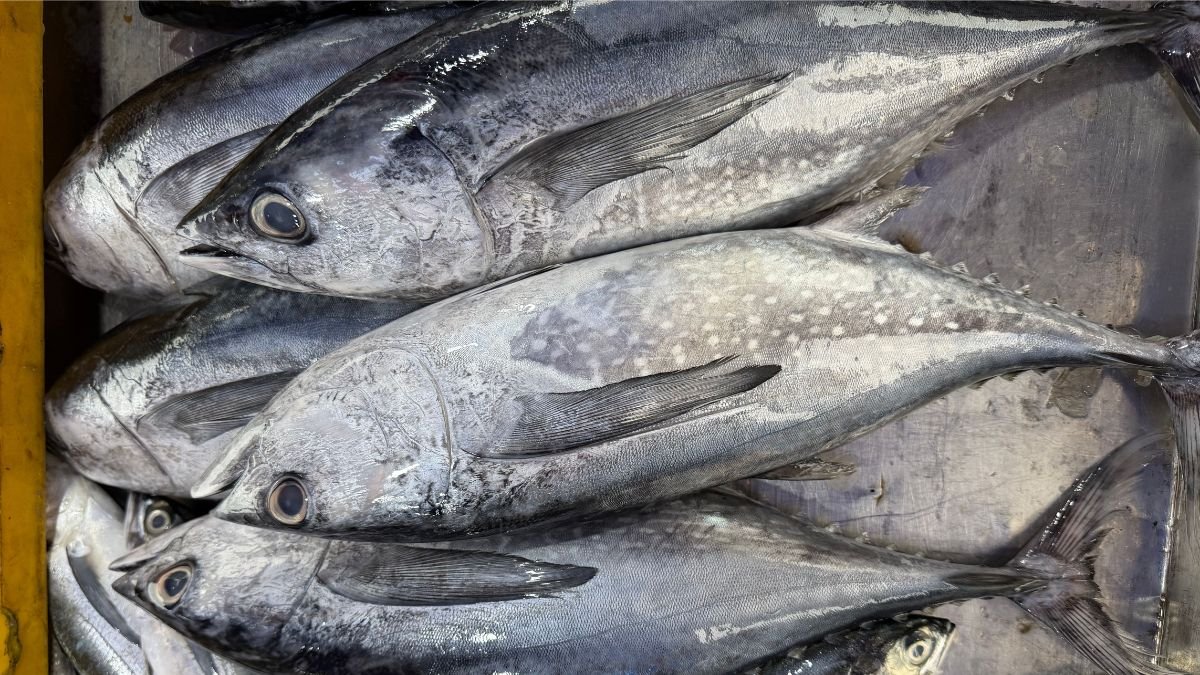
Is tuna safe to eat? That question has gained attention after a study from Brazil found a high prevalence of parasites in skipjack tuna. The researchers found parasites in 51 of 53 fish they examined. More importantly, some of the parasites were found in the muscle tissue, the part of the fish that people eat. The finding raised a food-safety concern. Some fish parasites, including Anisakis, can infect humans when contaminated seafood is eaten raw or inadequately cooked. This makes the presence of parasites in edible fish tissue more than a biological curiosity.
The concern has also reached India, where tuna is widely consumed. But the Brazilian study was conducted on fish caught in the Atlantic Ocean off Brazil. It does not tell us how common these parasites are in tuna caught in Indian waters. That distinction is now at the centre of an advisory from the ICAR-Central Marine Fisheries Research Institute (ICAR-CMFRI), Kochi.
What did the Brazil Study Find?
Researchers examined 53 skipjack tuna (Katsuwonus pelamis) caught off the Brazilian coast. Parasites were found in 51 fish, or 96% of the sample. The researchers recorded more than 1,500 parasites. They included Anisakis and parasites belonging to the Trypanorhyncha group.
The finding that drew the most attention was their presence in muscle tissue. Parasites were detected in the muscle of 31 fish, accounting for 58.5% of the sample. This is relevant to consumers because the muscle is the part of the fish that is normally eaten.
The researchers also pointed to the importance of removing the internal organs soon after the fish is caught. Proper handling can help reduce the movement of parasites from the viscera into the muscle.
Why did this Raise Questions in India?
The concern is easy to understand. If parasites can occur in the flesh of skipjack tuna, consumers may wonder whether the same thing happens in tuna sold in India. Parasite prevalence can differ between geographical regions. It can also depend on local ecological conditions and the availability of intermediate or secondary hosts such as copepods, according to CMFRI.
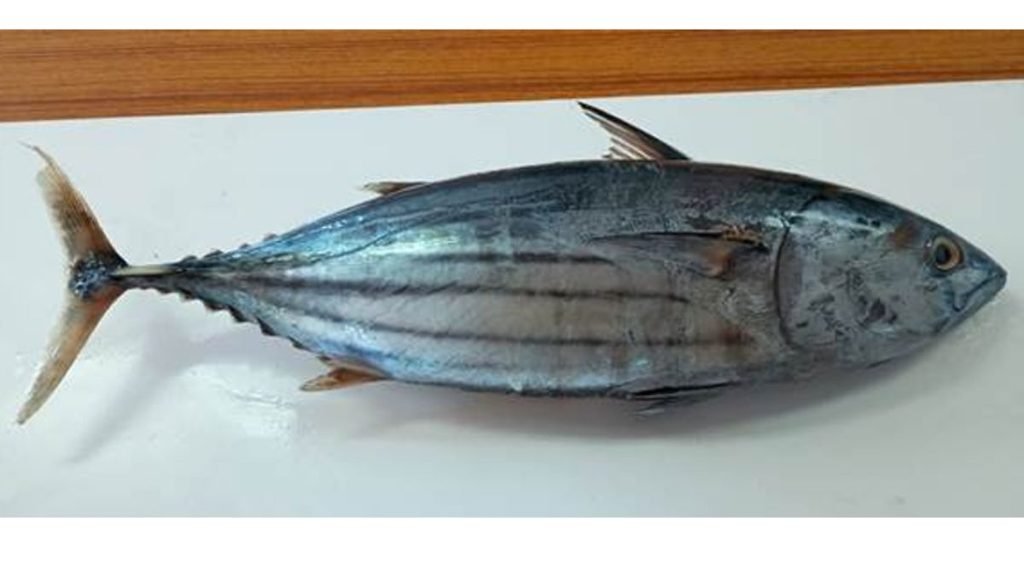
The study therefore does not establish that Indian tuna has the same parasite prevalence as the Brazilian sample.
What does CMFRI Say?
CMFRI has advised consumers not to avoid tuna or other commercially available fish simply because parasites have been reported in fish from a particular region. The institute says fish examined along the Indian coast, including tuna, have not shown external manifestations of harmful parasitic infestation.
CMFRI also says its scientists regularly examine fish, including skipjack tuna, for abnormalities and parasites. “Scientists at CMFRI regularly examine fish, including skipjack tuna, as part of fish biology studies and observe fish for abnormalities and parasites whenever necessary. The fish examined do not show external manifestations of harmful parasitic infestation,” said Dr Grinson George, Director, ICAR-CMFRI.
What Should Consumers Do?
CMFRI recommends proper handling and cleaning of fish. Prompt removal of the intestines and other viscera is important during processing. Thorough cooking provides another layer of protection. CMFRI says proper cooking kills parasites and significantly reduces the associated food-safety risk.
The concern is greater with raw or lightly cooked seafood. In such cases, the parasite burden of the particular fish and how it has been processed become important factors.
For Indian consumers, the Brazilian study is not evidence that Indian tuna is unsafe. The more immediate lesson is about food handling. Clean fish properly, remove the viscera promptly and cook it thoroughly. There is no need to avoid tuna solely because parasites were reported in fish from Brazil.
Health
Could a cellular barcode reveal where ageing is happening?
MIT researchers have developed a “multimodal barcode” to identify senescent cells, helping scientists study their role in ageing and age-related changes in tissues.
Skin loses elasticity, muscles become weaker and injuries can take longer to heal as we age. But many changes linked to ageing begin much earlier, inside our cells. Some cells eventually enter a state called senescence. They stop dividing but remain alive. Senescent cells are a normal part of the body and can help with development, wound healing and tissue repair. As they build up with age, however, they have been linked to inflammation and changes in how tissues function.
Scientists are interested in these cells because of their possible role in ageing and age-related diseases. But the main problem about studying them is that some of the methods used to find them, destroy the cells in the process. Researchers often look for proteins such as p16 and p21, which help control cell division. Other methods examine which genes are active inside a cell. These techniques can provide detailed information, but they usually require cells to be processed or destroyed.
Researchers at MIT have now combined two types of information to find senescent cells without relying entirely on these destructive methods. They used Raman microscopy, which uses light to reveal the chemical makeup of cells, alongside gene-expression data from individual cells.
Together, the measurements helped the team identify a set of features that can distinguish senescent cells. They describe this combination as a “multimodal barcode” for cellular senescence. The study, published in Nature Aging, used skin and lung tissue from mice that were two months and 26 months old.
Reading the Chemical Makeup of a Cell
Raman microscopy works by measuring how light changes when it interacts with molecules in a cell. The pattern of scattered light provides information about the chemicals present in the tissue. One advantage of the technique is that it can examine tissue without destroying the cells. The researchers combined these measurements with information about which genes were active in the cells and where those cells were located in the tissue. They found several differences between young and older tissue. Cells in both the skin and lungs of older mice showed increased production and build-up of fats, known as lipids.
The changes were not the same in every tissue. In the lungs, older cells showed greater activity in genes linked to immune responses and inflammation. In the skin, the researchers found changes in processes involved in collagen and the structure that supports cells and tissues.
The team then looked for Raman signals that were closely linked to senescence. They combined the most useful chemical signals with gene-expression patterns to build their barcode. One of the signals was linked to lipids and appeared around 1,131–1,135 cm⁻¹ in the Raman spectrum. It was associated with cells carrying the senescence marker p21.
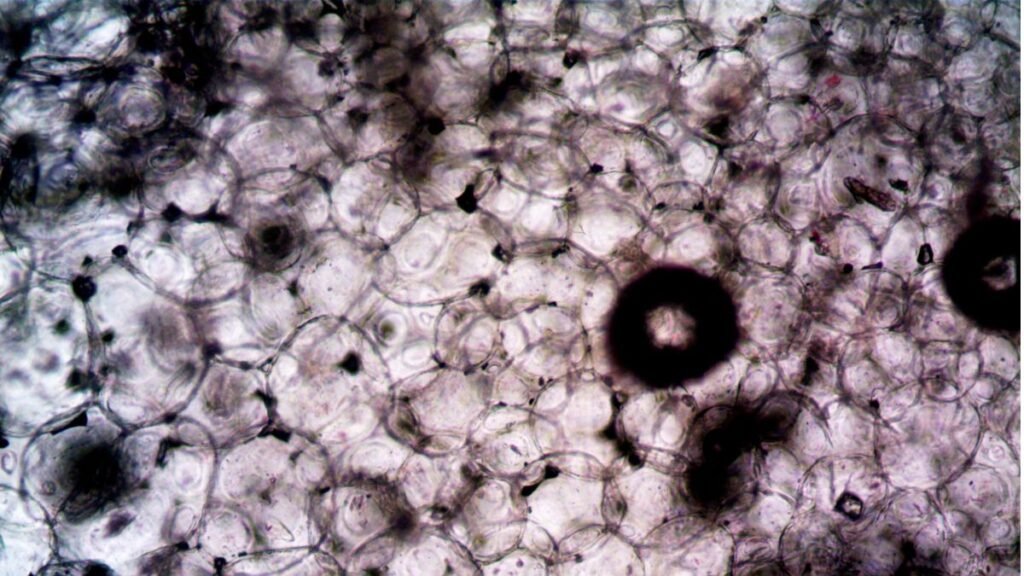
The researchers used machine learning to combine the different signals. The result was a set of chemical and genetic features that could help distinguish senescent cells from other cells. If the approach works in human tissue, researchers may eventually be able to look for a smaller number of these chemical signals instead of testing for individual markers.
Why Longevity Researchers are Interested
Senescent cells are now an important area of longevity research, which looks at why we age and how people might stay healthy for longer. One approach being studied is the use of senolytics, drugs designed to remove certain senescent cells.
Most research on senolytics has been carried out in cells and animals. Human studies are still limited, and there is no evidence yet that removing senescent cells can extend human lifespan. A 2024 clinical trial involving 60 postmenopausal women tested the drugs dasatinib and quercetin for their effects on bone health. The treatment did not meet the study’s main goal across all participants, although the researchers reported some early findings that they said need further study.
One reason researchers need better ways to detect senescent cells is that they still do not fully understand which of these cells should be targeted, where they are found or how they change in different tissues. A method that can find these cells without destroying the tissue could help researchers answer some of those questions and study potential treatments.
Could This Eventually be Used in People?
The MIT system is still at an early stage. At present, analysing about one square millimetre of tissue takes around 30 hours. The researchers are working on a faster system that could scan larger areas. They also need to test the method in human tissue.
The current study was carried out in mice, so the researchers cannot yet assume that the same chemical signals will identify senescent cells in people. They will need to test the barcode across different human tissues and determine how well it can distinguish senescence from other changes that occur in cells.
The researchers have suggested that, in the future, similar technology could potentially be used in an endoscope to look for senescent cells inside the body. That remains a long-term possibility rather than a current medical application. For now, the study gives scientists another way to study cellular ageing. By combining information about the chemicals inside cells with information about their genes, the researchers have identified a set of signals that could help them find senescent cells more easily.
For longevity research, that could be useful. Before scientists can decide whether certain senescent cells should be removed or treated, they first need to know where those cells are and what they are doing.
Health
When Health Care Becomes a Target, Patients Pay the Price
WHO has recorded 914 attacks on health care in 2026, killing 911 people and injuring 1,486 across 19 countries and territories. Since 2017, more than 10,400 attacks have been documented, highlighting the growing risks to health workers, patients and essential medical services during conflict.

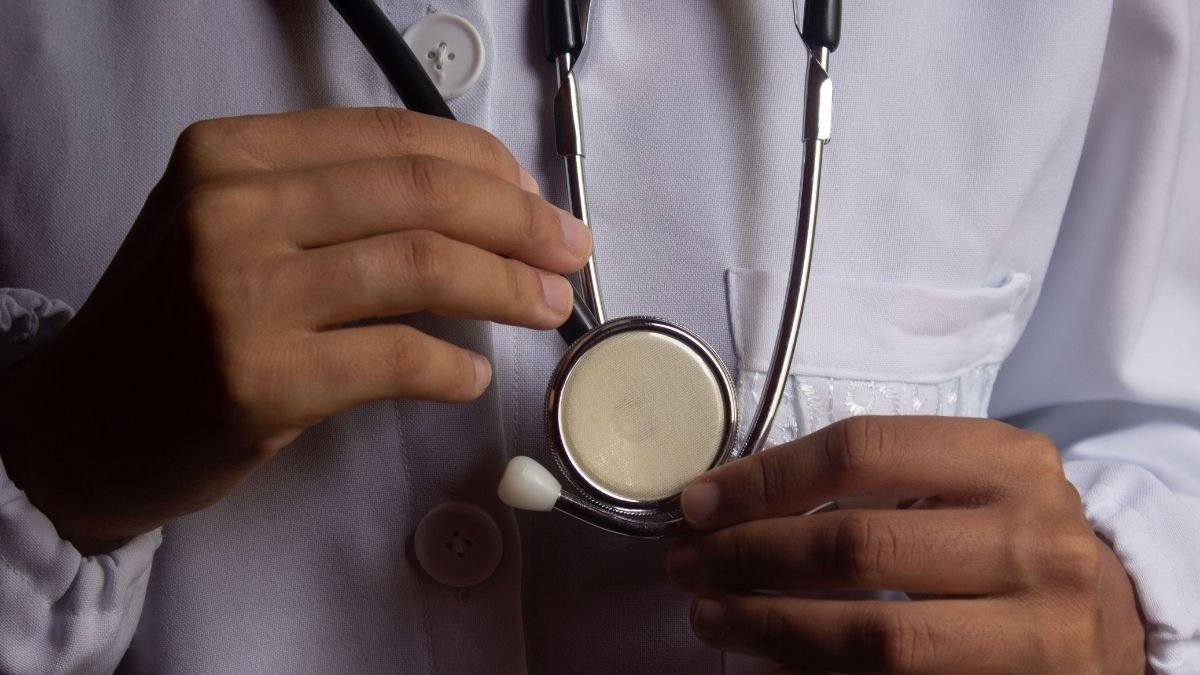
Health workers are expected to move towards people in danger. In many conflict zones, that same act of providing care is putting them in danger. The World Health Organization (WHO) recorded 914 attacks on health care in 2026 so far, resulting in 911 deaths and 1,486 injuries across 19 countries and territories. Most of the reported attacks have occurred in Ukraine, Lebanon, the occupied Palestinian territory and Myanmar.
The figures were released around World Humanitarian Day on August 19, when WHO renewed its call for health workers, patients, medical facilities and ambulances to be protected during conflicts. Since WHO began systematically documenting attacks on health care in December 2017, it has recorded more than 10,400 attacks across 29 countries and territories, resulting in more than 5,700 deaths and 8,500 injuries.
The numbers represent more than attacks on individual doctors or hospitals. When a health centre is bombed, an ambulance is stopped or a health worker is threatened, people who may never have been involved in the conflict can lose access to essential treatment.
What Counts as an Attack on Health Care?
WHO’s surveillance system covers violence, threats, obstruction and other acts that interfere with the availability, access or delivery of health services during emergencies. The attacks can affect health workers, patients, facilities and medical transport. That means the damage is not limited to deaths and injuries.
A damaged hospital may lose operating rooms, beds, medicines or electricity. An ambulance that cannot safely reach a patient can turn a treatable emergency into a fatal one. Health workers may leave areas where they no longer feel safe, leaving communities with fewer doctors and nurses.
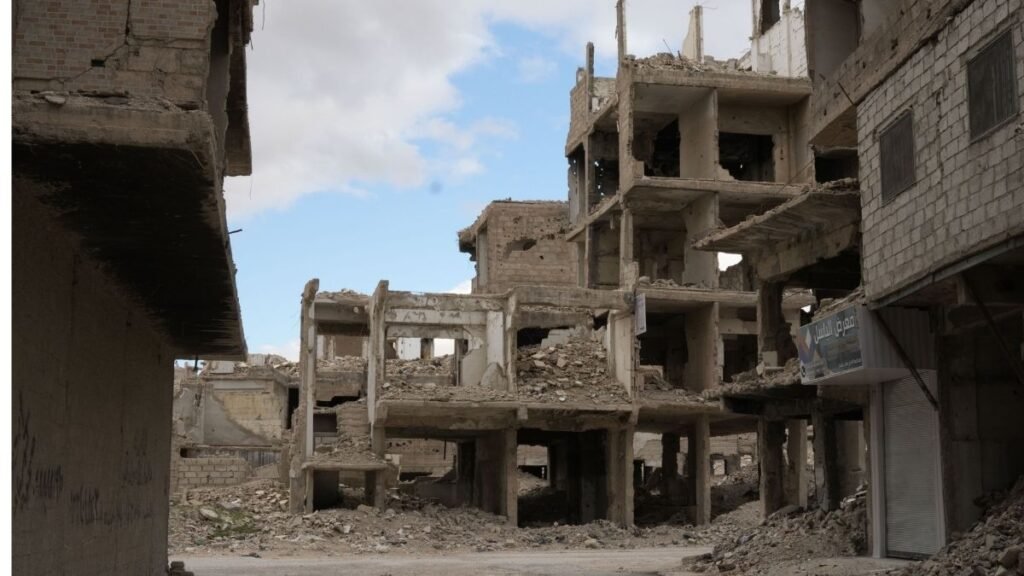
A systematic review of research on attacks on health care in conflict found that these attacks can include bombing, looting, burning, occupation and obstruction of facilities, as well as threats, detention and physical attacks against health workers and patients. The researchers also noted significant gaps in documentation, making the available numbers likely to represent only part of the problem. WHO’s earlier analysis of attacks in fragile and conflict-affected settings similarly found that attacks reduce health-care capacity and interrupt services, affecting vulnerable populations long after the immediate incident.
The Effects Continue After the Attack
The loss of a health worker has consequences beyond the individual. A systematic mapping of 474 studies on health workers in conflict and post-conflict settings found evidence of threats, detention and killings, as well as health-worker displacement. In some conflicts, large numbers of medical professionals have left affected areas, contributing to shortages that persist after the fighting subsides.
This creates a cycle: conflict increases the need for medical care while simultaneously making it harder to provide that care. The consequences can extend to routine services such as maternal care, childhood immunisation and treatment for chronic diseases. A health system weakened by attacks may also be less prepared for disease outbreaks and other emergencies.
India has Its Own Warning Signs
India is not among the countries driving WHO’s current global conflict tally, but the protection of health care is not an abstract issue here. In Manipur, where intercommunal violence began in May 2023, the Safeguarding Health in Conflict Coalition documented eight incidents of violence against or obstruction of health care in 2024. Health facilities were attacked on five occasions. The incidents included a grenade delivered to a hospital and a bomb thrown at a medical university campus. Routine immunisation, maternal health services and treatment for chronic diseases were disrupted.
The Manipur case shows why attacks on health care matter even when the number of incidents is relatively small compared with the world’s largest conflicts. A single attack can affect an entire catchment area when alternative facilities are limited.
Research from Assam provides another perspective. A study of ASHA workers in conflict-affected districts found that they faced difficulties arranging transport and accessing remote health facilities during and after episodes of violence. Their physical safety was also at risk, while displacement and the breakdown of social relationships created additional pressures on their work.
These community health workers are particularly important because they connect people in remote communities with the formal health system. When conflict prevents them from travelling safely, the disruption reaches households far beyond the site of the violence.
Violence in Indian Hospitals is a Different, But Related, Problem
There is an important distinction between attacks on health care in armed conflict and violence against health workers in ordinary health-care settings. They should not be treated as the same phenomenon. India, however, has a significant problem with workplace violence against medical professionals.
A 2026 study published in the National Medical Journal of India, based on 439 doctors’ responses, found that 80.2% had faced or witnessed workplace violence. Verbal abuse was the most common form, followed by physical and sexual violence. Respondents reported effects on their mental health that could last from weeks to a year. Another study involving emergency-department health-care providers in two Indian settings found that 68% reported verbal abuse and 26% physical abuse among the events examined. Patient relatives and other bystanders were reported as the most common perpetrators.
India responded during the COVID-19 pandemic by amending the Epidemic Diseases Act in 2020. The amendment made violence against health-care personnel during an epidemic a cognizable and non-bailable offence, with penalties that can include imprisonment and fines.
But the persistence of violence suggests that legal protection alone does not guarantee safety.
Protection is Part of Health Care
International humanitarian law already provides protections for medical personnel, facilities and transport during armed conflict. UN Security Council Resolution 2286, adopted in 2016, specifically condemned attacks against medical facilities and personnel and called for stronger compliance with international humanitarian law.
A decade later, the problem remains. The Safeguarding Health in Conflict Coalition’s latest assessment argues that the consequences extend to millions of people who lose access to health care when facilities and workers are attacked. It has called for stronger accountability mechanisms and greater political action to enforce existing protections.
The central issue, therefore, is not simply how many doctors, nurses or patients are killed. It is what happens to everyone who needs care after the health system around them has been damaged. When a hospital becomes a conflict zone, it is a maternity ward that cannot admit a woman, a clinic unable to vaccinate a child, an ambulance that cannot reach an injured person, or a doctor who decides it is no longer safe to stay. Protecting health care is ultimately about protecting the ability of people to receive care when they need it most.


Worms in Tuna? Why a Brazil Study Has Triggered an Indian Advisory

IEA’s New Report on What Would a Net-Zero Compatible Electricity System Require

As Indian Cities Change, What Happens to the House Sparrow?

JWST Finds Water Around a Dying Star Near the Milky Way’s Black Hole

How India’s River Dolphins Navigate a Changing River System

From Scams to Screens: How the National Stock Exchange Rewrote India’s Equity Story

Farmers Borrowed to Build ‘Diggis’. Two Years Later, They Are Still Waiting for the Subsidy

Aim for the Stars: Anjali Thomas’s Journey from a Small College in Kerala to the Frontiers of Medical Imaging

When the Himalayas Collapse Without Warning, What Counts as Preparedness?

Anxiety Freezes Career Decisions. Curiosity Unfreezes Them

-

 Math2 months ago
The 2026 Fields Medals: Four Proofs, Four Decades-Old Problems Solved
-
Climate2 months ago
After Kerala’s Deadliest Landslide, the Hardest Thing to Rebuild Was Childhood
-
Society3 months ago
West Asia Crisis: Can Kerala’s Returning Gulf Migrants Find a Future in the Green Economy?
-
Space & Physics4 months ago
India Semiconductor Mission: ‘It’s Not About Fabs. It’s About Building An Entire Ecosystem’
-
Interviews2 days ago
From Scams to Screens: How the National Stock Exchange Rewrote India’s Equity Story
-
Climate4 months ago
The Climate World Cup? How Climate Change Could Affect Player Performance at the 2026 World Cup
-
Society2 months ago
What Is Civilisational Diplomacy? Understanding India’s Newest Foreign Policy Tool
-
Society3 months ago
From Bell Labs to the Classroom: A Second Career in Teaching