
Climate
India Doesn’t Need More Climate Awareness. It Needs Climate Agency
India’s climate conversation is shifting from awareness to action. Climate communication researcher Jagadish Thaker explains why growing concern about climate change must translate into agency, skills, employment and meaningful participation in the clean-energy transition.


India may not have a climate-awareness problem. It may have an action and agency problem. That is one of the central questions emerging from the work of Dr. Jagadish Thaker, a Senior Lecturer at the University of Queensland and a Principal Investigator on the Yale Program on Climate Change Communication’s research on public attitudes towards climate change in India.
Thaker studies how people understand climate change, how media and communication shape public opinion, and what turns concern into action. His recent work has provided one of the most detailed pictures yet of how Indians perceive climate change and the country’s clean-energy transition.
The latest Climate Change in the Indian Mind survey, conducted by the Yale Program on Climate Change Communication and CVoter, interviewed 5,427 Indian adults between December 2025 and February 2026. It found that 88% of Indians are worried about global warming and 84% say they have personally experienced its effects. At the same time, 50% say they know little or nothing about global warming, while 84% believe it is happening.
For Thaker, that apparent contradiction is important. People may not always use the language of climate science, but their experiences of heat, floods, changing rainfall and other environmental changes are shaping how they understand the issue.
The findings also point towards a larger challenge: how can climate communication help people move from recognising the problem to participating in solutions?
In this conversation with EdPublica, Thaker discusses what India’s changing climate attitudes reveal about public understanding, why extreme weather can be a powerful entry point for climate communication, and why climate education should connect climate action with jobs, skills, innovation and community participation.
“The challenge now is turning concern into sustained engagement and effective action”
Climate communication has traditionally focused on raising awareness. But your latest survey suggests Indians are already deeply concerned about climate change. What should the next phase of climate communication look like?
The first communication challenge is understanding how much Indians know about the causes and consequences of climate change. Our findings indicate that awareness is low, but a brief explanation is all that is required for Indians to connect their experience with extreme weather events to climate change. So, we must help people make sense of the scientifically accurate causes and consequences, so Indians understand that the problem is not rooted in local issues alone but is also a global issue.
The second communication challenge is to move beyond awareness and focus more on efficacy, agency and solutions. People need credible information about what governments, businesses, communities and households can do, how clean-energy transitions create jobs and improve air quality, and how local actions connect to larger climate goals.
In short, the next generation of climate communication should help people see not only the problem, but also realistic pathways towards solutions and resilience.
The biggest communication story in this survey is not that Indians are unaware of climate change. It is that many Indians who know little about the term ‘global warming’ nevertheless recognise environmental changes around them, report experiencing climate impacts personally, and strongly support climate and energy solutions.
The challenge now is turning concern into sustained engagement and effective action. Extreme weather may be changing how Indians understand climate change
Dr. Jagadish Thaker, Public concern about climate change has risen over the past decade. What do you think has changed?
According to a recent study between 1995 and 2024, Indians faced 430 extreme weather events, including cyclones, floods and severe heat waves, which resulted in around 80,000 deaths and USD 170 billion in economic losses.
The India Meteorological Department has also reported that India recorded its eighth-warmest year on record in 2025. These experiences matter because people often understand climate change through what they experience in their daily lives. Extreme heat, changing rainfall, floods and droughts can make an otherwise abstract global issue much more tangible.
“Climate education should not focus only on risks”
Ninety-five percent of Indians support renewable-energy training for women and youth. How important is climate education in schools and communities?
The support is remarkable. Ninety-five percent favour a national programme prioritising training youth and women for renewable-energy jobs, and 93% support renewable-energy job training more generally.
These findings suggest that climate communication should not focus only on risks. Indians appear highly interested in solutions, skills and opportunities.
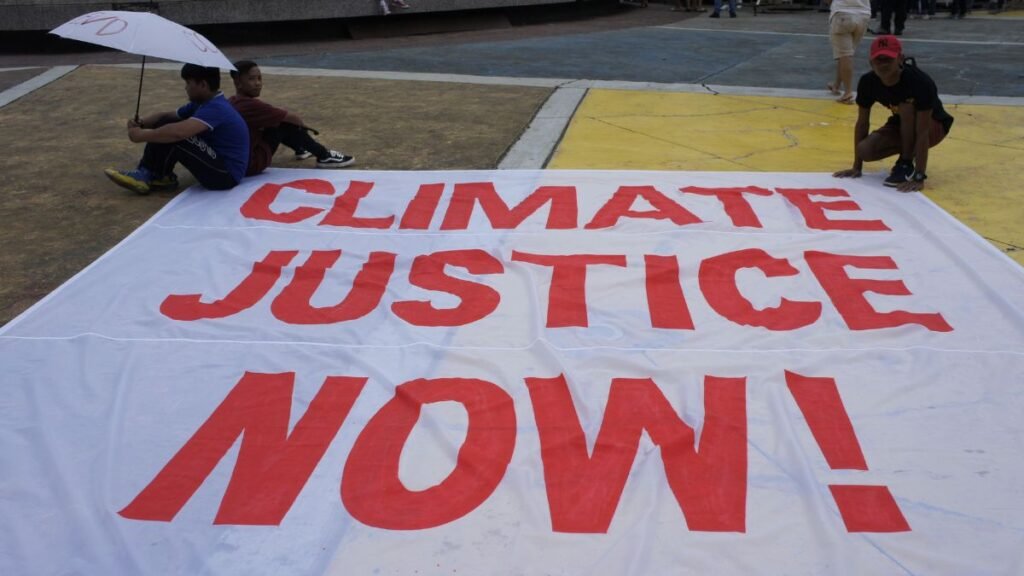
Effective climate education can help people understand climate change, but it can also help them see pathways to participate in the transition through employment, innovation and community action. Education is most powerful when it links climate action to everyday benefits and opportunities. Public support may not be the biggest barrier to India’s energy transition
Most Indians support replacing coal with solar and wind. But coal remains central to India’s electricity system. Why is it difficult to bring about behavioural change and effective public policy even when public opinion is this strong?
Public opinion is an important factor shaping energy systems. Infrastructure investments, energy security concerns, employment, institutional capacity and economic considerations all influence policy outcomes.
There are also ongoing challenges around technology upgrades and funding for major changes across the economy and country.
What is striking in our data is how consistently supportive Indians are of the energy transition. These findings suggest that public opinion may be less of a barrier to climate and energy policy than is often assumed.
For communicators, one challenge is helping people understand how long-term energy transitions actually occur and what role citizens can play in them.
Nearly one in three Indians say they have already moved or considered moving because of climate-related disasters. What does this reveal about how climate change is reshaping everyday life?
Twenty-eight percent of Indians report that they have either already moved (11% ) or considered moving (18%) because of weather-related disasters such as extreme heat, droughts, flooding or sea-level rise. Climate change is already influencing decisions about where people live
From a communication perspective, these findings suggest that climate change is not just an environmental issue. It is increasingly affecting decisions about livelihoods, homes and community stability.
“Indians perceive climate change as a present-day reality”
India is among the world’s largest carbon emitters, yet its per-capita emissions remain far below those of most developed countries while it also faces significant climate impacts. How should we understand this imbalance?
Questions about responsibility and equity extend beyond the scope of this public-opinion survey.
What our findings show is that Indians perceive climate change as a present-day reality. Fifty-seven percent say people in India are already being harmed by global warming, 84% say global warming will harm people in India, and 85% say it will harm future generations.
Regardless of broader debates about responsibility, climate change is widely viewed by Indians as a significant and immediate challenge, and there is strong support for the government to pursue ambitious action plans on climate change and the clean-energy transition.
Your survey covers one of the world’s most diverse populations across 12 languages. What important regional differences lie beneath the national averages?
Absolutely. National averages are useful, but they never tell the entire story. India is extraordinarily diverse geographically, culturally, economically and politically. Many climate attitudes vary across regions and populations. India’s national averages hide significant regional differences.
Readers interested in these differences should explore the Yale Climate Opinion Maps for India, which provide state- and district-level estimates of climate beliefs, risk perceptions and policy support.
Those maps reveal substantial geographic variation that national averages can conceal, while also showing that concern about climate change and support for many climate policies are widespread across much of the country.
If this survey were conducted after an even more intense summer, would public concern rise further, or have we already reached a ceiling?
We cannot know without collecting the data. Public opinion often responds to highly visible and personally experienced events. However, concern is already extremely high in this survey. Ninety-two percent say global warming is at least somewhat important to them personally.
One interesting question for future research is how extreme weather events affect not just concern, but support for specific adaptation and mitigation policies.










Climate
India Scores Just 2 Out of 32 for Integrating Health into Climate Commitments
India has scored just 2 out of 32 in a global assessment of how national climate commitments integrate public health. The 2026 Healthy NDC Scorecard highlights gaps in India’s approach to air pollution, climate-related health risks and the implementation of health-focused climate action.


India has scored just two out of a possible 32 points for integrating health into its climate commitments, placing it among the lowest-performing countries in a new global assessment of national climate plans. The findings highlight a significant gap between climate policy and public health in a country grappling with severe air pollution and growing exposure to climate-related hazards.
The Healthy NDC Scorecard, published on October 14 by the Global Climate and Health Alliance (GCHA), assessed the climate plans of 132 countries that submitted their 2035 commitments to the United Nations Framework Convention on Climate Change before August 1, 2026. Nationally Determined Contributions (NDCs) outline the climate actions countries intend to undertake under the Paris Agreement.
India’s score of 2 out of 32 indicates that its latest climate commitment does not adequately recognise the connections between climate change, air quality and human health. Japan and New Zealand received the same score, placing all three among the lowest-scoring countries in the assessment.
The findings are particularly significant for India because the country continues to face a substantial burden of air-pollution-related deaths. The scorecard cites State of Global Air data indicating 186.2 air-pollution deaths per 100,000 people in India, underscoring the scale of the public health challenge.
Health missing from climate planning
The scorecard evaluates national climate commitments across eight categories: health impacts, air pollution, health-sector action, health co-benefits, just transition, integrated governance, economics and finance, and monitoring and implementation.
Each category carries a maximum of four points. Together, they assess whether governments recognise the health consequences of climate change and pollution, outline measures to address them, provide for implementation and monitoring, and connect climate action with wider public health benefits.
India’s scorecard records zero points in six categories: health impacts, air pollution, health-sector action, health co-benefits, just transition, and economics and finance. It receives one point for integrated governance and one for monitoring and implementation.
The assessment also identifies India among the countries that do not refer to air-pollution considerations in their NDCs, despite its high air-pollution mortality burden. The report further states that India’s emissions-reduction targets have been assessed by Climate Action Tracker as not aligned with the Paris Agreement.
These findings suggest that the challenge extends beyond setting emissions targets. Climate commitments also need to address how rising temperatures, deteriorating air quality and extreme weather affect people, and how governments will monitor and finance measures to reduce those risks.
Developing countries lead the rankings
The results show that stronger integration of health into climate planning is possible. Colombia topped the assessment with 29 points, followed by Nigeria with 25 and Cambodia with 24. Paraguay and Timor-Leste completed the top five, scoring 22 points each.
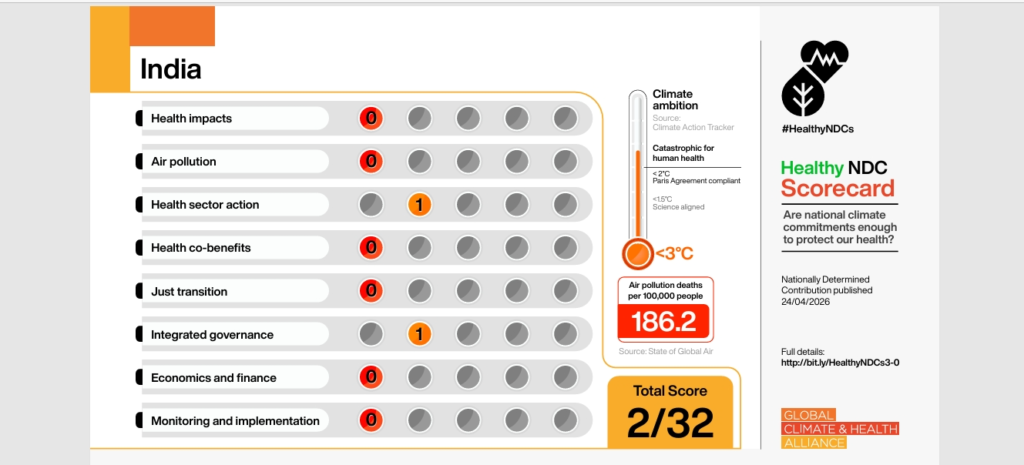
India Scores Just 2 Out of 32 for Integrating Health into Climate Commitments. Image credit:NDC Scorecard
Notably, 19 of the 20 highest-scoring countries were low- and middle-income economies. Colombia’s performance demonstrates how health considerations can be incorporated more comprehensively into national climate commitments.
However, the report cautions against interpreting a higher health score as evidence that a country is doing enough to reduce emissions. Nigeria, for example, combines a high score for health integration with strong climate ambition, while several other high-emitting economies have not matched their attention to health with sufficiently ambitious emissions-reduction targets.
The European Union scored 12, while China, Brazil and the United Kingdom scored nine, seven and nine respectively. The assessment found that these and other major emitters continued to fall short of the emissions reductions needed to protect health.
The findings illustrate two related requirements for effective climate policy: governments must recognise and address the health consequences of climate change, while also reducing emissions sufficiently to limit future warming.
Air pollution offers an immediate opportunity
The GCHA report identifies reductions in short-lived climate pollutants as an opportunity to deliver simultaneous climate and health benefits. These include black carbon, methane, hydrofluorocarbons (HFCs) and tropospheric ozone, which contribute to warming and, in several cases, harm human health through air pollution.
Only five countries — Cambodia, Chile, Colombia, Costa Rica and Paraguay — included targets to reduce black carbon in their climate commitments, according to the assessment.
Reducing these pollutants can slow near-term warming while improving air quality and reducing associated health risks. The report argues that these measures can generate benefits within relatively short periods, alongside the longer-term necessity of cutting carbon dioxide emissions.
For India, the absence of air-pollution considerations from its assessed NDC represents a missed opportunity to connect climate action with an existing public health priority. Integrating air-quality targets into climate planning could help policymakers address pollution and climate risks through a more coordinated approach.
Finance remains a critical challenge
The scorecard also highlights the gap between climate commitments and the resources required to implement them. Citing the latest State of Global Air Quality Funding report, the GCHA says outdoor air-quality funding receives less than one per cent of development funding, despite air pollution’s estimated economic costs amounting to five per cent of global gross domestic product through health impacts, lost productivity and reduced life expectancy.
The report argues that countries need adequate finance to translate national commitments into measures that protect communities. This is especially important for developing economies facing substantial climate risks while having fewer resources to implement adaptation and health-protection measures.
With the 31st United Nations Climate Change Conference (COP31) approaching, the GCHA identifies climate finance as a key issue for international negotiations. It also stresses the importance of maintaining commitments to a just transition away from fossil fuels, which has implications for workers, communities and public health.
For India, the scorecard provides a benchmark against which future climate commitments can be assessed. Its findings point to the need for stronger recognition of health impacts, explicit attention to air pollution, better coordination across sectors, and clearer provisions for financing and monitoring implementation.
The assessment does not measure the full extent of India’s climate or public health policies; it evaluates how health considerations are reflected in the country’s submitted climate commitment. Nevertheless, its central message is clear: climate plans need to do more than promise emissions reductions. They must also demonstrate how climate action will protect people’s health.
Climate
The Monsoon’s New Rhythm: Less Rain, More Intense Downpours
India’s deficient 2026 monsoon highlights the risks of uneven rainfall, from long dry spells to intense downpours, floods and landslides.

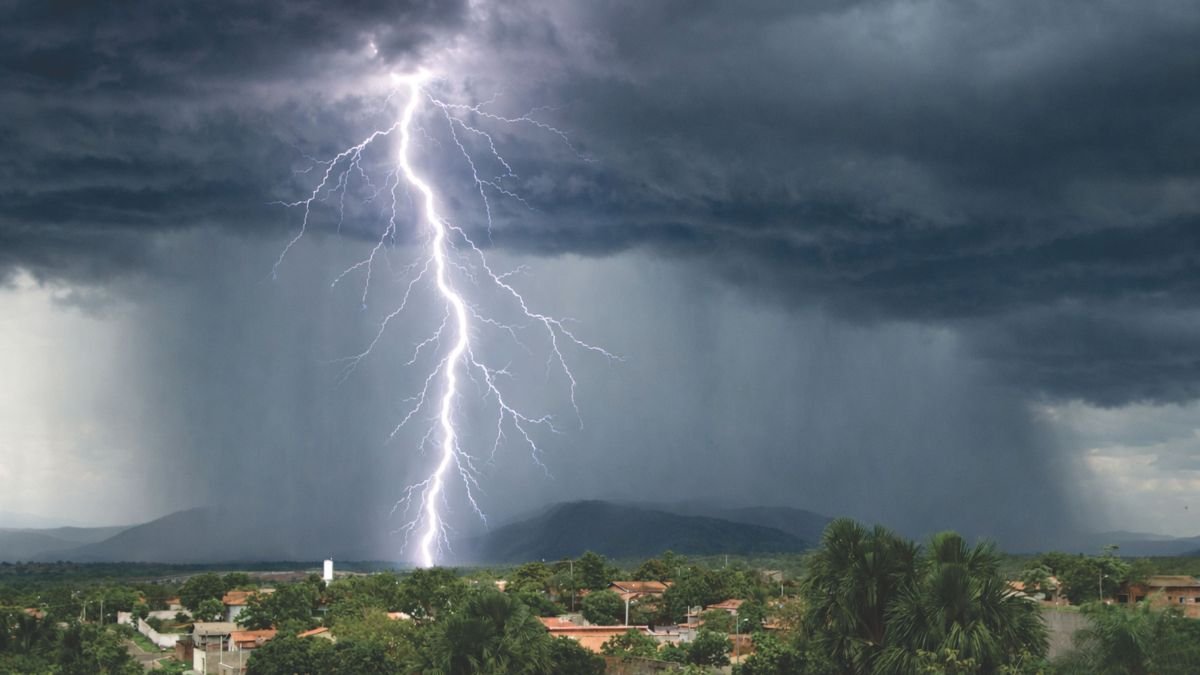
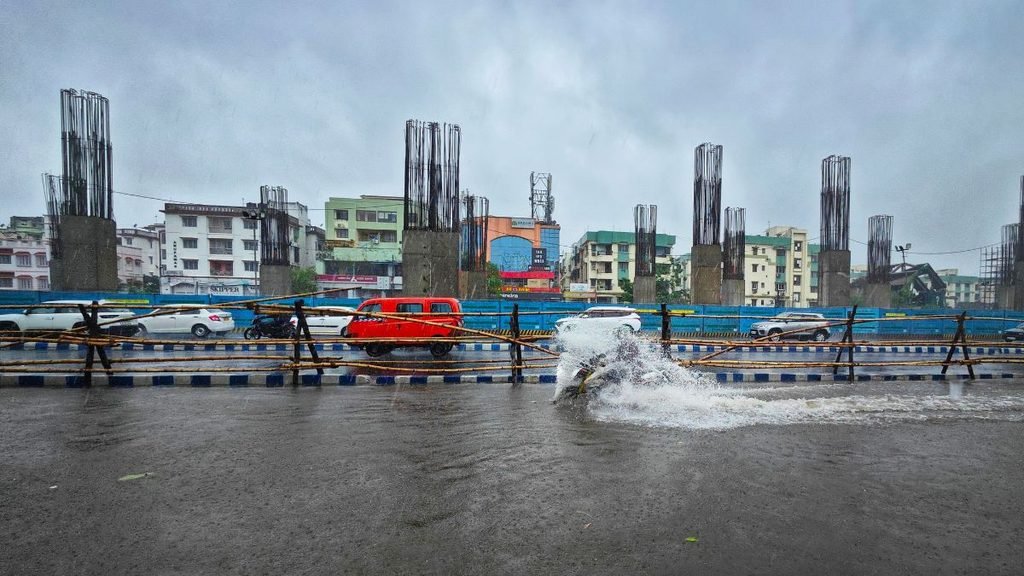
India’s 2026 monsoon ended with a significant rainfall deficit, yet intense downpours continued to cause concern. The changing monsoon pattern raises questions about floods, landslides and how the country prepares for extreme weather. India’s southwest monsoon ended in 2026 with 13% less rainfall than normal, according to the analysis by Climate Trends. Yet a shortage of rain over the season does not mean that every part of the country remained dry. Some places experienced heavy downpours even as others faced long periods without enough rain.
This is one of the challenges of a changing monsoon. Rain may fall heavily within a few hours and then disappear for days or weeks. Such a pattern can leave farmers struggling with dry soil while exposing other areas to sudden floods and landslides. The important question is not simply how much rain India receives each year. It is also how quickly the rain falls, where it falls and how prepared communities are to deal with it.
Less Rain Can Still Mean Floods
Monsoon rainfall is usually measured by comparing the total amount received during the season with the long-term average. This helps scientists understand whether a season has been wetter or drier than normal. But the total does not reveal how the rain was spread across the four months.
Imagine a district that receives most of its seasonal rainfall in just a few days. The total may look reasonable, but the heavy downpours could flood roads, damage homes and wash away crops. The same district could then face several weeks without rain, leaving its fields dry.
Research shows that rainfall patterns have changed in several parts of India. A study published in npj Climate and Atmospheric Science in 2024 found that short periods of heavy rain had become more frequent in central India in recent decades. It also found an increase in longer spells of heavy rain along the northern west coast. The changes were not the same everywhere, with some regions showing different trends. These findings show why seasonal rainfall figures alone cannot explain the risks people face.
The 2026 monsoon analysis by Climate Trends also points to changes in the way weather systems move across India. Mahesh Palawat, vice-president of meteorology and climate change at Skymet Weather, said low-pressure systems were spending more time over land while retaining their strength. He linked this behaviour to an increase in extreme rainfall events and cloudburst-like conditions. Understanding these changes is important because the effects of a monsoon depend partly on when and where the rain arrives.
Changing Monsoon: Are Cloudbursts Becoming More Common?
The word cloudburst is often used to describe any sudden spell of very heavy rain. However, it has a specific meaning in weather science. The India Meteorological Department defines a cloudburst as rainfall of 100 millimetres or more within one hour over a small area. Such a large amount of rain falling in a short time can quickly flood low-lying areas and trigger landslides, particularly in mountainous regions.
Not every flood or heavy downpour is a cloudburst. Flooding can also happen when rain continues for several hours, rivers overflow or drainage systems fail to carry away the water. Identifying a cloudburst requires rainfall measurements that confirm how much rain fell and how quickly it arrived.
Forecasting these events is difficult because they affect relatively small areas. A weather forecast may warn of heavy rain across a district without identifying the exact village or hillside that will receive the most intense rainfall. Research has found changes in extreme rainfall in parts of India, but this does not establish that cloudbursts are becoming more frequent throughout the country. More detailed records are needed to determine whether the frequency of cloudbursts themselves has increased.
The broader concern is that intense rainfall can cause serious damage, especially where people and infrastructure are exposed to floods and landslides.
How Climate Change Adds to the Risk
A warmer atmosphere can hold more moisture. When weather conditions allow that moisture to form rain, it can contribute to heavier downpours. Climate change does not cause every extreme rainfall event, and the amount of rain produced also depends on wind patterns, local geography and other weather conditions.
The developing El Niño is another factor to watch. This natural climate phenomenon involves warmer-than-usual sea surface temperatures in the tropical Pacific Ocean and can influence India’s monsoon and temperatures. Its effects vary from one event to another.
In the 2026 Climate Trends analysis, climate scientist Roxy Mathew Koll of the Indian Institute of Tropical Meteorology said global warming raises background temperatures and can intensify some of El Niño’s effects. He also highlighted how changes in land use, including deforestation, can worsen local impacts.
Ground Matters as much as the Weather
In hilly areas, heavy rain can soak the soil and make slopes unstable. Cutting into hillsides, removing vegetation and building on vulnerable slopes can increase the danger. When large amounts of rain arrive in a short period, water can rush downhill, carrying soil, rocks and debris with it.
Cities face a different problem. Roads, buildings and paved surfaces prevent much of the rainwater from soaking into the ground. If drains are blocked or too small to carry the water, streets can flood quickly. Building over wetlands and natural waterways also reduces the space available for excess water to flow or collect safely.
These activities do not create a cloudburst. They can, however, make its effects more destructive. Kerala offers an important example. The state recorded a 28% monsoon rainfall deficit in 2026, according to the Climate Trends analysis. Yet its steep Western Ghats slopes, rivers and densely populated areas remain exposed to the dangers of intense rainfall.
A season with less rain overall can still include localised downpours capable of causing serious damage. A rainfall deficit does not remove the risk of floods or landslides.
Beginning with Better warnings
Weather forecasts can help people prepare for heavy rain, but warnings alone cannot prevent disasters. Their effectiveness depends on whether people receive them in time, understand the danger and have a safe place to go.
India needs more reliable rainfall monitoring, particularly in mountain districts, landslide-prone areas and cities that frequently experience flooding. Automatic rain gauges and weather radars can help authorities track how much rain is falling and identify dangerous conditions. These systems also need regular maintenance and timely sharing of information.
Warnings must be useful at the local level. Telling residents that heavy rain is expected across a district may not be enough for people living beside a stream or below an unstable hillside. Local authorities need maps showing which settlements face the greatest risks, along with clear evacuation routes, shelters and plans for moving people to safety.
The way land is used also needs attention. Construction in flood-prone areas and on unstable slopes can expose more people to danger. Protecting wetlands, keeping natural drainage channels clear and preserving vegetation where it helps stabilise slopes can reduce some of the damage caused by heavy rain.
Infrastructure must be able to handle intense downpours. Drains, culverts and bridges need to be assessed against local rainfall conditions, while buildings and roads in vulnerable areas require appropriate flood and slope-risk assessments. Better planning can reduce the likelihood that heavy rain will turn into a disaster.
Preparing for dry spells is equally important. Rainwater harvesting, groundwater management and better soil care can help communities cope when rainfall becomes irregular. Farmers can also improve their resilience by choosing suitable crops and practices that require less water, depending on local conditions.
Planning for Both Floods and Droughts
India depends on the monsoon for farming, drinking water and replenishing rivers and reservoirs. But the seasonal total does not tell the whole story when rainfall is unevenly distributed.
Long dry spells can reduce soil moisture and put pressure on water supplies. Intense downpours can overwhelm drainage systems, damage crops and trigger landslides. Both risks can occur within the same monsoon season. The evidence supports closer monitoring of extreme rainfall and better preparation for its consequences. It does not yet justify claiming that cloudbursts are increasing everywhere in India.
Preparing for this changing pattern requires better weather observations, warnings that reach vulnerable communities, safer construction and protection of natural drainage systems. Water management and agriculture must also account for the possibility of long gaps between rain spells.
No forecasting system can prevent every extreme weather event. But better preparation can help people respond sooner and reduce the damage when intense rain arrives. The challenge is to prepare for the rain India receives, rather than rely only on how much rain the monsoon is expected to bring.
Climate
Heatwaves are Affecting Fertility Traits in Bees.
A new study finds that heatwave exposure during early development can impair fertility-related traits in solitary bees, raising concerns about the potential effects of extreme heat on pollinator populations.

Bees are an attractive species to capture on your mobile phone. They may fit well into the aesthetic imagery of our habitats. But recent studies warn that, in the near future, it might become more convenient to create an AI image of a bee than to spot one in our environment.
There are around 20,400 recorded species of bees in the world. More than 90% do not live in hives or produce honey. This percentage is even higher in India, where, of the approximately 700 bee species, only five are social bees that live in hives and produce honey. The rest are “solitary” bees, with no social hierarchy. These bees live alone, forage and fend for themselves. Moreover, they play an important role in our world.
A new study has reported alarming findings about the fertility traits of these solitary bees. Titled “Lasting impacts of sublethal prepupal heatwaves on fertility-related traits of the solitary bee Osmia bicornis,” the study reveals that simulated sublethal heatwaves during the prepupal stage alter fertility-related traits in solitary bees.
The study investigated the effects of a field-realistic, three-day fluctuating heatwave regime, with temperatures below 40°C and below the critical thermal maximum (CTmax) for this species, replicating the temperature conditions experienced in the UK during July 2022. After the bees overwintered following juvenile exposure, researchers assessed male sperm and female oocytes to examine the effects on reproductive traits.
The study found that, although there was no direct effect on survival to adulthood, male sperm counts were reduced by 33% and sperm motility by 53%, while sperm length was shortened by 17%. In females, oocyte production was reduced by 15%, along with a 17% reduction in terminal oocyte volume.
In bees and many other insect species, testicular development and spermatogenesis usually begin during the prepupal and pupal phases, when the heat stress regime was applied. This period has been found to be thermally sensitive, with heat stress interfering with normal reproductive development. The heatwave simulated in the study may therefore have impaired testicular development and initial sperm production, reducing sperm numbers in adult bees despite the months of overwintering between exposure and assessment.
Reductions in sperm numbers and quality may affect fertilization. Previous research has found that elevated temperatures of 29°C led to decreased sperm abundance, reducing egg fertilization rates and embryo development.
Although this experimental approach does not allow for a detailed exploration of thermal thresholds or breakpoints, it provides valuable insights into the potential biological consequences of ecologically realistic, fluctuating heat stress, as experienced during heatwaves in nature.
Solitary bees are crucial to the pollination of several crops, including cucurbits, blueberries, cranberries, tomatoes, eggplants, apples, plums and almonds, as well as various lentils and other crops. These bees are efficient pollinators because they carry dry pollen across their bodies, potentially making them more effective than honeybees for certain crops.
This is not an isolated area of research. Another study published in 2023 also examined the damaging effects of heat on sperm production in bees, focusing on bumblebees of the genus Bombus.The study found that exposing whole male bumblebees to 4°C for 85 minutes, isolated seminal vesicles to 4°C for 85 minutes ,and whole males to 4°C for 48 hours did not significantly affect sperm viability.
However, after 85 minutes at 45°C, males showed significantly reduced sperm viability. This suggests that short-term heatwaves below the critical thermal maximum could substantially reduce male bumblebee fertility, with potential population-level consequences.
The thermal tolerance of worker bumblebees is relatively high, with a CTmax of approximately 48–55°C, making it unlikely that they would experience these temperatures under ordinary conditions, even with climate warming. However, the thermal tolerance of whole organisms often exceeds that of their reproductive cells. Many insects can be sterilised by exposure to temperatures well below their upper thermal tolerance.
Why Should This Matter?
Pollination, a crucial process for maintaining the planet’s biodiversity and food security, is primarily driven by bees and other insect pollinators.
In agricultural systems, pollinators are essential for producing a wide range of crops, including orchard fruits, horticultural crops and forage, as well as seeds for root and fibre crops. Pollinators contribute to approximately 35% of global crop production by volume, enhancing the yields of 87 of the 115 major food crops and numerous medicinal plants.(FOA data)

Bees pollinating on a flower.Image credit:Pexels
The benefits of pollination extend beyond improving the quantity and quality of food production. Pollinator-dependent plants contribute to the production of many micronutrients and vitamins that are important for human nutrition and dietary diversity.
The Food and Agriculture Organization (FAO) also points out that more than 80% of wild flowering plant species are pollinated by animals, mostly insects.
Bees and other pollinators face significant threats, with current extinction rates estimated to be 100 to 1,000 times higher than natural background rates due to human activities. According to the International Union for Conservation of Nature (IUCN), national Red List assessments indicate that around 40% of bee species assessed in some regions are at risk of extinction, while 16.5% of vertebrate pollinators are at risk of global extinction.
Habitat loss and fragmentation, intensive farming, monocultures, pesticides, pests, diseases and climate change-related impacts, such as temperature extremes and shifts in flowering times, are major contributing factors to pollinator decline. These pressures can disrupt the balance between flowering plants and their pollinators.
To establish whether the observed reproductive changes translate into fewer offspring, declining populations or substantially reduced pollination under real-world conditions, further research and evidence are needed. However, habitat fragmentation, climate change, extreme heat and biodiversity loss are already placing increasing pressure on ecosystems. Understanding how these stressors affect the reproductive capacity of bees is therefore essential to assessing the potential long-term consequences for biodiversity and food security.


How Scientists Traced the Flow of Matter Around a Dead Star Using X-rays

India Scores Just 2 Out of 32 for Integrating Health into Climate Commitments

Global Job Market Faces a Growing Inclusion Gap as AI and Digitalisation Reshape Work

FSSAI Moves to Restrict Added Sugars in Infant Foods, Citing Need for Stronger Nutritional Safeguards

NMC Directs Medical Colleges to Set Up Patient Safety Committees

From Scams to Screens: How the National Stock Exchange Rewrote India’s Equity Story

Knowing When to Think for Ourselves: AI, Intuition and the Education of Discernment

After a Scorching Summer, Delhi’s Children Are Slow to Return Outdoors

Two Chemists Win Nobel Prize for Solving a Century-Old Puzzle: Why Life Picks One Hand Over the Other

Marshall Islands: Why the US Nuclear Legacy Is Back Before the UN

-

 Math3 months ago
The 2026 Fields Medals: Four Proofs, Four Decades-Old Problems Solved
-
EP Deep Dive: Data & Solutions3 months ago
After Kerala’s Deadliest Landslide, the Hardest Thing to Rebuild Was Childhood
-
EP Deep Dive: Data & Solutions4 months ago
West Asia Crisis: Can Kerala’s Returning Gulf Migrants Find a Future in the Green Economy?
-
Space & Physics5 months ago
India Semiconductor Mission: ‘It’s Not About Fabs. It’s About Building An Entire Ecosystem’
-
Interviews4 weeks ago
From Scams to Screens: How the National Stock Exchange Rewrote India’s Equity Story
-
Climate5 months ago
The Climate World Cup? How Climate Change Could Affect Player Performance at the 2026 World Cup
-
Society3 months ago
What Is Civilisational Diplomacy? Understanding India’s Newest Foreign Policy Tool
-
Society4 months ago
From Bell Labs to the Classroom: A Second Career in Teaching