

Interviews
India’s Industrial Moment: Shifting the Centre of Global Growth
India’s greatest advantage is its youth—ambitious, skilled, and ready to compete globally. With the right discipline and leadership, this demographic strength can redefine the country’s future

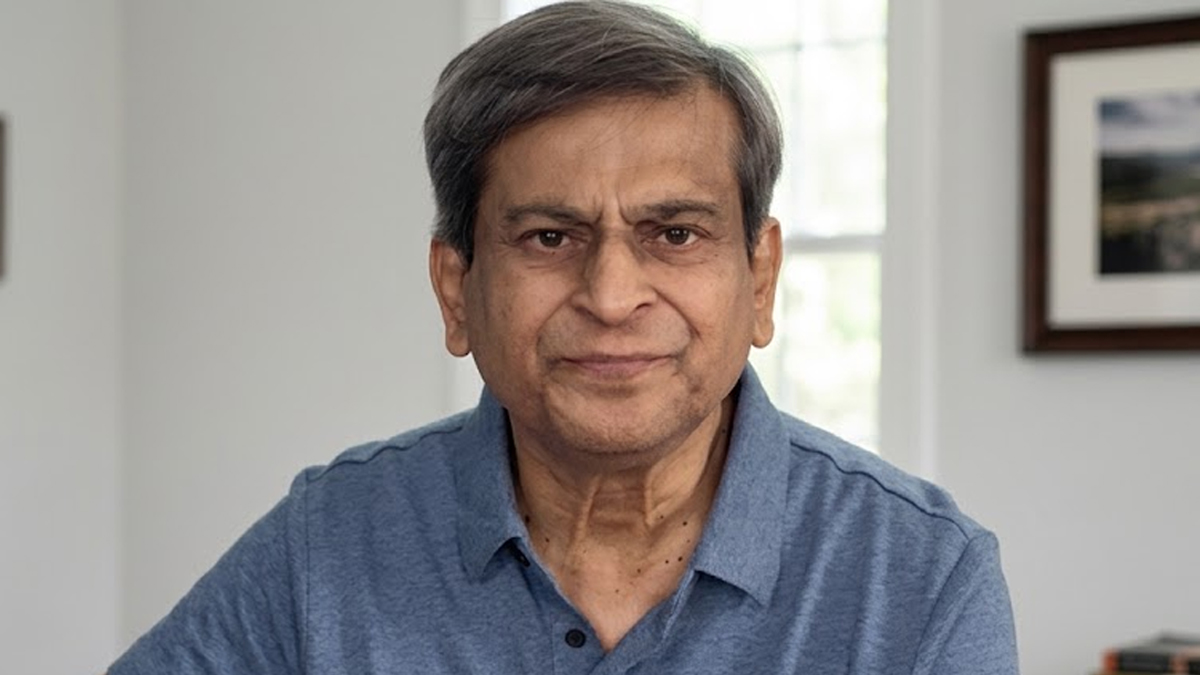
From late industrialisation to emerging global leadership, India’s growth story is increasingly shaped by its ability to integrate capital, technology, and youthful ambition with a long-term national vision, says management education expert Bharat Nadkarni in a conversation with Education Publica.
A Mumbai-based expert with decades of experience across multinational corporations, including the Tata Group, Nadkarni has worked extensively in leadership development, corporate strategy, and global business transformation. He continues to engage with industry and academia on India’s evolving role in the global economy, as well as emerging trends in management education.

A Late Start, A Faster Pace
Industrialisation began in developed countries nearly 200 years ago. India, by comparison, is a late entrant. Our industrial journey only truly gathered momentum in the last 25 to 40 years, with a more decisive acceleration in the 21st century. Today, however, India is not just catching up—it is beginning to move faster.
This late start has shaped our needs. To grow, India requires capital, advanced skills, and cutting-edge technology—resources that largely reside in developed economies. At the same time, India offers what many of these countries increasingly lack: land, labour, raw materials, and a vast untapped market.
This complementary equation presents a powerful opportunity.

The Case for Global Partnership
India’s proposition to the world is simple yet compelling. Global organisations with access to capital, technology, and expertise should bring these into India through foreign direct investment. In return, India provides the scale, workforce, and market access necessary for growth.
Consider the example of Germany. It may not have the land, labour, or raw material resources at scale, but it possesses strong technological capabilities and capital strength. India, on the other hand, offers the physical and demographic advantages. Together, this creates a natural partnership model—one that can drive mutual growth.
This is precisely why global corporations increasingly view India not only as a major market but also as a manufacturing hub.
From China to India: A Shift in Focus
In the 1990s and early 2000s, global attention was firmly on China. However, China’s economic model, shaped by its political system, has certain limitations in terms of openness and flexibility.
India, as a vibrant and evolving democracy, offers a different value proposition. It is open, dynamic, and increasingly business-friendly. There is a growing belief that India can contribute more to the global economy in the coming decades than China, provided it addresses its internal challenges.
The potential is undeniable. What is needed is greater discipline and execution.
The Power of India’s Youth
One of India’s greatest strengths lies in its young population. Today’s Indian youth are talented, ambitious, and globally aware. They aspire to build meaningful careers and compete on the world stage.
This demographic advantage positions India uniquely. While many Western nations face ageing populations, India is becoming a young, energetic economy ready to take on the future.

The Missing Link: Political Maturity
While corporate India has demonstrated remarkable progress, political maturity remains a critical factor in determining the pace of national development.
India needs leadership that is not just focused on the present, but deeply invested in the future. Visionary politics—driven by long-term thinking and strategic clarity—can significantly accelerate economic growth.
Encouragingly, there are emerging leaders who embody this vision. If nurtured, they can help bridge the gap between political intent and economic execution.
Corporate India Goes Global
Indian companies are no longer confined to domestic markets. There is a clear shift towards global ambition.
The Tata Group offers a compelling example. Tata Steel’s acquisition of Corus positioned it among the world’s leading steel producers. Tata Motors’ acquisition of Jaguar Land Rover demonstrated India’s ability to own and grow global brands. Tata Consultancy Services operates across continents, reinforcing India’s strength in IT services.
This trend extends beyond one group. Larsen & Toubro, Gammon India, and several others are expanding internationally. In the FMCG sector, companies like Hindustan Unilever, Godrej, Marico, ITC, and Dabur are strengthening their presence, while global players such as Nestlé and Procter & Gamble continue to invest in India.
Indian enterprise is no longer inward-looking—it is global in aspiration and execution.

The Global Fulcrum is Shifting
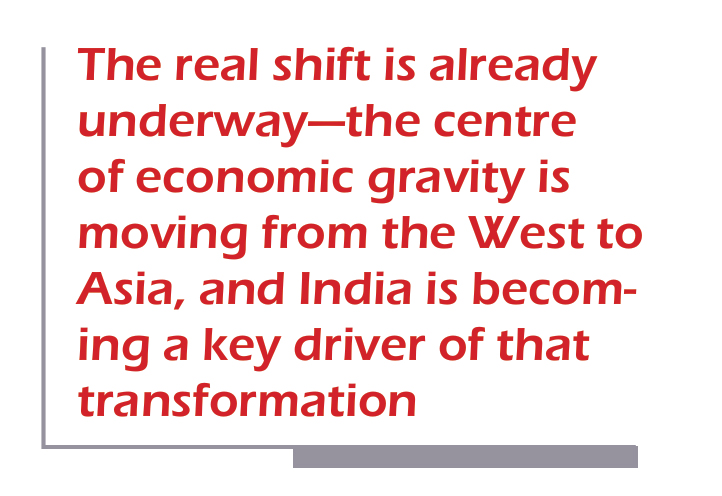
Over the next 50 years, the balance of economic power is likely to shift from the West to Asia.
There was a time when global conversations revolved around cities like New York, London, and Paris. Today, the narrative is changing. Cities like Singapore, Dubai, and Mumbai are becoming central to global business and economic activity.
The energy, the momentum, and the opportunity are increasingly concentrated here.
A Young Nation Ready to Lead
Much of the Western world is transitioning into an ageing phase, while India is entering its prime. It is a young country, full of possibility, ready to move forward.
The real action is no longer confined to traditional power centres. It is unfolding in emerging economies, and India is at the heart of this transformation.
The path ahead is clear. With the right mix of global collaboration, internal discipline, and visionary leadership, India has the potential not just to participate in the global economy—but to lead it.
Space & Physics
India Semiconductor Mission: ‘It’s Not About Fabs. It’s About Building An Entire Ecosystem’
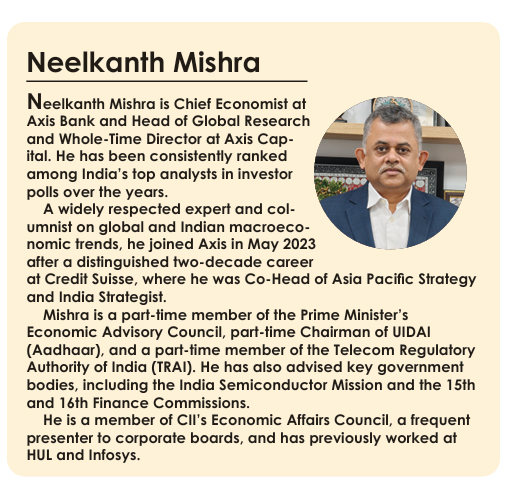
India Semiconductor Mission is reshaping the country’s chip ambitions. Neelkanth Mishra explains the opportunities, challenges and long-term strategy.
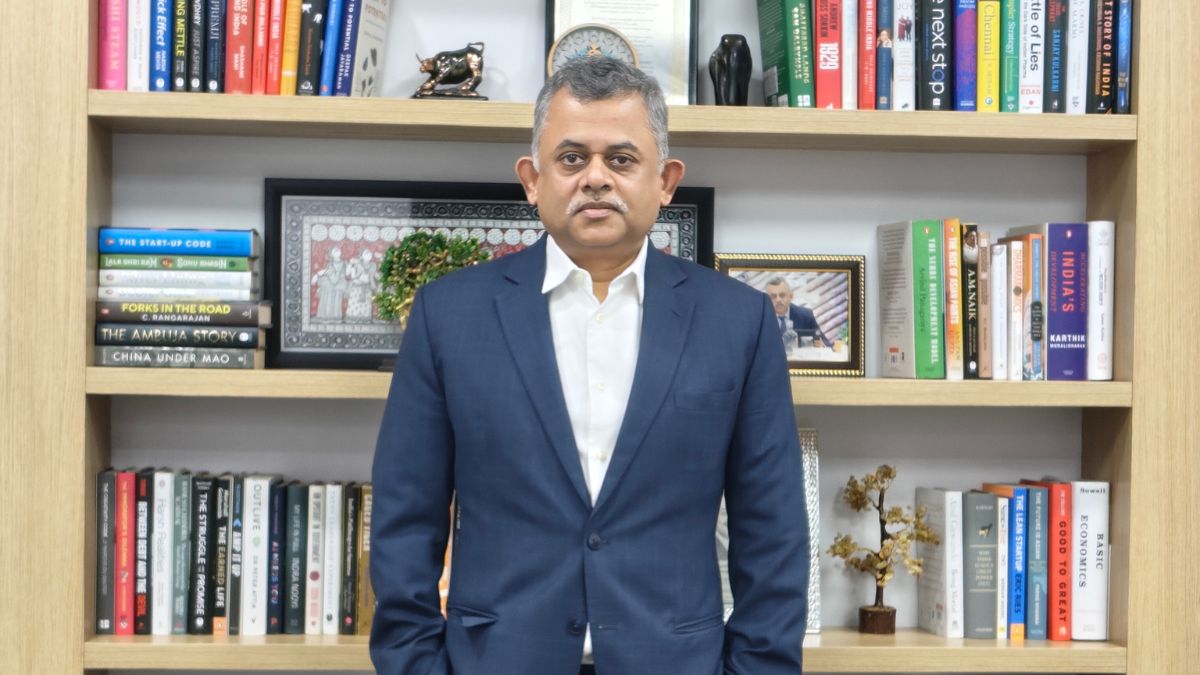
As India pushes ahead with its semiconductor ambitions under the India Semiconductor Mission (ISM), questions remain about where the country can realistically compete and how long it will take to build a viable ecosystem. In this exclusive conversation with Education Publica Editor Dipin Damodharan in Mumbai, Neelkanth Mishra, Chief Economist at Axis Bank and Head of Global Research at Axis Capital, draws on two decades of experience tracking the global semiconductor industry to explain India’s advantages, constraints, and long term trajectory. He is also a member of the advisory committee of the government’s India Semiconductor Mission and part-time Chairperson of the Unique Identification Authority of India (UIDAI). Edited excerpts.
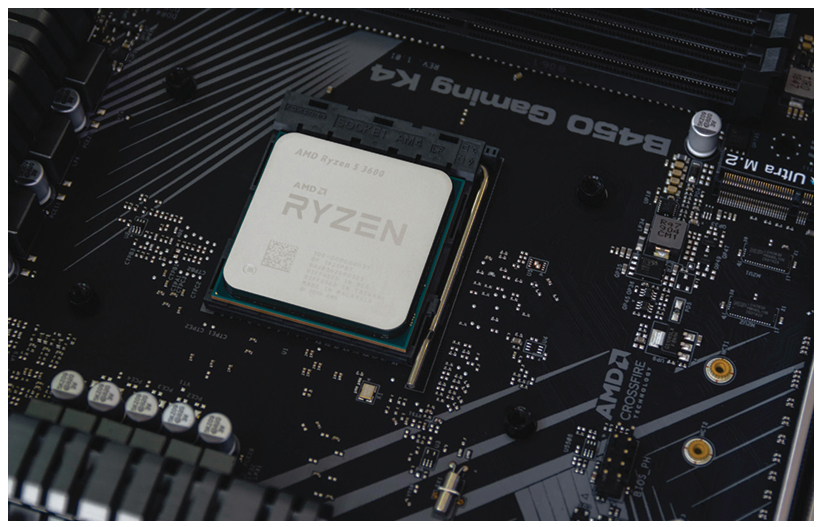
How the India Semiconductor Mission Is Shaping the Industry
Let me start with asking something out of curiosity – how did you get interested in semiconductors in the first place?
When I joined Credit Suisse First Boston in 2003 in Singapore, the person who hired me was heading Asia technology research and was also the lead analyst for semiconductor foundries such as TSMC and UMC. I was hired to cover IT services, but he wanted help in building the semiconductor research franchise.
That led me to start reading about how chips are made. At that time, the industry was transitioning from 130-nanometer to 90-nanometer nodes, and copper was being introduced to replace aluminum due to resistance issues. There were challenges around yields because copper was seeping into substrates. I remember writing my first note around this issue after going through technical papers.

That note became quite popular, and it gave me the confidence to continue covering semiconductors. I spent a lot of time travelling to Taiwan, studying DRAM cycles, capex cycles, node transitions, and the broader global semiconductor ecosystem. Eventually, I moved to Taipei and began covering chip design companies such as MediaTek.
At that time, were you also tracking what was happening in India?
India has had chip design activity for a long time, even in the 1990s. Companies like Texas Instruments, Cadence, and Synopsys were recruiting from Indian campuses. Many engineers built long careers in these firms.
However, India did not have domestic chip manufacturing or strong Indian-owned chip design companies. By the mid-2000s, global firms such as Nvidia, Broadcom, and Intel began setting up design centres in India. So the design ecosystem was growing, but it was largely driven by global companies.
It is only in the last four to five years that more serious efforts have begun toward building Indian-owned capabilities.
So what changed in the last few years? Was it policy, or something else?
Policy has played a role. The Design Linked Incentive (DLI) scheme has been an important catalyst. We are seeing some early success. At the same time, there is also an evolutionary factor at play. Engineers who moved abroad 20–25 years ago are now at a stage where they have both the experience and financial capacity to take entrepreneurial risks. Many also want to return to India.
Another important factor is the growth of India’s electronics manufacturing ecosystem. As assembly volumes increase, there is greater awareness of what products need to be designed. Without that visibility into OEM pipelines, it is difficult to design chips.
Schemes like PLI for electronics manufacturing have helped build that awareness and ecosystem. As downstream industries grow, upstream opportunities in chip design also become clearer.
As US is good at designing chips, Taiwan and South Korea are good at manufacturing There’s always this question – should India focus on design, manufacturing, or packaging?
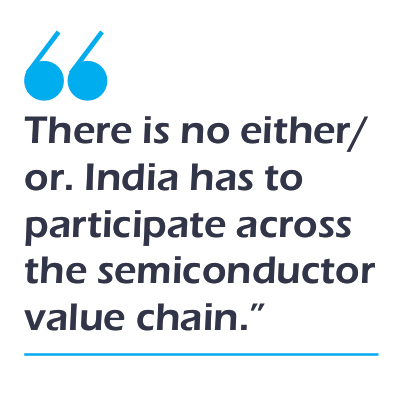
There is no either/or. India needs to participate across the value chain.
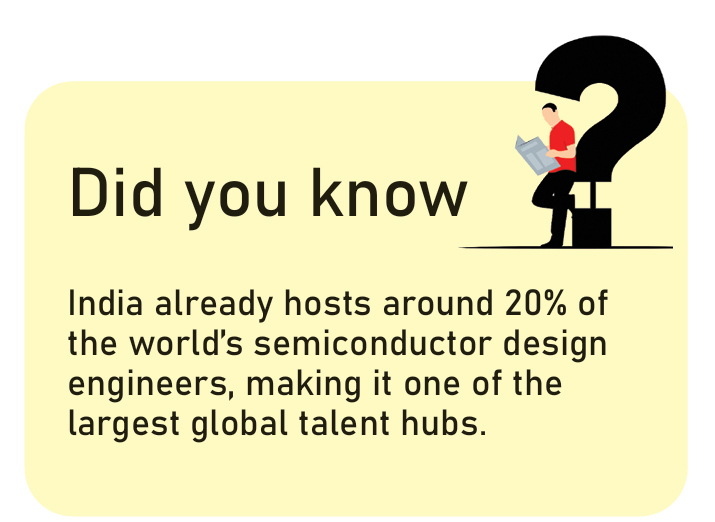
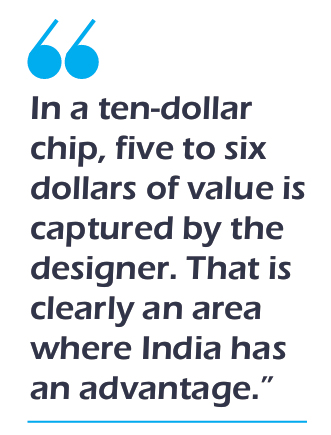
We already have a natural advantage in chip design, with about 20% of global design engineers based in India. Design is also less capital-intensive compared to manufacturing. In a $10 chip, $5–6 of value is captured by the designer, and in some cases even more.
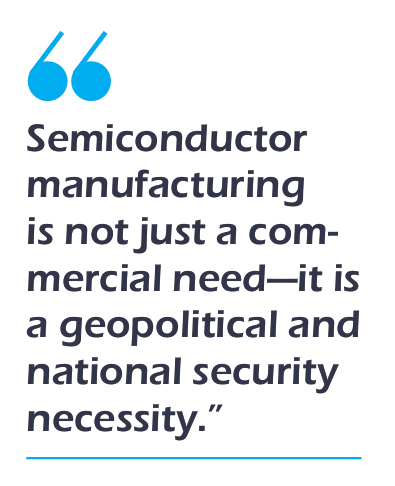
At the same time, semiconductor manufacturing is a geopolitical necessity. It is not just a commercial issue but also a matter of national security. That is why governments provide significant subsidies for fabs.
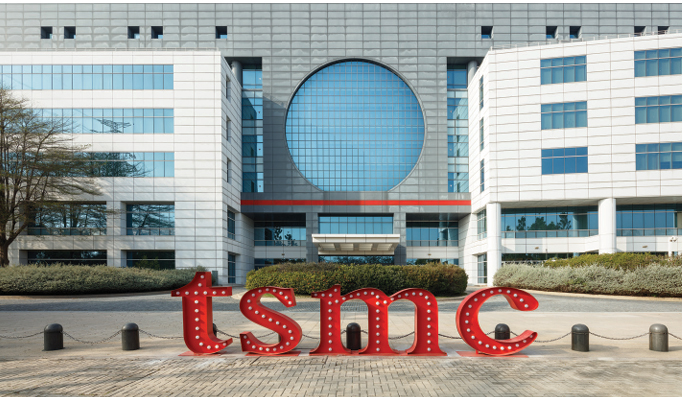
However, manufacturing is a low-return business globally. Only a few companies like TSMC and Samsung have consistently generated returns above their cost of capital. Much of the value in the ecosystem is captured by design firms and by capital equipment suppliers, which operate in highly concentrated markets.
Therefore, India must build capabilities across the chain—from design to manufacturing to equipment and materials—if it wants meaningful value capture.
When we talk about building an ecosystem, how complex is that in reality?
It is extremely complex. The industry has multiple layers of specialization. For example, electronic design automation (EDA) tools are dominated by a few companies. Lithography, especially extreme ultraviolet, is controlled by a single company globally. Equipment for deposition, wafer slicing, and testing is also concentrated among a handful of firms.
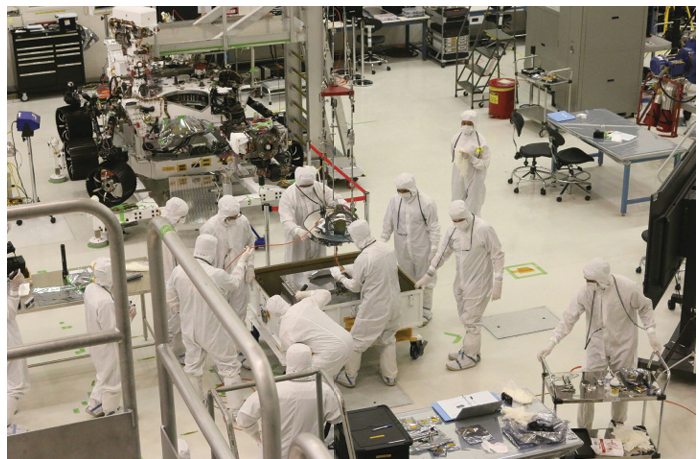
Even the chemicals used in wafer cleaning are highly sophisticated and require extraordinary purity. A single wafer can take months to manufacture, involving hundreds of process steps.
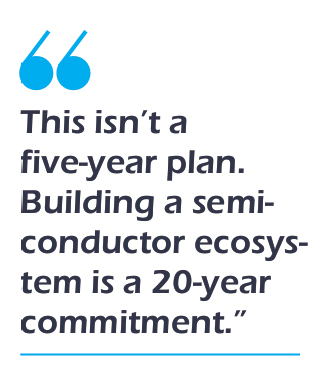
So when we talk about semiconductors, it is not just about fabs. It is about building an entire ecosystem—equipment, materials, design, testing, and packaging. This is why it is a 15–20 year journey at least.
What about talent? Are we ready from a skills perspective?
In general, skilling in India is more of a demand problem than a supply problem. If there is sufficient demand, the industry tends to create the supply.
For example, there is already discussion about developing tens of thousands of chip testing engineers in India, and that is achievable. However, for cutting-edge technologies, there is a need for deeper investment in research.
As we move toward more advanced nodes—such as 7 to 12 nanometers—we will require significant high-end research capabilities. Countries like China took over 25 years to reach that level.
We need to invest not just in near-commercial research (TRL 6–9) but also in fundamental research (TRL 1–4), which creates long-term intellectual property. Government initiatives like the Anusandhan National Research Fund are steps in that direction, but overall R&D spending needs to increase.
What role should industry play in R&D?
Industry participation is essential. The government can catalyse investment, but companies will invest when they see potential returns.
We have seen this in pharmaceuticals, where Indian firms moved into R&D after reaching limits in generics. A similar shift can happen in semiconductors, but it will require scale, capital, and long-term commitment.
Where do startups fit into this picture?
Startups will have a significant role, particularly in chip design. Manufacturing is extremely capital-intensive, requiring billions of dollars in investment, which limits the role of startups.
However, in design and innovation, startups can play an important part. Many innovations in the semiconductor ecosystem originate from smaller firms, which are later acquired or integrated into larger companies.
To produce a globally competitive company, you need a large ecosystem of startups, experimentation, and risk-taking.
Coming to policy – what did India learn from ISM 1.0?
ISM 1.0 (India Semiconductor Mission) was a learning curve for everyone. It helped the government understand how to evaluate proposals, support companies, and manage operational challenges.
There were practical issues—from customs procedures affecting sensitive equipment to ensuring uninterrupted power supply. Semiconductor manufacturing requires extremely high reliability, and even a brief power outage can cause significant losses.
Another important learning is that the global industry is now more comfortable working with India. While India may not yet be the first choice, confidence has improved due to visible commitment and progress.
This increased comfort allows India to be more ambitious with ISM 2.0.
How important is policy stability?
Policy continuity is very important because these are long-term projects. Global firms value consistency in decision-making and relationships.
There is also a growing effort to ensure continuity in leadership within government institutions, which helps build expertise and trust over time.
Do we need a dedicated semiconductor research institution like IMEC?
There are existing efforts, such as the facility in Mohali, which supports defence-related applications. There are also discussions around creating IMEC-like research centres.
However, over time, the private sector will need to take a larger role in research. Government support is critical in the early stages, but for sustained innovation and competitiveness, industry-led initiatives are more effective. The government can act as the binding force or the catalyst that brings people to the table; however, I believe it is ultimately better if the private sector takes the lead. This creates a natural incentive for innovation and rigorous research. Beyond a certain point, government support becomes both fiscally unfeasible and operationally undesirable
If we look ahead 20 years, where do you see India?
On the design side, India can become much more significant. It is possible to see 10–15 large chip design companies and many smaller firms emerging.
On the manufacturing side, we could have several large fabs and potentially global players establishing operations in India, especially if a strong domestic design ecosystem develops.
For example, companies like TSMC tend to follow innovation ecosystems. If Indian design firms grow in scale and sophistication, it could attract global manufacturing investments.
Let me end with this – can India produce a company like Nvidia?
It is possible, but it requires a large ecosystem. Many Indians already occupy senior roles in global semiconductor companies and are involved in cutting-edge design work.
To create a company of that scale, you need risk capital, entrepreneurial ambition, and a large number of startups. In other markets, hundreds of firms compete, and one eventually emerges as a dominant player.
So it is not about a single effort—it is about building an ecosystem where many experiments take place, and success emerges from that.
Interviews
Geometry, Curiosity and Finding ‘Her’ Place
Dr Laura Monk has quickly become one of the field’s most exciting young geometers

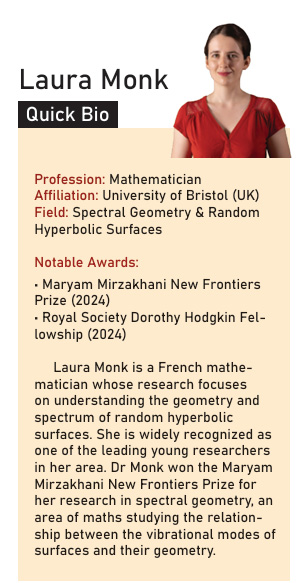
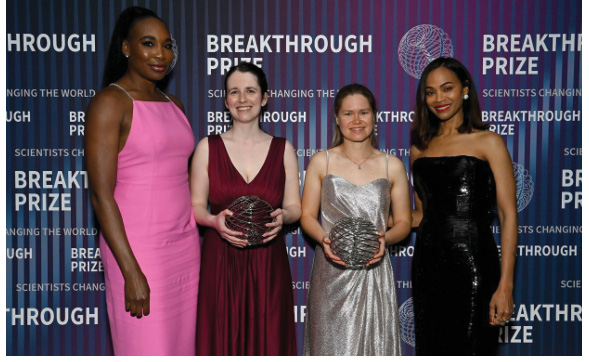
In modern mathematics, where imagination meets deep abstraction, Dr Laura Monk has quickly become one of the field’s most exciting young geometers. In 2024, she was awarded the Maryam Mirzakhani New Frontiers Prize, an honour regarded as one of the most prestigious recognitions for early-career women mathematicians and presented at the Breakthrough Prize ceremony—often called the “Oscars of Science.” A mathematician whose work explores the geometry of negatively curved spaces, Monk’s path into the field was shaped not only by intellectual fascination but also by uncertainty, self-doubt, and the search for belonging—a journey familiar to many women in STEM. Growing up in France, she found early encouragement from teachers who pushed her to think harder and explore deeper. Later, mentors like Nalini Anantharaman and the pioneering legacy of Iranian math genius Maryam Mirzakhani helped her see that mathematics could be a creative, expansive world—not an exclusive club.
A Royal Society Dorothy Hodgkin Fellow and Lecturer at the University of Bristol, Monk works on the geometry of negatively curved spaces and the behaviour of objects moving within them. In this conversation with Dipin Damodharan, she speaks candidly about intuition, representation, hyperbolic geometry, and the courage required to stay in mathematics when you’re not sure you fit.
‘Go for it! Math is super cool and useful’
To start with, could you tell us how your journey in mathematics began? Was there a defining moment when you realised this would become your life’s work?
I always enjoyed mathematics at school and thought it would be a good idea to study it, as I was interested in it and it opens the door to many jobs. After my first two years of study, I realized I loved the subject itself more than the idea of finding a job using it, and decided I wanted to work in mathematics (probably as a teacher).
I faced many challenges and doubts—I somehow never felt sure mathematics was “for me,” even though I loved it. But I’m very happy I stuck with it and made a few leaps of faith at the right times. At the end of my master’s, I decided to start a PhD because it is required for certain higher education teaching positions in France. I thought: three years is a lot of time, better get excited and really go for it! Luckily, I met my PhD advisor, Nalini Anantharaman, who introduced me to a fascinating research project.
The way she ventured into different areas of mathematics, tackling ambitious new projects with no apparent fear, was an incredible inspiration. She was very different from the image I had of “the mathematician.” Her mentorship made me feel confident I could do it if I wanted to. And then I did!
Growing up in France, were there specific teachers, mentors, or institutions that played a pivotal role in shaping your mathematical thinking?
Mathematics is taught and shared, and I have many teachers to thank for my mathematical upbringing. My high-school teacher had extremely high standards and told me off a few times for doing the minimum instead of pushing myself. My second-year teacher gave me a first glimpse of how exciting venturing into the unknown can be during a research project.
One of the ways maths is taught in France is through a two-year intensive preparatory school followed by further studies at university. I found this structure gave me a strong basis to build on, as well as methods to organize myself and work well.

What were some of the challenges you faced as a young woman entering a field often dominated by men? How did you navigate them?
Mathematics is, indeed, a very masculine field, and one could imagine sexist behaviours to be common. I have to say, luckily perhaps, that this has not been my experience. I have always felt extremely welcomed into this community, whether as a student or a researcher.
However, I did still struggle very much as a student with finding a sense of place and purpose in what I was doing. Though these difficulties are quite universal, I think they were amplified by being one of the only girls in my cohort. Identifying this was very helpful in overcoming these feelings, because it led me to build strong connections with my peers, to find female mentors and role models, and to invest myself in events for young women, all of which helped tremendously.
Much of your work lies at the intersection of geometry and dynamics. Could you explain your research focus in simple terms?
I study certain types of surfaces called “hyperbolic surfaces.” Unlike a piece of paper (which is flat) or a sphere (which is positively curved), hyperbolic surfaces have negative curvature: they look like Pringles. There exist many, many hyperbolic surfaces, and they appear in very different fields of mathematics: number theory, mathematical physics, dynamics…
I am trying to understand what these surfaces “look like” a bit better. In order to do so, I put all of them in a (big) bag, take one at random, and try to describe it.

Mathematics often requires deep abstraction. How do you stay connected to the beauty or “reality” behind these abstractions?
I relate more to the beauty than the reality! To me, mathematics is a gigantic world that we are building or exploring together. I find a lot of joy in how different parts of this world interact and how bridges can be built; simple ideas can come together from far apart and create something new.
What role does intuition play in your mathematical process?
A big role! One of the reasons why I have been drawn to mathematics is that, once you understand a formula or a theorem, you don’t really need to memorize it by heart anymore: it just makes sense. When I learn something new, I go through a lengthy process of unravelling everything and I often feel very confused (or sometimes even a bit desperate!).
But, one day, all of a sudden, everything becomes clear, to the extent that it is even hard to remember why I was so lost initially. I think this is one of the reasons why it is so hard for us to share and convey what we do to one another, or to the general public.
Maryam Mirzakhani’s groundbreaking work in geometry and moduli spaces continues to inspire mathematicians globally. In what ways has her work influenced your own research? You have worked on topics that build upon or are inspired by Mirzakhani’s legacy. Could you speak about this continuity—how do you see her influence evolving in your field?
Maryam Mirzakhani created my research field, and I have studied a certain part of her work in great detail. My research consists in picking a hyperbolic surface at random and looking at it. She was one of the first people to have had this amazing idea. At the time, there existed a probability model allowing one to pick hyperbolic surfaces at random, but it was completely abstract and unusable.
Through several beautiful breakthroughs, she created a method that made this possible. We are still at the beginning of the wide variety of applications following from these advances.
If you could give a message to a young girl fascinated by numbers but unsure about pursuing math, what would you say?
Go for it! Math is super cool and useful, so you will have loads of fun and learn a lot. It is ok if you don’t identify with the image of the “math guy”; there are a lot of ways to enjoy math. It is not just about proving theorems or solving exercises, it is about creativity and sharing.
Outside of mathematics, what brings you joy or fuels your curiosity?
I quite like jigsaw puzzles and knitting, both of which relax me and make me appreciate how a lot of little steps can come together to create something big. Right now, my main source of joy is my two-year-old daughter, and seeing her discover the world. If only we could stay this curious and observant about every single little thing!
Do you think artificial intelligence and computers are changing the way we do mathematics?
Computers definitely have! We used to pay people to perform long lists of computations for researchers, and to publish entire books of randomly generated numbers in order to study probabilities. Now both of these activities seem very silly. Mathematicians use computers all the time, whether to perform experiments, find the answer to a simple question, or write and share their work.
I personally choose to be optimistic about the future of AI. You would have a very hard time conveying to someone in 1980 the role that computers play in everyone’s lives, but for mathematics, they have greatly enlarged our experience and allowed us to go faster, further. Things are scary now because we do not know what is ahead of us.
Interviews
Dr. Saji Kumar Sreedharan’s Quest to Restore Memory in Aging and Disease
Dr. Saji Kumar Sreedharan’s work has significantly contributed to our understanding of long-term memory storage, the neural basis of memory, and the impact of aging on memory function
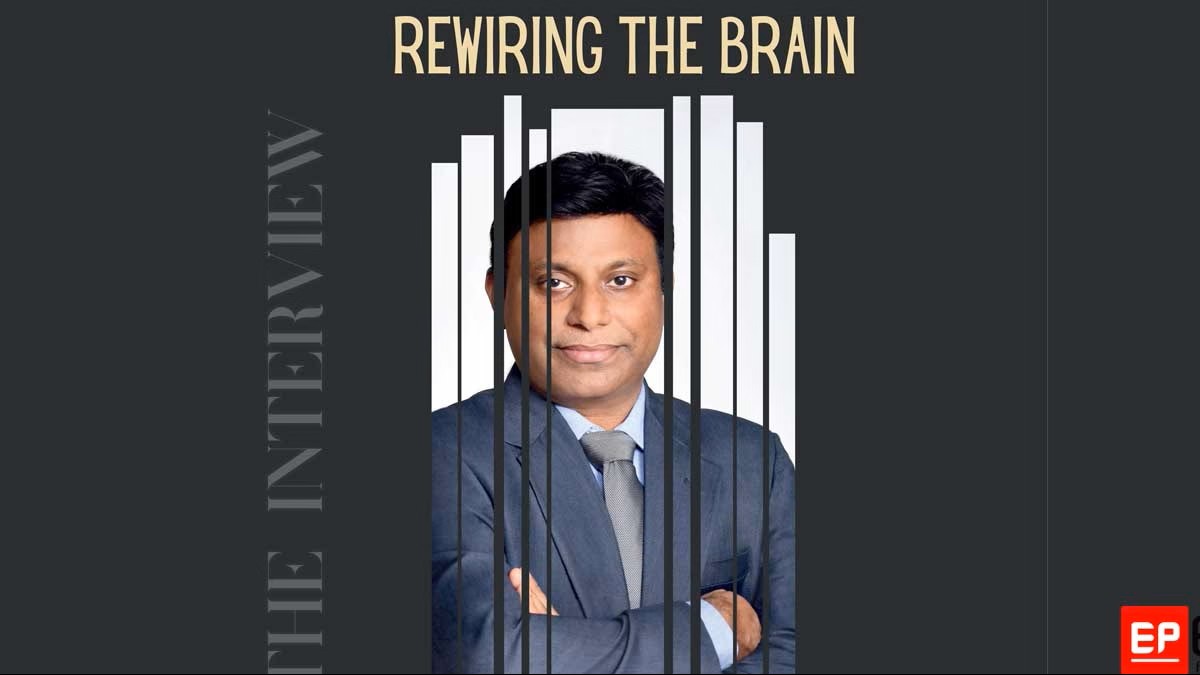
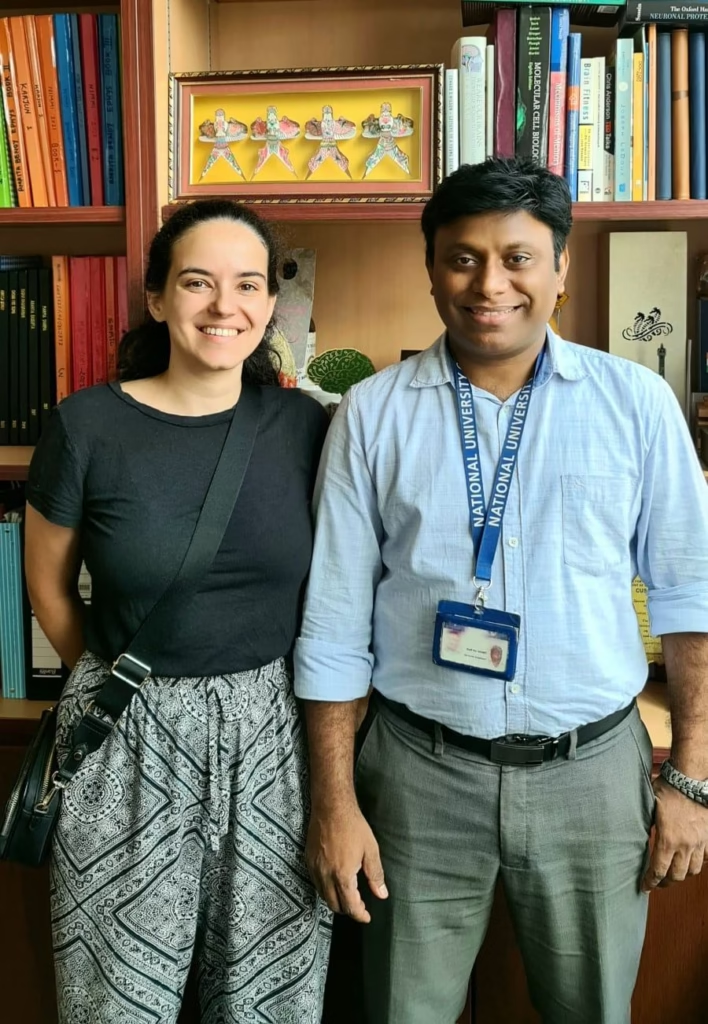
Dr. Saji Kumar Sreedharan is an Associate Professor in the Department of Physiology at the National University of Singapore, where he leads research focused on healthy aging and neurodegeneration. His work has significantly contributed to our understanding of long-term memory storage, the neural basis of memory, and the impact of aging on memory function. A pioneer in exploring the molecular and cellular mechanisms behind memory processes, Dr. Sreedharan’s research utilizes advanced tools like optogenetics and chemogenetics to manipulate and study neural networks. He is particularly interested in finding ways to “rewire” or restore the neural networks to preserve memory function in conditions like Alzheimer’s and mental health disorders.
In an interview with EdPublica’s Dipin Damodharan, Dr. Saji Kumar Sreedharan shares insights into his journey into neuroscience, the challenges and breakthroughs in memory research, and his vision for the future of the field. Meet the man unraveling the mysteries of memory: excerpts from Dr. Saji Kumar Sreedharan’s exploration of the brain’s secrets.

Q: Can you tell us about your journey into the field of neuroscience? What initially sparked your interest in memory research?
I was born and raised in a small village called Chingoli in Alappuzha, near Haripad in Kerala, India. My home was close to a lake, and from a young age, I observed the seasonal changes that happened there. The lake is brackish, meaning saltwater and freshwater exchange every six months. With these changes came noticeable shifts in the plants and animals around the lake. I used to document these changes out of curiosity.
One particular observation was the abundance of a reptile, the skink (arana in local language), in our area. My mother would often warn me to be cautious around skinks, saying that if one bit you, death was certain. At the same time, she also mentioned that skinks never actually bite because they forget their intention within a few seconds. This curious idea sparked my interest, and I asked her why skinks forget everything so quickly. She explained it was due to how their brain is designed and told me that, when I grew up, I could learn more about how the brain stores memories.
Her words stayed with me, and I began reading many books on the brain and memory. This was my first spark of inspiration, and it eventually led me into the field of neuroscience.
Q: Over the past two decades, what specific experiences or challenges have shaped your research focus on long-term memory storage?
The world is advancing rapidly, thanks to scientific discoveries. These breakthroughs are possible because of the incredible abilities of our brains, where our neural networks fuel imagination and creativity. Neuroscience, in particular, is a field that uses new techniques to explore the basic workings of memory.
In the past two decades, methods like optogenetics and chemogenetics have given neuroscientists powerful tools to study memory. Optogenetics is a technique where scientists use light to turn specific brain cells on or off, which normally wouldn’t respond to light. Chemogenetics, on the other hand, allows scientists to activate or deactivate neurons by adding specific chemicals.
These techniques bring both challenges and opportunities. Now, we can target and control specific areas of the brain. For example, imagine a person with psychological issues receiving optogenetic or chemogenetic stimulation in specific brain regions to help manage their emotions and behavior—this could be incredibly useful. While this is currently being tested in animal models, I hope that, in the near future, it could be used to help humans as well.
Q: Your research has been recognized for significantly advancing our understanding of memory formation. Could you elaborate on your key findings related to the transition from short-term to long-term memory?

I have been working in the field of learning and memory since 2000. My first mentor in neuroscience was Prof. T. Ramakrishna, the founder and first head of the Life Sciences Department at the University of Calicut, India. He was a great motivator, and we often had insightful discussions about learning and memory in the evenings. I had the chance to work with him for my master’s dissertation, which was my first real research experience. Prof. Ramakrishna encouraged me to expand my knowledge further, and he connected me with Dr. Shobi Valeri, a senior researcher in Delhi at the time.
Dr. Shobi soon left for Germany to pursue his Ph.D. and recommended me to DRDO (Defence Research and Development Organisation). Dr. Shobi is now a senior scientist at the National Institute of Nutrition in Hyderabad. I worked at DRDO for a year before moving to Magdeburg, Germany, where I began my Ph.D. under Prof. Juletta Frey. She is well-known in the field of learning and memory, particularly for her research on the cellular mechanisms involved in forming associative memory.

In Prof. Frey’s lab, I discovered how different pieces of information can link together to form long-term memories. This work later inspired the development of many computational models of memory. After completing my Ph.D., I did my postdoctoral studies with Prof. Martin Korte in Braunschweig. There, I discovered how activating neurons before learning could enhance memory formation in the future, a process known as metaplasticity—an exciting and emerging area of neuroscience.
Since 2012, I have been working at the National University of Singapore, where I have focused more on aging, neurodegeneration, and mental health. Using animal models, we have uncovered the role of specific brain regions, like CA2 and CA1, in forming social and spatial memories—both of which are significantly affected by aging, neurodegenerative diseases, and mental health conditions.
Q: How do you approach the study of molecular mechanisms in memory, and what methodologies do you find most effective?
In my lab, we approach research questions by looking at them from different angles—molecular, cellular, behavioural, and system-level. We choose the most appropriate method depending on the specific question we’re investigating. I can’t say that one method is better than the others because each plays an important role in confirming our findings.
Recently, we’ve been using optogenetic and chemogenetic tools, which allow us to target and stimulate specific neurons. These methods are particularly helpful because they ensure precision in how we activate or deactivate brain cells.
Q: Congratulations on receiving the “Investigator” award from the International Association for the Study of Neurons and Brain Diseases. What does this recognition mean to you personally and professionally?
Thank you for your kind words. As a researcher, I feel proud and happy that my work is being recognized internationally. Professionally, this recognition is a big motivation to continue pursuing my research.
This achievement is not just mine alone—I owe it to all my Ph.D. students, postdocs, and research technicians who have worked with me over the past 20 years. This award is for them as well.
Q: How do you feel your work contributes to the broader scientific community, especially concerning memory impairments related to aging and mental health?
I am the Research Director of the Healthy Longevity Translational Research Programme at the School of Medicine, National University of Singapore, where we have more than 36 scientists working on various aspects of healthy aging. One of our key areas is brain health. Living a long life is not meaningful without a healthy brain.
I am one of the principal investigators studying how neural networks are impaired during aging and neurodegeneration. My wife, Dr. Sheeja Navakkode, is also a neuroscientist, focusing on Alzheimer’s disease using animal models. Neural networks undergo tremendous changes during aging and in various mental health conditions. Our goal is to correct or rewire neural network activity so that memory can be preserved with minimal damage, especially during conditions such as aging, Alzheimer’s Disease, and mental health disorders.

Q: Looking ahead, what are some of the new directions or questions in memory research that you are excited to explore?
Looking ahead, I’m excited to explore several new directions in memory research. One of the key areas of interest is how neural networks in the brain change during aging and neurodegenerative diseases. I’m particularly interested in finding ways to “rewire” or restore these networks to preserve memory function in conditions like Alzheimer’s and mental health disorders. Additionally, using advanced tools like optogenetics and chemogenetics, we can now target specific brain regions with precision, opening up possibilities to understand how different areas of the brain contribute to memory formation and retrieval.
Q: How do you envision the future of memory research, particularly in relation to technology and treatment for memory-related disorders?
I envision the future of memory research as being heavily influenced by advancements in technology, particularly through tools like optogenetics and chemogenetics. These methods allow us to precisely target and manipulate specific neural networks, which could lead to breakthroughs in understanding and treating memory-related disorders like Alzheimer’s. As we continue to explore how neural networks change with aging and neurodegeneration, we can potentially develop targeted therapies to restore or enhance memory function, offering hope for effective treatments in the future.
Q: What advice would you give to young researchers who aspire to make significant contributions to the field of neuroscience?
My advice to young researchers is to find a mentor who inspires you and helps nurture your curiosity. A good mentor can shape your scientific journey in ways you might not even realize. Focus on being self-motivated, enthusiastic, and hardworking—these qualities matter more than grades or academic achievements. Science requires passion, not just effort. If you’re truly curious and dedicated, you won’t waste time complaining; you’ll immerse yourself in the work. Always approach your research with the mindset of a lifelong learner, and remember, science is not just a job—it’s a passion that drives discovery and innovation.
Q: Finally, how do you balance the demands of research, teaching, and mentorship in your role as an Associate Professor?
Balancing the demands of research, teaching, and mentorship as an Associate Professor requires careful prioritization and passion for each role. In research, I stay focused on exciting new directions in memory studies and neurodegeneration while managing a team of talented scientists. In teaching, I aim to inspire students by sharing my enthusiasm for neuroscience and guiding them through complex concepts. Mentorship is one of the most fulfilling aspects of my career, where I focus on nurturing curiosity and passion in my students, helping them grow both personally and professionally. Ultimately, I approach all three areas with the mindset of a lifelong learner, driven by a deep love for science and a commitment to making a meaningful impact.


India’s Industrial Moment: Shifting the Centre of Global Growth

The Next Five Years Could Be Earth’s Hottest Yet, WMO Warns

India Semiconductor Mission: ‘It’s Not About Fabs. It’s About Building An Entire Ecosystem’

India’s First Private Theoretical Physics Institute Bets on Curiosity-Driven Research

Can India Turn Quantum Research Into a Global Deep-Tech Industry?

Inside India’s Semiconductor Push: ‘This Is a 100-Year Bet’

‘The story of sea-level rise is not a story about water. It is a story about people’

JWST study reveals how rare exoplanet pair formed

When Pollinators Vanish, Children Go Hungry—Here’s the Proof

Lost in Your Twenties? You’re Not Behind—You’re Becoming

-

 Society5 months ago
The Ten-Rupee Doctor Who Sparked a Health Revolution in Kerala’s Tribal Highlands
-
Society5 months ago
From Qubits to Folk Puppetry: India’s Biggest Quantum Science Communication Conclave Wraps Up in Ahmedabad
-
Space & Physics6 months ago
Indian Physicists Win 2025 ICTP Prize for Breakthroughs in Quantum Many-Body Physics
-
Sustainable Energy6 months ago
The $76/MWh Breakthrough: Battery-Backed Solar Becomes the Cheapest Firm Power
-
Society5 months ago
Why the ‘Stanford Top 2% Scientists’ Label Is Widely Misrepresented
-
Space & Physics5 months ago
When Quantum Rules Break: How Magnetism and Superconductivity May Finally Coexist
-
Space & Physics5 months ago
Ancient Martian Valleys Reveal Gradual Climate Shift From Warm And Wet To Cold And Icy: Study
-
Earth5 months ago
Climate Disasters Cost the World Over $120 Billion in 2025, New Report Finds