Connect with us

COP30

Global Push to Cut Methane Gains Momentum, but World Still Off Track to Meet 2030 Target: GMSR 2025

Methane is responsible for nearly a third of current global warming, and cutting it is viewed as the fastest way to slow temperature rise this decade


Published

on

Methane report jpeg
Image credit: Screengrab from the cover page of the report.

The world has made “undeniable progress” in tackling methane emissions since the launch of the Global Methane Pledge (GMP) in 2021, but rapid and deeper cuts are needed over the next five years to keep the goal of reducing methane by 30% by 2030 within reach, according to the Global Methane Stocktake Report (GMSR) 2025 released on November 17.

The report finds that methane mitigation efforts have accelerated across energy, agriculture and waste sectors, supported by new regulations, national methane action plans, satellite-based monitoring and a surge in public-private investment. However, the pace still falls short of what science requires to slow near-term warming.

Speaking at the press briefing, Julie Dabrusin, Canada’s Minister for Environment and Climate Change and Co-Convener of the Global Methane Pledge, said, “In just four years, we have made improvements, but we must continue to drive faster, deeper methane cuts. Every tonne reduced brings us closer to cleaner air, more resilient communities, and a thriving global economy.”

Methane is responsible for nearly a third of current global warming, and cutting it is viewed as the fastest way to slow temperature rise this decade. According to the report, participating countries—which now account for 75% of global methane emissions—have strengthened regulations on oil and gas flaring, invested in leak detection technologies, expanded composting and waste reforms, and piloted low-emission rice cultivation and livestock systems.

Dan Jørgensen, European Commissioner for Energy and Housing, emphasized that early action is paying off. “The Global Methane Pledge has transformed ambition into tangible progress… Countries and companies are proving that methane reductions are achievable — and deliver cleaner air, stronger economies, and a safer climate.”

Satellite data from UNEP’s International Methane Emissions Observatory (IMEO) shows a measurable decline in ultra-emitting events in the oil and gas sector, though agricultural emissions remain stubborn due to slow technology adoption.

Inger Andersen, Executive Director of UNEP, stressed the urgency of scaling action: “Reducing methane emissions is one of the most immediate and effective steps we can take to slow the climate crisis while protecting human health. UNEP is committed to helping countries turn ambition into action.”

With COP30 approaching, the report urges countries to accelerate implementation of methane roadmaps, expand financing, and adopt stronger sectoral standards to close the gap between ambition and actual cuts required by 2030.

EP Staff is the editorial team at EdPublica, an independent media organisation focused on science, education, environment and public policy. The team produces evidence-based news, features, explainers and analysis on issues that shape society and everyday life.

COP30

Pacific Nations Push 1.5°C and Climate Finance Ahead of COP31

Pacific nations are using Pre-COP31 talks in Fiji to push for stronger action on climate change, including keeping the 1.5°C target within reach and improving access to climate finance.
Published

on

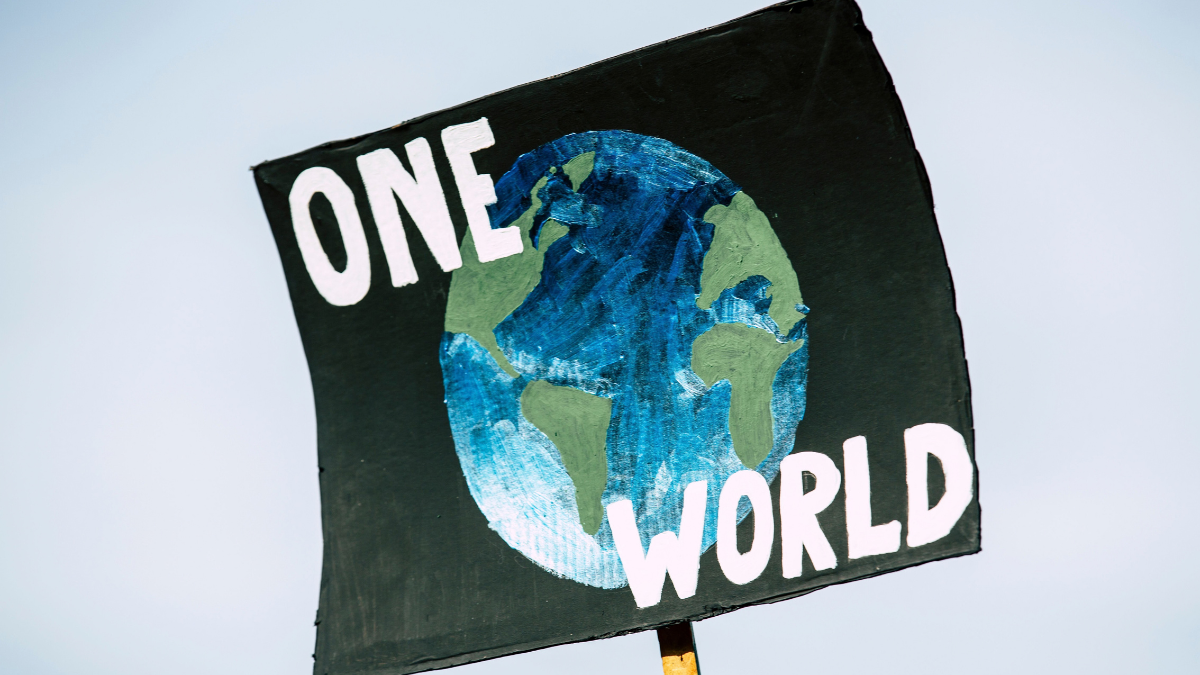
A black climate protest sign reading “ONE WORLD” with a hand-painted illustration of Earth, symbolising global cooperation on climate change ahead of COP31.
A “One World” sign symbolising the global cooperation.Representative image. Image Credit: Pexels

Pacific island nations are seeking to put their climate concerns at the centre of global negotiations as ministers, climate negotiators and senior officials gather in Fiji for preparatory talks ahead of the COP31 climate summit.

The Pre-COP meeting, scheduled in Nadi from October 5 to 8, is intended to build momentum for the United Nations climate conference in Antalya, Türkiye, in November. COP31 will be held from November 9 to 20.

For Pacific countries, however, the meeting is more than a diplomatic step towards the main summit. It is an opportunity to press the world’s major economies on issues that directly affect the region, particularly the 1.5°C warming limit, climate finance and the growing impact of climate change on oceans and coastal communities.

Fiji has outlined four priorities for the Pre-COP discussions: keeping the 1.5°C target within reach, improving access to climate finance, placing oceans more prominently in climate negotiations and strengthening Pacific leadership.

The 1.5°C target is particularly important for small island nations facing rising seas, coastal erosion, extreme weather and growing pressure on communities and infrastructure.

Fiji’s climate officials have said the country wants to maintain the role of climate science in international decision-making and “hold the line” on 1.5°C. The country is also calling for climate finance to reach vulnerable communities more quickly, arguing that lengthy funding procedures can leave communities waiting for resources while climate risks continue to increase.

Access to finance is expected to be one of the key issues carried from the Pacific discussions into COP31. Pacific governments are seeking greater support for adaptation and resilience, including through a proposed Pacific Resilience Facility that would finance climate projects across the region.

The region is also seeking to bring oceans more firmly into the climate agenda. For Pacific island states, climate change is closely connected to the health of marine ecosystems, coastal communities, fisheries and food security.

The preparatory talks will therefore bring together two aspects of the climate debate: the global effort to limit further warming and the immediate need to protect communities already experiencing its effects.

The setting is significant. Leaders and delegates will also spend time in Tuvalu, a low-lying Pacific island nation particularly exposed to sea-level rise. The programme includes visits to adaptation projects, including reclaimed land and solar installations, allowing visiting leaders to see some of the measures being used by island states to respond to climate risks.

But the meeting comes with a diplomatic challenge. Reuters reported that relatively few leaders from outside the Pacific have confirmed their participation. Leaders from Antigua and Barbuda, Cabo Verde, Thailand, the Maldives and Timor-Leste are among those confirmed, while around 30 representatives of countries and institutions are expected at the leaders’ segment.
pexels ron lach 9035234

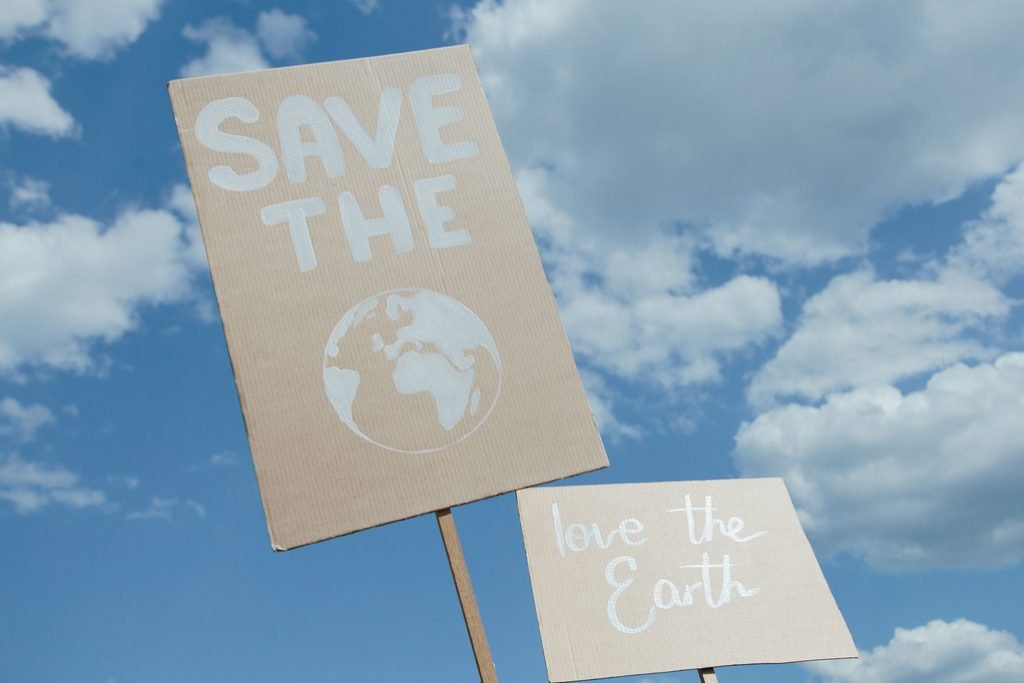
A placard displaying ‘Save the Earth’.Representational image.Image Credit:Pexels

The limited participation has drawn criticism from some Pacific officials, who argue that the region’s climate concerns deserve greater international attention. At the same time, the meeting is expected to bring thousands of delegates to Fiji, giving Pacific governments a platform to shape discussions before the main negotiations in Türkiye.

For the Pacific, the focus in Nadi will therefore be on translating regional concerns into negotiating priorities for COP31 — from keeping the 1.5°C goal central to improving access to climate finance and strengthening attention to oceans and adaptation.

The outcome of the Fiji discussions will feed into negotiations at COP31, where governments will have to work through the wider questions of climate ambition, finance and implementation.

For island nations on the frontline of climate change, the immediate priority is to ensure that their experience and demands are reflected proportionately in those negotiations.

Continue Reading

COP30

Greenwashing at Scale: How Big Oil Flooded Brazil With Ads Ahead of COP30

A global investigation reveals a 2,900% spike in oil-funded Google ads targeting Brazil, exposing a sophisticated digital greenwashing campaign designed to shape public opinion before COP30.

Published

on

Magazine 12
Illustration: S James

As COP30 concluded in Belém, a new report details how Big Oil used the months leading up to the summit to launch a massive digital greenwashing push across Brazil, one of the largest offensives seen in recent years. A new investigation reveals that major oil companies increased their Google ads targeting Brazil by an astonishing 2,900%, flooding search results with “clean energy” narratives designed to obscure their fossil-heavy expansion plans.

The report, A 2,900% Increase in Greenwash, released by the Climate Action Against Disinformation coalition (CAAD) and the Climainfo Institute, exposes how the world’s largest oil firms strategically poured money into Google’s advertising ecosystem between January and October 2025, with ad volumes peaking as Brazil’s COP30 preparations intensified and public debate around climate ambition surged.

The findings paint a stark picture, while oil companies publicly marketed themselves as climate allies, behind the scenes they executed a high-intensity digital influence operation aimed at shaping climate perceptions in the very country responsible for convening the next global climate negotiations.

“Every year Big Oil spends big money on greenwashing and disinformation to justify the pollution that’s killing people and the planet,” said Renata Albuquerque Ribeiro, a researcher at Climainfo, in a media statement. “This year, the scale went off the charts.”

“The scale of this advertising blitz is unprecedented and timed with precision to coincide with Brazil’s central role in global climate diplomacy,” said campaigners in a media statement accompanying the report.

“Every year Big Oil spends big money on greenwashing and disinformation, and it’s well past time policymakers stop letting Big Tech players like Google get rich off lies used to justify the pollution that’s killing people and the planet,” said CAAD coalition communications co-chair Philip Newell.

Brazil: A New Frontline in Fossil-Fuel Influence

Brazil’s selection as COP30 host has transformed the country into a strategic communication battleground. With the Amazon at the centre of global climate politics, Brazil’s diplomatic leadership poses a reputational challenge for oil giants that continue expanding fossil-fuel investments.

This context, researchers say, made Brazil a prime target for polished, tech-enabled influence campaigns.

Between January and October 2025:

  • Oil companies purchased thousands of Google ads promoting “clean energy transitions,” “carbon-neutral futures,” and “sustainable innovation.”
  • Ads surged most sharply in August–September, aligning with Brazil’s COP30 diplomatic roadmap announcements.
  • Search terms related to “Brazil energy transition,” “climate leadership,” and “COP30 sustainability” were among the most heavily targeted.

Behind the glossy messaging, however, the report finds “systematic attempts to rebrand fossil expansion as climate progress” — a redirection strategy designed to nudge public sentiment in a country now shaping the agenda for global climate action.

2,900%: A Number That Signals Intent

A spike of nearly 30-fold in advertising is not organic. It is strategic.

Campaign researchers show that:

  • In early 2025, oil companies ran almost no Google ads targeted specifically at Brazil.
  • By mid-2025, this changed dramatically as the COP30 calendar gained traction.
  • By October, ad volumes had soared 2,900% above January baselines.

“This is not simply a PR campaign — it is an influence operation with global stakes,” said the report’s authors.

The ads consistently highlighted themes such as “net-zero commitments,” “innovation pathways,” and “green technologies,” despite independent assessments showing these companies are increasing oil and gas investments far faster than clean energy expenditure.

“Petrobras, Brazil’s state-owned oil company, responsible for 86% of the country’s oil incidents, ran 665 ads in the first 10 months of 2025,” the report states.

“Saudi Aramco accounted for the highest share of ads in October. TotalEnergies and ExxonMobil dramatically increased their presence in mid-year. BP’s ads peaked as COP30 planning intensified,” one section of the report notes.

The Anatomy of Digital Greenwashing

The investigation found that nearly all ads shared three unifying characteristics:

1. Promoting Fossil Expansion as ‘Energy Security’

Ads framed continued oil and gas development as essential for stability, echoing language oil companies now frequently use to justify new drilling projects.

2. Overstating Climate Efforts

Phrases such as “leading on climate” and “investing in a net-zero future” dominated messaging — despite internal plans showing the opposite.

3. Targeting ‘Climate-Aware’ Audiences

The ads were deployed in Portuguese and English, aimed at Brazil’s urban, digitally connected population who would be most engaged in COP30 discourse.

This hyper-targeted strategy, the report says, relied heavily on Google’s algorithmic ad capabilities, allowing companies to “embed green narratives directly into the search environments of millions of Brazilians.”

Global Climate Diplomacy Meets Big Tech Influence

The findings raise alarming questions about the role of digital platforms in shaping global climate negotiations.

“Allowing fossil-fuel producers to amplify misleading narratives before a critical UN summit undermines democratic climate debate,” campaigners said in a media statement.

Experts warn that COP30 — intended to accelerate global transitions away from fossil fuels — risks becoming a communications battlefield dominated by the industries most responsible for climate instability.

“We believe that greenwashing in adverts by fossil fuel companies poses a major threat to climate information integrity,” added Travis Coan of C3DS.

In past summits, oil and gas lobbyists have been present inside negotiation halls. But the digital ad surge in Brazil signals a shift: the battle for influence is increasingly happening online, long before diplomatic delegations arrive.

Why Brazil Was Targeted

The report outlines several reasons Brazil became the epicentre of Big Oil’s digital scrutiny:

  • COP30 host status: Global attention is shifting to Brazil’s climate platform.
  • Amazon factor: The Amazon is a symbol of climate urgency — a narrative oil firms seek to overshadow.
  • Energy transition debate: Brazil’s growing renewable portfolio contrasts sharply with fossil expansion elsewhere.
  • Emerging regulatory gaps: Brazil lacks strict digital transparency laws governing paid climate messaging.

These conditions provided oil companies with a fertile landscape to reposition themselves as climate partners while continuing to invest heavily in fossil extraction.

When Greenwashing Meets Algorithms

The report argues that digital greenwashing has evolved beyond traditional PR. Today, misleading narratives are: algorithmically amplified, micro-targeted, geographically tailored, optimized for search behaviours, and delivered at scale.

The risk, researchers warn, is not just misinformation — it is the embedding of climate narratives that subtly distort public understanding of energy pathways.

And unlike political advertising, corporate climate ads often escape regulatory scrutiny.

From Big Oil to Big Influence: The Policy Gap

Despite the scale of the ad surge, there are few global frameworks requiring companies to disclose their digital spending on climate messaging.

Campaigners argue this gap gives fossil-fuel giants a powerful informational weapon in shaping global climate discourse.

“This level of opaque influence must be urgently addressed — especially when it targets COP host countries,” the report notes.

The authors call for stronger digital ad transparency rules, mandatory disclosures of climate-related paid messaging, clear restrictions on misleading environmental claims, and accountability from tech platforms like Google ahead of global climate events.

The investigation concludes that unchecked digital greenwashing threatens to distort public dialogue as Brazil prepares is hosting one of the most consequential climate negotiations of the decade.

And with oil companies poised to continue expanding their ad budgets into 2026, researchers warn that COP30 may become “the most digitally influenced climate summit ever.”

Continue Reading

COP30

From 6% to 16%: The Philippines Shows the World How Fast Climate Budgets Can Shift

In just four years, the Philippines has expanded its climate spending from PHP 282 billion to over PHP 1 trillion — one of the fastest fiscal shifts anywhere in the world.

Published

on

Magazine 8
Flooded Street with Jeepney in Malabon, Philippines. Image credit: Tear Cordez/Pexels

Governments across the world are beginning to rethink the way national budgets are designed, moving away from traditional fiscal planning and toward systems that integrate climate considerations directly into spending decisions. A new comparative review of global green-budgeting practices reveals a trend that is gathering momentum: more countries are using their budgets as climate-governance tools. But the pace of progress varies sharply between advanced economies and emerging markets.

The Rise of Climate-Conscious Budgets

Countries such as France, Ireland, Mexico and the Philippines provide some of the clearest examples of how climate priorities are reshaping national expenditure. France has increased its identified climate-positive budget from €38.1 billion in 2021 to €42.6 billion in 2025, while Ireland expanded its environmental allocations from €2 billion (2020) to €7 billion (2025). Mexico’s transformation has been even more rapid: climate-related expenditures rose from MXN 70 billion (2021) to MXN 466 billion (2025) — a six-fold increase.

A Sudden Surge in the Philippines

Nowhere is the shift more dramatic than the Philippines. After embedding climate budget tagging across its ministries, the country’s climate budget expanded from PHP 282 billion in 2021 to more than PHP 1 trillion in 2025, raising its share of the national budget from 6% to 16%. The reform forced ministries to assess thousands of programmes through a climate lens, resulting in a shift toward resilient infrastructure, sustainable energy, water security, and climate-smart industries.

Advanced Economies Move Beyond Tagging

While emerging economies are scaling up climate allocations, advanced economies are integrating climate metrics deeper into fiscal systems. Canada’s “climate lens” requires greenhouse-gas and resilience assessments for major infrastructure projects before funding is approved. Norway links its annual budget to its Climate Change Act and long-term low-emission strategies. Germany uses sustainability indicators to guide fiscal decisions, embedding climate considerations into macroeconomic planning.

These tools go beyond transparency. They force ministries to justify public spending not only in economic terms, but in climate terms — shifting budgets from accounting documents to steering instruments.

Despite this momentum, the analysis notes a persistent gap: many countries stop at tagging climate-related expenditures without linking them to outcomes or performance indicators. Tagging improves transparency, but on its own does not change investment decisions. Without climate-based appraisal and monitoring, high-emission infrastructure can still slip through national budgets unchallenged.

The Financing Challenge

For lower-income countries, the largest barriers are financial. High capital costs, limited fiscal room, and weaker public financial management systems restrict the scale of green budgeting reforms. Even when climate spending rises, sustaining these increases requires integrating climate metrics into medium-term fiscal frameworks — something only a handful of emerging economies have attempted.

Innovations Show What’s Possible

Some models offer a blueprint. Indonesia’s climate-tagging system feeds directly into its sovereign green sukuk framework, giving investors clear visibility over the use of proceeds. This loop — tagging, reporting, financing — demonstrates how governments can leverage green budgeting to unlock larger pools of private capital.

Still in Progress

The report concludes that the next frontier for green budgeting is integration: linking budget tagging, climate-lens project appraisal, performance-based reporting, and climate-aligned fiscal strategies. Done together, these tools allow budgets to become climate-governance instruments capable of guiding national transitions.

But the pace remains uneven. Some countries are racing ahead, while others are taking incremental steps. What is clear, however, is that climate-aligned public finance is no longer optional. As climate impacts intensify, the alignment of the world’s budgets will determine who adapts — and who is left behind.

Continue Reading

Trending