Society
Women make more ‘gains’ in shorter time than men do
Study claims that 150 minutes of physical activity per week is what it takes for women to have the same health gains as men after 300 minutes.







Society
Nearly 72% of Migrant Workers in South India Report Improved Living Standards, but Labour Protection Remains Weak
India’s migrant construction workers play a crucial role in the country’s urban development, yet many continue to face poor working conditions, inadequate social security, wage insecurity and limited access to essential services.
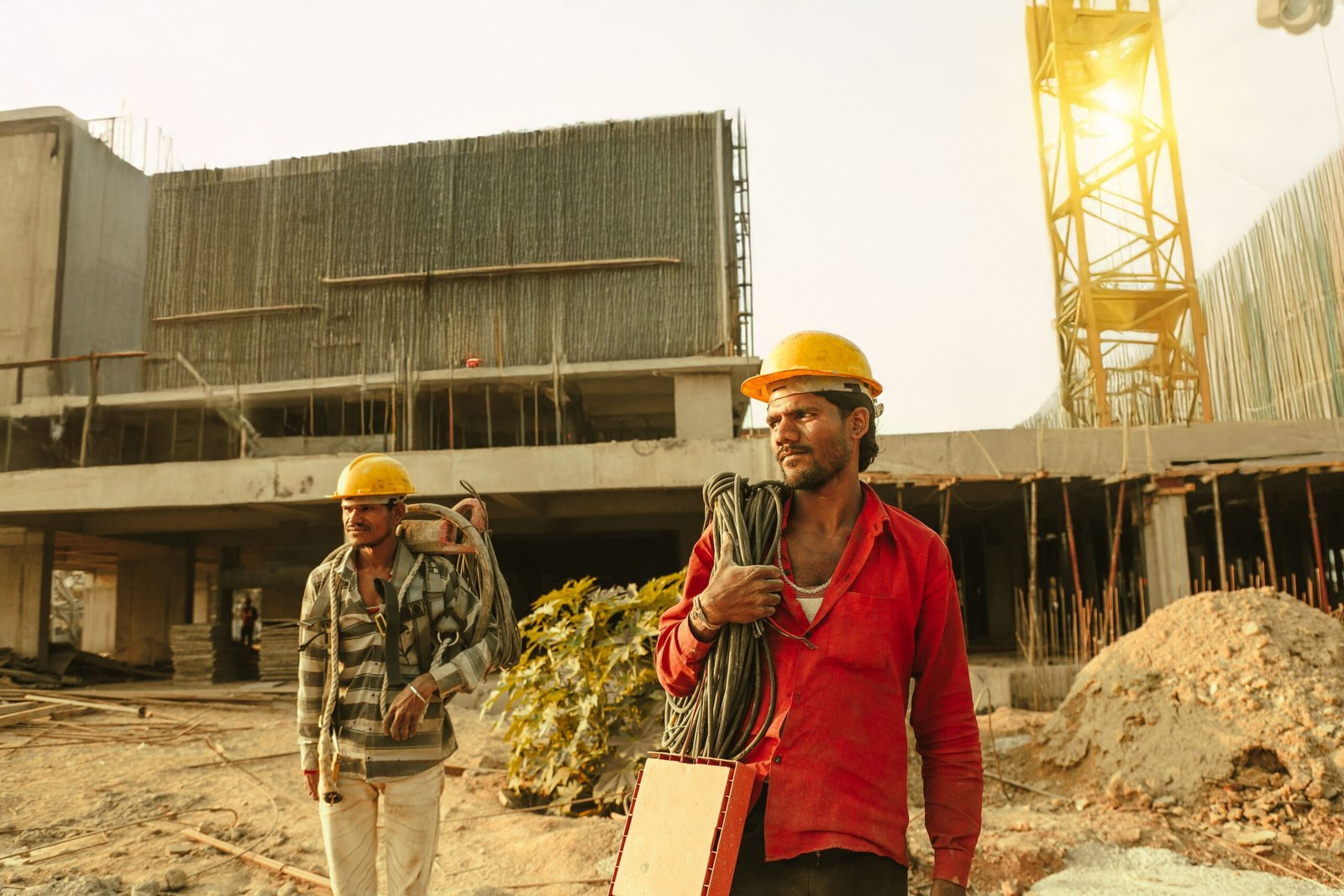
Nearly 72 per cent of interstate migrant workers surveyed across Kerala, Karnataka and Tamil Nadu reported improved living standards after moving to the southern states. However, access to welfare benefits, healthcare and formal employment protections remains a major challenge, according to a new regional survey.
The findings are part of the South India Interstate Migration Survey (SIIMS) 2026, published by the International Institute of Migration and Development (IIMAD) in collaboration with the United Nations Population Fund (UNFPA) and the International Organization for Migration (IOM).
Based on a mixed-methods study of 1,824 migrant workers across 33 districts, the survey examines migration patterns, employment conditions, housing, healthcare, financial security and access to social protection. Data were collected between December 15, 2025, and March 31, 2026. The research covered agriculture, fisheries and daily-wage labour across the three states, alongside hospitality in Kerala, scrap collection in Karnataka and textile and garment work in Tamil Nadu.
The survey found that 71.8 per cent of respondents reported improved living standards after migration, while 56.9 per cent intended to continue working in their destination states. However, the findings also reveal a gap between improved livelihood opportunities and access to basic labour protections.
Employment insecurity and gaps in social protection
The absence of formal employment arrangements emerged as one of the major concerns. Around 86.4 per cent of surveyed workers did not have written employment contracts, while 57.6 per cent received their wages in cash. Only 12.8 per cent reported awareness of their labour rights or available support programmes.
The lack of written contracts can make it difficult for workers to establish employment terms, seek compensation for unpaid wages or pursue grievances. The survey also found that 15.6 per cent of respondents had experienced a workplace accident during the preceding year, while only one per cent had accident insurance.
Access to welfare benefits was similarly limited. Only 19.4 per cent of respondents reported easy access to welfare benefits after migration, while 45.3 per cent faced considerable difficulties. Another 35.3 per cent reported partial access. Healthcare access presented another concern, with 69.2 per cent reporting difficulties obtaining healthcare services.
These findings are supported by a separate study published in Frontiers in Human Dynamics on July 14, 2026. Researchers examined employment precarity and psychosocial well-being among 428 interstate migrant workers in Kerala.
The study, titled Employment Precarity and Psychosocial Well-being among Interstate Migrant Workers in India: The Mediating Role of Social Protection, found a significant association between insecure employment and lower psychosocial well-being. Social protection had a statistically significant indirect effect in this relationship, suggesting that institutional support could partly mitigate the disadvantages associated with precarious employment.
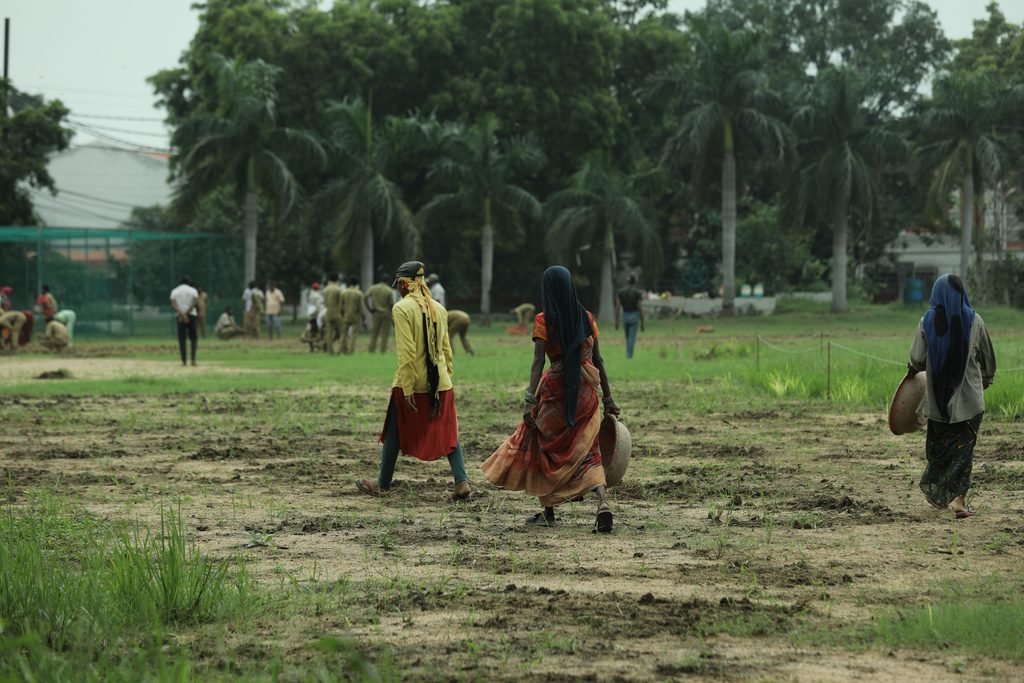
Women migrant workers working in a grass field. Image credit:Pexels
The researchers noted that the relationship between employment insecurity and well-being remained significant even after examining factors such as social exclusion and individual coping mechanisms. However, because the study used a cross-sectional design, the findings establish associations rather than causation.
The financial inclusion findings also reveal a gap between access to banking and broader economic security. Although 88.2 per cent of surveyed workers had access to formal financial services, this did not necessarily translate into access to welfare benefits, insurance or secure employment.
Gender differences further shaped workers’ economic experiences. Women migrant workers earned approximately Rs 3,313 less per month than men, even after researchers accounted for other measured factors. The findings indicate that employment vulnerabilities are not distributed equally across the migrant workforce.
Migration governance requires coordination between states
The survey identified circular migration as an important feature of interstate labour mobility, with 82 per cent of respondents classified as circular migrants. Many workers move repeatedly between their home states and employment destinations, often relying on informal networks of friends and relatives to find work.
This movement creates challenges for welfare systems that remain organised around state-specific administrative structures. Workers may find it difficult to access benefits when their employment, residence and documentation are spread across different locations.
The report recommends stronger coordination between origin and destination states, improved portability of welfare benefits, multilingual assistance and more accessible healthcare services. It also calls for better labour inspections and stronger workplace protections, particularly in sectors where informal employment is widespread.
The findings raise questions about whether existing social protection mechanisms are adequately responding to the mobility of India’s workforce. While migration provides employment opportunities and improves living standards for many workers, the absence of reliable employment safeguards and accessible welfare services leaves significant gaps in their protection.
As southern states continue to depend on interstate labour across construction, agriculture, hospitality, manufacturing and other sectors, ensuring that workers can access their rights and benefits wherever they move will remain an important challenge for migration policy.
Society
Sikkim Records 79% Growth in Milk Production Over a Decade, Dairy Cooperatives Expand
Sikkim has recorded a 79% increase in milk production over the past decade. New initiatives include a Siri cattle Centre of Excellence, dairy infrastructure upgrades and Churpi traceability.
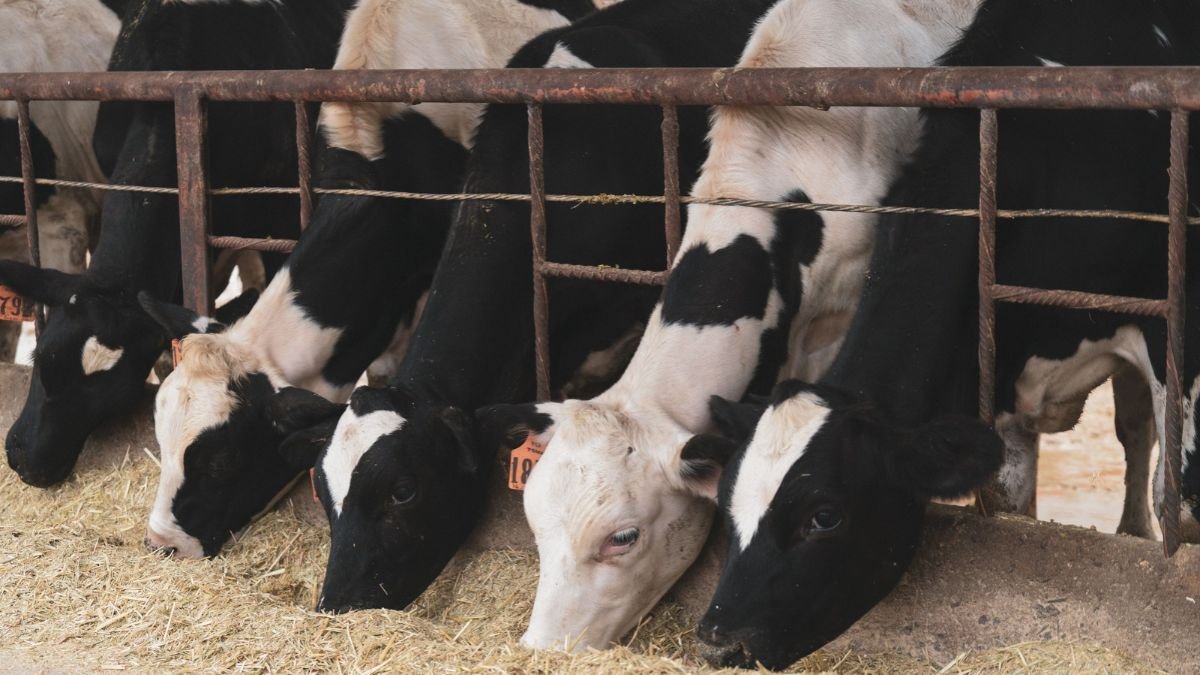
Sikkim’s daily milk production has increased by 79% over the past decade, rising from 1.37 lakh litres to 2.45 lakh litres, according to the Ministry of Fisheries, Animal Husbandry and Dairying. The state has also recorded an 88% increase in dairy cooperative societies during the same period, reflecting the expansion of its organised dairy network.
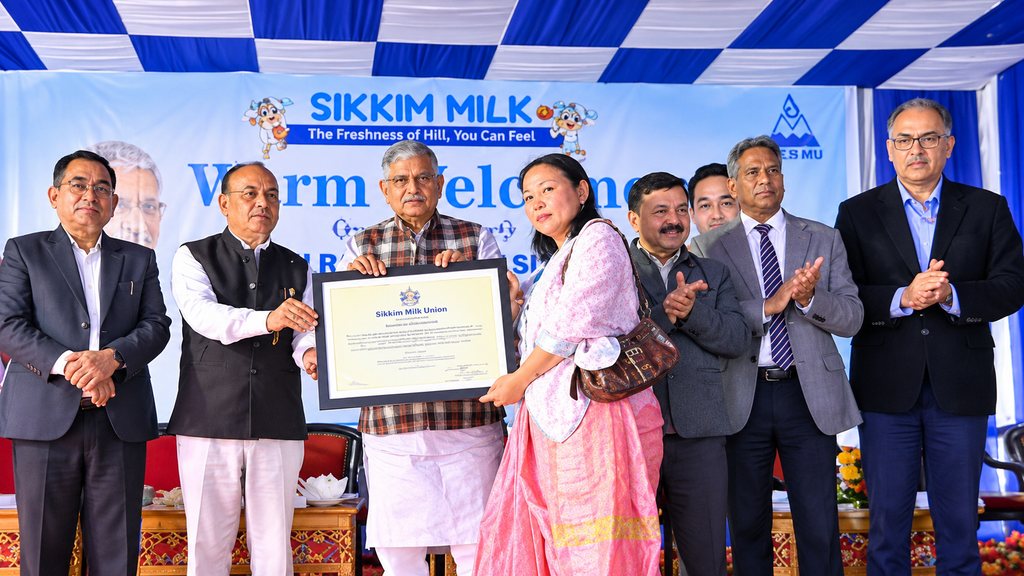
Union Minister for Fisheries, Animal Husbandry and Dairying Rajiv Ranjan Singh highlighted the figures at a programme organised by the Sikkim Milk Union in Gangtok on November 3, 2026. The growth comes against the backdrop of India’s expanding dairy industry. India produced 247.87 million tonnes of milk in 2024–25, retaining its position as the world’s largest milk producer. Its output increased by 3.58% from 239.30 million tonnes in 2023–24, accounting for approximately a quarter of global milk production.
Uttar Pradesh is the country’s largest milk-producing state, contributing 15.66% of national output in 2024–25. Rajasthan followed with 14.82%, while Madhya Pradesh, Gujarat and Maharashtra accounted for 9.12%, 7.78% and 6.71%, respectively. These five states together contributed approximately 54% of India’s milk production.
India’s dairy industry primarily serves its large domestic market, with milk and milk products consumed across rural and urban households. Uttar Pradesh, besides being the largest producer, is also a major consumption market. Government data for 2023–24 put its monthly per capita milk consumption at 5.69 litres in rural areas and 8 litres in urban areas.
However, production volumes do not automatically translate into organised market supply. Uttar Pradesh’s Dairy Development Department estimates that only around 10% of the state’s marketable milk surplus is processed through the organised sector, compared with a national average of approximately 17%. This points to gaps in processing and marketing infrastructure despite the state’s substantial production.
Expansion of Sikkim’s Dairy Network
In Sikkim, the number of dairy cooperative societies increased from 389 in 2014–15 to 733 in 2025–26. Daily milk supply to consumers also doubled, from 28,000 litres to 56,000 litres.
The programme included several initiatives aimed at improving dairy infrastructure, milk quality and the commercial value of traditional dairy products. The minister inaugurated a microbiology laboratory of the Sikkim Milk Union under the National Programme for Dairy Development (NPDD). The facility is intended to strengthen microbiological testing and quality assessment, supporting food safety in the dairy sector.
A Churpi traceability initiative was also launched to strengthen the identity and marketability of the traditional dairy product. In addition, Fodder Plus products developed by Farmer Producer Organisations (FPOs) were introduced to improve fodder availability and create additional income opportunities in the livestock sector. Five newly established dairy cooperative societies received registration certificates during the programme.
Siri Cattle Conservation and Dairy Infrastructure
The minister also announced plans to establish a Centre of Excellence for the conservation and development of indigenous Siri cattle. The proposal follows his visit to Mangan, where local cattle were reported to produce an average of approximately three litres of milk per day.
The proposed centre will focus on improving the breed’s genetic potential and milk productivity through advanced breeding technologies, including in-vitro fertilisation (IVF). The minister said the Central Government would sanction funds for the initiative and invited the Sikkim Government to submit a formal proposal. The National Dairy Development Board (NDDB) will also finance and undertake the comprehensive modernisation of the existing dairy processing plant in Mangan district, drawing on the model implemented in Mizoram.
Highlighting the potential of organised dairy development, Singh cited NDDB’s intervention in Varanasi, where milk collection reportedly increased from 14,000 litres per day in 2022 to approximately 2.5 lakh litres. The price received by farmers rose from ₹28–30 to ₹42 per litre. The initiative also created additional income opportunities through the utilisation of cow dung in biogas plants under the GOBARdhan programme. The minister called on NDDB to strengthen its support and deploy additional human resources in Sikkim to help the state achieve self-reliance in milk production and procurement.
Society
Greece Passes Social Media Ban for Children Under 15
Greece’s new law will bar children under 15 from social media from January 2027, adding to international efforts to regulate young people’s access to online platforms.


India’s renewable energy boom faces a growing challenge as power grids struggle to absorb clean electricity

The Global Race for Critical Minerals: Where Does India Stand?

How Rubella Virus Finds Its Way Into the Placenta: Scientists Identify a Human Cell Receptor

AI-assisted telemedicine improves healthcare access in rural Rajasthan, study finds

OpenAI Promises Greater Transparency as Data Centre Backlash Grows in the US

Indian universities lead Asia in research output per faculty, but the country’s top six all slip in QS ranking

Knowing When to Think for Ourselves: AI, Intuition and the Education of Discernment

After a Scorching Summer, Delhi’s Children Are Slow to Return Outdoors

Europe Braces for Extremes as Commission Unveils Climate Resilience Framework

Automated Homoeopathic Dispensing System Receives Indian Patent
-

 Math4 months ago
The 2026 Fields Medals: Four Proofs, Four Decades-Old Problems Solved
-
EP Deep Dive: Data & Solutions3 months ago
After Kerala’s Deadliest Landslide, the Hardest Thing to Rebuild Was Childhood
-
EP Deep Dive: Data & Solutions4 months ago
West Asia Crisis: Can Kerala’s Returning Gulf Migrants Find a Future in the Green Economy?
-
Space & Physics5 months ago
India Semiconductor Mission: ‘It’s Not About Fabs. It’s About Building An Entire Ecosystem’
-
Interviews2 months ago
From Scams to Screens: How the National Stock Exchange Rewrote India’s Equity Story
-
Climate & Environment5 months ago
The Climate World Cup? How Climate Change Could Affect Player Performance at the 2026 World Cup
-
Society4 months ago
What Is Civilisational Diplomacy? Understanding India’s Newest Foreign Policy Tool
-
Society5 months ago
From Bell Labs to the Classroom: A Second Career in Teaching