

A QS report forecasts international student enrolments in India to grow 8% annually to 2030, positioning the country as a...







A team of MIT physicists has created a magnetic transistor that could make future electronics smaller, faster, and more energy-efficient. By swapping silicon for a new...
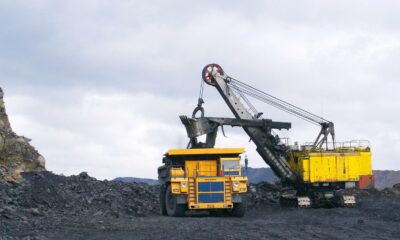

India’s coal expansion plan clashes with its 2070 net zero pledge, warns the 2025 Production Gap Report, raising risks of stranded assets and climate fallout.


Governments plan to produce 120% more fossil fuels than allowed by the 1.5°C Paris goal by 2030, risking catastrophic warming.


Researchers from MIT propose that a primordial black hole’s final explosion could be responsible for the most energetic neutrino ever observed, potentially marking the first direct...


When the world’s biggest dragon goes green, the effects are impossible to ignore.


How do earthquakes spend their energy? MIT’s latest research shows heat—not ground motion—is the main outcome of a quake, reshaping how scientists understand seismic risks


China’s green-tech giants are unleashing a tidal wave of investment, transforming global clean energy landscapes with over $227 billion in new projects.


Astronomers uncover how interstellar dust grains align with galactic magnetic fields, revealing new insights into star formation and cosmic evolution.


India’s teacher count crosses one crore in 2024-25, improving pupil-teacher ratios and female participation amid changing student enrolment trends.
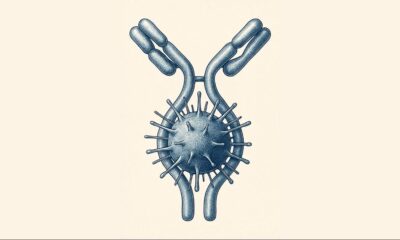

This synergistic bracing action gives IgM a unique advantage in neutralizing bacterial toxins that are exposed to mechanical forces inside the body