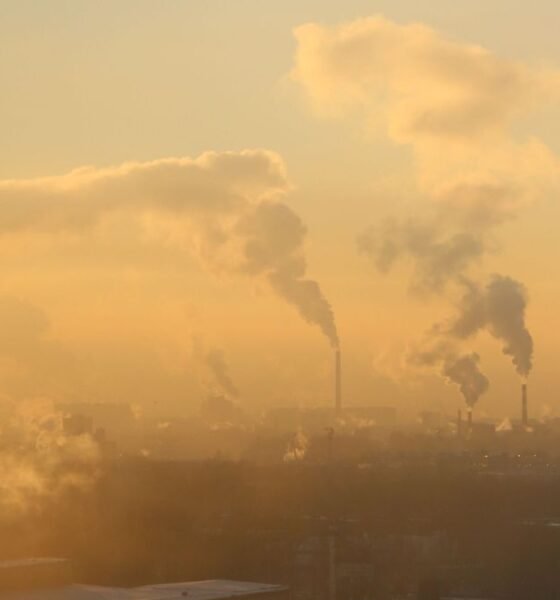
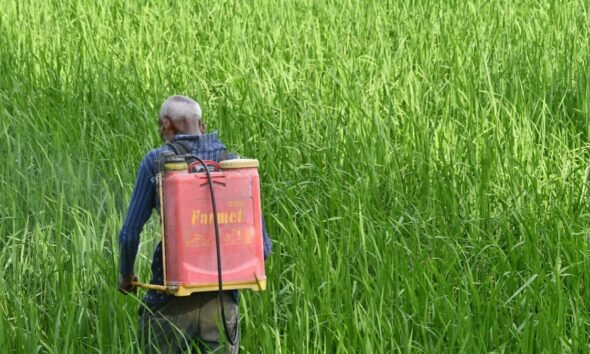
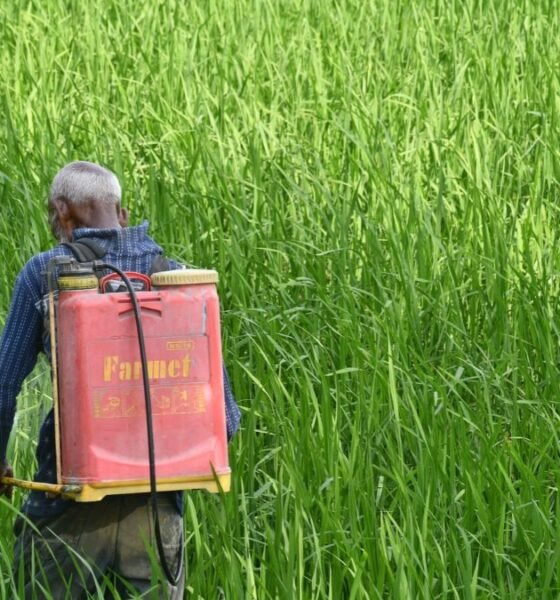
India's fertiliser subsidy system carries fiscal, environmental and energy costs beyond the price farmers pay. A new Climate Trends study...



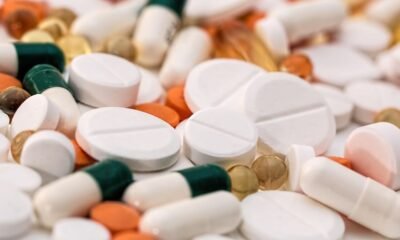
India has reduced prices across 1,031 anti-cancer medicine formulations, with the government estimating annual consumer savings of 3,502 crore rupees.








India's migrant construction workers play a crucial role in the country's urban development, yet many continue to face poor working...
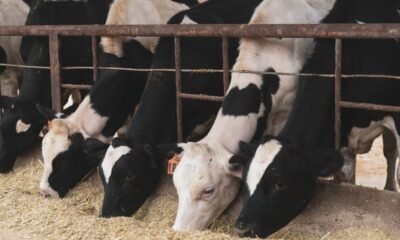

Sikkim has recorded a 79% increase in milk production over the past decade. New initiatives include a Siri cattle Centre...


Greece's new law will bar children under 15 from social media from January 2027, adding to international efforts to regulate...
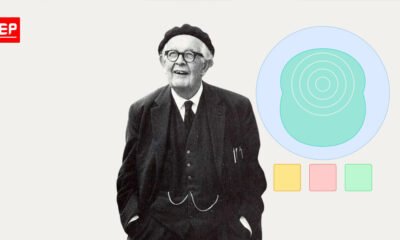

Long before brain scans and developmental neuroscience, a Swiss biologist-turned-psy chologist argued that children are not minia ture adults but...
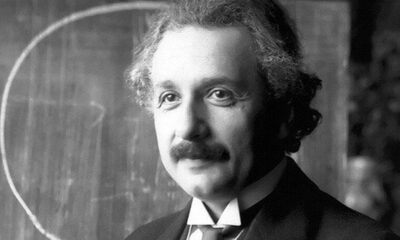

How does a soft-spoken, late-blooming, introspective young man—once dismissed as lazy and unimaginative—go on to become one of the greatest...


Rejected in Britain, celebrated by Einstein, here's the story of S.N. Bose, the Indian physicist who formulated quantum statistics, now...
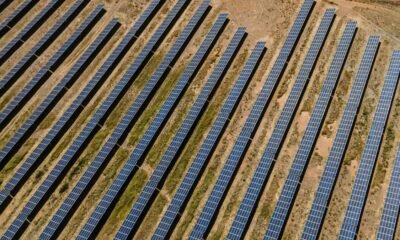

India accounted for 5.7% of global greenfield investment between 2020 and 2025, more than double China's share. UNCTAD data highlight the concentration of investment in AI...


New research is examining how late-night smartphone use, disrupted sleep and passive social media scrolling may be linked to anxiety. Studies highlight the importance of digital...
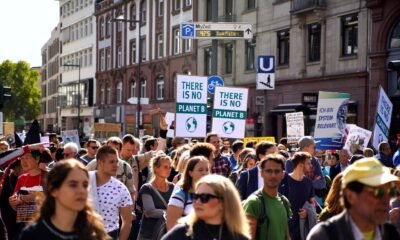

Climate protesters demand stronger action on global warming, highlighting the urgency of translating climate science into effective policy and international commitments.


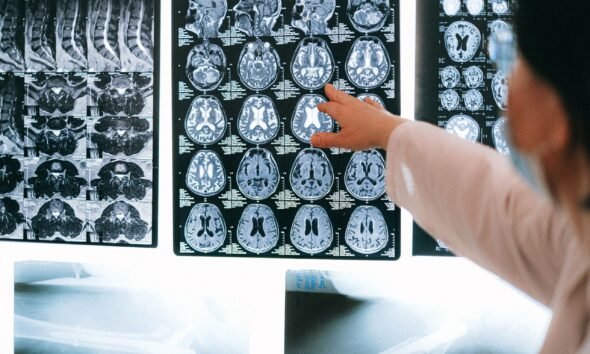
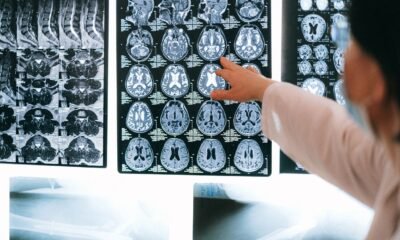
A new study examines how puberty, pregnancy and menopause are associated with distinct patterns of structural changes in the female brain, highlighting the need for more...

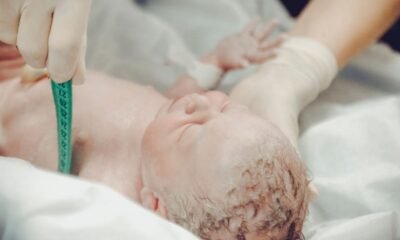
Extreme heat is emerging as a growing threat to pregnancy and childbirth. Research from India and an international survey highlight the risks to maternal and newborn...

The Centre has approved a 30% trade-margin cap on non-scheduled cancer medicines, aiming to lower prices and reduce patients’ out-of-pocket treatment costs.


World Space Week 2026 explores the Rocket Revolution, from reusable launchers and private space companies to the growing role of satellites.


Artificial Intimacy by Sherry Turkle examines how chatbots may reshape empathy, attachment and human relationships, from childhood to old age.
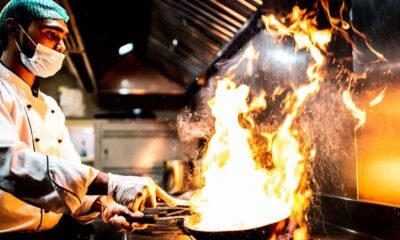

Commercial kitchen air pollution can exceed health guidelines, with gas kitchens exposing workers to heat, nitrogen dioxide, benzene and carbon monoxide.
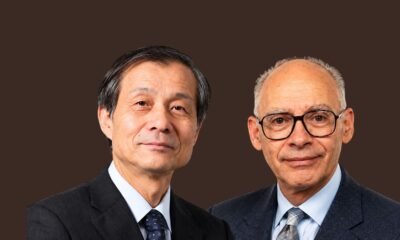

The 2026 Nobel Prize in Chemistry goes to Henri Kagan and Kenso Soai for discoveries that explain how one mirror-image molecule can dominate.