
Climate & Environment
Delhi’s Pollution Control Efforts Show Uneven Progress, With 52.7 Lakh Tonnes of Landfill Waste Still Uncleared
A CAQM assessment of Delhi’s 2026 pollution control targets reveals strong progress in air quality monitoring but slow clearance of legacy waste, with 52.7 lakh metric tonnes remaining across three major landfills.

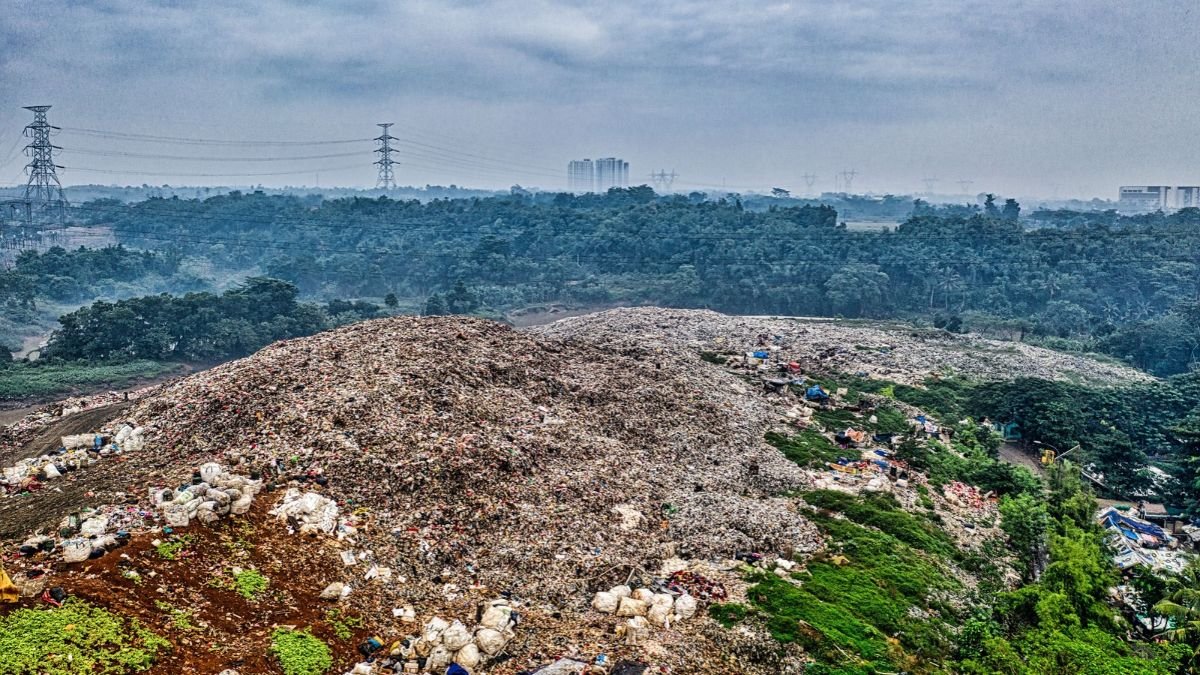
Delhi has made considerable progress in monitoring air pollution and inspecting industrial units this year. Yet, the capital continues to struggle with some of the everyday problems that affect its air quality, including mounting waste at landfills, inadequate parking facilities and gaps in public transport infrastructure. A new assessment by CAQM, the Commission for Air Quality Management in the National Capital Region and Adjoining Areas shows that Delhi has met several of its pollution-control targets for 2026, while falling behind in others.
The findings, based on progress recorded up to October 31, underline the uneven implementation of the city’s action plan.
Strong Performance in Monitoring and Industrial Inspections
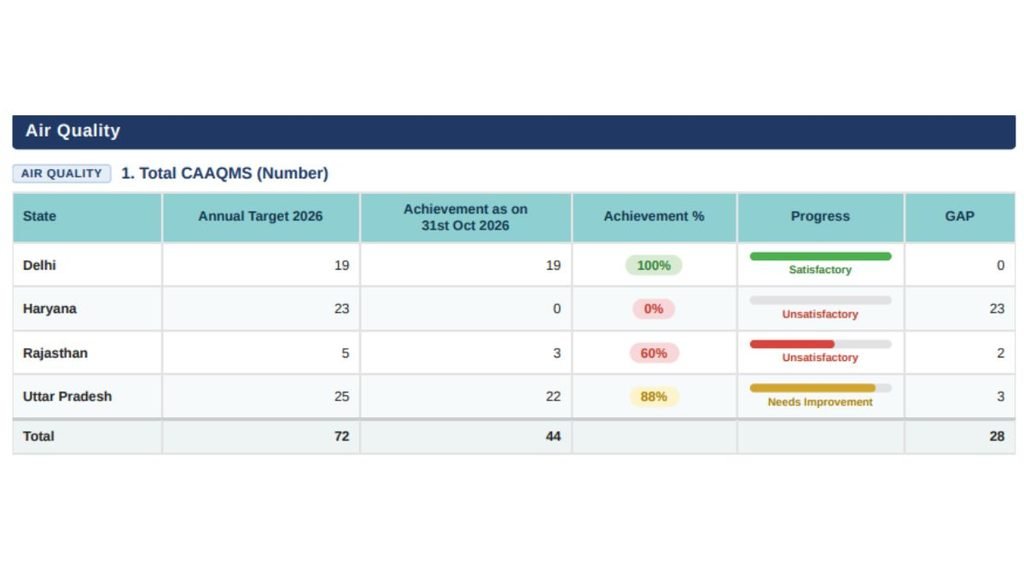
Among the areas where Delhi performed well was air quality monitoring. It completed the installation of all 19 Continuous Ambient Air Quality Monitoring Stations (CAAQMS) planned for the year. These stations help track changes in pollution levels and provide data for assessing air quality.
The city also exceeded its target for industrial inspections, checking 1,609 units against a planned 979. It also achieved its targets for augmenting electric vehicle charging infrastructure. But the progress has been considerably slower in managing accumulated waste. Delhi’s three major landfill sites at Okhla, Bhalswa and Ghazipur continue to hold large quantities of legacy waste, which refers to waste dumped over several years and left untreated.
The city has cleared 67% of the targeted waste at Okhla, 57% at Bhalswa and just 42% at Ghazipur. Across the three sites, 52.7 lakh metric tonnes of legacy waste remain to be cleared. These sites have long been associated with concerns over foul odour, leachate and air pollution. The slow pace of clearance also points to the difficulty of dealing with years of accumulated municipal waste.
Public Transport and Parking Infrastructure Lag Behind
Transport infrastructure presents another challenge. Delhi added 1,703 buses to its public transport fleet against an annual target of 2,395, achieving around 71% of the goal. Expanding public transport is important for reducing dependence on private vehicles, particularly in a city where traffic congestion and vehicle emissions contribute to poor air quality.
The gap is even wider in parking infrastructure. Of the 266 parking lots planned, only 15 had been completed by October 31. While the city finished all 34 short-term traffic decongestion points, it had completed only eight of the 28 long-term projects.
Delhi also fell short of its targets for establishing green crematoria and expanding mechanical road-sweeping facilities. Mechanical sweepers help remove dust and debris from roads, reducing the amount of particulate matter that can become airborne as vehicles pass. The shortfall in these areas highlights the need for more consistent implementation of measures that address pollution at its source.
CAQM Asks States to Speed Up Implementation
The CAQM assessment covers the implementation of action plans by Delhi and neighbouring States. It tracks progress across different pollution-control measures rather than relying solely on air quality readings. With the year drawing to a close, the commission has urged the governments concerned to accelerate work on pending targets. It noted that Delhi and neighbouring States still have an opportunity to improve their performance before the end of 2026.
The findings point to a challenge that extends beyond installing monitoring equipment or conducting inspections. Sustained improvements in air quality also depend on how effectively cities manage their waste, expand public transport, control road dust and complete essential urban infrastructure.




Climate & Environment
Why COP31 Ends Without a Deal? Why India is Putting Climate Equity at the Centre of Negotiations?
COP31 ended in Antalya without a clear agreement on climate finance or stronger action on fossil fuels. India’s position highlights the continuing divide over historical responsibility, development needs and the financial support required by developing countries.
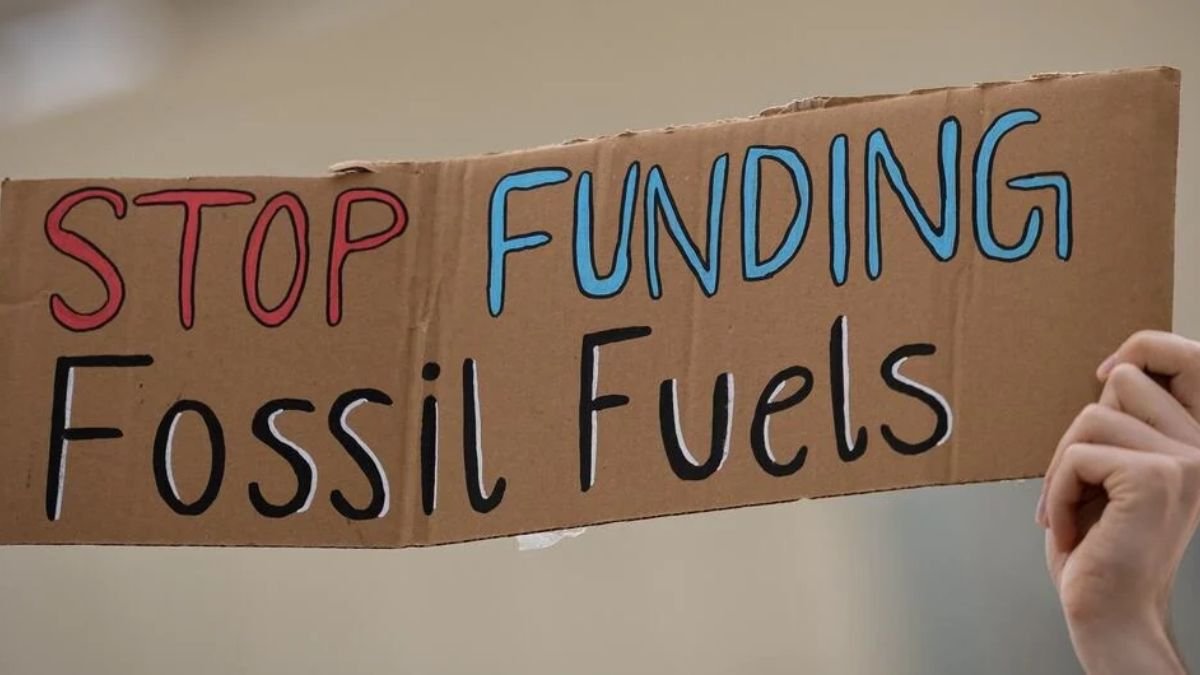
After negotiations ran into Sunday, COP31 ended in Antalya, Türkiye, without an agreement on stronger action to move away from fossil fuels or fresh, quantified climate finance commitments for developing countries. The final text recognised the need to expand electrification, strengthen power grids and increase energy storage. It also retained an aspiration to scale up carbon capture, utilisation and storage (CCUS) to gigatonne levels by 2035. But countries could not agree on who would finance the changes or how much support developing nations could expect.
Developing countries wanted clearer commitments from wealthier nations, which have greater financial resources and bear a larger share of historical responsibility for greenhouse gas emissions. Several developed countries, including the EU, the UK and Japan, resisted measurable funding obligations. Major fossil-fuel producers, including Saudi Arabia and Russia, opposed stronger language on moving away from oil, gas and coal.
The final text did restore a reference to Article 9.1 of the Paris Agreement, which requires developed countries to provide financial resources to developing nations. But it came without a new funding figure or a clear delivery mechanism. A proposed 120-billion USD adaptation-finance figure was dropped. The call to triple adaptation finance by 2035 remained, although countries did not agree on the baseline from which this increase would be calculated or how the money would reach those who need it.
Three years after countries agreed at COP28 to transition away from fossil fuels, the Antalya outcome offered no stronger commitment on that front. At the same time, it retained the aspiration for large-scale carbon capture and encouraged wider use of carbon-dioxide removal technologies, with safeguards against delaying emissions cuts. For many climate observers, the outcome raised questions about the priorities guiding the energy transition.

Why Climate Finance Equity and CBDR-RC Matter?
The disagreement over finance brings an old question in climate negotiations back into focus on whether every country be expected to take on the same responsibilities, regardless of how much it has contributed to global warming or what resources it has to respond? The UN climate framework addresses this through the principle of Common but Differentiated Responsibilities and Respective Capabilities (CBDR-RC).
It recognises that climate change is a shared problem, but countries have not contributed to it equally. Their ability to respond also varies. Industrialised nations built much of their wealth through decades of fossil-fuel use, while many developing countries are still working to provide reliable electricity, transport, housing, healthcare and other basic services to their populations.
This is why developing countries argue that climate commitments must account for historical emissions and present-day capabilities. They are expected to reduce emissions and prepare for climate impacts, but they also need room to pursue development. The principle of CBDR-RC places a greater responsibility on wealthier nations to support this transition through finance and technology.
Article 9.1 of the Paris Agreement gives this responsibility a specific basis by requiring developed countries to provide financial resources for mitigation and adaptation in developing countries. Its restoration in the COP31 text was therefore significant. Yet, without a funding commitment or a clear process for delivery, the reference leaves the central disagreement unresolved.
Developing countries’ adaptation needs could reach 305 billion USD annually by 2035, according to the analysis in the COP31 document. Communities are already dealing with the effects of floods, droughts, heatwaves and storms. Preparing for these risks requires investment in infrastructure, early-warning systems, water management, agriculture and public services. The negotiations retained the call to triple adaptation finance, but did not settle the baseline or the route through which the money would be provided.
Vibhuti Garg, Director for South Asia at the Institute for Energy Economics and Financial Analysis (IEEFA), says the outcome falls short of what the scale of the problem demands. “The text recognises the right problems, but does not match that recognition with the finance, accountability and implementation commitments needed,” she says.
There was also a disagreement over how global financial flows should be aligned with climate goals. Article 2.1(c) of the Paris Agreement deals with making financial flows consistent with low-emission and climate-resilient development. Its reference was removed from the final text, along with a safeguard stating that such alignment could not replace developed countries’ obligations under Article 9.1. For developing nations, this is an important distinction. Investments in climate-friendly projects cannot take the place of the public finance that wealthier countries are expected to provide.
Adaptation projects such as strengthening flood protection, improving water systems or preparing farming communities for changing rainfall patterns may not generate returns that make commercial loans viable. Countries with limited public resources cannot keep adding to their debt to manage climate impacts they have contributed relatively little to causing.
Suranjali Tandon, Associate Professor at the National Institute of Public Finance and Policy, says adaptation finance needs to be concessional. She points out that “clarity is still required on the size and baseline of the allocation, and on access to funds.” A larger headline figure will have little value if countries cannot access the money on terms they can afford.
India’s Development, Finance and Carbon-Budget Implications
For India, these negotiations have a direct bearing on how quickly the country can change its energy systems while meeting growing demand. Expanding renewable-energy capacity is one part of the transition. Bringing cleaner electricity into factories, public transport and other sectors requires a much wider network of transmission lines, storage facilities and flexible power systems.
COP31’s proposed goal of increasing electricity’s share of global energy consumption to 35% by 2035 recognised this shift. The text also acknowledged the need for stronger grids, storage and better energy access. But it did not set out specific financial support to make these changes possible.
India’s resistance to a uniform international electrification target reflects its concern that countries cannot be expected to follow identical pathways. Their energy needs, infrastructure and capacity to invest are different. A target that looks achievable for a wealthy country with established power networks may be difficult for a developing country still working to expand access and reliability.
Dr Ajay Mathur, India’s lead negotiator at the Paris COP and former Director General of the International Solar Alliance, sees the recognition of electrification and grid modernisation as a useful step.
But he says developing countries came to Antalya asking “who pays, how much and on what terms.” The text, he notes, restores the reference to Article 9.1 but offers no funding figure. The baseline for tripling adaptation finance will remain open until November 2027.
The question of energy security adds another dimension. The West Asia conflict and the resulting energy-market uncertainty have exposed the risks of relying heavily on internationally traded fossil fuels. Supply disruptions and price swings can put pressure on national budgets and households. Renewable-powered electrification, backed by storage and reliable grids, can help reduce this exposure. But if electricity demand grows without enough investment in clean power, coal and gas could continue to fill the gap.
This is one reason the absence of a clear link between the electrification proposal and renewable-energy deployment is significant. The 35% figure remains an aspiration, not a binding target supported by a dedicated financing package. Without that support, the transition could move at very different speeds across countries.
The final text retained the aspiration to scale up CCUS to gigatonne levels by 2035, even as stronger language on moving away from fossil fuels failed to secure agreement. Carbon capture may have a role in reducing emissions from certain difficult-to-abate sectors, but its large-scale deployment raises questions about cost, effectiveness and the risk of allowing continued fossil-fuel use.
Aarti Khosla, Director of Climate Trends, is concerned about the prominence given to the technology. She describes the “over emphasis on the unknown devil of Carbon Capture, Utilisation and Storage (CCUS)” as a serious concern, particularly because of its possible implications for forests and food security. Her criticism reflects a wider debate over whether carbon-removal technologies are receiving attention that should instead go towards cutting emissions at source.
For India and other developing countries, the larger issue is how the costs of this transition will be shared. They need to expand energy access and infrastructure while reducing emissions and protecting communities from climate risks. If international targets become more demanding without affordable technology and predictable finance, the burden could fall on national budgets and people who are already facing the effects of climate change.
India’s Position at COP31
India’s position at COP31 was shaped by its long-standing demand that climate action should reflect differences in historical responsibility and economic capacity. It has argued that developing countries must have the space to meet their development needs, while wealthier nations should fulfil their commitments to provide finance and technology.
India also raised concerns about the pace of climate assessments. The final text accommodated concerns from countries including India over the Intergovernmental Panel on Climate Change’s role in the 2028 Global Stocktake and the possibility of a rushed assessment cycle. The Stocktake is intended to assess collective progress under the Paris Agreement, making the timing and quality of scientific assessments important to countries deciding their next steps.
Although Article 9.1 found its way back into the final text, the absence of a quantified commitment means developing countries still do not have clarity on the amount of support they can expect, the terms on which it will be provided or when it will arrive. The removal of Article 2.1(c) and the safeguard around Article 9.1 also left unresolved the relationship between broader financial flows and the specific obligations of developed countries.
The negotiations also offered a glimpse of how climate cooperation may evolve outside the formal UN process. While countries struggled to reach a collective agreement, Türkiye announced more than 26 billion USD in deals and investment plans. These included a preliminary 15-billion USD renewable-energy agreement with China and 5.1 billion USD in development-bank financing. The OPEC Fund pledged up to $1 billion in joint operations with the Asian Development Bank, while 25 countries backed fossil-fuel transition roadmaps. These are announced plans and commitments, not completed investments.
Such partnerships can help move projects forward when global negotiations stall. But they also raise questions about who sets the terms of the transition and who benefits from the investments. Countries with greater financial resources could gain more influence over the direction of climate action, leaving those with fewer resources dependent on decisions made elsewhere.
Ambassador Manjeev Puri, Distinguished Fellow at The Energy and Resources Institute (TERI), believes the multilateral process remains essential despite its slow pace. “Multilateralism is slow and untidy, yet it’s the best option for the Global South for global collaborative action,” he says. He sees COP32 in Addis Ababa in 2027 as the next opportunity to put adaptation and the means of implementation at the centre of negotiations.
For India, the debate at Antalya goes beyond the wording of a climate agreement. The country must expand its energy systems, protect people from worsening climate impacts and reduce emissions, all while addressing development needs. Its insistence on equity is rooted in the question of how these responsibilities can be shared fairly. Climate targets can set the direction, but the money, technology and support needed to meet them will determine whether developing countries can follow through.
Climate & Environment
What Declining Freshwater Storage Means For India?
India’s water security depends on more than monsoon rainfall. Declining groundwater reserves, regional water scarcity and changing freshwater storage raise concerns about the country’s long-term water supply.
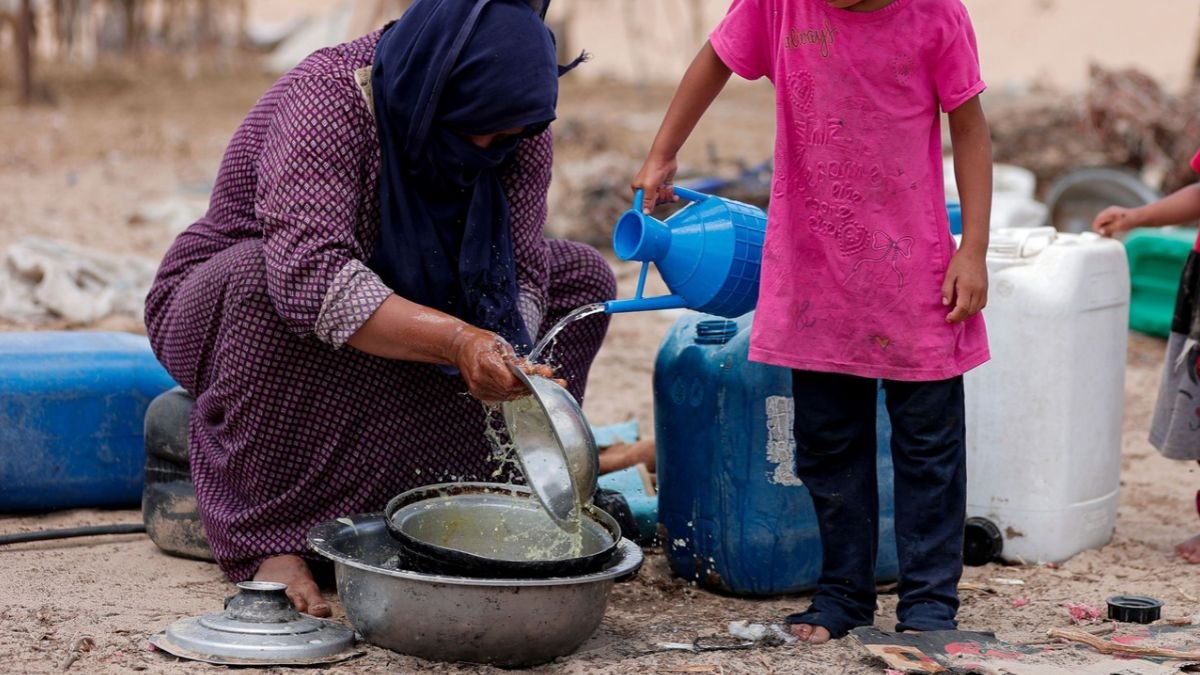
In June 2026, Mumbai faced the prospect of running short of water where seven reservoirs that supply the city had fallen to critically low levels, leaving enough stored water for around 40 days. The Brihanmumbai Municipal Corporation introduced water restrictions as the delayed monsoon kept the reservoirs from filling. The situation eased after heavy rainfall in July brought storage levels up sharply. Mumbai’s experience showed how closely the city’s water supply depends on rainfall in the catchment areas that feed its reservoirs for freshwater storage.
The lakes are spread across several districts, some more than 100 km from the city. When the monsoon arrives late or rainfall falls below expectations, the effects can reach households, businesses and public services. Rainwater flows into rivers and reservoirs, while some seeps into the soil and replenishes groundwater. Snow and glaciers also feed rivers over time. Soil moisture supports plant growth, while groundwater supplies wells during dry months.
The amount of water stored depends on rainfall, temperature, soil and land use, as well as how much people draw for farming, industries and homes. Heavy rain can cause flooding without replenishing groundwater, as much of the water runs off before it can seep into the soil. Higher temperatures increase evaporation, while excessive groundwater use, especially for irrigation, further reduces underground reserves.
Freshwater Storage Below Normal In Northern India
An assessment by the World Meteorological Organization (WMO), State of the Climate: Update for COP31, draws attention to changes in the water stored across the world’s land surface. It brings together groundwater, soil moisture, rivers, lakes, reservoirs, snow and ice under a measure called terrestrial water storage (TWS).

The report says water stored on land has declined globally since 2014. In 2025, 42% of the assessed global area had below-normal terrestrial water storage. The long-term average for such conditions is 25%. Northern India was among the regions where below-normal storage persisted through 2025. The report also recorded similar conditions across parts of North and South America, Europe, the Middle East, Central Asia, China and northern Africa. These findings continued a pattern seen in 2024.
Groundwater Remains Under Pressure
Groundwater is a major part of this picture in India. It supports irrigation, drinking water supplies and many rural livelihoods. The Central Ground Water Board’s 2025 assessment put the country’s annual groundwater extraction at 247.22 billion cubic metres, against an annual extractable resource of 448.52 billion cubic metres. The national stage of groundwater extraction stood at 60.63%. The assessment also classified 730 assessment units as over-exploited.
These figures measure groundwater extraction against the available resource. They are different from the WMO’s terrestrial water storage measure, which combines several sources of freshwater. Read together, however, they point to the importance of managing both groundwater and surface water.
What Glacier Loss Means For River Systems
Changes in the Himalayan cryosphere add another concern. Glaciers and seasonal snow contribute to river flows, particularly during periods when rainfall is limited. The WMO report estimates that glaciers worldwide lost around 408 billion tonnes of ice in the 2025 hydrological year. It was the sixth-largest annual loss since global records began in 1975. All 19 glacierised regions recorded mass loss for the fourth consecutive year. High Mountain Asia was among the largest regional contributors to sea-level rise from glacier loss that year.
For India, these changes have implications for river systems and communities that depend on water flowing from the mountains. The timing and amount of meltwater can influence water availability downstream, alongside monsoon rainfall and groundwater conditions.
Water Stress Varies Across India
Water availability differs widely across the country. According to estimates by the Central Water Commission, 59% of India’s 727 districts were facing water scarcity in 2025, while 3% were classified as facing absolute scarcity. The estimates are based on the amount of water available per person. Population growth and uneven distribution of water resources add to the pressure in several regions.
Groundwater use also varies sharply between states. The 2025 assessment by the Central Ground Water Board found that extraction had exceeded the annual extractable resource in Punjab, where the extraction stage stood at 156%, Rajasthan at 147% and Haryana at 137%. In Kerala, it was 50%. These differences show why national averages can hide serious local shortages.
Agriculture accounts for around 87% of India’s annual groundwater extraction, making irrigation a major factor in groundwater demand. The 2025 assessment classified 730 of the country’s 6,762 groundwater assessment units as over-exploited, while another 201 were in the critical category.
There is also some improvement in the national figures. Between 2017 and 2025, the share of assessment units classified as safe increased from 62.6% to 73.14%, while the share classified as over-exploited fell from 17.2% to 10.8%. The figures suggest progress in several areas, alongside continuing pressure in states and districts where extraction remains high.
Water Planning Needs a Wider View
Water planning often deals with these sources through separate departments and programmes, groundwater extraction, reservoir management, irrigation, river conservation and rainwater harvesting. The WMO assessment makes a case for looking at the links between them. A reservoir may fill during a strong monsoon, while groundwater levels remain under pressure. A district may receive heavy rainfall, yet lose much of it through rapid runoff. A change in snow and glacier conditions can affect river flows beyond the mountain region.
For cities such as Mumbai, reservoir levels remain an immediate measure of water security. Across the country, the picture also depends on the condition of aquifers, rivers, soil and mountain water reserves. Tracking these sources together can help governments plan for dry periods, protect recharge areas and use available water more carefully for ensuring water security in the coming years.
Climate & Environment
What Can Himalayan Marmot Droppings Tell Us About Climate Change?
What can animal droppings reveal about climate change? Scientists are studying pollen and fungal spores in Himalayan marmot faeces to uncover clues about the vegetation and environmental conditions of the high Himalaya.

High in the Himalaya, where cold winds sweep across grasslands and snow-covered mountains shape the landscape, a small furry animal is leaving behind clues about its changing environment. Scientists are now studying its droppings to understand what grows in these high-altitude ecosystems and how their vegetation may be changing.
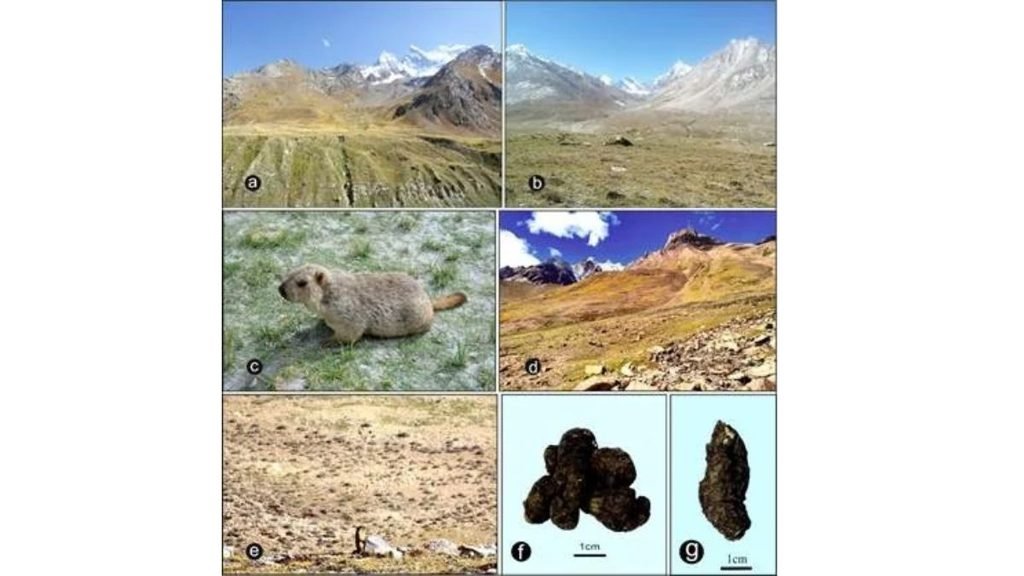
The animal is the Himalayan marmot, a herbivore that lives in the cold, dry alpine regions of the Himalaya. Its diet consists of local plants, and traces of those plants remain in its faeces. These include pollen grains and fungal spores that can reveal information about the vegetation in its surroundings. Researchers have found that these tiny biological traces could serve as an alternative source of environmental information, particularly in remote mountain areas where conventional methods of studying past climates are difficult to use.
The findings come from a study by scientists at the Birbal Sahni Institute of Palaeosciences (BSIP), an autonomous institute under the Department of Science and Technology. Published in the journal PLOS ONE, the research explores how marmot faeces could help scientists reconstruct past environmental conditions and study ecological changes in the higher Himalaya.
How Can Animal Droppings Reveal the Environment?
To understand this, it helps to look at what scientists usually study when they want to know how an environment has changed over thousands of years. Lake sediments, peat deposits and soil often preserve traces of ancient vegetation. Pollen grains from plants settle in these materials and remain buried over time. By examining them, scientists can identify which plants grew in a particular region and how vegetation changed across different periods.
This branch of research is known as palaeoecology, the study of past ecosystems. However, collecting such records is not always possible in the higher Himalaya. Some mountain regions are remote, dry and lack suitable lakes or peat deposits. The Himalayan marmot offers a different possibility.
As it feeds on plants in its habitat, pollen grains can pass through its digestive system and remain preserved in its droppings. Scientists can examine these grains to identify the plants that formed part of its diet. Since the animal feeds on vegetation around it, the samples also offer clues about the surrounding plant community. In effect, the marmot carries traces of its environment in its digestive system, leaving behind a biological record that researchers can study.
What Did the Scientists Find?
The research team examined faecal samples from two Himalayan regions, looking for pollen grains, fungal spores and chemical elements. The pollen analysis identified several plant groups, including Artemisia, Asteroideae, Caryophyllaceae, grasses, sedges and Chenopodiaceae. These are associated with the alpine-steppe vegetation found in the marmot’s habitat.
The researchers also examined the proportions of different pollen types, including Artemisia in relation to Chenopodiaceae, Cyperaceae and Ephedra. Such comparisons can help scientists interpret vegetation patterns and the environmental conditions associated with them. The team used microscopy and elemental analysis to study the samples further. A technique called Field Emission Scanning Electron Microscopy coupled with Energy-Dispersive X-ray Spectroscopy (FESEM–EDS) helped identify their elemental composition.
Fungal spores provided another set of biological clues. Examining pollen and fungal material together gave the researchers a broader picture of the environmental information preserved in the samples. Based on their findings, the researchers suggest that Himalayan marmots could serve as indicator species for studying vegetation and environmental changes in high-altitude ecosystems.
Why Should Scientists Pay Attention to These Changes?
The Himalaya is particularly sensitive to shifts in temperature, precipitation and snow cover. These changes can influence which plants grow in alpine regions, how long growing seasons last and the habitats available to wildlife. A change in vegetation can also affect animals that depend on those plants for food and shelter. The Himalayan marmot is one such animal. Understanding its habitat is important beyond the species itself. Marmots are also an important prey animal for snow leopards. Changes in their populations and habitats could have consequences for the wider mountain food web.
By studying the biological material preserved in marmot faeces, scientists may be able to monitor changes in alpine vegetation and develop a better understanding of how these ecosystems respond to environmental pressures.
The study also provides a modern reference for future research using coprolites, the scientific term for fossilised faeces, to reconstruct ancient environments. It demonstrates a method that could help scientists investigate environmental changes and build a clearer picture of how the higher Himalaya has evolved. Sometimes, understanding the history of a fragile ecosystem requires scientists to look beyond conventional records. In the Himalaya, the droppings of a plant-eating mountain animal may offer one more way to do that.

CCMB Scientists Identify Compounds to Disarm Deadly Fungus, Offering New Approach to Antifungal Resistance

Delhi’s Pollution Control Efforts Show Uneven Progress, With 52.7 Lakh Tonnes of Landfill Waste Still Uncleared

More Than One Million STIs Acquired Daily Worldwide; India Reports Over 51,000 Syphilis-Reactive Cases

Why COP31 Ends Without a Deal? Why India is Putting Climate Equity at the Centre of Negotiations?

The Science of Selling: How Sudheer Babu Decodes Buyer Psychology in ‘The Revenue Multiplier’

India’s Richest Agree on One Cause Above All Others: Education

Indian universities lead Asia in research output per faculty, but the country’s top six all slip in QS ranking

Why Delhi’s Geography Makes It Vulnerable to Severe Air Pollution

Europe Braces for Extremes as Commission Unveils Climate Resilience Framework

NASA recruits new astronauts for future Moon Base and Mars missions
-

 Math4 months ago
The 2026 Fields Medals: Four Proofs, Four Decades-Old Problems Solved
-
EP Deep Dive: Data & Solutions4 months ago
After Kerala’s Deadliest Landslide, the Hardest Thing to Rebuild Was Childhood
-
EP Deep Dive: Data & Solutions5 months ago
West Asia Crisis: Can Kerala’s Returning Gulf Migrants Find a Future in the Green Economy?
-
Space & Physics6 months ago
India Semiconductor Mission: ‘It’s Not About Fabs. It’s About Building An Entire Ecosystem’
-
Interviews2 months ago
From Scams to Screens: How the National Stock Exchange Rewrote India’s Equity Story
-
Climate & Environment6 months ago
The Climate World Cup? How Climate Change Could Affect Player Performance at the 2026 World Cup
-
Society4 months ago
What Is Civilisational Diplomacy? Understanding India’s Newest Foreign Policy Tool
-
Education3 days ago
India’s Richest Agree on One Cause Above All Others: Education