Education
IIT Delhi Returns to Global Top 200 in QS Sustainability Rankings 2027; 38 Indian Universities Improve
IIT Delhi has returned to the global top 200 in the QS Sustainability Rankings 2027. While 38 Indian institutions improved their positions, governance, educational impact and student wellbeing remain areas of concern.

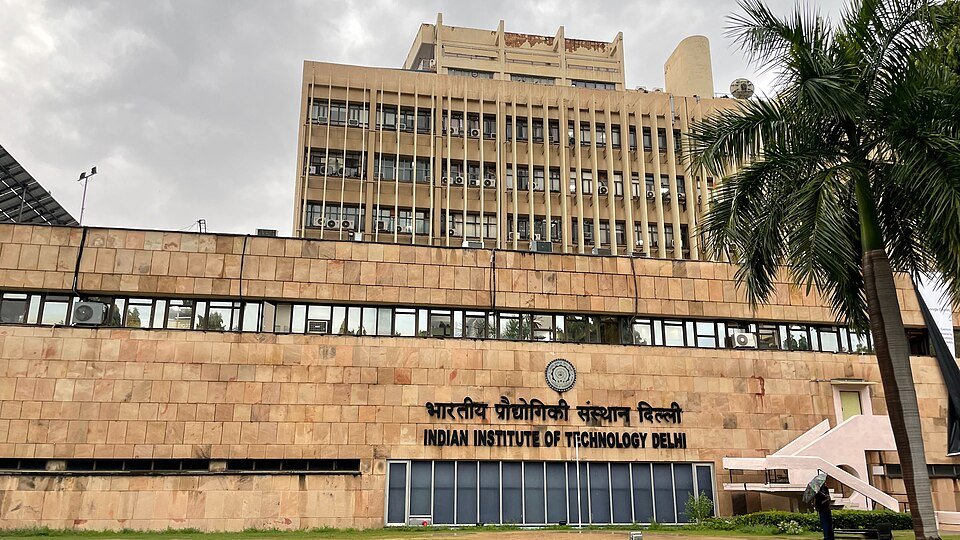
India records its strongest representation in the QS Sustainability Rankings since their launch in 2023, with 13 institutions entering the top 500. However, the latest assessment identifies persistent weaknesses in how universities translate education, research and institutional practices into measurable social outcomes. The contrast is evident in the QS World University Rankings: Sustainability 2027, which places IIT Delhi among the world’s 200 highest-ranked institutions while identifying persistent weaknesses across India’s higher education system.
The rankings place IIT Delhi at 194th globally, an improvement of 11 positions from the previous edition. The institute, which ranked 171st in 2025, is once again India’s highest-ranked university in the assessment. IIT Kharagpur follows at 224th and the University of Delhi at 237th.
But the more significant finding is the uneven distribution of India’s progress. Of the 99 Indian institutions included in the 2027 rankings, 38 improved their positions, 19 remained unchanged, and 34 dropped. Eight institutions entered the assessment for the first time. India’s overall net improvement was 4%, making it the most improved among the five higher education systems with the largest representation.
The number of Indian institutions in the global top 500 has increased from five in 2023, when the sustainability rankings were first introduced, to 13 this year. Vellore Institute of Technology entered the top 300 for the first time at 293rd, while Manipal Academy of Higher Education moved into the top 400 at 384th. Jawaharlal Nehru University also returned to the top 500 at 432nd. Yet a higher position in the overall ranking does not necessarily translate into stronger performance across every measure of sustainability.
The Gap Between Employability and Educational Impact
One of the clearest differences emerges within the Social Impact category, which accounts for 45% of the overall score. Indian institutions have performed relatively well in employability and knowledge exchange, but the results for educational impact and health and wellbeing are considerably weaker. IIT Delhi and IIT Kharagpur rank 66th and 93rd globally, respectively, in Employability and Outcomes. In Knowledge Exchange, the University of Delhi ranks 66th and IIT Kharagpur 96th.

However, India remains among the 18 lowest-scoring higher education systems on average in Impact of Education. Even though 56 Indian institutions improved their positions in this indicator, the University of Delhi, the country’s highest-ranked institution, stands at 674th globally. The QS assessment considers universities’ contributions beyond graduate employment and research activity. Educational impact is one of the measures used to assess the wider contribution of higher education to society.
Health and Wellbeing presents another weakness. IIT Kharagpur, India’s highest-ranked institution in this indicator, is placed 586th globally.
QS Sustainability Ranking: Environmental Performance is not Uniform
The environmental results also reveal a divide between individual institutional achievements and the overall performance of Indian universities. IIT Delhi is the only Indian institution among the global top 100 in the overall Environmental Impact category, with a rank of 89. However, in the more specific Environmental Sustainability indicator, IIT Kharagpur ranks 41st, VIT 43rd and IIT Delhi 74th.
These results suggest that Indian institutions have developed stronger positions in certain areas of environmental sustainability than in the broader assessment of environmental impact.
Nevertheless, 57% of Indian institutions recorded declines in their Environmental Impact rankings. QS cautions that a fall in position does not necessarily mean an institution has performed worse. Some universities have improved their scores but have been overtaken by institutions progressing at a faster rate.
Governance Remains a Significant Weakness
The most pronounced gap appears in Governance, which accounts for 10% of the overall ranking. No Indian institution features among the global top 200 in this category. The University of Delhi, India’s highest-ranked institution, fell 68 places to 255th. Across the country, 61% of Indian institutions recorded a decline in their governance rankings.
The category considers institutional practices relating to ethics, transparency, hiring, decision-making and accountability. It also examines aspects such as student representation, financial reporting and institutional openness. Although more than 70 Indian institutions recorded improvements in their governance scores, their relative positions declined. This suggests that improvements within Indian universities have not kept pace with those of institutions elsewhere.
QS CEO Jessica Turner said India’s average institutional score had increased from 26.9 in 2023 to 55 in 2027, while the number of participating Indian institutions grew from 14 to 99. She nevertheless identified Impact of Education and Health and Wellbeing as areas where Indian institutions continue to trail international peers. The rankings assess universities across Social Impact (45%), Environmental Impact (45%) and Governance (10%), using institutional submissions, public data and other indicators.
For Indian universities, the latest results bring recognition for improvements in employability, knowledge exchange and environmental sustainability. But the weaker results in educational impact, wellbeing and governance raise a different question: how effectively are institutions translating their academic and environmental commitments into wider institutional and social outcomes?












Education
India’s higher education expansion faces faculty shortage, with senior academic posts worst affected
India’s higher education system continues to face faculty shortages, with parliamentary data showing nearly 29% of sanctioned teaching posts vacant. Senior academic positions, particularly professors, have the highest vacancy rates.
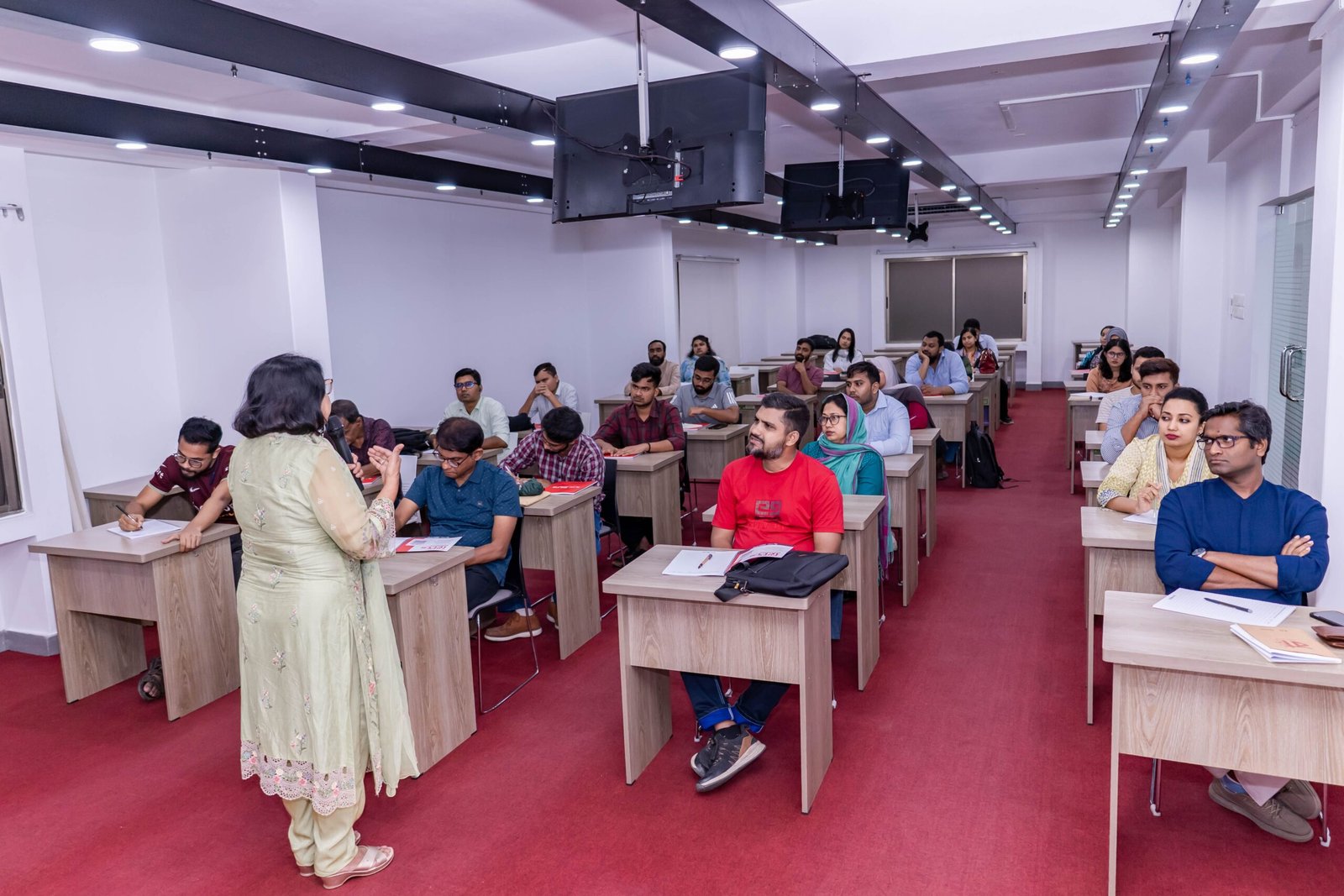
India’s higher education system has expanded considerably over the past decade, with rising student enrolment and an increasing number of universities and colleges. However, a persistent shortage of teaching staff across centrally funded institutions is raising concerns about the quality of classroom instruction, research supervision and academic support.
Around 34 per cent of sanctioned teaching positions across centrally funded higher education institutions remained vacant, according to a State Bank of India (SBI) Research report released on September,2026. Of the 41,351 sanctioned faculty positions covered by the assessment, 14,042 were vacant, highlighting the gap between institutional expansion and staffing capacity.
According to the report, India’s higher education system had 64,756 institutions in 2023–24, including 1,289 universities, 48,246 colleges and 15,221 standalone institutions. The number represented a 47 per cent increase from 2013–14. Student enrolment also reached approximately 4.5 crore, while the teaching workforce grew from 13.68 lakh to 17.32 lakh during the decade.
Despite this expansion, faculty shortages remain a challenge, particularly in institutions responsible for advanced research and professional education.
Senior academic positions face greater vacancies
The shortage is particularly pronounced at the senior academic level. According to the Parliamentary Standing Committee on Education’s 2025 report, based on data as of January 2025, 56.2 per cent of sanctioned professor positions across the institutions examined remained vacant. Associate professor positions recorded a vacancy rate of 38.3 per cent, while 18 per cent of assistant professor posts were unfilled.
Institution-wise figures cited in the SBI Research assessment also indicate substantial differences. Indian Institutes of Information Technology (IIITs) recorded a vacancy rate of 54 per cent, followed by Indian Institutes of Technology (IITs) at 39 per cent, central universities at 33 per cent and Indian Institutes of Management (IIMs) at 31 per cent. National Institutes of Technology (NITs) recorded 29 per cent vacancies.
The shortage of senior academics has implications beyond classroom teaching. Professors and associate professors often lead research projects, supervise doctoral candidates, develop curricula and mentor early-career researchers. Persistent vacancies can increase the responsibilities of existing faculty members, potentially reducing the time available for research and individual student guidance.
Unequal academic support across states
Student–teacher ratios further illustrate the pressure on higher education institutions. According to PRS Legislative Research’s analysis of All India Survey on Higher Education data for 2021–22, Bihar recorded a student–teacher ratio of 64:1, followed by Jharkhand at 54:1 and Uttar Pradesh at 35:1. The national average stood at 24:1.
The figures indicate substantial regional differences in the availability of academic support. Higher ratios can increase teaching workloads and limit opportunities for individual mentoring, particularly in institutions with large student populations.
Faculty vacancies also have an equity dimension. The Parliamentary Standing Committee identified 1,521 vacant positions out of 3,652 sanctioned posts for Other Backward Classes (OBCs) in central universities. Similarly, 788 of 2,315 positions reserved for Scheduled Castes (SCs) and 472 of 1,154 positions for Scheduled Tribes (STs) remained vacant.
These vacancies raise concerns about delays in recruitment and the representation of historically underrepresented communities in higher education institutions.
Recruitment efforts and institutional challenges
The Ministry of Education has undertaken several measures to address faculty shortages. In an August 2026 parliamentary response, it reported that 32,114 posts had been filled across centrally funded higher education institutions through mission-mode recruitment since September 2022. This included 18,757 faculty positions as of May 23, 2026.

Representative image.Image credit:Pexels
Other measures include year-round recruitment advertisements, special drives to fill reserved-category vacancies and the CU-CHAYAN common recruitment portal for central universities.
However, recruitment remains the responsibility of individual institutions under their respective regulations. Vacancies also arise through retirements, resignations, transfers and the introduction of new academic programmes.
Beyond expanding enrolment
India’s higher education expansion requires corresponding investment in faculty capacity. While increasing enrolment and establishing new institutions improve access, the availability of qualified educators remains essential for maintaining academic standards and strengthening research.
As India seeks to improve its global research standing and develop a skilled workforce for emerging sectors, addressing faculty shortages will be critical. The challenge is not merely to expand the number of institutions and students, but to ensure that universities have sufficient qualified academics to support teaching, research and student development.
EduNews & Views
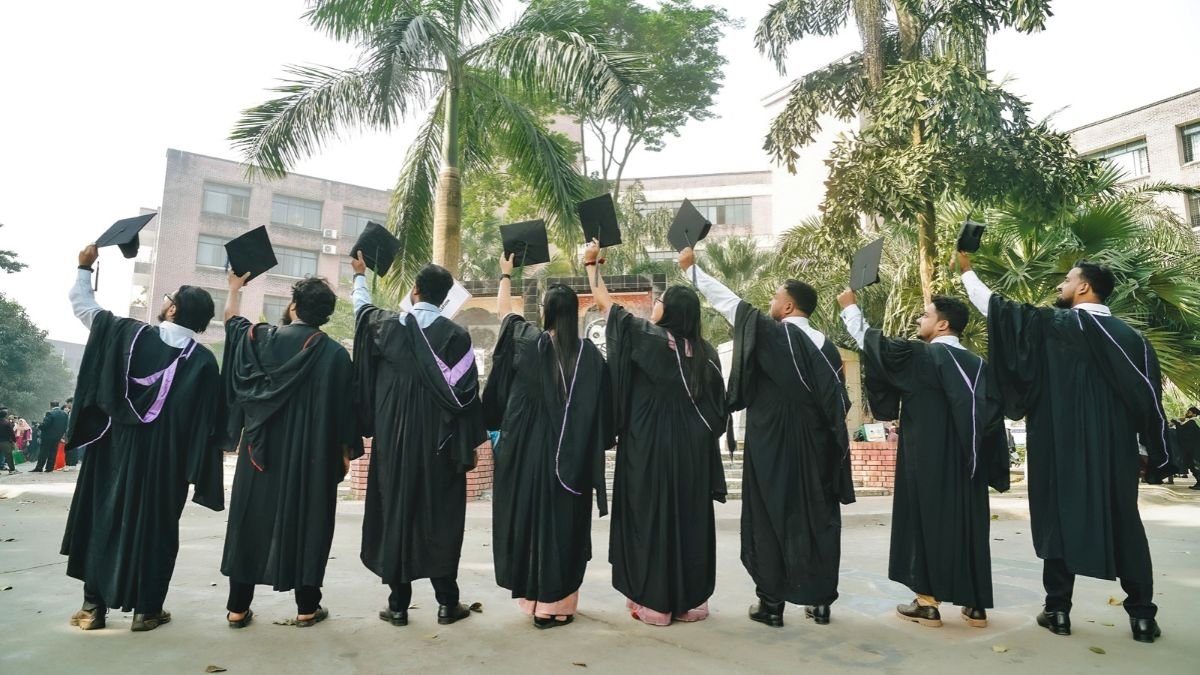
Indian universities lead Asia in research output per faculty, but the country’s top six all slip in QS ranking
Five Indian institutions are in the regional top 10 for papers per faculty member. IIT Delhi, still India’s highest-ranked university, falls from 59th to 66th.
EduNews & Views
Ashtalakshmi Darshan: Why India Is Bringing Students to the Northeast
India’s Ashtalakshmi Darshan programme brings students to the Northeast to strengthen cultural ties. Its wider significance lies in regional development, national integration and India’s Act East Policy.
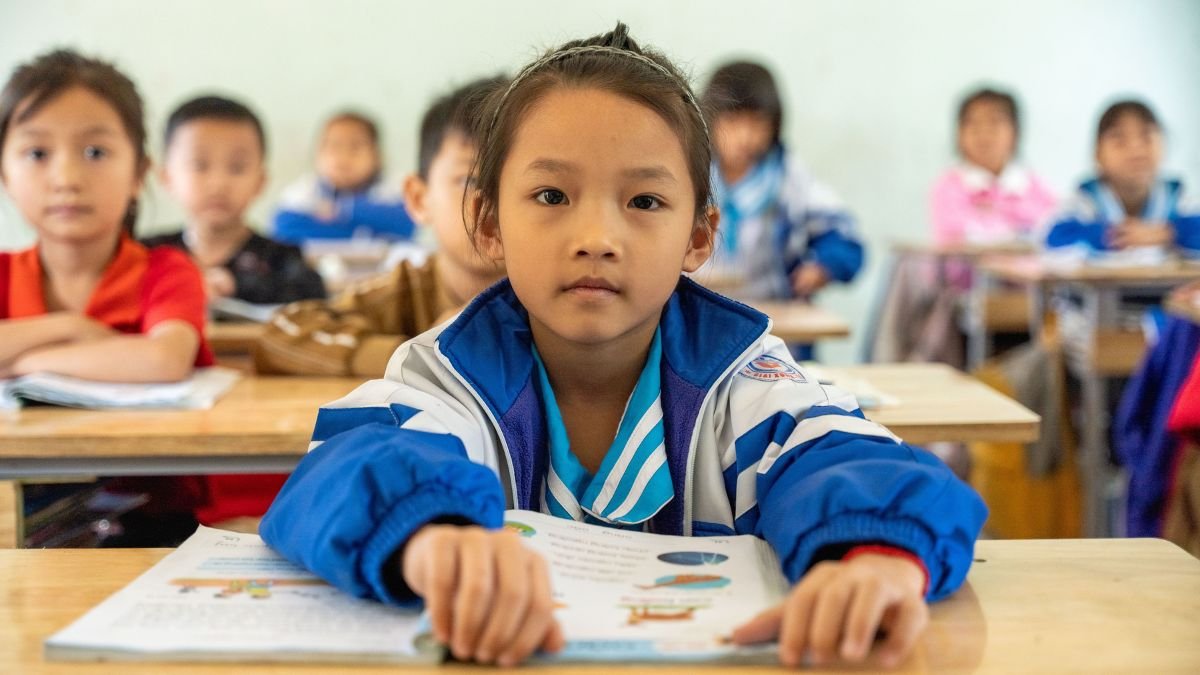
The youth exchange programme seeks to strengthen national integration and highlight the region’s development potential. Its longer-term value will depend on whether cultural encounters translate into lasting connections and more equitable opportunities.
The Indian government is encouraging students from across the country to experience the Northeast firsthand, using cultural exchange to build connections between regions with distinct histories, languages and social experiences. The initiative, Ashtalakshmi Darshan, also reflects a wider ambition to place the eight northeastern states more prominently in India’s economic development and engagement with Southeast Asia.
The programme came into focus when Union Minister for Communications and Development of North Eastern Region Jyotiraditya M. Scindia interacted with students at Mizoram University during his two-day visit to the state. The group included students from Goa and Chandigarh visiting the region under the initiative.
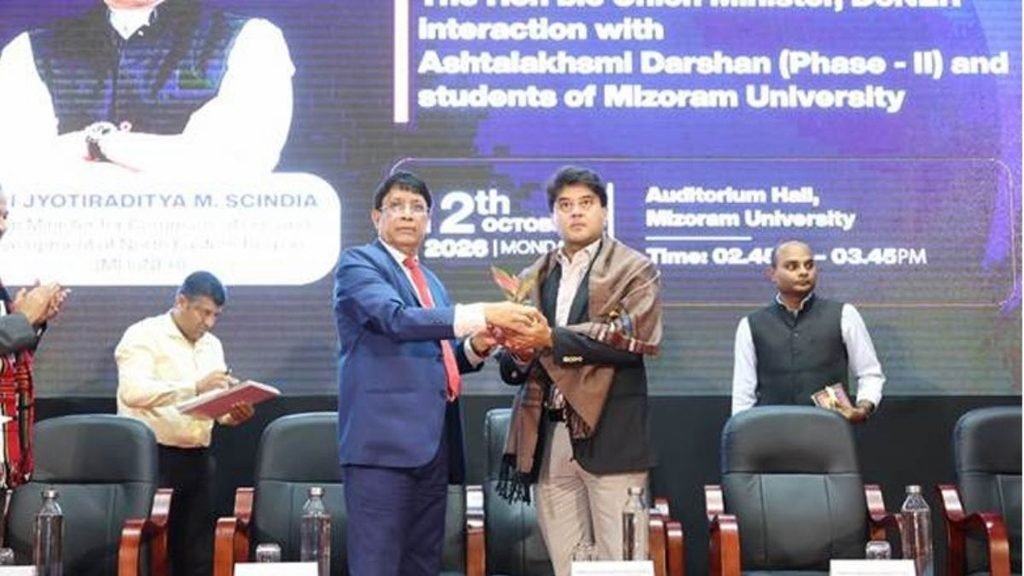
According to the Ministry of Development of North Eastern Region (MDoNER), more than 590 students had participated in the programme over the preceding year. The ministry says the exchanges are intended to familiarise young people with the Northeast’s cultural heritage and development opportunities while strengthening mutual understanding and national integration.
Why the Northeast is called Ashtalakshmi
The name Ashtalakshmi draws on the Hindu cultural association of Lakshmi with prosperity and abundance. In government messaging, it represents the eight northeastern states as contributors to India’s prosperity and future development.
Arunachal Pradesh, Assam, Manipur, Meghalaya, Mizoram, Nagaland, Sikkim and Tripura have distinct cultural traditions, languages, ecological landscapes and political histories. The Ashtalakshmi framing brings these states together under a shared narrative of cultural richness and economic potential.
The programme gives students from other parts of India an opportunity to encounter this diversity directly. Visits to universities and local communities can introduce participants to regional histories, social practices and development concerns that may receive limited attention in their own educational environments.
Cultural exchange as National Policy
Ashtalakshmi Darshan is a youth exchange initiative of MDoNER and the North Eastern Council (NEC), aligned with the government’s Ek Bharat Shreshtha Bharat initiative. Launched in November 2025, it was designed to give students immersive educational and cultural experiences in the Northeast.
The programme’s initial design envisaged 1,280 students from 28 states and Union Territories participating in 40 batches, with visits covering all eight northeastern states. The ministry subsequently reported 530 students participating across 15 batches during 2025–26. Its October 2026 announcement put participation over the preceding year at more than 590.
The policy premise is that direct interaction can build familiarity across regional and cultural differences. Students who meet peers from other states can exchange perspectives and establish relationships that extend beyond the visit. However, participation figures establish reach, not impact. The publicly reported information does not show whether students’ attitudes changed or whether the connections endured after they returned home.
Northeast in India’s Development Strategy
The programme’s cultural objectives sit alongside a broader economic and strategic agenda. The Northeast shares international borders with Bangladesh, Bhutan, China, Myanmar and Nepal, making it important to India’s relations with neighbouring countries and its engagement with Southeast Asia.
India’s Act East Policy, announced in 2014, seeks to deepen economic cooperation, cultural ties and strategic relationships across the Asia-Pacific. The government regards the Northeast as an important link in this engagement, with transport infrastructure, border trade and regional connectivity central to its plans.
The India–Myanmar–Thailand Trilateral Highway and the Kaladan Multi-Modal Transit Transport Project illustrate efforts to improve connections between India’s northeastern region and neighbouring countries. Better connectivity could expand access to markets and support trade and tourism, although the benefits depend on project implementation and the opportunities available to local businesses and workers.
The ministry reported that the length of national highways in the Northeast increased from 10,905 km in 2014 to 16,207 km by March 2025. This expansion reflects the scale of the infrastructure agenda, but road construction alone cannot establish whether economic gains are reaching communities equitably.
Development Commitments Under Scrutiny
The region’s development ambitions must be measured against persistent constraints, including difficult terrain, high logistics costs and gaps in transport and industrial infrastructure. Infrastructure expansion has improved connectivity, but implementation, access to markets and the distribution of economic benefits remain important considerations.
Budget figures also reveal the challenges of translating commitments into delivery. In its examination of the Ministry of Development of North Eastern Region’s demands for grants, a parliamentary Standing Committee noted that the ministry’s revised estimate for 2025–26 fell to ₹4,479.20 crore from the original budget estimate of ₹5,915 crore. The allocation for 2026–27 subsequently rose to ₹6,812.30 crore. The committee raised concerns about fluctuations in allocations and revisions, warning of potential consequences for ongoing projects and calling for better financial planning and utilisation.
These figures do not establish that particular projects have failed. They do underline why allocations and announcements must be assessed alongside implementation and outcomes. The government’s ambition to make the Northeast a contributor to Viksit Bharat 2047 will depend on whether investment translates into reliable public services, employment, support for local enterprise and opportunities shaped by the priorities of the region’s residents.
Can Cultural Exchange Move Ahead Symbolism?
Ashtalakshmi Darshan addresses a narrower but important challenge: limited firsthand familiarity with the Northeast can leave people elsewhere dependent on secondhand accounts of its communities and cultures. Direct interaction offers an opportunity to develop a more informed understanding of the region.
Yet presenting eight states as a collective source of cultural richness and economic opportunity can obscure their distinct identities, political histories and development priorities. A visit centred on landscapes, festivals and hospitality may introduce students to the region without exposing them to the questions shaping everyday life, from employment and education to environmental pressures and local governance.
The programme’s public reporting also leaves questions about reciprocity and evaluation. It does not establish how extensively students from northeastern states help design the exchanges, whether comparable opportunities exist for them to visit other parts of India, or whether the ministry tracks outcomes after participants return home.
These are not peripheral details. Host communities should have an active role in determining how their region is represented, while local students should be participants in the exchange rather than simply its guides or subjects. Published evaluations of changes in participants’ knowledge, alongside evidence of continuing academic and community partnerships, would help establish whether the programme is producing lasting engagement.
Test After Visit
Ashtalakshmi Darshan gives the government a means of building people-to-people connections alongside its wider development and connectivity agenda. Its value will depend on the quality of the exchanges and whether they lead to sustained relationships and a deeper understanding of the Northeast’s diversity.
The more consequential test lies in the relationship between the government’s language of prosperity and the experiences of the people who live in the region. Cultural visits cannot compensate for delayed projects, unequal access to economic opportunities or development decisions that fail to reflect local priorities.
The Northeast cannot be meaningfully integrated into India’s development story merely by inviting the rest of the country to see it. Its people must have an equal role in defining that story—and a demonstrable share in the prosperity it promises.

IIT Delhi Returns to Global Top 200 in QS Sustainability Rankings 2027; 38 Indian Universities Improve

India’s Clean-Energy Transition: Will It Replace Oil Dependence With Mineral Dependence?

Six months on, Ebola outbreak in DR Congo remains uncontrolled, with over 5,500 deaths

Why Does the Brain’s Waste-Clearance Process Slow Down During Sleep As We Age?

India’s Farm Subsidies Fail to Offset Price Pressures on Farmers, OECD Report Finds

Indian universities lead Asia in research output per faculty, but the country’s top six all slip in QS ranking

Why Delhi’s Geography Makes It Vulnerable to Severe Air Pollution

Europe Braces for Extremes as Commission Unveils Climate Resilience Framework

NASA recruits new astronauts for future Moon Base and Mars missions

Between Lectures and Lyrics: Kabeer Is Building a Malayalam Hip-Hop Career One Self-Taught Skill at a Time
-

 Math4 months ago
The 2026 Fields Medals: Four Proofs, Four Decades-Old Problems Solved
-
EP Deep Dive: Data & Solutions4 months ago
After Kerala’s Deadliest Landslide, the Hardest Thing to Rebuild Was Childhood
-
EP Deep Dive: Data & Solutions4 months ago
West Asia Crisis: Can Kerala’s Returning Gulf Migrants Find a Future in the Green Economy?
-
Space & Physics6 months ago
India Semiconductor Mission: ‘It’s Not About Fabs. It’s About Building An Entire Ecosystem’
-
Interviews2 months ago
From Scams to Screens: How the National Stock Exchange Rewrote India’s Equity Story
-
Climate & Environment6 months ago
The Climate World Cup? How Climate Change Could Affect Player Performance at the 2026 World Cup
-
Society4 months ago
What Is Civilisational Diplomacy? Understanding India’s Newest Foreign Policy Tool
-
Society5 months ago
From Bell Labs to the Classroom: A Second Career in Teaching