Biodiversity
Buxa Begins Tiger Reintroduction With Release of Three-Year-Old Tigress
A three-year-old tigress from Bihar’s Valmiki Tiger Reserve has been released in Buxa Tiger Reserve, West Bengal, after years of habitat and prey-base restoration aimed at rebuilding a stable tiger population.

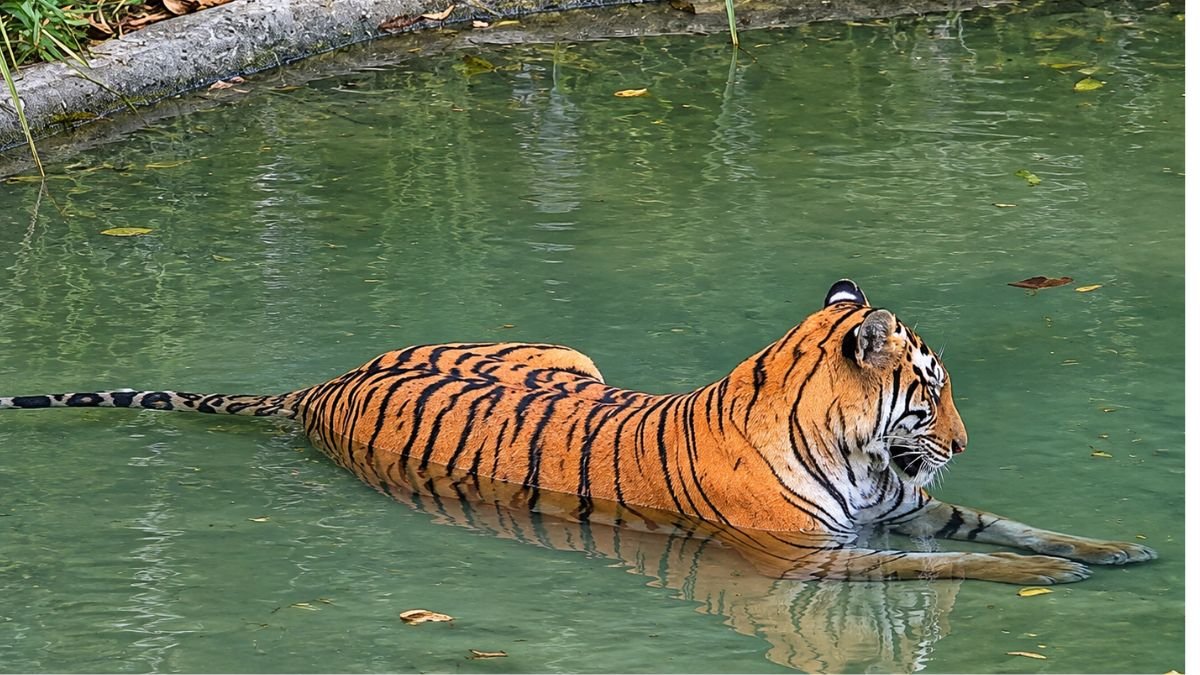
A three-year-old tigress from Bihar’s Valmiki Tiger Reserve was released in West Bengal’s Buxa Tiger Reserve on October 2, marking the first phase of a programme to establish a viable tiger population in the reserve.
The release follows years of work to improve Buxa’s habitat, prey base and protection systems. Union Environment Minister Bhupender Yadav and West Bengal Chief Minister Suvendu Adhikari were present at the release, held ahead of Wildlife Week 2026.
Preparing the landscape
Buxa was declared a Tiger Reserve in 1983 and forms part of a larger forest landscape linked to protected areas in Bhutan and Assam. Over the years, habitat degradation and fragmentation, changes in land use and declining prey availability affected the reserve’s ability to support resident tigers.
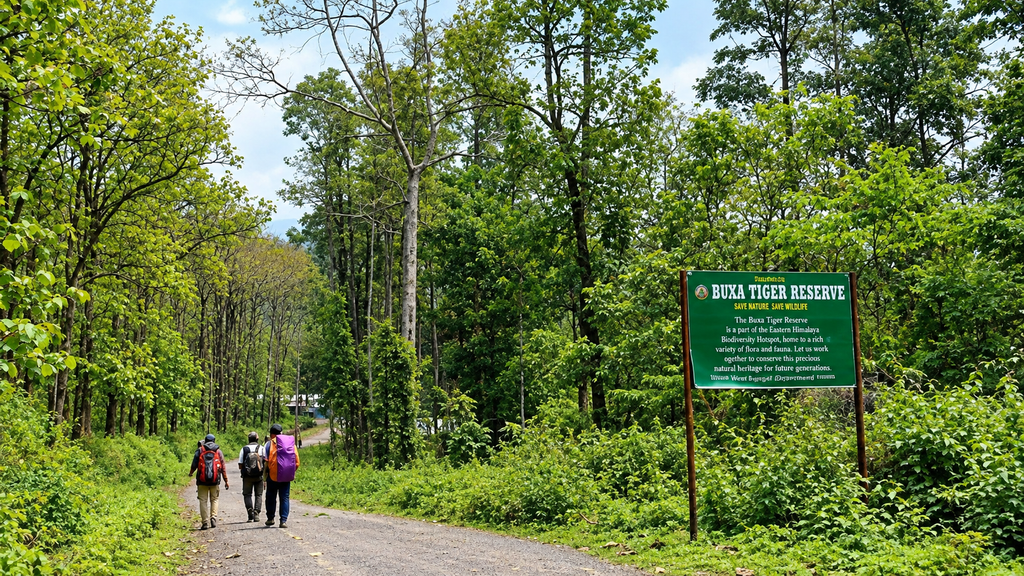
The Tiger Augmentation and Recovery Project, initiated by the West Bengal government with support from the National Tiger Conservation Authority and Wildlife Institute of India, has been underway since 2018.
As part of the work, more than 800 chital have been released to strengthen the prey base. Around 380 hectares of grassland have also been restored or converted over the past eight years. Scientific monitoring has indicated a positive trend in prey abundance.
Signs of natural movement
Buxa has also recorded signs that tigers continue to move through the wider landscape. Camera traps recorded tigers in 2021, 2023 and 2026. One tiger photographed in Buxa in 2023 was matched with an individual from Assam’s Manas Tiger Reserve, providing evidence of movement between the two landscapes.
Buxa’s location within the North Bengal-Assam-Bhutan landscape gives wildlife opportunities to move and disperse between connected forests. The present programme seeks to build on this natural movement through planned intervention.
Monitoring the Released Tigress
The tigress, identified as T138, was translocated from Valmiki Tiger Reserve after ecological, veterinary and management assessments and in accordance with established protocols. Forest officials will use telemetry, camera traps and field-based monitoring to track her movements, adaptation, health and behaviour.
Further releases will be carried out in phases and will depend on habitat and prey availability, protection preparedness, population viability, monitoring results and expert advice.
Working with Surrounding Communities
The programme also involves communities around the reserve. Sixty-four Eco-Development Committees and Joint Forest Management Committees have been engaged in activities covering community dialogue, livelihood opportunities, human-wildlife conflict mitigation and conservation-linked benefits.
Managing interactions between people and wildlife will remain important as tiger numbers increase and animals move through the wider landscape.
Longer-term Test
Whether Buxa can support a stable population will depend on the availability of prey and secure habitat, effective protection, connectivity with neighbouring forests and continued monitoring. For the reserve, the longer-term measure of success will be whether tigers can survive and breed in the landscape without continued dependence on translocation.




Biodiversity
As Indian Cities Change, What Happens to the House Sparrow?
India’s house sparrows are still common in many places, but their urban habitats are changing fast. Here’s what the shift in buildings, greenery and food sources means for a familiar city bird.

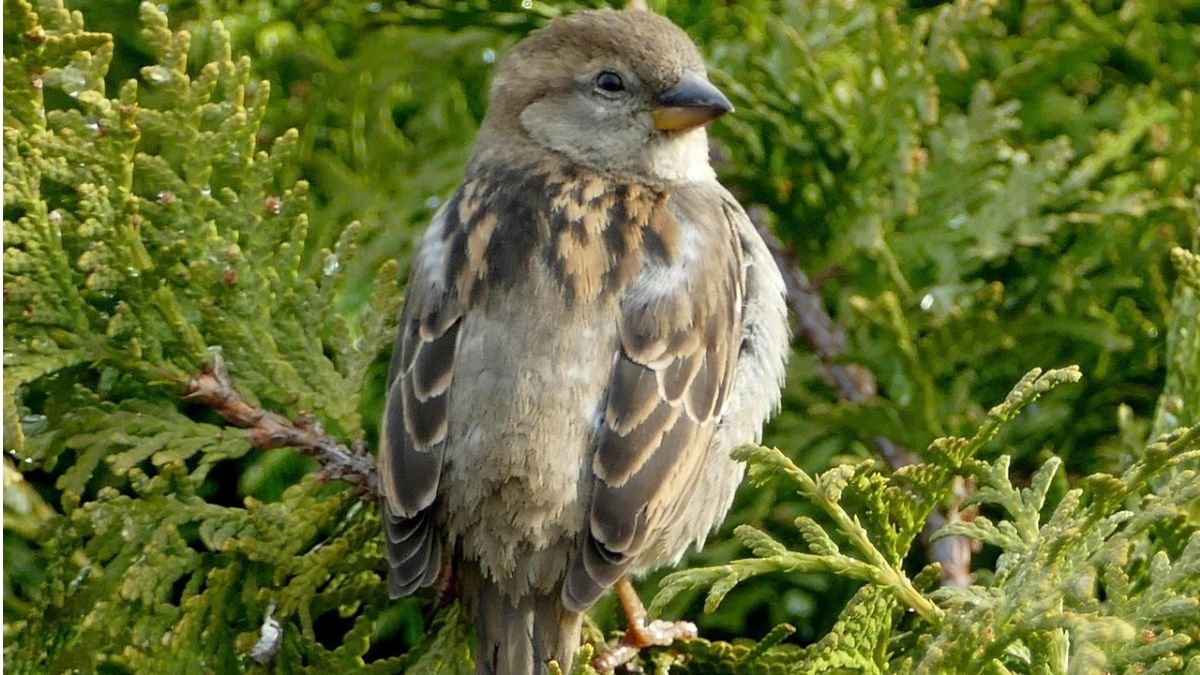
For generations, the house sparrow has been part of India’s everyday soundscape. Nesting in roof spaces, feeding near homes and markets, and appearing in balconies and courtyards. Today, however, many of the spaces that once accommodated the bird are changing. Older houses are giving way to sealed apartment buildings. Open areas are being paved. Green spaces are becoming fragmented, while traffic and construction are reshaping urban habitats.
Across Indian cities, the spaces house sparrows once used for nesting and feeding are becoming harder to find. This has led to severe decline in the number of sparrows in urban areas.
Why March 20 is World Sparrow Day
World Sparrow Day has been observed every March 20 since 2010. It was initiated by the Nature Forever Society, an India-based conservation organisation, to raise awareness about the house sparrow and declining populations of common birds. The initiative has since become an international observance.
In India, the campaign has also helped bring urban bird conservation into the public conversation. Delhi declared the house sparrow its state bird in 2012.
Are Sparrows Disappearing from India?
The house sparrow remains widespread, and available evidence does not support treating the species as uniformly declining across every part of India. Recent research from Karnataka illustrates the point. A study of 16 small and medium-sized cities recorded 57 bird species, with the house sparrow ranking among the five most abundant species observed. Researchers recorded 118 house sparrows during the survey.
But abundance in one region does not rule out declines elsewhere. Government and conservation reports have pointed to loss of nesting spaces, habitat changes and reduced food availability as potential pressures on urban sparrows. Rather than a nationwide disappearance, India is seeing a more uneven picture, with sparrows persisting in some urban areas and declining in others
The Architecture Problem
For a bird that commonly nests in cavities, buildings are more than structures. Rapid urbanization has destroyed their habitat. Older houses often had gaps beneath roofs, openings in walls and other spaces where sparrows could build nests. Modern construction tends to seal these spaces.
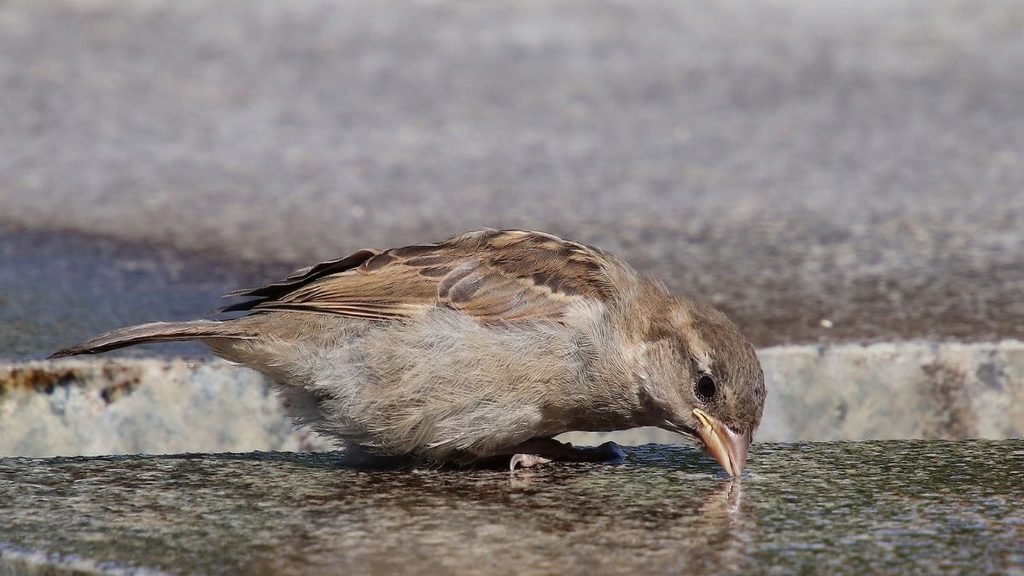
The result is an unintended shift in urban ecology: buildings may become more efficient and secure for people while providing fewer nesting opportunities for birds. Government sources have previously identified the replacement of older houses and courtyards by concrete multi-storey construction as one factor affecting sparrow habitat.
Survival in Question?
Food availability is another part of the story. Sparrows can feed on grains and seeds, but insects are important in the diet of growing chicks. Changes in vegetation and pesticide use can therefore affect the food available during the breeding season. This means putting out grain on a balcony may help individual birds, but it cannot replace the wider habitat they require.
A functioning urban habitat needs food, nesting sites, water and vegetation—not just bird feeders. Recent research in Karnataka adds another dimension to the urban bird story. The study found that the number of motor vehicles and the amount of local greenery were among the most important environmental factors associated with bird species richness and diversity across the cities surveyed.
Researchers found that greenery can provide opportunities for feeding and breeding, while traffic can create disturbance. The finding is significant because urban biodiversity is not determined only by large parks. Street trees, gardens, shrubs and smaller patches of vegetation can also shape which birds are able to live in a neighbourhood.
What Cities Can Do?
Sparrow conservation does not necessarily require large-scale wildlife projects. Nest boxes can provide alternative nesting spaces where natural cavities are unavailable. Native plants can support insects and provide food and shelter. Clean water sources can become particularly important during hot weather.
Building renovations can also take wildlife into account by avoiding the unnecessary destruction of active nesting sites. In Chennai, for instance, the Koodugal Trust has involved schoolchildren in building sparrow nest boxes. A PIB report said the organisation had built more than 10,000 nests between 2020 and 2024.
At Delhi’s National Zoological Park, World Sparrow Day activities in 2025 included a sparrow count and the distribution of 100 nest boxes to students and visitors.
Why the Sparrow has Become an Urban Warning Sign
The house sparrow is not India’s most threatened bird, nor does its presence alone measure the health of an ecosystem. Its importance is different. It is a species that has learned to live alongside people. When its habitat changes, the effects can be observed at the level of homes, streets and neighbourhoods.
That makes the sparrow an accessible entry point into a much larger issue of how India’s rapidly expanding cities can accommodate its biodiversity as well as people.
India’s urban population and built environment will continue to grow. Development will bring new roads, buildings and infrastructure. The conservation challenge is not to stop that growth, but to understand what ecological space is being lost in the process. For the house sparrow, that could be something as small as a cavity in a wall, a patch of vegetation, a supply of insects or a quiet corner in which to raise its young.


Hunter Valley Coal Mine Gets Approval to Run to 2045. What Does It Mean for Australia’s Climate Transition?

Buxa Begins Tiger Reintroduction With Release of Three-Year-Old Tigress

Europe’s Potato Crisis Could Hit Your Chips

Scientists Find Two Distinct Origins in the Developing Human Brain

Marshall Islands: Why the US Nuclear Legacy Is Back Before the UN

From Scams to Screens: How the National Stock Exchange Rewrote India’s Equity Story

Aim for the Stars: Anjali Thomas’s Journey from a Small College in Kerala to the Frontiers of Medical Imaging

Anxiety Freezes Career Decisions. Curiosity Unfreezes Them

The Engineer of Tomorrow Is Already Here

India’s AI Moment Rests on More Than Code

-

 Math2 months ago
The 2026 Fields Medals: Four Proofs, Four Decades-Old Problems Solved
-
Climate2 months ago
After Kerala’s Deadliest Landslide, the Hardest Thing to Rebuild Was Childhood
-
Society3 months ago
West Asia Crisis: Can Kerala’s Returning Gulf Migrants Find a Future in the Green Economy?
-
Space & Physics4 months ago
India Semiconductor Mission: ‘It’s Not About Fabs. It’s About Building An Entire Ecosystem’
-
Interviews1 week ago
From Scams to Screens: How the National Stock Exchange Rewrote India’s Equity Story
-
Climate4 months ago
The Climate World Cup? How Climate Change Could Affect Player Performance at the 2026 World Cup
-
Society3 months ago
What Is Civilisational Diplomacy? Understanding India’s Newest Foreign Policy Tool
-
Society4 months ago
From Bell Labs to the Classroom: A Second Career in Teaching