
Health
When Health Care Becomes a Target, Patients Pay the Price
WHO has recorded 914 attacks on health care in 2026, killing 911 people and injuring 1,486 across 19 countries and territories. Since 2017, more than 10,400 attacks have been documented, highlighting the growing risks to health workers, patients and essential medical services during conflict.

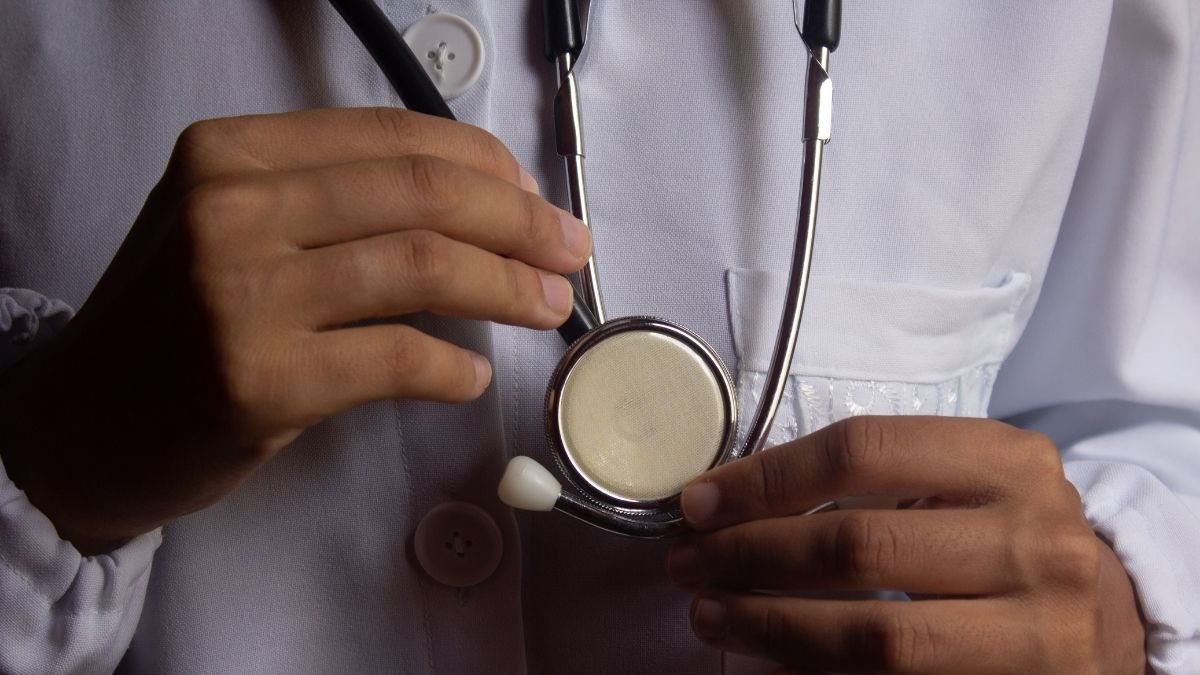
Health workers are expected to move towards people in danger. In many conflict zones, that same act of providing care is putting them in danger. The World Health Organization (WHO) recorded 914 attacks on health care in 2026 so far, resulting in 911 deaths and 1,486 injuries across 19 countries and territories. Most of the reported attacks have occurred in Ukraine, Lebanon, the occupied Palestinian territory and Myanmar.
The figures were released around World Humanitarian Day on August 19, when WHO renewed its call for health workers, patients, medical facilities and ambulances to be protected during conflicts. Since WHO began systematically documenting attacks on health care in December 2017, it has recorded more than 10,400 attacks across 29 countries and territories, resulting in more than 5,700 deaths and 8,500 injuries.
The numbers represent more than attacks on individual doctors or hospitals. When a health centre is bombed, an ambulance is stopped or a health worker is threatened, people who may never have been involved in the conflict can lose access to essential treatment.
What Counts as an Attack on Health Care?
WHO’s surveillance system covers violence, threats, obstruction and other acts that interfere with the availability, access or delivery of health services during emergencies. The attacks can affect health workers, patients, facilities and medical transport. That means the damage is not limited to deaths and injuries.
A damaged hospital may lose operating rooms, beds, medicines or electricity. An ambulance that cannot safely reach a patient can turn a treatable emergency into a fatal one. Health workers may leave areas where they no longer feel safe, leaving communities with fewer doctors and nurses.
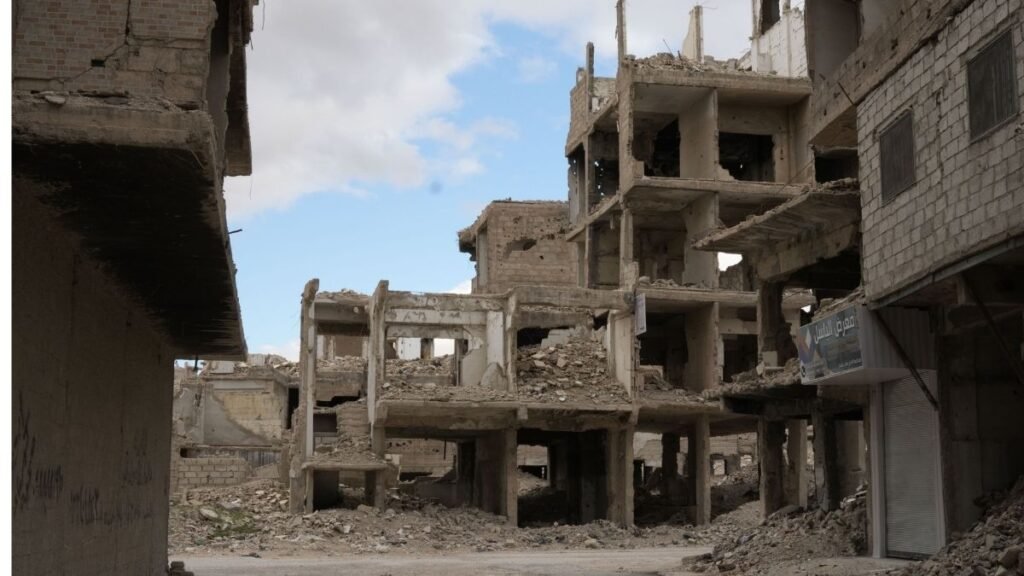
A systematic review of research on attacks on health care in conflict found that these attacks can include bombing, looting, burning, occupation and obstruction of facilities, as well as threats, detention and physical attacks against health workers and patients. The researchers also noted significant gaps in documentation, making the available numbers likely to represent only part of the problem. WHO’s earlier analysis of attacks in fragile and conflict-affected settings similarly found that attacks reduce health-care capacity and interrupt services, affecting vulnerable populations long after the immediate incident.
The Effects Continue After the Attack
The loss of a health worker has consequences beyond the individual. A systematic mapping of 474 studies on health workers in conflict and post-conflict settings found evidence of threats, detention and killings, as well as health-worker displacement. In some conflicts, large numbers of medical professionals have left affected areas, contributing to shortages that persist after the fighting subsides.
This creates a cycle: conflict increases the need for medical care while simultaneously making it harder to provide that care. The consequences can extend to routine services such as maternal care, childhood immunisation and treatment for chronic diseases. A health system weakened by attacks may also be less prepared for disease outbreaks and other emergencies.
India has Its Own Warning Signs
India is not among the countries driving WHO’s current global conflict tally, but the protection of health care is not an abstract issue here. In Manipur, where intercommunal violence began in May 2023, the Safeguarding Health in Conflict Coalition documented eight incidents of violence against or obstruction of health care in 2024. Health facilities were attacked on five occasions. The incidents included a grenade delivered to a hospital and a bomb thrown at a medical university campus. Routine immunisation, maternal health services and treatment for chronic diseases were disrupted.
The Manipur case shows why attacks on health care matter even when the number of incidents is relatively small compared with the world’s largest conflicts. A single attack can affect an entire catchment area when alternative facilities are limited.
Research from Assam provides another perspective. A study of ASHA workers in conflict-affected districts found that they faced difficulties arranging transport and accessing remote health facilities during and after episodes of violence. Their physical safety was also at risk, while displacement and the breakdown of social relationships created additional pressures on their work.
These community health workers are particularly important because they connect people in remote communities with the formal health system. When conflict prevents them from travelling safely, the disruption reaches households far beyond the site of the violence.
Violence in Indian Hospitals is a Different, But Related, Problem
There is an important distinction between attacks on health care in armed conflict and violence against health workers in ordinary health-care settings. They should not be treated as the same phenomenon. India, however, has a significant problem with workplace violence against medical professionals.
A 2026 study published in the National Medical Journal of India, based on 439 doctors’ responses, found that 80.2% had faced or witnessed workplace violence. Verbal abuse was the most common form, followed by physical and sexual violence. Respondents reported effects on their mental health that could last from weeks to a year. Another study involving emergency-department health-care providers in two Indian settings found that 68% reported verbal abuse and 26% physical abuse among the events examined. Patient relatives and other bystanders were reported as the most common perpetrators.
India responded during the COVID-19 pandemic by amending the Epidemic Diseases Act in 2020. The amendment made violence against health-care personnel during an epidemic a cognizable and non-bailable offence, with penalties that can include imprisonment and fines.
But the persistence of violence suggests that legal protection alone does not guarantee safety.
Protection is Part of Health Care
International humanitarian law already provides protections for medical personnel, facilities and transport during armed conflict. UN Security Council Resolution 2286, adopted in 2016, specifically condemned attacks against medical facilities and personnel and called for stronger compliance with international humanitarian law.
A decade later, the problem remains. The Safeguarding Health in Conflict Coalition’s latest assessment argues that the consequences extend to millions of people who lose access to health care when facilities and workers are attacked. It has called for stronger accountability mechanisms and greater political action to enforce existing protections.
The central issue, therefore, is not simply how many doctors, nurses or patients are killed. It is what happens to everyone who needs care after the health system around them has been damaged. When a hospital becomes a conflict zone, it is a maternity ward that cannot admit a woman, a clinic unable to vaccinate a child, an ambulance that cannot reach an injured person, or a doctor who decides it is no longer safe to stay. Protecting health care is ultimately about protecting the ability of people to receive care when they need it most.


Health
FSSAI Moves to Restrict Added Sugars in Infant Foods, Citing Need for Stronger Nutritional Safeguards
FSSAI has proposed restricting the addition of sucrose and fructose to infant foods for babies up to six months. The draft amendment aims to strengthen nutritional safeguards.
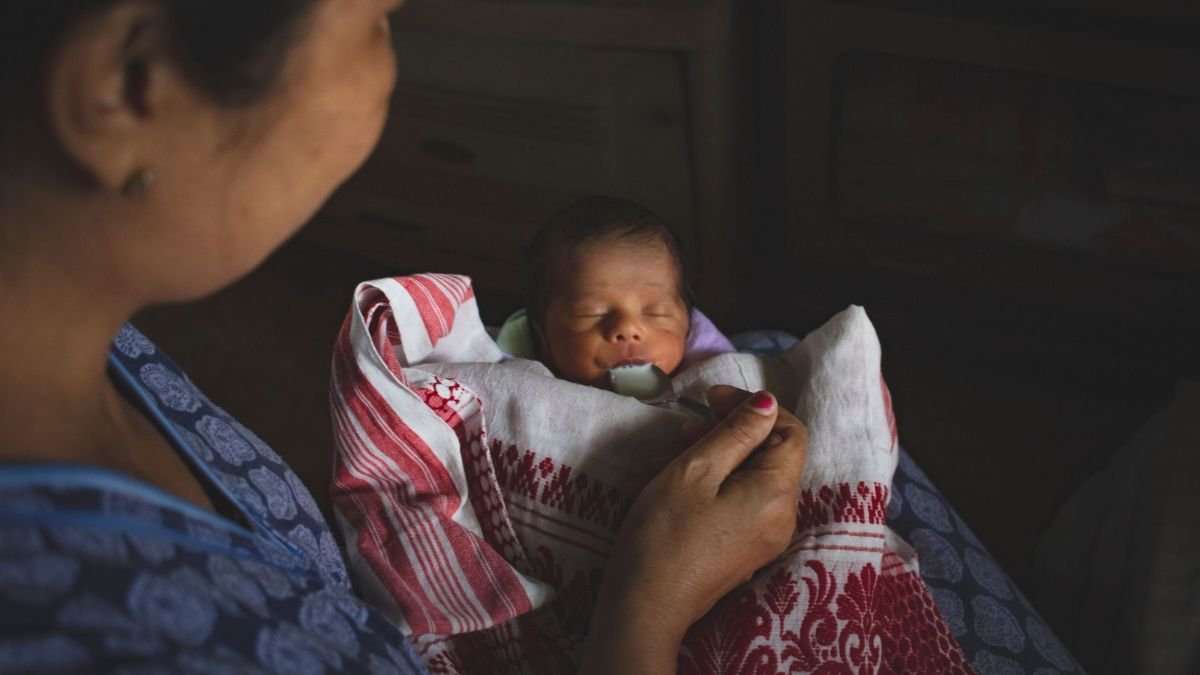
The first months of life leave little room for nutritional guesswork. An infant’s food must supply the energy and nutrients needed for growth, making the composition of commercial infant nutrition products a matter of public health. Whether manufacturers need to add particular sugars to these products is therefore an important regulatory question.
Research published in recent years has begun examining how added sugars enter infants’ diets, including through formula milk, and whether early exposure is associated with subsequent eating patterns and weight gain. Although the evidence does not establish that added sucrose or fructose in infant formula directly causes obesity, it has raised questions about the nutritional value of adding sugars when alternative carbohydrate sources are available.
Against this backdrop, the Food Safety and Standards Authority of India (FSSAI) has proposed prohibiting the addition of sucrose and fructose to food products intended for infants up to six months of age. The draft amendment, published in the Gazette of India on 16 October 2026, would tighten the existing rules governing the composition of these products.
Early Exposure to Added Sugars
An Indian study published in the Indian Journal of Community Medicine in 2021 examined the sugar and salt content of 114 commercially available infant formulas and baby foods. The researchers found that around 28% of the products had a high-sugar profile, while approximately 51% listed sugar or related ingredients among their first four ingredients.
The study covered products intended for children aged up to 24 months, including infant formulas and complementary foods. Its findings offer evidence that sugar content warrants scrutiny in India’s infant and young-child food market. However, the assessment relied on product labels and did not establish whether the products caused adverse health outcomes. It also did not demonstrate that infant formulas intended specifically for babies under six months routinely contained added sucrose or fructose.
Research elsewhere has examined possible links between added sugars in infant formula and early growth. A 2025 study published in The Journal of Nutrition followed 234 infants from predominantly low-income households in the United States. Researchers assessed dietary intake at six, nine and 12 months and found an association between higher added-sugar intake from formula and higher weight-for-length scores.
For every additional 10 grams of added sugar consumed daily through formula, weight-for-length scores increased by an average of 0.060. The study was observational, so it cannot establish that sugar caused the difference. Its findings also cannot be directly generalised to Indian infants.
A separate study published in Frontiers in Nutrition in 2023 examined dietary data from 95 infants and toddlers aged nine to under 16 months. It found an association between added sugars consumed through infant formula and sugar-sweetened beverage consumption later in infancy. The researchers did not establish a significant association between formula-derived added sugars and added-sugar intake from table foods. The small sample and cross-sectional design limit the conclusions that can be drawn.
These studies examine different aspects of early sugar exposure: the composition of products available in India, associations with infant weight and possible links with later dietary patterns. None establishes that the proposed restriction will prevent childhood obesity. They do, however, provide grounds for examining whether particular sugars need to be added to products intended for very young infants.
Infant’s Food: Why the First Six Months Matter
The World Health Organization (WHO) and UNICEF recommend exclusive breastfeeding during the first six months of life, followed by the introduction of appropriate complementary foods at around six months while breastfeeding continues.
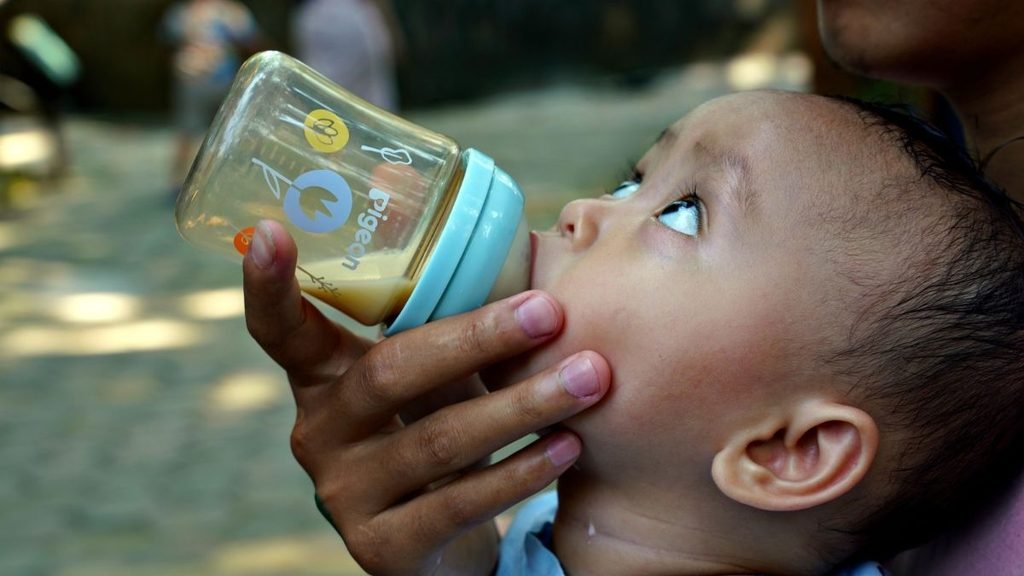
For infants who require an alternative to breast milk, appropriately formulated infant formula can provide essential nutrition. Its carbohydrate composition must meet nutritional requirements for growth and development. The question for regulators is whether adding particular sugars serves a necessary nutritional purpose in products designed for this age group.
WHO’s 2023 guideline on complementary feeding recommends that children aged six to 23 months should not consume foods high in sugar, salt and trans fats. Its evidence review identified associations between sugar-sweetened beverage consumption during infancy and later obesity in some studies, although the certainty of the evidence was low. The recommendation concerns the broader diet of children aged six months and older; it does not specifically establish the effects of sucrose or fructose in infant formula.
The distinction between naturally occurring sugars and added sugars is equally important. Milk naturally contains lactose, which provides energy. Sucrose and fructose may instead be introduced as ingredients during product formulation. Their use needs to be assessed against the nutritional requirements of the intended age group.
What the FSSAI Amendment Proposes
Under the Food Safety and Standards (Foods for Infant Nutrition) Regulations, 2020, lactose and glucose polymers are the preferred carbohydrate sources in infant nutrition products. The existing rules permit sucrose and/or fructose when required as a carbohydrate source, subject to prescribed limits.
The draft Food Safety and Standards (Foods for Infant Nutrition) Amendment Regulations, 2026, proposes prohibiting the addition of sucrose and fructose to products intended for infants up to six months of age. This would remove the existing allowance for these two sugars in products for this age group. FSSAI has invited objections and suggestions from stakeholders within 60 days from the date on which copies of the relevant Gazette notification are made available to the public. The submissions will be considered before the amendment is finalised.
Health
NMC Directs Medical Colleges to Set Up Patient Safety Committees
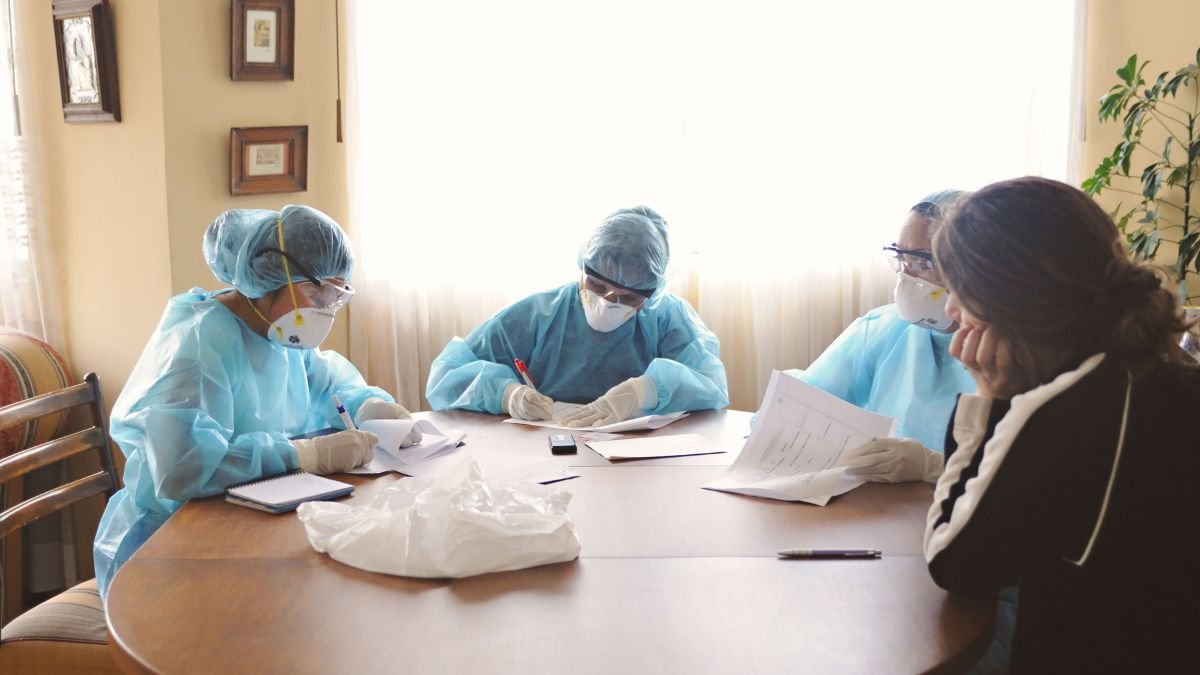
The National Medical Commission has directed medical colleges and medical institutions to establish patient safety committees, designate nodal officers and strengthen procedures to prevent avoidable harm.

Health
World Food Day: India’s Childhood Obesity Burden Raises Concerns Over Diabetes Risk
More than 41 million Indian children and adolescents aged 5–19 were living with overweight or obesity in 2025, according to the World Obesity Atlas 2026. The growing burden raises concerns about long-term health risks, including type 2 diabetes, and highlights the need for healthier food environments, better nutrition and stronger school-based interventions.
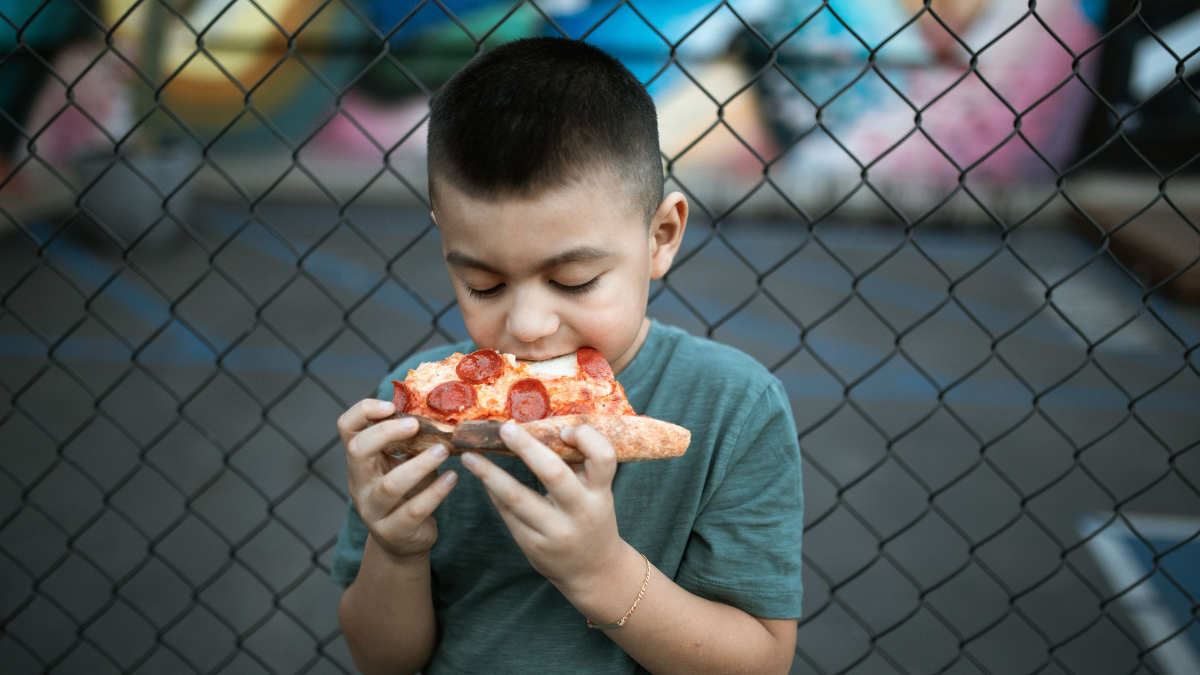
With more than 41 million Indian children and adolescents living with overweight or obesity, experts warn that unhealthy food environments could increase future risks of type 2 diabetes. New national guidance on childhood diabetes and proposed restrictions on junk food sales near schools highlight the need for preventive action.
As the world observes World Food Day on October 16, childhood nutrition is emerging as a challenge that extends beyond hunger and undernutrition. The growing prevalence of overweight and obesity among children is raising concerns about their long-term health, including their risk of developing type 2 diabetes.
India faces a particularly significant challenge. The World Obesity Atlas 2026 estimates that approximately 14.9 million children aged five to nine and 26.4 million children and adolescents aged 10–19 in India were living with overweight or obesity in 2025. Together, these figures amount to more than 41 million young people.
The report also estimates that around 1.39 million Indian children aged five to 19 had hyperglycaemia attributable to high body mass index in 2025. Hyperglycaemia refers to elevated blood glucose levels and is a health indicator associated with metabolic risk; it should not be interpreted as a count of children diagnosed with diabetes.
The figures highlight the importance of addressing childhood obesity early, before associated health risks become more difficult to manage.
Food environments and the risk of early-onset diabetes
The World Health Organization (WHO) reported in September 2026 that 400 million children and adolescents aged five to 19 worldwide were overweight in 2024, including 170 million living with obesity. The prevalence of overweight in this age group increased from 8% in 1990 to 20% in 2024.
Childhood obesity is influenced by a combination of biological, social, economic and environmental factors. Diets high in energy but low in essential nutrients, limited opportunities for physical activity and the easy availability of heavily marketed processed foods can contribute to unhealthy weight gain.
Obesity can increase insulin resistance, in which the body’s cells respond less effectively to insulin. This can raise the risk of type 2 diabetes, a condition that is increasingly important to consider in children and adolescents.
However, the relationship between food and diabetes requires an important distinction. Type 1 diabetes is an autoimmune condition in which the body’s immune system attacks insulin-producing cells in the pancreas. It is not caused by eating sugary foods or being overweight. Type 2 diabetes develops through different mechanisms and is associated with factors including excess body weight, genetics and physical inactivity.
The two conditions require different approaches to prevention and treatment.
India introduces a national childhood diabetes framework
In a significant policy development, the Union Ministry of Health and Family Welfare released a comprehensive guidance document on diabetes mellitus in children on May 3, 2026.
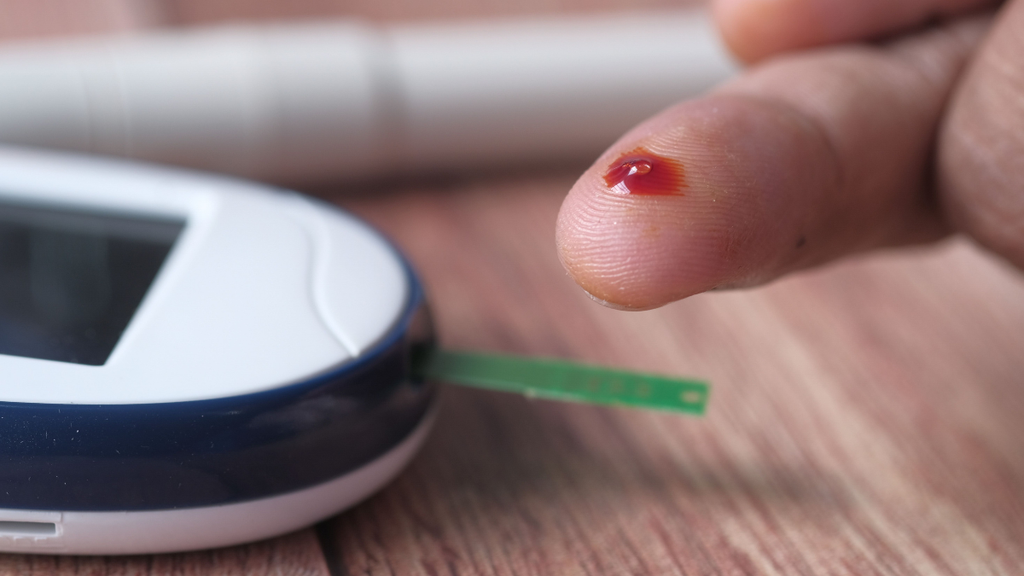
Diabetic checkup.Representational image.Image credit:Pexels
The framework outlines a structured approach to screening, diagnosis, treatment and long-term management, linking community-level identification with district hospitals and medical colleges. It also provides for free-of-cost care at public health facilities, including insulin therapy, blood glucose monitoring supplies and follow-up services.
The guidance promotes awareness of the early warning signs of type 1 diabetes through the “4Ts”: Toilet, Thirsty, Tired and Thinner. These refer to frequent urination, excessive thirst, unusual tiredness and unexplained weight loss.
The initiative is important because timely diagnosis and access to insulin can be lifesaving for children with type 1 diabetes. It also highlights the need for health systems to identify and manage diabetes before complications develop.
Schools become a focus of food policy
India is also considering measures to improve the food environments surrounding schools. A Reuters report published on September 24, 2026, said the country was moving towards restrictions on the sale of foods high in fat, salt and sugar within a 50-metre radius of schools.
The proposed measures would affect vendors and shops selling products such as sugary drinks and packaged snacks near educational institutions. The proposal reflects growing concern about the availability of unhealthy foods in places where children spend much of their day.
If implemented effectively, school-focused measures could form part of a wider strategy that includes healthier school meals, accessible drinking water, nutrition education, physical activity and clearer food labelling.
However, restrictions alone cannot address the problem. Families also need affordable access to fruits, vegetables, pulses and other nutritious foods. Public-health measures must account for household budgets and the realities of food access in different communities.
Beyond calories
World Food Day 2026, themed “Innovate today. Nourish tomorrow,” offers an opportunity to reconsider what food security means for children. Access to sufficient calories is essential, but the nutritional quality of food also matters.
Reducing the future burden of type 2 diabetes requires action across healthcare, education, food policy and community environments. At the same time, children living with type 1 diabetes need timely diagnosis, uninterrupted insulin supplies and long-term medical support


Delhi’s Air Quality Paradox: Lower Average, Higher Everyday Pollution

Lesser Florican, Bengal Florican Top India’s Priority List for Bird Conservation, Study Finds

252 Million Hectares Under Restoration Across 149 Countries, but UN Warns of 2030 Target Gap

El Niño Could Help Forecast India’s Humid-Heat Risks Six Months Ahead, Study Finds

MIT Researchers Develop Origami-Based Method for Lightweight, Load-Bearing Structures

Knowing When to Think for Ourselves: AI, Intuition and the Education of Discernment

After a Scorching Summer, Delhi’s Children Are Slow to Return Outdoors

Two Chemists Win Nobel Prize for Solving a Century-Old Puzzle: Why Life Picks One Hand Over the Other

Marshall Islands: Why the US Nuclear Legacy Is Back Before the UN

Climate Change, Overfishing and the Uncertain Future of Bangladesh’s Hilsa Fishermen

-

 Math3 months ago
The 2026 Fields Medals: Four Proofs, Four Decades-Old Problems Solved
-
EP Deep Dive: Data & Solutions3 months ago
After Kerala’s Deadliest Landslide, the Hardest Thing to Rebuild Was Childhood
-
EP Deep Dive: Data & Solutions4 months ago
West Asia Crisis: Can Kerala’s Returning Gulf Migrants Find a Future in the Green Economy?
-
Space & Physics5 months ago
India Semiconductor Mission: ‘It’s Not About Fabs. It’s About Building An Entire Ecosystem’
-
Interviews1 month ago
From Scams to Screens: How the National Stock Exchange Rewrote India’s Equity Story
-
Climate5 months ago
The Climate World Cup? How Climate Change Could Affect Player Performance at the 2026 World Cup
-
Society4 months ago
What Is Civilisational Diplomacy? Understanding India’s Newest Foreign Policy Tool
-
Society5 months ago
From Bell Labs to the Classroom: A Second Career in Teaching