
Health
Ebola Outbreak Worsens in DRC as WHO Calls for Urgent Patient Care
More than 8,000 cases have been reported in the Democratic Republic of the Congo, while limited access to treatment and ongoing violence are complicating efforts to contain the outbreak.

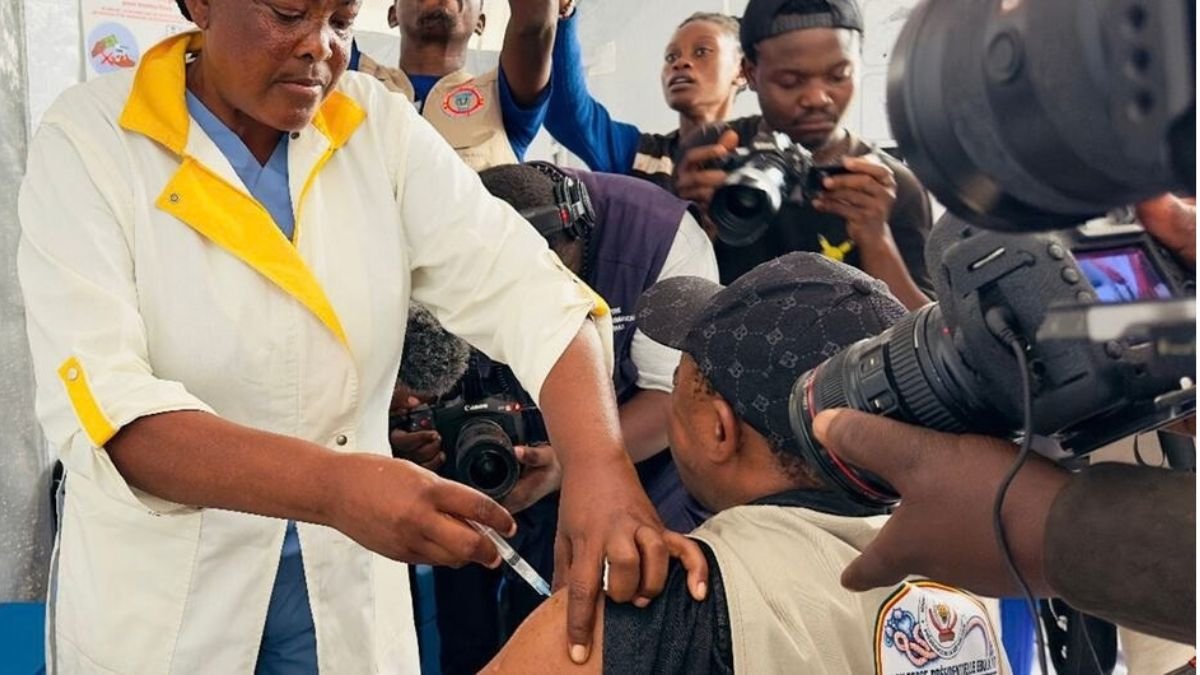
The Democratic Republic of the Congo (DRC) is facing its largest-ever Ebola outbreak, with more than 8,000 cases reported, according to health authority data published on Monday. The World Health Organization (WHO) has called for faster access to medical care as delays in treatment continue to contribute to deaths. While transmission has begun to decline in some areas, the number of cases remains high, WHO officials said.
With 8,067 confirmed cases and 3,901 deaths, the case fatality rate is more than 48 per cent in 63 affected health zones in seven out of DRC’s 26 provinces. “While we are beginning to see a reduction in transmission in some areas, the number of cases remains high for this outbreak,” Dr Janet Diaz of the WHO Health Emergencies Programme told reporters in Geneva. WHO and its partners have expanded Ebola treatment facilities across the affected regions.
Treatment capacity has increased from only a handful of beds at the beginning of the outbreak to more than 1,600 beds across 50 treatment centres in seven affected provinces. Authorities plan to increase the capacity to more than 2,000 beds. Nearly 400 health workers have also been trained as part of the response, with a training hub established in Bunia. Health workers are particularly important in Ebola treatment because patients require specialised care and close monitoring. “Every patient bed requires a skilled workforce to provide safe, quality care around the clock,” Diaz said.
Erupting Violence Amid Health Concerns
Amid the growing Ebola crisis,Aid teams have raised concerns about the situation at Kigonze displacement camp in Bunia, in northeastern Ituri province. According to reports, soldiers entered the heath camp searching for weapons and people suspected of links to non-State armed groups. Gunshots were also reported. The violence has added another challenge to efforts to control the Ebola outbreak, as displacement can make it harder for people to access healthcare and for response teams to trace and monitor cases.
According to the UN aid coordination office, OCHA, the camp hosts nearly 19,000 displaced people. Residents have faced “armed violence, threats and intimidation against civilians, arrests, forced displacement and the destruction of shelters”, the Office said. Echoing those concerns, UN Humanitarian Coordinator in the DRC, Damien Mama, said that many families had left the site to seek refuge with host families.
Mr. Mama also stressed that the civilian character of the site must be preserved and that families “who have already lost everything” must be able to find safety and dignity where they have find refuge. The dispersal of families also raises serious public health concerns, as Kigonze is among the sites covered by the ongoing Ebola response.
In Need of an Efficient System
Oxygen is another major challenge. It is an important part of supportive treatment, particularly for patients suffering from severe Ebola disease, but remains unavailable or unreliable at many health facilities, especially in emergency settings.
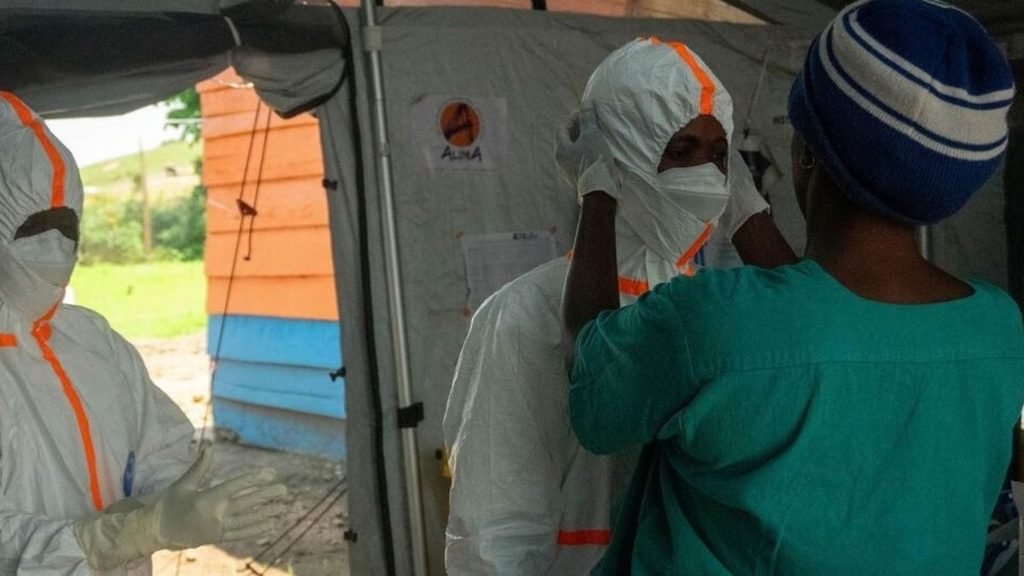
According to WHO, improving oxygen access requires more than supplying cylinders and equipment. It also depends on reliable infrastructure, trained healthcare workers and systems capable of delivering oxygen to patients when and where it is needed. There is currently no approved vaccine specifically for Ebola Bundibugyo virus, although vaccine trials are underway.
WHO has allocated 20,000 doses of the Ervebo vaccine for a research vaccination programme in Ituri province. The vaccine has previously been used against Ebola Zaire virus. WHO and its partners continue to focus on early detection, rapid referral, supportive treatment and improving access to healthcare as they work to contain the outbreak. “Delays in seeking care, together with challenges in access and referral, continue to complicate the response,” Diaz said.








Health
FSSAI Moves to Restrict Added Sugars in Infant Foods, Citing Need for Stronger Nutritional Safeguards
FSSAI has proposed restricting the addition of sucrose and fructose to infant foods for babies up to six months. The draft amendment aims to strengthen nutritional safeguards.

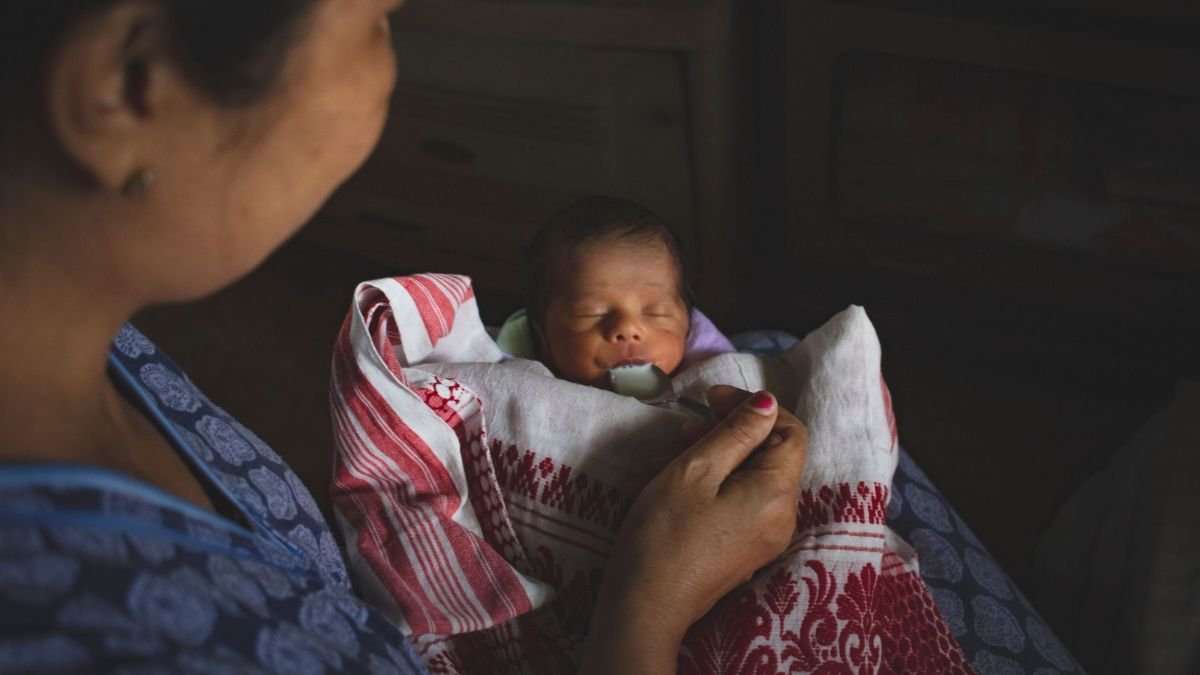
The first months of life leave little room for nutritional guesswork. An infant’s food must supply the energy and nutrients needed for growth, making the composition of commercial infant nutrition products a matter of public health. Whether manufacturers need to add particular sugars to these products is therefore an important regulatory question.
Research published in recent years has begun examining how added sugars enter infants’ diets, including through formula milk, and whether early exposure is associated with subsequent eating patterns and weight gain. Although the evidence does not establish that added sucrose or fructose in infant formula directly causes obesity, it has raised questions about the nutritional value of adding sugars when alternative carbohydrate sources are available.
Against this backdrop, the Food Safety and Standards Authority of India (FSSAI) has proposed prohibiting the addition of sucrose and fructose to food products intended for infants up to six months of age. The draft amendment, published in the Gazette of India on 16 October 2026, would tighten the existing rules governing the composition of these products.
Early Exposure to Added Sugars
An Indian study published in the Indian Journal of Community Medicine in 2021 examined the sugar and salt content of 114 commercially available infant formulas and baby foods. The researchers found that around 28% of the products had a high-sugar profile, while approximately 51% listed sugar or related ingredients among their first four ingredients.
The study covered products intended for children aged up to 24 months, including infant formulas and complementary foods. Its findings offer evidence that sugar content warrants scrutiny in India’s infant and young-child food market. However, the assessment relied on product labels and did not establish whether the products caused adverse health outcomes. It also did not demonstrate that infant formulas intended specifically for babies under six months routinely contained added sucrose or fructose.
Research elsewhere has examined possible links between added sugars in infant formula and early growth. A 2025 study published in The Journal of Nutrition followed 234 infants from predominantly low-income households in the United States. Researchers assessed dietary intake at six, nine and 12 months and found an association between higher added-sugar intake from formula and higher weight-for-length scores.
For every additional 10 grams of added sugar consumed daily through formula, weight-for-length scores increased by an average of 0.060. The study was observational, so it cannot establish that sugar caused the difference. Its findings also cannot be directly generalised to Indian infants.
A separate study published in Frontiers in Nutrition in 2023 examined dietary data from 95 infants and toddlers aged nine to under 16 months. It found an association between added sugars consumed through infant formula and sugar-sweetened beverage consumption later in infancy. The researchers did not establish a significant association between formula-derived added sugars and added-sugar intake from table foods. The small sample and cross-sectional design limit the conclusions that can be drawn.
These studies examine different aspects of early sugar exposure: the composition of products available in India, associations with infant weight and possible links with later dietary patterns. None establishes that the proposed restriction will prevent childhood obesity. They do, however, provide grounds for examining whether particular sugars need to be added to products intended for very young infants.
Infant’s Food: Why the First Six Months Matter
The World Health Organization (WHO) and UNICEF recommend exclusive breastfeeding during the first six months of life, followed by the introduction of appropriate complementary foods at around six months while breastfeeding continues.
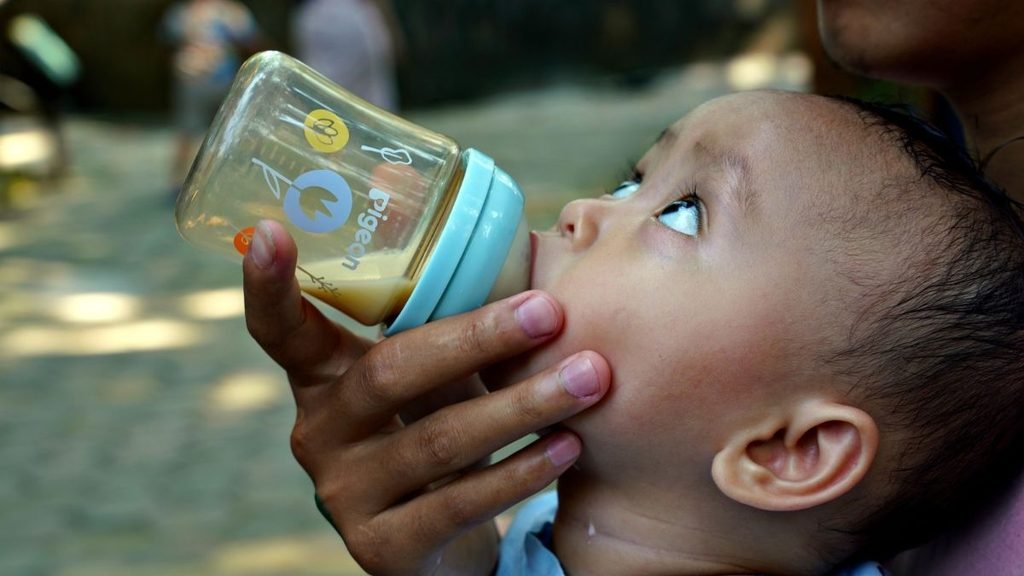
For infants who require an alternative to breast milk, appropriately formulated infant formula can provide essential nutrition. Its carbohydrate composition must meet nutritional requirements for growth and development. The question for regulators is whether adding particular sugars serves a necessary nutritional purpose in products designed for this age group.
WHO’s 2023 guideline on complementary feeding recommends that children aged six to 23 months should not consume foods high in sugar, salt and trans fats. Its evidence review identified associations between sugar-sweetened beverage consumption during infancy and later obesity in some studies, although the certainty of the evidence was low. The recommendation concerns the broader diet of children aged six months and older; it does not specifically establish the effects of sucrose or fructose in infant formula.
The distinction between naturally occurring sugars and added sugars is equally important. Milk naturally contains lactose, which provides energy. Sucrose and fructose may instead be introduced as ingredients during product formulation. Their use needs to be assessed against the nutritional requirements of the intended age group.
What the FSSAI Amendment Proposes
Under the Food Safety and Standards (Foods for Infant Nutrition) Regulations, 2020, lactose and glucose polymers are the preferred carbohydrate sources in infant nutrition products. The existing rules permit sucrose and/or fructose when required as a carbohydrate source, subject to prescribed limits.
The draft Food Safety and Standards (Foods for Infant Nutrition) Amendment Regulations, 2026, proposes prohibiting the addition of sucrose and fructose to products intended for infants up to six months of age. This would remove the existing allowance for these two sugars in products for this age group. FSSAI has invited objections and suggestions from stakeholders within 60 days from the date on which copies of the relevant Gazette notification are made available to the public. The submissions will be considered before the amendment is finalised.
Health
NMC Directs Medical Colleges to Set Up Patient Safety Committees
The National Medical Commission has directed medical colleges and medical institutions to establish patient safety committees, designate nodal officers and strengthen procedures to prevent avoidable harm.

Health
World Food Day: India’s Childhood Obesity Burden Raises Concerns Over Diabetes Risk
More than 41 million Indian children and adolescents aged 5–19 were living with overweight or obesity in 2025, according to the World Obesity Atlas 2026. The growing burden raises concerns about long-term health risks, including type 2 diabetes, and highlights the need for healthier food environments, better nutrition and stronger school-based interventions.

With more than 41 million Indian children and adolescents living with overweight or obesity, experts warn that unhealthy food environments could increase future risks of type 2 diabetes. New national guidance on childhood diabetes and proposed restrictions on junk food sales near schools highlight the need for preventive action.
As the world observes World Food Day on October 16, childhood nutrition is emerging as a challenge that extends beyond hunger and undernutrition. The growing prevalence of overweight and obesity among children is raising concerns about their long-term health, including their risk of developing type 2 diabetes.
India faces a particularly significant challenge. The World Obesity Atlas 2026 estimates that approximately 14.9 million children aged five to nine and 26.4 million children and adolescents aged 10–19 in India were living with overweight or obesity in 2025. Together, these figures amount to more than 41 million young people.
The report also estimates that around 1.39 million Indian children aged five to 19 had hyperglycaemia attributable to high body mass index in 2025. Hyperglycaemia refers to elevated blood glucose levels and is a health indicator associated with metabolic risk; it should not be interpreted as a count of children diagnosed with diabetes.
The figures highlight the importance of addressing childhood obesity early, before associated health risks become more difficult to manage.
Food environments and the risk of early-onset diabetes
The World Health Organization (WHO) reported in September 2026 that 400 million children and adolescents aged five to 19 worldwide were overweight in 2024, including 170 million living with obesity. The prevalence of overweight in this age group increased from 8% in 1990 to 20% in 2024.
Childhood obesity is influenced by a combination of biological, social, economic and environmental factors. Diets high in energy but low in essential nutrients, limited opportunities for physical activity and the easy availability of heavily marketed processed foods can contribute to unhealthy weight gain.
Obesity can increase insulin resistance, in which the body’s cells respond less effectively to insulin. This can raise the risk of type 2 diabetes, a condition that is increasingly important to consider in children and adolescents.
However, the relationship between food and diabetes requires an important distinction. Type 1 diabetes is an autoimmune condition in which the body’s immune system attacks insulin-producing cells in the pancreas. It is not caused by eating sugary foods or being overweight. Type 2 diabetes develops through different mechanisms and is associated with factors including excess body weight, genetics and physical inactivity.
The two conditions require different approaches to prevention and treatment.
India introduces a national childhood diabetes framework
In a significant policy development, the Union Ministry of Health and Family Welfare released a comprehensive guidance document on diabetes mellitus in children on May 3, 2026.

Diabetic checkup.Representational image.Image credit:Pexels
The framework outlines a structured approach to screening, diagnosis, treatment and long-term management, linking community-level identification with district hospitals and medical colleges. It also provides for free-of-cost care at public health facilities, including insulin therapy, blood glucose monitoring supplies and follow-up services.
The guidance promotes awareness of the early warning signs of type 1 diabetes through the “4Ts”: Toilet, Thirsty, Tired and Thinner. These refer to frequent urination, excessive thirst, unusual tiredness and unexplained weight loss.
The initiative is important because timely diagnosis and access to insulin can be lifesaving for children with type 1 diabetes. It also highlights the need for health systems to identify and manage diabetes before complications develop.
Schools become a focus of food policy
India is also considering measures to improve the food environments surrounding schools. A Reuters report published on September 24, 2026, said the country was moving towards restrictions on the sale of foods high in fat, salt and sugar within a 50-metre radius of schools.
The proposed measures would affect vendors and shops selling products such as sugary drinks and packaged snacks near educational institutions. The proposal reflects growing concern about the availability of unhealthy foods in places where children spend much of their day.
If implemented effectively, school-focused measures could form part of a wider strategy that includes healthier school meals, accessible drinking water, nutrition education, physical activity and clearer food labelling.
However, restrictions alone cannot address the problem. Families also need affordable access to fruits, vegetables, pulses and other nutritious foods. Public-health measures must account for household budgets and the realities of food access in different communities.
Beyond calories
World Food Day 2026, themed “Innovate today. Nourish tomorrow,” offers an opportunity to reconsider what food security means for children. Access to sufficient calories is essential, but the nutritional quality of food also matters.
Reducing the future burden of type 2 diabetes requires action across healthcare, education, food policy and community environments. At the same time, children living with type 1 diabetes need timely diagnosis, uninterrupted insulin supplies and long-term medical support


Global Job Market Faces a Growing Inclusion Gap as AI and Digitalisation Reshape Work

FSSAI Moves to Restrict Added Sugars in Infant Foods, Citing Need for Stronger Nutritional Safeguards

NMC Directs Medical Colleges to Set Up Patient Safety Committees

The Monsoon’s New Rhythm: Less Rain, More Intense Downpours

World Food Day: India’s Childhood Obesity Burden Raises Concerns Over Diabetes Risk

From Scams to Screens: How the National Stock Exchange Rewrote India’s Equity Story

Knowing When to Think for Ourselves: AI, Intuition and the Education of Discernment

After a Scorching Summer, Delhi’s Children Are Slow to Return Outdoors

Two Chemists Win Nobel Prize for Solving a Century-Old Puzzle: Why Life Picks One Hand Over the Other

India’s AI Moment Rests on More Than Code

-

 Math3 months ago
The 2026 Fields Medals: Four Proofs, Four Decades-Old Problems Solved
-
EP Deep Dive: Data & Solutions3 months ago
After Kerala’s Deadliest Landslide, the Hardest Thing to Rebuild Was Childhood
-
EP Deep Dive: Data & Solutions3 months ago
West Asia Crisis: Can Kerala’s Returning Gulf Migrants Find a Future in the Green Economy?
-
Space & Physics5 months ago
India Semiconductor Mission: ‘It’s Not About Fabs. It’s About Building An Entire Ecosystem’
-
Interviews4 weeks ago
From Scams to Screens: How the National Stock Exchange Rewrote India’s Equity Story
-
Climate5 months ago
The Climate World Cup? How Climate Change Could Affect Player Performance at the 2026 World Cup
-
Society3 months ago
What Is Civilisational Diplomacy? Understanding India’s Newest Foreign Policy Tool
-
Society4 months ago
From Bell Labs to the Classroom: A Second Career in Teaching