Climate
When the Monsoon Returns, Fear Returns: How Climate Disasters Are Reshaping Mental Health in Himachal Pradesh
In Himachal Pradesh, repeated floods and landslides are reshaping mental health in the mountains — but disaster policy still doesn’t see it.

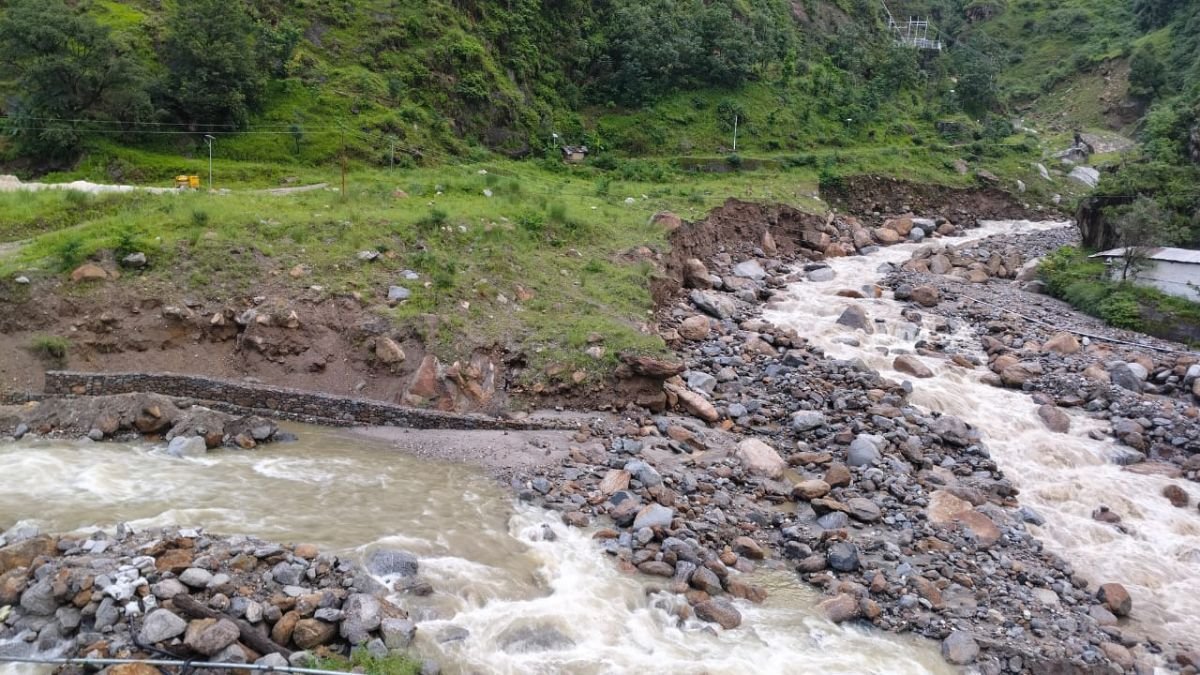
“As soon as the monsoon arrives, fear spreads across the village. People panic because they have already seen what these rains can do. In 2023 and again in 2025, many families here lost their homes, farmland and orchards to monsoon disasters. The moment it starts raining heavily, everyone fears history will repeat itself.”
Het Ram, a resident of Siraj Valley in Himachal Pradesh’s Mandi district, pauses before adding a detail that has quietly become part of everyday life. Most households in his village now keep their important documents, first-aid kits, clothes, dry food, drinking water, ropes and tarpaulin packed together in one corner of the house, ready to be carried at a moment’s notice if disaster strikes.
“Without our documents, we cannot even claim government compensation,” he says.
Why Himachal Pradesh Floods Continue to Haunt Survivors
Het Ram’s experience is shared by families across many villages in Himachal Pradesh, where the monsoon — once welcomed as a season of abundance — has increasingly become synonymous with fear. With the first spell of July rain comes an unspoken anxiety that settles over entire communities. People’s eyes remain fixed not on the clouds but on the fragile mountain slopes towering above their homes. A spell of intense rainfall is enough to keep families awake through the night. Fluctuating blood pressure, panic attacks, insomnia and chronic stress have gradually become a routine part of life in the state’s vulnerable mountain settlements.
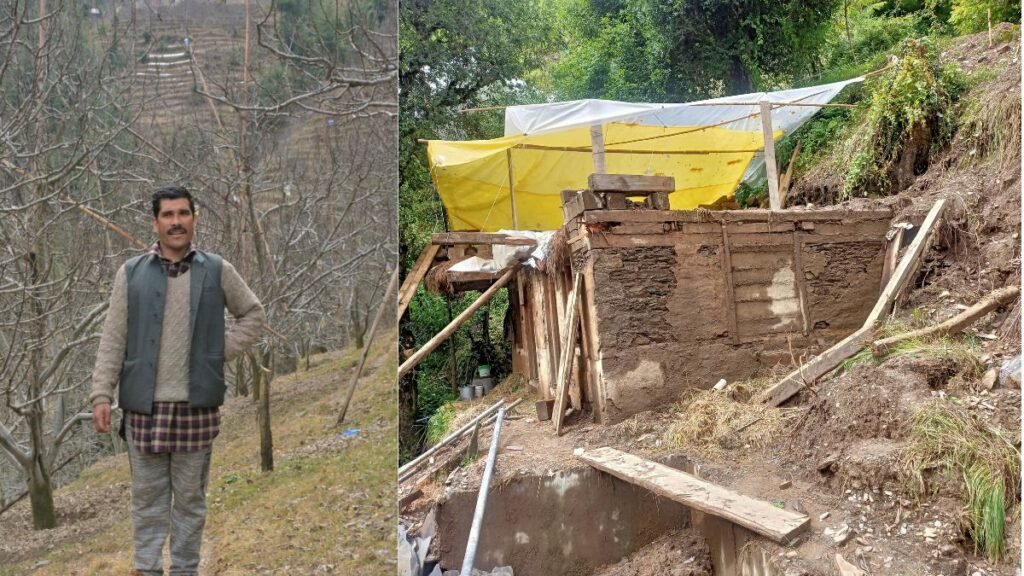
Psychologists describe this condition as anticipatory anxiety — the distress that emerges not after a traumatic event but from the constant fear that it may happen again. A study of disaster survivors in Uttarakhand found that repeated exposure to natural disasters leaves people in a permanent state of hypervigilance: interrupted sleep, startling at the slightest sound, and feeling anxious the moment it begins to rain had become routine for many of those affected.
‘I fear the mountain above my home may collapse’

For 56-year-old Chudamani of Sarpada village in Rampur subdivision, July is no longer just another month — it is a season of dread.
Whenever it rains, sleep deserts her. She spends hours sitting outside her house, her eyes fixed on the hillside looming overhead. A single fear keeps returning: What if the mountain gives way? What if everything is gone within seconds?
The fear has haunted her ever since the devastating flash floods of July 2024, when a swollen Samej Khad swept away both her two-storey house and her vehicle.
“Nowhere feels safe anymore,” says her husband, Chatar Singh. “The moment the rains begin, fear settles into our minds. Every spell of heavy rain makes us wonder which family’s home will be destroyed next.”
The scale of destruction behind the anxiety
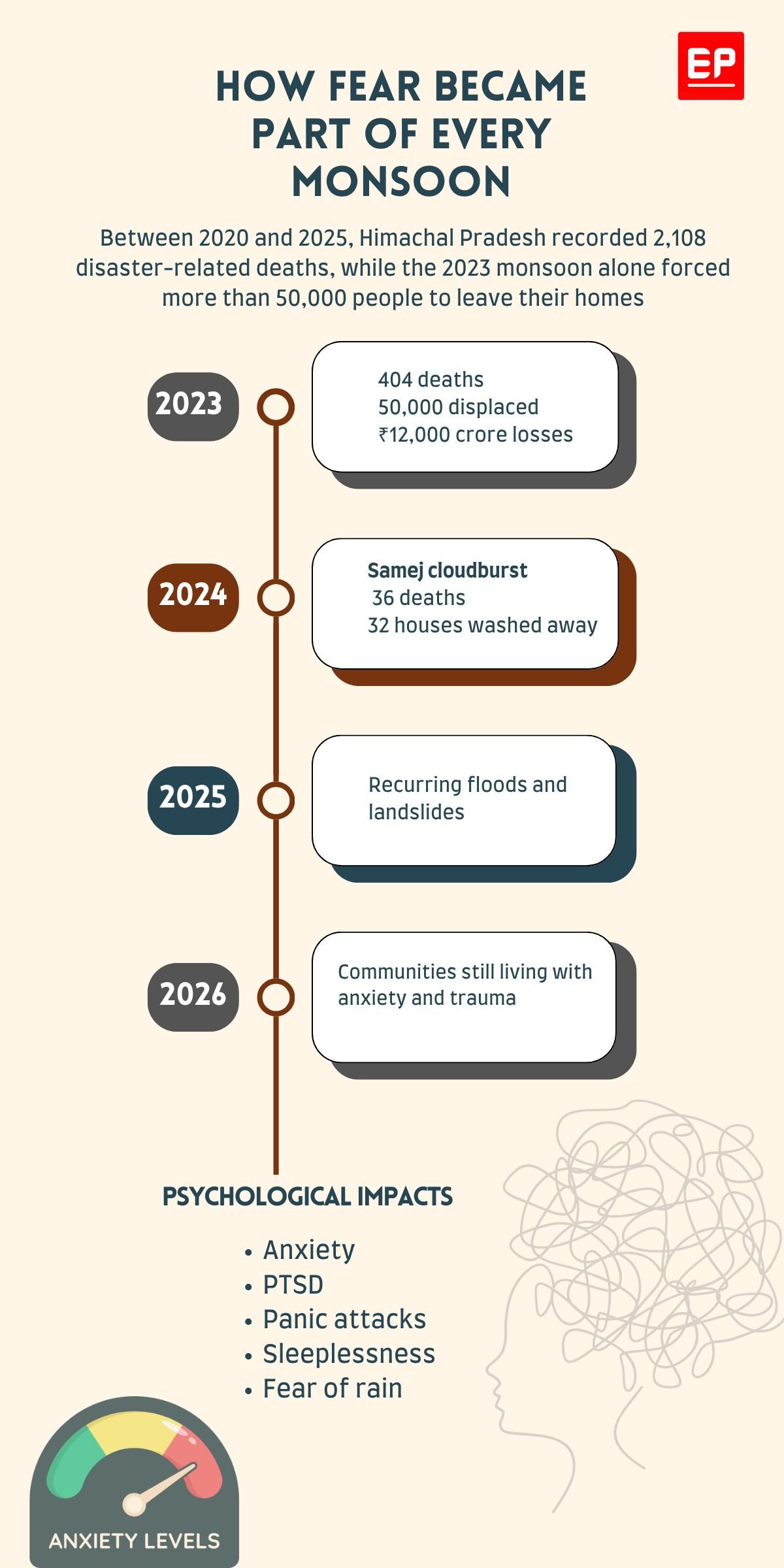
According to the Himachal Pradesh State Disaster Management Authority, 2,108 people lost their lives during the monsoon seasons between 2020 and 2025, while property worth thousands of crores of rupees was destroyed.
The 2023 monsoon alone claimed 404 lives, left 38 people missing and forced more than 50,000 people to abandon their homes. A total of 2,546 houses were completely destroyed and another 10,853 suffered partial damage. Overall losses crossed INR 12,000 crore.
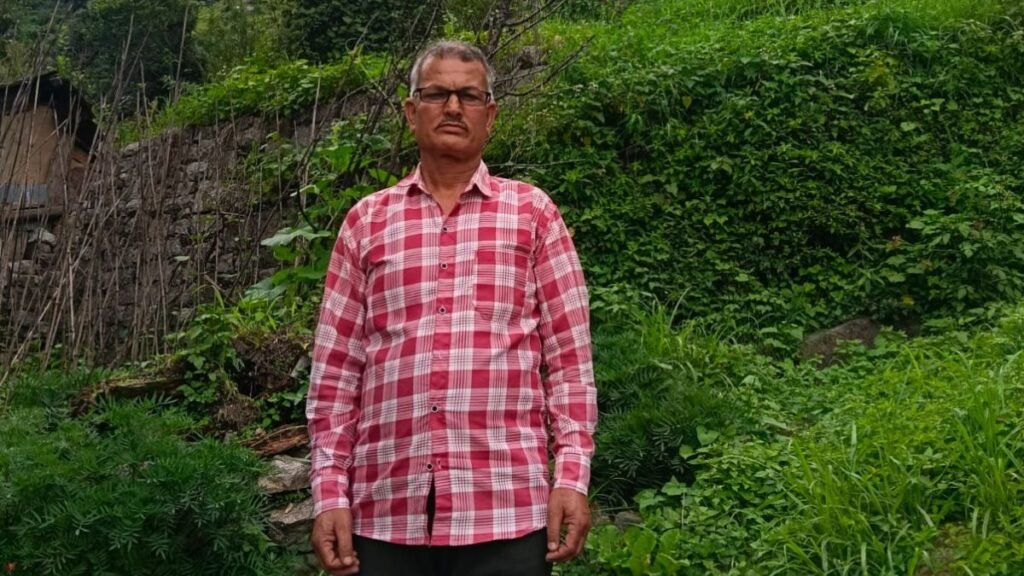
On August 14, 2023, a landslide in Shimla city killed 20 people. The following year, a cloudburst in the Samej area of Shimla district triggered flash floods that washed away 32 houses and claimed 36 lives. These recurring disasters across Shimla, Mandi and Kullu districts have left behind more than physical and economic devastation — every monsoon now revives memories of loss, uncertainty and the fear of losing loved ones all over again.
‘Not even a needle found after floods’
Alok Kumar of Sarpada village in Rampur embodies the depth of this trauma.
His ancestral home in Samej village was completely washed away in the 2024 floods. His mother and eight tenants lost their lives in the disaster.
“The flood was so devastating that not even a needle remained from our 21-room house,” he recalls. “I still haven’t recovered from that tragedy. Every time I hear about floods or landslides, the entire scene flashes before my eyes. We live in the mountains, so there is always the fear that another disaster could strike at any time.”
He says disasters have become an annual reality.
“For the last three years, something has happened every monsoon. It has increased stress and anxiety among almost everyone in the village. Even the elderly say they have never witnessed anything like this before.”
Despite struggling emotionally, Alok has never sought professional help. Like many others in disaster-prone regions, he considers such distress an unavoidable part of life in the hills.
What doctors are seeing
Mental health professionals in Himachal Pradesh say the psychological toll of climate disasters is becoming more visible, even though systematic evidence from the state is still lacking.
Dr Dinesh Dutt, a psychiatrist at Indira Gandhi Medical College (IGMC), Shimla, says climate change is directly influencing people’s mental well-being.
“Climate has a direct impact on mental health. After monsoon disasters, many survivors continue to relive the traumatic event. Distressing thoughts, memories and images keep recurring in their minds. Clinically, we recognise these symptoms as anxiety and post-traumatic stress disorder (PTSD). We are seeing such cases in hospitals, and our assessments suggest that climate-related events are contributing to these psychological conditions. However, there is still no systematic research that conclusively establishes this link in Himachal Pradesh.”
He adds that the state currently lacks a comprehensive database documenting climate-related mental health cases.
The concerns raised by clinicians are echoed in scientific literature. A review published in Frontiers in Public Health (2025) found that sudden climate-related disasters such as floods, landslides and cyclones frequently lead to PTSD and acute anxiety, while repeated exposure to such events has been associated with depression, hopelessness and, in some cases, suicidal thoughts. Mental health experts believe a similar pattern is gradually emerging in the rural regions of Himachal Pradesh.
Children are carrying the burden too
The psychological impact of recurring disasters is becoming increasingly visible among children.
Mukta, a government schoolteacher in Rohru, says classroom behaviour has changed noticeably since the devastating monsoon of 2023.
“Children have become frightened of the rains. During heavy rainfall, some of them become unusually quiet. Since Rohru is an apple-growing region, many children also worry that their family’s orchards and livelihoods may be destroyed.”
Poonam’s ten-year-old daughter, who lives in Shimla, has also developed an intense fear of the monsoon. Their residential building was declared unsafe after a landslide last year, forcing the family to live with relatives for ten days.
“Since that incident, she has developed a deep sense of insecurity,” Poonam says. “Every time it starts raining, that fear returns.”
For teenagers, the consequences are often less visible but equally profound.
Ashish Dogra, a Class XII student from Ramnagar in Shimla, says the rainy season has transformed childhood routines.
“During the monsoon, no one goes out to play anymore. We stay indoors all day. We talk to friends on the phone, but after a while it becomes boring. Sometimes that isolation makes us irritable and angry.”
Psychologist Neelam Bali says children’s emotional responses are closely linked to the anxiety they observe within their own families.
“When children see their parents constantly worried, they internalise that stress. Most are unable to express their emotions openly, and over time the anxiety begins to show in their behaviour. It eventually affects their studies and overall school performance.”
She emphasises that parents need to encourage open conversations with children.
“Play is one of the most effective ways for children to cope with stress. If they remain cut off from outdoor activities for long periods, they are more likely to experience loneliness, irritability and anger.”
Dr Dutt adds that climate disasters affect children, adults and older people in different ways. “If survivors do not receive timely psychological first aid, the long-term health consequences can be significant.”
When landscapes become a source of grief
Natural disasters alter far more than homes, roads and livelihoods. They also transform people’s emotional relationship with the landscapes they have known all their lives.
When the mountains that once symbolised safety and belonging suddenly become a source of destruction, recovering emotionally is rarely easy.
Researchers describe this experience as solastalgia — the distress people feel when the environment they identify as home is damaged or transformed. Unlike nostalgia, which is a longing for a place left behind, solastalgia emerges while people remain in the very place they call home, watching it deteriorate around them. Over time, this distress can deepen into prolonged grief, anxiety and depression.
Shifting homes in search of safety
Discussions around migration from Himachal Pradesh’s hill districts have traditionally centred on employment, education and infrastructure. But a new driver is quietly emerging: the search for psychological security.
For some families, the fear of living in disaster-prone areas has become so overwhelming that they are abandoning ancestral homes for places they perceive to be safer.
Prabhat Chand, 47, a government school lecturer from Rampur, is one such resident. After the devastating floods in Samej, he decided to leave the area and build a new home nearly 17 kilometres away in Sarpada village.
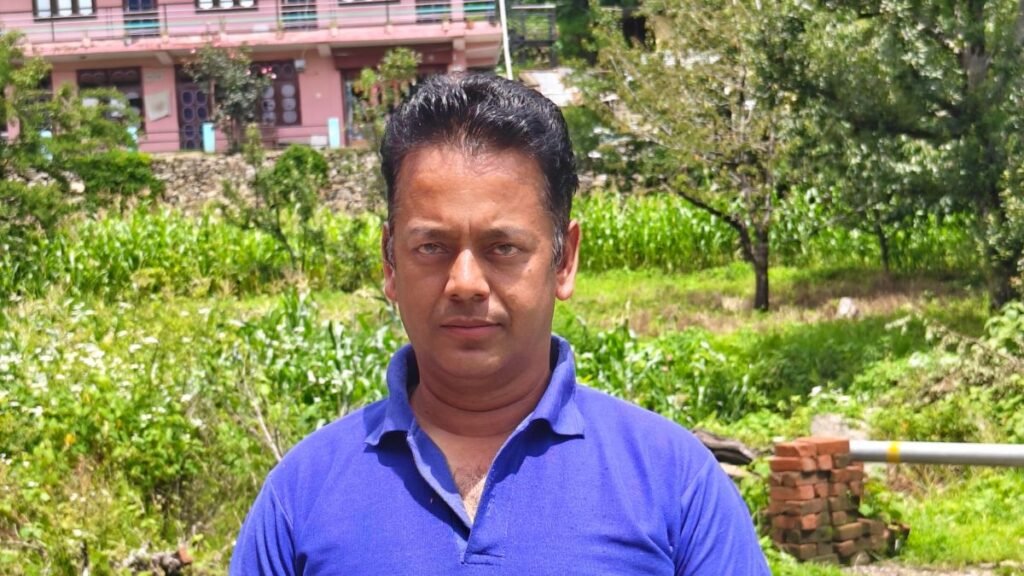
“Most of the families affected by the disaster have moved elsewhere,” he says. “The flood was so destructive that the place no longer feels fit for habitation.”
Ruchi, who lives in Tutu on the outskirts of Shimla, also shifted to another rented house after repeated monsoon scares. Her previous home stood beside a seasonal stream, and every spell of heavy rainfall made her anxiety worse.
“Whenever I saw news reports of rain-related disasters, I became anxious. Watching the water level in the stream rise only intensified that fear,” she says.
Although she still worries during the monsoon, moving to a different neighbourhood has eased the constant panic she once experienced.
Mental health remains missing from disaster response
Himachal Pradesh has made significant progress in recognising the health risks posed by climate change. The state has adopted the State Action Plan on Climate Change and Human Health (2022–27) and established a Climate Change and Human Health Cell to strengthen public health preparedness.
The plan focuses on physical health, disease surveillance, healthcare infrastructure resilience, early warnings and logistics, but does not address mental health support or psychological care for disaster-affected populations.
While the Climate Change and Human Health Cell provides training to healthcare workers and Accredited Social Health Activists (ASHAs) on mental health and psychological first aid, experts say these efforts have yet to translate into meaningful support on the ground.
Dr Sanjay Pathak, former Director of the Himachal Pradesh Mental Health Authority, believes disaster management continues to prioritise physical rehabilitation over psychological recovery.
“Government responses after disasters understandably focus on relief and rehabilitation,” he says. “But very little attention is paid to what kind of psychological intervention survivors require. Unless mental health becomes an integral part of disaster response, people will continue to live with a persistent sense of insecurity.”
Dr Dutt points to another challenge: the severe shortage of trained mental health professionals.
“The frequency of disasters is increasing much faster than our capacity to provide psychological support. For now, community and family networks are helping people cope. But as those social structures weaken, the need for professional mental health services will become much greater.”
The policy gap extends beyond Himachal Pradesh. An analysis published by the Observer Research Foundation (ORF) notes that disaster management strategies in India remain largely centred on rescue operations, rehabilitation and rebuilding infrastructure, with mental health support yet to be systematically integrated into these frameworks. The analysis also found that psychological disorders following natural disasters are 40 per cent more common than physical injuries — underscoring the need to treat mental health as a core part of disaster preparedness and recovery.
What needs to change?
Both Dr Pathak and Dr Dutt agree that psychosocial care must become a standard part of emergency relief rather than an afterthought. They identify three immediate priorities: training schoolteachers to provide basic psychosocial support to children affected by disasters; strengthening the capacity of ASHA workers and frontline health personnel to identify and respond to psychological distress; and expanding access to counselling and mental health services in disaster-affected communities.
For a Himalayan state facing ever more frequent extreme weather, integrating mental health into disaster management is no longer simply a public health recommendation — it is a necessity.
As climate change continues to reshape the mountains, it is also reshaping the emotional landscape of the people who call them home. The landslides and floods may disappear once the rains recede, but for many survivors, the fear remains — returning every monsoon, long before the first cloudburst.
Raman Kant is a mentee at the Asian College of Journalism’s Climate Change Media Hub, supported by Interlink Academy, Germany.











Climate
Europe’s Potato Crisis Could Hit Your Chips
More than 3.5 million tonnes of potatoes could be lost across Europe and Britain as extreme heat and drought cut yields and push up processing prices.

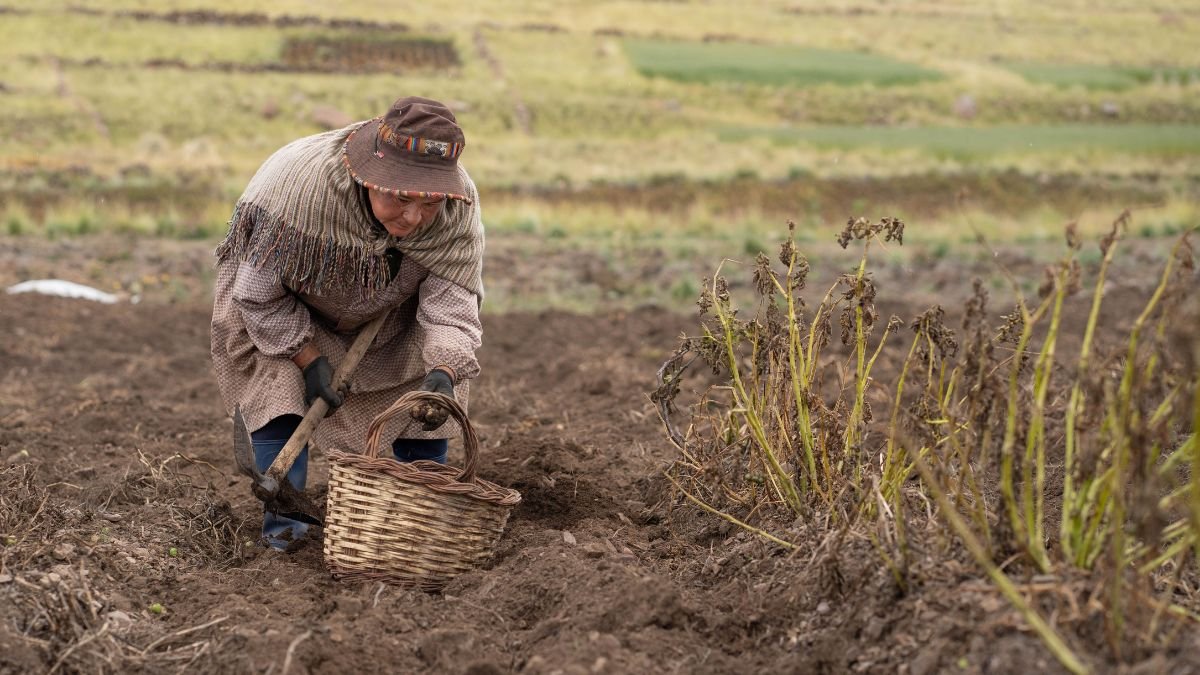
Europe’s potato harvest is heading into a difficult season after extreme heat and drought cut yields across some of the continent’s biggest potato-growing regions. Germany, France, Belgium and the Netherlands could lose around 3.1 million tonnes of potatoes compared with their five-year average, according to a new analysis by the Energy and Climate Intelligence Unit (ECIU). When Great Britain is included, the estimated weather-related loss rises to more than 3.5 million tonnes.
At current prices, the lost production across the five countries could be worth between €498 million and €818 million. The impact is already visible in the potato market, where processors are paying substantially more for supplies.
Smaller Crop Before the Drought
The weather shock came after European farmers had already reduced potato planting. A glut in 2025 pushed potato prices down, prompting growers to cut the area planted in 2026. The planted area fell by 11% in Germany, 10% in France, 15% in the Netherlands and 17% in Belgium.
Had yields remained at their five-year averages, the smaller planted area alone would have resulted in an estimated 3.6 million-tonne reduction in production. The drought added another layer of losses. ECIU estimates yields are 13% below the five-year average in France, 21% lower in Belgium, 10% lower in Germany and 7% lower in the Netherlands.
For Great Britain, where the Agriculture and Horticulture Development Board stopped publishing harvest and yield estimates in 2021, the analysis uses an estimate from World Potato Markets. It puts yields around 11% below the 2021–25 average, based on conditions similar to the 2018 drought.
Tom Lancaster, land, food and farming analyst at ECIU, said the effects of the summer’s heat and drought were becoming increasingly visible in industry yield estimates. “As one of Europe’s thirstiest crops, it was inevitable that the potato harvest would be hit hard,” he said.
Heat Shrinking the Potatoes
The problem is not only the amount harvested. Heat and water shortages are also affecting potato size. Belgium, the world’s largest exporter of frozen fries, has reported particularly severe problems with Fontane, its main frying variety.
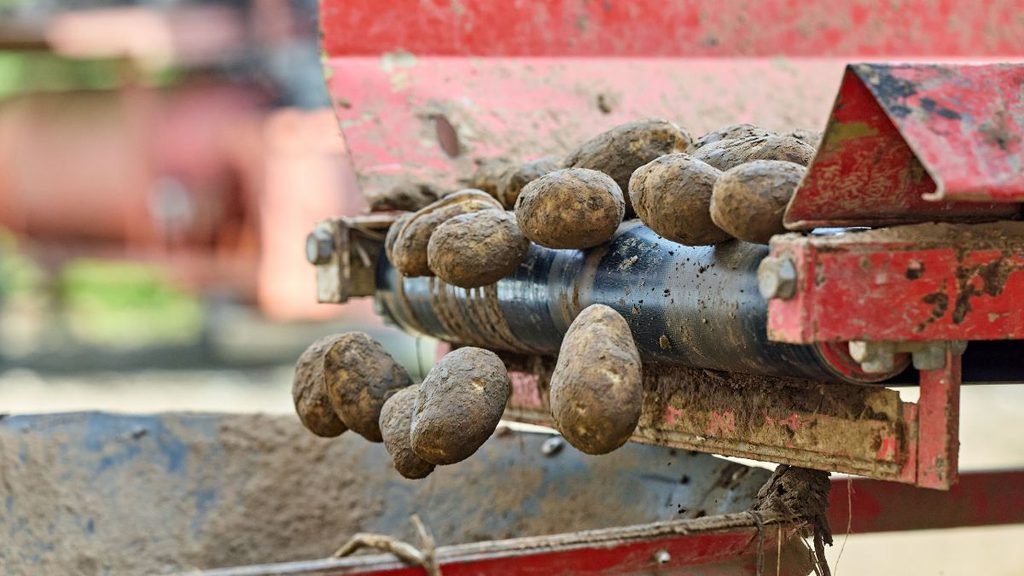
By the end of August, Fontane was yielding around 32 tonnes per hectare, 30% below the previous year. Only about half of the crop was above the 50 mm size preferred by processors. For the processing industry, that distinction matters. A potato crop can survive a dry season while still producing fewer tubers that meet the size requirements for products such as chips and frozen fries.
Recent rainfall may have improved conditions in some areas, but industry estimates suggest it came too late to reverse much of the damage.
Potato Prices are Rising
The tighter supply is showing up in processing markets. Belgian free-market potatoes have risen from zero in April to €200 or more a tonne. German processing potatoes have reached about €240 a tonne, compared with a season low of €15 in June.
In Britain, processors are paying more than £300 a tonne, up from £180 in February. These are processing-market prices rather than direct measures of what consumers will pay. But they show the pressure developing further up the supply chain as processors compete for potatoes that meet their requirements.
Farmers Caught Between Two Bad Years
For potato farmers, the weather shock has come after a difficult market year. Jean-Paul Dallene, a potato farmer in Pas-de-Calais, said he had surplus potatoes last year and was forced to sell them at a loss. This year, drought has reduced his yield by 12 tonnes per hectare. He estimates the resulting loss of income at around €4,300 per hectare, from lower yields and contract prices.
Dallene has already changed his farming practices, including adopting no-till methods to reduce the impact of water shortages. But the severity of this year’s drought and heat exceeded what he expected.
His experience highlights the economic difficulty of adapting to a more volatile climate. Farmers can change cultivation practices, but they still face weather they cannot control and markets that can swing sharply between oversupply and shortage.
Water Management Crisis
Potatoes require substantial water during tuber development. Higher temperatures can increase the crop’s water demand at the same time that drought reduces the water available.
That makes water management increasingly important. Cedric Porter, editor of World Potato Markets, said farmers would need to prepare for both extremes. “Investment in water management, whether it is conserving water when there is too much or irrigating during dry summers, will be essential to the continued success of the crop,” he said.
That means adaptation cannot depend on irrigation alone. Storing water during wetter periods, improving soil moisture retention and making more efficient use of available water could become increasingly important for potato production.
Climate Problem With Food Price Effect
The potato losses are part of a wider pattern of climate stress across Europe. World Weather Attribution found that temperatures during this summer’s European heatwave would have been virtually impossible” 50 years ago. Its assessment of the drought also found that human-caused warming had increased the likelihood and severity of the conditions.
For agriculture, the significance lies in the combination of hazards. Heat increases water demand. Drought reduces water availability. Heavy rainfall at other times can damage soils and crops or make fields difficult to work. These shifts make it harder for farmers to rely on historical growing conditions when deciding what and how much to plant.
The Biological Hangover
The immediate concern is supply. But the longer-term issue is predictability. Europe went from a potato glut and low prices in 2025 to reduced planting in 2026, followed by heat and drought that further cut yields. The result could be more than 3.5 million tonnes of weather-related production losses across five major markets.
For consumers, that pressure can eventually feed into the price of chips and other potato products. For farmers, the bigger challenge is managing a crop when both sides of the equation are becoming more uncertain: the weather that determines yields and the market that determines whether those yields are profitable.
Porter notes that Europe has experienced four droughts since 2018, alongside periods of heavy rainfall during winter and spring. The potato may be an everyday food, but its increasingly unpredictable journey from field to processor is another measure of how climate change is reshaping Europe’s food system.
Climate
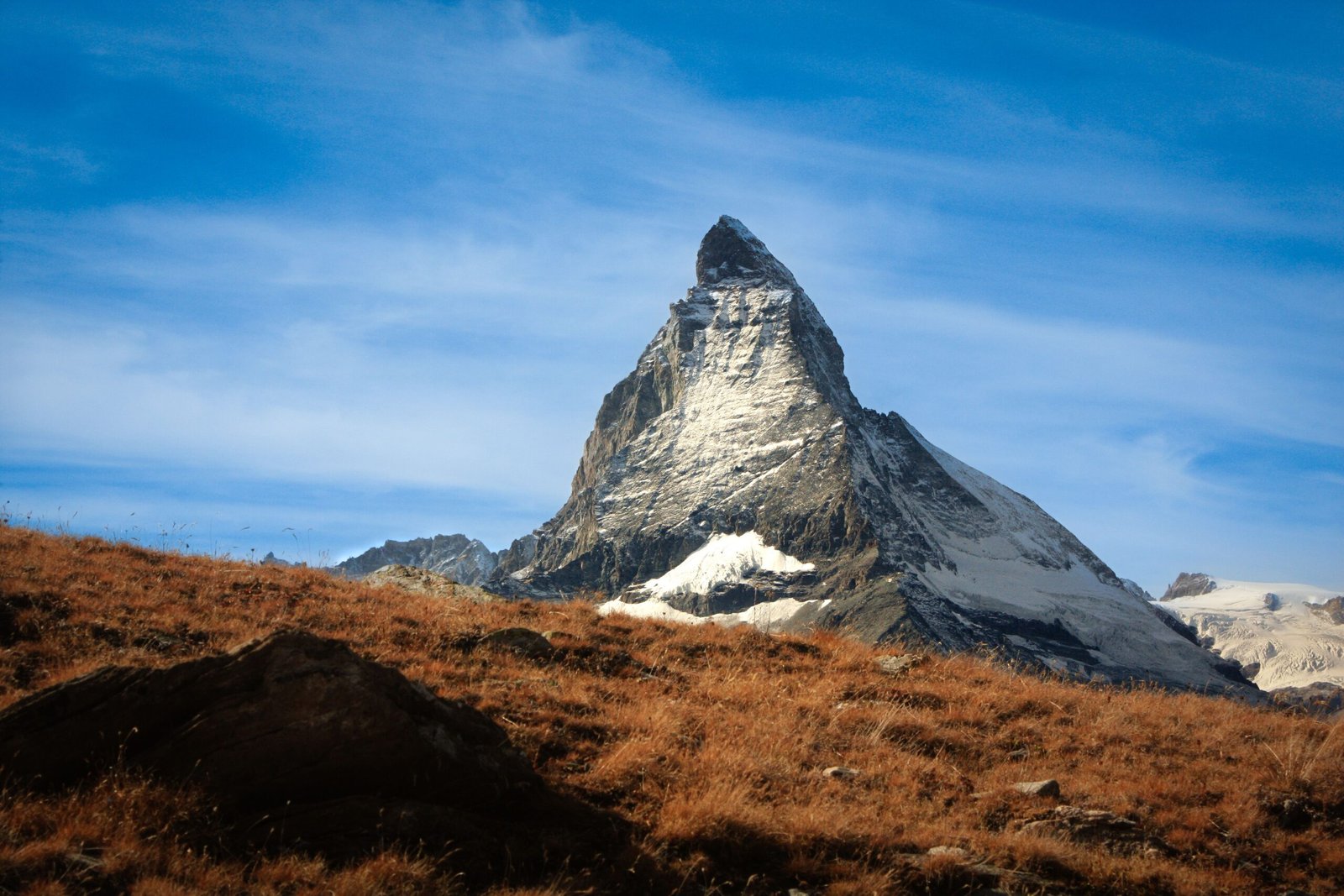
Icnoic Matterhorn Almost Snow-Free as Record Heat Accelerates Swiss Glacier Loss
The Matterhorn is almost snow-free after an exceptionally hot, dry summer, as Switzerland’s glaciers record another year of severe ice loss.
Climate
Climate Change Is Already on Your Dinner Table. Here Is How It Got There
Climate change is already affecting what food costs. From heatwaves and droughts to weaker crop yields, extreme weather is disrupting food markets and making staples such as potatoes, tomatoes and other vegetables more price-sensitive.

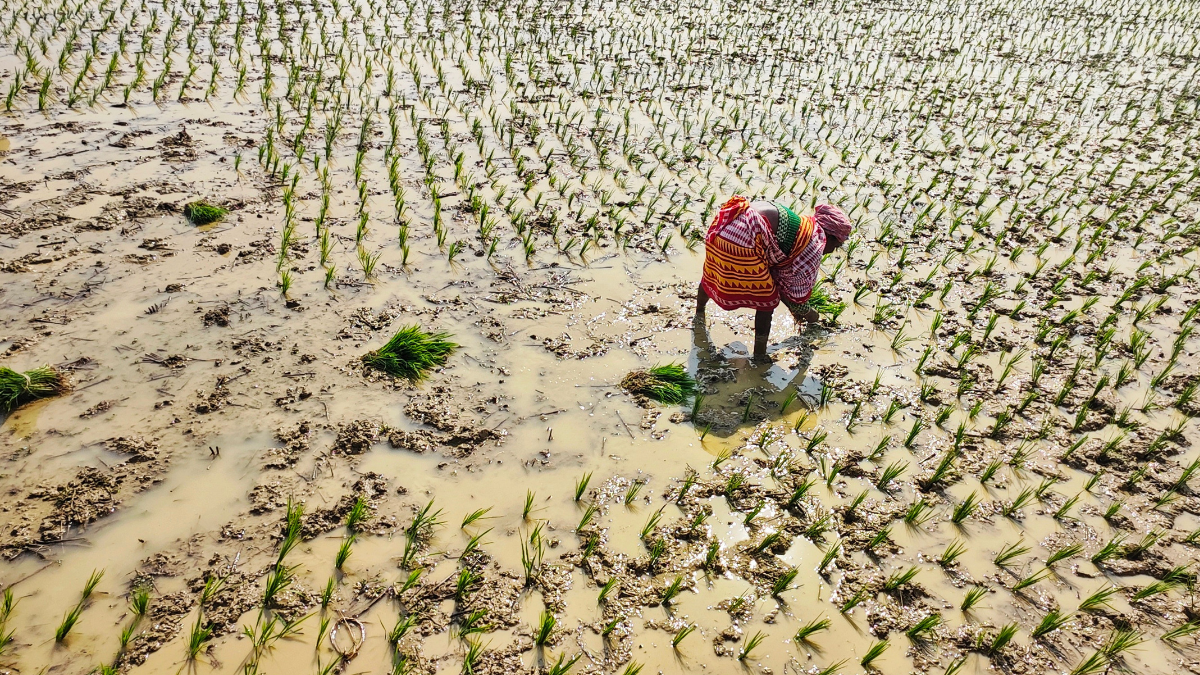
From heatwaves in the field to prices in the market, extreme weather is changing what food costs. Perishable foods such as vegetables are especially exposed, and India’s coming potato season is one to watch.
What does climate change have to do with the tomatoes in your salad or the potatoes on your plate? More than it may seem.
Climate change is not only about rising temperatures or intense rainfall. Its effects also move through farms and food markets and, eventually, into our kitchens. Heatwaves, droughts and uneven weather are disrupting the food system. People already stretched by work and the cost of living then find that food has become dearer still.
The result is a climate story that is easy to overlook because it shows up in an ordinary place: the dinner table.
A growing body of research is beginning to map the journey from climate shock to food price. A September 2026 analysis by Zero Carbon Analytics found that extreme climate events are raising agricultural risks, disrupting food systems and pushing up food prices. It also highlights the vulnerability of perishable, nutrient-dense foods, naming tomatoes in the Mediterranean among the affected commodities.
That matters because the climate-food connection is not simply about whether there will be enough calories on the planet. It is also about what those calories cost and what people can afford to eat.
The problem starts in the field
A 2021 study in the Journal of Environmental Economics and Management examined global yields of major calorie crops, using gridded agricultural data and climate-model projections. The researchers found that, without adaptation beyond what farmers have historically managed, climate change could cut global crop yields by 3–12 per cent by the middle of the century and by 11–25 per cent by the end of it, under a vigorous warming scenario. They also found that farmers’ historical adaptation has only slightly softened the effects of weather shocks across broad regions.
That does not mean every crop, country or farm will see the same decline. Impacts vary with crop type, location, irrigation and local conditions. But the research points to a larger problem: agriculture cannot be separated from a changing climate. The study covers staple calorie crops rather than vegetables, and the humble potato offers a closer example.
Why potatoes are vulnerable
Potatoes may look ordinary, but growing them depends on a narrow combination of temperature and water. The Intergovernmental Panel on Climate Change (IPCC) cites modelling that projects global potato-yield reductions of 2–6 per cent by 2055, though the impact varies considerably between regions. In some marginal growing areas the projected fall in tuber dry weight is much larger, while some high-yielding environments could see gains.
The same assessment cites modelling in which potato yields fall by about 4.6 per cent for every 1°C rise in temperature, and by about 2 per cent for every 10 per cent fall in rainfall at non-irrigated sites.
For India, this makes the coming potato season worth watching.
A 2025 study in Environmental Research Letters found that potato prices in India rose by about 81 per cent between April and June 2024, compared with the same period a year earlier, after an unusually severe heatwave in May. Onion prices rose by 89 per cent over the same period.
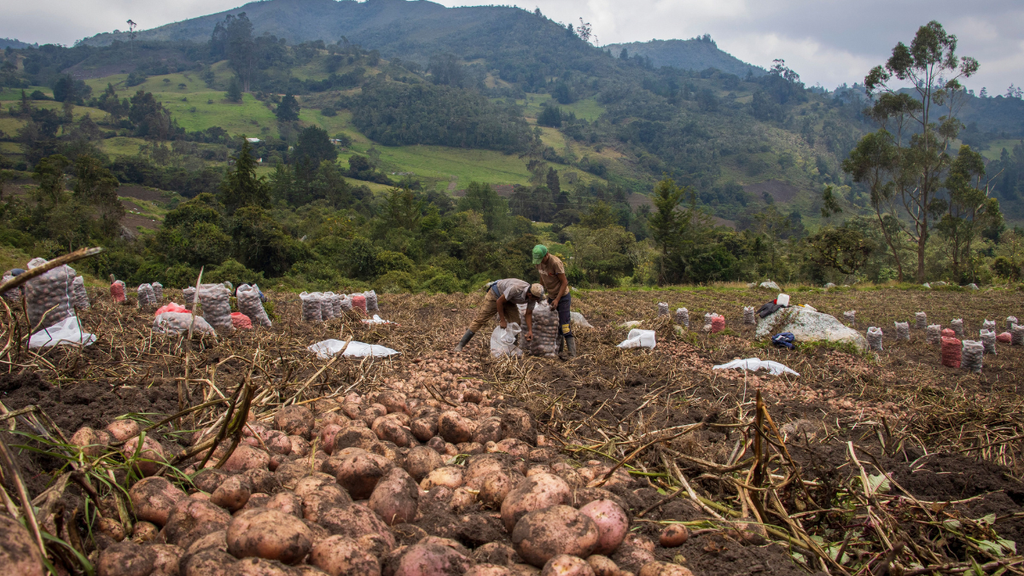
Farmers harvesting potatoes.Image credit:Pexels
This year’s southwest monsoon has been weak. India had received about 86 per cent of its normal rainfall by 29 August, according to India Meteorological Department data, and Bihar, an important potato-producing state, was running about 40 per cent below normal at the end of the month.
Analysts caution, however, that this does not amount to a confirmed national loss in potato production. The main risk is what the shortfall leaves behind: lower soil moisture, weaker groundwater recharge and higher irrigation needs before the winter crop is planted.
Nor have the shops felt it yet. Official consumer-price data for August 2026 show potato prices 13.14 per cent lower than a year earlier and tomato prices 31.09 per cent lower, although onions were 48.27 per cent dearer.
That distinction matters. Climate science can identify elevated risks; it does not mean every weather event automatically produces a specific crop loss or price rise.
How climate shocks reach the market
Tomatoes illustrate another part of the problem. Fresh vegetables are particularly exposed to climate shocks because they are perishable and have limited storage windows.
Zero Carbon Analytics counts tomatoes among the foods whose prices have been affected by recent climate extremes, and points to wider evidence that extreme weather can produce sharp price movements in nutrient-dense foods.
The Environmental Research Letters study also examined reported food-price spikes associated with extreme heat, drought and heavy rainfall. The examples are striking. South Korean cabbage was 70 per cent dearer in September 2024 than a year earlier. Vegetable prices in China rose 30 per cent between June and August 2024. In the United States, extreme heat and drought in California and Arizona contributed to an 80 per cent year-on-year rise in vegetable producer prices by November 2022.
In southern Europe, drought was associated with a 50 per cent year-on-year rise in olive-oil prices by January 2024. Global cocoa prices rose by almost 300 per cent by April 2024 compared with a year earlier, after a heatwave in Ghana and Côte d’Ivoire.
These figures should not be read as saying that climate change alone caused every increase. The researchers note that demand, transport disruptions, speculation and other socioeconomic factors can also shape the final price. But their analysis shows how extreme climate conditions can trigger food-price shocks.
From the farm to inflation
The consequences do not necessarily stop at the market. Research by economists at the European Central Bank and the Potsdam Institute for Climate Impact Research, published in Communications Earth & Environment in 2024, examined how global warming and extreme heat can feed into inflation. Under projected 2035 conditions, the study estimates that annual food inflation could rise by 0.92–3.23 percentage points a year on average globally, depending on emissions scenarios, climate models and empirical specifications.
The researchers also estimate that Europe’s extreme summer heat of 2022 raised food inflation by 0.43–0.93 percentage points, and that warming projected for 2035 would amplify the effect of similar extremes by 30–50 per cent.
When food prices rise, people on lower incomes have less room to absorb the increase. The Environmental Research Letters study notes that households may respond by spending more of their income on food, buying less food or switching to cheaper and often less nutritious options.
What ends up on the plate?
The World Food Programme (WFP) estimated on 5 August that the 2026–27 El Niño could push at least 49 million more people into acute food insecurity by the end of 2027, across the 45 countries it assessed. Those are countries already considered food insecure and where El Niño is expected to have a significant effect. The number of acutely food-insecure people in them could rise from about 225 million to 274 million.
And as the climate warms, the concern is not simply whether a tomato or potato will disappear from the plate.
It is whether climate shocks will make food production more uncertain, prices more volatile and nutritious diets harder to afford.
-

 Math2 months ago
The 2026 Fields Medals: Four Proofs, Four Decades-Old Problems Solved
-
Climate2 months ago
After Kerala’s Deadliest Landslide, the Hardest Thing to Rebuild Was Childhood
-
Society3 months ago
West Asia Crisis: Can Kerala’s Returning Gulf Migrants Find a Future in the Green Economy?
-
Space & Physics4 months ago
India Semiconductor Mission: ‘It’s Not About Fabs. It’s About Building An Entire Ecosystem’
-
Interviews1 week ago
From Scams to Screens: How the National Stock Exchange Rewrote India’s Equity Story
-
Climate4 months ago
The Climate World Cup? How Climate Change Could Affect Player Performance at the 2026 World Cup
-
Society3 months ago
What Is Civilisational Diplomacy? Understanding India’s Newest Foreign Policy Tool
-
Society4 months ago
From Bell Labs to the Classroom: A Second Career in Teaching