

Forest clearing in Brazil’s Amazon fell 41.8% in a year, reaching its lowest level since satellite monitoring began in 1988. Stronger environmental enforcement has helped reverse...


India has scored just 2 out of 32 in a global assessment of how national climate commitments integrate public health. The 2026 Healthy NDC Scorecard highlights...
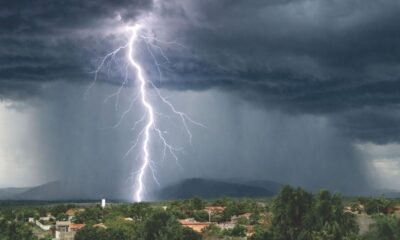

India's deficient 2026 monsoon highlights the risks of uneven rainfall, from long dry spells to intense downpours, floods and landslides.
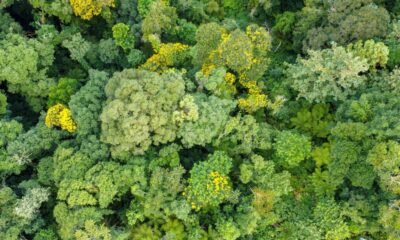

COP17 in Armenia will assess progress towards global biodiversity targets for 2030, focusing on ecosystem protection, conservation finance, harmful subsidies and equitable benefit-sharing.


Chandigarh’s Sukhna Wetland has received Ramsar recognition, taking India’s total to 103 internationally important wetlands and renewing focus on urban wetland conservation.
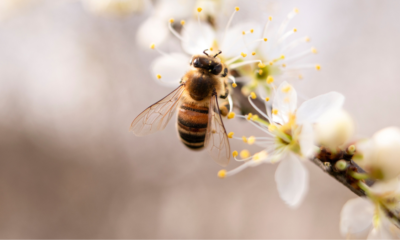

A new study finds that heatwave exposure during early development can impair fertility-related traits in solitary bees, raising concerns about the potential effects of extreme heat...
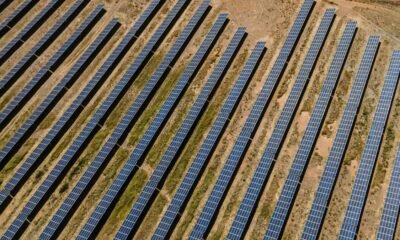

India accounted for 5.7% of global greenfield investment between 2020 and 2025, more than double China's share. UNCTAD data highlight the concentration of investment in AI...
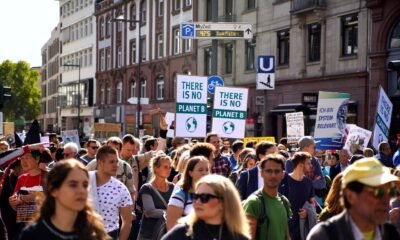

Climate protesters demand stronger action on global warming, highlighting the urgency of translating climate science into effective policy and international commitments.


Extreme heat is emerging as a growing threat to pregnancy and childbirth. Research from India and an international survey highlight the risks to maternal and newborn...


Commercial kitchen air pollution can exceed health guidelines, with gas kitchens exposing workers to heat, nitrogen dioxide, benzene and carbon monoxide.