Space & Physics
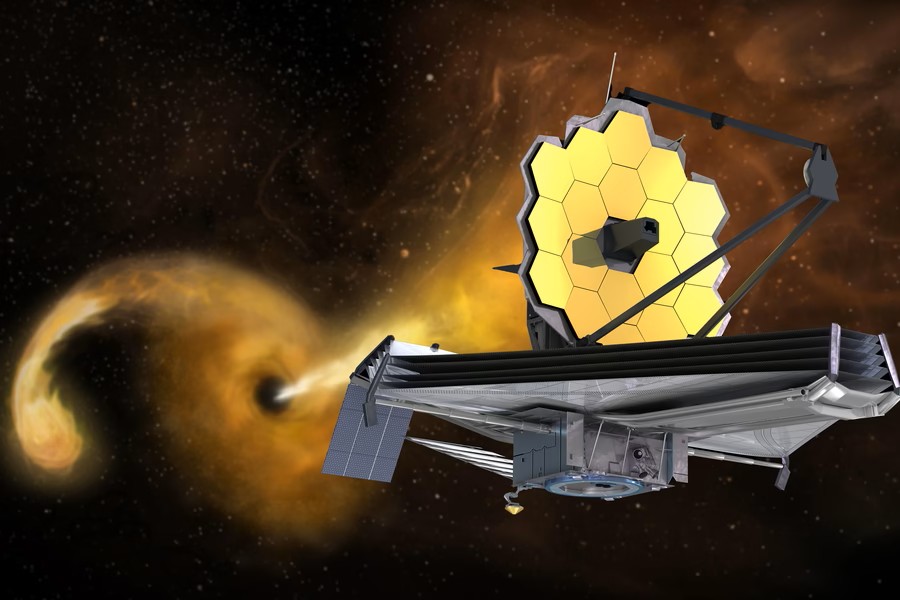
Dormant Black Holes Revealed in Dusty Galaxies Through Star-Shredding Events






Space & Physics
India’s New Satellite Will Be Tested During Disasters
India’s latest Earth-observation satellite, EOS-05, could give disaster agencies a broader and more frequent view of floods, landslides and other hazards. But its real value will depend on how quickly satellite data can be turned into information that helps authorities act on the ground.
Space & Physics
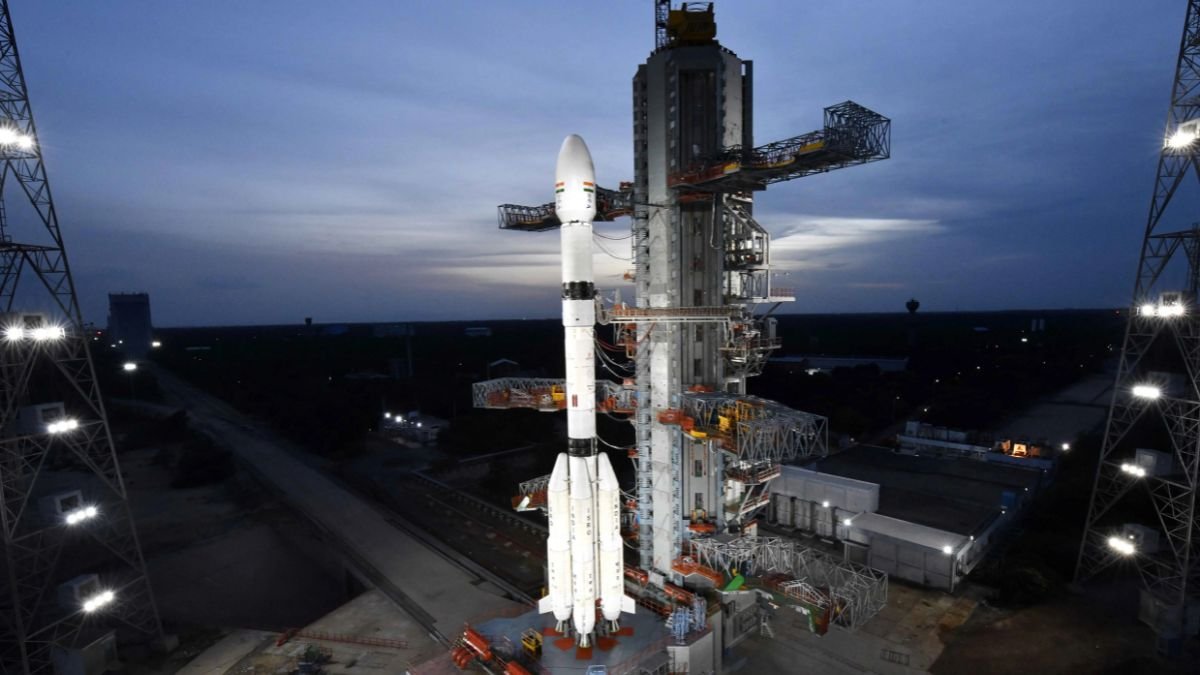
India’s Moonshot Moment: Can New Delhi Turn Orbit Into Influence
India’s space mission is entering a new era, from Gaganyaan and space stations to private startups, space diplomacy and national security.


Gaganyaan is only the beginning. India’s space mission faces new opportunities and challenges as human spaceflight, diplomacy, private industry and security reshape its ambitions beyond Earth.
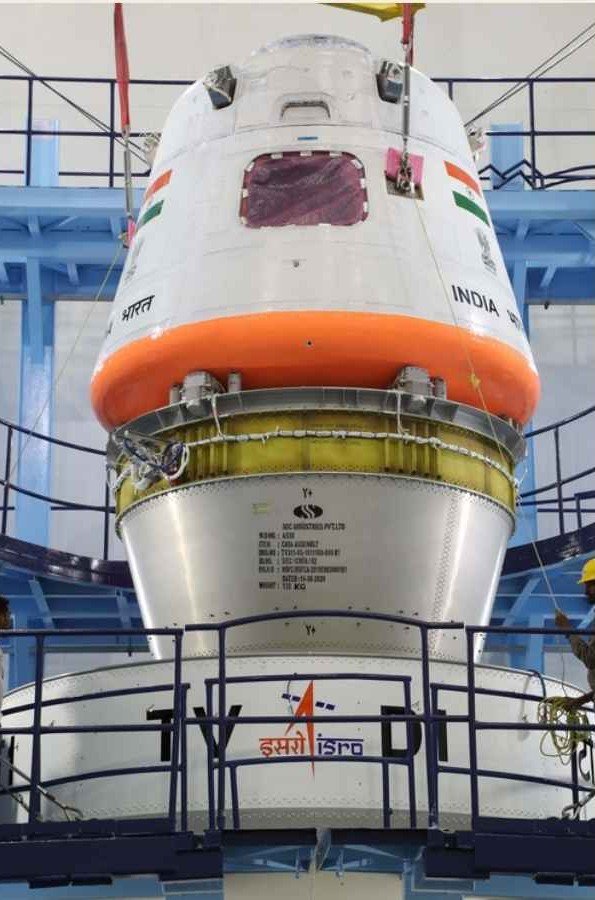
Indian human space programme Gaganyaan is mooted by Indian Space Research Organisation. This ambitious space mission aims to send Indian astronauts in Outer Space indigenously by the proactive leadership of the Indian government. India as a leading space power of the world aims to demonstrate her space capabilities and research in the final frontier. The Gaganyaan mission is the dream of 1.4 billion Indians. The programme will be initiated in 2027 creating a historic mark in the collective space exploration journeys. This is a stepping stone as NASA is envisioning to make Moon as the next base for active space programmes by 2030.
According to NASA this spectacular feat will be achieved soon within 3 years. NASA has asked India’s ISRO to join for the permanent Lunar base in the south pole of Moon. Here comes the significance of Indo-US space partnership and how India will navigate through the space diplomacy keeping in mind of Indian dream of Bharatiya Antariksh Station and the long lasting commitment to strategic autonomy and an independent foreign policy. India already signed the Artemis accords in June 2023. If India is ready to be part of this initiative, it will mark the beginning of a new era in India-United States space cooperation. The question is how India will navigate this process, protecting its sovereignty and national interest while engaging with NASA to help build a new civilisation of space travellers on the lunar surface. According to media reports India’s spectacular success with the Chandrayaan missions has led the United States to choose India as a natural partner, inviting it to join space exploration programmes on the Moon.
India’s Space Mission: The Next Frontier of Global Power
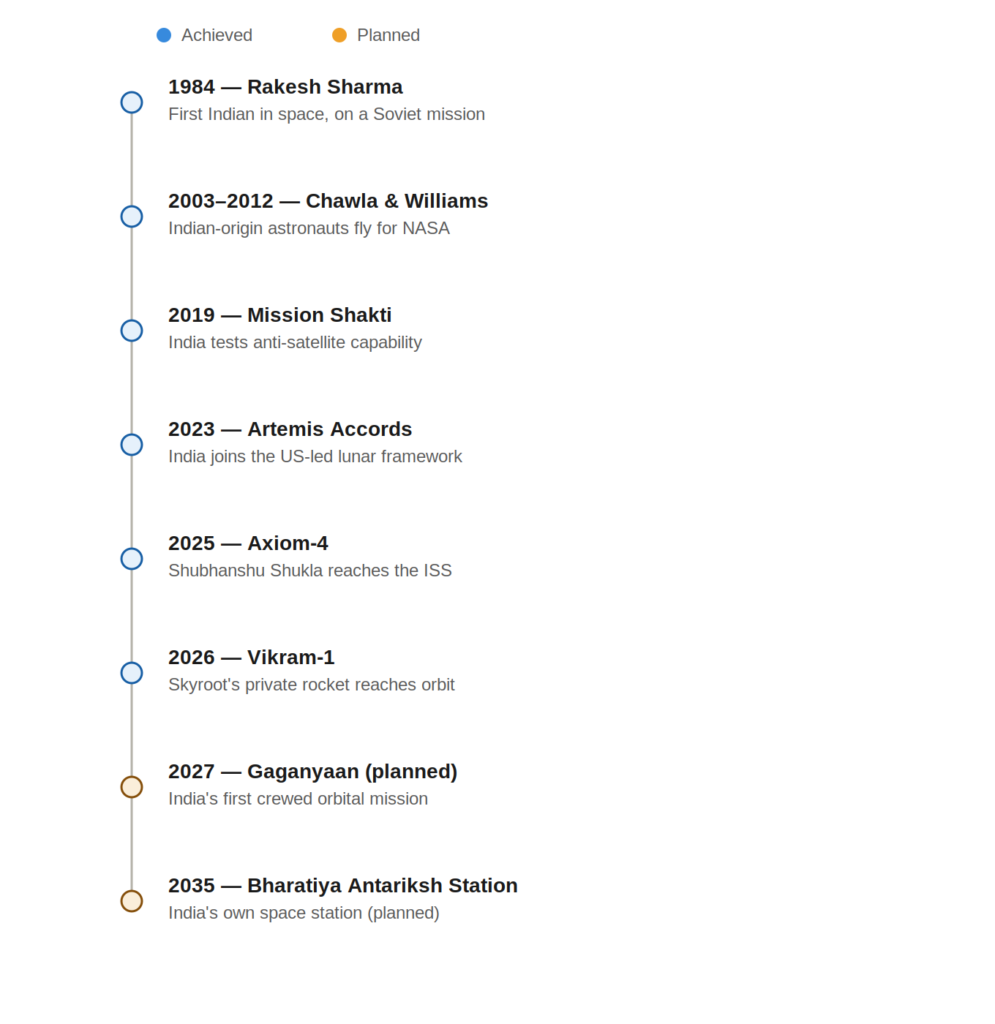
The Gaganyaan mission is significant for strengthening Indian space station’s vision. The Bharatiya Antariksh Station is an Indian space station which is a symbol of Indian space nationalism and a centre for joint research with friendly nations. India is actively pushing for space diplomacy and it is evident from the trainings received by Gaganyaan crew members. They have trained in Russia and the United States, continuing India’s commitment to strong bilateral ties with both Cold War-era rivals. Space exploration and travel are combined with diplomacy, as Indian foreign policy in a multipolar world order pushes for strong partnerships with both Russia and the United States.
Indian Air Force veteran Wing Commander Rakesh Sharma was the first Indian cosmonaut to reach the final frontier, in a Soviet space mission. Following this historic feat, Kalpana Chawla and Sunita Williams travelled to outer space on American missions. Recently, Group Captain Shubhanshu Shukla represented India in the Axiom mission successfully travelling to International Space Station and returned safely as a national hero. He is also part of the Gaganyaan mission. Colonel Anil Menon, who is part of the US Space Force, is also now in outer space. He has strong Indian connections, making him the first astronaut with roots in Kerala to explore the domain of outer space.
With privatisation in outer space in India, Skyroot Aerospace, a private company based in Hyderabad, successfully launched Vikram-1 rocket to low Earth orbit. Thus India is taking leverage of the infinite possibilities chasing stars and galaxies. Indian space ambitions are at a historic juncture now, with over 400 private Space startups. Another mission is aiming for a reusable re-entry vehicle, targeted for launch in 2027, building on ISRO’s success with the Pushpak mission, the Reusable Launch Vehicle Landing Experiment, in 2024.
However, there are concerns in India’s space sector, with many ISRO scientists seeking early retirement. The efficiency of major projects like Aditya and Gaganyaan should not be affected by this. Former ISRO Chairman G Madhavan Nair shared his concerns with the media about bureaucratisation within the organisation. ISRO is a symbol of India’s space story which is filled with resilience and strength of great visionary leaders like Dr Vikram Sarabhai and Dr APJ Abdul Kalam. Unfortunately, there have been budgetary cuts to major ISRO space projects. The government’s focus on Viksit Bharat, a holistically developed India, is only possible with investment in science and technology, and in-depth research in the domain of outer space.
Outer space is militarised, and the race for resource nationalism is a reality. For India to emerge as a global power, investment in space exploration is inevitable. Nations are increasingly aware of the strategic use of outer space for securing national interests. Satellites with civilian and national security purposes are critical assets of any nation. India too has many civilian and strategic assets in outer space, and protecting these is the responsibility of the government. The anti-satellite test Mission Shakti is a milestone demonstrating India’s hard-power capabilities in outer space. Some nations have capabilities such as laser-guided weapons, which can disable or destroy an enemy’s assets during conflict. Space is a key domain for ensuring seamless communication and intelligence-sharing during both war and peace.
Intelligence and surveillance are key factors in winning the wars of the present and future. The dominance in space technology and information superiority will determine the victories of nations fighting for their national interest.
In India, the share of higher education in the annual budgetary allocation remains low. A young generation passionate to explore arenas of space science is to be inculcated with the right mindset. Allocation of funds in education sector is a key requirement for building a strong India with educated and skilled youth. ISRO’s active collaboration with 100 Atal Tinkering Labs is a positive step in inculcating the spirit of scientific enquiry at the grassroots level. Support and encouragement for students in the creative arts and sciences is the need of the hour. Atal Tinkering Labs and India’s startup ecosystem can achieve greater synergy, ensuring a seamless transition from school life to entrepreneurship, from plan to execution.
Human activity has actively degraded the ecosystem, impacting life on both land and water. Now, with active competition in the arena of outer space, space debris is a serious global security challenge. This debris travels swiftly in outer space, damaging active space assets including civilian and defence satellites. The young budding scientists of India need to re-invent and discover practical solutions to the pressing global challenge of space debris and work with relentless passion for making a strong and stable India.
Space & Physics
Meteorite Dust Reveals Evidence of Magnetic Field in the Young Solar System
A magnetic field in the early solar system has been detected in ancient meteorite grains, offering evidence that magnetism helped shape the young sun.


KSBB Workshop Examines Biodiversity, Climate and Environmental Reporting

Why Global Tech and Industry Lean on Indian Talent

From Silicon Valley to Sustainable Period Care; How This Engineer Is Rethinking Menstruation with Science

India tops the world for population exposed to climate-driven risky heat

Can a Webcam Replace the Guru? A Kerala Startup Is Betting Yes

Farmers Borrowed to Build ‘Diggis’. Two Years Later, They Are Still Waiting for the Subsidy

Our Algorithm Knows What We Want Before We Do. That is the Problem.

When Decarbonisation Becomes the Real Conversation at Tiruppur’s Knit Show

When the Himalayas Collapse Without Warning, What Counts as Preparedness?

The Engineer of Tomorrow Is Already Here

-

 Math2 months ago
The 2026 Fields Medals: Four Proofs, Four Decades-Old Problems Solved
-
Climate2 months ago
After Kerala’s Deadliest Landslide, the Hardest Thing to Rebuild Was Childhood
-
Society2 months ago
West Asia Crisis: Can Kerala’s Returning Gulf Migrants Find a Future in the Green Economy?
-
Space & Physics4 months ago
India Semiconductor Mission: ‘It’s Not About Fabs. It’s About Building An Entire Ecosystem’
-
Climate4 months ago
The Climate World Cup? How Climate Change Could Affect Player Performance at the 2026 World Cup
-
Society2 months ago
What Is Civilisational Diplomacy? Understanding India’s Newest Foreign Policy Tool
-
Society3 months ago
From Bell Labs to the Classroom: A Second Career in Teaching
-
Space & Physics4 months ago
Engineers Develop Dual-Mode Propulsion System for Next-Generation Small Satellites