Health
Could LLMs Revolutionize Drug and Material Design?
These researchers have developed an innovative system that augments an LLM with graph-based AI models, designed specifically to handle molecular structures


A new method is changing the way we think about molecule design, bringing us closer to the possibility of using large language models (LLMs) to streamline the creation of new medicines and materials. Imagine asking, in plain language, for a molecule with specific properties, and receiving a comprehensive plan on how to synthesize it. This futuristic vision is now within reach, thanks to a collaboration between researchers from MIT and the MIT-IBM Watson AI Lab.
A New era in molecular discovery
Traditionally, discovering the right molecules for medicines and materials has been a slow and resource-intensive process. It often involves the use of vast computational power and months of painstaking work to explore the nearly infinite pool of potential molecular candidates. However, this new method, blending LLMs with other machine-learning models known as graph-based models, offers a promising solution to speed up this process.
These researchers have developed an innovative system that augments an LLM with graph-based AI models, designed specifically to handle molecular structures. The approach allows users to input natural language queries specifying the desired molecular properties, and in return, the system provides not only a molecular design but also a step-by-step synthesis plan.
LLMs and graph models
LLMs like ChatGPT have revolutionized the way we interact with text, but they face challenges when it comes to molecular design. Molecules are graph structures—composed of atoms and bonds—which makes them fundamentally different from text. LLMs typically process text as a sequence of words, but molecules do not follow a linear structure. This discrepancy has made it difficult for LLMs to understand and predict molecular configurations in the same way they handle sentences.
To bridge this gap, MIT’s researchers created Llamole—a system that uses LLMs to interpret user queries and then switches between different graph-based AI modules to generate molecular structures, explain their rationale, and devise a synthesis strategy. The system combines the power of text, graphs, and synthesis steps into a unified workflow.
As a result, this multimodal approach drastically improves performance. Llamole was able to generate molecules that were far better at meeting user specifications and more likely to have a viable synthesis plan, increasing the success rate from 5 percent to 35 percent.
Llamole’s success lies in its unique ability to seamlessly combine language processing with graph-based molecular modeling. For example, if a user requests a molecule with specific traits—such as one that can penetrate the blood-brain barrier and inhibit HIV—the LLM interprets the plain-language request and switches to a graph module to generate the appropriate molecular structure.
This switch occurs through the use of a new type of trigger token, allowing the LLM to activate specific modules as needed. The process unfolds in stages: the LLM first predicts the molecular structure, then uses a graph neural network to encode the structure, and finally, a retrosynthetic module predicts the necessary steps to synthesize the molecule. The seamless flow between these stages ensures that the LLM maintains an understanding of what each module does, further enhancing its predictive accuracy.
“The beauty of this is that everything the LLM generates before activating a particular module gets fed into that module itself. The module is learning to operate in a way that is consistent with what came before,” says Michael Sun, an MIT graduate student and co-author of the study.
Simplicity meets precision
One of the most striking aspects of this new method is its ability to generate simpler, more cost-effective molecular structures. In tests, Llamole outperformed other LLM-based methods and achieved a notable 35 percent success rate in retrosynthetic planning, up from a mere 5 percent with traditional approaches. “On their own, LLMs struggle to figure out how to synthesize molecules because it requires a lot of multistep planning. Our method can generate better molecular structures that are also easier to synthesize,” says Gang Liu, the study’s lead author.
By designing molecules with simpler structures and more accessible building blocks, Llamole could significantly reduce the time and cost involved in developing new compounds.
The road ahead
Though Llamole’s current capabilities are impressive, there is still work to be done. The researchers built two custom datasets to train Llamole, but these datasets focus on only 10 molecular properties. Moving forward, they hope to expand Llamole’s capabilities to design molecules based on a broader range of properties and improve the system’s retrosynthetic planning success rate.
In the long run, the team envisions Llamole serving as a foundation for broader applications beyond molecular design. “Llamole demonstrates the feasibility of using large language models as an interface to complex data beyond textual description, and we anticipate them to be a foundation that interacts with other AI algorithms to solve any graph problems,” says Jie Chen, a senior researcher at MIT-IBM Watson AI Lab.
With further refinements, Llamole could revolutionize fields from pharmaceuticals to material science, offering a glimpse into the future of AI-driven innovation in molecular discovery.












Health
When Health Care Becomes a Target, Patients Pay the Price
WHO has recorded 914 attacks on health care in 2026, killing 911 people and injuring 1,486 across 19 countries and territories. Since 2017, more than 10,400 attacks have been documented, highlighting the growing risks to health workers, patients and essential medical services during conflict.

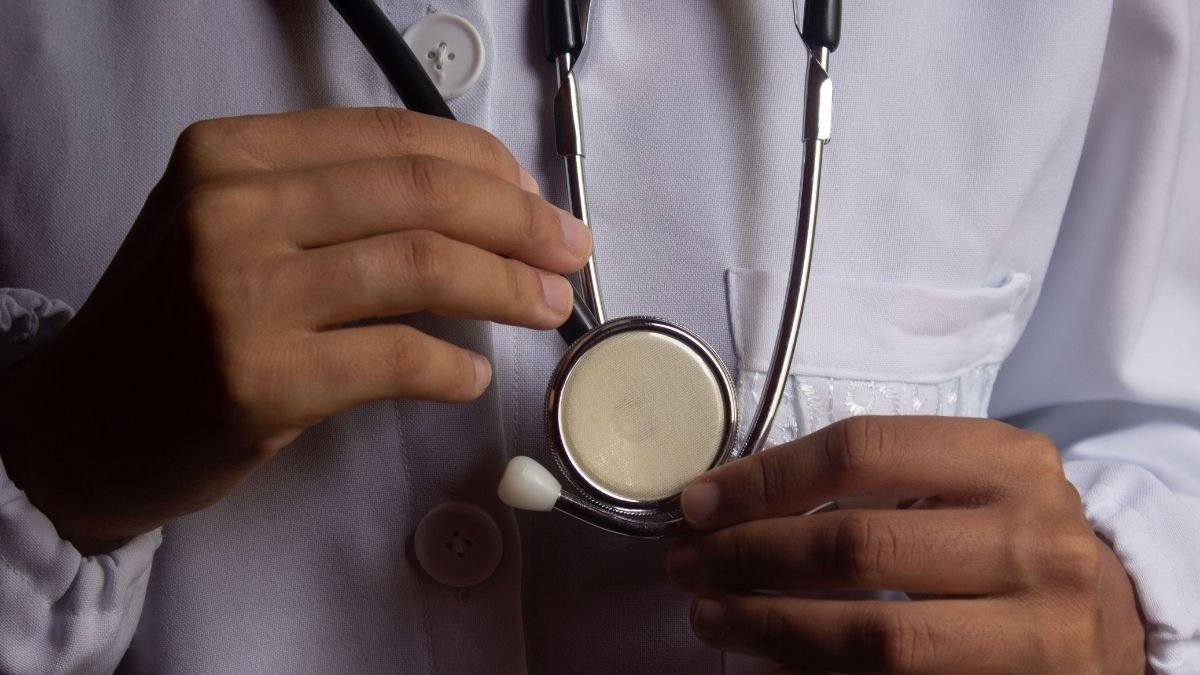
Health workers are expected to move towards people in danger. In many conflict zones, that same act of providing care is putting them in danger. The World Health Organization (WHO) recorded 914 attacks on health care in 2026 so far, resulting in 911 deaths and 1,486 injuries across 19 countries and territories. Most of the reported attacks have occurred in Ukraine, Lebanon, the occupied Palestinian territory and Myanmar.
The figures were released around World Humanitarian Day on August 19, when WHO renewed its call for health workers, patients, medical facilities and ambulances to be protected during conflicts. Since WHO began systematically documenting attacks on health care in December 2017, it has recorded more than 10,400 attacks across 29 countries and territories, resulting in more than 5,700 deaths and 8,500 injuries.
The numbers represent more than attacks on individual doctors or hospitals. When a health centre is bombed, an ambulance is stopped or a health worker is threatened, people who may never have been involved in the conflict can lose access to essential treatment.
What Counts as an Attack on Health Care?
WHO’s surveillance system covers violence, threats, obstruction and other acts that interfere with the availability, access or delivery of health services during emergencies. The attacks can affect health workers, patients, facilities and medical transport. That means the damage is not limited to deaths and injuries.
A damaged hospital may lose operating rooms, beds, medicines or electricity. An ambulance that cannot safely reach a patient can turn a treatable emergency into a fatal one. Health workers may leave areas where they no longer feel safe, leaving communities with fewer doctors and nurses.
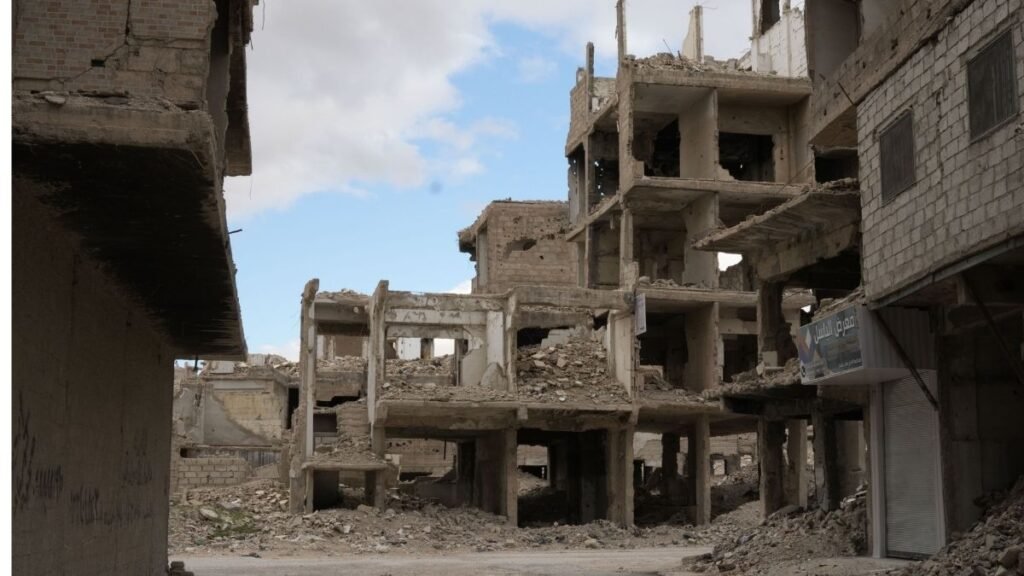
A systematic review of research on attacks on health care in conflict found that these attacks can include bombing, looting, burning, occupation and obstruction of facilities, as well as threats, detention and physical attacks against health workers and patients. The researchers also noted significant gaps in documentation, making the available numbers likely to represent only part of the problem. WHO’s earlier analysis of attacks in fragile and conflict-affected settings similarly found that attacks reduce health-care capacity and interrupt services, affecting vulnerable populations long after the immediate incident.
The Effects Continue After the Attack
The loss of a health worker has consequences beyond the individual. A systematic mapping of 474 studies on health workers in conflict and post-conflict settings found evidence of threats, detention and killings, as well as health-worker displacement. In some conflicts, large numbers of medical professionals have left affected areas, contributing to shortages that persist after the fighting subsides.
This creates a cycle: conflict increases the need for medical care while simultaneously making it harder to provide that care. The consequences can extend to routine services such as maternal care, childhood immunisation and treatment for chronic diseases. A health system weakened by attacks may also be less prepared for disease outbreaks and other emergencies.
India has Its Own Warning Signs
India is not among the countries driving WHO’s current global conflict tally, but the protection of health care is not an abstract issue here. In Manipur, where intercommunal violence began in May 2023, the Safeguarding Health in Conflict Coalition documented eight incidents of violence against or obstruction of health care in 2024. Health facilities were attacked on five occasions. The incidents included a grenade delivered to a hospital and a bomb thrown at a medical university campus. Routine immunisation, maternal health services and treatment for chronic diseases were disrupted.
The Manipur case shows why attacks on health care matter even when the number of incidents is relatively small compared with the world’s largest conflicts. A single attack can affect an entire catchment area when alternative facilities are limited.
Research from Assam provides another perspective. A study of ASHA workers in conflict-affected districts found that they faced difficulties arranging transport and accessing remote health facilities during and after episodes of violence. Their physical safety was also at risk, while displacement and the breakdown of social relationships created additional pressures on their work.
These community health workers are particularly important because they connect people in remote communities with the formal health system. When conflict prevents them from travelling safely, the disruption reaches households far beyond the site of the violence.
Violence in Indian Hospitals is a Different, But Related, Problem
There is an important distinction between attacks on health care in armed conflict and violence against health workers in ordinary health-care settings. They should not be treated as the same phenomenon. India, however, has a significant problem with workplace violence against medical professionals.
A 2026 study published in the National Medical Journal of India, based on 439 doctors’ responses, found that 80.2% had faced or witnessed workplace violence. Verbal abuse was the most common form, followed by physical and sexual violence. Respondents reported effects on their mental health that could last from weeks to a year. Another study involving emergency-department health-care providers in two Indian settings found that 68% reported verbal abuse and 26% physical abuse among the events examined. Patient relatives and other bystanders were reported as the most common perpetrators.
India responded during the COVID-19 pandemic by amending the Epidemic Diseases Act in 2020. The amendment made violence against health-care personnel during an epidemic a cognizable and non-bailable offence, with penalties that can include imprisonment and fines.
But the persistence of violence suggests that legal protection alone does not guarantee safety.
Protection is Part of Health Care
International humanitarian law already provides protections for medical personnel, facilities and transport during armed conflict. UN Security Council Resolution 2286, adopted in 2016, specifically condemned attacks against medical facilities and personnel and called for stronger compliance with international humanitarian law.
A decade later, the problem remains. The Safeguarding Health in Conflict Coalition’s latest assessment argues that the consequences extend to millions of people who lose access to health care when facilities and workers are attacked. It has called for stronger accountability mechanisms and greater political action to enforce existing protections.
The central issue, therefore, is not simply how many doctors, nurses or patients are killed. It is what happens to everyone who needs care after the health system around them has been damaged. When a hospital becomes a conflict zone, it is a maternity ward that cannot admit a woman, a clinic unable to vaccinate a child, an ambulance that cannot reach an injured person, or a doctor who decides it is no longer safe to stay. Protecting health care is ultimately about protecting the ability of people to receive care when they need it most.
Health
Kerala Doctors Find Glass Fragments Lodged in Woman’s Spine, 12 Years After Accident
Doctors in Kochi removed three glass fragments lodged near a woman’s spine for 12 years after 3D CT imaging finally revealed the cause of her chronic back pain.
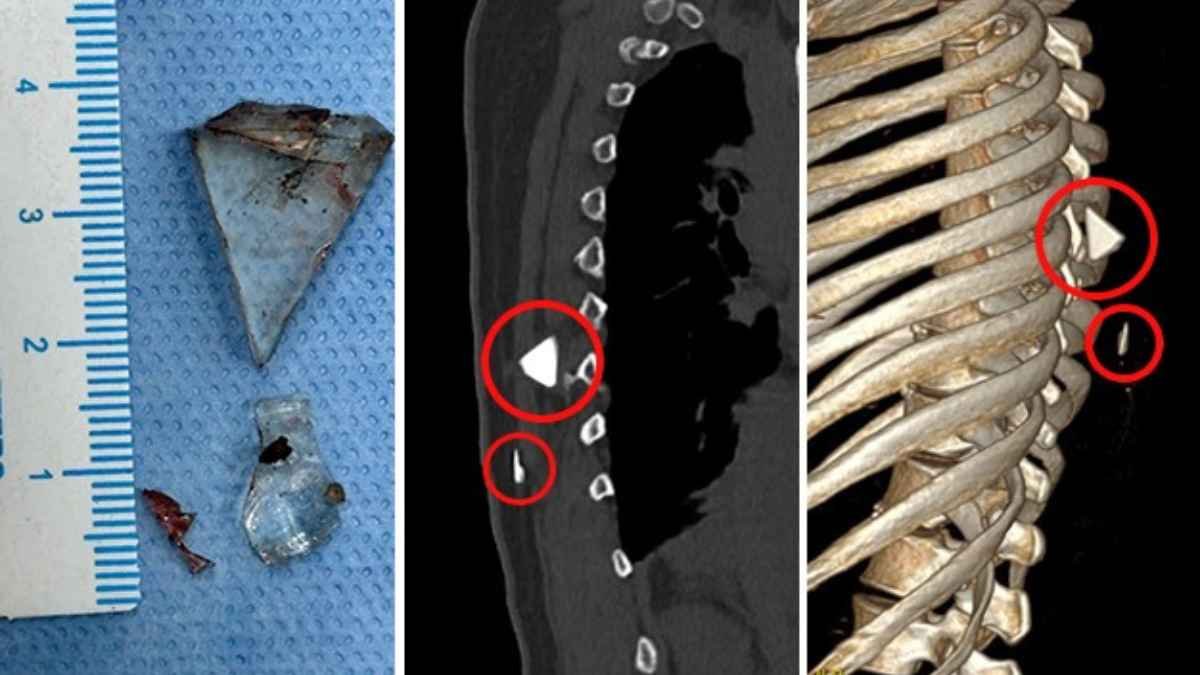
Kochi, Kerala: A 44-year-old woman from Karunagappally in Kollam has undergone surgery to remove three glass fragments that had remained lodged near her spine for 12 years, after imaging finally identified the source of pain that doctors had previously been unable to explain.
Manu S B had lived with chronic back pain since 2014, when she fell onto a glass-topped table while eight months pregnant and attending a family wedding. Glass shattered on impact and pierced her back. She was treated at a hospital at the time, but not all the fragments could be located, and some remained embedded in the tissue near her spine.
Over the following twelve years, Manu consulted multiple hospitals without a diagnosis. Her husband, Rajeeve, said the unexplained pain affected her sleep, her ability to raise her arms, and eventually her work as a Taluk Supply Officer in Karunagappally. Family members said the prolonged, undiagnosed pain also took a psychological toll, with some around her suggesting the problem was not physical.
A recent consultation led doctors to suspect a tumour-like lesion and recommend an MRI. Rajeeve then approached Dr Krishnakumar R, Director of the Institute of Spine and Scoliosis Surgery at VPS Lakeshore Hospital, under whom he had previously undergone surgery. A subsequent 3D CT scan identified the retained glass fragments, including one triangular piece measuring roughly 3 cm.
Surgeons removed the three fragments from the mid-back region of Manu’s spine last week, in a procedure led by Dr Krishnakumar with support from the hospital’s radiology and anaesthesiology teams. She is currently recovering at VPS Lakeshore Hospital.
“Pain that continues for years after an injury needs careful evaluation,” Dr Krishnakumar said. “In this case, imaging helped us identify the retained glass fragments and understand the reason for her longstanding symptoms.”
Rajeeve said much of the earlier medical attention over the years had focused on Manu’s neck rather than the back, which he believes contributed to the delay in diagnosis.
Health
AI Finds the Hidden Cells That May Help Cancer Return
Indian researchers have developed an AI framework, ACSCeND, that identifies hidden cancer stem-like cell states from tumour gene-expression data. Analysis of more than 25,000 tumour samples linked highly potent cells with poorer survival, cancer recurrence and reduced response to immunotherapy.
India recorded an estimated 15.6 lakh new cancer cases and 8.74 lakh cancer deaths in 2024, according to estimates based on data from 43 cancer registries. Cancer is now the second leading cause of death globally after cardiovascular diseases, with the World Health Organization estimating 20.6 million new cases and nearly 10 million deaths worldwide in 2024. Against this growing burden, cancer stem cells are emerging as a critical target in understanding why tumours return and resist treatment.
The growing cancer burden has made early detection, effective treatment and preventing recurrence critical challenges. While advances in surgery, chemotherapy, radiation, targeted therapies and immunotherapy have improved treatment options, cancer can still return after an apparently successful treatment. One reason may lie in a small population of cancer stem cells that can remain hidden inside a tumour.
These are known as cancer stem cells. Although they make up only a small fraction of a tumour, researchers believe they can play an important role in tumour recurrence, metastasis and treatment resistance. Their rarity and ability to change their identity have also made them difficult to detect. This is where a new Indian research effort could offer a different way of looking at cancer.
Researchers from the S. N. Bose National Centre for Basic Sciences, an autonomous institute under the Department of Science and Technology, in collaboration with Ashoka University, have developed an artificial intelligence framework that can identify hidden cancer stem-like cell populations from tumour gene-expression data.
Called ACSCeND, or AI-based Cancer Stem Cells Profiler and Neoplasm Deconvoluter, the framework could help researchers examine cancer biology at a level that conventional tumour analysis may miss.
Cancer Stem Cells: Understanding Single Stemness Score
Cancer is not a uniform mass of identical cells. Different cells within the same tumour can behave differently, with some populations potentially more capable of surviving treatment and driving tumour growth.
Conventional computational approaches often assign a tumour a single “stemness” score. ACSCeND instead identifies three distinct developmental states of cancer stem-like cells: pluripotent-like, multipotent-like and unipotent-like.
The distinction could give researchers a more detailed picture of the biological composition of a tumour.
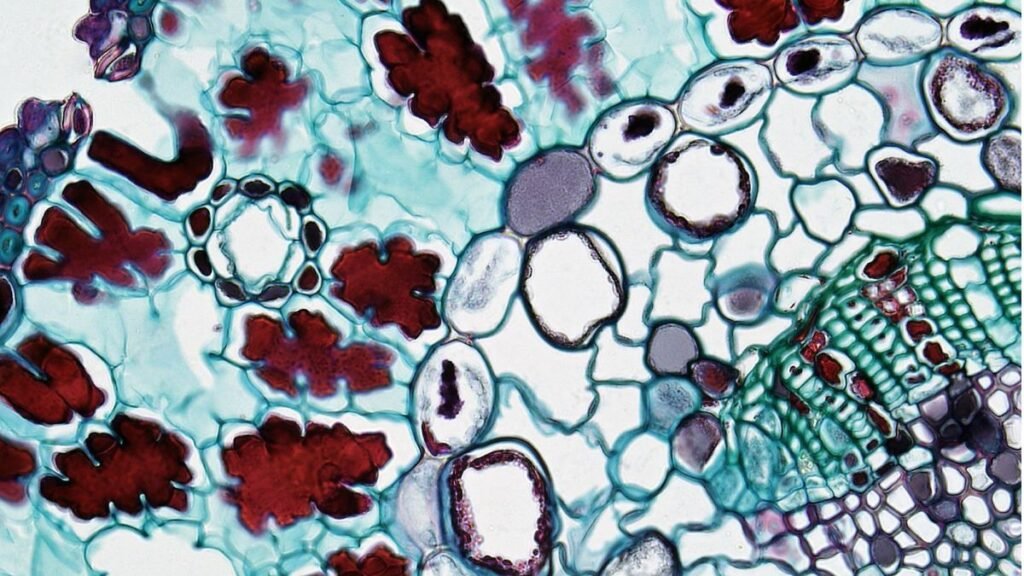
The framework combines information learned from high-resolution single-cell sequencing with deep learning to analyse conventional bulk tumour RNA sequencing. This is significant because single-cell experiments are not available for every tumour sample, while large collections of conventional RNA sequencing data already exist.
In effect, the researchers are using AI to extract information about hidden cell populations from data that may otherwise appear less detailed.
Tested Across More Than 25,000 Tumours
The researchers validated ACSCeND against existing computational methods and tested it across independent datasets and sequencing platforms. They then applied the framework to more than 25,000 tumour samples from major international cancer databases, including TCGA and PRECOG.
The analysis revealed a significant association between the presence of highly potent, pluripotent-like cancer stem cells and poorer outcomes. Tumours enriched with these cancer stem cells were associated with poorer patient survival, a greater likelihood of recurrence and reduced response to modern immunotherapies.
The framework also identified molecular programmes that may help these cells survive, adapt and evade the immune system. Such findings could provide researchers with potential targets for future drug development and help identify patients who may be more likely to relapse.
Why This Could Matter for Precision Medicine
The significance of the research lies not in AI replacing cancer doctors or predicting an individual patient’s future, but in its ability to reveal biological patterns that are difficult to detect using conventional analysis.
If researchers can better identify the cell populations that are associated with recurrence and treatment resistance, they may gain a clearer understanding of why some tumours return after apparently successful treatment. That knowledge could eventually contribute to therapies designed to target not only the bulk of a tumour but also the populations of cells that help it survive.
The approach could also be valuable because it works with conventional bulk RNA sequencing data. Instead of requiring every tumour sample to undergo expensive and highly detailed single-cell analysis, researchers may be able to investigate hidden cancer stem-like populations across much larger collections of existing samples.
For India, where an estimated 15.6 lakh people were diagnosed with cancer in 2024, such computational approaches could strengthen cancer research and the country’s move towards more data-driven precision medicine.
But the findings need to be viewed in context. ACSCeND is currently a research framework, not a clinical diagnostic tool that can determine whether an individual patient’s cancer will return. The study establishes associations between cancer stem cells states and outcomes; translating those findings into clinical decisions will require further research and validation.
The potential turning point, therefore, is not that AI has solved cancer recurrence. It is that researchers now have another way to look for the cancer stem cells that may be helping tumours survive treatment.
In the long battle against cancer, understanding what remains after treatment may be just as important as understanding what the treatment destroys.


Nepal’s Glacier Disaster Exposes the Unequal Cost of Climate Change

When Health Care Becomes a Target, Patients Pay the Price

Academic Diplomacy: How India Can Build Global Influence Through Universities

Six Months of the Hormuz Crisis: A USD 330 Billion Global Fuel Bill — and India’s USD 22.5 Billion Share

The Giant Steel Gates Guarding the Netherlands from the Sea

When the Monsoon Returns, Fear Returns: How Climate Disasters Are Reshaping Mental Health in Himachal Pradesh

Astronomers Discover a ‘Black Hole Star’, a New Kind of Object in the Early Universe

From Bell Labs to the Classroom: Finding Purpose After Retirement

From Soil to Profit: How Organic Turmeric Changed the Fortunes of a Tribal Farming Family

Kerala Floods Highlight a Recurring Health Crisis as Disease Risks Rise

-

 Math1 month ago
The 2026 Fields Medals: Four Proofs, Four Decades-Old Problems Solved
-
Climate1 month ago
After Kerala’s Deadliest Landslide, the Hardest Thing to Rebuild Was Childhood
-
Society2 months ago
West Asia Crisis: Can Kerala’s Returning Gulf Migrants Find a Future in the Green Economy?
-
Space & Physics3 months ago
India Semiconductor Mission: ‘It’s Not About Fabs. It’s About Building An Entire Ecosystem’
-
Climate3 months ago
The Climate World Cup? How Climate Change Could Affect Player Performance at the 2026 World Cup
-
Society2 months ago
What Is Civilisational Diplomacy? Understanding India’s Newest Foreign Policy Tool
-
Society3 months ago
From Bell Labs to the Classroom: A Second Career in Teaching
-
Space & Physics3 months ago
Engineers Develop Dual-Mode Propulsion System for Next-Generation Small Satellites