
Climate
Weather, Not Just Emissions, Driving PM2.5 Pollution in Indian Cities: Study
A new Climate Trends report finds weather conditions can alter PM2.5 levels in Indian cities by up to 40%, calling for season-specific reforms in India’s National Clean Air Programme (NCAP).

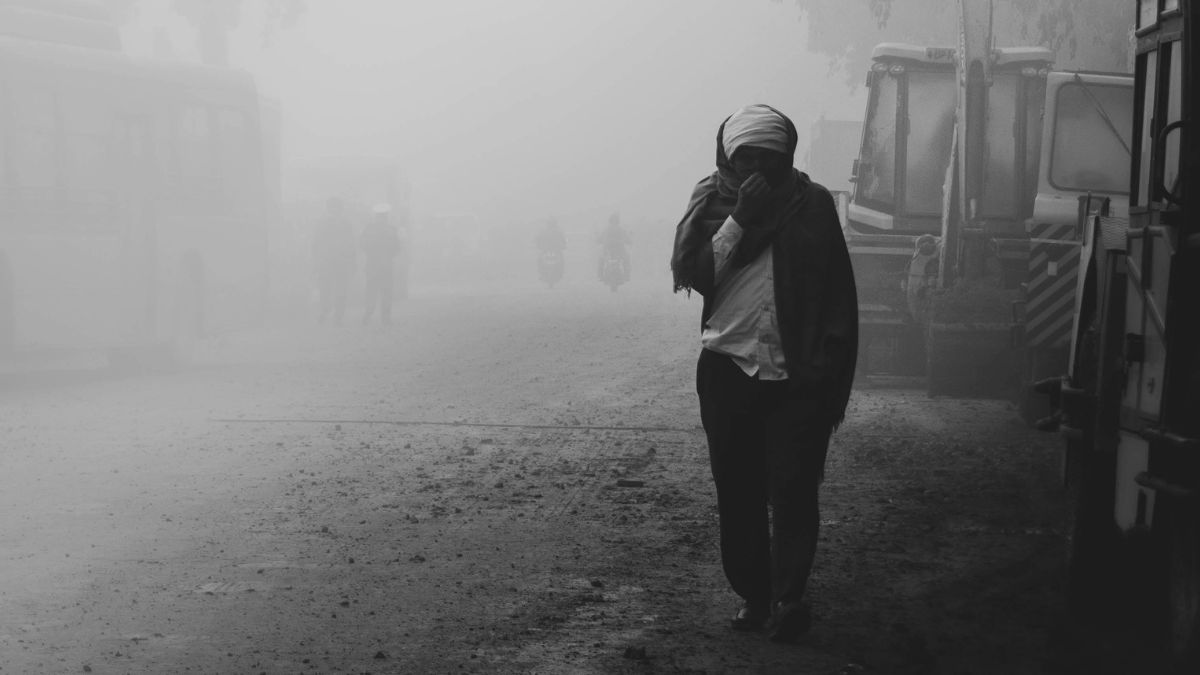
A new analysis of India’s urban air quality has revealed that weather conditions can significantly influence pollution levels, sometimes masking the real health burden faced by residents. The report, released by Climate Trends, argues that India’s clean air policies must account for seasonal and meteorological factors to effectively tackle particulate pollution across major cities.
The study analysed Central Pollution Control Board (CPCB) monitoring data from 2024–2025 across six major cities — Delhi, Patna, Kolkata, Mumbai, Chennai, and Bengaluru — and found that meteorological conditions alone can shift pollution levels by up to 40 percent even without changes in emissions.
Researchers say the findings highlight a major gap in India’s National Clean Air Programme (NCAP) and recommend that the upcoming Phase-III reforms include season-specific targets, weather-adjusted evaluation metrics, and dynamic action plans triggered by atmospheric conditions.
Delhi’s extreme winter pollution
The report highlights Delhi as continuing to experience the most severe pollution crisis in the country. The capital recorded the highest annual average PM2.5 levels among the cities analysed and experienced prolonged periods of “Severe” and “Emergency” air quality days.
A particularly alarming finding is that Delhi recorded zero clean air days during winter, despite apparent annual improvements in pollution metrics.
According to the researchers, this discrepancy arises because annual averages can hide seasonal pollution spikes that occur during unfavourable weather conditions such as low wind speeds and high humidity.
“This study shows that a 20–30% reduction in annual PM2.5 does not translate into winter air-quality compliance in stagnation-prone cities like Delhi and Patna, where over 70% of days fall under low-wind, high-humidity meteorological regimes. NCAP Phase-III must therefore adopt season-specific targets, meteorology-triggered interventions, and airshed-level management frameworks to achieve meaningful public-health gains,” Aarti Khosla, Founder and Director of Climate Trends, said in a statement.
Weather plays a decisive role
The report emphasises that air pollution is not simply an “emissions-only” problem. Instead, it is strongly shaped by how emissions interact with atmospheric conditions.
Periods of atmospheric stagnation — characterised by low wind speeds and high humidity — prevent pollutants from dispersing, allowing them to accumulate near the ground and intensify exposure levels for urban populations.
Sagnik Dey, Head of the Centre for Atmospheric Sciences at IIT Delhi, explained the scientific basis for this pattern.
“The persistence of PM2.5 exceedances is strongly associated with sub-1 m/s wind regimes and elevated relative humidity across northern cities, where stagnation episodes sustain disproportionately high exposure levels. Ventilation efficiency emerges as the dominant determinant of inter-city variability. However, current NCAP evaluation frameworks primarily assess observed concentration changes without explicitly accounting for meteorological modulation, potentially leading to distorted interpretations of policy effectiveness. Integrating meteorological regime analytics is therefore essential to ensure a scientifically robust and equitable Phase-III evaluation.”
The study also estimates that simply shifting from stagnant atmospheric conditions to well-ventilated ones could reduce PM2.5 levels by 35–40 percent, demonstrating the powerful role of weather in shaping urban air quality.
Emerging patterns across Indian cities
Beyond Delhi, the report identifies several emerging trends across India’s major urban centres.
Southern cities such as Bengaluru and Chennai, historically considered less polluted, are beginning to show signs of winter-time air quality deterioration, signalling a new vulnerability. Meanwhile, Mumbai and Chennai recorded increases in annual pollution levels in 2025, suggesting that pollution challenges are expanding beyond seasonal spikes into year-round concerns.
Patna continues to face an intensifying crisis, emerging as the second-most polluted city after Delhi, driven in part by persistent atmospheric stagnation across the eastern Indo-Gangetic Plain.
In contrast, Bengaluru stands out for maintaining relatively stable and lower pollution levels, reflecting what researchers describe as “structural air-quality resilience.”
Kolkata’s complex pollution dynamics
Kolkata presents a unique case where meteorology interacts strongly with local pollution sources.
Dr. Abhinandan Ghosh of IISER Kolkata said meteorological conditions play a key role in winter pollution episodes in the city. “As a community of atmospheric scientists, we have long cautioned against a simplistic rat race to replicate Western PM₂.₅ benchmarks, for the Indian subcontinent is endowed with its own meteorological idiosyncrasies, complex topography, and friable alluvial soils that elevate baseline particulate concentrations. The report vindicates this standpoint: in Kolkata, it is not emissions alone but the capricious tyranny of winter boundary-layer dynamics – attenuated mixing heights and enfeebled dispersion – that engenders the most deleterious pollution episodes.”
Professor Abhijit Chatterjee of the Bose Institute pointed to biomass and waste burning as major contributors to winter pollution in the city.
“Amongst several sources, at the current scenario, biomass and waste burning are the major concern in Kolkata especially in winter. The high load of PM2.5 exceeding national standards in winter, primarily due to these two sources which accumulate near the surface because of low dispersion and ventilation coefficients.”
Need for season-specific policies
The study concludes that India’s clean air strategy must move beyond a uniform annual target system and instead adopt seasonally calibrated and meteorology-aware policies.
Experts argue that incorporating weather dynamics into pollution management would help policymakers better assess the effectiveness of interventions and design more realistic mitigation strategies.
Without such reforms, the report warns, improvements in annual averages may continue to mask severe seasonal pollution episodes that pose serious health risks to millions of urban residents.











Climate
Why India Is Studying the Arctic to Understand Its Monsoon
As BRICS countries discuss closer cooperation in ocean and polar science, research is drawing attention to a distant climate connection: changes in Arctic sea ice may influence India’s monsoon. The emerging evidence could have implications for rainfall patterns, water security and climate forecasting.
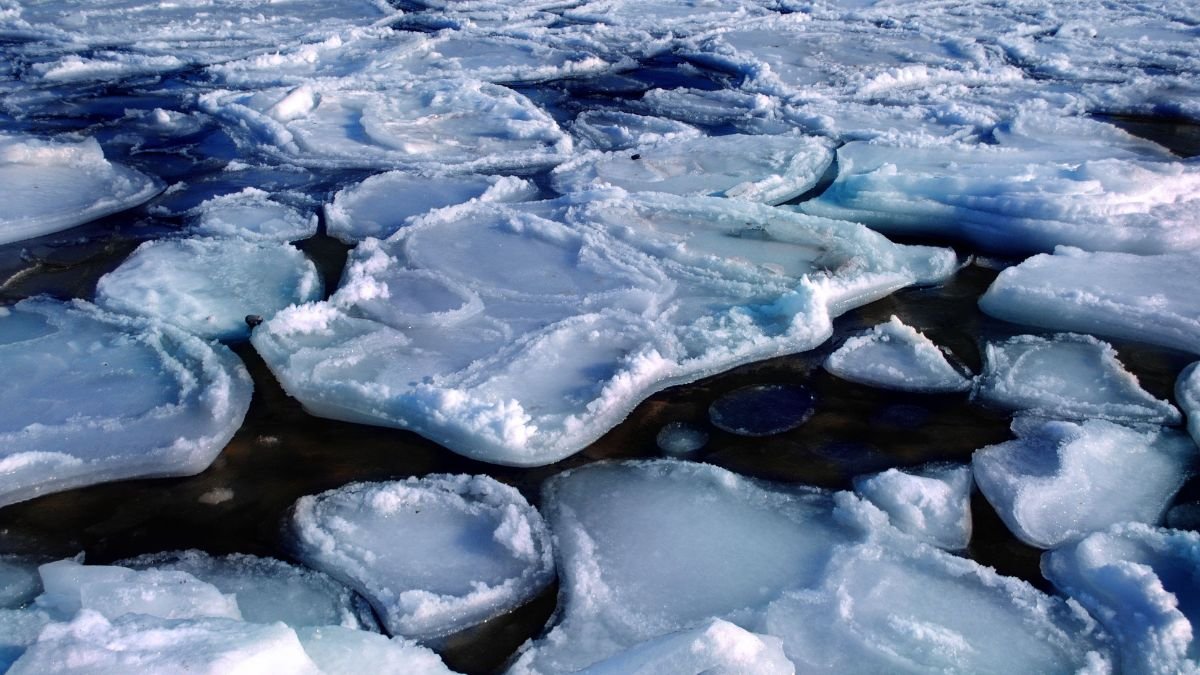
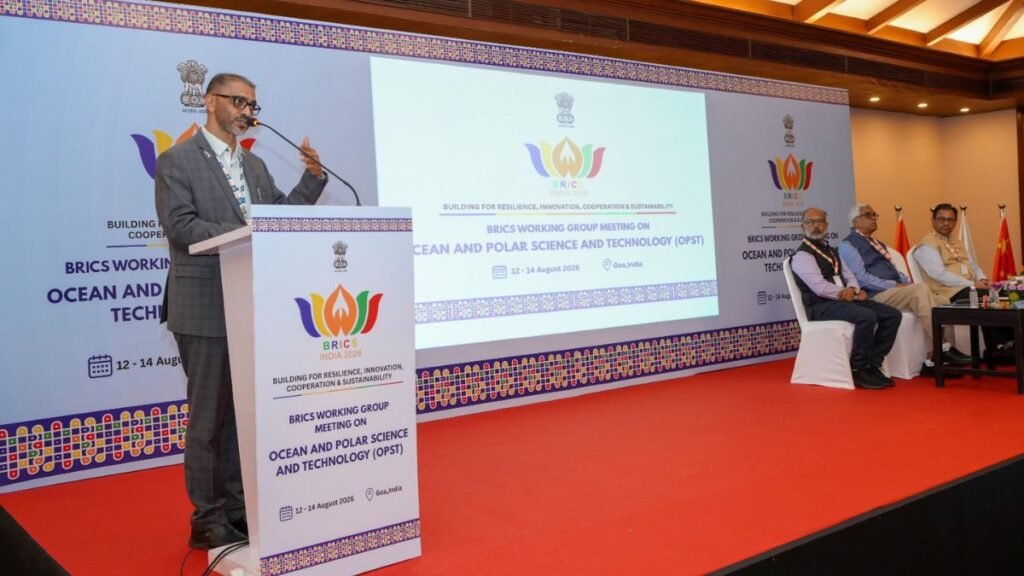
India’s growing interest in polar science comes as researchers are finding stronger links between changes in the Arctic and the climate systems that influence the country. The issue came into focus this month when India hosted the 8th BRICS Working Group Meeting on Ocean and Polar Science and Technology in Goa, bringing together scientists and officials from eight BRICS countries to discuss cooperation in ocean and polar research. The meeting covered scientific collaboration, technology and the use of research to address environmental challenges.
For India, the discussion has a direct climate relevance. The Arctic lies thousands of kilometres away, yet changes in its sea ice and atmosphere can affect large-scale circulation patterns that reach into Eurasia and interact with the South Asian monsoon.
That connection matters because India’s dependence on the monsoon leaves little room for major shifts in rainfall patterns. Agriculture, reservoirs, groundwater recharge, hydropower and flood risk all depend on when and where rain arrives.
The Arctic–monsoon Link
Scientists have been investigating the relationship for several years. A 2026 study examined Arctic sea-ice extent and Indian summer monsoon rainfall using observations and reanalysis data from 1979 to 2022. It found an inverse relationship between Arctic sea ice and Indian monsoon rainfall, particularly during August and September. The researchers reported that periods of lower Arctic sea ice were associated with stronger rainfall over parts of India and changes in the spatial distribution of monsoon rainfall.
The finding does not mean that Arctic sea-ice loss directly determines India’s rainfall. The monsoon is influenced by several interacting systems, including ENSO, the Indian Ocean Dipole, Indian Ocean temperatures and atmospheric circulation.
The significance of the study lies in identifying the Arctic as one component of that larger system. Earlier research has produced similar evidence. A study published in the International Journal of Climatology examined Arctic sea ice and Indian precipitation between 1979 and 2021. It found significant relationships between Arctic sea-ice variability and precipitation over parts of India, with the strength of the relationship changing with the state of the Arctic Oscillation.
A 2024 study in Remote Sensing of Environment looked at different Arctic regions rather than treating the Arctic as a single system. It found significant relationships between spring sea-ice conditions in regions including the Central Arctic and Barents-Kara sector and Indian summer monsoon rainfall. The researchers linked these relationships to changes in atmospheric circulation across Eurasia.
Research in 2025 reached a similar conclusion about the importance of regional differences. It examined the Atlantic and Pacific sectors of the Arctic separately and found that their relationships with Indian rainfall differ. The study also examined interactions involving the North Atlantic Oscillation and ENSO.
Together, these studies point towards a climate system in which the Arctic can influence Indian rainfall through several atmospheric pathways.
How can Melting Sea Ice Affect Rainfall in India?
The mechanism begins with the loss of sea ice. Ice reflects a large proportion of incoming solar radiation. When ice retreats, darker ocean water is exposed and absorbs more heat. The reduction in sea ice also changes exchanges of heat and moisture between the ocean and atmosphere.
Those changes can alter atmospheric pressure patterns and generate or modify large-scale waves in the atmosphere. Some of these disturbances can propagate towards Eurasia and South Asia. The 2026 study found evidence that changes associated with Arctic sea ice can modify atmospheric circulation over South Asia, affecting the distribution of monsoon rainfall.
The relationship is particularly relevant during the later monsoon season. That is significant because rainfall in August and September contributes substantially to India’s seasonal water availability, while shifts in rainfall during this period can affect crops and reservoir management.
The research, however, does not establish a simple cause-and-effect relationship for every monsoon season. The influence of Arctic conditions depends on the state of other climate systems at the same time.
India’s Climate has Several Moving Parts
The Arctic is one part of a much larger climate network. The Indian Ocean has a direct influence on the monsoon through sea-surface temperatures, ocean heat and moisture transport. ENSO can alter atmospheric circulation across the tropics. The Indian Ocean Dipole can strengthen or weaken rainfall in different parts of India.
The Himalayas add another layer. Changes in snow cover and glaciers affect the timing of water entering major river systems. Research on the Brahmaputra basin has estimated that snowmelt contributes about 6% of annual basin flow, but its contribution rises to roughly 21% in the upper Brahmaputra. Climate projections indicate declining snowmelt even as changes in precipitation could increase total annual water yield.
This distinction matters for water management. A change in the source and timing of river water can affect agriculture and hydropower even when annual river discharge does not fall.
India therefore has several climate systems operating at different scales: the Arctic and its atmospheric influence, the Himalayan cryosphere, the Indian Ocean and the tropical systems that drive the monsoon. Understanding how they interact is becoming increasingly important for forecasting.
Why India Needs Long-term Polar Observations
India established Himadri, its first Arctic research station in Svalbard, in 2008. Indian research in the region now covers atmospheric science, glaciers, sea ice, marine ecosystems and other aspects of the Arctic environment.
The purpose is not limited to documenting polar warming. Long-term observations allow scientists to compare changes in Arctic conditions with atmospheric circulation, Himalayan processes and Indian rainfall. Satellite observations extend this coverage, while climate models can be used to test possible mechanisms.
This kind of research requires continuity. A single expedition cannot establish whether an Arctic change has influenced the Indian monsoon. Researchers need observations collected over decades, together with historical records and data from other parts of the climate system. That is where international scientific cooperation can become useful.
What BRICS Cooperation Could Add
The BRICS meeting in Goa brought ocean and polar science into the same discussion. That is relevant to India because its climate concerns span both ends of the Earth system. The country has interests in Arctic research, Antarctic research, Himalayan cryosphere studies and Indian Ocean observations.
Ocean and polar research also requires expensive infrastructure. Research vessels, autonomous instruments, satellite observations and specialised equipment are difficult for individual institutions to maintain at the scale needed for long-term climate research.
Cooperation can help researchers share observations, technology and expertise. The value of such partnerships, however, will depend on what they produce after the meetings: shared datasets, joint expeditions, sustained observations, modelling capacity and research that improves understanding of regional climate risks.
What This Means for India
The Arctic–monsoon relationship is scientifically significant, but it should not be turned into a prediction that Arctic sea-ice loss will automatically bring more rain to India. The evidence is more complicated. Different parts of the Arctic appear to influence India differently. The relationship changes with atmospheric circulation and interacts with ENSO, the Indian Ocean Dipole and other climate drivers. Some studies identify statistical associations, while others investigate the physical mechanisms that could explain them.
The next challenge is to determine how these interactions behave as the planet continues to warm. For India, that work has a practical purpose. Better understanding of the Arctic’s influence could improve seasonal monsoon prediction and help identify conditions associated with shifts in rainfall. Combined with observations from the Himalayas and Indian Ocean, it could also improve assessments of water availability and extreme rainfall.
The BRICS meeting provides the diplomatic and scientific setting for that work. The harder task begins after the meeting: collecting enough evidence to understand how changes at the top of the planet can alter weather and water far to the south.
Climate
India Doesn’t Need More Climate Awareness. It Needs Climate Agency
India’s climate conversation is shifting from awareness to action. Climate communication researcher Jagadish Thaker explains why growing concern about climate change must translate into agency, skills, employment and meaningful participation in the clean-energy transition.


India may not have a climate-awareness problem. It may have an action and agency problem. That is one of the central questions emerging from the work of Dr. Jagadish Thaker, a Senior Lecturer at the University of Queensland and a Principal Investigator on the Yale Program on Climate Change Communication’s research on public attitudes towards climate change in India.
Thaker studies how people understand climate change, how media and communication shape public opinion, and what turns concern into action. His recent work has provided one of the most detailed pictures yet of how Indians perceive climate change and the country’s clean-energy transition.
The latest Climate Change in the Indian Mind survey, conducted by the Yale Program on Climate Change Communication and CVoter, interviewed 5,427 Indian adults between December 2025 and February 2026. It found that 88% of Indians are worried about global warming and 84% say they have personally experienced its effects. At the same time, 50% say they know little or nothing about global warming, while 84% believe it is happening.
For Thaker, that apparent contradiction is important. People may not always use the language of climate science, but their experiences of heat, floods, changing rainfall and other environmental changes are shaping how they understand the issue.
The findings also point towards a larger challenge: how can climate communication help people move from recognising the problem to participating in solutions?
In this conversation with EdPublica, Thaker discusses what India’s changing climate attitudes reveal about public understanding, why extreme weather can be a powerful entry point for climate communication, and why climate education should connect climate action with jobs, skills, innovation and community participation.
“The challenge now is turning concern into sustained engagement and effective action”
Climate communication has traditionally focused on raising awareness. But your latest survey suggests Indians are already deeply concerned about climate change. What should the next phase of climate communication look like?
The first communication challenge is understanding how much Indians know about the causes and consequences of climate change. Our findings indicate that awareness is low, but a brief explanation is all that is required for Indians to connect their experience with extreme weather events to climate change. So, we must help people make sense of the scientifically accurate causes and consequences, so Indians understand that the problem is not rooted in local issues alone but is also a global issue.
The second communication challenge is to move beyond awareness and focus more on efficacy, agency and solutions. People need credible information about what governments, businesses, communities and households can do, how clean-energy transitions create jobs and improve air quality, and how local actions connect to larger climate goals.
In short, the next generation of climate communication should help people see not only the problem, but also realistic pathways towards solutions and resilience.
The biggest communication story in this survey is not that Indians are unaware of climate change. It is that many Indians who know little about the term ‘global warming’ nevertheless recognise environmental changes around them, report experiencing climate impacts personally, and strongly support climate and energy solutions.
The challenge now is turning concern into sustained engagement and effective action. Extreme weather may be changing how Indians understand climate change
Dr. Jagadish Thaker, Public concern about climate change has risen over the past decade. What do you think has changed?
According to a recent study between 1995 and 2024, Indians faced 430 extreme weather events, including cyclones, floods and severe heat waves, which resulted in around 80,000 deaths and USD 170 billion in economic losses.
The India Meteorological Department has also reported that India recorded its eighth-warmest year on record in 2025. These experiences matter because people often understand climate change through what they experience in their daily lives. Extreme heat, changing rainfall, floods and droughts can make an otherwise abstract global issue much more tangible.
“Climate education should not focus only on risks”
Ninety-five percent of Indians support renewable-energy training for women and youth. How important is climate education in schools and communities?
The support is remarkable. Ninety-five percent favour a national programme prioritising training youth and women for renewable-energy jobs, and 93% support renewable-energy job training more generally.
These findings suggest that climate communication should not focus only on risks. Indians appear highly interested in solutions, skills and opportunities.
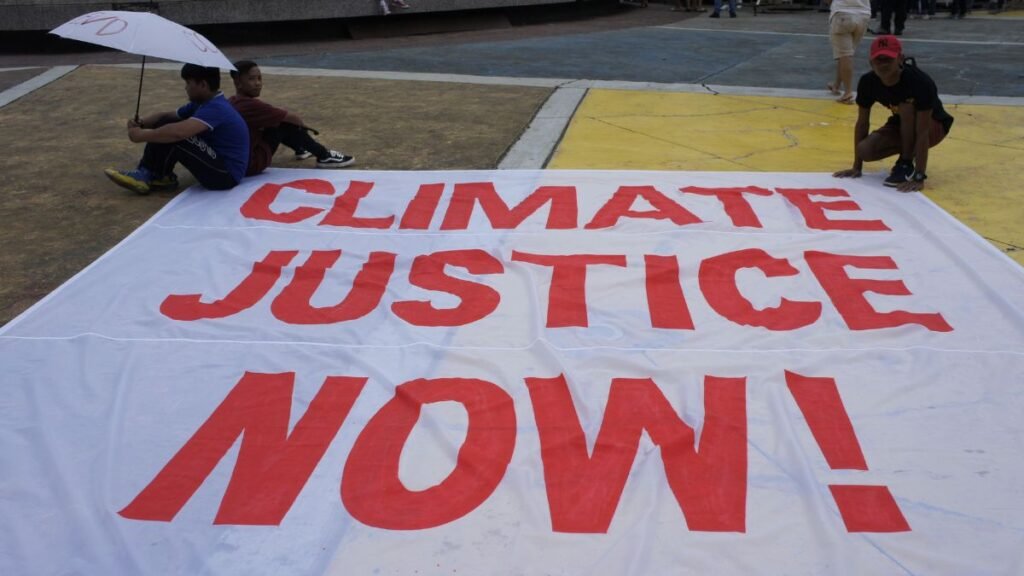
Effective climate education can help people understand climate change, but it can also help them see pathways to participate in the transition through employment, innovation and community action. Education is most powerful when it links climate action to everyday benefits and opportunities. Public support may not be the biggest barrier to India’s energy transition
Most Indians support replacing coal with solar and wind. But coal remains central to India’s electricity system. Why is it difficult to bring about behavioural change and effective public policy even when public opinion is this strong?
Public opinion is an important factor shaping energy systems. Infrastructure investments, energy security concerns, employment, institutional capacity and economic considerations all influence policy outcomes.
There are also ongoing challenges around technology upgrades and funding for major changes across the economy and country.
What is striking in our data is how consistently supportive Indians are of the energy transition. These findings suggest that public opinion may be less of a barrier to climate and energy policy than is often assumed.
For communicators, one challenge is helping people understand how long-term energy transitions actually occur and what role citizens can play in them.
Nearly one in three Indians say they have already moved or considered moving because of climate-related disasters. What does this reveal about how climate change is reshaping everyday life?
Twenty-eight percent of Indians report that they have either already moved (11% ) or considered moving (18%) because of weather-related disasters such as extreme heat, droughts, flooding or sea-level rise. Climate change is already influencing decisions about where people live
From a communication perspective, these findings suggest that climate change is not just an environmental issue. It is increasingly affecting decisions about livelihoods, homes and community stability.
“Indians perceive climate change as a present-day reality”
India is among the world’s largest carbon emitters, yet its per-capita emissions remain far below those of most developed countries while it also faces significant climate impacts. How should we understand this imbalance?
Questions about responsibility and equity extend beyond the scope of this public-opinion survey.
What our findings show is that Indians perceive climate change as a present-day reality. Fifty-seven percent say people in India are already being harmed by global warming, 84% say global warming will harm people in India, and 85% say it will harm future generations.
Regardless of broader debates about responsibility, climate change is widely viewed by Indians as a significant and immediate challenge, and there is strong support for the government to pursue ambitious action plans on climate change and the clean-energy transition.
Your survey covers one of the world’s most diverse populations across 12 languages. What important regional differences lie beneath the national averages?
Absolutely. National averages are useful, but they never tell the entire story. India is extraordinarily diverse geographically, culturally, economically and politically. Many climate attitudes vary across regions and populations. India’s national averages hide significant regional differences.
Readers interested in these differences should explore the Yale Climate Opinion Maps for India, which provide state- and district-level estimates of climate beliefs, risk perceptions and policy support.
Those maps reveal substantial geographic variation that national averages can conceal, while also showing that concern about climate change and support for many climate policies are widespread across much of the country.
If this survey were conducted after an even more intense summer, would public concern rise further, or have we already reached a ceiling?
We cannot know without collecting the data. Public opinion often responds to highly visible and personally experienced events. However, concern is already extremely high in this survey. Ninety-two percent say global warming is at least somewhat important to them personally.
One interesting question for future research is how extreme weather events affect not just concern, but support for specific adaptation and mitigation policies.
Climate
Western Himalaya Heating Faster Than East, Study Finds; Snow Loss Could Surge
A new study finds the western Himalaya is warming faster than the central and eastern regions, with major losses in spring snow projected by 2100.

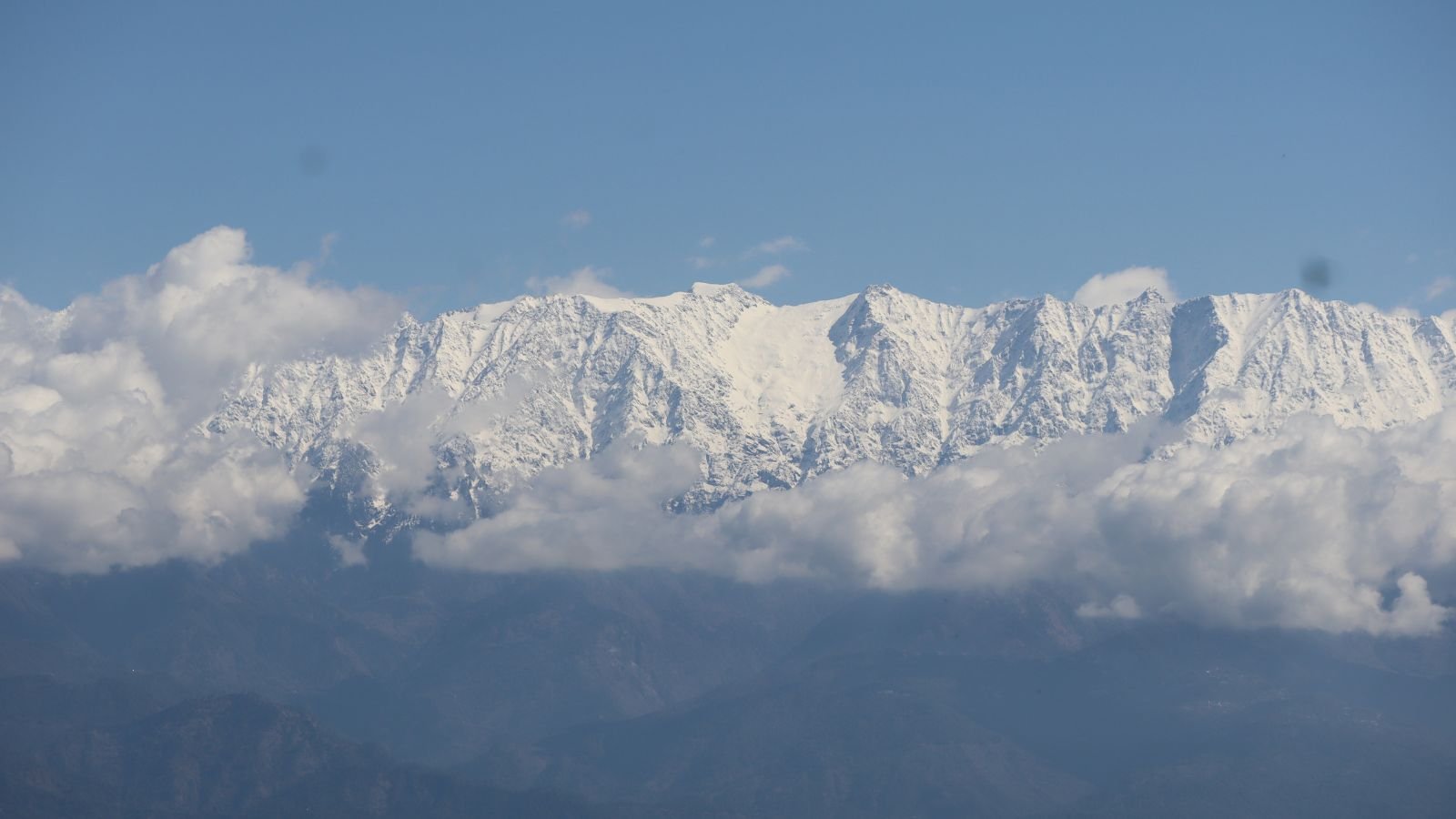
Western Himalaya warming is accelerating faster than in the central and eastern Himalayas, with the region projected to face the greatest snow loss by 2100, a new climate study finds.
A new study combining 120 years of observed temperature records (1901–2020) with eight global climate models finds that the western Himalaya (Ladakh, Jammu & Kashmir and Himachal Pradesh) is heating up more quickly than the central and eastern stretches of the range — a pattern that holds across every season and every emission scenario the researchers tested.
The imbalance shows up in multiple ways: winters are warming faster than springs, nights are warming faster than days, and by the end of the century, the western Himalaya stands to lose far more of its spring snow cover than the rest of the range, with the gap between low- and high-emission futures widening sharply the longer emissions stay high.
Western Himalaya warming is accelerating across seasons
A research study, Vulnerability of the Himalayan region under the climate change, published in the Journal of Earth System Science, led by the Department of Remote Sensing and Geoinformatics, Birla Institute of Technology (BIT), Mesra, Ranchi, with the Indian Institute of Tropical Meteorology (IITM), Pune, and Ashoka University, assessed how temperature and snow are changing across three sectors of the Indian Himalayan range, and how far that change could go by 2100.
The researchers drew on two sources of evidence: 120 years of recorded ground-station temperatures across the region, from 1901 to 2020, and eight global climate models that were first validated against that historical record and then projected forward to the year 2100 under five emissions scenarios, ranging from steep near-term cuts to continued high fossil-fuel use. Two seasons were examined: winter, when snow accumulates, and the pre-monsoon spring months, when it melts.
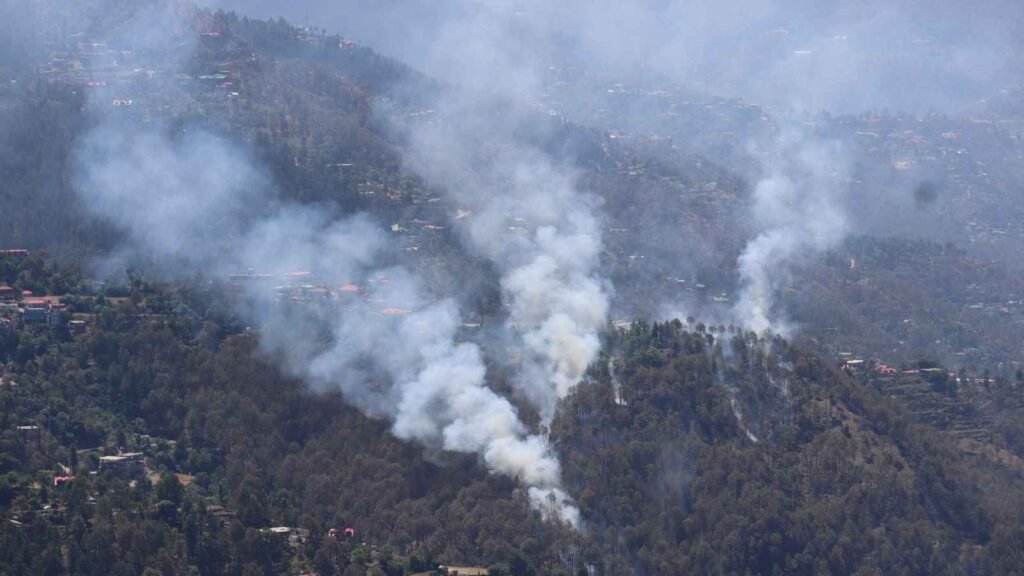
The range is split into three stretches, studied separately: the western Himalaya (Ladakh, Jammu & Kashmir, and Himachal Pradesh), the central Himalaya (largely Uttarakhand), and the eastern Himalaya (Sikkim, Arunachal Pradesh, and the wider North-East). Between them, they hold more than 15,000 glaciers and feed the Indus, Ganges and Brahmaputra, the rivers that roughly 1.5 billion people depend on.
The warming has already reached about 1°C, and it is not evenly spread
Compared with the first three decades of the 1900s, all three stretches of the range had already warmed by close to 1°C in winter by the two decades to 2014: 1.06°C in the western Himalaya, 0.96°C in the central Himalaya and 1.09°C in the east. Springs had warmed by 1.08°C in the west, and 0.83°C in the centre and east. The warming has not arrived at a steady pace. Warmer-than-normal years have become the rule rather than the exception across all three stretches over the past 20–30 years, most of the change has come recently, the study said.
“The Himalaya is often discussed as a single system, but our observations and models both say otherwise. The western Himalaya consistently emerges as the most sensitive stretch — it warms the most and loses the most snow under every pathway we tested. That has direct consequences for the states that sit in it,” said Protyusha Mukhopadhyay, lead author, Birla Institute of Technology (BIT), Mesra.
Under high emissions, western Himalayan winters may warm by more than 7°C
The models show the same west-to-east pattern throughout the century. If emissions stay high, winters by 2081–2100 would be 7.18°C warmer in the western Himalaya, 6.71°C warmer in the central Himalaya and 5.82°C warmer in the east, compared with the early 1900s. Springs warm in the same order: 6.91°C, 6.41°C and 5.16°C.
Himalayan Warming: Key Findings
- 1.06°C — winter warming in the western Himalaya already observed
- 7.18°C — projected winter warming in the western Himalaya by 2081–2100 under high emissions
- 95.9 kg/m² — projected western Himalayan spring snow loss under the highest-emission pathway
- 32 kg/m² — projected spring snow loss even under the lowest-emission pathway by the end of the century
- 1.23°C — rise in western Himalayan winter night-time temperatures
- 1.5 billion — approximate number of people dependent on rivers fed by the Himalayan region
“In the west and centre, winters are warming faster than springs. Less snow on the ground would mean a darker surface, which absorbs more heat, which melts more snow. It matters because winter is the season in which snow is supposed to build up; warmer winters mean less snow banked for the melt months that follow,” said Parthasarathi Mukhopadhyay, corresponding author, Ashoka University.
Nights are warming faster than days
One of the clearest signals in the observational record is that minimum (night-time) temperatures are rising faster than maximum (daytime) temperatures across the western and central Himalaya. In the western Himalaya, winter minimum temperatures rose 1.23°C against 0.87°C for day temperatures; in spring, 1.25°C against 0.91°C. In the central Himalaya the gap is wider still in winter (1.20°C against 0.72°C).
The eastern Himalaya is the exception, where winter maximum temperatures rose more (1.19°C) than minimum (0.99°C). Warmer nights matter because they shorten the hours in which snow and ice can refreeze. That speeds up melting, and changes when the meltwater reaches the rivers below.
“Rising night-time temperatures are the quieter half of this story, and arguably the more consequential one. When the cold nights that let snowpack recover start disappearing, you change the melt cycle itself rather than how much snow falls, but when the water arrives downstream,” said Dr Swagata Payra, co-author, BIT Mesra.
Spring is where the snow is being lost
Across all three stretches of the range, spring sees greater snow loss than winter, and the western Himalaya loses by far the most. The study measures this as the weight of snow sitting on each square metre of ground. Over the western Himalaya, spring snow falls away steadily even on the lowest-emission path: by 24.2 kg per square metre by 2040, 27.4 kg by 2060 and 32 kg by the end of the century. On the highest-emission path, that end-of-century loss reaches 95.9 kg per square metre, enough to point towards an almost complete loss of seasonal snow in some pockets of the region, the authors said.
The central Himalaya loses less, though still a substantial amount: between 17.0 and 34.9 kg per square metre by the end of the century, depending on the emissions path. The eastern Himalaya loses the least, between 5.5 and 11.1 kg. Winter follows the same pattern. Western Himalayan snow loss by the end of the century ranges from 9.5 kg per square metre on the lowest-emission path to 53.2 kg on the highest.
The gap between emission pathways
Western Himalayan winters end the century 2.55°C warmer if emissions fall sharply, or 7.18°C warmer if they do not (a gap of 4.6°C). By 2100, a high-emission trajectory would strip roughly three times more spring snow from the region than a low-emission one, and more than five times more winter snow. The eight models largely agree on the next two to three decades. They diverge much more towards 2100 because how much the region warms by then depends on choices that have not yet been made.
“The models agree on where we are headed over the next two to three decades. What remains open is the second half of the century, and that is determined by emissions rather than by anything intrinsic to the mountains. A low-emission pathway does not stop the warming, but it changes its magnitude by several degrees,” said Mukhopadhyay
The eastern Himalaya warms the least of the three and loses the least snow, and its outlook varies the least across the emission paths. However, the study notes that the east has become a hotspot for glacial lake outburst floods that are sudden, destructive floods released when a lake dammed by glacial debris gives way. “That risk is expected to spread westward in the future, driven by retreating glaciers and the new lakes they leave behind, not by temperature alone,” said Protyusha.
The authors call for region-specific climate services and adaptation policy; enhanced monitoring that combines in-situ networks, satellite products and sustained high-resolution modelling to track glacier and snow dynamics in near real time; strengthened early-warning systems; sustainable water management; community-level resilience programmes; and transboundary cooperation. How water actually moves through these high mountains is still poorly captured by models, and more measurement on the ground is needed before it can be said with confidence how much ice and snow melts each year, and how much of that reaches the rivers below, the authors said.


Meteorite Dust Reveals Evidence of Magnetic Field in the Young Solar System

When Decarbonisation Becomes the Real Conversation at Tiruppur’s Knit Show

Chinese Humanoid Robots Beat Human Records at Beijing Games

Our Algorithm Knows What We Want Before We Do. That is the Problem.

Scientists Map Earth’s Sand Dunes in a New Global Survey

After Kerala’s Deadliest Landslide, the Hardest Thing to Rebuild Was Childhood

When the Monsoon Returns, Fear Returns: How Climate Disasters Are Reshaping Mental Health in Himachal Pradesh

Astronomers Discover a ‘Black Hole Star’, a New Kind of Object in the Early Universe

From Bell Labs to the Classroom: Finding Purpose After Retirement

Why Is India Flooding If El Niño Predicted a Weak Monsoon?

-

 Math1 month ago
The 2026 Fields Medals: Four Proofs, Four Decades-Old Problems Solved
-
Climate4 weeks ago
After Kerala’s Deadliest Landslide, the Hardest Thing to Rebuild Was Childhood
-
Society2 months ago
West Asia Crisis: Can Kerala’s Returning Gulf Migrants Find a Future in the Green Economy?
-
Space & Physics3 months ago
India Semiconductor Mission: ‘It’s Not About Fabs. It’s About Building An Entire Ecosystem’
-
Climate3 months ago
The Climate World Cup? How Climate Change Could Affect Player Performance at the 2026 World Cup
-
Society1 month ago
What Is Civilisational Diplomacy? Understanding India’s Newest Foreign Policy Tool
-
Society2 months ago
From Bell Labs to the Classroom: A Second Career in Teaching
-
Space & Physics3 months ago
Engineers Develop Dual-Mode Propulsion System for Next-Generation Small Satellites